The best walks and hikes around Miłkowice
4.9
(93)
743
hikers
107
hikes
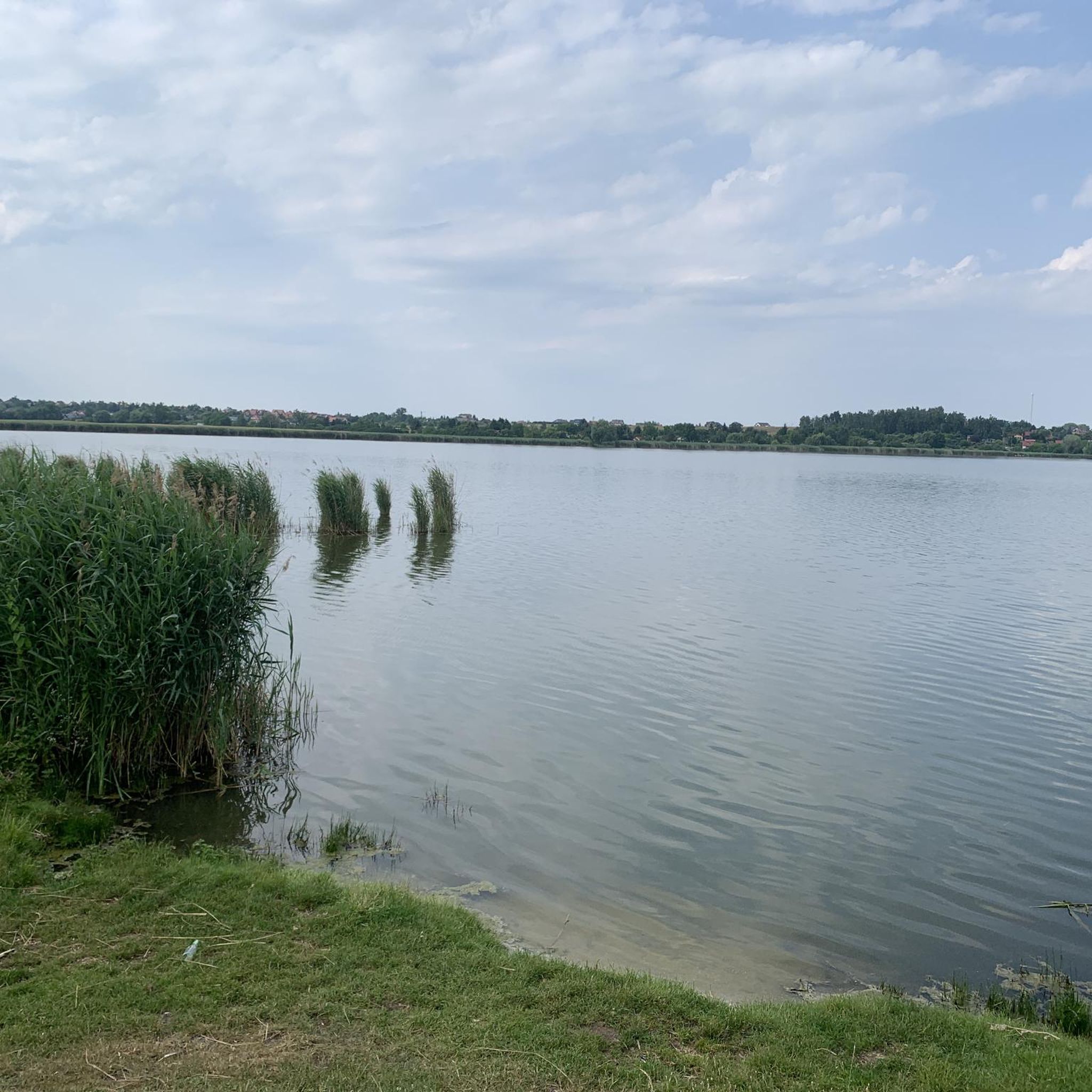
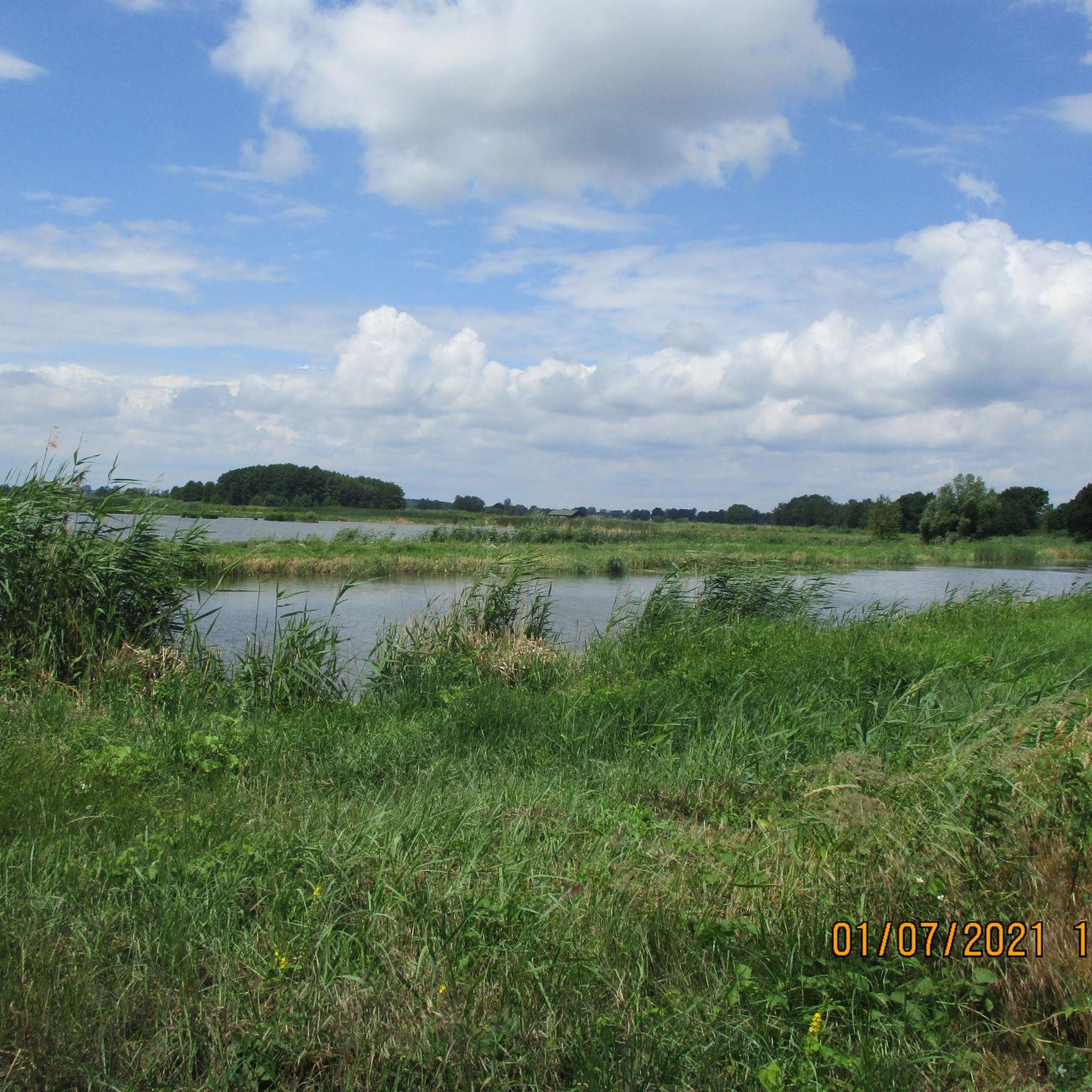
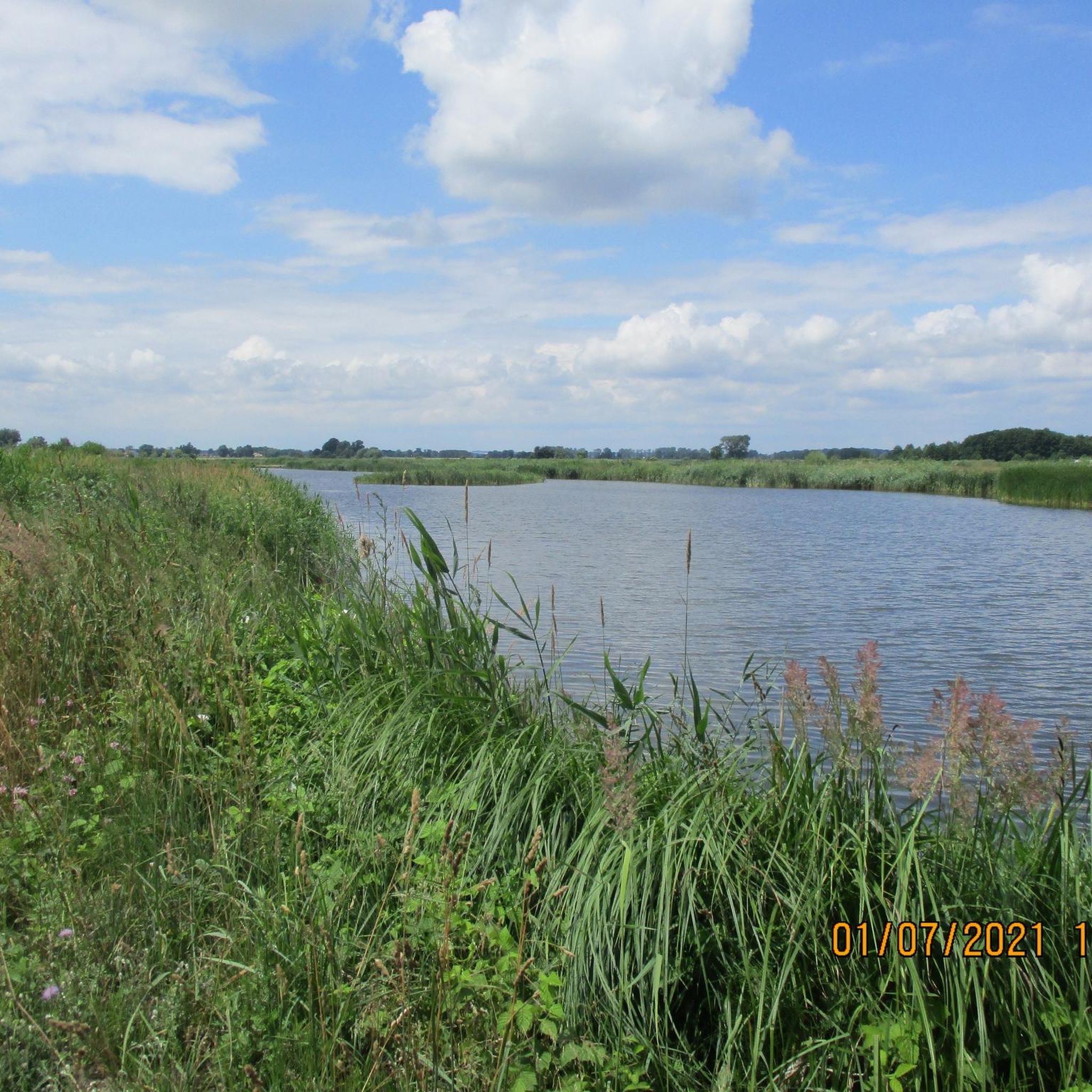
Hiking trails around Miłkowice offer opportunities to explore the rural landscape of the Gmina Miłkowice, characterized by fields, agricultural land, and smaller wooded areas. The region features gentle undulations formed by glacial and riverine deposits, providing a tranquil environment for walks. While Miłkowice itself is rural, many routes connect to the nearby city of Legnica, incorporating urban green spaces and historical sites into the hiking experience.
Best hiking trails around Miłkowice
- The most popular hiking route is Julek Statue – Filip Statue loop from Legnica, an easy 4.6 miles (7.3 km) trail that takes 1 hour 51 minutes to complete, connecting various points of interest in Legnica.
- Another top favourite among local hikers is New Town Hall in Legnica – Pergola in Volkspark Legnica loop from Legnica, a moderate 5.0 miles (8.1 km) path. This route offers a blend of urban exploration and park scenery within Legnica.
- Local hikers also love the Jadwiga Restaurant loop from Legnica, a 4.8 miles (7.7 km) trail leading through the local surroundings of Legnica, often completed in about 1 hour 59 minutes.
- Hiking around Miłkowice is defined by rural landscapes, agricultural fields, and accessible wooded areas, often connecting to urban green spaces in Legnica. The network offers options for easy and moderate ability levels.
- The routes in Miłkowice are highly rated by the komoot community with an average score of 4.9 stars from over 50 reviews. More than 350 hikers have used komoot to explore Miłkowice's varied terrain.
Last updated: August 25, 2026
8
hikers
5.43km
01:23
10m
10m
Easy hike. Great for any fitness level. Easily-accessible paths. Suitable for all skill levels.
7
hikers
3.94km
01:01
20m
20m
Easy hike. Great for any fitness level. Easily-accessible paths. Suitable for all skill levels.

Sign up for free
5.0
(1)
5
hikers
6.23km
01:36
30m
30m
Easy hike. Great for any fitness level. Easily-accessible paths. Suitable for all skill levels.
3
hikers
3.74km
00:57
10m
10m
Easy hike. Great for any fitness level. Easily-accessible paths. Suitable for all skill levels.
3
hikers
Moderate hike. Good fitness required. Easily-accessible paths. Suitable for all skill levels.
Get access to more routes and recommendations from other explorers.
Sign up for free
Already have an account?
Our route recommendations are based on thousands of hikes, rides, and runs completed by other people on komoot.
Start today with a free account
Your next adventure awaits.
Login or Signup

Tips from the Community

Ascent to the St. Peter's Tower, Piast Castle in Legnica
0
0

The Piast Castle in Legnica is one of the oldest and most important buildings in Poland, built in the 12th and 13th centuries by Bolesław I the Tall and Henry the Bearded.
0
0

The Głogów Gate Tower (Wieża Bramy Głogowskiej) is a striking medieval structure that was once part of the city's fortifications and now serves as a historical landmark. Here are its key details: 🏰 Historical Background Built: In the 14th century as part of Głogów's city walls, protecting the Old Town. Function: Served as a defensive tower and city gate through which travelers and traders entered the city. Originally part of the Głogów Bridge, which crossed the Oder River and connected the city to the opposite bank. 🛠️ Architecture Style: Gothic, with later Baroque and Neo-Gothic additions. Material: Brick with decorative sandstone elements. Special features: Pointed arch passageway Battlements and loopholes Partially preserved battlements and tower tops 📍 Location & significance today Located on the edge of Głogów's old town, near the Oder River. Today, it is a listed building that serves as a tourist attraction and photo opportunity. Nearby: Ruins of the old town, St. Nicholas Church, Głogów City Museum. 🏛️ Use The tower is occasionally used for exhibitions, city tours, and cultural events. Part of the historic ensemble that survived the destruction of World War II and is currently being restored.
1
0
The Piast Castle in Legnica (Zamek Piastowski w Legnicy) is one of the oldest surviving princely castles in Poland and a significant witness to the history of the Silesian Piast dynasty. Here's a comprehensive overview: 🏰 Historical Origin Built: Originally in the 12th century as a fortified castle under Bolesław I the High. Reconstruction into a castle: Transformed into a representative residence of the Piast dynasty in the 13th century under Henry the Bearded and his wife Hedwig of Silesia. Significance: Served for centuries as the seat of the Dukes of Legnica – a center of political power and cultural development. 🛕 Architecture & Features Style: A blend of Romanesque, Gothic, and Renaissance styles, with Baroque additions. Towers: St. Peter's Tower and St. Paul's Tower – named after the patron saints of the neighboring cathedral. Courtyard: With arcades and Renaissance galleries reminiscent of Italian palazzi. Chapel: The palace chapel was founded by Hedwig of Silesia and is a place of religious worship. 📜 Historical Events Battle of Legnica (1241): After the death of Henry II in battle against the Mongols, the palace became a symbol of resistance. Reformation: In the 16th century, the palace became a center of Protestant education and administration. Prussian Period: After the Piast dynasty died out in 1675, the palace became Prussian property and served as an administrative building. 🏛️ Current Use Home to various cultural institutions, including the State Archives, the Copper Museum, and event spaces. Venue for exhibitions, concerts, and historical tours. Parts of the palace are open to the public, others are used for administrative purposes. 📍 Location & Surroundings Centrally located in Legnica's Old Town, close to the Cathedral of St. Peter and Paul, the Neptune Fountain, and the Market Square. Surrounded by historic town houses, the Modrzejewska Theater, and the Old Town Hall.
0
0
The Cathedral of St. Peter and Paul in Legnica (Katedra Świętych Apostołów Piotra i Pawła) is a significant sacred building with a rich history and impressive architecture. Here are the key details: 🏰 Historical Overview First church built: Already mentioned in 1208, originally dedicated to the Apostle Peter. Gothic Rebuilding: Built between 1328 and 1378 under master builder Wiland, modeled on St. Elizabeth's Church in Breslau. Consecration: On September 20, 1342, by Bishop Wacław; St. Paul was added as a second patron. Reformation: From 1522/23, the church served as a Protestant church under Duke Frederick II. Fire & Reconstruction: After a fire in 1835, it was rebuilt in the Neo-Gothic style according to designs by Karl Friedrich Schinkel. 🛐 Catholic Cathedral Return to Catholics: After 1945, following the transfer to Poland. Elevation to cathedral status: On March 25, 1992, by Pope John Paul II, the main church of the newly established Diocese of Legnica. Visit of the Pope: John Paul II visited the cathedral on June 2, 1997. 🎨 Architecture & Furnishings Three-aisled hall church with cross vaults in the side aisles and a ribbed presbytery. Northwestern main portal: Around 1370, with a Gothic statue of the Madonna and Child (ca. 1340) – a masterpiece of stonemasonry. West portal: Scenes from the Adoration of the Magi. Interior: Renaissance pulpit (1586/88) Baroque high altar Bronze baptismal font in the shape of a Gothic chalice Gravestone of Duke Ludwig II of Brieg and Elisabeth of Brandenburg. 📍 Location & Surroundings Directly on Liegnitz Square, centrally located in the old town. In the immediate vicinity: Church of Our Lady, Liegnitz Castle, Copper Museum, and Modrzejewska Theater.
0
0

The pergola and its immediate surroundings are a gem in Legnica's People's Park, offering a perfect photo opportunity or simply a place to take a break.
0
0
The Baroque-style Old Town Hall was last used as a town hall in 1905. It is located at the southeast end of the row of buildings on Legnica's market square, very close to the Church of St. Peter and St. Paul. The basement now houses a restaurant, known in Germany as the Ratskeller.
0
0
The most striking and dominant elements of the castle are its two towers: the Hedwig's Tower to the west and the Peter's Tower to the east (at the Glogau Gate Tower). The Peter's Tower can also be climbed for a beautiful view of the city.
0
0
Frequently Asked Questions
How many hiking trails are available around Miłkowice?
There are nearly 90 hiking routes in the Miłkowice area, offering a variety of options for exploring the rural landscape. These trails often connect to urban green spaces and historical sites in nearby Legnica.
What kind of terrain can I expect on hikes near Miłkowice?
The terrain around Miłkowice is characterized by a tranquil, rural landscape with fields, agricultural land, and smaller wooded areas. You'll find gentle undulations formed by glacial and riverine deposits, making for generally easy to moderate walks rather than challenging mountainous climbs.
Are there easy hiking options suitable for beginners in Miłkowice?
Yes, Miłkowice offers many easy hiking options. Out of the nearly 90 routes, 58 are classified as easy, making them perfect for beginners or those looking for a relaxed stroll through the countryside. An example of an easy route is the Filip Statue – Copernicus Mosaic loop from Legnica.
What are the best times of year to go hiking in Miłkowice?
The rural landscape around Miłkowice is enjoyable throughout the warmer months, from spring to autumn, when the fields are green and the weather is mild. Spring offers blooming scenery, while autumn provides pleasant temperatures and colorful foliage. Winter hiking is also possible, but trails may be less accessible depending on snow conditions.
Are there any circular hiking routes available?
Yes, many of the routes around Miłkowice are designed as loops, allowing you to start and end at the same point. For example, the Monastery Ruins loop from Legnica is a moderate 8.5 km trail that offers a circular experience.
What historical landmarks or attractions can I see while hiking near Miłkowice?
Many routes in the Miłkowice area connect to the nearby city of Legnica, allowing you to incorporate historical sites into your hike. You can explore landmarks such as the New Town Hall in Legnica, the Cathedral of Saints Peter and Paul, or the historic Piast Castle (Zamek Piastowski). The Głogów Gate Tower is another notable point of interest.
Are the hiking trails around Miłkowice suitable for families with children?
Given the prevalence of easy and moderate trails and the gentle terrain, many routes around Miłkowice are suitable for families. The rural environment and connection to urban green spaces in Legnica provide accessible options for walks with children. Always check the specific route details for distance and elevation to ensure it matches your family's capabilities.
What do other hikers say about the trails in Miłkowice?
The hiking trails around Miłkowice are highly regarded by the komoot community, with an impressive average rating of 4.9 stars from over 50 reviews. Hikers often praise the tranquil rural scenery, the well-maintained paths, and the blend of natural and historical points of interest, especially those connecting to Legnica.
Is public transport available to reach hiking trailheads near Miłkowice?
Miłkowice is a village, and while specific public transport details for trailheads might vary, its proximity to Legnica (approximately 9 kilometers northwest) suggests that public transport options to Legnica are available. From Legnica, local buses or short taxi rides might connect you closer to specific starting points for hikes that venture into the Miłkowice area.
Are there any water bodies or bathing areas near the hiking routes?
Yes, the region includes a bathing area located nearby in Jezierzanach. While not directly on every hiking route, it can serve as a pleasant destination or point of interest for hikers, especially during warmer months, offering a chance to cool off or enjoy the water.
Are there any castles or palaces to visit in the vicinity of Miłkowice?
Absolutely. The area around Miłkowice is rich in historical architecture. You can visit the Piast Castle (Zamek Piastowski) in Legnica, or explore other nearby castles like Legnica Castle, Chojnów Castle, and Chróstnik Palace, which can be integrated into longer excursions.
What is the general elevation gain like on hikes in this region?
Hikes around Miłkowice generally feature relatively low elevation gains. The landscape is characterized by gentle undulations rather than steep climbs, with many routes having less than 50 meters of ascent. This makes the trails accessible for a wide range of fitness levels.
Most popular routes around Miłkowice
Most popular attractions around Miłkowice

Get inspired with the komoot mobile app


Explore more
Browse the best Hikes in other regions.
