Attractions and Places To See around gmina Lądek-Zdrój - Top 20
Attractions and places to see around gmina Lądek-Zdrój, located in the Kłodzko Land of Poland, offers a diverse landscape at the foot of the Golden Mountains. This region is known for its therapeutic spa traditions, historical landmarks, and natural features. Visitors can explore a variety of sites, from mountain summits and observation towers to historic towns and natural monuments. The area provides opportunities for both cultural enrichment and active outdoor pursuits.
Best attractions and places to see around gmina Lądek-Zdrój
- The most popular attractions is Králický Sněžník Summit, a summit that is the highest peak in the Eastern Sudetes and the Śnieżnik Massif. It is located on the Polish-Czech border and offers views in every direction.
- Another must-see spot is Observation tower on Klodzka Mountain, a 30-meter high steel tower built on a summit. This tower provides views of the surrounding mountains and is part of the Crown of Polish Mountains.
- Visitors also love Śnieżnik Observation Tower, an impressive landmark located on the summit of Śnieżnik. This tower offers panoramic views of the surrounding landscape and is a destination for hikers.
- gmina Lądek-Zdrój is known for its natural monuments, historical sites, and numerous viewpoints. The region offers a variety of attractions to see and explore, including waterfalls, caves, and spa facilities.
- The attractions around gmina Lądek-Zdrój are appreciated by the komoot community, with over 240 upvotes and 190 photos shared.
Last updated: July 15, 2026
Králický Sněžník Summit
Highlight • Summit
Translated by Google •
Tip by

PTTK shelter "Na Śnieżniku."
Highlight • Mountain Hut
Translated by Google •
Tip by

Sign up now to discover places like this
Get recommendations on the best single tracks, peaks, & plenty of other exciting outdoor places.
Sign up for free
Śnieżnik Viewing Tower
Highlight • Viewpoint
Translated by Google •
Tip by

Observation tower on Klodzka Mountain
Highlight • Viewpoint
Translated by Google •
Tip by

Wilczka waterfall
Highlight • Waterfall
Translated by Google •
Tip by
Sign up for free to discover even more attractions around gmina Lądek-Zdrój.
Sign up for free
Already have an account?
Start today with a free account
Your next adventure awaits.
Login or Signup
Popular around gmina Lądek-Zdrój
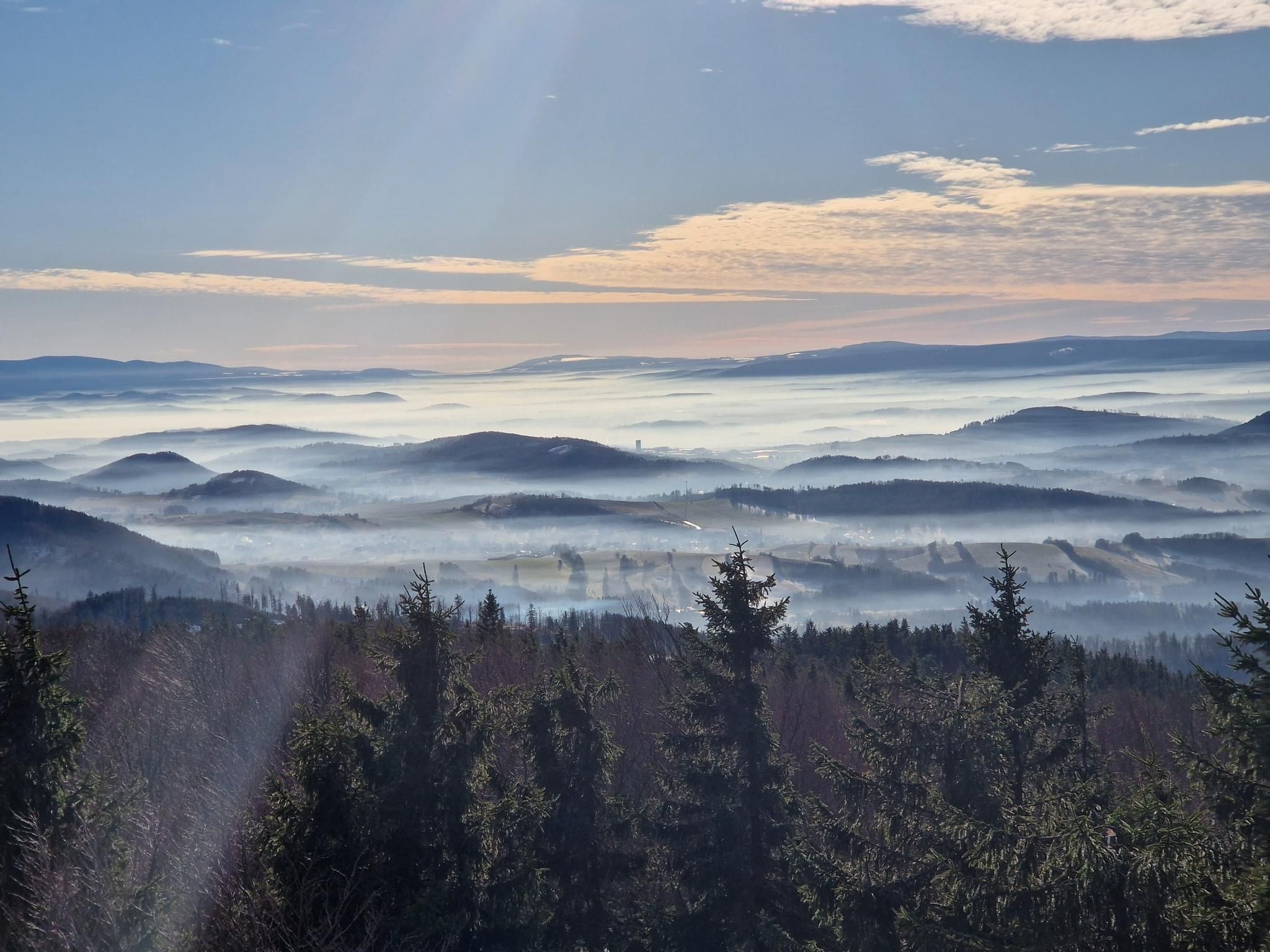
The Main Sudeten Route – a great Polish mountain adventure
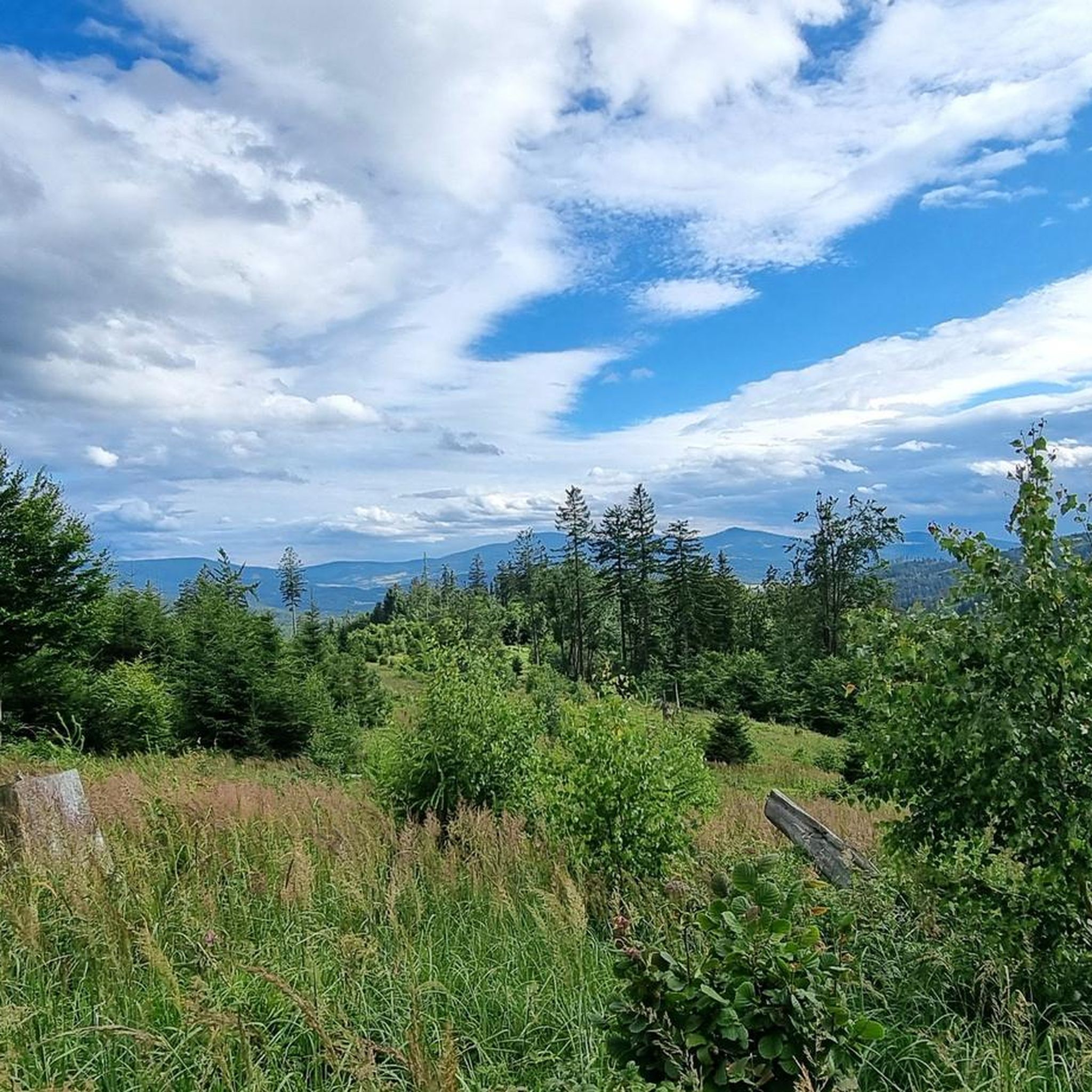
MTB Trails around gmina Lądek-Zdrój
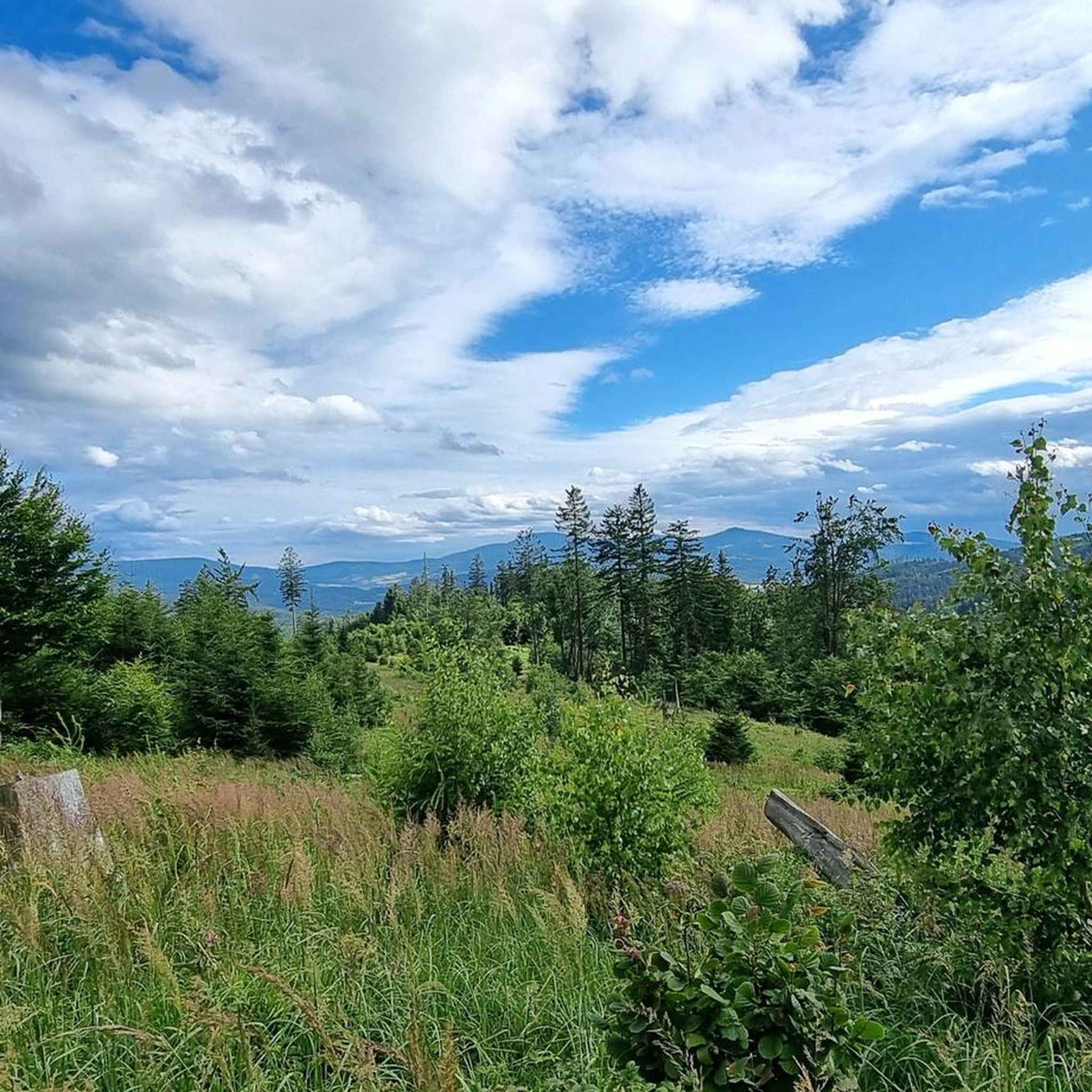
Cycling around gmina Lądek-Zdrój
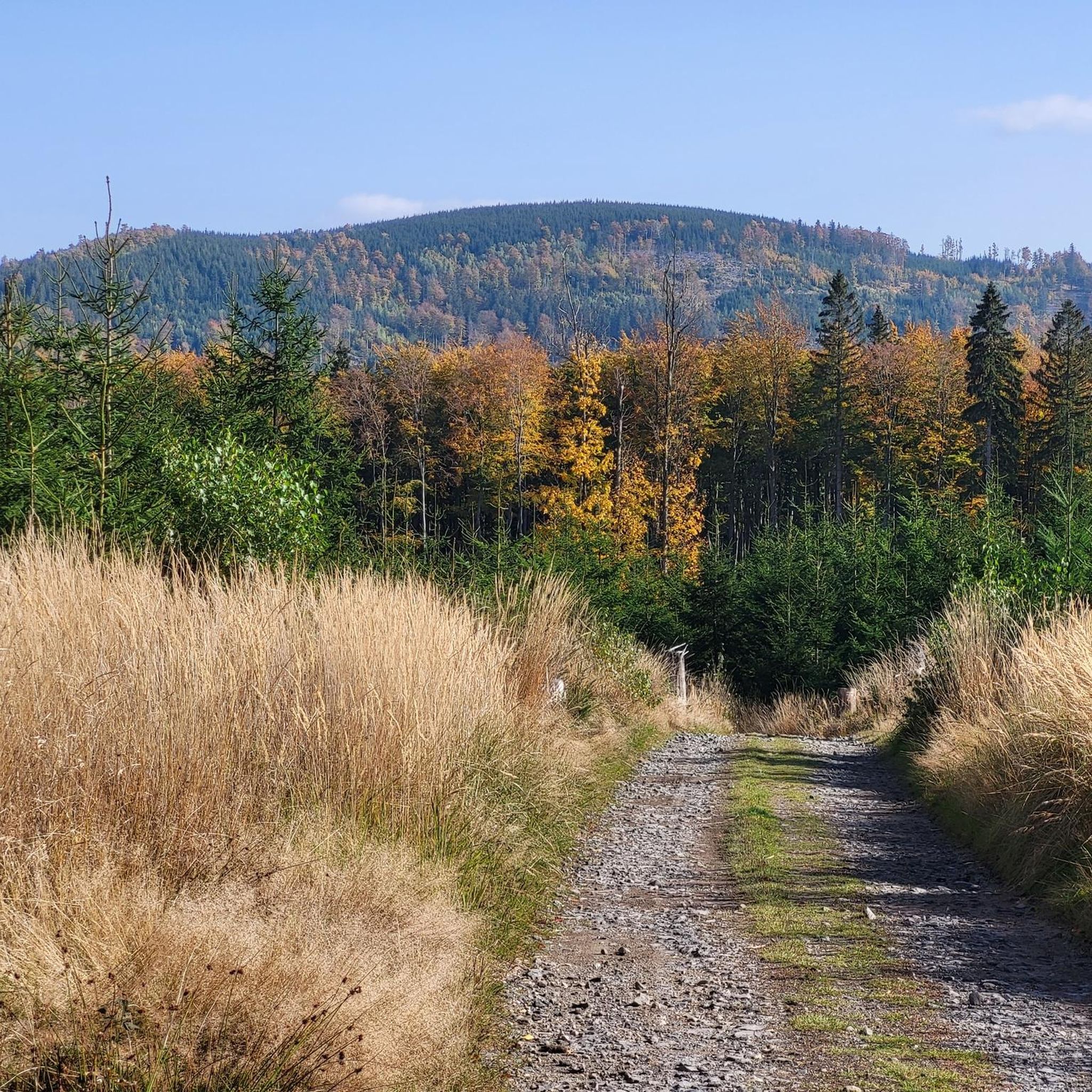
Hiking around gmina Lądek-Zdrój
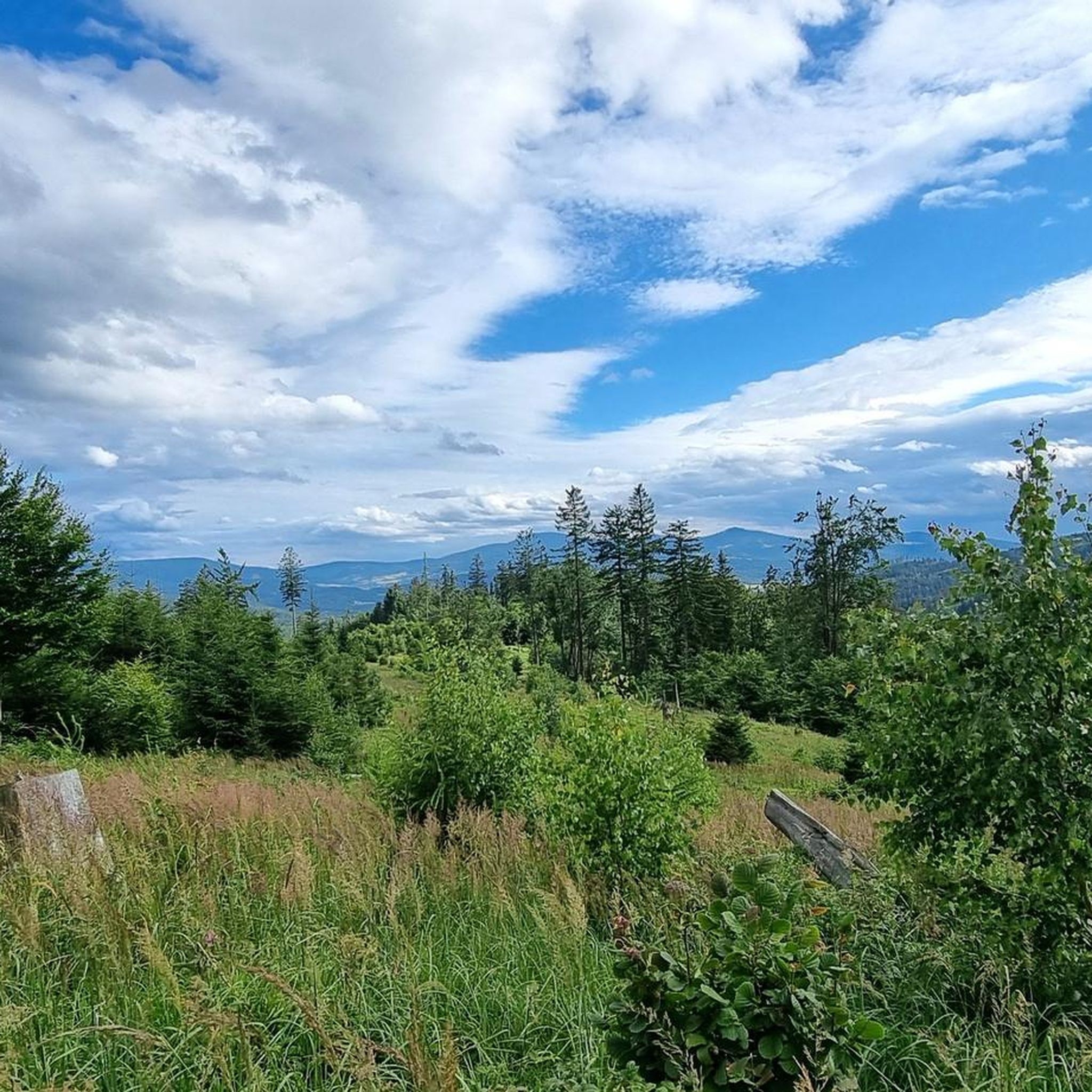
Running Trails around gmina Lądek-Zdrój
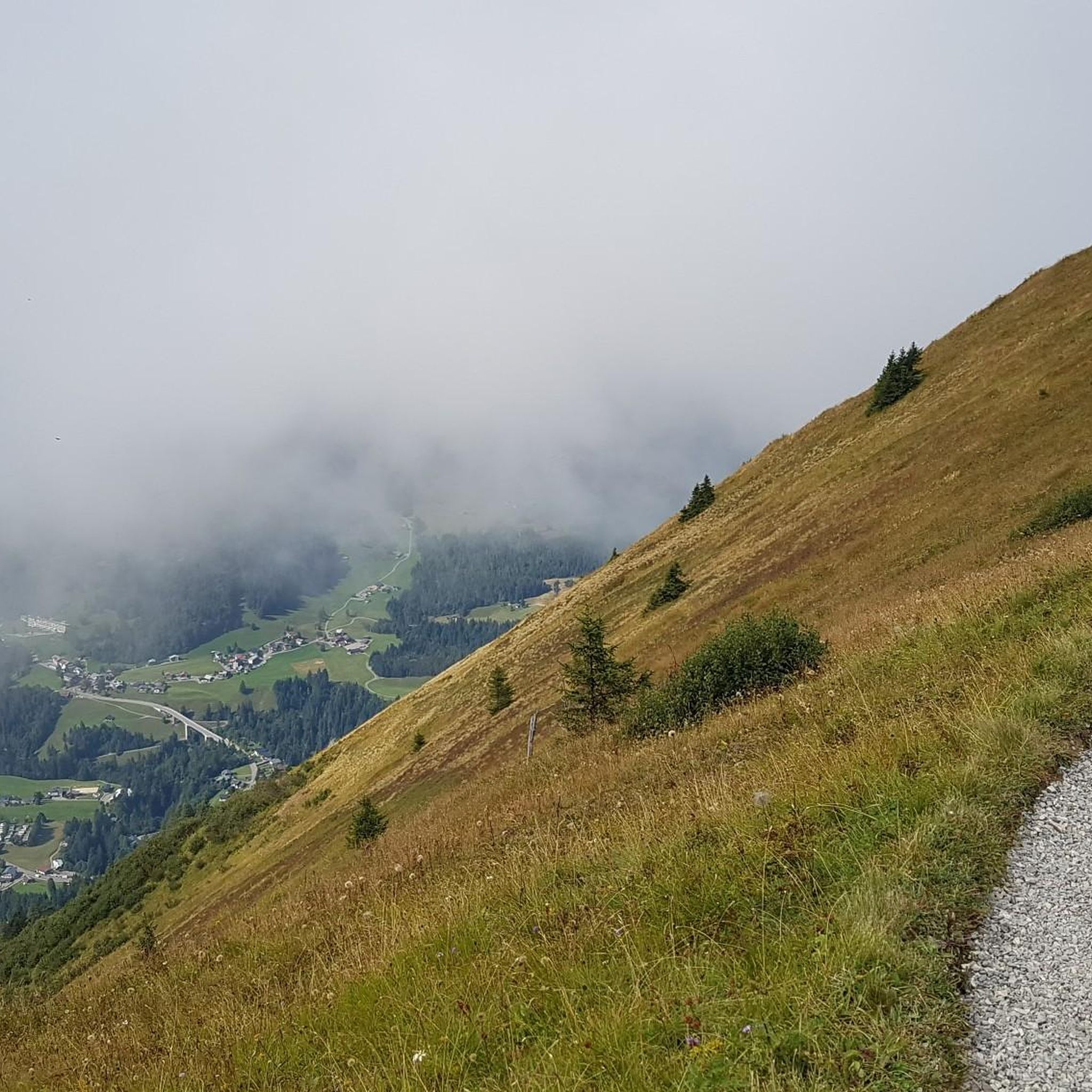
Mountain Hikes around gmina Lądek-Zdrój

Gravel biking around gmina Lądek-Zdrój
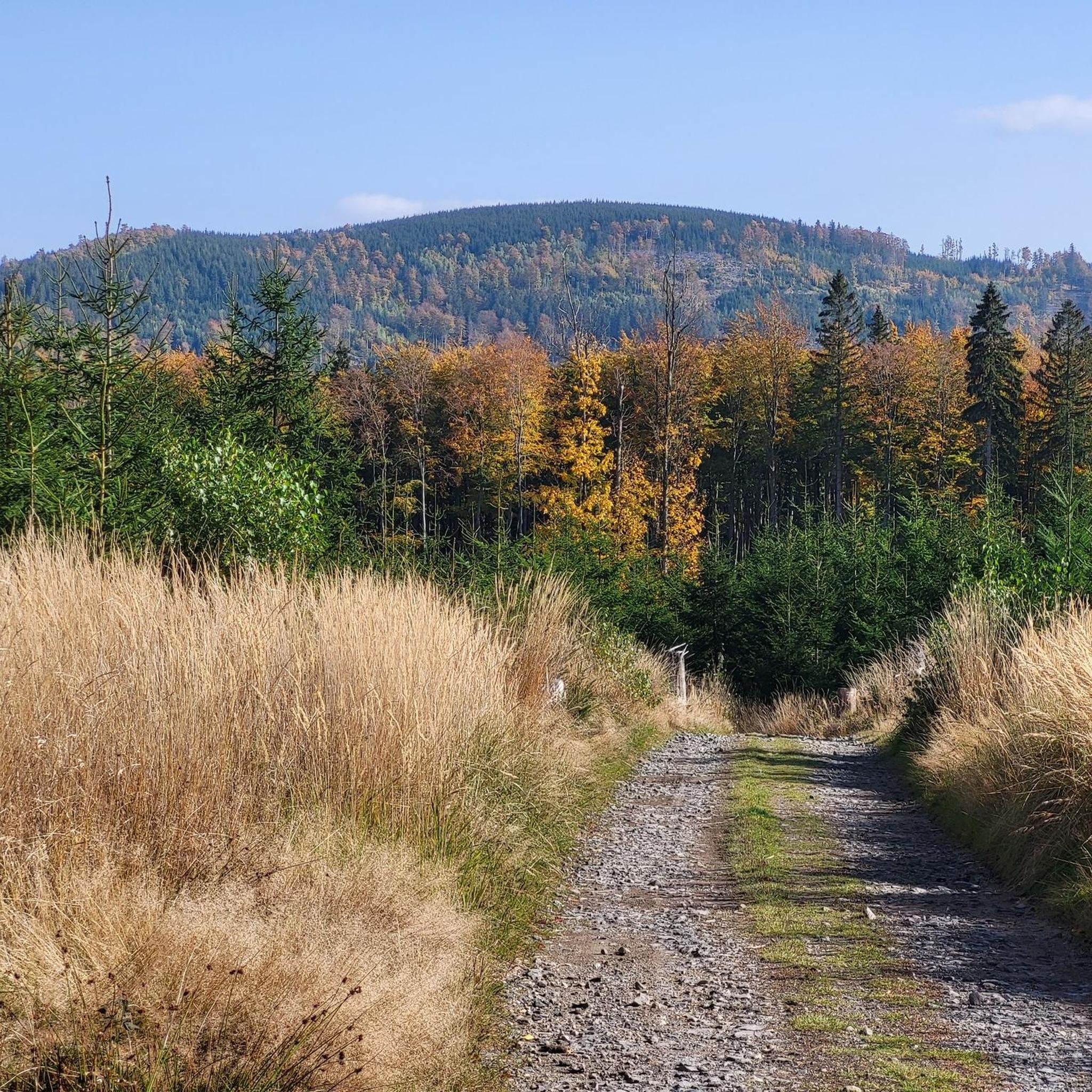
Road Cycling Routes around gmina Lądek-Zdrój
Other adventures around gmina Lądek-Zdrój

Tips from the Community

The first mention of the development of Śnieżnik Mountain dates back to 1809, when the owner of Międzygórze, Count Wilhelm von Magnis, built barns and shepherd's huts on the mountain pasture below Śnieżnik. In 1838, Międzygórze was purchased by Princess Marianna of Orange, the Lady of Kamieniec Ząbkowicki – daughter of the King of the Netherlands and wife of a Prussian prince. In 1840, she invited her father, King Wilhelm, with whom she reached the summit of Śnieżnik on July 20th. In 1869, the Duchess took over the land on the mountain pasture below Śnieżnik. She commissioned a highlander from Switzerland to build a Swiss mountain hut (Schweizerei am Schneeberg or Schweizerei auf dem Schneeberg) on the mountain pasture below Śnieżnik, which now forms the main part of the mountain hut. Construction was completed in 1871. The building initially served as a tourist inn, with 50 beds and a large dining hall. In the following years, the buildings were modernized several times. In 1872, utility rooms were built on the site of an old dairy farm. In 1880, a meteorological station was opened at the inn. In the 1930s, the inn had 30 beds. After World War II, the building stood empty until 1946. The dilapidated buildings were taken over by "Orbis," renaming it "Szwajcarka." In 1947, the Polish Tatra Mountain Shelter Board took over. The following summer, a shelter was opened, named "Na Śnieżniku" to distinguish it from the "Szwajcarka" shelter in Rudawy Janowickie. In 1950, the building became the property of the Polish Tourist and Sightseeing Society. At that time, the shelter had 63 beds. In the 1980s, the shelter was thoroughly modernized and renovated thanks to the efforts of its then-lessee, Zbigniew Fastnacht, who managed the facility from 1982 to 2001. After his death, in recognition of his achievements, the shelter was named after him.
1
1
The Wilczki Waterfall was formerly called Wodogrzmoty Żeromskiego (The Żeromski Waterfall). Years ago, the waterfall reached a height of approximately 27 meters, but after the great flood of 1997, the water eroded the artificially created 5-meter threshold, and now the water falls from a height of approximately 22 meters. Admission to the waterfall is free. However, the Wilczki Waterfall is not accessible to people with strollers or wheelchairs due to the numerous steps. Around the Wilczki Waterfall, there are viewing platforms from which you can admire the waterfall and its surroundings, as well as benches for walkers where you can sit, immersing yourself in the atmosphere of this extraordinary place and listening to the sound of the falling water. Above the waterfall itself, an iron bridge provides a beautiful view of the falling water.
1
1

The climb is not easy, but the view makes up for it.
7
0
Far-sightedness guaranteed in good weather, only the dirt of the other visitors trickles down on your head🤭
7
0
I think the tower might be a tough climb for people with a fear of heights. But for everyone else, it's a must. Views as far as the eye can see.
6
1

The highest waterfall in the Śnieżnik massif (22 meters tumbling into a cauldron) is a sight to behold (and listen to). Good trails offer numerous viewing points. There's also a restaurant right next door, so once you've admired and admired it, you can relax comfortably.
1
0

Beautiful view of the area. Worth climbing. Overall, the views are like in the Low Beskids.
2
0

It is better to book a place to stay in advance, the food is OK, the prices are like in other shelters in Poland, you have to take into account that there is no Wi-Fi on the premises of the shelter, and the mobile internet is so-so.
2
0
Frequently Asked Questions
What are the main natural attractions in gmina Lądek-Zdrój?
The region boasts several natural wonders. You can visit the impressive Wilczka waterfall, the highest waterfall in the Śnieżnik massif, or explore the Radochowska Cave, historically the longest cave in the Polish Sudetes. The area is also surrounded by the Golden Mountains, Śnieżnik Massif, and Bialskie Mountains, offering diverse natural landscapes.
What historical and cultural sites can I visit in the region?
Lądek-Zdrój is rich in history. Explore the elegant Zdrój Wojciech, a neo-Baroque sanatorium built over a hot spring, or wander through the charming Historic Old Town and Market Square. Don't miss the Gothic Bridge of St. John Nepomucene, the oldest bridge in Silesia, and the Arboretum in Lądek-Zdrój, one of the oldest dendrological parks in Lower Silesia.
Are there any observation towers offering panoramic views?
Yes, there are several towers providing expansive views. You can climb the Śnieżnik Observation Tower on the summit of Śnieżnik, or the Observation tower on Klodzka Mountain, a 30-meter steel structure. Another option is the Observation Tower on Borówkowa Mountain in the Golden Mountains, offering views of the Kłodzko Land and Jeseníky Massif. The Trojak Viewpoint also provides panoramic vistas.
What kind of outdoor activities, particularly hiking, are available?
Gmina Lądek-Zdrój is an excellent base for mountain excursions. You can find numerous trails for various difficulty levels, including those leading to the Králický Sněžník Summit. For more detailed hiking options, explore the Mountain Hikes around gmina Lądek-Zdrój guide, which includes routes like the 'Śnieżnik Observation Tower – Śnieżnik Observation Tower loop from Rezerwat Jaskinia Niedźwiedzia'.
Are there easy or family-friendly hiking trails in the area?
Absolutely. The region offers several easy trails suitable for families. For example, you can find routes like the 'Lądek-Zdrój Spa – Saint John of Nepomuk Bridge loop from Lądek-Zdrój' or the 'Winiarnia Radochulska Parking – Jaskinia Radochowska loop from gmina Lądek-Zdrój'. More options are available in the Easy hikes around gmina Lądek-Zdrój guide.
What is the best time of year to visit gmina Lądek-Zdrój?
The region offers attractions year-round. Spring and summer are ideal for hiking and enjoying the natural beauty, while autumn brings vibrant colors to the forests. The spa facilities are open throughout the year, making it a destination for relaxation regardless of the season. Winter also offers opportunities for winter hiking in the mountains.
What is the spa tradition like in Lądek-Zdrój?
Lądek-Zdrój is renowned for its therapeutic spa traditions, dating back to at least the 13th century. The town is part of the European Route of Historic Thermal Towns. The Zdrój Wojciech spa house, built directly over a hot spring, is a prime example, offering historic thermal pools and mineral water for healing purposes. The thermal waters are rich in radon, sulfide, and fluorides, used in various rehabilitation procedures.
Are there options for mountain biking in gmina Lądek-Zdrój?
Yes, the region is well-suited for cycling. It features numerous bike trails, including sections of the Singletrack Glaciensis project, which offers over 200 kilometers of singletrack routes. The area around Trojak Viewpoint also provides opportunities for cycling.
What are some lesser-known historical gems in the area?
Beyond the main spa attractions, you can discover the Chapel of St. Mary on Pustkowie, an early Baroque chapel known for its originality. The Historic Palace in Trzebieszowice, an 18th-century palace rebuilt in the 19th century, and the ruins of Karpień Castle, remnants of a former castle destroyed during the Hussite wars, also offer a glimpse into the region's past.
What do visitors particularly enjoy about the attractions here?
Visitors frequently praise the stunning panoramic views from the observation towers, such as the Śnieżnik Observation Tower and the Observation tower on Klodzka Mountain. The peaceful atmosphere of the Spa Park and the impressive sight of the Wilczka waterfall are also highly appreciated. Many enjoy the sense of accomplishment after a challenging climb to a summit like Králický Sněžník Summit.
Are there any specific tips for visiting the observation towers?
When visiting towers like the Observation tower on Klodzka Mountain, be aware that it can be a tough climb for those with a fear of heights, and it can be windy. It's advisable to avoid Sundays if you prefer fewer crowds. The Śnieżnik Observation Tower generally offers free entry (as of 2023) and provides fantastic views on clear days.
Are there any dog-friendly attractions or trails?
While specific dog-friendly designations for individual attractions are not always listed, the numerous mountain trails and natural areas, such as those found in the Golden Mountains and Śnieżnik Massif, are generally welcoming to dogs on a leash. Always ensure to follow local regulations and clean up after your pet.
What cultural events take place in gmina Lądek-Zdrój?
Gmina Lądek-Zdrój hosts various cultural events throughout the year. These include the Olga Sawicka International Dance Festival, the 'Music at the Sources' Spa Music Festival, and the Lądek Mountain Festival, offering a diverse range of entertainment and cultural experiences for visitors.
Most popular routes around gmina Lądek-Zdrój
Most popular attractions around gmina Lądek-Zdrój

Get inspired with the komoot mobile app


Explore more
Still not found the Highlight you’re looking for? See guides of the top attractions in other regions:
