Routes

Planner

Features

Updates

App

Login or Signup

Get the App

Login or Signup

Login or Signup

Routes
Places to see
Poland
Warmian-Masurian Voivodeship

powiat węgorzewski

Attractions and Places To See around powiat węgorzewski - Top 20

Best attractions and places to see around powiat węgorzewski, located in the Masurian Lake District of Poland, offers a diverse range of points of interest. The region features historical landmarks, natural landscapes, and cultural heritage sites. Visitors can explore a variety of attractions, from ancient castles to significant natural features.

Best attractions and places to see around powiat węgorzewski

  • The most popular attractions is Masurian Canal, a river that is an unfinished project intended to connect Lake Mamry with the Łyna River and the Baltic Sea. It features monumental locks, such as the Upper Leśniewo Lock, and its embankments are suitable for walking or cycling.
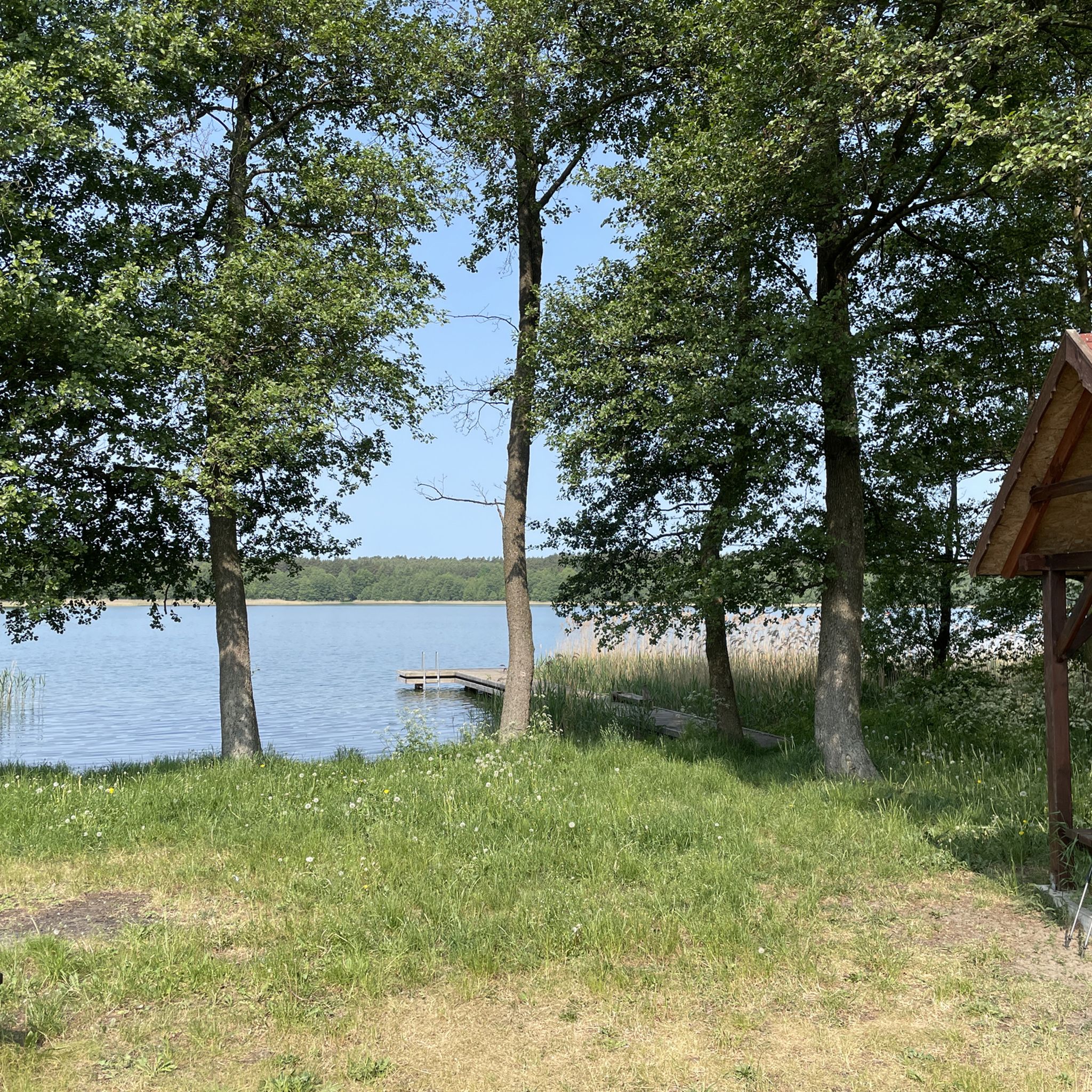
  • Another must-see spot is Lake Dargin, a large lake within the Masurian Lake District. It offers opportunities for recreation and features wild beaches and quiet bays.
  • Visitors also love Sztynort Palace, a historic palace with a rich history, associated with the Lehndorff family. The site includes a historical park and was built on earlier foundations, undergoing reconstructions over centuries.
  • powiat węgorzewski is known for historical landmarks, natural features, and cultural sites. Visitors can explore a variety of attractions, including Teutonic castles, World War II bunkers, lakes, and museums.
  • The attractions around powiat węgorzewski are appreciated by the komoot community, with more than 170 upvotes and 60 photos shared.

Last updated: May 4, 2026

Sztynort Palace

Highlight • Castle

Castle in Masuria. Checkered and interesting history.
Associated with the name Lehndorff.
More information: pl.wikipedia.org/wiki/Sztynort and pl.wikipedia.org/wiki/Heinrich_von_Lehndorff

Translated by Google •

Tip by

See rides here

Send to Phone

Save

Masurian Canal

Highlight • River

The Masurian Canal is an unfinished, impressive project that was intended to connect Mamry with Łyna and the Baltic Sea. Today, it runs through Poland and the Kaliningrad Oblast and is closed to navigation. On the Polish side, it's worth seeing the monumental locks in Leśniewo and the only operational lock, Piaski. Along the canal are embankments and former towpaths, perfect for walking or cycling.

Translated by Google •

Tip by

Save

Sign up now to discover places like this

Get recommendations on the best single tracks, peaks, & plenty of other exciting outdoor places.

Sign up for free

Himmler’s Hochwald Headquarters Bunker

Highlight • Historical Site

Himmler's quarters codenamed "Hochwald" (High forest) - was located in a forest in Masuria, near Pozezdrze, north-east of the center of this town. The Giżycko - Węgorzewo railway line ran next to the headquarters.
The "Hochwald" headquarters, like Hitler's "Wolf's Lair" headquarters and the headquarters of the Supreme Command of the Land Forces (OKH) "Anna", were built by the Todt Organization.
Heinrich Himmler's quarters were used in the same periods as the above-mentioned ones, from the end of June 1941 to November 20, 1944, with a break from July 16 to November 1, 1942 and from February 17 to March 13, 1943, when Hitler was in the next headquarters code name "Wilkołak" in the village of Striżawka, near Winnica in Ukraine. The quarters were located in an area secured by intelligence and military protection for all quarters in the area of the Wolf's Lair. The immediate protection of the headquarters was provided by a police battalion. The "Hochwald" quarters were masked with metal nets with imitations of plastic leaves attached to them.
This quarters, like other facilities of this type located in Masuria, had an excellent communication system, including cables located in the ground. Orders and orders were transmitted from the headquarters by telephone and in the form of encrypted messages.
The "Hochwald" quarter, like the "Wolf's Lair", was surrounded by a strip of minefields, located between barbed wire entanglements, and additionally from the outside with a wire mesh fence. There were five B-type shelters, a special shelter by Heinrich Himmler located in the central part, two guardhouses, an underground garage and (presumably) wooden barracks. The quarters were protected by a police battalion.
pl.wikipedia.org/wiki/Kwatera_Himmlera_Hochwald

Translated by Google •

Tip by

Save

Upper Leśniewo Lock

Highlight • Monument

The lock in Leśniewo is one of as many as 10 locks that were to be built on the Masurian Canal, a huge undertaking of the Prussian state at the time. In total, there were to be 5 of them in the territory of today's Poland, and the lock in Leśniewo was the first on the canal from the side of Lake Mamry.

The size of the lock itself is truly impressive - 46 meters long, 7.5 meters wide and with a 17-meter drop. To this day, a clearly visible groove for the Nazi eagle can be seen on the front wall of the lock. This is a rare case of preserving such a hated symbol in Poland. It survived only because it is only a niche for the emblem of the Third Reich.

Today, however, the monumental and mysterious lock in Leśniewo Górne is treated mainly as a monument associated with the Masurian Canal. And as a result, it has also become one of the fascinating attractions of Masuria and the area around Lake Mamry. The extreme rope park that operates here in the summer attracts many adrenaline-hungry daredevils every year. plannawypad.pl/sluza-w-lesniewie

Translated by Google •

Tip by

Save

Mamerki - Zone I Quelle

Highlight • Historical Site

Mamerki
Headquarters of the Supreme Command of Land Forces (OKH) "Anna"
Headquarters of the Supreme Command of Land Forces (OKH)
and the Land Forces Quartermaster "Anna"
it is located 18 km north of Gierłoż, on a side road from Kętrzyn to Węgorzewo. The quarters were built in the fall of 1940. It was constantly modernized and expanded until the fall of 1944.
The complex consisted of over 150 buildings, including 29 reinforced concrete air-raid shelters and covering technical infrastructure.
The area was divided into three zones:
In Zone I "Quelle" there were shelters and OKH buildings.
In Zone II "Fritz" there were bunkers and buildings of the Land Forces Quartermaster and a railway station.
In Zone III "Brigitte Stadt" there were shelters and buildings for communication and auxiliary services.
Bunkers V2 (2 internal rooms) and K5 (5 internal rooms), built in the first period of construction, had external walls and ceilings 2m thick.
After increasing the air hazard to the headquarters, in the spring of 1944, the strengthening of the building began. The existing shelters started to be covered with a layer of reinforced concrete with a total thickness of 4-6 m (shelters after reconstruction VO2 and KO5).
kaczorek.easyisp.pl/pisz/fort/mamer001.htm

Translated by Google •

Tip by

Save

Leśniewo Dolne Lock

Highlight • Monument

An unfinished part of the Masurian Canal system, which, in the intention of its creators, was to connect the Great Masurian Lakes with the Baltic Sea during the existence of the Third Reich. The lock in Leśniewo Dolny has never been completed and is currently practically flooded with water. It is not as impressive as the so-called Lock in Leśniewo Górny (with a gate and elements of the symbolism of the Third Reich).
The road leading to this place shows the momentum of earthworks that were undertaken in the past. Along the way, you can see traces of beavers' activity, which slowly but effectively fill the undeveloped channel of the canal with their structures. The Leśniewo Dolne lock is the least advanced in construction. There is a gatehouse next to it.
The lock is chamber, reinforced concrete, dock with a total length of about 66m. The usable length of the lock chamber is 45 m and its width - 7.7 m. Construction began after 1935 and the entire project was never completed - mainly due to the outbreak of World War II. Only a part of the building's body was completed. The construction progress is approximately 20%. The designed closures on the upper head - support gates, on the lower head - a flat steel latch. One savings tank was envisaged. A reinforced concrete road bridge was designed on the lower head.
Now these are only imposing ruins, which, however, illustrate the impetus of construction that inspired the designers of the Masurian Canal.
mazury24.eu/awodcje-turystyczne/sluza-lesniewo-dolne,397
pieknagora.pl/pl/sluza-lesniewo-dolne-furstenau-ii

Translated by Google •

Tip by

Save

Himmler Bunker (Pozezdrze)

Highlight • Historical Site

Himmler's bunker, 21.4 m long, 19.3 m wide and 8.4 m high, had two 80 cm wide entrances that were previously closed with steel doors. Despite the impressive external dimensions, the interior was cramped due to the bunker's meter-thick walls and ceiling. In 1943, when the German troops on the Eastern Front withdrew, Himmler ordered the scorched earth policy from the Hochwald.

Translated by Google •

Tip by

Save

VO5 GIGANT bunker

Highlight • Monument

Mamerki
Headquarters of the Supreme Command of Land Forces (OKH) "Anna"
Headquarters of the Supreme Command of Land Forces (OKH)
and the Land Forces Quartermaster "Anna"
it is located 18 km north of Gierłoż, on a side road from Kętrzyn to Węgorzewo. The quarters were built in the fall of 1940. It was constantly modernized and expanded until the fall of 1944.
The complex consisted of over 150 buildings, including 29 reinforced concrete air-raid shelters and covering technical infrastructure.
The area was divided into three zones:
In Zone I "Quelle" there were shelters and OKH buildings.
In Zone II "Fritz" there were bunkers and buildings of the Land Forces Quartermaster and a railway station.
In Zone III "Brigitte Stadt" there were shelters and buildings for communication and auxiliary services.
Bunkers V2 (2 internal rooms) and K5 (5 internal rooms), built in the first period of construction, had external walls and ceilings 2m thick.
After increasing the air hazard to the headquarters, in the spring of 1944, the strengthening of the building began. The existing shelters started to be covered with a layer of reinforced concrete with a total thickness of 4-6 m (shelters after reconstruction VO2 and KO5).
kaczorek.easyisp.pl/pisz/fort/mamer001.htm

Translated by Google •

Tip by

Save

Bunker No. 3 Transformer Station

Highlight • Monument

Mamerki
Headquarters of the Supreme Command of Land Forces (OKH) "Anna"
Headquarters of the Supreme Command of Land Forces (OKH)
and the Land Forces Quartermaster "Anna"
it is located 18 km north of Gierłoż, on a side road from Kętrzyn to Węgorzewo. The quarters were built in the fall of 1940. It was constantly modernized and expanded until the fall of 1944.
The complex consisted of over 150 buildings, including 29 reinforced concrete air-raid shelters and covering technical infrastructure.
The area was divided into three zones:
In Zone I "Quelle" there were shelters and OKH buildings.
In Zone II "Fritz" there were bunkers and buildings of the Land Forces Quartermaster and a railway station.
In Zone III "Brigitte Stadt" there were shelters and buildings for communication and auxiliary services.
Bunkers V2 (2 internal rooms) and K5 (5 internal rooms), built in the first period of construction, had external walls and ceilings 2m thick.
After increasing the air risk to the headquarters, in the spring of 1944, the strengthening of the building began. The existing shelters started to be covered with a layer of reinforced concrete with a total thickness of 4-6 m (shelters after reconstruction VO2 and KO5).
kaczorek.easyisp.pl/pisz/fort/mamer001.htm

Translated by Google •

Tip by

Save

OKH (German Army) bunker group

Highlight • Historical Site

In order to command the German land forces, in the war against the USSR, the headquarters of the High Command of the Wehrmacht was built on an area of approx. 3 km2 - from the reconnaissance in September 1940 to the end of April 1941. In such a short time (only 8 months), despite harsh winter, the main facilities of the German bunkers in Mamerki in Masuria were built.
The bunkers are in very good condition to this day.
The forest town with 200 buildings was built thanks to the slave organization Todt, which engaged some 2,000 workers, fully convinced that they were building some secret chemical factory. The workers did not participate in the full cycle of construction of one object - after some works were completed, they were transferred to another project and to another area. They were also forbidden to move outside the designated small area of work.
All objects were perfectly masked against reconnaissance from the air, incl. the walls were plastered with a mixture of cement, wood shavings and seagrass, giving them the texture of tree bark. Additionally, the plaster layer was supposed to absorb the energy of the explosion. Artificial trees were erected around the quarters with masking nets creating a play of shadows and blurring the sharp contours of the solids. Grass, shrubs and trees were planted on the roofs under the supervision of garden specialists from Stuttgart. The landscape architect supervised the entire composition of the quarters. The internal roads illuminated with purple light were invisible from the air (interestingly, the glow of a glowing cigarette can be seen from a height of 1 km). Even the cars inside the headquarters at night must have purple lights.
https:// Klimatyzacjacje.mazury.pl/mamerki/

Translated by Google •

Tip by

Save

Sign up for free to discover even more attractions around powiat węgorzewski.

Sign up for free

Already have an account?

Start today with a free account

Your next adventure awaits.

Login or Signup

Popular around powiat węgorzewski
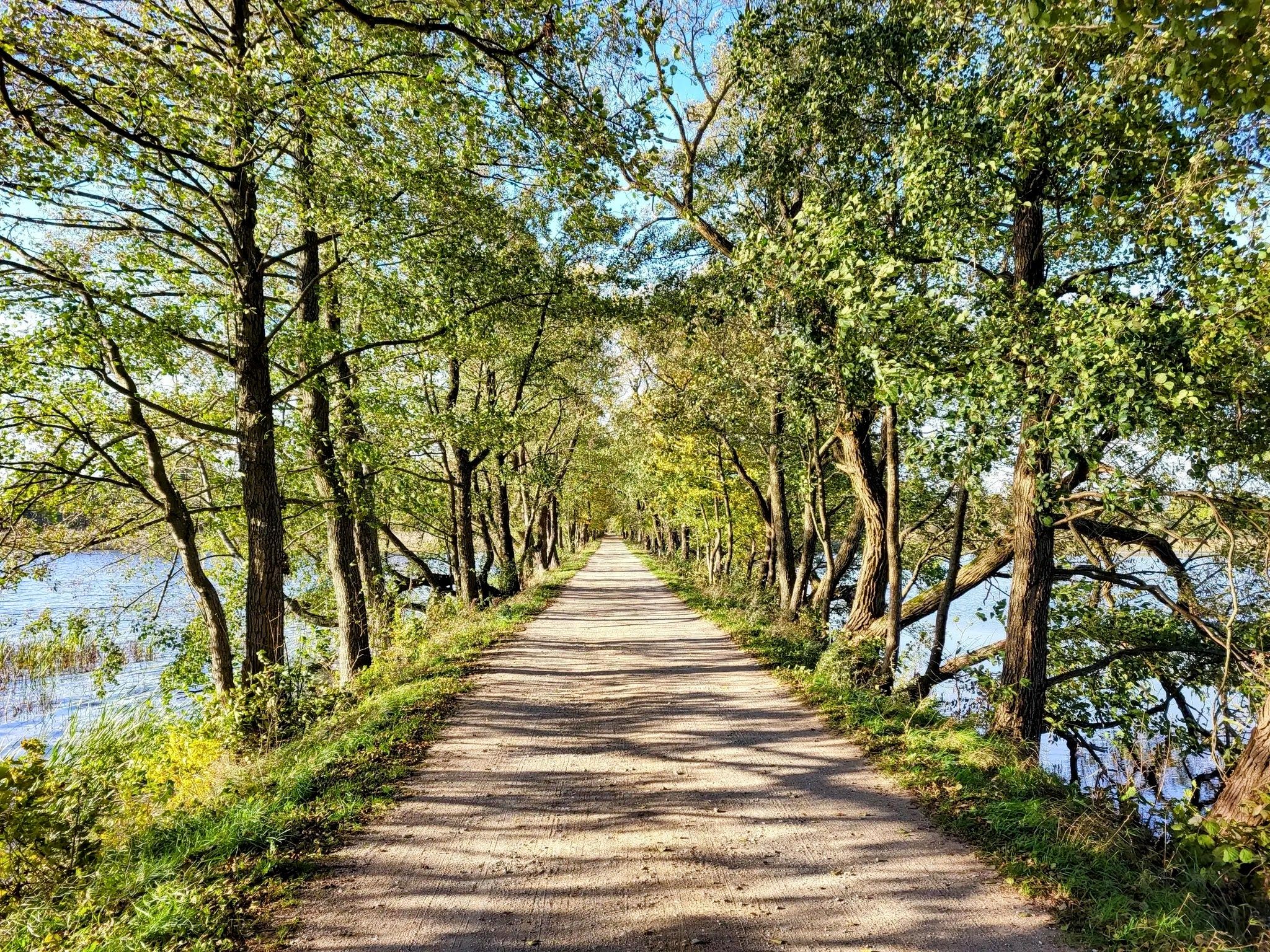
Mazurian Bicycle Loop - by bicycle through the Land of the Great Lakes
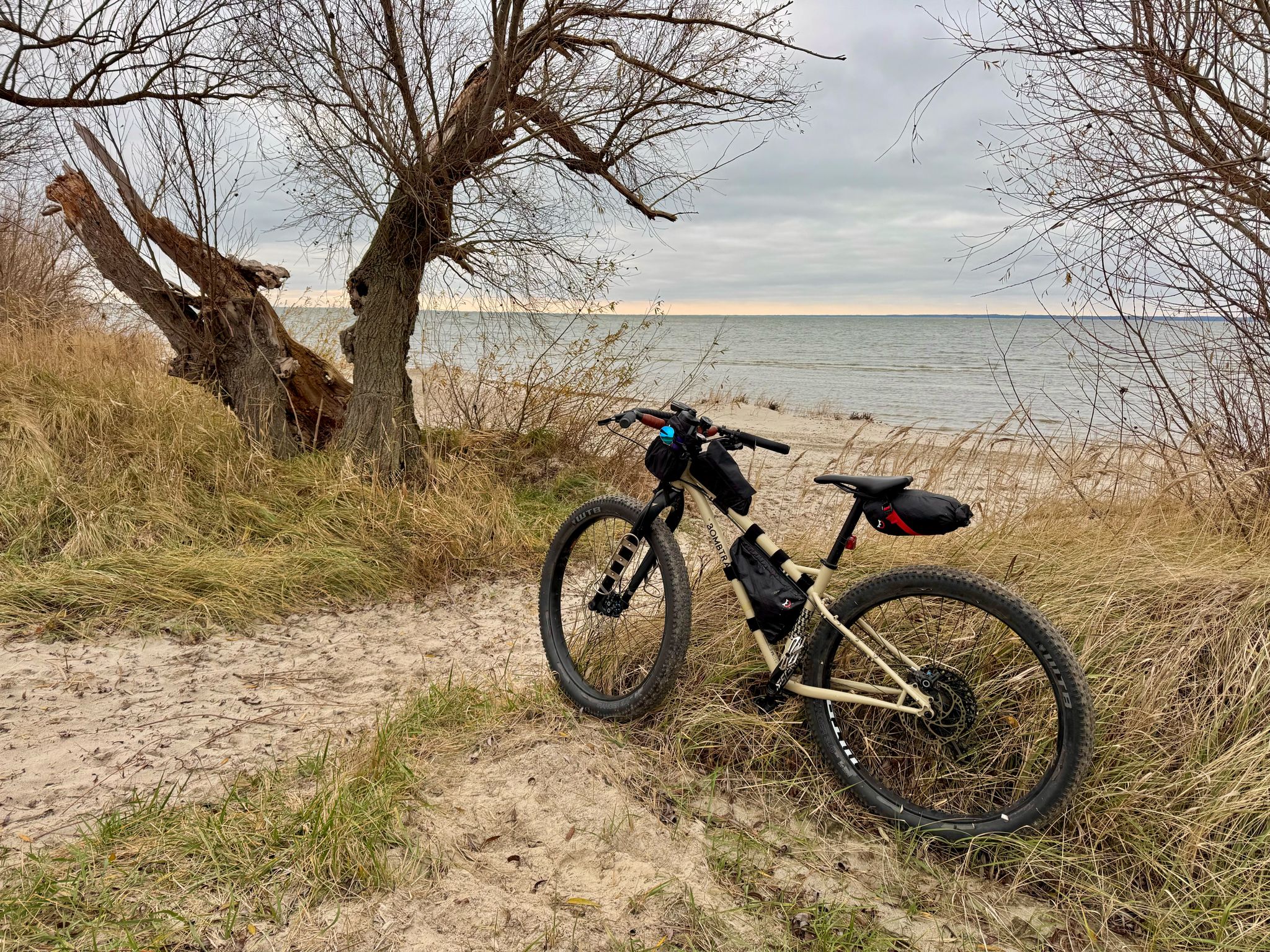
Green Velo – an adventure through wintery Poland
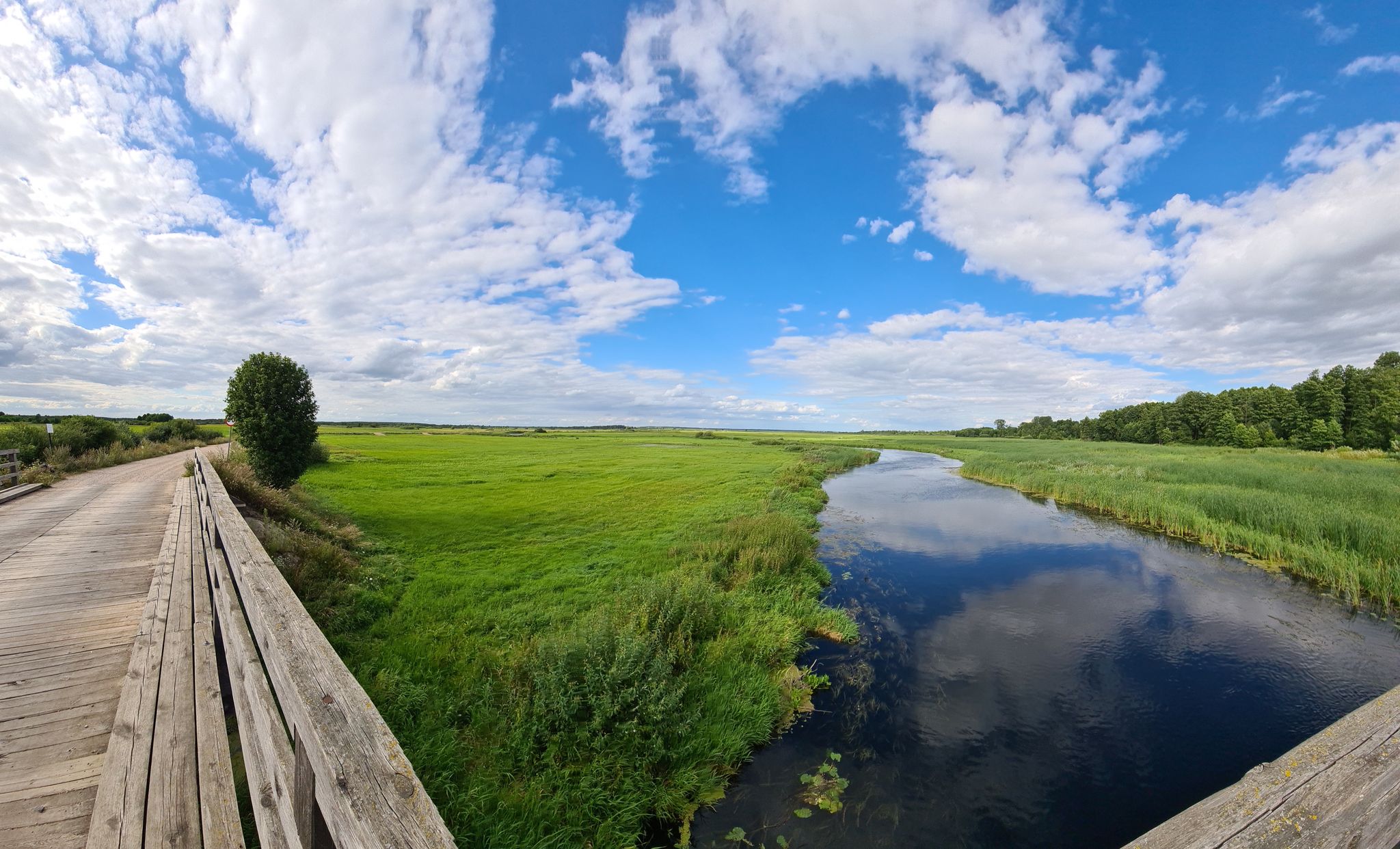
To the east, Eden – Green Velo Szlak (second part)
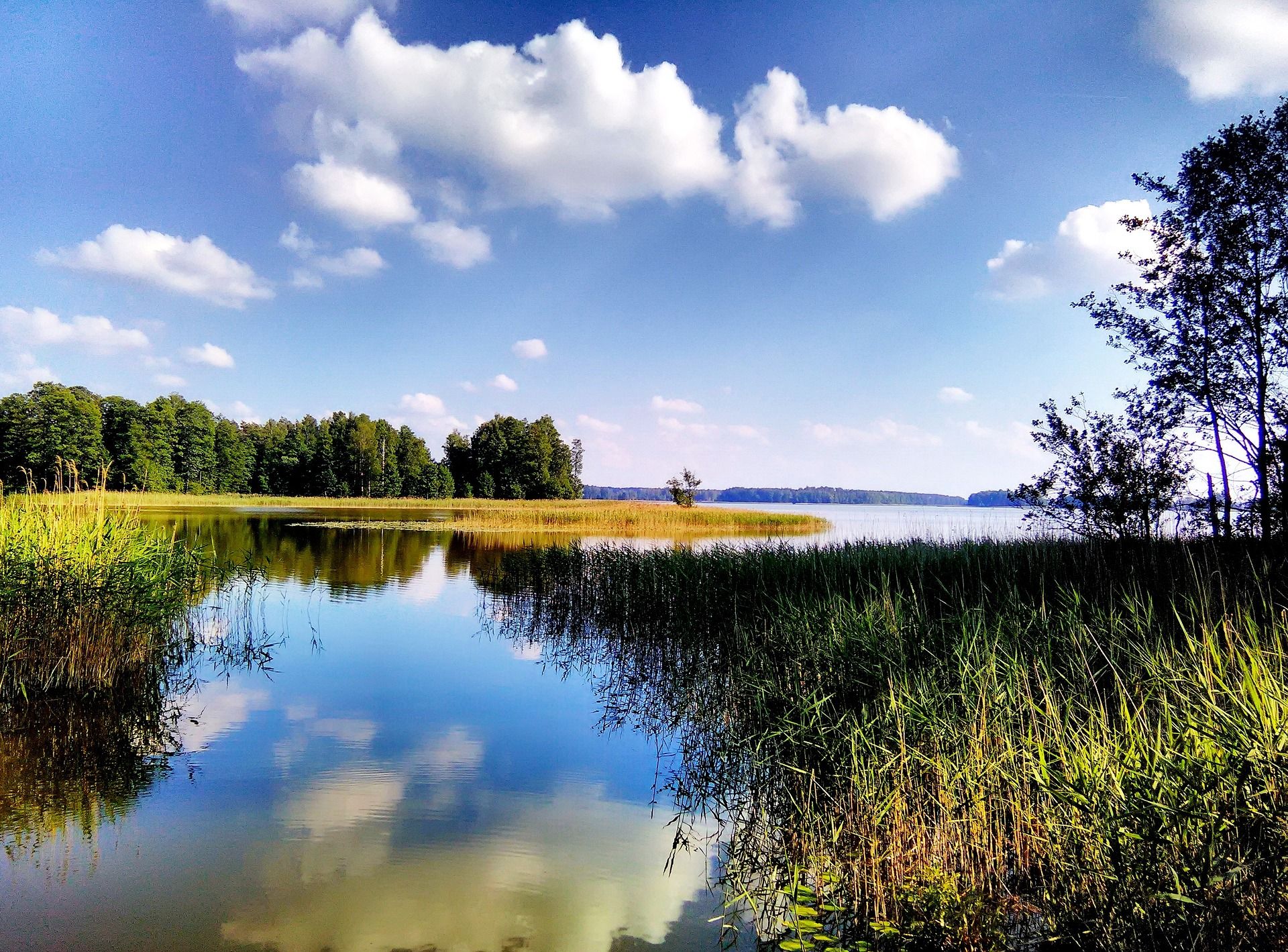
Where Poland's wild soul lives – explore five regions by bike
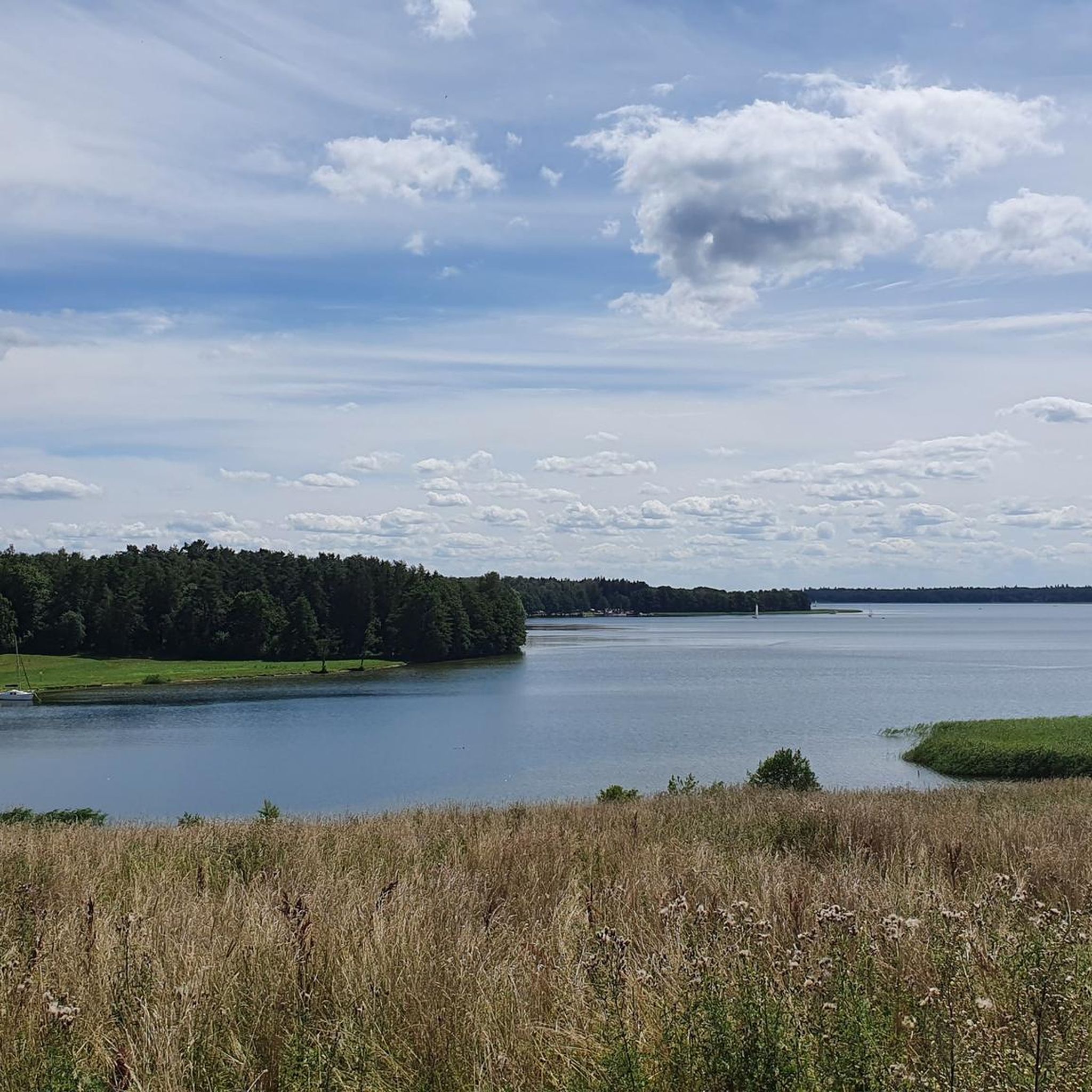
Cycling around powiat węgorzewski
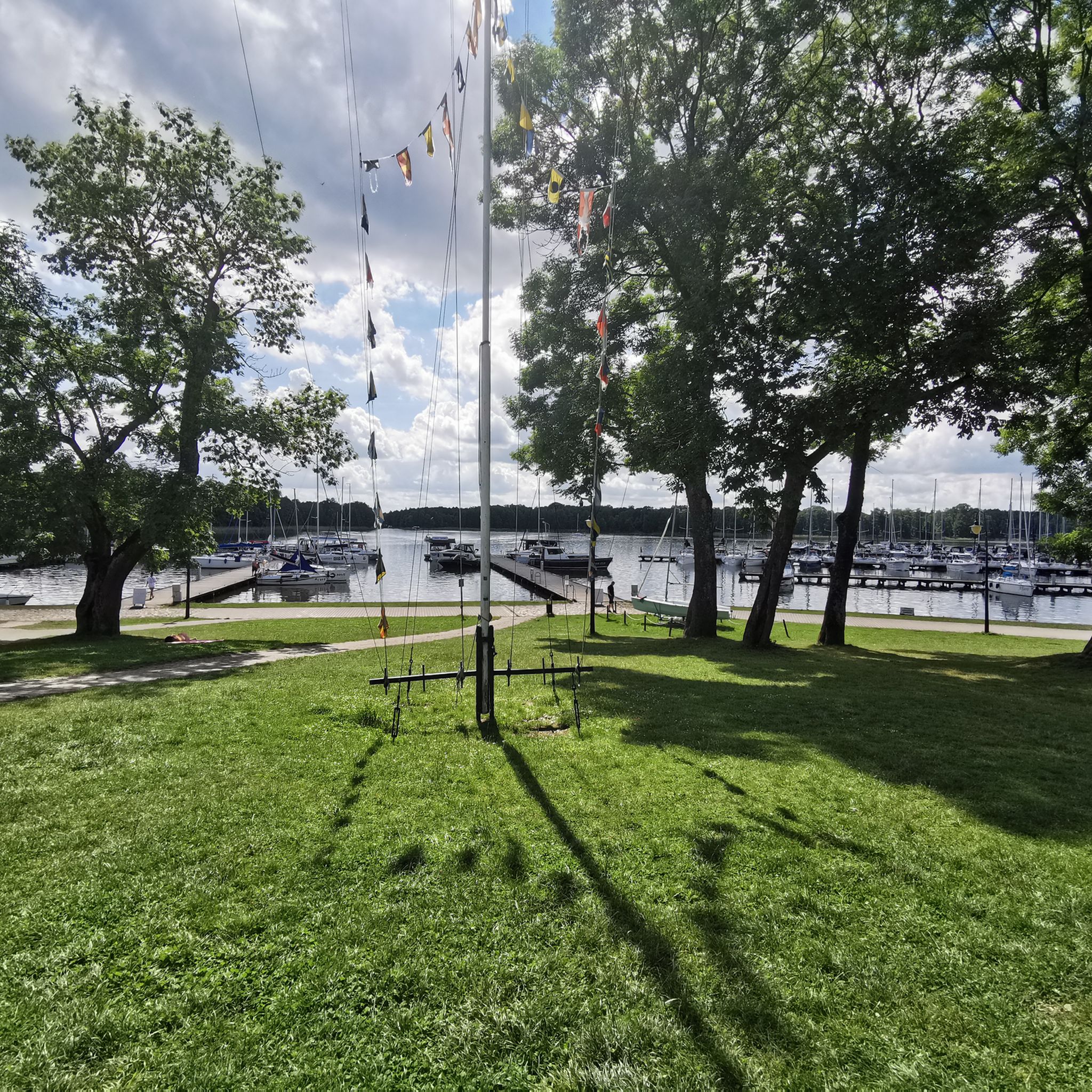
Hiking around powiat węgorzewski
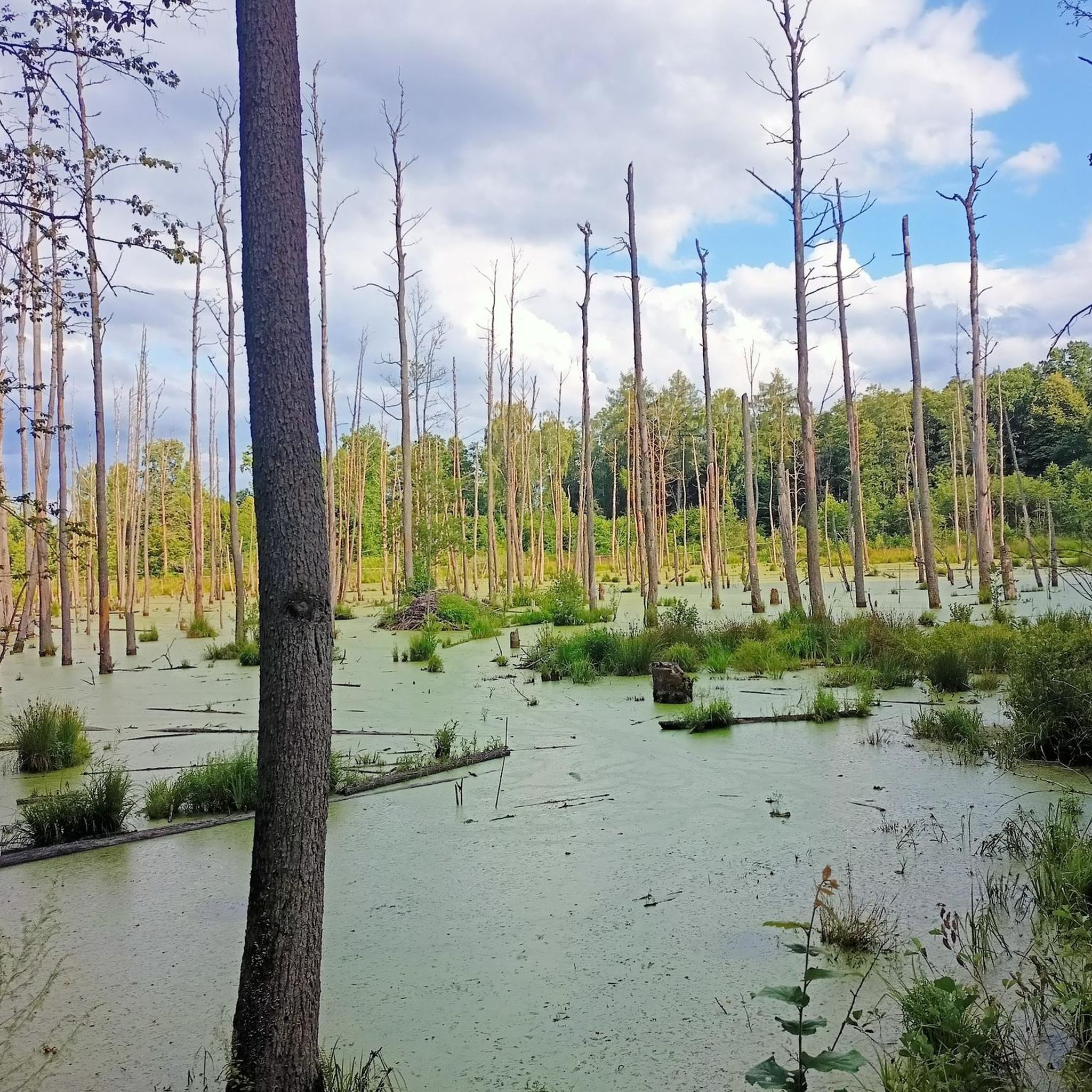
Road Cycling Routes around powiat węgorzewski

Running Trails around powiat węgorzewski
MTB Trails around powiat węgorzewski
Gravel biking around powiat węgorzewski

Other adventures around powiat węgorzewski

Mazurian Bicycle Loop - by bicycle through the Land of the Great Lakes

Cycling Collection by

Sylwia

Tips from the Community

Mathias Feiereis 🌻🏔️🏖️
November 23, 2025, Leśniewo Górne Lock

You can walk around behind the Fürstenau upper lock, but you should wear sturdy shoes. It can be a bit slippery on the slope. Caution: Pigeons live in the lock; don't be alarmed, they only flutter around when disturbed.

Translated by Google

0

0

Sylwia
October 29, 2025, Kanał Mazurski

The Masurian Canal is an unfinished, impressive project that was intended to connect Mamry with Łyna and the Baltic Sea. Today, it runs through Poland and the Kaliningrad Oblast and is closed to navigation. On the Polish side, it's worth seeing the monumental locks in Leśniewo and the only operational lock, Piaski. Along the canal are embankments and former towpaths, perfect for walking or cycling.

Translated by Google

2

0

https://www.lotmazury.pl/polowa-kwatera-heinricha-himmlera

0

0

Quite impressive, after such a long time. The 5 zloty entrance fee is fine.

Translated by Google

0

0

One of dozens of Nazi memorabilia

Translated by Google

0

0

This short but historic hike takes you to a dark place from the past: the so-called Himmler Bunker near Pozezdrze in the Warmian-Masurian Voivodeship. Hidden deep in the forest lie the remains of a well-camouflaged SS command bunker – built as part of the Third Reich's Eastern Front strategies. Today, only concrete rubble, thick walls, and sunken cellars remain as evidence of the Nazi state's power architecture. The bunker complex served Heinrich Himmler, the Reichsführer of the SS, as a retreat and command post during World War II. Together with the nearby Wolf's Lair (Hitler's headquarters), it was part of the military power center in the East.

Translated by Google

0

0

Good bike access right up to the lock.

Translated by Google

0

0

Cobbo
April 24, 2025, Sztynort Palace

There is a museum here and the main building has long been under renovation.

Translated by Google

0

0

Frequently Asked Questions

What historical landmarks can I explore in Powiat Węgorzewski?

Powiat Węgorzewski is rich in history. You can visit the historic Sztynort Palace, associated with the Lehndorff family, or explore the remains of World War II sites like Himmler’s Hochwald Headquarters Bunker and the Mamerki Bunkers. The region also features the original Teutonic Castle in Węgorzewo, which has undergone many transformations over centuries.

Are there any unique historical structures to visit in the region?

Yes, an unusual sight is the Fahrenheit Family Pyramid in Rapa, built in 1812 as a tomb and rumored to be located at a point of geomantic radiation. Another unique structure is the Masurian Canal, an unfinished project with monumental locks like the Upper Leśniewo Lock, which still bears a visible niche for the Nazi eagle emblem.

What natural attractions can I find in Powiat Węgorzewski?

The region is part of the Masurian Lake District, offering beautiful natural landscapes. You can explore the impressive, albeit unfinished, Masurian Canal, whose embankments are great for walks. Lake Dargin and Lake Mamry provide opportunities for recreation, with wild beaches and quiet bays. The Sztynort Nature Reserve is also a beautiful wild faunistic reserve worth visiting.

Are there opportunities for cycling in Powiat Węgorzewski?

Absolutely! Powiat Węgorzewski is part of the Green Velo Eastern Cycling Trail, offering extensive routes for cycling enthusiasts. The embankments and former towpaths along the Masurian Canal are also ideal for cycling. For more cycling routes, you can explore guides like the 'Cycling around Powiat Węgorzewski' on komoot.

What cultural sites are available to visit?

You can delve into the region's heritage at the Museum of Folk Culture in Węgorzewo, which collects ethnographic and historical artifacts and hosts the International Folklore Fair. The Ethnographic Park at Angerapp, part of the museum, showcases traditional Masurian architecture. Additionally, the early 17th-century Church of St. Peter and Paul in Węgorzewo features a Baroque altar and Masuria's oldest organ.

What outdoor activities can I do near these attractions?

Beyond exploring the attractions, you can enjoy various outdoor activities. The region offers numerous routes for hiking, running, and cycling. For example, you can find many hiking trails and running trails around Powiat Węgorzewski, including easy walks around the Masurian Canal or more challenging routes near the Mamerki Bunkers.

Are there family-friendly attractions in Powiat Węgorzewski?

Many of the natural and historical sites can be enjoyed by families. Exploring the monumental locks of the Masurian Canal, visiting the historic Sztynort Palace, or enjoying the beaches and recreational opportunities at Lake Dargin are great options for families. The easy hiking trails also offer accessible outdoor experiences.

Where can I find beaches or enjoy water recreation?

The Masurian Lake District is perfect for water activities. Lake Dargin and Lake Mamry, both large lakes in the district, offer municipal beaches, wild beaches, and quiet bays ideal for swimming, relaxing, or enjoying the lakeside scenery.

What do visitors enjoy most about Powiat Węgorzewski?

Visitors particularly appreciate the blend of historical intrigue and natural beauty. The monumental scale of the Masurian Canal and its locks, the rich history of Sztynort Palace, and the serene views from Lake Dargin are frequently highlighted. The well-preserved World War II bunkers also offer a fascinating, albeit somber, historical experience.

Are there any war cemeteries or memorials in the area?

Yes, the region holds several war cemeteries from World War I. These solemn sites, located in areas such as Kolonia Pozezdrze, Nowa Guja, and Stręgiel, commemorate soldiers from the conflict and offer a place for reflection on the area's past.

Can I explore the World War II bunkers in Powiat Węgorzewski?

Yes, you can visit significant World War II sites. The Himmler’s Hochwald Headquarters Bunker near Pozezdrze and the Mamerki Bunkers, which served as the headquarters of the German Army High Command, are open for exploration. The Mamerki complex, in particular, features over 150 buildings and 29 reinforced concrete air-raid shelters.

Most popular routes around powiat węgorzewski

Cycling around powiat węgorzewski

Most popular attractions around powiat węgorzewski

Lakes

Store rating

Get inspired with the komoot mobile app

With a free komoot account, you can easily find, customize, and navigate endless outdoor adventures.

or

Join komoot Now

Store rating

Didn’t find what you were looking for?

Are you keen on exploring more awesome places nearby? Browse our guides:

DarginPozezdrzegmina gmina gmina WęgorzewoBudryMamry

Nearby adventure guides

Things to Do around gmina gmina gmina Węgorzewo

background

Get ready to conquer new peaks

Sign up for Free

Explore
RoutesRoute plannerFeaturesHikesMTB TrailsRoad cycling routesBikepackingSitemap
Download the app
Follow Us on Socials

© komoot GmbH

Privacy Policy