Attractions and Places To See around powiat leżajski - Top 20
Best attractions and places to see around powiat leżajski include a blend of historical landmarks, cultural sites, and natural features. Situated in the Podkarpackie region of southeastern Poland, the area offers diverse points of interest. Visitors can explore significant religious complexes, historical monuments, and serene natural retreats. The region borders the Sandomierz Forest, providing natural landscapes and recreational opportunities.
Best attractions and places to see around powiat leżajski
- The most popular attractions is Bernardine Monastery Complex in Leżajsk, a religious building that features a monumental 17th-century organ. This Baroque complex is considered one of the most beautiful monuments in the Przemysl region and hosts an annual International Organ and Chamber Music Festival.
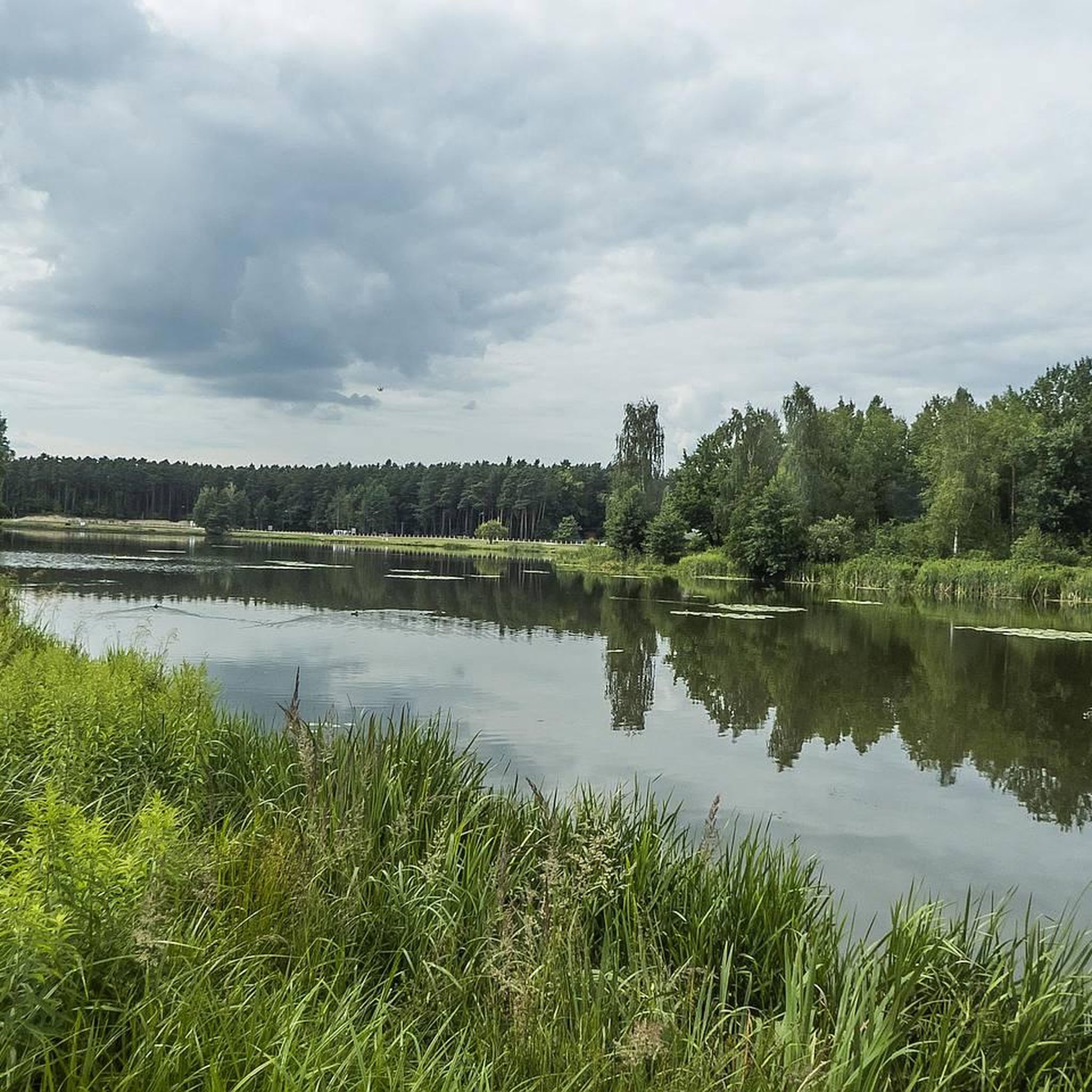
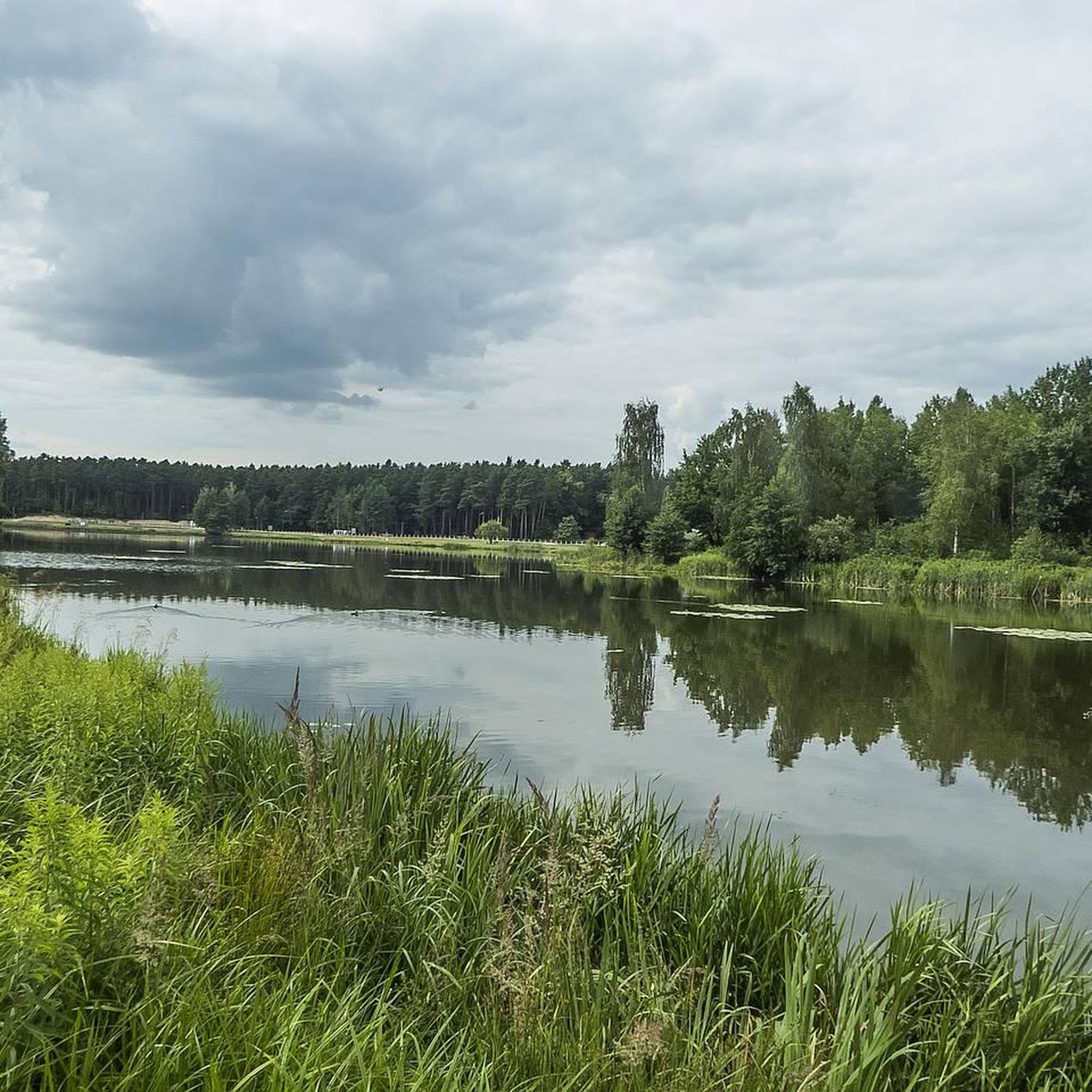
- Another must-see spot is Czyste Reservoir, a lake offering recreational opportunities. This location is known for its clean air and water, making it suitable for water sports and providing a guarded swimming area during summer months.
- Visitors also love Ożanna Reservoir, a lake with facilities for tourists. It provides cottages, a camping site with full amenities, and options for activities like volleyball and water biking, attracting many visitors in the summer.
- powiat leżajski is known for its historical sites, religious buildings, and natural reservoirs. The area offers a variety of attractions to see and explore, from cultural heritage to outdoor recreation.
- The attractions around powiat leżajski are appreciated by the komoot community, with 41 photos and 20 upvotes shared by visitors.
Last updated: July 15, 2026
Bernardine Monastery Complex in Leżajsk
Highlight • Religious Site
The monumental 17th-century organ is a must-see. In summer, an international organ and chamber music festival is held here.
Translated by Google •
Tip by

Memorial to the Defense of the Wisłok Bridge
Highlight • Monument
I will add that our troops managed to hold the bridge.
Glory to the heroes.
Translated by Google •
Tip by

Sign up now to discover places like this
Get recommendations on the best single tracks, peaks, & plenty of other exciting outdoor places.
Sign up for free
Czyste Reservoir
Highlight • Lake
Translated by Google •
Tip by

Ożanna Reservoir
Highlight • Lake
Volleyball court
Water bikes
There is everything you need
In the summer, the reservoir attracts many tourists.
Translated by Google •
Tip by
Observation Tower at the Confluence of the Wisłok and San Rivers
Highlight • Viewpoint
Translated by Google •
Tip by

Leżajsk Market Square
Highlight • Settlement
Translated by Google •
Tip by

Ostoje Bobrowe Educational Trail
Highlight • Trail
Translated by Google •
Tip by
St. Paraskeva Greek Catholic Church (1906), Dąbrowica
Highlight • Religious Site
In 1948, the church was taken over by the Roman Catholic Church. It serves as a branch church of St. Michael the Archangel of the Kolonia Polska parish.
The church is an example of brick church architecture, created as a result of searching for a Ukrainian national style based on classical patterns.
Source: pl.wikipedia.org/wiki/Cerkiew_św._Paraskewy_w_Dąbrowica
Translated by Google •
Tip by

Monument to the January Uprising – Siekane Ravine
Highlight • Monument
Siekane is a gorge on the northern outskirts of the city, among the farmlands of the Płuskie district, which is also an important place of national remembrance in Tarnogród. During the Russian occupation in the 19th century, the Provisional National Government (the highest executive body in the January Uprising) issued a manifesto in 1863 calling on the nation to fight for Polish independence, at the same time announcing a decree on the emancipation of peasants. In order to stop the peasants from uprising, the tsarist government issued a decree emancipating peasants in the territory of Congress Poland. In Tarnogród, in the Siekane gorge, a bloody battle between Tarnogród insurgents and Cossacks took place, in which about 100 Tarnogród residents who rushed to help those fighting at Potok and Suszka were killed.
In 1963, to commemorate the 100 fallen Tarnogród insurgents (1863), the commune erected a monument in this place with the inscription "On the hundredth anniversary of commemorating the insurgent fights for freedom and independence of the Tarnogród society 1863–1963".
Source: pl.wikipedia.org/wiki/Siekane
Translated by Google •
Tip by
Ohel of Elimelech – monument at the Jewish cemetery
Highlight • Religious Site
Tip by

Sign up for free to discover even more attractions around powiat leżajski.
Sign up for free
Already have an account?
Start today with a free account
Your next adventure awaits.
Login or Signup

Other adventures around powiat leżajski

Tips from the Community

0
0

Siekane, Wąwóz Siekane - a gorge, a historical, non-standardized part of the city of Tarnogród in Poland located in the Lublin Voivodeship, in the Biłgoraj district, in the Tarnogród commune. Siekane is a gorge on the northern outskirts of the city, among the farmlands of the Płuskie district, which is also an important place of national remembrance in Tarnogród. During the Russian occupation in the 19th century, the Provisional National Government (the highest executive body in the January Uprising) issued a manifesto in 1863 calling on the nation to fight for Polish independence, at the same time announcing a decree on the emancipation of peasants. In order to stop the peasants from uprising, the tsarist government issued a decree emancipating peasants in the territory of Congress Poland. In Tarnogród, in the Siekane gorge, a bloody battle between Tarnogród insurgents and Cossacks took place, in which about 100 Tarnogród residents who rushed to help those fighting at Potok and Suszka were killed. In 1963, to commemorate the 100 fallen Tarnogród insurgents (1863), the commune erected a monument in this place with the inscription "On the hundredth anniversary of commemorating the insurgent fights for freedom and independence of the Tarnogród society 1863–1963". Source: https://pl.wikipedia.org/wiki/Siekane
0
0
Church of St. Paraskeva – a historic Greek Catholic church located in Dąbrowica, built in 1906. In 1948, the church was taken over by the Roman Catholic Church. It serves as a branch church of St. Michael the Archangel of the Kolonia Polska parish. The church is an example of brick church architecture, created as a result of searching for a Ukrainian national style based on classical patterns. Source: https://pl.wikipedia.org/wiki/Cerkiew_św._Paraskewy_w_Dąbrowica
1
0

A great place to rest and continue on the educational forest trail, I recommend it to everyone who likes peace and nature
1
0

Very interesting place. Path available for cyclists.
2
0
Cemetery near the market square in Leżajsk. Easy access. Currently, there are a lot of Jews
0
0
The monastery has a painting of the Holy Mother of God of Consolation and the second largest Organ in the world. During the summer season, an Organ Music Festival is held. The monastery is located next to the Green Velo - Leżajsk route. Near the monastery there is also a Cafe - FOG. A great place to rest on the route. Open from 16. I recommend
0
0
In the market square, it is worth visiting the City Hall tower. It is good to check the opening hours in advance. In the central square, in the summer season, there are many musical events.
0
0
Frequently Asked Questions
What historical and cultural sites can I visit in Powiat Leżajski?
Powiat Leżajski is rich in history and culture. You can explore the impressive Bernardine Monastery Complex in Leżajsk, known for its monumental 17th-century organ and defensive walls. Other notable sites include the historic Julin Hunting Palace, the Jewish Cemetery in Leżajsk (a pilgrimage site), and the Museum of the Leżajsk Region, which showcases local history and brewing traditions. Don't miss the late-Renaissance Church of the Holy Trinity and All Saints or the Town Hall in Leżajsk.
Are there any significant religious sites in the area?
Yes, the region features several important religious sites. The most prominent is the Bernardine Monastery Complex in Leżajsk, a beautiful Baroque complex and a major pilgrimage destination. The Jewish Cemetery in Leżajsk is also a crucial pilgrimage site for Jewish people worldwide, particularly for the tomb of Zaddik Elimelech Weisblum. Additionally, you can visit the Church of the Holy Trinity and All Saints in Leżajsk and the St. Paraskeva Greek Catholic Church (1906) in Dąbrowica.
Where can I enjoy nature and outdoor recreation in Powiat Leżajski?
For nature and outdoor activities, visit the Ożanna Reservoir or Czyste Reservoir, both popular summer destinations offering water sports, swimming, and camping facilities. The region borders the Sandomierz Forest, providing natural landscapes. You can also take a leisurely stroll through the Town Park in Leżajsk or explore the Ostoje Bobrowe Educational Trail.
Are there family-friendly attractions suitable for children?
Many attractions in Powiat Leżajski are suitable for families. The Czyste Reservoir and Ożanna Reservoir offer guarded swimming areas, water biking, and volleyball courts during summer. The Bernardine Monastery Complex in Leżajsk can be an interesting cultural visit for older children, and the Ostoje Bobrowe Educational Trail provides an engaging outdoor experience for all ages.
What kind of hiking trails are available in Powiat Leżajski?
Powiat Leżajski offers a variety of hiking trails. You can find easy routes like the 'Julin Hunting Palace loop from Zerwanka' (7.6 km) or the 'Road Among Old Larches – Julin Hunting Palace loop from Zespół myśliwski Julin' (7.7 km). For a moderate challenge, consider the 'Chapel of St. Hubert loop from gmina Białobrzegi' (8.4 km). Explore more options on the Hiking around powiat leżajski guide.
Can I go cycling in the region?
Yes, Powiat Leżajski is recognized for its numerous cycling trails. You can enjoy easy routes such as the 'San Riverbank – Pier and Bridge at Ożanna Lake loop from Leżajsk' (25.7 km) or the 'Folk School in Przychojec – Chapel with Bell Tower loop from Leżajsk' (23.6 km). For a moderate ride, try the 'Julin Hunting Palace – Road Among Old Larches loop from Leżajsk' (43.3 km). Find more routes in the Cycling around powiat leżajski guide.
Are there any viewpoints to enjoy scenic vistas?
Yes, you can find scenic viewpoints in the area. The Observation Tower at the Confluence of the Wisłok and San Rivers offers beautiful views of where the two rivers meet. Additionally, the Czyste Reservoir provides pleasant vistas, especially at sunset.
What is the best time of year to visit Powiat Leżajski?
The summer months are particularly popular for visiting Powiat Leżajski, especially if you plan to enjoy the recreational opportunities at the Ożanna Reservoir and Czyste Reservoir. The annual International Organ and Chamber Music Festival at the Bernardine Monastery Complex also takes place in summer. Spring and autumn offer pleasant weather for hiking and cycling, with fewer crowds.
Are there any monuments commemorating historical events?
Yes, the region has several monuments dedicated to significant historical events. You can visit the Memorial to the Defense of the Wisłok Bridge, which commemorates a battle from September 1939. Another important site is the Monument to the January Uprising – Siekane Ravine, marking a bloody battle during the January Uprising.
What unique local traditions or products can I explore?
Powiat Leżajski is known for its brewing tradition, with the Leżajsk Brewery having a history dating back to the 16th century. While tours might not always be available, the local beer is a significant product. The Museum of the Leżajsk Region also provides insights into the town's ethnography and local customs.
Are there any accessible attractions for visitors with mobility needs?
The Leżajsk Market Square is noted as wheelchair accessible, offering a central point to experience the town. While specific accessibility details for all sites are not always available, many town centers and main pathways are generally manageable.
Most popular routes around powiat leżajski
Most popular attractions around powiat leżajski

Get inspired with the komoot mobile app


Didn’t find what you were looking for?
Are you keen on exploring more awesome places nearby? Browse our guides:
Explore more
Still not found the Highlight you’re looking for? See guides of the top attractions in other regions:
