Attractions and Places To See around Sztum - Top 15
Attractions and places to see around Sztum include a variety of historical sites and natural landscapes. The town is situated between two lakes, Jezioro Sztumskie and Jezioro Barlewickie, and is surrounded by forests. Sztum is known for its medieval Teutonic Castle and offers numerous outdoor activities. Visitors can explore historical landmarks, enjoy lake promenades, and discover nature reserves.
Best attractions and places to see around Sztum
- The most popular attractions is Castle Gate of Sztum, a castle that serves…
Last updated: October 5, 2026
Kamieniec Palace Ruins
Highlight • Historical Site
Showing Translation
Tip by

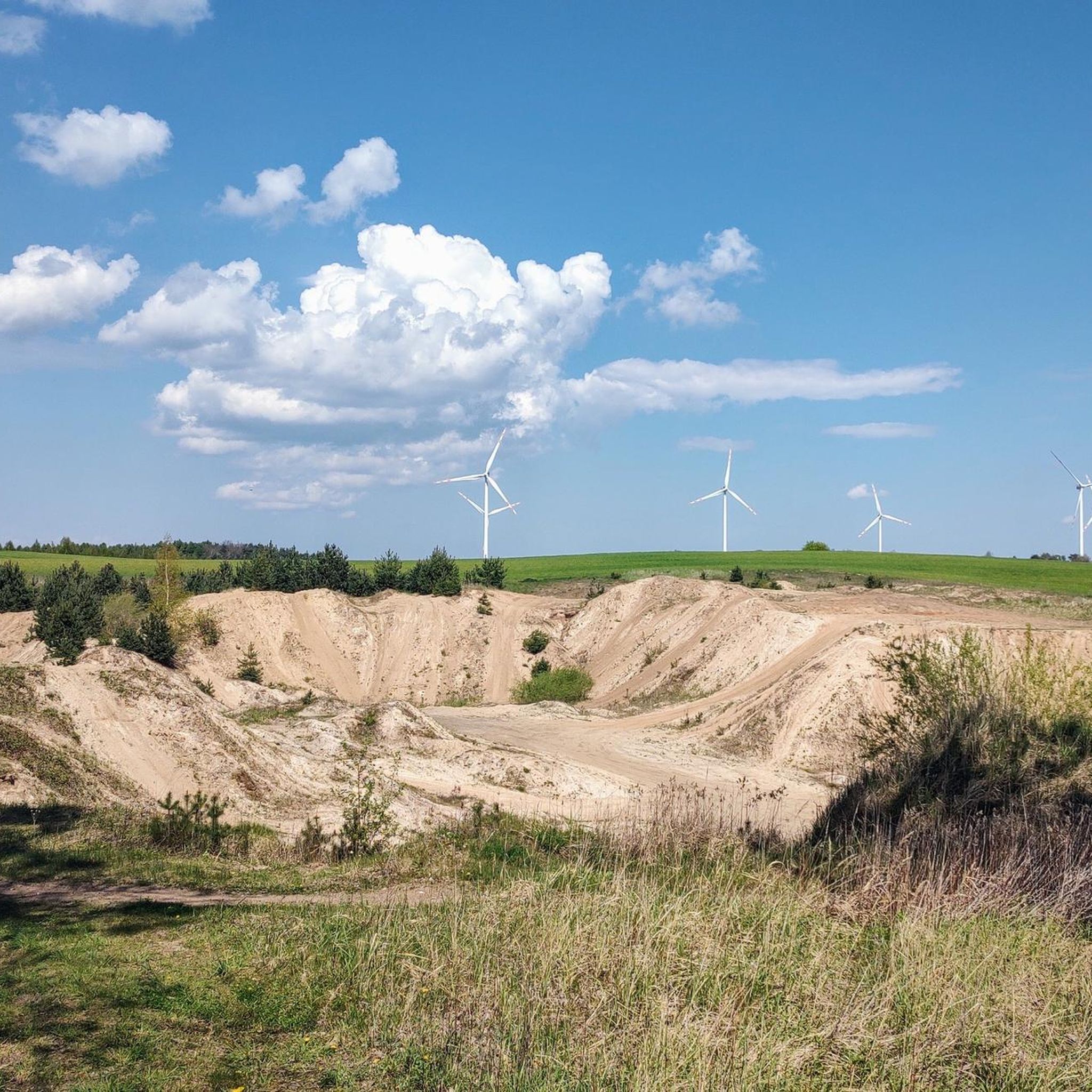
Scenic Asphalt Road Through the Forest
Highlight (Segment) • Cycleway
Translated by Google •
Tip by

Sign up now to discover places like this
Get recommendations on the best single tracks, peaks, & plenty of other exciting outdoor places.
Castle Gate of Sztum
Highlight • Castle
Translated by Google •
Tip by

Roman Catholic Church of Our Lady Help of Christians
Highlight • Religious Site
Translated by Google •
Tip by
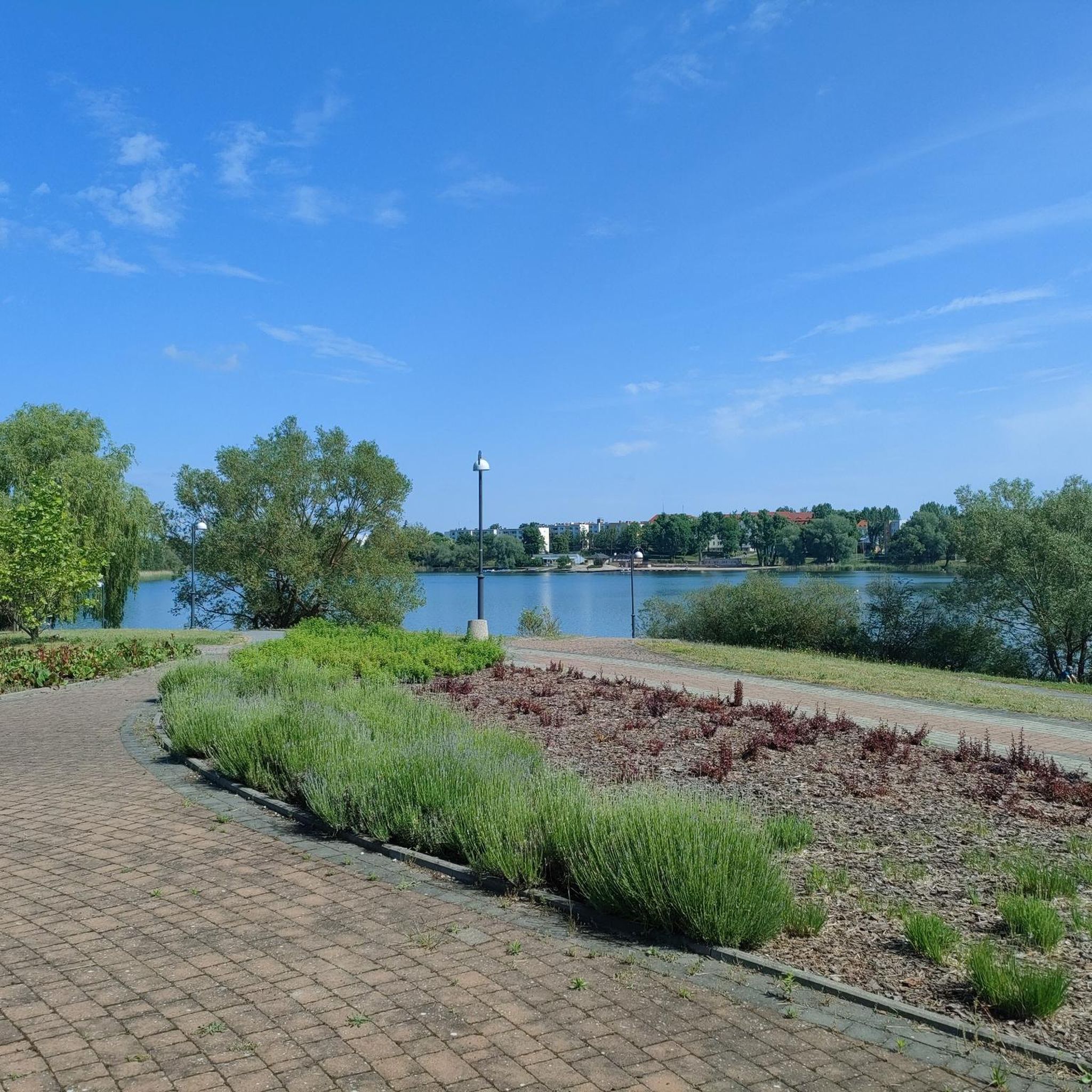
Promenade by Jezioro Druzno
Highlight • Trail
Translated by Google •
Tip by

Sztum Castle
Highlight • Castle
Tip by

Forest Asphalt Road
Highlight (Segment) • Cycleway
Translated by Google •
Tip by
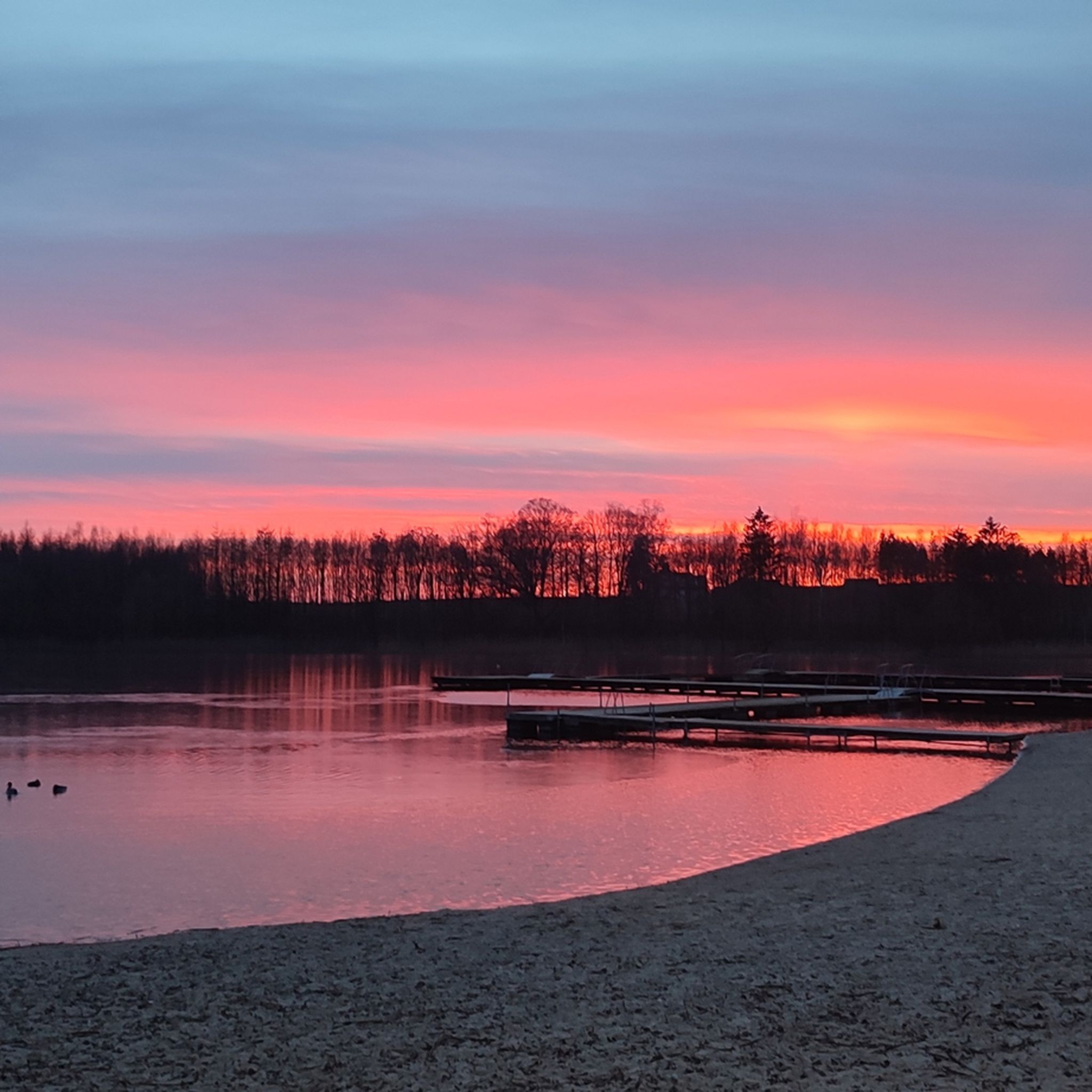
Beach on Lake Dzierzgoń
Highlight • Beach
Translated by Google •
Tip by
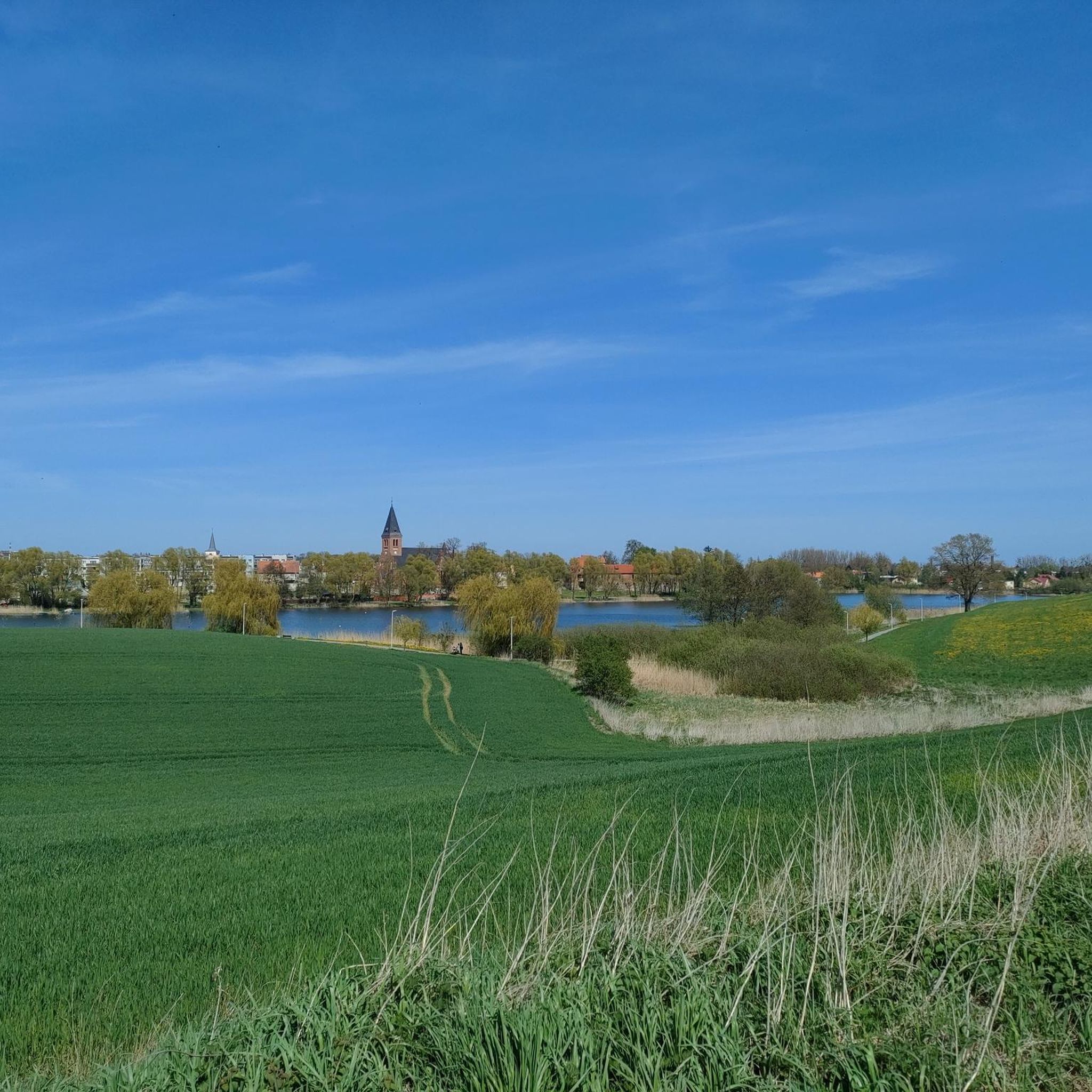
Karpiarnia Lake
Highlight • Lake
The first exit from the road towards Benowo, follow the right-hand rule, and you will reach Lake Czarne ...
Translated by Google •
Tip by

Teutonic Castles Cycling Route
Highlight • Cycleway
Translated by Google •
Tip by
Sign up for free to discover even more attractions around Sztum.
Already have an account?
Start today with a free account
Your next adventure awaits.

Tips from the Community

interesting place. worth stopping and taking a photo
0
0
interesting place, and next to it benches and a view of the lake
0
0

Schloss Finckenstein (Polish Kamieniec) was a Baroque palace built in 1720 in the former Rosenberg district in West Prussia, about seven kilometers northeast of Rosenberg, today located in the Polish Warmian-Masurian Voivodeship. Since 1945, the castle has been a ruin.
3
0
TOURS can be booked under phone no. +48-786-896-075. I don't know how long the sign has been hanging.
3
0

Nice resting area after the castle. Can be passed unnoticed if you cycle in your thoughts. :)
0
0

There are no more piers on the beach (I was there, I saw it on 17/04/2025)
0
0
Karpiarnia is a lake that was used for carp breeding during the Teutonic Knights' times... hence the name of the lake.
0
0
You can get to the lake by car, a few dozen meters from the lake on the road to Benowo there is a forest parking lot with benches.
0
0
Frequently Asked Questions
What historical sites can I visit in Sztum?
Sztum is rich in history, offering several notable sites. You can explore the Castle Gate of Sztum, which leads to the medieval Teutonic Castle, once a summer residence for Grand Masters. Another significant site is St. Anne's Church, a neo-Gothic brick church with 18th-century rococo elements. The Kamieniec Palace Ruins also offer a glimpse into the region's past, including connections to Napoleon.
Are there any medieval castles to explore in Sztum?
Yes, the most prominent medieval site is the Teutonic Castle in Sztum. Built between 1326 and 1333, it served as a summer residence for the Teutonic Grand Masters. While partly in ruins, significant portions remain, including the southern wing (now the Sztum Cultural Center), defensive walls, and a gate tower. You can enter through the Castle Gate of Sztum. The castle also hosts historical and ethnographic exhibitions and knight tournaments.
What natural features are prominent around Sztum?
Sztum is beautifully situated between two lakes, Jezioro Sztumskie and Jezioro Barlewickie. Other nearby lakes include Białe, Parleta, Dąbrówka, and Balewskie. The town is also surrounded by over 4,000 hectares of unspoiled forests. A notable natural feature is the Vistula and Nogat Rivers Fork, which includes a 19th-century lock system in Biała Góra.
Where can I go for a walk or cycle ride in nature?
You have several options for walks and cycle rides. The Jezioro Sztumskie Promenade offers a roughly 5 km long illuminated path for pedestrians and cyclists, featuring a recreational area and viewpoint. There are also numerous marked hiking trails through the surrounding forests. For cycling, consider the Scenic Asphalt Road Through the Forest or the Forest Asphalt Road, both offering smooth surfaces with minimal car traffic. The Teutonic Castles Cycling Route is another option for a longer ride.
Are there family-friendly activities in Sztum?
Many attractions around Sztum are suitable for families. The Castle Gate of Sztum and the castle grounds are family-friendly, often hosting historical shows. The Promenade by Jezioro Druzno offers a scenic path for walking or cycling, with a city beach and viewpoints. Lakes like Karpiarnia Lake and Beach on Lake Dzierzgoń provide opportunities for relaxation and water activities. The surrounding forests also offer easy trails for family walks.
What kind of cycling routes are available around Sztum?
Sztum offers a variety of cycling routes. You can enjoy scenic rides on asphalt roads through forests, such as the Scenic Asphalt Road Through the Forest. The Jezioro Sztumskie Promenade also has a dedicated cycling path. For those interested in historical routes, the Teutonic Castles Cycling Route is available. Additionally, you can find more cycling options, including MTB trails, by exploring the MTB Trails around Sztum guide.
Can I find hiking trails suitable for different skill levels?
Yes, the Sztum region provides hiking trails for various skill levels. The forests surrounding the town have marked trails, and the Jezioro Sztumskie Promenade offers an easy, illuminated path. For more specific hiking options, you can refer to the Easy hikes around Sztum guide, which lists routes like the 'Lido Sztum – St. Anne's Church, Sztum loop' and 'Sztum Castle – Lido Sztum loop', many of which are rated as easy.
Are there opportunities for water sports or fishing near Sztum?
Absolutely. Sztum's location between Jezioro Sztumskie and Jezioro Barlewickie, along with other nearby lakes like Białe and Parleta, provides excellent opportunities for water sports, fishing, and swimming. Many of these lakes also offer agrotourism options, including accommodations for tents or farm stays.
What cultural attractions does Sztum offer?
Beyond historical sites, Sztum has cultural offerings. The Sztum Cultural Center, housed in the renovated southern wing of the Teutonic Castle, organizes historical and ethnographic exhibitions about the region. Sztum also hosts the unique All-Polish Review of Prison Art, linked to the town's prison. The region is also home to numerous manor houses, some converted into hotels or art galleries, such as the palace in Waplewo Wielkie.
Are there any nature reserves worth visiting?
Yes, the Sztum area features several nature reserves. Parów Węgry is a forest reserve known for ancient oaks, some estimated to be 300-400 years old. Las Mątawski is another significant forest area. For floristic interest, the Biała Góra reserve protects endangered steppe vegetation.
What do visitors enjoy the most about Sztum?
Visitors particularly enjoy the blend of history and nature. The medieval Teutonic Castle, accessible via the Castle Gate of Sztum, is a highlight, especially its lakeside location. The scenic promenades around the lakes, like the Promenade by Jezioro Druzno, are also highly appreciated for walking and cycling. The quiet, well-maintained forest roads, such as the Scenic Asphalt Road Through the Forest, are praised for their tranquility and quality for cycling.
Are there options for mountain biking near Sztum?
Yes, for mountain biking enthusiasts, there are dedicated trails around Sztum. You can find various routes, including easy and moderate options, by consulting the MTB Trails around Sztum guide. Examples include the 'MTB Miłosna Trails – Miłosna Singletrack loop' and the 'Teutonic Castle in Kwidzyn – Korzeniewo River Port loop'.
Most popular routes around Sztum
Most popular attractions around Sztum

Get inspired with the komoot mobile app


Didn’t find what you were looking for?
Are you keen on exploring more awesome places nearby? Browse our guides:
Explore more
Still not found the Highlight you’re looking for? See guides of the top attractions in other regions:
