Attractions and Places To See around Sokółka - Top 20
Best attractions and places to see around Sokółka include a blend of historical, cultural, and natural elements in northeastern Poland. The region is characterized by its multicultural heritage, particularly that of the Lipka Tatars, and its picturesque landscape. Visitors can explore significant religious sites, historical landmarks, and protected natural areas. The area offers diverse opportunities for outdoor activities and cultural immersion.
Best attractions and places to see around Sokółka
- The most popular attractions is Biebrza River, a river that…
Last updated: July 15, 2026
Biebrza River
Highlight (Segment) • River
Translated by Google •
Tip by

Dębowo Lock
Highlight • Bridge
Translated by Google •
Tip by

Sign up now to discover places like this
Get recommendations on the best single tracks, peaks, & plenty of other exciting outdoor places.
Sign up for free
Deer Bridge on the Starzynka River
Highlight • Bridge
Translated by Google •
Tip by

Bohoniki Tatar Mosque
Highlight • Religious Site
Translated by Google •
Tip by

Kruszyniany Mosque
Highlight • Religious Site
Translated by Google •
Tip by

Sokółka Reservoir
Highlight • Lake
Translated by Google •
Tip by

Observation Tower and Shelter, Biebrzański National Park
Highlight • Viewpoint
Translated by Google •
Tip by

Monotheistic Temple of the World
Highlight • Religious Site
Translated by Google •
Tip by

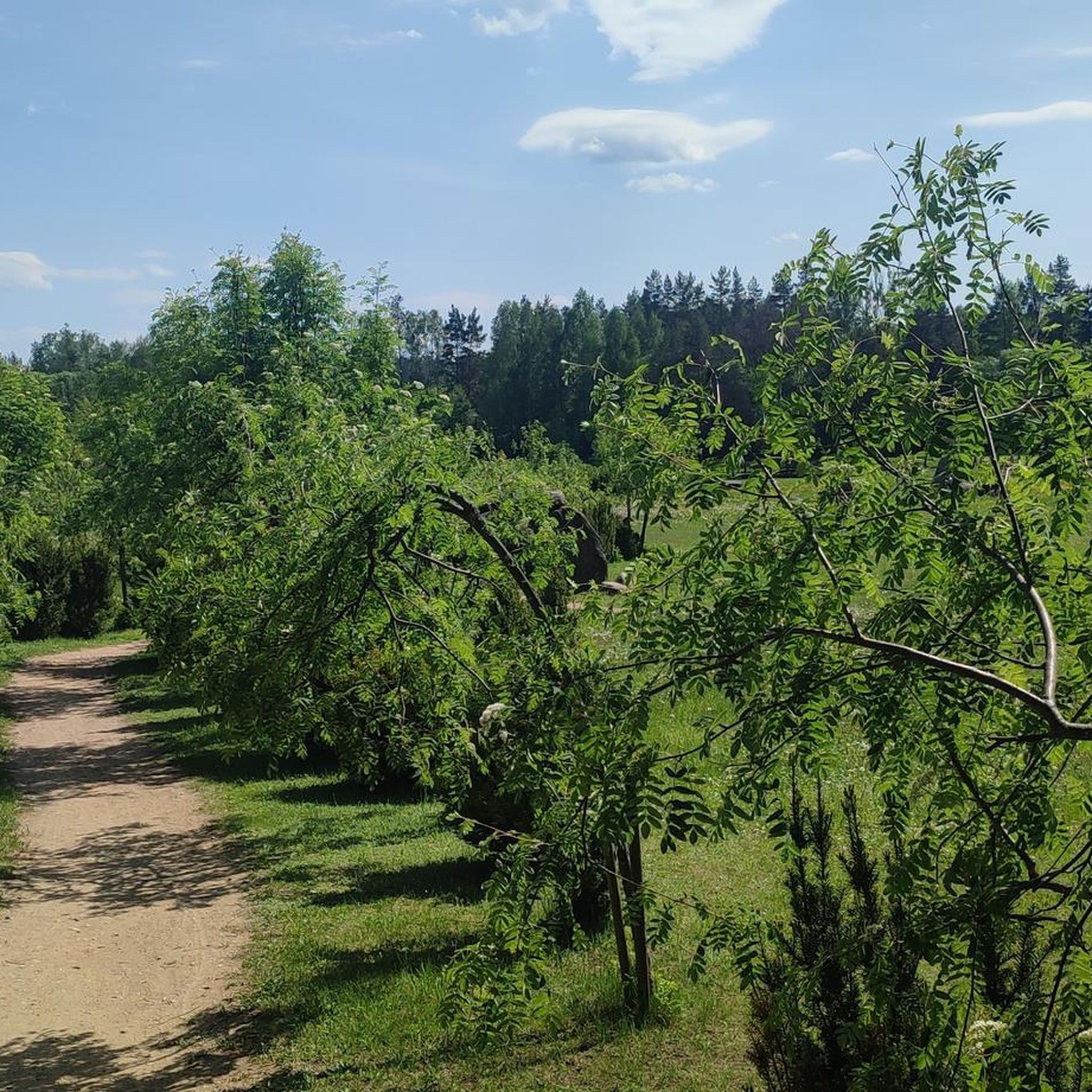
Resting place - Trail of the January Uprising.
Highlight • Rest Area
Translated by Google •
Tip by

Arboretum of the 1863 Insurgents in Kopna Góra
Highlight • Forest
Translated by Google •
Tip by

Sign up for free to discover even more attractions around Sokółka.
Sign up for free
Already have an account?
Start today with a free account
Your next adventure awaits.
Login or Signup

Tips from the Community

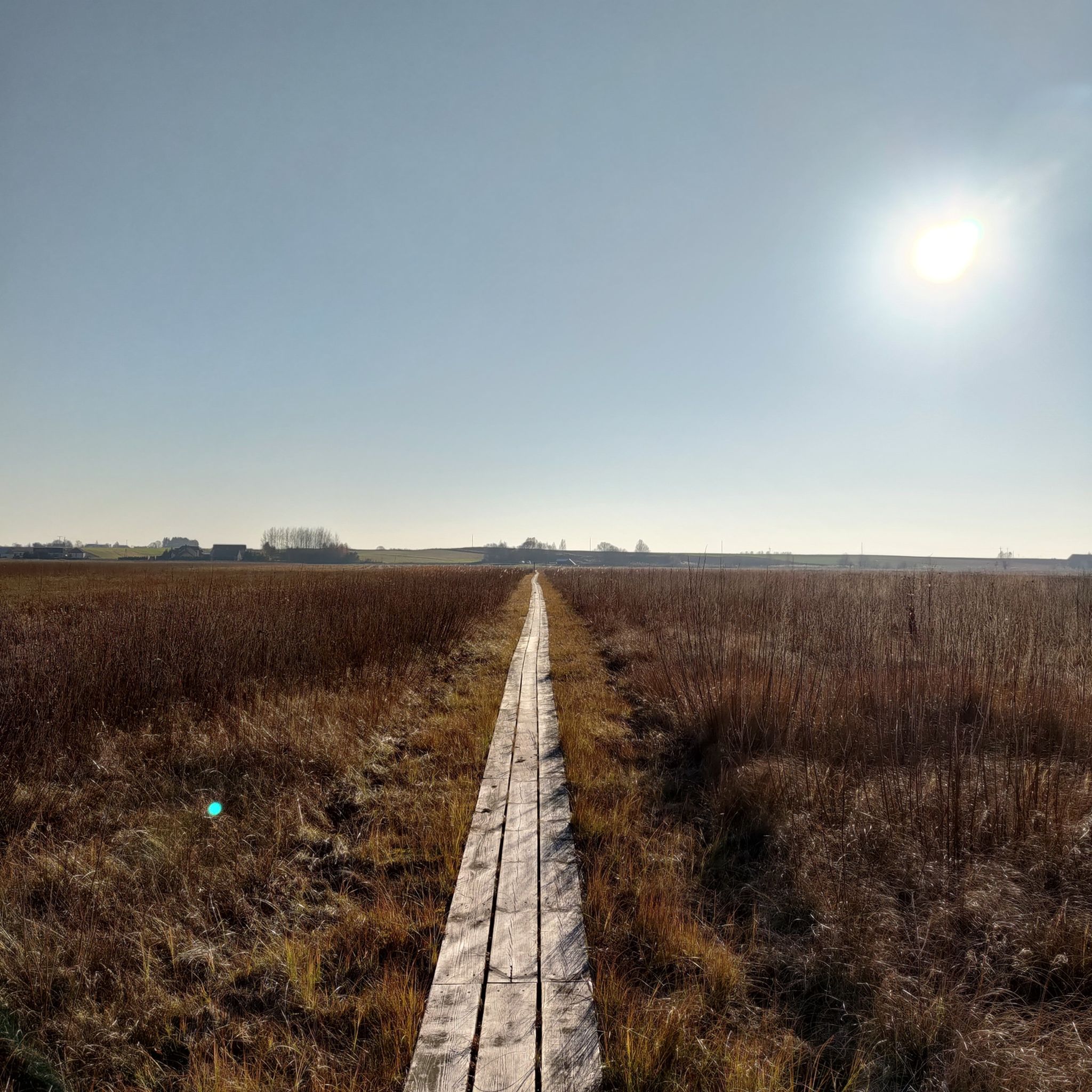
Beautiful wooden bridge. Stop for a moment
0
0

The trail is designed for hiking and cycling. Its length is 71 km. It can be completed in its entirety in a few days, or you can simply visit selected sections or points of interest.
3
0
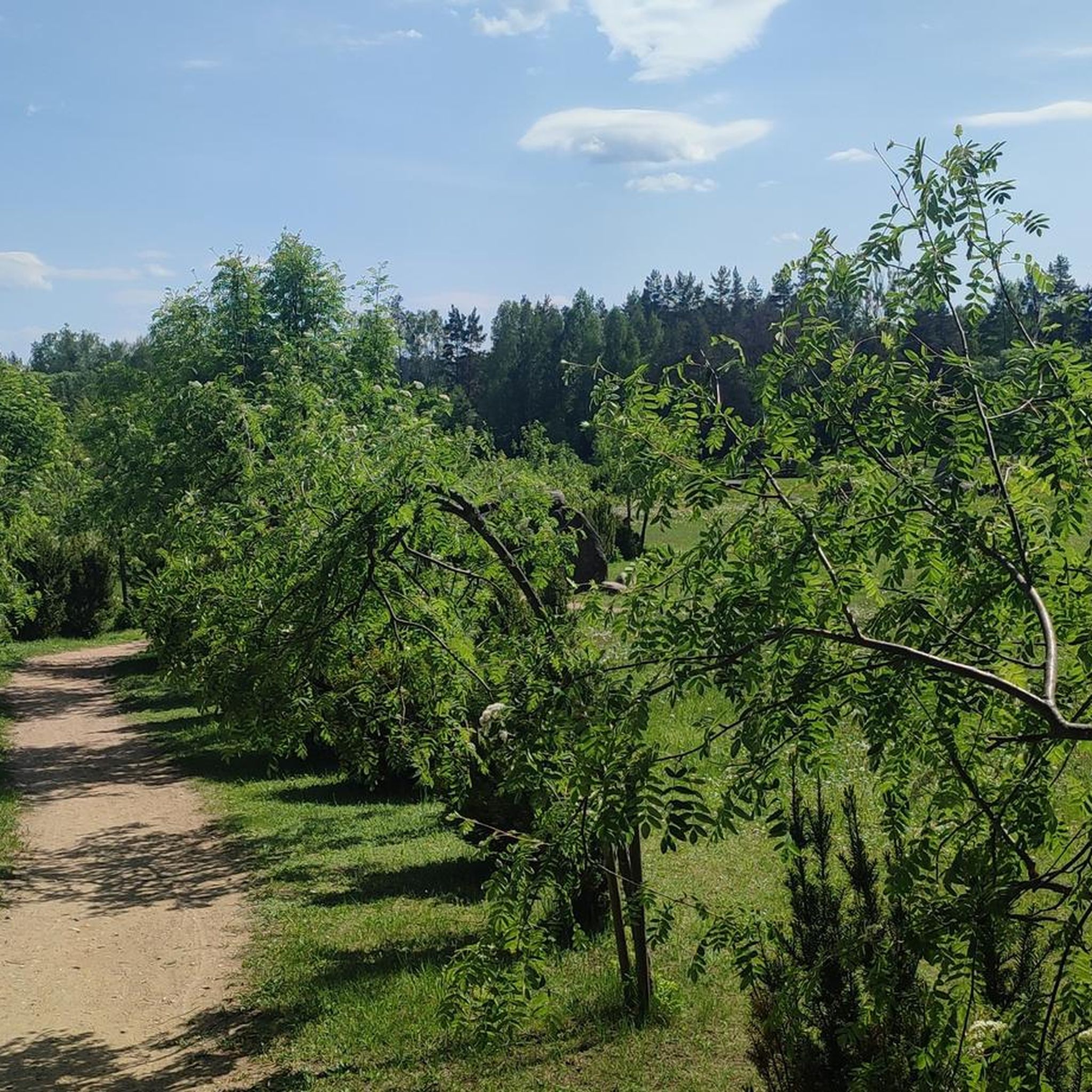
The January Uprising Trail in the Knyszyn Forest was prepared by foresters from the Regional Directorate of State Forests in Białystok and the Czarna Białostocka, Supraśl, Żednia, and Waliły Forest Districts. It leads through sites associated with the dramatic events of the January Uprising, but also includes sites from other eras. The trail includes battlefields, insurgent graves, monuments, and a war cemetery of soldiers who died in 1831 near Sokołda, an exhibition on the history of the Knyszyn Forest, and a Forest Sculpture Gallery dedicated to the 1863 insurgents. The trail includes an observation tower, a footbridge over the marshes, shelters and canopies, and information boards. https://czarna-bialostocka.bialystok.lasy.gov.pl/szlak-powstania-styczniowego-w-puszczy-knyszynskiej
3
0

The Dębowo Lock is the first lock on the Augustów Canal, located right at the canal's mouth on the Biebrza River, near the village of Dębowo. Built in 1826–1827 according to the design of Lieutenant Michał Przyrembel, it is the only historic lock on the southern section of the canal. The stone and brick structure with wooden gates has retained its historic character, and the former maintenance buildings stand nearby. A road bridge, now concrete, spans the lock, replacing a wooden bridge destroyed during the war.
2
0

On the Gren Velo route. The first route on the Augustów Canal at the mouth of the Biebrza River.
0
2

A large and very solid shelter with tables and benches, a great place to rest and possibly shelter from the rain/storm, a little behind the observation tower a small wooden shed is a toilet-type outhouse and a place where you can leave your garbage.
0
0
A monotheistic temple, it was to be a place of prayer for followers of all religions, according to the principle that God is one. The temple was never completed, its current state largely reflects the appearance of the building at the time of the outbreak of World War II, which put an end to the cult of this place.
1
0

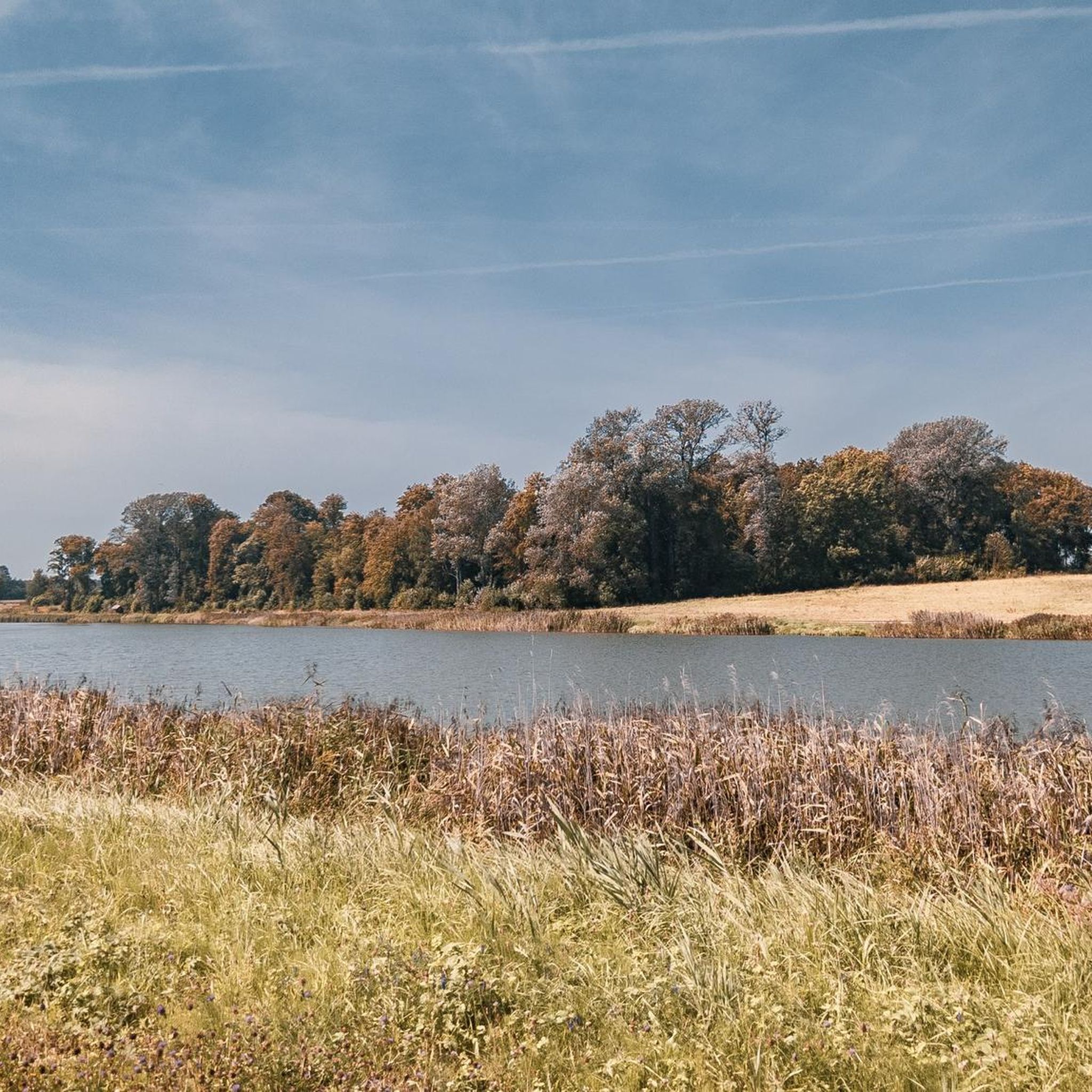
The reservoir was created in 1942, during the German occupation. The workforce for the construction of this investment was Polish Jews. There are two versions of the purpose for which the reservoir was built: - the first mentions German soldiers-patients staying in a nearby military hospital, located in barracks buildings. Perhaps they wanted to create a kind of resort for them - according to the second version, it was related to the lowering of the groundwater level due to the drainage of the Sokółka marshes, which began before the war.
0
0
Frequently Asked Questions
What natural attractions can I explore around Sokółka?
The region offers several natural highlights. You can visit the Biebrza River, known for its scenic gravel roads and tranquil views, especially beautiful in spring. The Sokółka Reservoir is a popular spot for relaxation. Additionally, the Sokółka Hills (also known as Dąbrowsko-Sokólskie Hills) provide a protected landscape ideal for outdoor activities, and the Arboretum of the 1863 Insurgents in Kopna Góra offers a large park-like setting with diverse plant life.
Are there historical sites related to the Tatar community in Sokółka?
Yes, Sokółka is rich in Tatar heritage. You can visit the Bohoniki Tatar Mosque, a significant religious building likely built in 1873, and the Kruszyniany Mosque, another historic Tatar mosque with a nearby cemetery. Both are part of the wider Tatar Trail, offering a glimpse into the unique cultural mosaic of the Lipka Tatars.
What cultural or religious landmarks are worth visiting in Sokółka?
Beyond the Tatar mosques, Sokółka features other significant religious sites. The St. Anthony of Padua Church, built in a neoclassical style in 1848, is a prominent Catholic landmark. The St. Alexander Nevsky's Orthodox Church, dating back to 1830, is notable for its Russian-Byzantine style, five domes, and beautiful icons, including a painting of 'The Last Supper'.
Are there family-friendly attractions around Sokółka?
Many attractions in the area are suitable for families. The Debowo lock, a historic site on the Augustów Canal, is family-friendly. The Bohoniki Tatar Mosque and Kruszyniany Mosque also welcome families. For outdoor enjoyment, the Sokółka Reservoir and the Arboretum of the 1863 Insurgents in Kopna Góra, with its playground and diverse plants, are great options for families.
Where can I find information about the region's history and folk art?
The Museum of Sokółka Land (Muzeum Ziemi Sokólskiej), housed in a historic building from 1770, provides extensive insight into the region's history, folk art, and Tatar traditions. It also serves as a tourist information point.
What outdoor activities can I do near these attractions?
The Sokółka area is excellent for outdoor enthusiasts. You can find various cycling routes, including an easy 23.5 km loop from Sokółka to the Bohoniki Tatar Mosque. For running, there's a moderate 6 km loop around the Zalew Sokólski. More options for cycling and running can be found in the Cycling around Sokółka and Running Trails around Sokółka guides.
Are there any historical monuments or memorials in Sokółka?
Sokółka features several monuments, including one commemorating the 400th anniversary of its town rights and a monument to Multicultural Sokółka. There are also monuments dedicated to Józef Piłsudski and a stone marking 300 years of Tatar settlement. Additionally, the Resting place - Trail of the January Uprising highlights dramatic historical events with battlefields, graves, and an exhibition.
Where can I experience scenic views or viewpoints?
For scenic views, the Sokółka Hills offer elevated perspectives of the protected landscape. You can also visit the Observation Tower and Shelter in Biebrzański National Park for panoramic vistas. The Deer Bridge on the Starzynka River also provides a pleasant viewpoint amidst nature.
What is the best time to visit Sokółka for outdoor activities?
The spring and summer months are generally ideal for outdoor activities in Sokółka. Spring offers lush greenery and vibrant nature, particularly around the Biebrza River, though some areas might be wet. Summer provides warm weather perfect for exploring the Sokółka Reservoir and engaging in hiking or cycling in the Sokółka Hills.
Can I find unique culinary experiences in the Sokółka area?
Yes, particularly if you explore the Tatar Trail. In Kruszyniany, near the Kruszyniany Mosque, you can find opportunities to try traditional Tatar cuisine, offering a unique culinary experience reflecting the region's multicultural heritage.
What do visitors enjoy most about the attractions around Sokółka?
Visitors frequently appreciate the tranquility and natural beauty, especially along the Biebrza River, describing it as a beautiful place for those who like nature and peace. The historical significance of sites like the Debowo lock and the Tatar mosques is also highly valued, with many enjoying the cultural immersion and the stories shared by guides.
Are there any unique man-made structures or engineering marvels to see?
The Debowo lock is a notable engineering marvel. Built in 1826–1827 on the Augustów Canal near the Biebrza River, it is the only historic lock on the southern section of the canal, retaining its original stone and brick structure with wooden gates. It's a testament to 19th-century hydraulic engineering.
Most popular routes around Sokółka
Most popular attractions around Sokółka

Get inspired with the komoot mobile app


Didn’t find what you were looking for?
Are you keen on exploring more awesome places nearby? Browse our guides:
Explore more
Still not found the Highlight you’re looking for? See guides of the top attractions in other regions:
