Attractions and Places To See around powiat sejneński - Top 20
Attractions and places to see around powiat sejneński are characterized by a landscape shaped by glaciers, featuring extensive forests and numerous lakes. This region in northeastern Poland offers a blend of natural beauty and historical landmarks. It is known for its high number of lakes, including Lake Wigry, and significant forest complexes like the Augustów Primeval Forest. The area provides opportunities to explore both natural features and cultural sites.
Best attractions and places to see around powiat sejneński
- The most…
Last updated: July 15, 2026
Camaldolese Monastery in Wigry
Highlight • Religious Site
Translated by Google •
Tip by

Roman Catholic Church of the Immaculate Conception
Highlight • Religious Site
Translated by Google •
Tip by

Sign up now to discover places like this
Get recommendations on the best single tracks, peaks, & plenty of other exciting outdoor places.
Sign up for free
Czarna Hańcza Wooden Bridge
Highlight • Bridge
Translated by Google •
Tip by

Sejny White Synagogue
Highlight • Religious Site
Translated by Google •
Tip by
Church of Saint Anne
Highlight • Religious Site

Basilica of the Visitation of the Blessed Virgin Mary in Sejny
Highlight • Religious Site
Translated by Google •
Tip by
Czerwony Krzyż Memorial
Highlight • Monument
Translated by Google •
Tip by
Church of Our Lady of the Angels in Monkinie
Highlight • Religious Site
Translated by Google •
Tip by
Wigry National Park
Highlight • Natural Monument
Translated by Google •
Tip by
Augustów Roundup Memorial Site
Highlight • Historical Site
Translated by Google •
Tip by
Sign up for free to discover even more attractions around powiat sejneński.
Sign up for free
Already have an account?
Start today with a free account
Your next adventure awaits.
Login or Signup
Popular around powiat sejneński
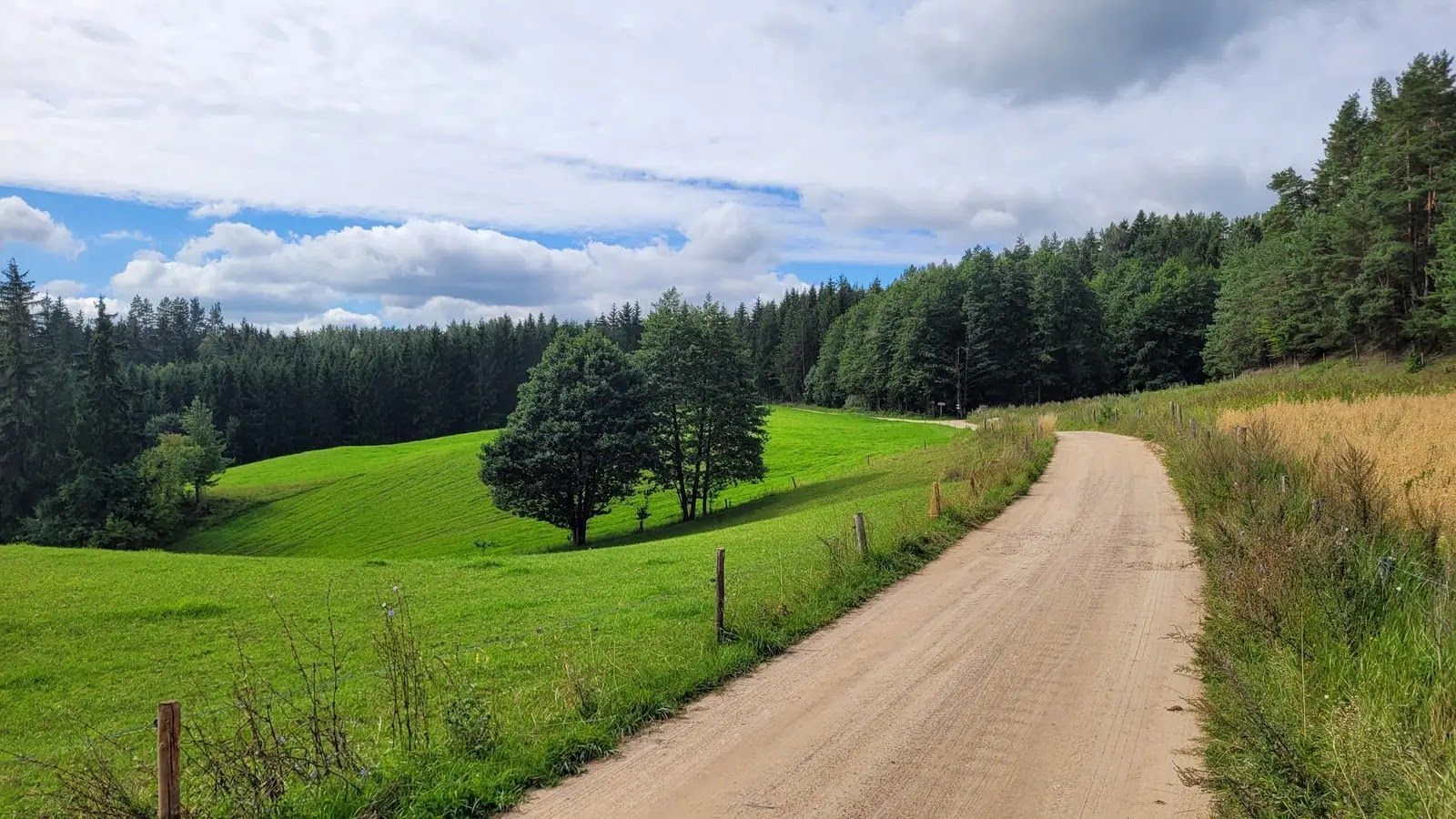
Suwałki lakes and glacial hills - Sudovia Gravel Ultra
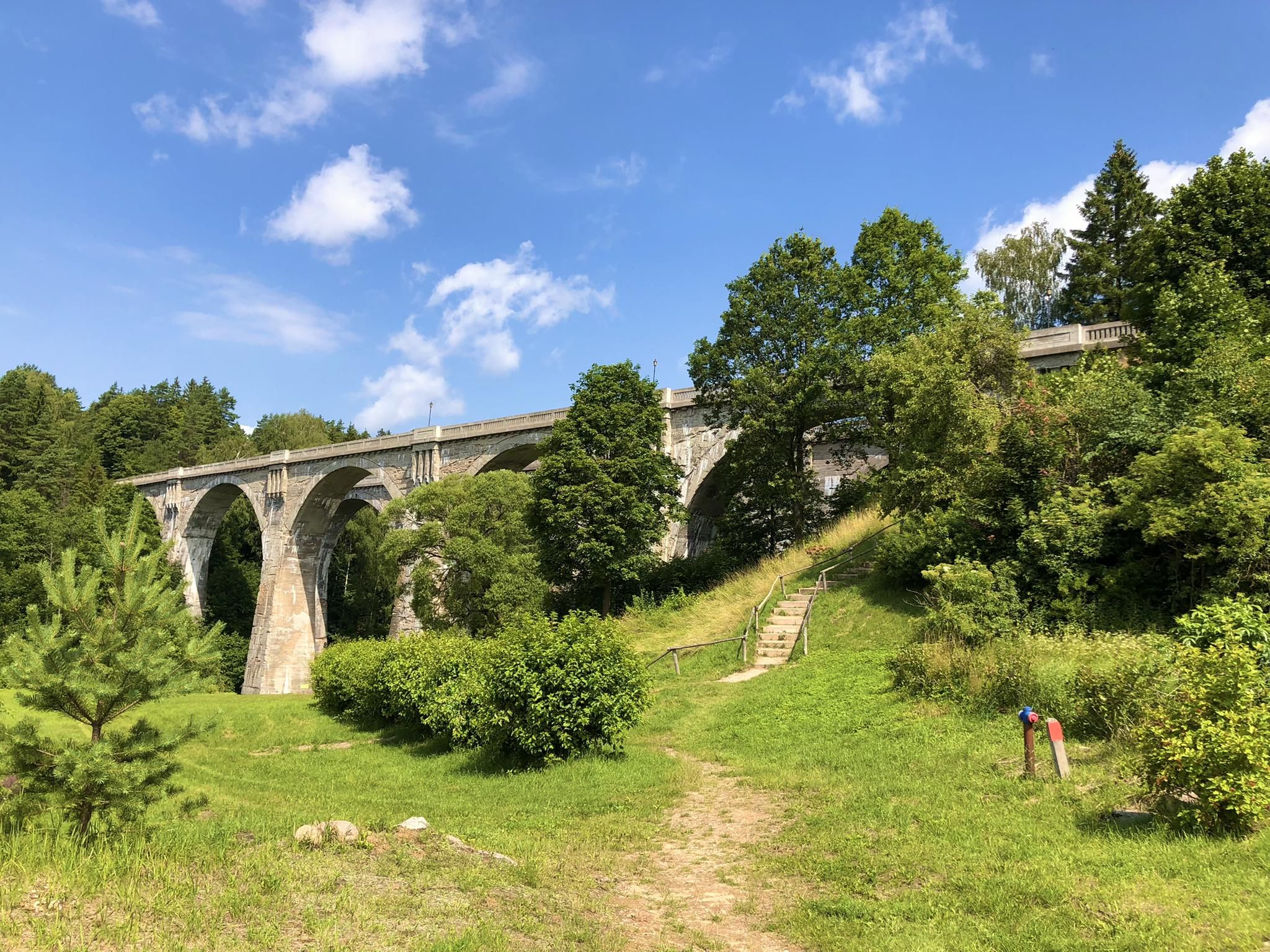
Discover the Polish-Lithuanian region – Suwalki Region Cycle Loop (R-65)
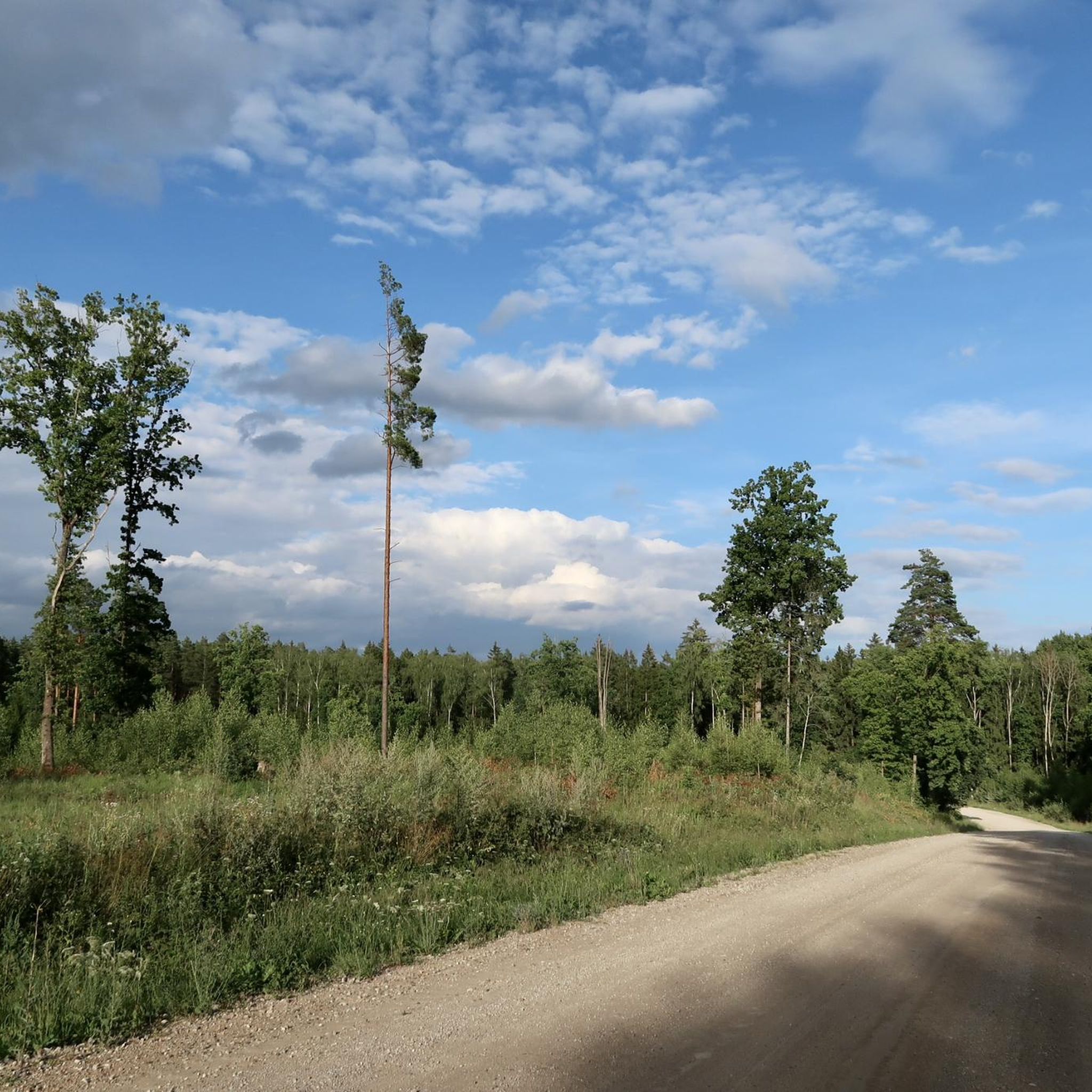
Cycling around powiat sejneński
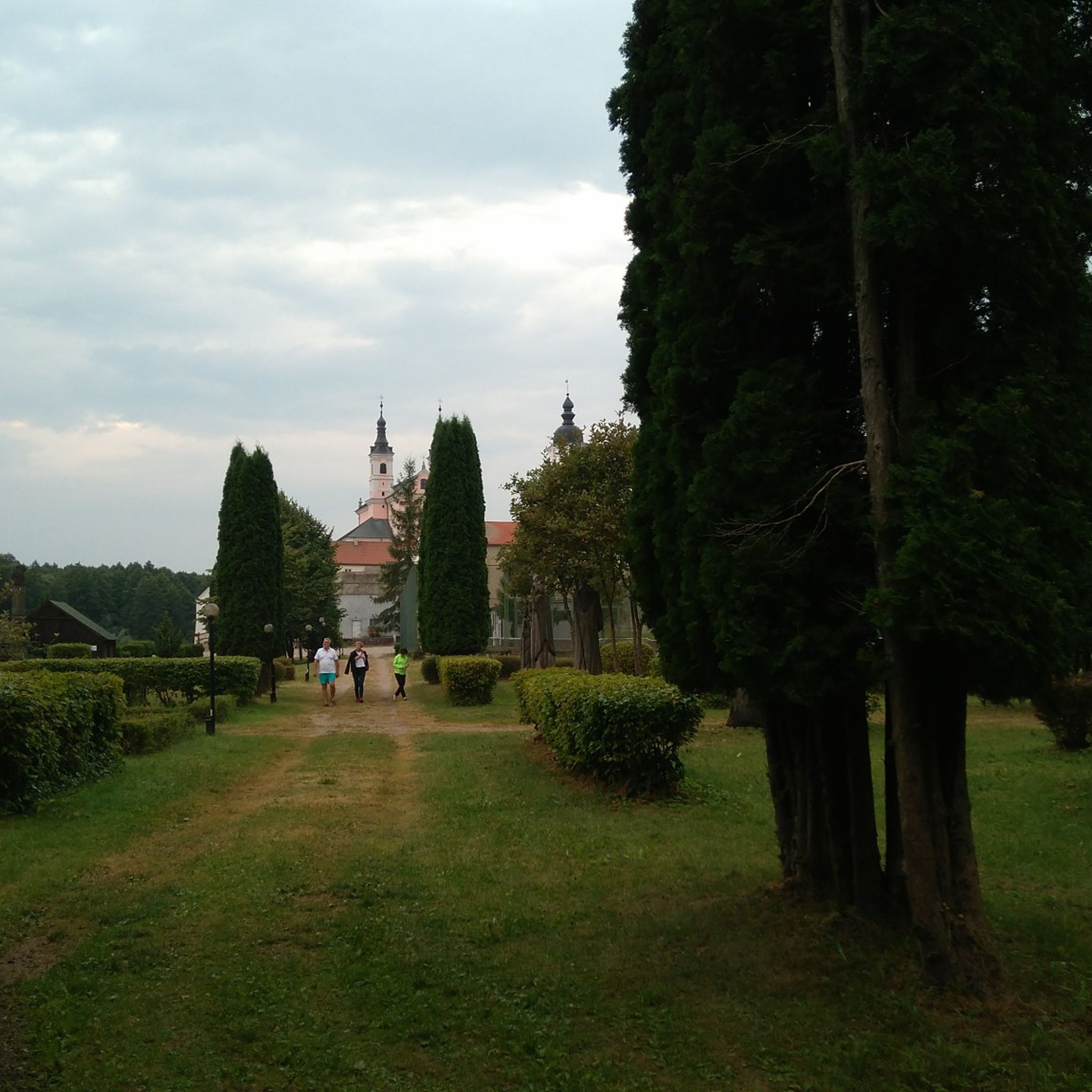
Hiking around powiat sejneński
Road Cycling Routes around powiat sejneński
Running Trails around powiat sejneński

Gravel biking around powiat sejneński
MTB Trails around powiat sejneński

Tips from the Community

The Augustów Roundup Victims Memorial is located near the village of Okółek, in the heart of the Augustów Forest. According to witnesses, this is where a temporary camp was located, where the NKVD held local residents before execution. The symbolic installation consists of a statue of Christ the Sorrowful, a memorial bell, and a cross, creating a space for reflection and prayer. The Augustów Roundup of July 1945 is considered the largest unsolved crime against Poles since World War II, and the new memorial allows for tribute to the victims and perpetuates the memory of the tragic events.
0
0

Architecturally, the interior of the synagogue is a combination of a Gothic six-bay structure with a Baroque central solution, which is emphasized by the arrangement of four pillars. The synagogue has three naves. In the eastern wall there is a niche after the Aron Kodesh – a track cabinet. The polychromes, the women's gallery and the bimah, which was located in the central nave between the four pillars, have not survived. https://www.pogranicze.sejny.pl/miejsca-waciwe/biala-synagoga/
3
0
The facility is accessible to visitors from outside. Possibility of visiting during cultural events.
3
0
In 1768, the owners of Sejny - the Dominicans - allowed Jews to settle in the city. The first synagogue, built in 1788, was made of wood. The current one was built in 1885 at the initiative of Rabbi Moses Becalel Luria. It was used for prayer until World War II. The German occupiers set up a fire station there, knocking out three car entrance gates in the southwestern elevation and building an observation tower above the facade. The Nazis also plundered the synagogue's equipment. After 1945, the building was used as a transport base and a warehouse for artificial fertilizers. A general renovation in the years 1978-1987 restored the synagogue's former appearance. In 1991, the building was handed over to the "Borderland - of Arts, Cultures, Nations" Center, and currently serves as a concert and exhibition hall. https://zabytek.pl/pl/obiekty/sejny-synagoga-(so-called-white-synagoga)
3
0
Around the monastery there are historic towers, which not only add charm to the place, but also constitute an excellent viewing point. From their tops you can admire a vast view of Sejny and the surrounding landscapes, which is an additional attraction for visitors. Significance and Rank Currently, the church has been raised to the rank of a minor basilica, which indicates its enormous religious and historical significance. The Basilica of the Visitation of the Blessed Virgin Mary in Sejny is not only a place of worship, but also a valuable architectural monument that delights with its history, art and atmosphere of spiritual peace. https://suwalszczyzna.net.pl/atrakcje/bazylika-w-sejnach
3
0
There are two chapels in the basilica: the Sacred Heart of Jesus and the Mother of God. Each of them is a place of prayer and contemplation, offering the faithful a space for concentration and spiritual strengthening. However, one of the most important elements of the temple is the chapel with the sculpture of Our Lady of Sejny, which is famous for its numerous graces. It is a unique three-armed sculpture, which when opened presents God the Father and Christ on the cross, and when closed - the Mother of God with Child. https://suwalszczyzna.net.pl/atrakcje/bazylika-w-sejnach
3
0
The church was built by the Dominican Order in the years 1610–1619. Initially, it had more modest dimensions, but over the years it was expanded, adding, among others, the front facade with two towers that reach a height of 47 meters. These monumental towers have become one of the most recognizable elements of the basilica. Inside the basilica there are as many as 11 altars from the mid-18th century, each decorated with valuable paintings, which are a testimony to Baroque sacral art. The choir with a Baroque organ and an intricately made pulpit attract special attention. The western span houses the porch, on the walls of which hang two impressive crucifixes and paintings by the founders of the monastery, Jerzy Grodziński and Róża Strutyńska, which additionally emphasizes the historical significance of this place. https://suwalszczyzna.net.pl/atrakcje/bazylika-w-sejnach
3
0
The church in Sejny is the Basilica of the Visitation of the Blessed Virgin Mary and is already four hundred years old and is one of those fortunately preserved monuments that have survived the storms of history. Here you can find elements of the Renaissance, Rococo, Classicist style, and most of all Baroque. Currently, the church has been raised to the rank of a basilica under the invocation of the Visitation of the Blessed Virgin Mary. https://www.sejnenszczyzna.com/cms/ciekawe-miejsca/atrakcje-turystyczne/bazylika-w-sejnach.html
3
0
Frequently Asked Questions
What natural attractions can I explore in Powiat Sejneński?
Powiat Sejneński is rich in natural beauty, shaped by glaciers. You can visit Wigry National Park, which features 42 lakes, including the large Lake Wigry, and offers stunning scenery. The region also boasts numerous other lakes, dense forest complexes like the Augustów Primeval Forest, and rivers such as the Marycha and Czarna Hańcza, which are popular for kayaking. The Łempis Nature Reserve is another highlight, protecting a unique post-glacial peat-filled trough and serving as a breeding ground for water birds.
Are there any historical or cultural sites worth visiting in the region?
Yes, Powiat Sejneński has a rich history reflected in its landmarks. Key sites include the Camaldolese Monastery in Wigry, a reconstructed 17th-century monastery that hosted Pope John Paul II. In Sejny, you can find the Basilica of the Visitation of the Blessed Virgin Mary and the Sejny White Synagogue, which now serves as a concert and exhibition hall. Other notable sites include the Church of Our Lady of the Angels in Monkinie, St. Anne's Church in Giby (a former Old Believers' molenna), and the Manor and Garden Complex in Krasnogruda, associated with Czesław Miłosz.
What outdoor activities are available around Powiat Sejneński?
The region offers a variety of outdoor activities, especially around its numerous lakes and forests. You can enjoy kayaking on the Marycha and Czarna Hańcza rivers. For cycling enthusiasts, there are several MTB trails, including routes around Wigry National Park. Hikers can explore easy hikes like the Lakes Educational Trail, and there are also dedicated running trails, particularly within Wigry National Park.
Are there family-friendly attractions in Powiat Sejneński?
Yes, several attractions are suitable for families. The Camaldolese Monastery in Wigry and Sejny White Synagogue are listed as family-friendly historical sites. The Wigry National Park offers beautiful scenery and opportunities for gentle walks and nature observation, which can be enjoyable for all ages. Additionally, the Jaćwiesko-Pruska Settlement provides an engaging experience, offering insights into ancient Baltic cultures through recreated material culture and crafts.
What is the best time of year to visit Powiat Sejneński?
The best time to visit Powiat Sejneński largely depends on your preferred activities. For enjoying the lakes, kayaking, hiking, and cycling, the warmer months from late spring to early autumn (May to September) are ideal. The region's climate is one of the coldest in Poland, with winters lasting over 100 days, making it suitable for those interested in winter sports or experiencing a snowy landscape, though many outdoor activities might be limited.
Where can I find traditional regional architecture?
You can find examples of traditional regional architecture, often referred to as 'Suwałki Huts,' in the villages of Giby and Pogorzelec. These 19th-century wooden residential homes offer a glimpse into the historical building styles of the area.
Are there any memorials or sites commemorating historical events?
Yes, the region holds significant historical memorials. You can visit the Augustów Roundup Memorial Site near Okółek in the Augustów Primeval Forest, which commemorates the victims of the July 1945 Augustów Roundup. There is also a War Cemetery from World War I in Berżniki, serving as a historical site to remember the fallen.
What is the significance of the Camaldolese Monastery in Wigry?
The Camaldolese Monastery in Wigry is a historically significant religious building established in 1668 on an island in Lake Wigry. It has undergone extensive reconstruction after suffering damage, particularly during World War II. The monastery gained further recognition when it hosted Pope John Paul II in 1999, and a small museum is dedicated to his visit.
Can I go kayaking on the Czarna Hańcza River?
Yes, the Czarna Hańcza River is a popular destination for kayaking, known for its charming sections. While the guide does not specify permit requirements, it is advisable to check with local tourism offices or kayaking rental services for any necessary permits or regulations before planning your trip.
What is the Jaćwiesko-Pruska Settlement?
The Jaćwiesko-Pruska Settlement, located within the 'Sejny Lake District' Protected Landscape, is a unique attraction dedicated to recreating the atmosphere of early civilizations. It offers insights into the material culture, crafts, customs, and military of the ancient Balts, including the Yotvingians and Prussians, providing an educational and immersive experience.
What is the <a href="https://www.komoot.com/highlight/3517807" target="_blank" rel="noopener">Czarna Hańcza Wooden Bridge</a>?
The Czarna Hańcza Wooden Bridge is a notable landmark that allows visitors to bypass the main asphalt road, shortening the journey to and from the Camaldolese Monastery in Wigry. It offers a direct and scenic route, appreciated by those traveling to the monastery.
What makes the Sejny White Synagogue significant?
The Sejny White Synagogue, constructed in 1885, is a significant historical and architectural site. After extensive renovation, it no longer functions as a place of worship but has been transformed into a vibrant concert and exhibition hall, preserving its unique historical architecture and serving as a cultural center for the 'Pogranicze – sztuk, kultur, narodów' Center.
Most popular routes around powiat sejneński
Most popular attractions around powiat sejneński

Get inspired with the komoot mobile app


Didn’t find what you were looking for?
Are you keen on exploring more awesome places nearby? Browse our guides:
Explore more
Still not found the Highlight you’re looking for? See guides of the top attractions in other regions:
