Attractions and Places To See around powiat białostocki - Top 20
Best attractions and places to see around powiat białostocki include a diverse range of historical landmarks, serene natural landscapes, and cultural sites. This region in northeastern Poland is characterized by expansive forests, significant religious structures, and vibrant urban parks. Visitors can explore ancient castles, unique river systems, and protected natural reserves. The area offers a blend of historical depth and natural beauty for exploration.
Best attractions and places to see around powiat białostocki
- The most popular attractions is Zwierzyniecki Forest…
Last updated: July 15, 2026
Public beach on the Supraśl river in Wasilków
Highlight • Beach
Translated by Google •
Tip by

Tykocin Castle and Castle Restaurant
Highlight • Castle
Translated by Google •
Tip by

Sign up now to discover places like this
Get recommendations on the best single tracks, peaks, & plenty of other exciting outdoor places.
Sign up for free
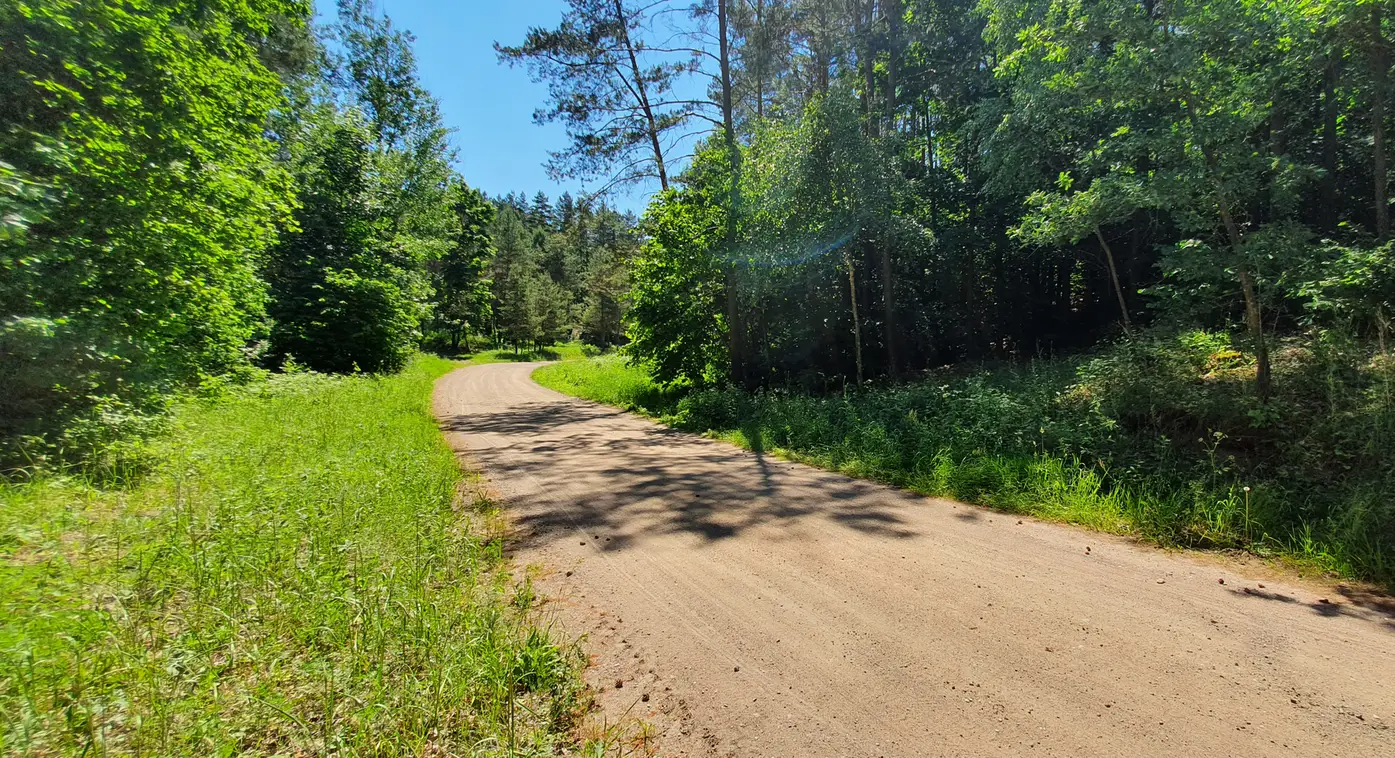
Green Velo Rest Area – Knyszyńska Forest Landscape Park
Highlight • Rest Area
Moving east along the bicycle path, we …
Translated by Google •
Tip by

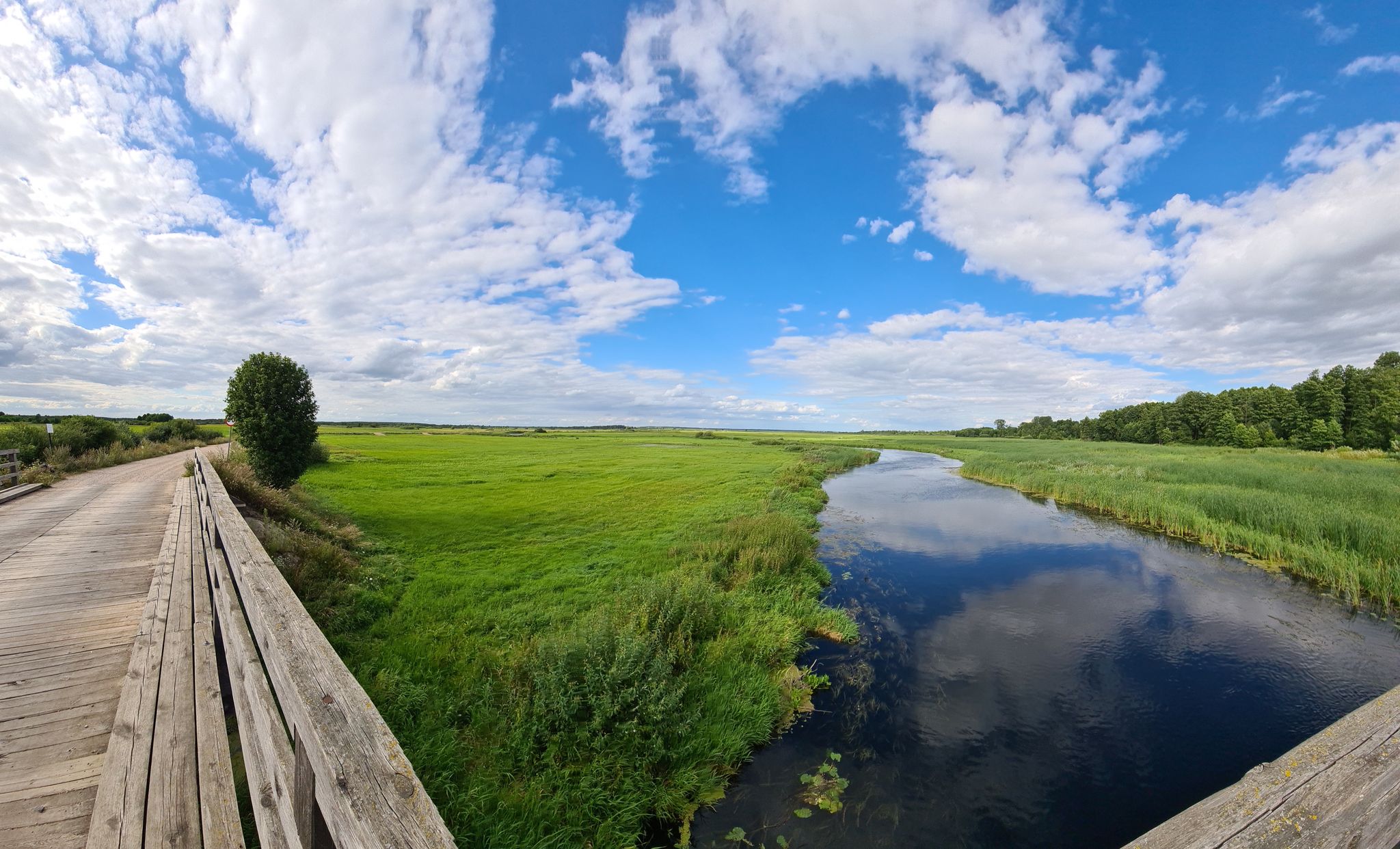
Śliwno–Waniewo Floating Footbridge
Highlight • Bridge
Translated by Google •
Tip by

Church of St. John the Baptist and St. Stephen in Choroszcz
Highlight • Religious Site
In 1756, Jan Klemens Branicki, the Grand Crown Hetman, Castellan of Kraków, at …
Translated by Google •
Tip by

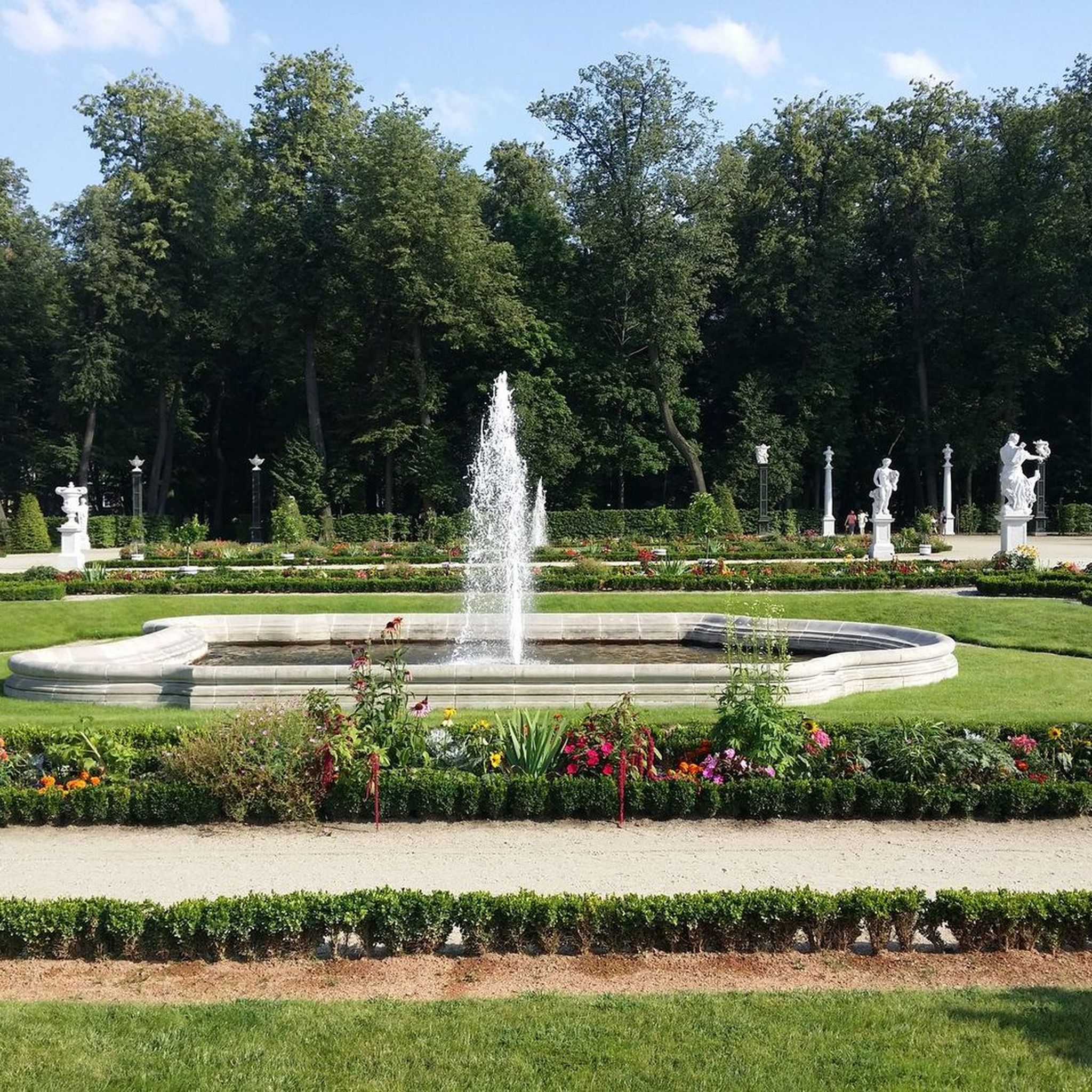
Fountains at Planty Park
Highlight • Monument
The (urban) park …
Translated by Google •
Tip by
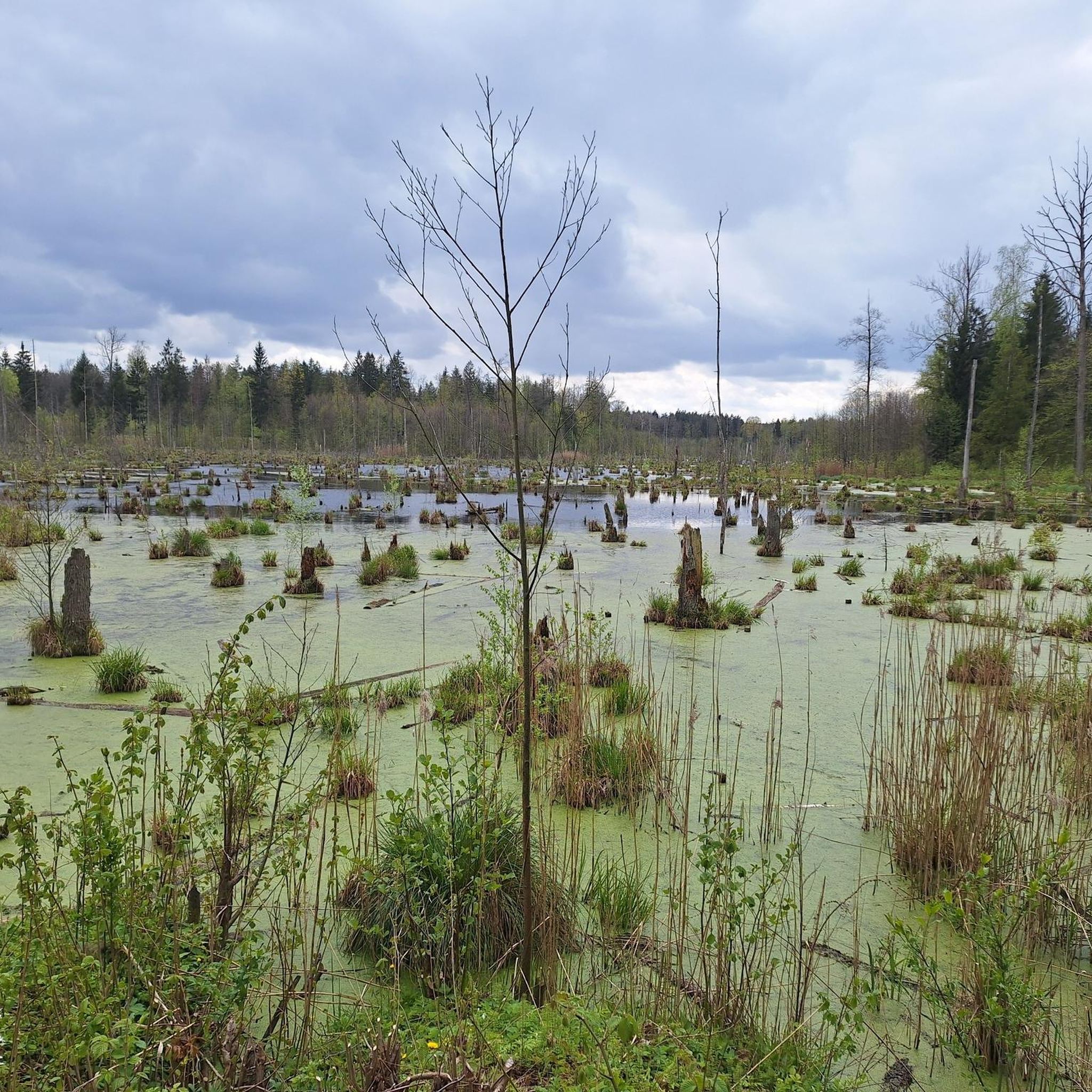
Zwierzyniecki Forest
Highlight • Forest
Translated by Google •
Tip by

Branicki Palace
Highlight • Historical Site
More information: de.wikipedia.org/wiki/Branicki-Palast_(Bia%C5%82ystok)
Translated by Google •
Tip by

January Uprising Forest Gallery
Highlight • Forest
Translated by Google •
Tip by

Lubomirski Palace
Highlight • Historical Site
The palace is located in the Dojlidy district and …
Translated by Google •
Tip by

Sign up for free to discover even more attractions around powiat białostocki.
Sign up for free
Already have an account?
Start today with a free account
Your next adventure awaits.
Login or Signup
Popular around powiat białostocki
The river rustles, the forest rustles – Podlaski Stork Trail
To the east, Eden – Green Velo Szlak (second part)
Cycling around powiat białostocki
Hiking around powiat białostocki
Running Trails around powiat białostocki
Road Cycling Routes around powiat białostocki
MTB Trails around powiat białostocki

Gravel biking around powiat białostocki


Tips from the Community

Tykocin Castle is one of the greatest attractions in Podlasie, picturesquely situated on the Narew River. Originally a 15th-century stronghold of the Gasztołd family, it was rebuilt in the 16th century into a Renaissance royal castle of Sigismund Augustus, which housed, among other things, the royal treasury and arsenal. Later, the castle belonged to Stefan Czarniecki and then the Branicki family, but after numerous wars and fires, it fell into ruin. Modern reconstruction restored it to its former glory and allowed the creation of a museum, restaurant, and observation tower with a panoramic view of the Narew Valley.
1
0

A forest road intersection in the heart of the Knyszyńska Forest, near the town of Surażkowo, on the green trail, in forest section 188. Looking around carefully, you'll notice numerous, large folk sculptures depicting January Uprising insurgents. The gallery was created to commemorate those who perished. The monuments were designed by Ryszard Bołtowicz.
4
0

Crossing closed due to low water levels.
0
0

Roman Catholic Church of St. John the Baptist and St. Stephen the Martyr
0
0

One of several "ferry" crossings of this type on the Waniewo-Śliwno footbridge. Exciting! Self-service. Look for a chain attached to the footbridge on one side and to the jetty on the other. Pull the jetty towards you and get on. Then use the second chain from the water side to pull the jetty to the other side. Definitely the biggest attraction of this place!
0
0
The church in Choroszcz is an impressive Baroque temple, whose history dates back to the 15th century. Its current appearance is the result of an 18th-century reconstruction, and the facade impresses with its rich decorations and sculptures. The interior of the church is equally impressive, with numerous monuments of sacral art. For road cyclists, Choroszcz lies on the route of many interesting trails, and the church itself can be an interesting stop during a trip. It is worth taking a moment to admire the architecture and history of this place.
1
1

Branicki Park – a baroque palace park in Białystok with an area of approx. 10.0 ha located within Legionowa and Akademicka streets. It is an extension of the city's green areas – Planty park.
1
0
The reserve covers the central and eastern part of the Zwierzyniecki Park with an area of 33.84 ha. The entire area of the reserve is forested and is the property of the city. There are walking paths in the reserve covering a total area of 1.33 ha.
1
0
Frequently Asked Questions
What historical landmarks can I explore in Powiat Białostocki?
Powiat Białostocki is rich in history. You can visit the reconstructed Tykocin Castle and Castle Restaurant, a 15th-century stronghold that once housed royal treasures. Another significant site is the grand Baroque Branicki Palace in Białystok, often called the "Polish Versailles." Don't miss the impressive Church of St. John the Baptist and St. Stephen in Choroszcz, known for its Baroque architecture and rich decorations. The Lubomirski Palace, surrounded by a 19th-century park, also offers a glimpse into the region's past.
Where can I experience nature and unique natural features in the region?
For nature lovers, the region offers diverse landscapes. Explore the Zwierzyniecki Forest, a protected reserve with walking paths. The Knyszyńska Forest Landscape Park is an extensive complex known for its Supraśl pine and is home to Polish bison. A unique experience awaits at the Śliwno–Waniewo Floating Footbridge across the Narew River, where you can pull yourself across using a chain. The Narew National Park, often called the "Polish Amazon Forest," features a distinctive water system and is a significant bird refuge.
Are there family-friendly attractions around Powiat Białostocki?
Yes, there are several family-friendly spots. The Wasilków Reservoir is a pleasant lake offering recreational facilities, perfect for spending time with family. Many historical sites like Tykocin Castle and Branicki Palace are also suitable for family visits. Additionally, parks such as Branicki Park and Gardens, and Planty Park with its fountains in Białystok, provide open spaces for children to enjoy.
What outdoor activities can I do near these attractions?
The region is excellent for outdoor activities. You can find numerous cycling routes, including parts of the Green Velo route, especially around Knyszyńska Forest Landscape Park. For cycling, explore routes like the "Narew National Park Bicycle Bypass" or "From Knyszyn Forest to the Biebrza Valley Bicycle Trail." If you prefer running, there are options like the "Kościuszko Market Square loop from Białystok" or trails around Supraśl. For more detailed routes, check out the running trails and cycling guides for Powiat Białostocki.
Are there hiking trails near the attractions?
Yes, there are many opportunities for hiking. The Zwierzyniecki Forest offers walking paths suitable for leisurely strolls. The extensive Knyszyńska Forest Landscape Park is a great starting point for excursions and cycling trails, which can also be explored on foot. While specific hiking guides are not listed here, many of the cycling and running routes mentioned in the running trails and cycling guides can be adapted for hiking, offering various lengths and difficulties.
What is the best time to visit Powiat Białostocki?
The region offers attractions year-round. Spring and summer are ideal for enjoying the natural landscapes, parks, and outdoor activities like cycling and visiting the Wasilków Reservoir. Autumn brings beautiful foliage to areas like Knyszyńska Forest. Historical sites and museums, such as Tykocin Castle and Branicki Palace, are accessible throughout the year, making them good options for any season.
Where can I find cultural sites and museums in the area?
Białystok, the main city in the region, is home to several cultural sites. The Museum of Podlasie, located near Kosciuszko Market Square, showcases regional history and art. Significant religious sites include the Cathedral Basilica of the Assumption of the Blessed Virgin Mary and The Cathedral of St. Nicholas the Wonderworker Archbishop of Myria in Lycia, both in Białystok. The Tykocin Castle also functions as a museum, offering insights into its royal past.
Are there any unique or hidden gems to discover?
Beyond the well-known spots, consider visiting the January Uprising Forest Gallery in Knyszyńska Forest, featuring folk sculptures commemorating those who perished in the uprising. The self-service Śliwno–Waniewo Floating Footbridge is also a unique and interactive experience across the Narew River, offering a different perspective of the landscape.
What do visitors enjoy most about Powiat Białostocki?
Visitors appreciate the blend of historical depth and natural beauty. The reconstructed Tykocin Castle is highly regarded for its history and views. The Wasilków Reservoir is popular for family time, despite sometimes being crowded in summer. The region's extensive forests, like Zwierzyniecki Forest, are valued for their walking paths and preserved nature. The impressive Baroque architecture of churches like the Church of St. John the Baptist and St. Stephen in Choroszcz also leaves a lasting impression.
How can I get to attractions like Wasilków Reservoir using public transport?
The Wasilków Reservoir is conveniently located near Białystok. Buses from Białystok Public Transport, specifically line number 100, run directly to the reservoir. The bus stop is named "Wasilków - beach," making access straightforward for residents and visitors alike.
Are there any parks or green spaces within Białystok itself?
Yes, Białystok boasts several beautiful green spaces. Branicki Park and Gardens, a baroque palace park, extends the city's green areas. Planty Park, covering nearly 15 hectares, was designed in a naturalistic style and features a rose garden and water ponds. The Zwierzyniecki Forest, a forest reserve, is also located within Zwierzyniecki Park, offering walking paths.
Most popular routes around powiat białostocki
Most popular attractions around powiat białostocki

Get inspired with the komoot mobile app


Didn’t find what you were looking for?
Are you keen on exploring more awesome places nearby? Browse our guides:
Explore more
Still not found the Highlight you’re looking for? See guides of the top attractions in other regions:
