Attractions and Places To See around Krapkowice - Top 20
Attractions and places to see around Krapkowice include a mix of historical landmarks and natural features. Situated on the Oder River, the town offers access to riverine landscapes and nearby forests. The region is characterized by its historical architecture, including medieval structures, and provides opportunities for walks and cycling along established trails.
Best attractions and places to see around Krapkowice
- The most popular attractions is Moszna Castle, a castle known for its unique architecture and guided tours. This magnificent…
Last updated: August 25, 2026
Moszna Castle
Highlight • Castle
Translated by Google •
Tip by

Chapel on the Marshes
Highlight • Religious Site
Translated by Google •
Tip by

Sign up now to discover places like this
Get recommendations on the best single tracks, peaks, & plenty of other exciting outdoor places.
Sign up for free
Tiele-Winckler Family Mausoleum
Highlight • Monument
Translated by Google •
Tip by

Krapkowice Market Square
Highlight • Settlement
Translated by Google •
Tip by

Krapkowice Rynek
Highlight • Settlement
Translated by Google •
Tip by

Railway Trail Walking and Cycling Path
Highlight (Segment) • Cycleway
Translated by Google •
Tip by

Upper Gate Tower
Highlight • Historical Site
Translated by Google •
Tip by
Linden Avenue and World War I Memorial in the Castle Park
Highlight • Monument
Translated by Google •
Tip by
Amerykan Mill Complex
Highlight • Historical Site
Translated by Google •
Tip by
Lime Kilns of Gogolin
Highlight • Monument
Translated by Google •
Tip by
Sign up for free to discover even more attractions around Krapkowice.
Sign up for free
Already have an account?
Start today with a free account
Your next adventure awaits.
Login or Signup
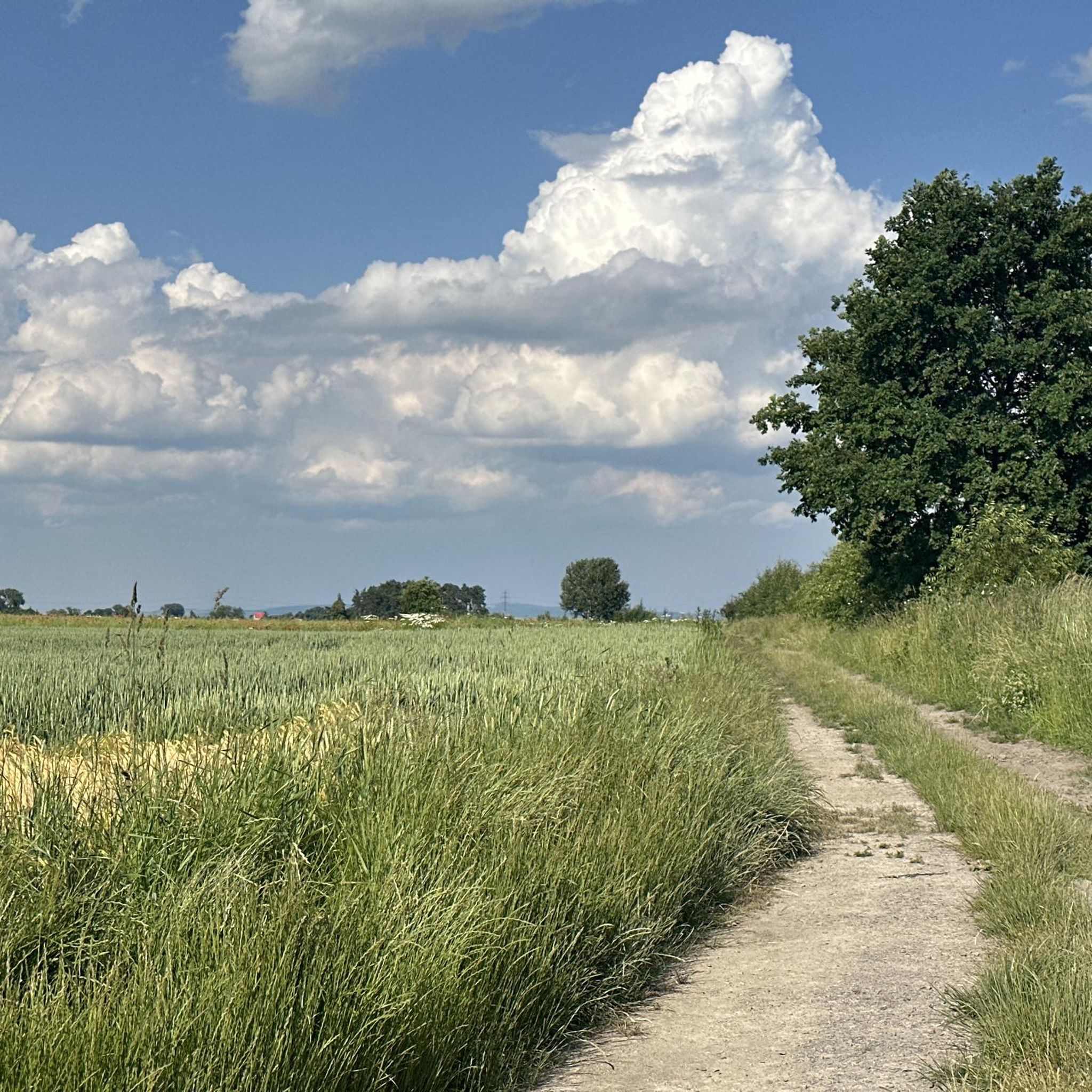
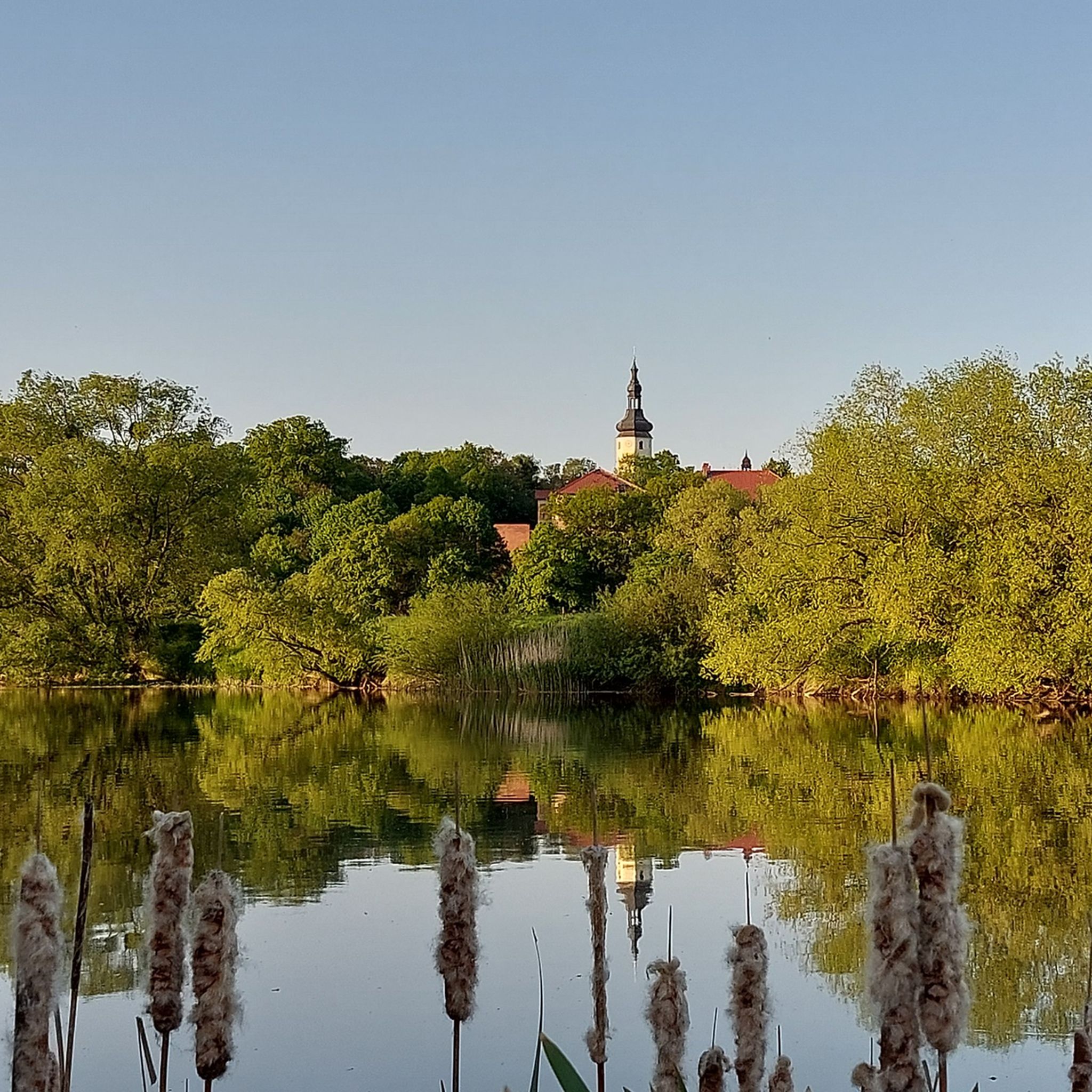
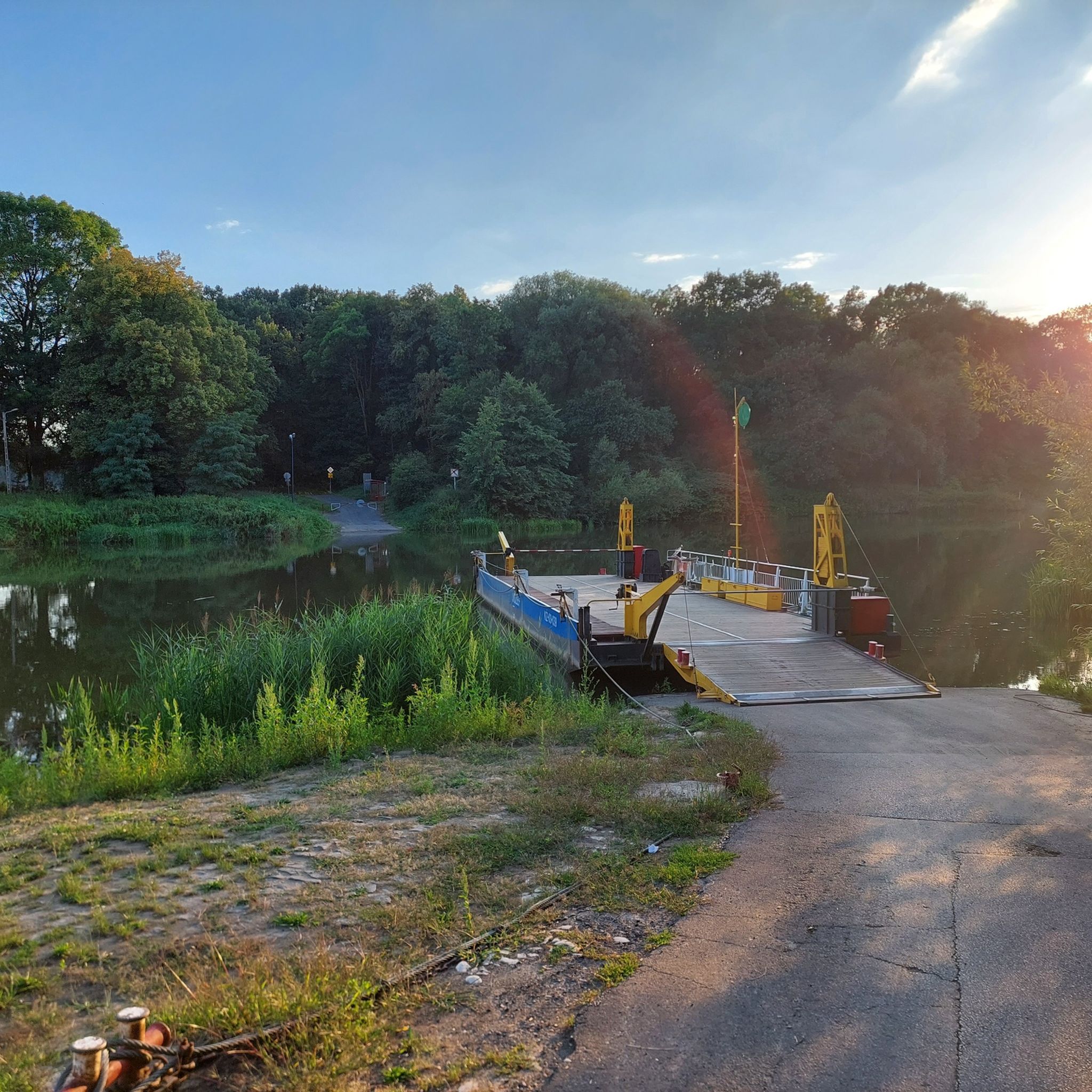
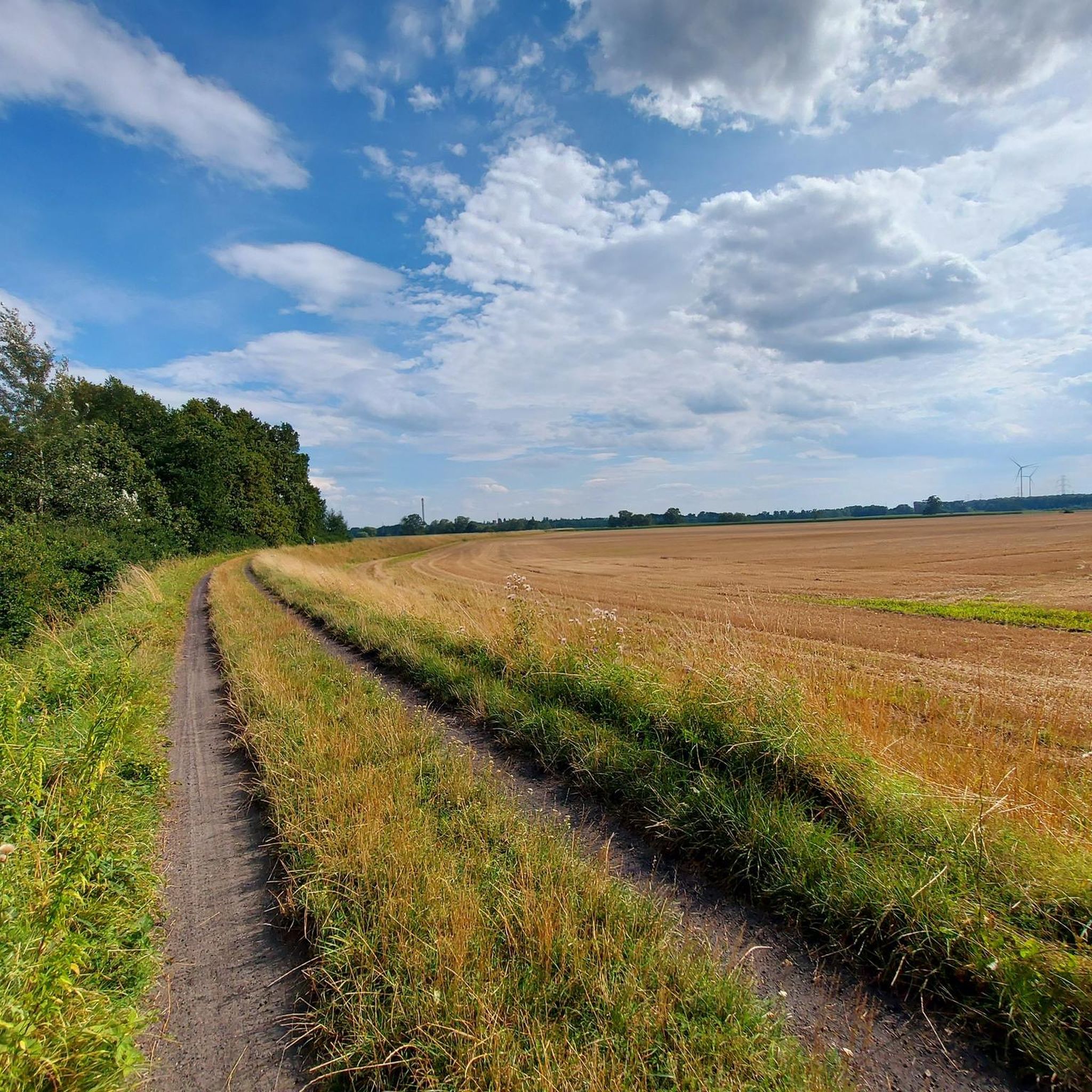

Tips from the Community

Added to the collection: komoot.com/de-de/collection/3600632/-naturdenkmaeler-besondere-baeume-und-weitere-schaetze-der-natur
0
0

Eight graves have survived in the von Tiele-Winckler family cemetery. The founder of the family, Hubert von Tiele-Winckler, is buried at the foot of a tall cross. In the second row lies his eldest son, Franz Hubert, builder of the palace in Moszna. In the third row lies the second-to-last Count, Klaus Hubert (Franz Hubert's son). The last Count, Hans Werner von Tiele-Winckler, left Moszna in 1945 before the estate was occupied by the Red Army. He died in Germany in 1957 and was buried there. The Moszna family necropolis is located on a small hill, accessible by the original steps. A high fence and a wrought-iron gate (also historic) remain to this day. In spring, the cemetery is filled with colorful azaleas.
1
0

Beautiful rhododendrons blooming in May. Lots of people on weekends.
0
0

The pedestrian and bicycle path "Szlakiem Kolejowym" runs along the route of the former railway line from Koźle to Baborów, inactive since 1997. This line, launched in 1882, was expanded all the way to Baborów, serving the transport of raw materials and products of the sugar industry. The route is 16 km long and leads through the communes of Reńska Wieś, Cisek and Polska Cerekiew, ending at the former railway station in Polska Cerekiew. On the trail, you can admire nature, monuments and the remains of the railway infrastructure. Nearby is the "Dębowa" reservoir, which is an attractive place for recreation.
2
0


Perfectly visible from the highway, also known for the fact that for many years, every Sunday in May, Fr. prof. Joachim Piecuch celebrates Marian services there in German. A large group of residents of Gogolin, Krapkowice, the Karłubiec district, Zdzieszowice and surrounding villages gather then. The chapel, built in 1801 in the fields, is the common property of local residents. The Marian chapel was built next to a water spring that springs naturally from the ground. The water collects in a small well and is widely believed to have healing properties. According to E. Boronczyk's publication (Karłubiec 1302 - 2008, pp. 170-171), it was probably founded by the Gaszyns from Żyrowa, to commemorate the miraculous recovery of sight by the counts' child. According to oral tradition, Mary was supposed to show Countess Gaszyn this special place. During World War II, Stanisław Wojtala, as a soldier on the Eastern Front, vowed to visit the chapel every week if he returned safely from the war. Older residents remember how at any time of the year, even in winter, in the deepest snow, he would make his way to the chapel...
1
1

In 1853 Karl Gotthard Seherr-Thoss sold Moszna to Heinrich von Erdmannsdorf, who in 1866 sold it to Hubert von Tiele-Winckler of Miechowice. His son Franz Hubert was the originator and builder of the palace, which was built after the baroque palace was partially burned down in 1896. Franz Hubert's grandfather, Franz Winckler, worked as a miner in the mine in Miechowice. After the death of his wife and mine owner, he married his rich widow Maria Aresin. In 1840 the Prussian king gave him the title of nobility. The heiress to the fortune was his daughter Valeska, who married Hubert von Tiele in 1854. After marriage, they use a combined surname - Tiele-Winckler. Hubert died in 1893 and his estate passed to his eldest son Franz-Hubert according to the majority principle. In 1895 he became a nobility thanks to the title of count that Kaiser Wilhelm bestowed on him. A year later, after a fire, he rebuilt and expanded his headquarters. In 1904 and later in 1911 and 1912 the Count was visited by the ruler of Germany for hunting and the west wing was built for him in 1911-1913. Franz-Hubert's son Claus-Peter spent part of his ancestors' fortune in the interwar period. When he died childless, he adopted his cousin, whose son was to inherit the estate and the title of count. His family lived in Moszna Castle until the end of the war and fled to Germany from the advancing Red Army.
1
0
Frequently Asked Questions
What historical landmarks can I explore in Krapkowice?
Krapkowice offers a rich history with several notable landmarks. You can visit the impressive 14th-century Krapkowice Castle, explore the Gothic architecture of the Church of Saint Hedwig, or stroll through the historic Krapkowice Market Square, where the oldest surviving tenement house dates back to the 17th century. Don't miss the Upper Gate Tower and city walls, offering a glimpse into the town's medieval past. For a day trip, the magnificent Moszna Castle and Rogów Opolski Castle are also nearby.
Are there any unique historical trails in Krapkowice?
Yes, Krapkowice features two unique trails. The "Obuwniczy Szlak" (Footwear Trail) guides visitors to main attractions using shoe-shaped markers with QR codes, honoring the town's footwear industry heritage. Additionally, the Railway Trail Walking and Cycling Path is a 16 km route along a former railway line, perfect for enjoying nature and historical remnants.
What natural attractions can I find around Krapkowice?
Krapkowice is surrounded by natural beauty. You can enjoy peaceful walks or bike rides in the Krapkowice Forest, or relax by the Krapkowice Reservoir. The town is situated on the Oder River, offering a yacht port for water activities and marshland vegetation. A short trip away, Otmuchow Lake provides opportunities for swimming, kayaking, or paddleboarding.
What outdoor activities are available near Krapkowice?
The region around Krapkowice is ideal for outdoor enthusiasts. You can explore various trails for hiking, cycling, and running. For easy walks, consider routes like the "Sunset by the Chapel loop from Krapkowice" or the "Natural Monument Tree loop from Krapkowice" found in the easy hikes guide. Cyclists can enjoy routes such as the "Bridge over the Oder Otmęt-Krapkowice – Upper Gate Tower loop from Krapkowice" from the cycling guide, while runners have options like the "Zamek w Krapkowicach loop from Krapkowice" in the running trails guide.
Are there family-friendly attractions in Krapkowice?
Absolutely! Many attractions in Krapkowice are suitable for families. The magnificent Moszna Castle with its unique architecture is a popular choice. Families can also enjoy strolling through the Krapkowice Market Square, or exploring the Railway Trail Walking and Cycling Path. The Chapel on the Marshes is a peaceful spot, and the Lime Kilns of Gogolin offer an interesting historical visit.
Where can I learn about the local history and traditions of Krapkowice?
To delve deeper into the local history, art, and traditions of Krapkowice, visit the Museum of Krapkowice Region. It offers various exhibits that showcase the heritage of the area.
What religious sites are notable in the Krapkowice area?
The region features significant religious sites. The Church of Saint Hedwig is a stunning example of Gothic architecture with intricate details and impressive stained-glass windows. Another important site is the Chapel on the Marshes, built in 1801 next to a natural spring believed to have healing properties. It's a popular gathering place, especially in May.
What is the best time of year to visit Krapkowice?
The best time to visit Krapkowice largely depends on your interests. For outdoor activities like hiking and cycling, spring (April-May) and early autumn (September-October) offer pleasant weather. May is particularly significant for visiting the Chapel on the Marshes. Summer (June-August) is ideal for enjoying the lakes and river, though it can be warmer.
Are there any wheelchair-accessible attractions in Krapkowice?
Yes, the Krapkowice Market Square is noted as being wheelchair-accessible, allowing visitors to enjoy the charming colorful buildings and local atmosphere.
What kind of wildlife can be found in Krapkowice's natural environment?
Krapkowice boasts a rich variety of plant and animal life. The area is home to European deer, roe deer, wild boar, foxes, and badgers. Birdwatchers can spot numerous species, including mute swans, white storks, and kingfishers, especially along the Oder River and in the Krapkowice Forest.
Can I find historical monuments related to noble families in Krapkowice?
Yes, Krapkowice has connections to noble families. You can visit the Tiele-Winckler Family Mausoleum, located amidst 300-year-old oak trees in a park. This is the family tomb of the Thiele-Winkler family, who also played a significant role in the history of Moszna Castle.
What do visitors enjoy most about Krapkowice?
Visitors to Krapkowice appreciate the blend of historical architecture and serene natural landscapes. The unique architecture of Moszna Castle is a major draw, and the Amerykan Mill Complex is noted for its majestic appearance and interesting atmosphere. Many also enjoy the peaceful walks and cycling opportunities along trails like the Railway Trail and the charm of the Market Square.
Most popular routes around Krapkowice
Most popular attractions around Krapkowice

Get inspired with the komoot mobile app


Didn’t find what you were looking for?
Are you keen on exploring more awesome places nearby? Browse our guides:
Explore more
Still not found the Highlight you’re looking for? See guides of the top attractions in other regions:
