Attractions and Places To See around Węgrów - Top 20
Attractions and places to see around Węgrów include a variety of historical sites, cultural landmarks, and natural features. Located in the Mazovian Province of Poland, the area is characterized by its rich history and proximity to the Liwiec River Valley and Bug River Landscape Park. Visitors can explore architectural heritage, museums, and outdoor recreational areas. The region offers diverse points of interest for those interested in history and nature.
Best attractions and places to see around Węgrów
- The most popular attractions is Liw Castle and Armory Museum, a castle that hosts an exhibition of arms and weapons. This site features the ruins of a 15th-century Gothic brick castle and an 18th-century baroque manor house.
- Another must-see spot is Church of Divine Mercy, a religious building. Originally built in 1932, this wooden church was moved to its current location in 2009 and restored.
- Visitors also love Wyniocha Swimming Area, a beach with facilities for swimming and water equipment rentals. It provides opportunities for relaxation with a beach, swimming, and water equipment rentals.
- Węgrów is known for historical sites, religious buildings, and natural features like rivers and lakes. The area offers a variety of attractions to see and explore, including museums and cycling routes.
- The attractions around Węgrów are appreciated by the komoot community, with 49 upvotes and 77 photos shared.
Last updated: July 1, 2026
Liw Castle and Armory Museum
Highlight • Castle
Nice views on Liwiec river behind the ruins. An inn across the road serves Polish cuisine.
Tip by

Church of Divine Mercy
Highlight • Religious Site
Tip by
Sign up now to discover places like this
Get recommendations on the best single tracks, peaks, & plenty of other exciting outdoor places.
Sign up for free
Łochów Palace
Highlight • Historical Site
Translated by Google •
Tip by

Museum of Wooden Architecture of the Siedlce Region
Highlight • Historical Site
sucha.podlasie.pl/en
Tip by

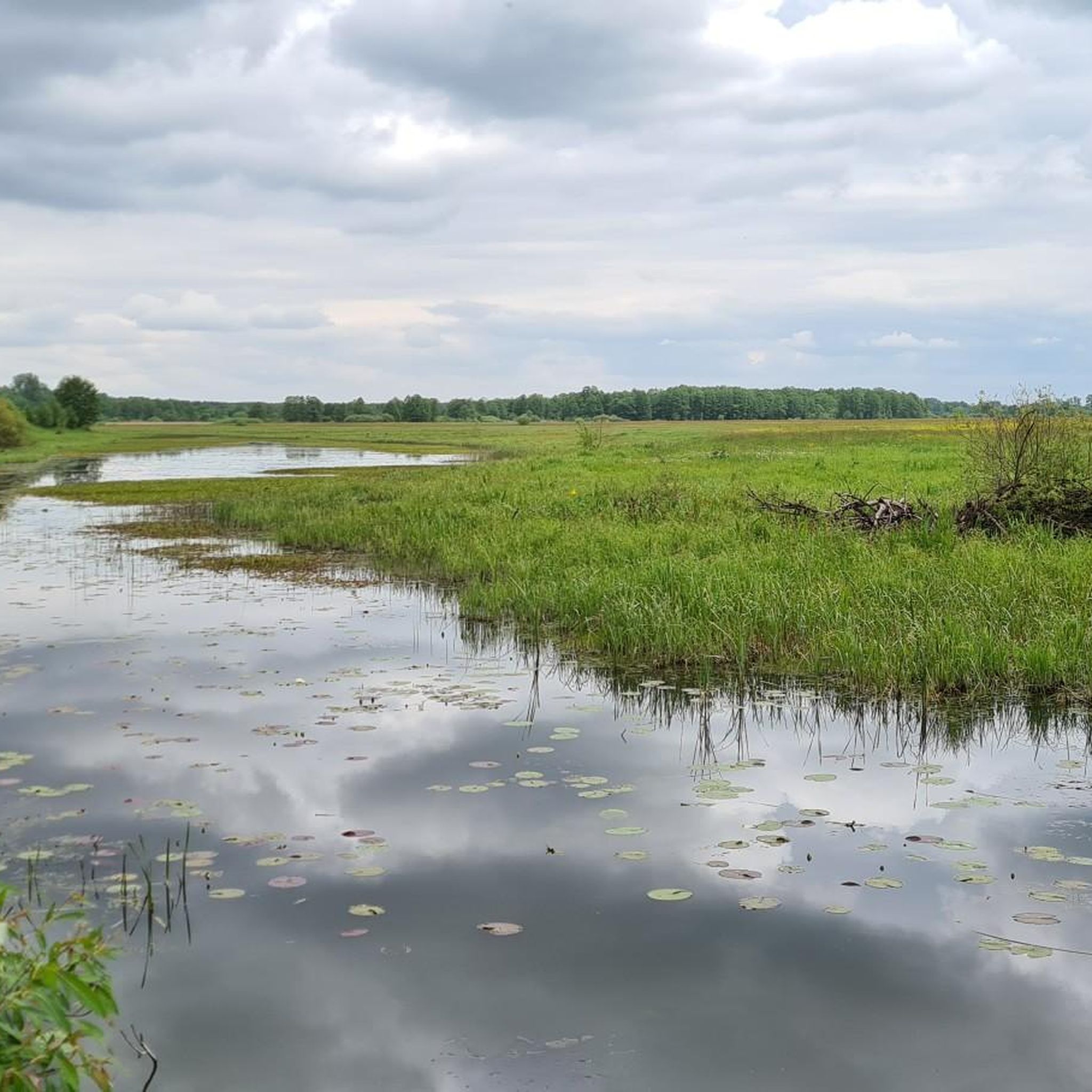
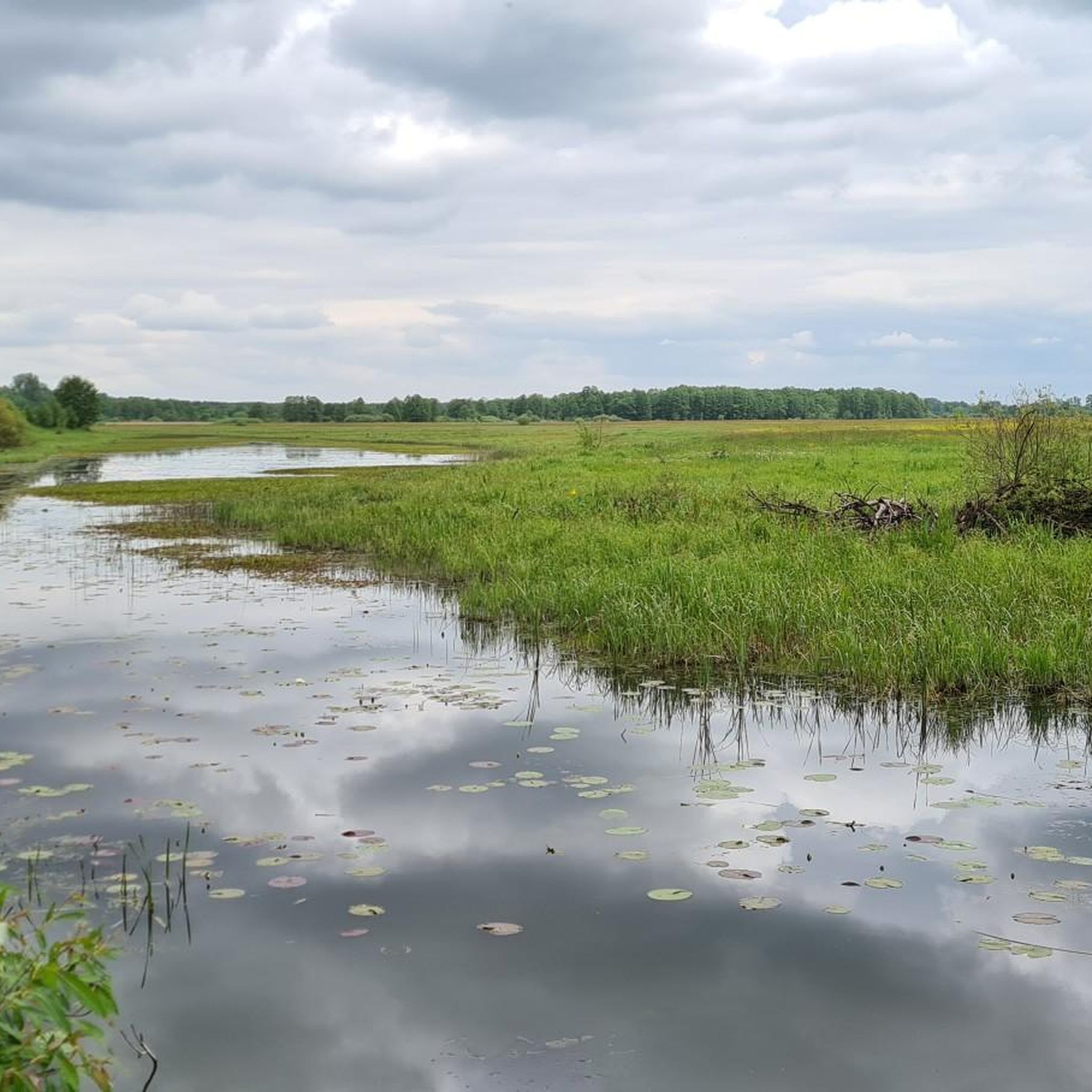
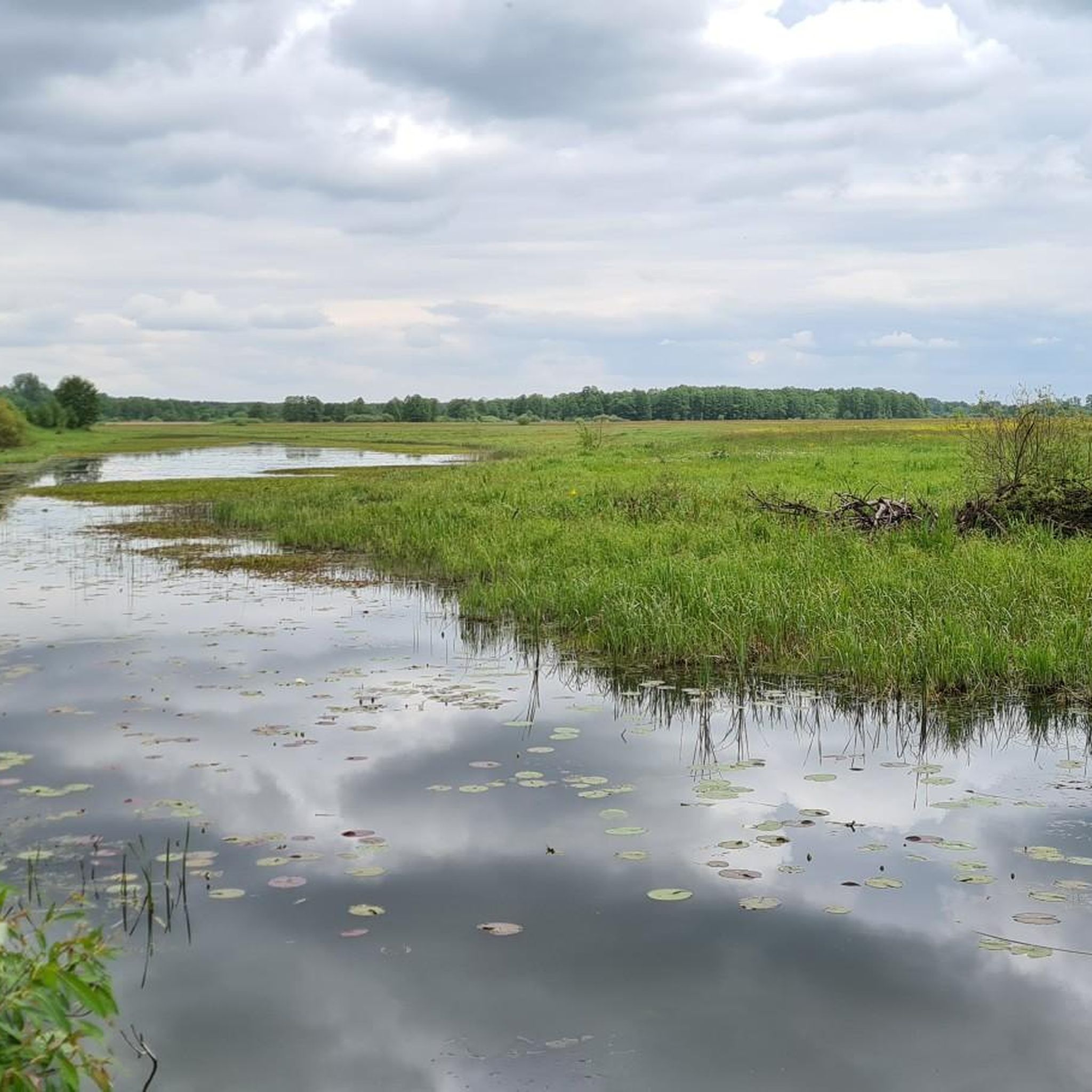
Oxbow Lake of the Bug River
Highlight • Lake
Translated by Google •
Tip by

Basilica of the Assumption of the Blessed Virgin Mary in Węgrów
Highlight • Religious Site
Translated by Google •
Tip by

Bridge Over the Liwiec River
Highlight • Bridge
Translated by Google •
Tip by

Singletrack Along the Bug River
Highlight (Segment) • Trail
Translated by Google •
Tip by

Church of the Exaltation of the Holy Cross
Highlight • Religious Site
Tip by
Church of the Immaculate Conception of the Blessed Virgin Mary in Kamionna
Highlight • Religious Site
I managed to find a sexton who opened the entrance for me so I could see what it looked like from the inside, but unfortunately I didn't take any photos (if you also find him, I recommend asking about the history of the church). So you won't always be able to get in, but if you can, I recommend it.
Translated by Google •
Tip by
Sign up for free to discover even more attractions around Węgrów.
Sign up for free
Already have an account?
Start today with a free account
Your next adventure awaits.
Login or Signup
Tips from the Community

The temple was built in 1932 in the village of Wólka Dobryńska, in the Zalesie commune, in the Biała Podlaska district. It was originally named after St. Stanislaus Kostka. The church was built thanks to the efforts of Father Franciszek Michalik. It was designed by the architect Mr. Mazur. The builders of the temple were carpenters Józef Kozerski, Antoni Lewczuk, Wiktor and Antoni Arseniuków, Julian Romaniuk. In 2009, the building was moved by the Arche SA company to its current location. Thanks to the support of the president of this company, Władysław Grochowski, the church was restored. On May 13, 2010, on the Sunday of the Ascension of the Lord, the then bishop of Drohiczyn Antoni Dydycz consecrated the temple, giving it the name of Divine Mercy. During this ceremony, a plaque commemorating the founder was placed in the church.
0
0

The palace and park complex is a 19th-century building commissioned by Count Józef Hornowski. Originally, it was a single-storey building with a columned portico, the construction of which was completed in 1830. During the later expansion, carried out in the years 1852-1854 according to the design and under the supervision of the leading architect of the era, Bolesław Paweł Podczaszyński, two-storey projections and a front portico with cast iron columns were made. The interiors were maintained in the neo-Gothic style typical of the 19th century. https://www.palacifolwarklochow.pl/o-nas/historia-palacu-z-xix Currently a hotel with beautiful grounds!
1
0

19th century manor house, currently a hotel facility with SPA and restaurant. Large recreational area around the manor house.
1
0

here is a historical note: https://www.polskiezabytki.pl/m/obiekt/3478/Lochow/
0
0
The original church from 1407, endowed in 1478 by Jan Litawor Chreptowicz, the royal chancellor. The next one built in 1676 by Emerencjana Mleczko. The current brick parish church, built in 1788 by Aleksander Ossoliński, Lithuanian sword-bearer, consecrated in 1837 by Bishop Jan Marceli Gutkowski. Baroque-neoclassical style.
0
0

In the Węgrów Market Square by the Municipal Public Library, a bench was placed on which Master Jan Twardowski sits holding a magic mirror, there is also an open book in which a text in Polish and English is written translating the Latin inscription on the mirror frame: "Twardowski played with this mirror, performing magic arts, now he is destined to serve God". The bench was made from a cast by the Kruszewski Brothers Bell Foundry in Węgrów. It refers to the legends of the famous Master Twardowski and the Twardowski Mirror, which is located in the Minor Basilica in Węgrów. The mirror was donated to the Węgrów church in the 18th century by the founder of the church, Jan Dobrogost Krasiński.
1
0
Basilica of the Assumption of the Blessed Virgin Mary and Saints Peter, Paul, Andrew and Catherine in Węgrów – parish and collegiate church in Węgrów. Minor basilica since 1997.
1
0
Frequently Asked Questions
What historical sites can I visit in and around Węgrów?
The region boasts a rich history. You can explore the impressive Baroque Basilica of the Assumption of the Blessed Virgin Mary in Węgrów, which dates back to the early 16th century. Nearby, the Liw Castle and Armory Museum offers a glimpse into a 15th-century Gothic castle and an 18th-century manor house. Don't miss the Łochów Palace, a 19th-century manor house, or the Museum of Wooden Architecture of the Siedlce Region in Sucha.
Are there any museums in Węgrów?
Yes, Węgrów offers several museums. The Liw Castle and Armory Museum, though located nearby in Liw, is a significant attraction featuring an exhibition of arms and weapons. In Sucha, you can visit the Museum of Wooden Architecture of the Siedlce Region. Within Węgrów itself, the Dom Gdański houses a mini-regional museum, and the Węgrów Museum, located in the former monastery of the Reformed Fathers, provides a modern narrative on the city's multicultural history.
What natural attractions are there for outdoor enthusiasts?
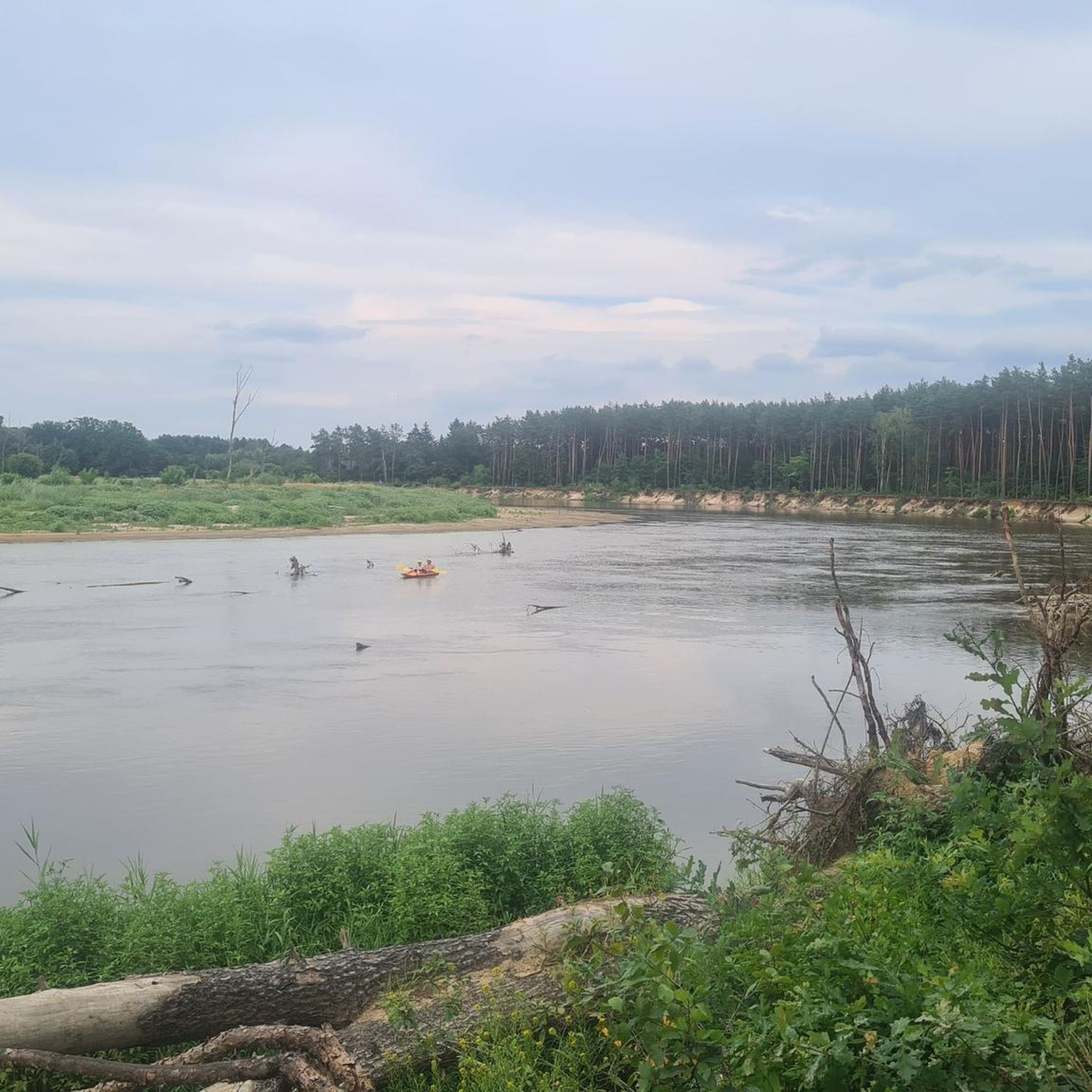
Nature lovers will appreciate the picturesque Liwiec River Valley, ideal for kayaking, and the Oxbow Lake of the Bug River. The Bug River Landscape Park, with its five nature sanctuaries, is also a great spot for exploration. For scenic views, consider visiting Sowia Góra Hill. You can also find a relaxing spot at the Wyniocha Swimming Area on the Węgrów artificial lake.
Can I go cycling in the Węgrów area?
Absolutely! The Węgrów Administrative District is crisscrossed with cycling routes. Popular options include the Yellow "Liwiec Valley," Blue "Bug River," Green "Moczydło Sanctuary," and the "Stork Nest Route." For more detailed routes, check out the Cycling around Węgrów guide, which features routes like the "Bridge Over the Liwiec River – Church of Divine Mercy loop from Łochów" and the "Bug River – Kamieńczyk Wooden Houses loop from Świniotop."
Are there opportunities for hiking or walking near Węgrów?
Yes, there are several options for hiking and walking. The Master Jan Twardowski Trail offers a two-kilometer walk within Węgrów, exploring the city's folklore. For more extensive walks, the Easy hikes around Węgrów guide lists routes such as the "Kules Peatbog Nature Trail" and the "Węgrów Artificial Lake loop from Węgrów." You can also find trails like the Singletrack Along the Bug River for a more adventurous experience.
What family-friendly activities are available?
Many attractions in the Węgrów area are suitable for families. Children will enjoy exploring the Liw Castle and Armory Museum. The Wyniocha Swimming Area on the Węgrów artificial lake offers a beach, swimming, a playground, and water equipment rentals. The Museum of Wooden Architecture of the Siedlce Region provides an engaging outdoor experience for all ages.
Where can I relax by the water or go swimming?
For water-based relaxation, head to the Wyniocha Swimming Area on the Węgrów artificial lake. It features a beach, opportunities for swimming, and water equipment rentals. The Liwiec River Valley also offers picturesque spots for enjoying the riverside scenery, and the Oxbow Lake of the Bug River is another natural water feature to explore.
What is the significance of the Twardowski Mirror in Węgrów?
The Twardowski Mirror is a legendary artifact located in the sacristy of the Basilica of the Assumption. It's associated with Master Jan Twardowski, often called the Polish Faust, a famous 16th-century magician. This mirror is a key part of Węgrów's folklore, and you can even find a bench depicting Master Jan Twardowski with his magic mirror in Węgrów Market Square.
What kind of religious architecture can I explore?
Węgrów is rich in religious architecture. The most prominent is the Basilica of the Assumption of the Blessed Virgin Mary, a stunning Baroque structure. You can also visit the Church of Divine Mercy, a wooden church originally built in 1932 and moved to its current location. The Classicist-style Protestant Church, built in 1840, and the Church of the Exaltation of the Holy Cross are other notable religious sites.
Are there any unique trails for a leisurely walk?
Yes, the Master Jan Twardowski Trail in Węgrów offers a unique two-kilometer walk that delves into the city's fairy-tale atmosphere and folklore. It's a pleasant way to explore the town while connecting with its legends.
What are some notable viewpoints in the area?
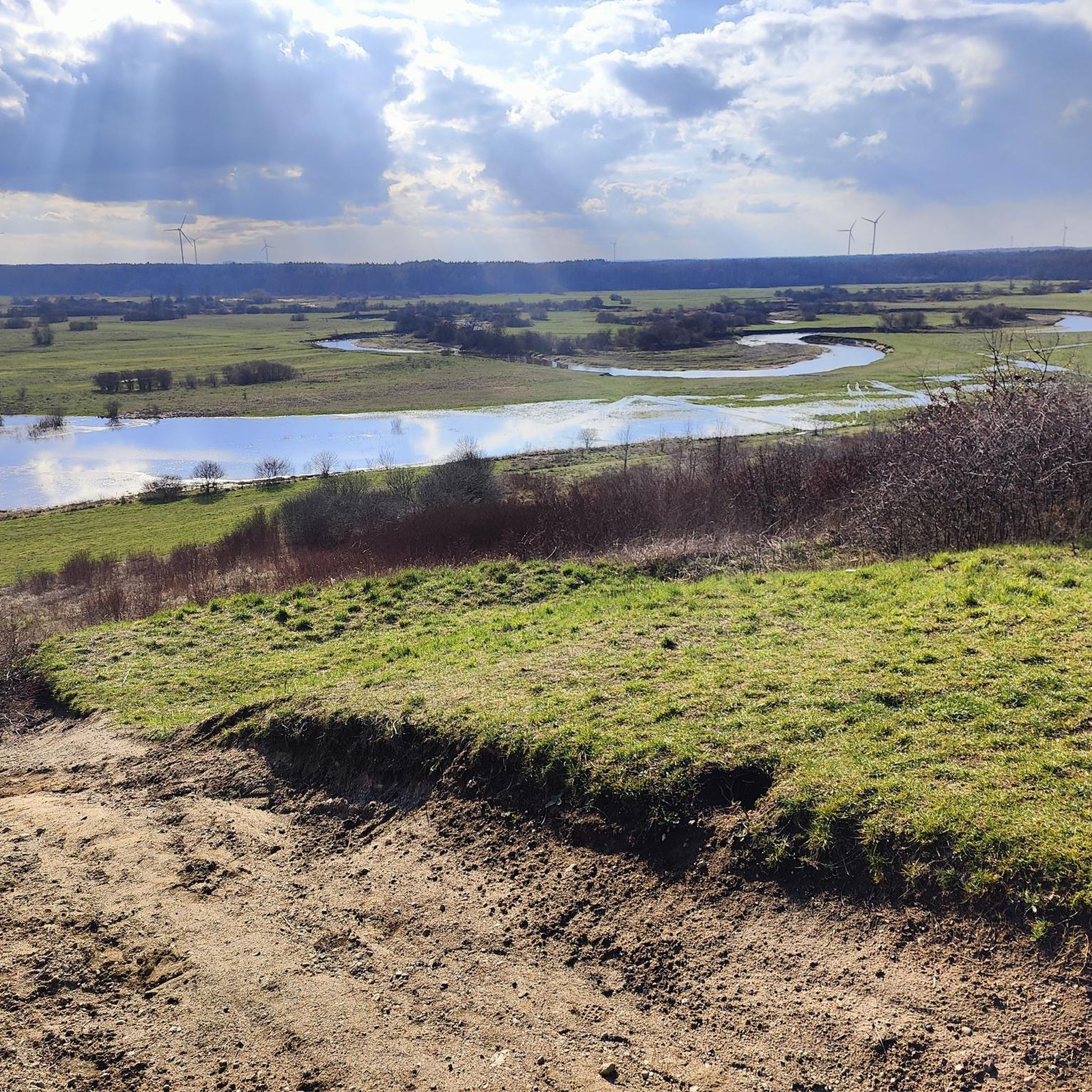
For scenic vistas, Sowia Góra Hill (Lookout Mountain Sowia) in the Liwiec River Valley offers picturesque views. Additionally, the Bridge Over the Liwiec River provides nice views of the wide river, and certain sections of the Singletrack Along the Bug River also offer beautiful river panoramas.
What is the best time of year to visit Węgrów for outdoor activities?
The spring and summer months (May to September) are generally ideal for outdoor activities in Węgrów, offering pleasant weather for cycling, hiking, kayaking, and enjoying the swimming areas. Autumn can also be beautiful for walks, with changing foliage, though temperatures will be cooler.
Are there places to stay or dine near the attractions?
Yes, the Łochów Palace, a 19th-century manor house, now functions as a hotel with a spa and restaurant, surrounded by a large recreational area. Additionally, the Liw Castle and Armory Museum has an inn across the road that serves Polish cuisine, providing dining options close to a major historical site.
Most popular routes around Węgrów
Most popular attractions around Węgrów

Get inspired with the komoot mobile app


Didn’t find what you were looking for?
Are you keen on exploring more awesome places nearby? Browse our guides:
Explore more
Still not found the Highlight you’re looking for? See guides of the top attractions in other regions:
