Attractions and Places To See around Sochaczew - Top 20
Attractions and places to see around Sochaczew encompass historical landmarks, cultural sites, and natural features. This town in central Poland is situated by the Bzura River and near the extensive Kampinos Forest and Bolimów Forest, offering opportunities for outdoor activities. Sochaczew's history is reflected in its medieval ruins, historic buildings, and museums. The area provides a variety of sites for exploration.
Best attractions and places to see around Sochaczew
- The most popular attractions is Bridge over the Bzura near Witkowice…
Last updated: August 25, 2026
View of the Basilica of St. John the Baptist and St. Roch in Brochow
Highlight • Religious Site
Translated by Google •
Tip by

Church of Saints John and Paul, Martyrs, in Mikołajew
Highlight • Religious Site
Translated by Google •
Tip by

Sign up now to discover places like this
Get recommendations on the best single tracks, peaks, & plenty of other exciting outdoor places.
Sign up for free
Sochaczew Railway Station
Highlight • Monument
Translated by Google •
Tip by
Manor in Tułowice
Highlight • Historical Site
Translated by Google •
Tip by

Humin 1915 World War I Memorial
Highlight • Monument
Translated by Google •
Tip by
Frederic Chopin's birthplace
Highlight • Historical Site
Translated by Google •
Tip by

St. Lawrence Church and monument
Highlight • Religious Site
Translated by Google •
Tip by
Thanksgiving Cross of Olszowiec
Highlight • Religious Site
Translated by Google •
Tip by
Wooden Church of the Transfiguration in Kurdwanów
Highlight • Religious Site
Translated by Google •
Tip by
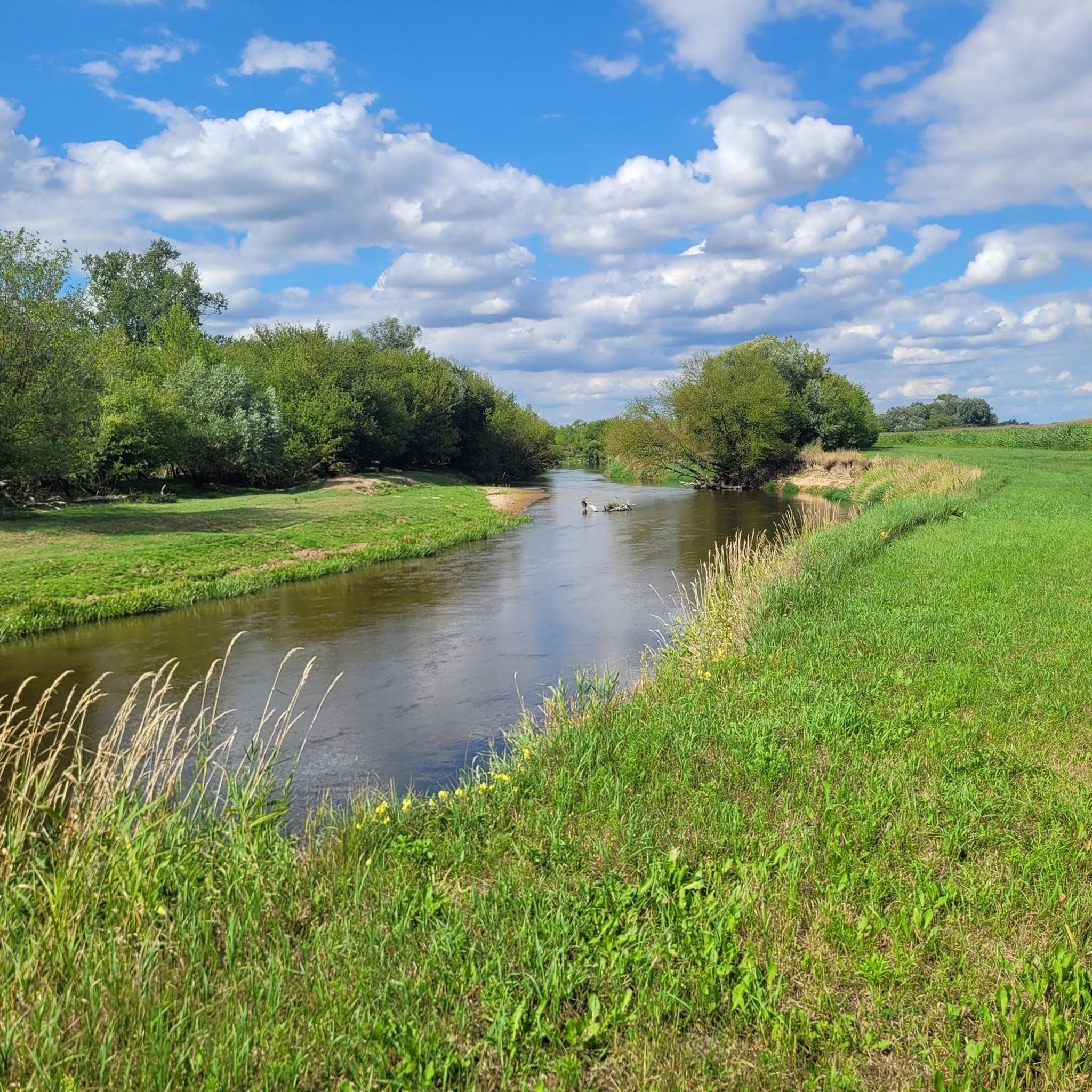
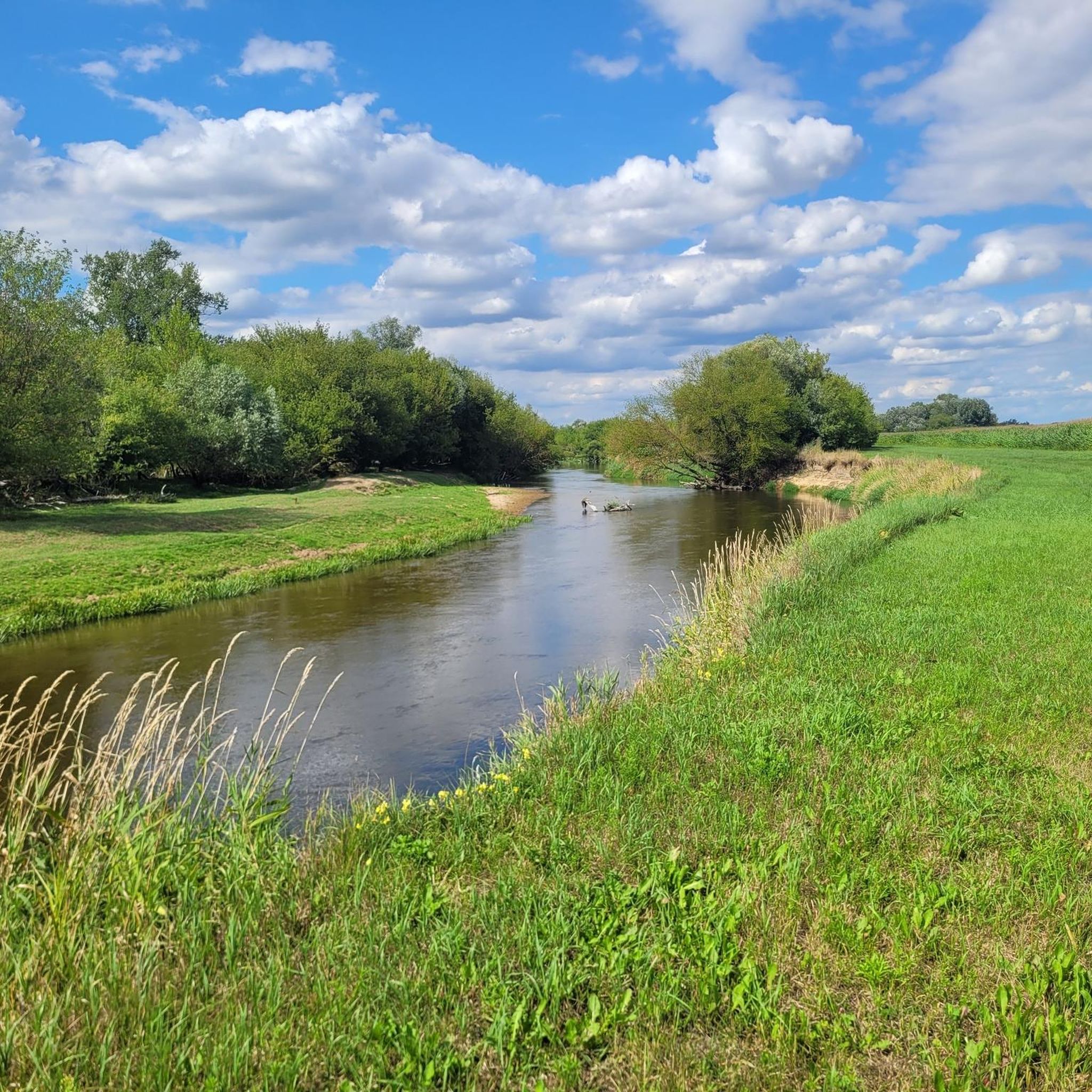
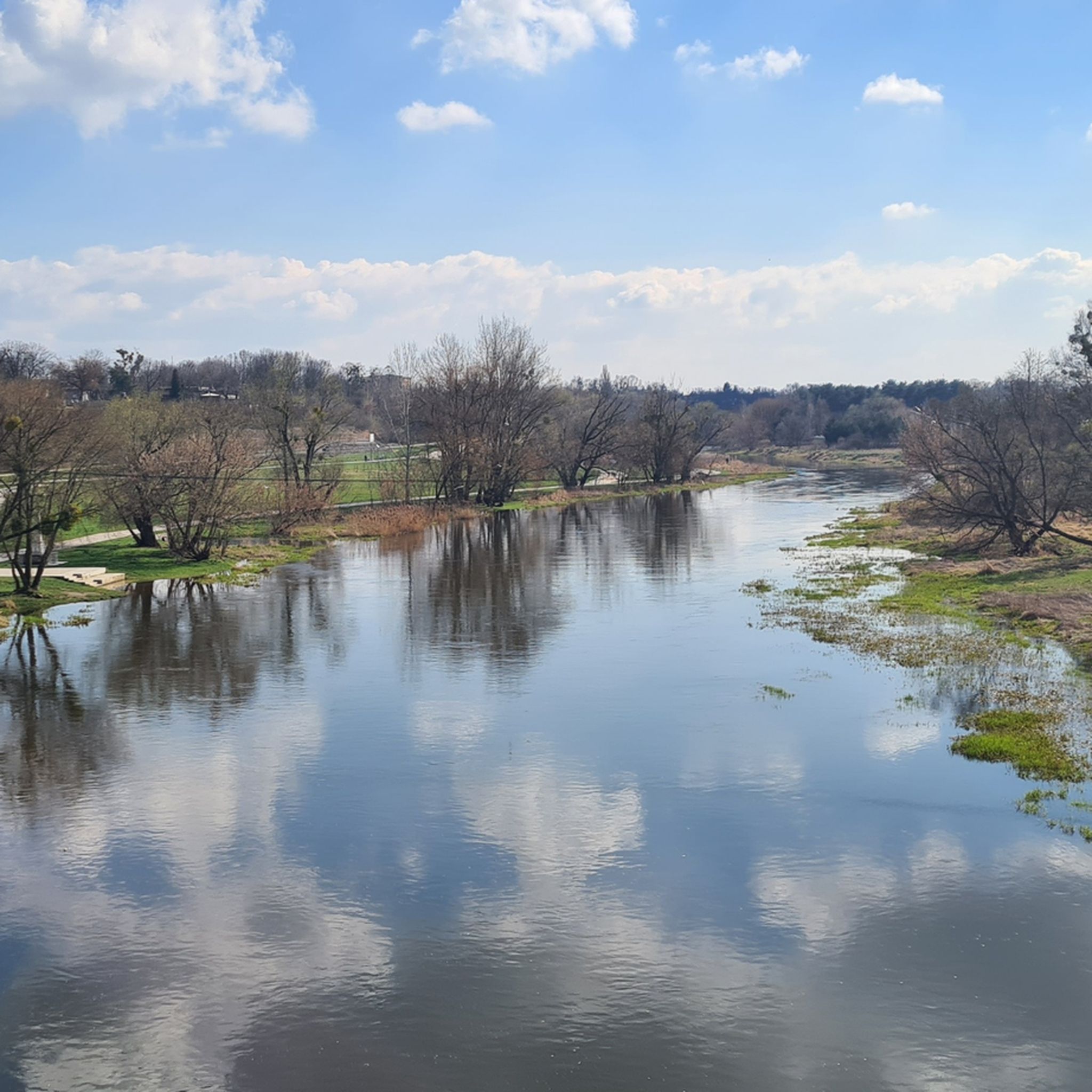
Bridge over the Bzura near Witkowice
Highlight • Bridge
Translated by Google •
Tip by
Sign up for free to discover even more attractions around Sochaczew.
Sign up for free
Already have an account?
Start today with a free account
Your next adventure awaits.
Login or Signup

Tips from the Community

Anyone who wants to learn about the musical work of the famous composer on the occasion of a visit to the birthplace of Frederic Chopin (1810-1849) can get an impression of his artistic creation on YouTube =>> https://www.youtube.com/watch?v=_6EDGekYo8c
0
0

https://brochow-parafia.pl/zdjecia-historyczne/ here you can see historical photos
0
0

Unfortunately, on a weekday, before noon, the church is closed.
0
0

Frédéric Chopin's birthplace can be visited for a small fee. It houses a small museum with some fascinating information about the famous composer. The surrounding park is also well worth seeing.
1
0

The manor house was built in the Classicist style in 1800, designed by Hilary Szpilowski for Franciszka Kucharska, née Lasocka. At the front is a portico with four Tuscan columns supporting a triangular pediment bearing the Dołęga Lasocki family coat of arms with the initials FL (Franciszka Lasocka). The building is part of an early 19th-century manor complex, which also includes a park. https://pl.wikipedia.org/wiki/Dw%C3%B3r_w_Tu%C5%82owicach
1
0
Żelazowa Wola, Chopin Birthplace Museum
0
1

Comfortable, functional, easily accessible to all travelers, safe, and renovated in a way that highlights its historical beauty – this is the neo-Renaissance PKP station today, which has undergone comprehensive modernization. The station, built in 1901-1902, has been adapted to modern standards of passenger service while maintaining its architectural values. The brick elevation of the monument, along with the details found on it, has been renovated. The window and door joinery has been reconstructed following the historical model, and the roof covering has been replaced, covering the station with titanium-zinc sheet metal. An interesting feature on the building's facade is the placement of a stylized clock in the upper fanlight of the main entrance. The entire visual effect achieved thanks to the reconstruction has been emphasized by new illumination.
1
0

It is a Gothic-Renaissance three-nave basilica, the result of the reconstruction of the original Gothic church, flanked by three large, cylindrical towers – two in the western corners, framing a wide narthex, and one above the presbytery apse, with a gallery in the tower above the presbytery. The barrel vault is decorated with a coffered network of repeating rectangular motifs and covered with rich polychrome. A two-story tunnel porch with embrasures runs around the church. The church was founded by Jan Brochowski of the Prawdzic coat of arms – a Warsaw soldier and owner of the village – and his family; it was built between 1551 and 1561 by the renowned mason Jan Baptista of Venice, active in Mazovia (he built or rebuilt churches in Brok, Płock, and Pułtusk, among others). The church's defensive character is emphasized by its three towers, which dominate the surrounding area like the castle's towers. It was also rebuilt later, including after 1655, thanks to the efforts of Albert Adrian Lasocki. It was during this time that the brick bastion walls surrounding the church grounds were built. Remnants of the moat still survive on the Bzura River side. Inside, above the side aisles, is a long porch, which allowed for a connection between the towers. Typical of the style of John Baptist of Venice is the barrel vault with a grid of decorative coffered ribs in the form of circles and rectangles.
1
0
Frequently Asked Questions
What historical sites can I explore in Sochaczew?
Sochaczew is rich in history. You can visit the 700-year-old Ruins of the Castle of the Mazovian Dukes, which once served as a princely residence. Another significant historical landmark is the Bridge over the Bzura near Witkowice, commemorating a crucial crossing point during the Battle of the Bzura in 1939. The town also features the Historic Town Hall, built in 1826, which now houses the Museum of Sochaczew Land and the Battle of the Bzura.
Are there any museums in Sochaczew worth visiting?
Yes, Sochaczew offers a couple of notable museums. The Museum of Sochaczew Land and the Battle of the Bzura, located in the historic Town Hall, provides extensive exhibitions on local history and the World War II battlefield. Additionally, the Narrow Gauge Railway Museum on Licealna Street boasts one of the largest collections of antique trains in this part of Europe, with an 18 km route running to Wilcze Tułowskie during summer.
What religious buildings are significant in the Sochaczew area?
The region around Sochaczew features several historically significant religious buildings. The View of the Basilica of St. John the Baptist and St. Roch in Brochow is a 14th-century church with defensive architecture, notable as the baptismal place of Fryderyk Chopin. You can also visit the Church of Saints John and Paul, Martyrs, in Mikołajew, a classicist-style building with baroque elements, and the beautiful Wooden Church of the Transfiguration in Kurdwanów, dating back to 1676.
Where can I find information about Fryderyk Chopin's connection to the area?
Fryderyk Chopin has a strong connection to the Sochaczew region. His birthplace is located a short distance away in Żelazowa Wola, which you can visit at Frederic Chopin's birthplace. Furthermore, the View of the Basilica of St. John the Baptist and St. Roch in Brochow is where the famous composer was baptized.
Are there opportunities for hiking near Sochaczew?
Absolutely! Sochaczew is situated near extensive forest areas like Puszcza Kampinoska (Kampinos Forest) and Puszcza Bolimowska (Bolimów Forest), offering excellent hiking opportunities. You can find various trails, including easy and moderate options. For detailed routes, explore the Hiking around Sochaczew guide, which features routes like the 'Kampinoska Cottage – War Cemetery 1939 loop' and 'St. Teresa Chapel loop'.
What cycling routes are available in the Sochaczew region?
The Sochaczew region offers several cycling routes suitable for various skill levels. You can find easy loops such as the 'Bridge Over the Pisa River – Sochaczew Market Square loop' or the 'Sochaczew Market Square – Bridge Over the Pisa River loop'. For more options, including moderate routes, check out the Cycling around Sochaczew guide.
Are there any family-friendly attractions in Sochaczew?
Many attractions in Sochaczew are suitable for families. The Narrow Gauge Railway Museum offers an engaging experience with its collection of antique trains and summer train rides. Historical sites like the Ruins of the Castle of the Mazovian Dukes and the View of the Basilica of St. John the Baptist and St. Roch in Brochow can also be interesting for older children. The nearby forest areas provide opportunities for family walks and picnics.
What natural features can I enjoy around Sochaczew?
Sochaczew's landscape is shaped by the Bzura River, which adds to its picturesque scenery. The town is also close to the vast Kampinos Forest and Bolimów Forest, which include several nature reserves like Biela, Cyganka, and Granica. These areas offer diverse ecosystems, from pine forests to peat bogs, and are home to wildlife such as moose and wild boars.
Where can I find a memorial related to World War I in the area?
You can visit the Humin 1915 World War I Memorial, which commemorates the significant losses suffered during the Great War on the Rawka and Bzura Rivers. This site offers a poignant reflection on the region's history.
Is there a historic manor house to visit near Sochaczew?
Yes, you can explore the Manor in Tułowice. This classicist manor, built in 1800, is part of an early 19th-century complex that includes a park, offering a glimpse into the architectural heritage of the region.
What is Kościuszko Square in Sochaczew?
Kościuszko Square serves as the main representative town square in Sochaczew and was historically a marketplace. It's a central point from which to begin exploring many of Sochaczew's cultural and historic monuments, including the Historic Town Hall and St. Lawrence Church.
Are there any unique architectural sites besides churches?
Beyond the churches, the Sochaczew Railway Station is a notable neo-Renaissance building constructed in 1901-1902. It has been modernized while retaining its historical architectural details. Additionally, the Music School, housed in a fine 19th-century edifice within a lovely park, is another architectural point of interest.
Most popular routes around Sochaczew

Get inspired with the komoot mobile app


Didn’t find what you were looking for?
Are you keen on exploring more awesome places nearby? Browse our guides:
Explore more
Still not found the Highlight you’re looking for? See guides of the top attractions in other regions:
