Attractions and Places To See around Grodzisk Mazowiecki - Top 20
Best attractions and places to see around Grodzisk Mazowiecki, a town situated approximately 30 km west of Warsaw, offers a diverse range of points of interest. The region is characterized by its historical landmarks, extensive green spaces, and cultural sites. Visitors can explore natural features such as ponds and parks, alongside significant historical buildings and artistic installations. The area provides opportunities to discover 18th-century manor houses, nature reserves, and industrial heritage sites.
Best attractions and places to see around Grodzisk Mazowiecki
- The most popular attractions is Adam Chelmonski Manor House, a historical site that features a picturesque manor house on a hill. It offers a place for a break and rest within a small park.
- Another must-see spot is Adamowizna Manor and Park, a historical site with a manor house surrounded by old trees and watercourses. This park is known for its peaceful atmosphere and wicker figures.
- Visitors also love Juan Soriano Sculpture Garden in Owczarnia, a garden featuring sculptures by the Mexican artist Juan Soriano. Admission is free, allowing visitors to spend time exploring unique art installations.
- Grodzisk Mazowiecki is known for its historical sites, natural parks, and cultural attractions. The area offers a variety of manor houses, ponds, and museums to see and explore.
- The attractions around Grodzisk Mazowiecki are appreciated by the komoot community, with more than 90 upvotes and over 130 photos shared by visitors.
Last updated: August 25, 2026
Adam Chełmoński Manor
Highlight • Historical Site
Translated by Google •
Tip by

Juan Soriano Sculpture Garden in Owczarnia
Highlight • Monument
Translated by Google •
Tip by

Sign up now to discover places like this
Get recommendations on the best single tracks, peaks, & plenty of other exciting outdoor places.
Sign up for free
Old Mill
Highlight • Structure
Translated by Google •
Tip by

Goliana Ponds
Highlight • Lake
Translated by Google •
Tip by
Nowa Przędzalnia (Lofty de Girarda)
Highlight • Monument
Translated by Google •
Tip by

Bridge over the Mrowna River in Adamowizna Park
Highlight • Bridge
Translated by Google •
Tip by
Church of Saints Peter and Paul in Skulsk
Highlight • Religious Site
It is a class II monument, one of the few wooden buildings in Poland. The foundation of the church probably took place in the 14th century, and the mention of the parish priest is found in 1443. In 1654, the Skulsk estate was acquired by Queen Maria Ludwika and transferred to the Missionary Priests. The act of donation was confirmed on 23 May 1654 by King John Casimir.
The current church dedicated to the Holy Apostles Peter and Paul is probably the third building in this place. The first one was built at the initiative of the Skulski family, the next in the 16th century (it was burned down by the Swedes in 1656). The current one is an oriental building with a log structure, reinforced with lintels, built on a rectangular plan at the initiative of the collaborators: Seweryn Skulski and the Missionary Priests of the Holy Cross in Warsaw. In the years 1774-1775 a sacristy was added and the walls inside were covered with canvas.
more: parafiaskuly.pl/historia-historia-powstania
Translated by Google •
Tip by

Kampinos Group Home Army War Cemetery
Highlight • Historical Site
Translated by Google •
Tip by
Grzegorzewice Palace
Highlight • Historical Site
In 1879, the estate was bought by the famous Polish architect Julian Ankiewicz. Later, his daughter Małgorzata Teodora Wiśniewska inherited the estate. In 1882, Julian Ankiewicz submitted an application to the mayor of Warsaw to be released from his duties as city architect. His arguments were his advanced age and poor health. The resignation was accepted. After leaving Warsaw, he settled in Grzegorzewice with his wife Michalina Julia Alojza Glotz and their daughter. At that time, he almost completely abandoned the profession of architect. Towards the end of his life, he moved with his wife to Rokotów. They lived in the house of his daughter Małgorzata Teodora Wiśniewska. Julian died on January 31, 1903 in Rokotów. He was buried in the Powązki Cemetery in Warsaw.
Grzegorzewice together with the Kotbus farm in 1905 was sold by Małgorzata Teodora Wiśniewska. In 1909 the owner was Jan Kijewski, and in the 1920s Zofia Kuszell. At that time the estate had 230 hectares. In 1927 it was sold to professor of dentistry Alfred Meissner.
Translated by Google •
Tip by
Pond by the Adam Chełmoński Manor
Highlight • Lake
Translated by Google •
Tip by
Sign up for free to discover even more attractions around Grodzisk Mazowiecki.
Sign up for free
Already have an account?
Start today with a free account
Your next adventure awaits.
Login or Signup

Tips from the Community

The old water mill in Korytowo is a historic, 19th-century building on the Pisia Gągolina river. Built in the 1870s, it supplied flour for the workers of the developing Żyrardów. Today, it is a picturesque ruin, accessible on local cycling and hiking routes.
0
0

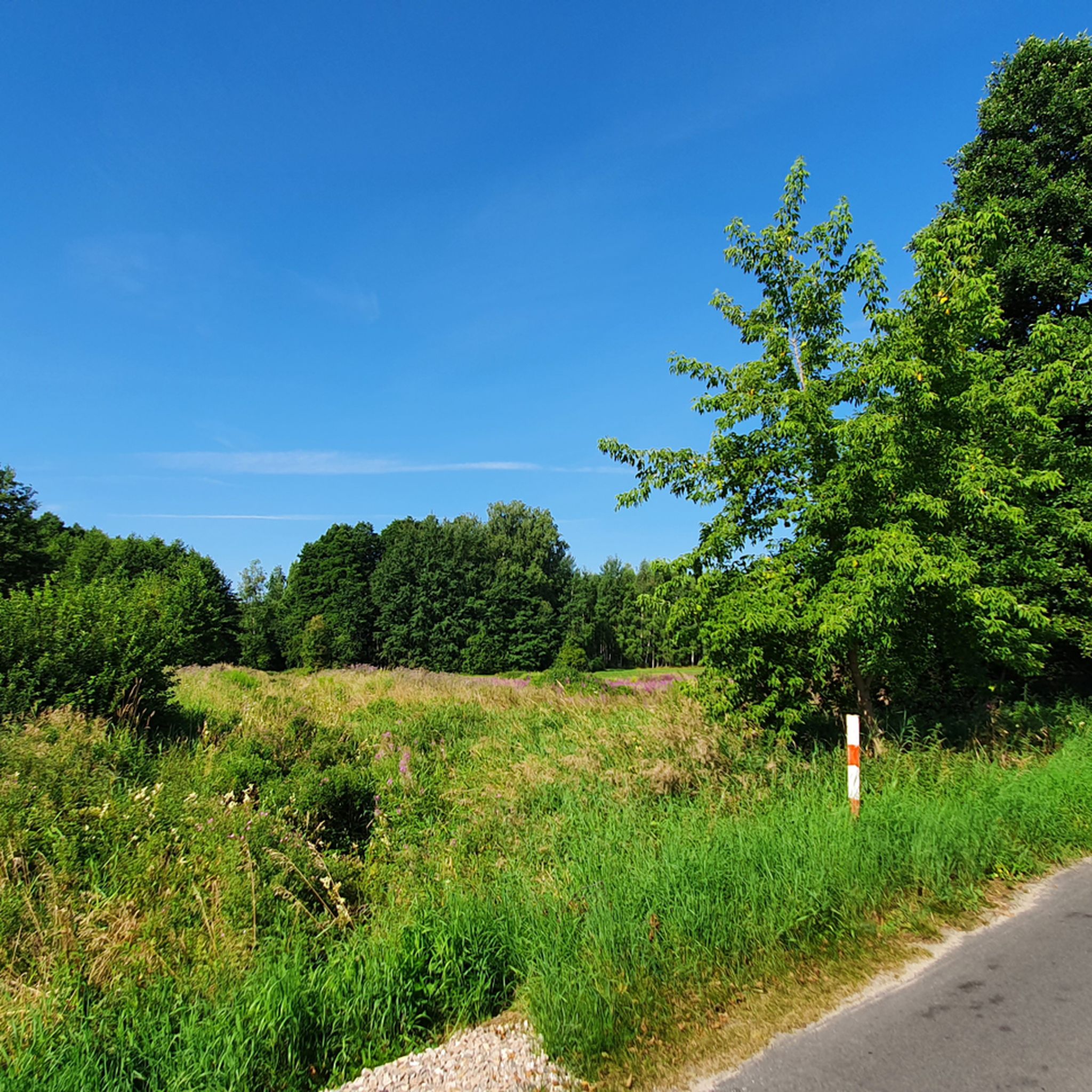
Dworek and park, a nice place to rest
0
0

I don't know if it's more beautiful inside or out. I've been there several times, and it always makes me stop and go inside.
1
0
the bridge is the entrance to the Adam Chełmońsi manor house
1
0

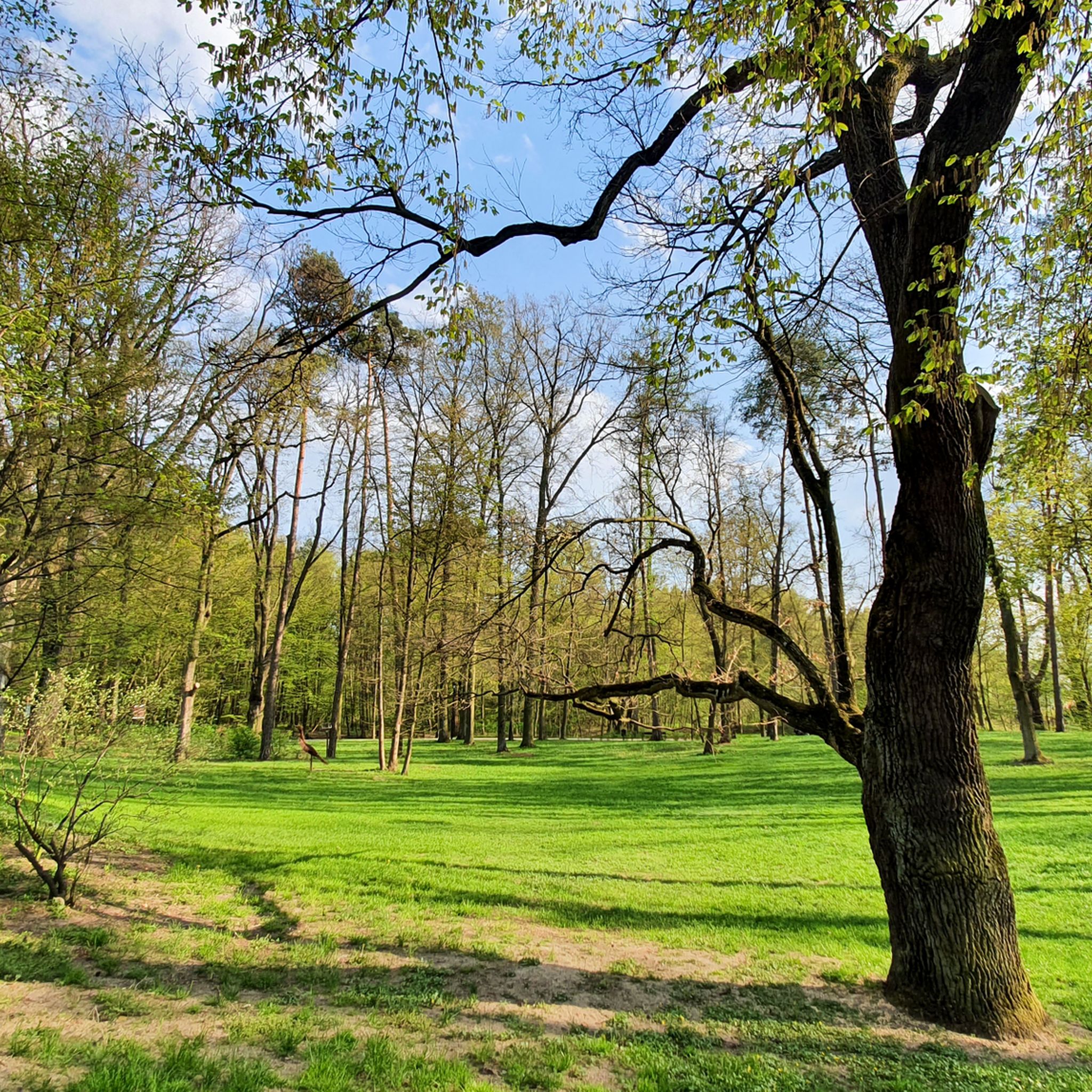
Beautiful and quiet place. The area has an interesting sculpture, squeezed between streams and ponds. Interesting history and two manor houses, separated by 40 years. Built by a father and son, famous doctors. I was enchanted by the silence and atmosphere of this place
0
0

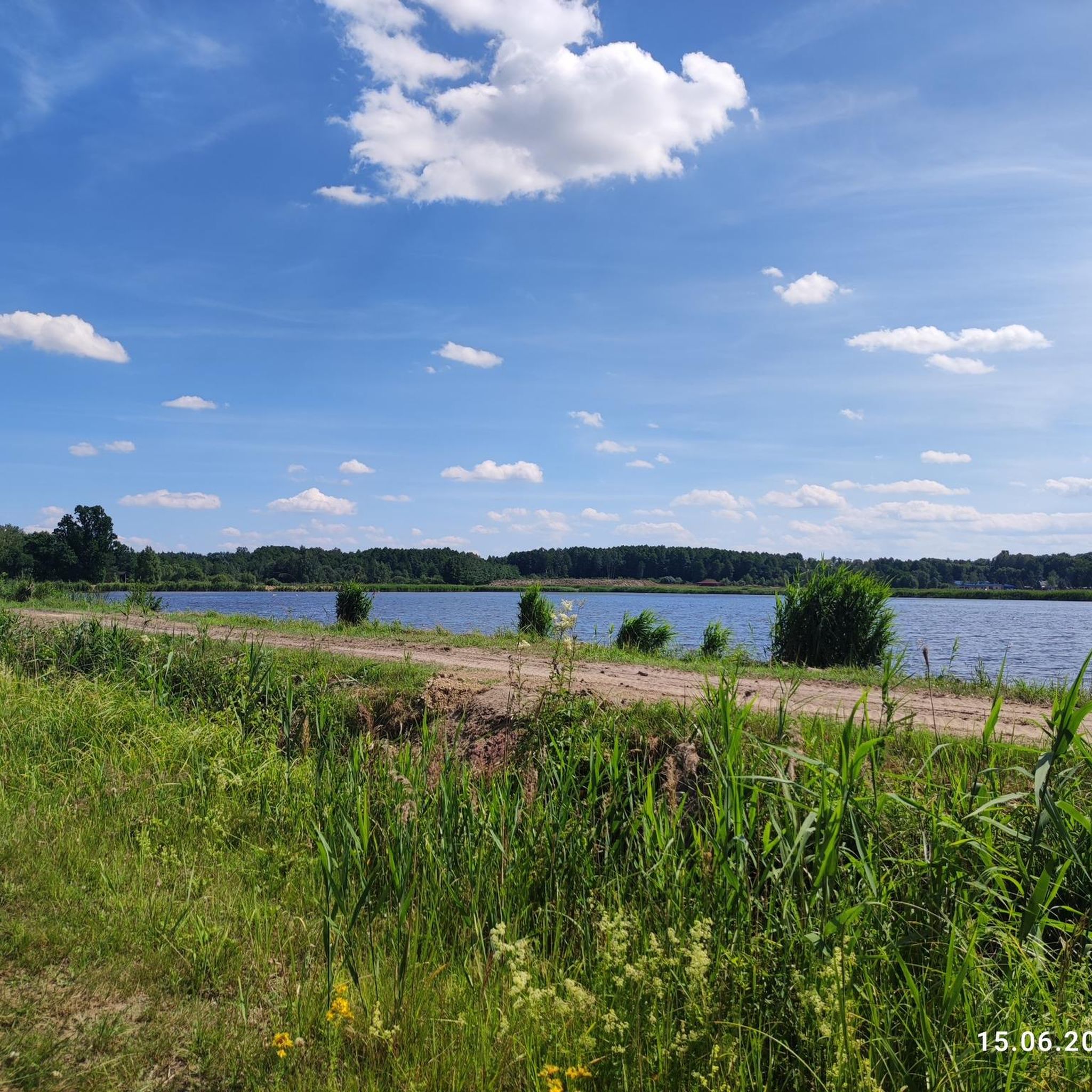
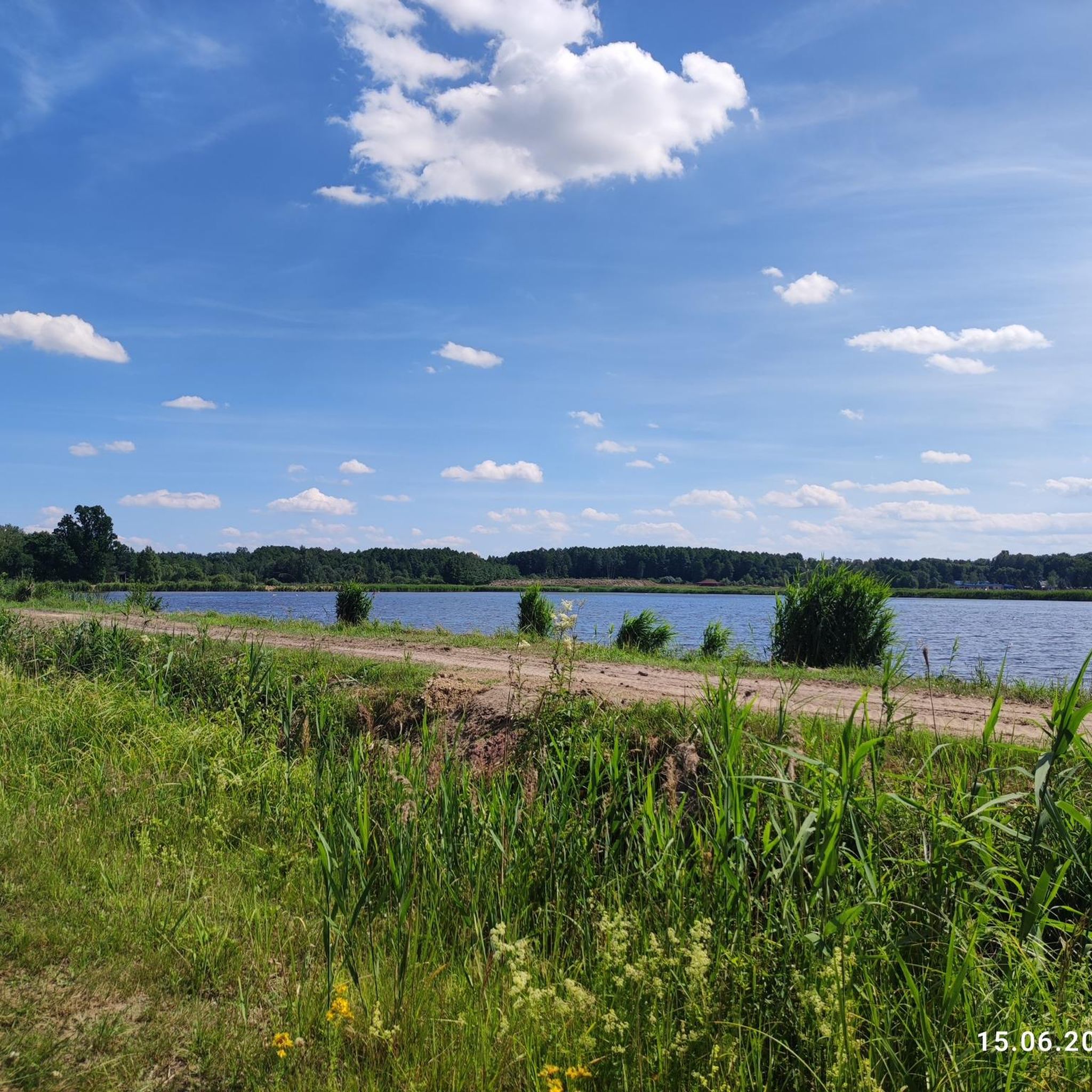
The pond on which the Adam Chełmoński Manor is located
1
1
Wooden bridge over the river
2
0
The manor house was built around 1930 according to the designs of the architect Witold Pokrowski, commissioned by Dr. Mateusz Chełmoński. In the 1990s, the manor house was owned by Piotr Stefański, the grandson of the founder of the manor house. Wooden and plastered manor house, set on a rectangular plan, with a regular shape, the building set on a stone foundation, single-storey, partially basemented, with a residential attic covered with a mansard roof with slopes covered with ceramic roof tiles. On the slopes of all four elevations there are extensions. On the longitudinal elevations they are topped with triangular gables, on the side elevations they are covered with a pediment roof. The front elevation is composed of 3 wide axes, of which the middle one in the form of a four-column Tuscan portico. On the garden elevation on the axis there is a terrace and a four-column Tuscan portico supporting the balcony of the first floor. The interior layout is two-bay with a hall and a living room on the axis. The whole is composed in a manor style with clear elements of classicism.
0
0
Frequently Asked Questions
What historical sites can I explore in and around Grodzisk Mazowiecki?
The region is rich in history. You can visit the St. Anne's Parish Church, a late Baroque church from 1687, and the nearby Holy Cross Chapel. Other notable historical buildings include the 18th-century Skarbek Manor House, the uniquely shaped Foksal Villa near the old railway station, and the Mokronowski Manor. For a glimpse into industrial heritage, consider the renovated Old Spinning Mill and New Spinning Mill in nearby Żyrardów, the latter known as Nowa Przędzalnia (Lofty de Girarda).
Are there any natural parks or green spaces for relaxation?
Yes, Grodzisk Mazowiecki offers several green spaces. The Golian Ponds, located between Maria Skłodowskiej-Curie, Stawowa, and Henryka Sienkiewicza Streets, provide a relaxing environment with benches and chess tables. You can also visit Count Skarbków Park, which features an educational trail, a playground, and bicycle paths. Another peaceful spot is Adamowizna Manor and Park, known for its historic manor house surrounded by old trees and watercourses.
What cultural attractions are available in the area?
Beyond historical buildings, you can visit the Cultural Center / Cinema Grodzisk for various activities. The nearby town of Żyrardów hosts the Filip de Girard Linen Museum, which showcases the region's linen traditions in a historic factory building. For art enthusiasts, the Juan Soriano Sculpture Garden in Owczarnia offers a unique collection of sculptures by the Mexican artist, with free admission.
Are there family-friendly activities or attractions?
Many attractions in the region are suitable for families. The Golian Ponds offer a pleasant setting with a platform-stage for events. Count Skarbków Park includes a large playground and bicycle paths. The Juan Soriano Sculpture Garden is also family-friendly, allowing children to explore unique art installations. Additionally, Grodzisk Mazowiecki has a swimming pool complex with recreational and sports pools, a slide, and a paddling pool for children, as well as a skatepark.
Where can I go for a walk or a hike near Grodzisk Mazowiecki?
For walks and hikes, consider exploring the trails around Grodzisk Mazowiecki. The Młochowski Grąd Nature Reserve protects ancient oak-pine and oak stands, offering a natural setting for exploration. You can find various hiking routes, such as the easy "Zalew Żyrardowski Beach loop from Chroboty" or the "Railwayman Monument – Goliana Ponds loop from gmina Grodzisk Mazowiecki". For more options, refer to the Hiking around Grodzisk Mazowiecki guide.
Are there cycling routes available in the area?
Yes, Grodzisk Mazowiecki offers several cycling opportunities. Count Skarbków Park has dedicated bicycle paths. For longer rides, you can explore routes like the "Puszcza Mariańska loop from Żyrardów" or the "Manor in Radonie – Kuklówka loop from Grodzisk Mazowiecki". Discover more detailed routes in the Road Cycling Routes around Grodzisk Mazowiecki guide.
What are some unique or lesser-known places to visit?
Beyond the main attractions, consider visiting the picturesque Adam Chelmonski Manor House, situated on a large hill within Adamowizna Park, offering a peaceful break. The Church of the Transfiguration in Żuków – Kłudzienko, a 17th-century structure, is also considered one of the commune's most valuable monuments. The Juan Soriano Sculpture Garden is globally unique and offers a tranquil hour of art appreciation.
What do visitors enjoy most about the attractions in Grodzisk Mazowiecki?
Visitors particularly appreciate the blend of history and nature. Places like Adamowizna Manor and Park are praised for their peaceful atmosphere and beautiful old trees, with some finding the wicker figures there charming. The Juan Soriano Sculpture Garden is valued for its unique art and free admission, allowing for a calm hour of exploration. The Golian Ponds are noted as a good spot for a short stop or rest, often with interesting historical murals nearby.
Are there any places for running or jogging?
Yes, the area around Grodzisk Mazowiecki offers several routes suitable for running. You can find various trails, such as the "P Cafe loop from Grodzisk Mazowiecki Jordanowice" or the "Chopin Piano Roundabout loop from peron 2". For more running options and details, check out the Running Trails around Grodzisk Mazowiecki guide.
Are there any accessible attractions for visitors with mobility needs?
While specific accessibility details vary, some locations offer features that may be suitable. The Bridge over the Mrowna River in Adamowizna Park is noted as wheelchair accessible. Additionally, the renovated Nowa Przędzalnia (Lofty de Girarda) in Żyrardów, a former industrial site, has been modernized and may offer improved accessibility.
What kind of manor houses can I visit in the region?
Grodzisk Mazowiecki is known for its historical manor houses. You can explore the 18th-century Skarbek Manor House, which now hosts a music school, or the Mokronowski Manor, featuring paintings by Jan Bogumił Plersch. The Adam Chelmonski Manor House and Adamowizna Manor and Park are also significant, with the latter now serving as a branch of the Cultural Center. Another historical residence is Villa “Radogoszcz”.
Most popular routes around Grodzisk Mazowiecki
Most popular attractions around Grodzisk Mazowiecki

Get inspired with the komoot mobile app


Didn’t find what you were looking for?
Are you keen on exploring more awesome places nearby? Browse our guides:
Explore more
Still not found the Highlight you’re looking for? See guides of the top attractions in other regions:
