Attractions and Places To See around powiat ciechanowski - Top 20
Best attractions and places to see around powiat ciechanowski include a diverse range of historical landmarks, significant natural features, and cultural sites. This region in the Masovian Voivodeship of Poland is characterized by its historical architecture, including medieval castles and 19th-century railway stations. Natural areas like the Łydynia River Valley and ancient oak trees offer opportunities for outdoor exploration. The area provides diverse points of interest for visitors seeking historical context and natural beauty.
Best attractions and places to see around powiat ciechanowski
- The most popular attractions is Ciechanów–Gołotczyzna Bike Path, a cycle way that features a solid asphalt surface. It is well-made and suitable for various cyclists.
- Another must-see spot is Ciechanów Castle, a historical castle built at the turn of the 14th and 15th centuries. Visitors can explore its 600-year-old walls and noble chambers, which offer panoramic views of Ciechanów.
- Visitors also love Orangery in the Park Complex in Poland, a man-made monument that was recreated based on historical fragments. This building is part of a beautiful park complex.
- powiat ciechanowski is known for its historical sites, natural monuments, and cultural institutions. The region offers a variety of attractions to see and explore, from ancient oak trees to museums and churches.
- The attractions around powiat ciechanowski are appreciated by the komoot community, with 24 upvotes and 21 photos shared by visitors.
Last updated: July 15, 2026
Wooden Church of Our Lady of Częstochowa
Highlight • Religious Site
The interior is decorated with ornamental polychrome. In the 18th century, the altar features an image of Our Lady of Częstochowa from the same period (covered by the image of the Transfiguration). It is unusual that in order to place the altarpiece, part of the vault above it had to be cut out. The late-baroque pulpit from the first half of the 18th century and the granite gothic stoup from the turn of the 15th and 16th centuries are valuable. The choir is supported on two pillars.
Translated by Google •
Tip by

Uparty Mazur Oak
Highlight • Natural Monument
The oak has a circumference of over 10 meters, is 28 meters high, has very spreading branches, it is difficult to encompass them with the lens. The trunk is straight, stocky, its mossy branches from a distance resemble chain mail, ancient armor. Its powerful silhouette makes you want to hug it, unfortunately it is surrounded by a small fence. It is such a special experience to get close to a tree that remembers the Battle of Grunwald and has the potential to outlive our great-great-grandchildren.
This natural monument grows about 20 kilometers from Ciechanów, far from popular tourist trails, it is not easy to get to it, fortunately navigation will take us there. It grows just behind the village of Młock on the edge of the Łydynia river valley, a mighty pedunculate oak with a healthy appearance for its 800 years. This is what is written on the plaque next to the tree, funded by the Society of Friends of the Ciechanów Land and the residents of Młock.
muzeumciechanow.pl/niemy-swiadek-historii-polnocnego-mazowsza-uparty-mazur-spod-mlocka
Translated by Google •
Tip by

Sign up now to discover places like this
Get recommendations on the best single tracks, peaks, & plenty of other exciting outdoor places.
Sign up for free
Old Gąsocin Railway Station
Highlight • Historical Site
Translated by Google •
Tip by

Orangery in the Park Complex in Poland
Highlight • Monument
Translated by Google •
Tip by

Opinogóra Park
Highlight • Historical Site
Tip by

Ciechanów–Gołotczyzna Bike Path
Highlight (Segment) • Cycleway
Wish from the information board fulfilled. Using the current language of diplomacy, I would say "It was a pleasure in di ..." 🤔🙊 indeed, I mean.
Translated by Google •
Tip by

Ciechanów Castle
Highlight • Castle
Translated by Google •
Tip by
Statue of the White Knight at Ciechanów Castle
Highlight • Monument
Translated by Google •
Tip by
Wooden Bridge on the Wkra
Highlight • Bridge
Translated by Google •
Tip by

Smooth Asphalt Road
Highlight (Segment) • Cycleway
Translated by Google •
Tip by
Sign up for free to discover even more attractions around powiat ciechanowski.
Sign up for free
Already have an account?
Start today with a free account
Your next adventure awaits.
Login or Signup

Tips from the Community


A solid, straight bike path. Well-made. Also suitable for young, experienced cyclists.
0
0

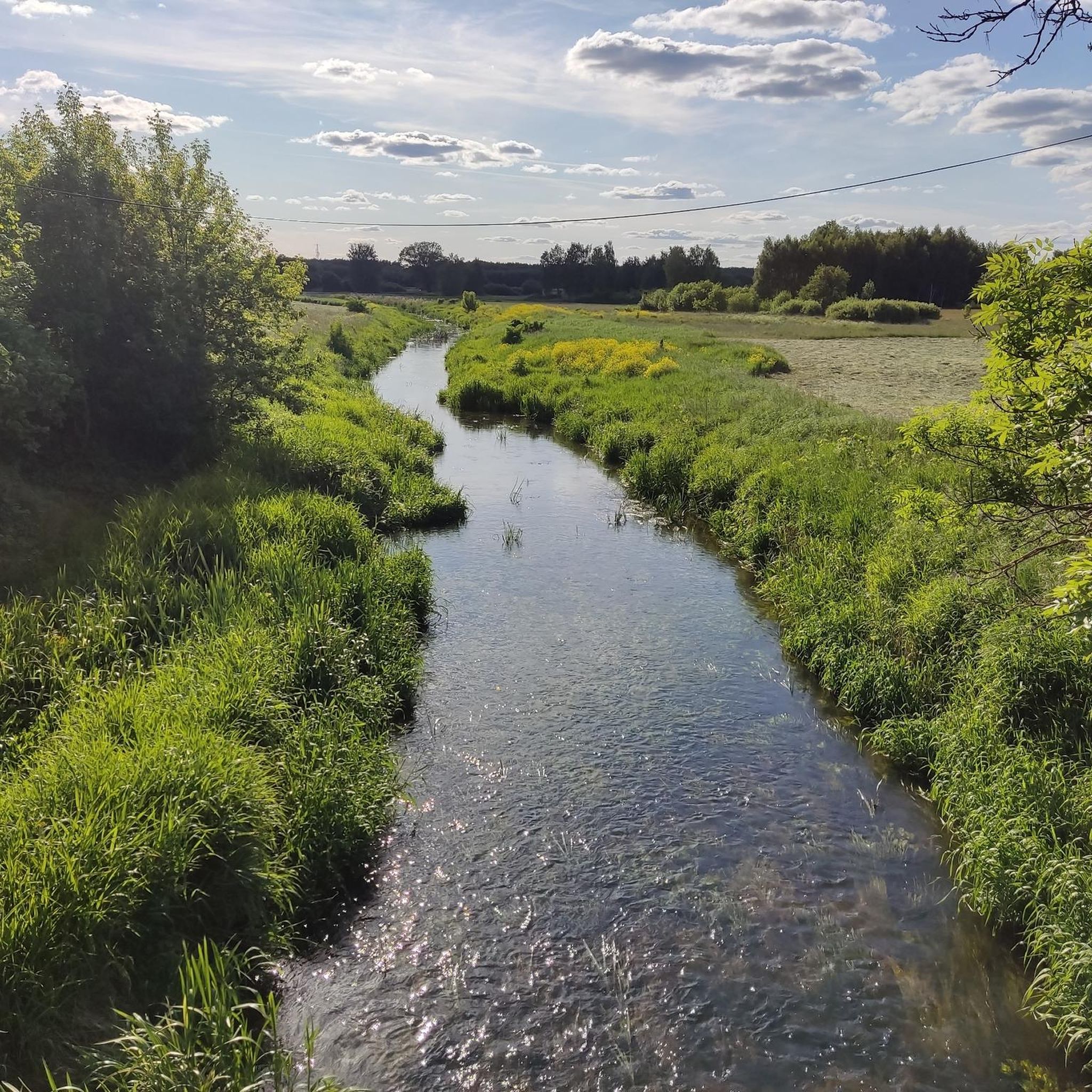
Wooden bridge on the Wkra, fortunately the surface is smooth enough to pass by road bike without any problems. It is worth stopping for a moment, however, because the views of the river are really nice.
2
0
Previously, the road was in a terrible condition, but since 2024 the asphalt is new, smooth and very pleasant to drive on, in addition there are many shaded sections.
1
0

Church of Our Lady of Częstochowa in Chotum - Roman Catholic branch church belonging to the parish of St. Nicholas in Sulerzyż (Ciechanów Western Deanery of the Płock Diocese). This is a temple built around the mid-17th century, probably in 1644. The date of construction is also given: 1715. The church was renovated in 1900, 1924 and 1953, as well as in the years 2011-2013. The building is wooden, single-nave, built in a log construction. The temple is oriented. Its presbytery is smaller in relation to the nave, closed on three sides with a sacristy added at an angle. The church is covered with a double-ridge roof, covered with shingles, above the presbytery there is an octagonal turret with a bell tower. It is topped with a tin onion-shaped helmet roof with a lantern. The second quadrangular turret is situated above the nave. It is topped with a pyramidal roof with a helmet. The interior is covered with a flat ceiling with ornamental polychrome. The choir is supported by two columns. The floor is made of wooden planks. The main altar and the pulpit represent the late Baroque style and were created in the first half of the 18th century. The Gothic-style stoup made of granite dates back to the turn of the 15th and 16th centuries[2].
0
0
The Vistula railway line ran through Gąsocin, which was formerly called a railway settlement. It led from Warsaw through Ciechanów (Gąsocin was located on this section), Mława and further into East Prussia. Right next to the tracks in 1877, a railway station building was erected. The wooden station, built according to 19th-century Russian architecture, began to attract people's attention. The news spread so far that many famous people from Polish literature, such as Bolesław Prus, Maria Dąbrowska, Stefan Żeromski, Henryk Sienkiewicz, came to Gąsocin to see the elegant building for those times. The Gąsocin station plays the role of the station in the Cisy health resort in the film Dr Judym. It features several shots from the side of the tracks and the village, as well as the interior of the station, where in 1975 there was a fairly large restaurant, typical of a railway station.
0
0

In the park there is a restaurant, Gościniec Ogrodnika, with very good food and coffee, I recommend it.
0
0
Natural monument 800-year-old Uparty Mazur oak – protected as a natural monument, a pedunculate oak tree growing in the village of Młock near Ciechanów, in the Mazovian Voivodeship. The oak is one of the largest trees of this species in Poland (seventh or eighth thickest). In 2014, its trunk had a circumference of 900 cm, while its height was 28 m. The wide and healthy crown is also characteristic (32 x 27 m)
1
0
Frequently Asked Questions
What historical sites can I visit in Powiat Ciechanowski?
Powiat Ciechanowski is rich in history. You can explore the impressive Ciechanów Castle, a 14th-century fortress offering panoramic views. Other significant historical landmarks include the 19th-century Old Gąsocin Railway Station, Farska Hill with its ancient Slavic settlement, and the 16th-century Parish Church in Ciechanów. Don't miss the Neo-Gothic Palace of the Krasiński Family in Opinogóra, set within a beautiful landscape park.
Are there any notable natural attractions in the area?
Yes, the region boasts several natural highlights. The mighty 800-year-old Uparty Mazur Oak near Młock is a protected natural monument and one of Poland's largest trees of its species. The picturesque Łydynia River Valley offers a serene environment, and you can also visit the "Lekowo" and "Modła" Nature Reserves for protected natural environments.
What outdoor activities are available near these attractions?
The area around Powiat Ciechanowski is great for outdoor enthusiasts. You can enjoy cycling on routes like the Ciechanów–Gołotczyzna Bike Path, which is well-made and suitable for various cyclists. For more options, explore the numerous cycling routes, gravel biking trails, and running trails available throughout the region.
Are there family-friendly attractions in Powiat Ciechanowski?
Absolutely! Families can enjoy interactive exhibits at the Torus Science Park, explore the historic Ciechanów Castle, or visit the recreated Orangery in the Park Complex. The Opinogóra Park is also a pleasant area for a family stroll, and the Uparty Mazur Oak offers an impressive natural sight.
What unique architectural landmarks can I find?
Beyond the castle, Ciechanów is home to the iconic Water Tower, ranked among the world's most unusual towers. The Old Gąsocin Railway Station, built in 19th-century Russian architectural style, is another unique structure. Additionally, the Wooden Church of Our Lady of Częstochowa in Chotum, dating back to 1644, showcases beautiful ornamental polychrome.
What cultural sites are worth exploring?
The region offers a rich cultural experience. Visit the Museum of Masovian Nobility, which features diverse exhibitions on sacred art, Jewish culture, and rural life. The Neo-Gothic Palace of the Krasiński Family in Opinogóra is a significant cultural landmark, being the birthplace of poet Zygmunt Krasiński. You'll also find numerous monumental wooden and brick churches throughout the county, such as the 16th-century churches at Malużyn.
Are there any good viewpoints in the region?
Yes, the towers of Ciechanów Castle offer excellent panoramic views of the city. For natural vistas, the Łydynia River Valley provides picturesque scenery. The Wooden Bridge on the Wkra is also noted as a viewpoint.
What is the best time of year to visit Powiat Ciechanowski?
The best time to visit Powiat Ciechanowski generally depends on your interests. Spring and summer (May to September) are ideal for outdoor activities, cycling, and exploring natural sites like the Łydynia River Valley and Opinogóra Park. These months also host various cultural events and festivals in Ciechanów. Autumn offers beautiful foliage, while winter can be charming for historical sites, though outdoor activities might be limited.
Can I find any hidden gems or less-known spots?
Beyond the main attractions, consider exploring some of the historic manor houses like Dwór Szulmierz or Dwór Ujazdowo, which offer glimpses into the region's aristocratic past. The Wooden Church of Our Lady of Częstochowa in Chotum is a beautifully preserved, less-frequented religious site with unique historical elements.
What kind of events or festivals take place in Ciechanów?
Ciechanów hosts a variety of cyclical cultural events throughout the year. These include Easter Concerts, the European Picnic, Kupala Night, the Nobility Foray, and the Dionizje theatre festival. Other regional events include the "Mazovian Carnival," the Night of Museums in Ciechanów, and "Garden Flowers" at Gołotczyzna.
Is there anything interesting related to World War II history?
Yes, the Krzywa Hala building in Ciechanów holds historical significance from World War II, having served as the main building of the German district during that period. It represents a notable piece of the town's wartime past.
What is the significance of the Old Gąsocin Railway Station?
The Old Gąsocin Railway Station, built in 1877, is a historical gem known for its 19th-century Russian architectural style. It gained fame as a filming location for the movie "Dr. Judym" and attracted renowned Polish literary figures like Bolesław Prus and Henryk Sienkiewicz, making it a site of cultural and historical importance.
Most popular routes around powiat ciechanowski

Get inspired with the komoot mobile app


Didn’t find what you were looking for?
Are you keen on exploring more awesome places nearby? Browse our guides:
Explore more
Still not found the Highlight you’re looking for? See guides of the top attractions in other regions:
