Attractions and Places To See around Międzyrzecz - Top 20
Best attractions and places to see around Międzyrzecz include historical sites and natural landscapes. Located in western Poland at the confluence of the Obra and Paklica rivers, the area features medieval fortifications and extensive military structures. The region is also characterized by numerous lakes and forests, offering a blend of cultural exploration and outdoor activities.
Best attractions and places to see around Międzyrzecz
- The most popular attractions is Wiejce Palace, a castle that is now a hotel with a restaurant and riding stables, situated in a large park on the banks of the Warta. It features a large park and a rich history.
- Another must-see spot is Town Hall in Skwierzyna, a Neo-Renaissance building constructed in the mid-19th century. This historical site survived World War II and houses the City and Municipal Office.
- Visitors also love Schloss Meseritz, a medieval defensive fortress built around 1350 by Casimir the Great. Located on an artificial hill at the fork of the Obra and Paklica rivers, it retains external walls and two artillery bastions.
- Międzyrzecz is known for historical sites, including castles and museums, as well as natural landscapes with lakes and forests. The region offers a variety of attractions for those interested in history, culture, and outdoor activities.
- The attractions around Międzyrzecz are appreciated by the komoot community, with over 15 upvotes and 76 photos shared.
Last updated: July 15, 2026
Wiejce Palace
Highlight • Castle
Checkered, interesting story.
Large park on the banks of the Warta.
More information: de.wikipedia.org/wiki/Herrenhaus_Waitze and wiejce.pl/de
Translated by Google •
Tip by

Town Hall in Skwierzyna
Highlight • Monument
In 1945, during World War II, the town hall survived despite the destruction of most of the buildings. Since 1975 the building has housed the City and Municipal Office and the Mayor of Skwierzyna. In 2006, the facade of the Skwierzyna Town Hall was thoroughly restored.
Every day at 12:00 o'clock Skwierzyna's bugle call sounds from the town hall tower.
Translated by Google •
Tip by

Sign up now to discover places like this
Get recommendations on the best single tracks, peaks, & plenty of other exciting outdoor places.
Sign up for free
Schloss Meseritz
Highlight • Castle
Translated by Google •
Tip by

City Hall and St. Adalbert Church in Miedzyrzecz
Highlight • Historical Site
Translated by Google •
Tip by

St. Bartholomew's Wooden Church, Kalsko
Highlight • Religious Site
Translated by Google •
Tip by

Międzyrzecz Old Post Office
Highlight • Historical Site
Translated by Google •
Tip by
Shoemaker's House Museum
Highlight • Historical Site
Translated by Google •
Tip by
Kasztelanówka Manor (Museum of the Międzyrzecz Land)
Highlight • Historical Site
Translated by Google •
Tip by
Jezioro Bobowickie Swimming Area
Highlight • Lake
Translated by Google •
Tip by
St. John the Baptist Church
Highlight • Religious Site
Translated by Google •
Tip by
Sign up for free to discover even more attractions around Międzyrzecz.
Sign up for free
Already have an account?
Start today with a free account
Your next adventure awaits.
Login or Signup
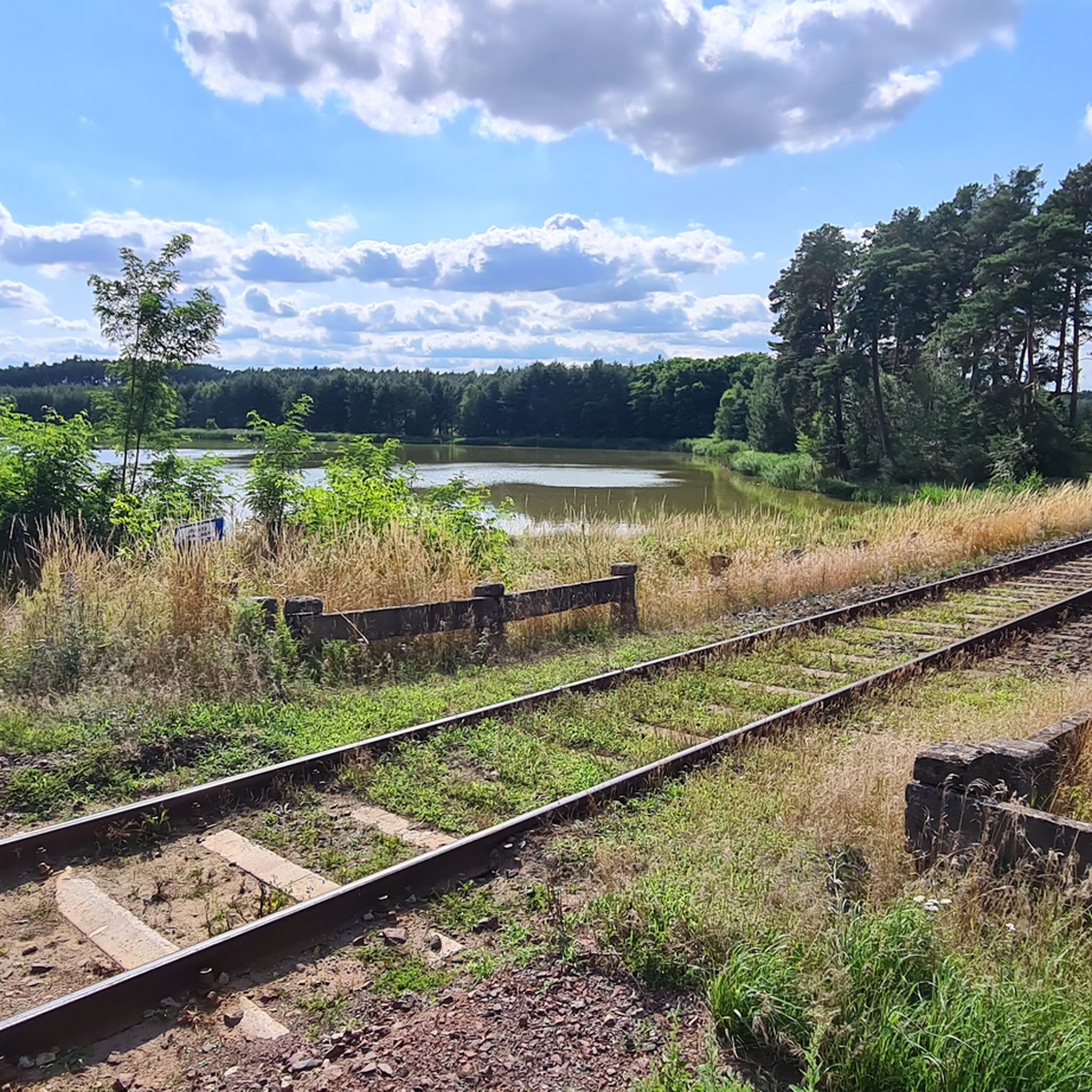
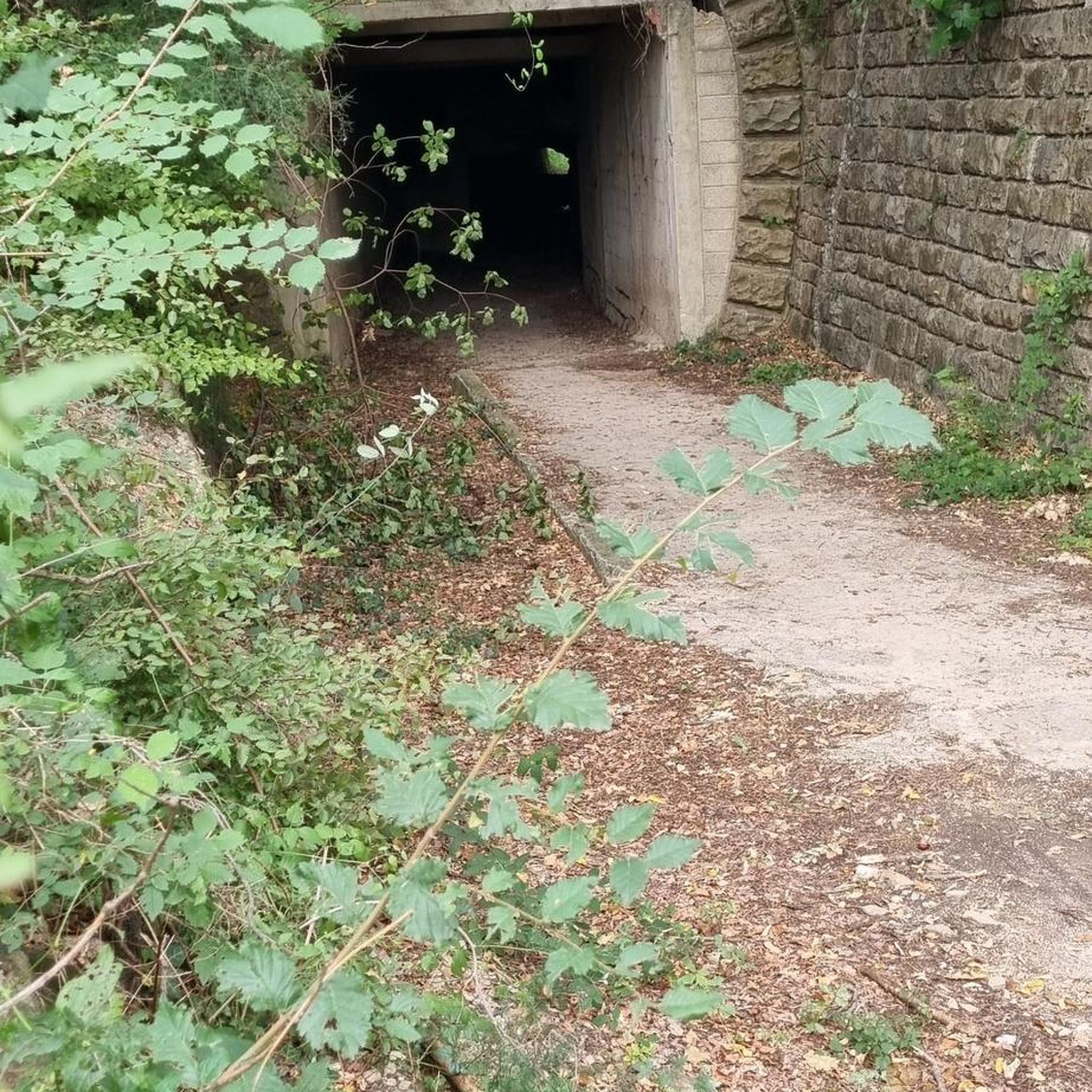
Tips from the Community

The first church was built by the Cistercians, who owned the village from 1390. Its exact construction date is unknown, but it is known that it initially had parish status and was later incorporated into the Rokitno parish. The Cistercians built another church in 1661 (consecrated in 1669), after they took over the Rokitno parish. In 1688, the church and village buildings were destroyed by fire. Thanks to the efforts of the Cistercian abbot of the Bledzew monastery, Jan Białobłocki, and contributions from the village residents, the church was rebuilt in 1692-1693. Source: https://zabytek.pl/pl/obiekty/kalsko-kosciol-fil-pw-sw-bartlomieja-apostola
0
0
The museum is open Tuesdays through Fridays from 9:00 a.m. to 4:00 p.m. Saturdays and Sundays from 10:00 a.m. to 5:00 p.m. Admission is free on Tuesdays. Closed on Saturdays from November to the end of April.
1
0
The Międzyrzecz Post Office was built at the turn of the 19th and 20th centuries in the neo-Gothic style characteristic of the period. These were times of rapid city development. Near the post office, a new building for the district office and the district treasury were constructed. Both buildings were located on the same street, which was then called Kirchstrasse, meaning church street. It owed its name to the oldest church in Międzyrzecz – the 15th-century Church of St. John the Baptist. Its walls were faced with red brick, and the architectural details were made of glazed green ceramic shapes. The front façade is asymmetrical. The right wing, slightly protruding towards the street, houses a pointed-arch entrance framed by a portal; it is crowned by a triangular gable decorated with blind windows, pinnacles, and floral ornamentation. The left wing has six axes. The windows are either pointed-arch or capped with segmental arches. The building still serves as a post office today.
1
0
The parish church in Międzyrzecz was erected under the king's patronage in the first half of the 13th century, along with the granting of city rights. It is the only surviving monument of Gothic religious architecture in the city. The church was built after the city was destroyed by the troops of Matthias Corvinus in 1474, and the main construction work most likely took place at the turn of the 15th and 16th centuries. It is the only surviving Gothic monument in the city.
0
0
A former Protestant church rebuilt in 1831 (consecrated on August 3, 1834) after a fire in . The previous wooden church was also destroyed by fire in 1666. https://wojciech-miedzyrzecz.pl/index.php/historia-parafii
1
0
This is not the Sanctuary of Divine Mercy, but the Church of St. Adalbert
0
0

The Town Hall in Skwierzyna is a neo-Renaissance building, built in the mid-19th century on the site of an earlier structure. The Town Hall survived World War II despite the destruction of most of the buildings. Since 1975, the building has housed the town and municipal office and the mayor of Skwierzyna. In 2006, the facade of the Skwierzyna Town Hall was restored. Every day at 12:00 noon, Skwierzyna's bugle call sounds from the Town Hall tower.
0
0

A historic residential building from the second half of the 18th century, built of wood on a high stone foundation. The Shoemaker's House stands out from other buildings on the Pszczew market square with its shape and proportions determined by a slender roof covered with shingles, which is 2/3 of the height of the building. It was inhabited by the shoemaker Feliks Paździorek. Since 1984, the building has housed a museum.
4
0
Frequently Asked Questions
What historical sites can I explore in and around Międzyrzecz?
Międzyrzecz is rich in history. You can visit the medieval Schloss Meseritz (Międzyrzecz Castle), a defensive fortress built by Casimir the Great. The Town Hall in Skwierzyna is a notable Neo-Renaissance building that survived WWII. Don't miss the Shoemaker's House Museum, a historic 18th-century residence now housing a museum, or the Międzyrzecz Old Post Office with its Neo-Gothic architecture. The broader region also features the extensive Międzyrzecz Fortified Region (MRU), a system of WWII bunkers and tunnels, which includes the Museum of Fortifications & Bats.
Are there any natural attractions or outdoor activities to enjoy near Międzyrzecz?
Yes, the area around Międzyrzecz is known for its natural beauty, with extensive forests and numerous lakes. You can visit Jezioro Bobowickie Swimming Area for recreation. The town itself is situated at the confluence of the Obra and Paklica rivers, offering scenic landscapes. For outdoor enthusiasts, there are many hiking and cycling routes. You can find various options in the Hiking around Międzyrzecz and Gravel biking around Międzyrzecz guides.
What are some family-friendly attractions in the Międzyrzecz area?
Families can enjoy several attractions. Wiejce Palace, now a hotel with a restaurant and riding stables, offers a large park to explore. The historic Schloss Meseritz (Międzyrzecz Castle) is also suitable for a family visit. For a unique experience, the Museum of Fortifications & Bats within the Międzyrzecz Fortified Region offers guided tours of bunkers and is home to Europe's largest bat refuge, which can be fascinating for children. Additionally, the Jezioro Bobowickie Swimming Area provides recreational opportunities for all ages.
Where can I find museums or cultural insights into the Międzyrzecz region?
The Shoemaker's House Museum in Pszczew offers a glimpse into local history within a preserved 18th-century building. The Museum of Międzyrzecz Land (Muzeum Ziemi Międzyrzeckiej im. Alfa Kowalskiego), located in a 6-hectare park, houses over 18,000 artifacts, including a significant collection of coffin portraits. For military history, the Museum of Fortifications & Bats within the Międzyrzecz Fortified Region provides extensive information on the WWII fortifications.
Are there any notable religious buildings or churches to visit?
Yes, the St. John the Baptist Church is a significant Gothic religious monument in Międzyrzecz, dating back to the 13th century. You can also see the St. Adalbert Church in Międzyrzecz, which was originally a Protestant church built in 1834. Further afield, the St. Bartholomew's Wooden Church, Kalsko offers another example of historical religious architecture.
What kind of outdoor activities are available for hikers?
The Międzyrzecz area is excellent for hiking. You can explore trails like the 'Panzerwerk 717 (Ostwall) – MRU Panzerwerk 716 Bunker loop from Rezerwat Nietoperek' or the 'Dom Szewca Museum loop from Pszczew'. For a longer walk, consider the 'St. Adalbert Church – Obra River loop from Międzyrzecz'. More hiking routes and details can be found in the Hiking around Międzyrzecz guide.
Can I go cycling or gravel biking in the Międzyrzecz region?
Absolutely! The region offers diverse terrain suitable for cycling and gravel biking. Routes like the 'Beach at Lake Bobowickie – Swing bridge loop from Bobowicko' or the 'St. John the Baptist Church – Paved Bicycle Path loop from Bobowicko' provide scenic rides. For more options, check out the Gravel biking around Międzyrzecz guide.
Are there any attractions that are wheelchair accessible?
Yes, the Town Hall in Skwierzyna is noted as wheelchair accessible. The Międzyrzecz Old Post Office is also listed with wheelchair accessibility. It's always a good idea to confirm specific accessibility details with individual venues before your visit.
What is the Międzyrzecz Fortified Region (MRU) and what can I see there?
The Międzyrzecz Fortified Region (MRU), also known as the Oder-Warthe-Bogen, is an extensive system of military fortifications built by Nazi Germany in the 1930s. It features a vast network of underground tunnels, stretching over 30 kilometers, and numerous bunkers. The central section, particularly around Pniewo, is the most developed and accessible, housing the Museum of Fortifications & Bats. You can take various guided tours to explore the bunkers and learn about their strategic importance during World War II, as well as observe the large bat colonies that inhabit the tunnels in winter.
What do visitors particularly enjoy about the attractions near Międzyrzecz?
Visitors appreciate the blend of rich history and natural beauty. The historical sites like Wiejce Palace and Schloss Meseritz are often highlighted for their historical significance and picturesque settings. The Shoemaker's House Museum is described as small but definitely worth seeing. The natural landscapes, especially the lakes and forests, are popular for outdoor activities and offer a peaceful escape.
Are there opportunities for running or jogging in the area?
Yes, the Międzyrzecz area provides several routes for running and jogging. You can find trails like the 'Running loop from Pszczew' or the 'Jezioro Staw loop from Chycina'. These routes vary in distance and difficulty, offering options for different fitness levels. More running trails are detailed in the Running Trails around Międzyrzecz guide.
Most popular routes around Międzyrzecz

Get inspired with the komoot mobile app


Didn’t find what you were looking for?
Are you keen on exploring more awesome places nearby? Browse our guides:
Explore more
Still not found the Highlight you’re looking for? See guides of the top attractions in other regions:
