Attractions and Places To See around Wołów - Top 20
Attractions and places to see around Wołów offer a blend of historical landmarks and natural landscapes in Lower Silesia, Poland. The region features remnants of medieval defensive walls, historic town centers, and significant cultural sites like the Cistercian Monastery in Lubiąż. Visitors can explore a variety of points of interest, from architectural structures to natural reserves. The area is characterized by its historical depth and diverse outdoor opportunities.
Best attractions and places to see around Wołów
- The most popular attractions…
Last updated: October 18, 2026
Cistercian Abbey in Lubiąż
Highlight • Historical Site
The Cistercian Abbey in Lubiąż is one of the largest and most important monastic complexes in Central Europe.
Translated by Google •
Tip by

Lubiąż–Wołów Bike Path
Highlight (Segment) • Cycleway
Translated by Google •
Tip by

Sign up now to discover places like this
Get recommendations on the best single tracks, peaks, & plenty of other exciting outdoor places.
Old Railway Bridge over the Oder near Brzeg Dolny
Highlight • Bridge
Translated by Google •
Tip by

Railway Bridge over the Oder River
Highlight • Bridge
This is an active railway line, so be careful when crossing the tracks.
Translated by Google •
Tip by

Monument to the T-34 tank in Ścinawa
Highlight • Monument
Translated by Google •
Tip by
Cistercian Monastery in Lubiąż
Highlight • Religious Site
Translated by Google •
Tip by

Brzeg Dolny Cycling Path
Highlight (Segment) • Cycleway
Translated by Google •
Tip by
Bridge over the Oder in Brzeg Dolny
Highlight • Bridge
Translated by Google •
Tip by

Ścinawa – Wielowieś Cycle Path
Highlight (Segment) • Cycleway
Translated by Google •
Tip by

Smooth asphalt road through the forest
Highlight (Segment) • Cycleway
Translated by Google •
Tip by

Sign up for free to discover even more attractions around Wołów.
Already have an account?
Start today with a free account
Your next adventure awaits.

Tips from the Community

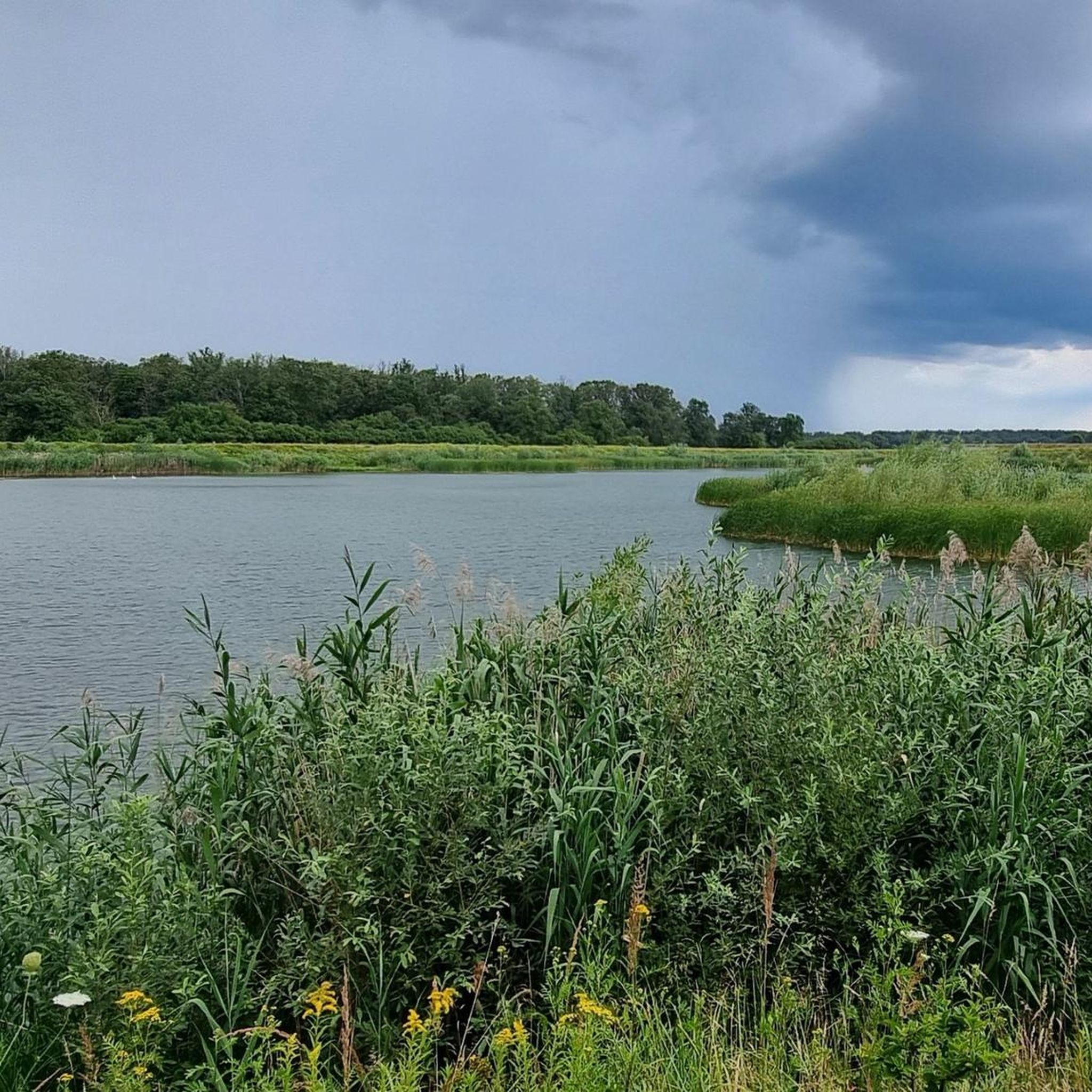
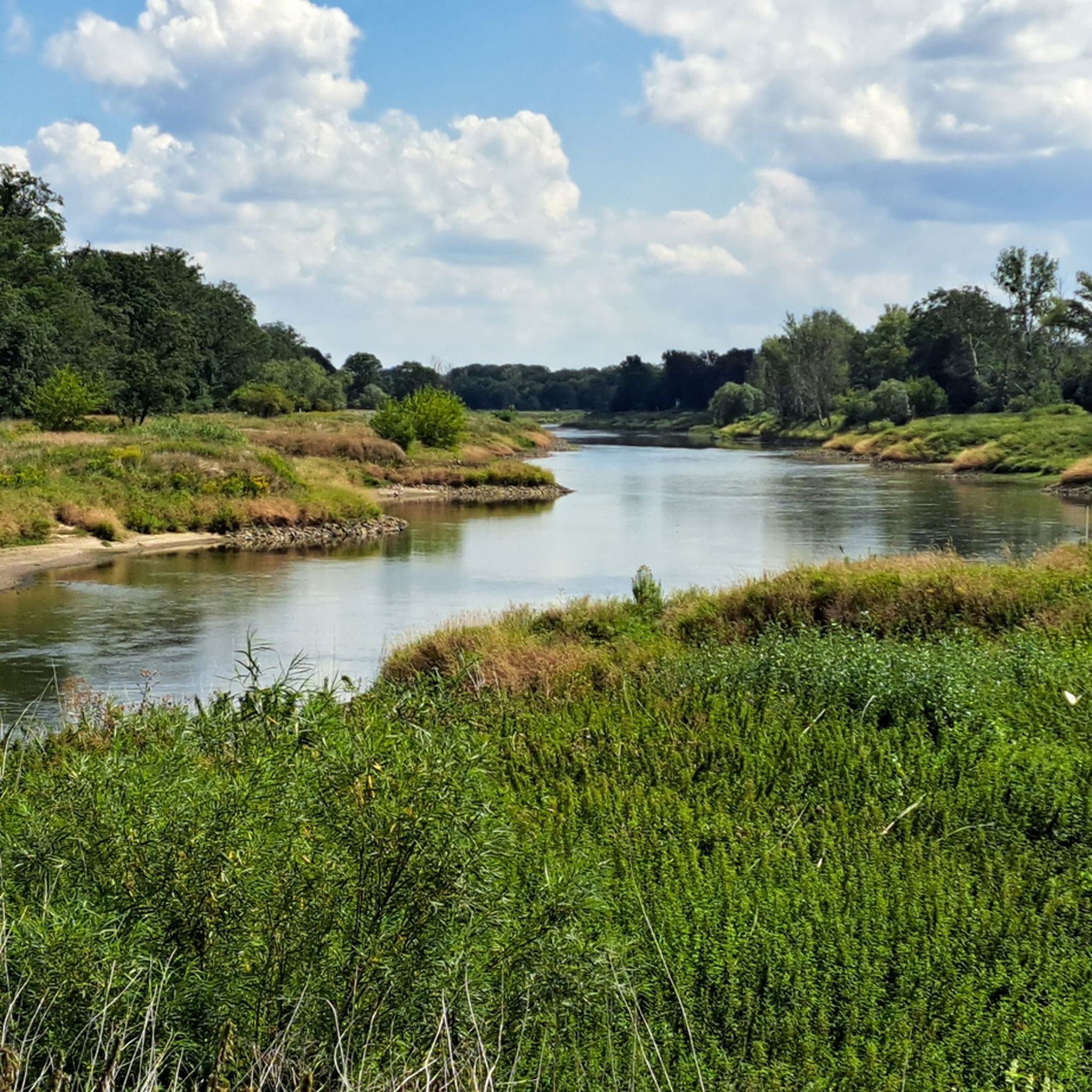
Good ground. It's good to ride here and you have a good view of the river.
0
0

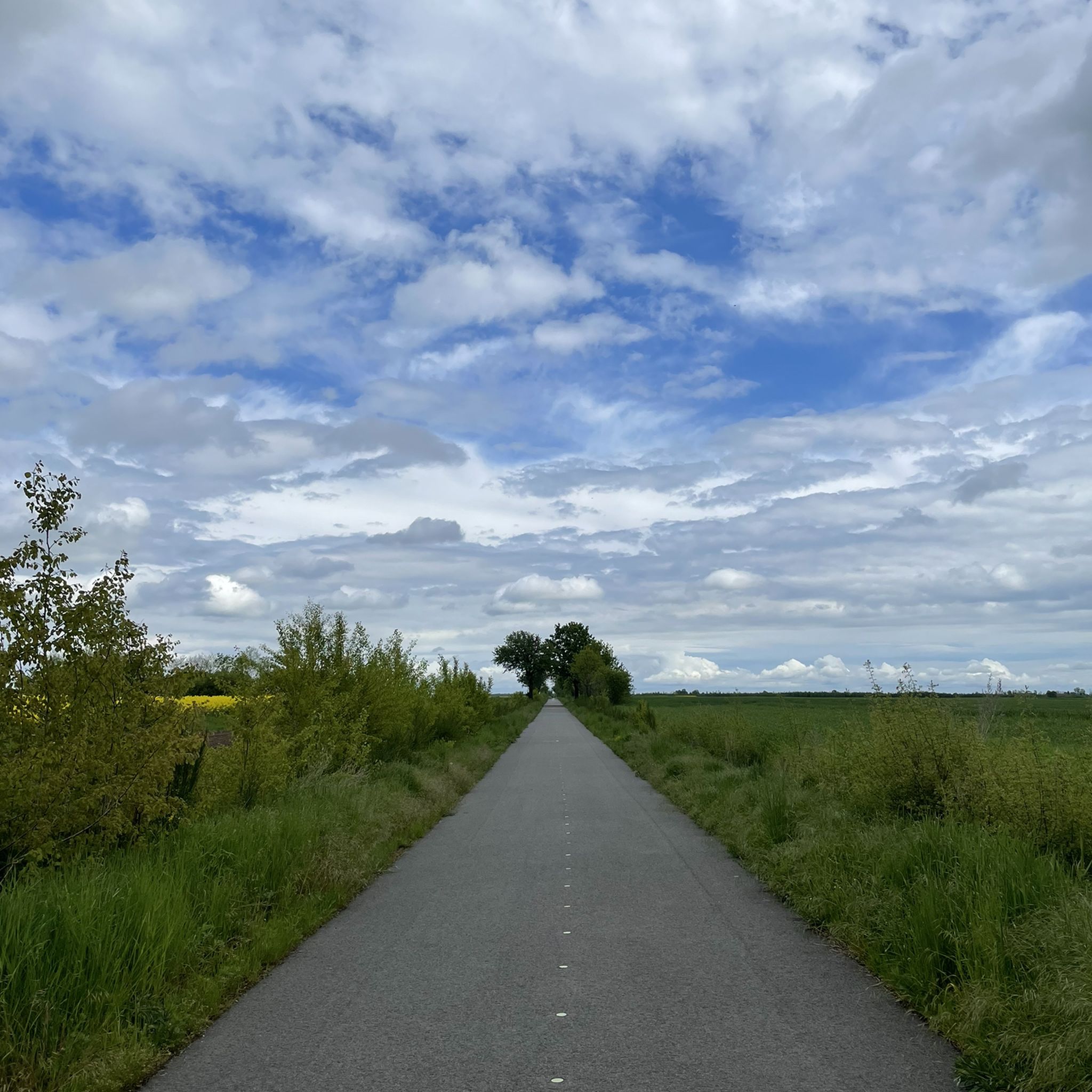
Nice and long, you can ride a nice loop with it
0
0

A very nice section of road, smooth, even asphalt through the forest
0
0

The abbey grounds are accessible, allowing you to explore every nook and cranny. The abbey itself can also be explored inside. I highly recommend it 😀👍
1
0

A pleasant section, with plenty to see, though there are a few pointlessly placed speed bumps along the way. The route ends strangely at this point, with a blockade at the entrance to the forest section, bearing a sign that says "No entry except for emergency services." After "bypassing the blockade," we continue along a pleasant single-track forest track to Lubiąż.
0
0

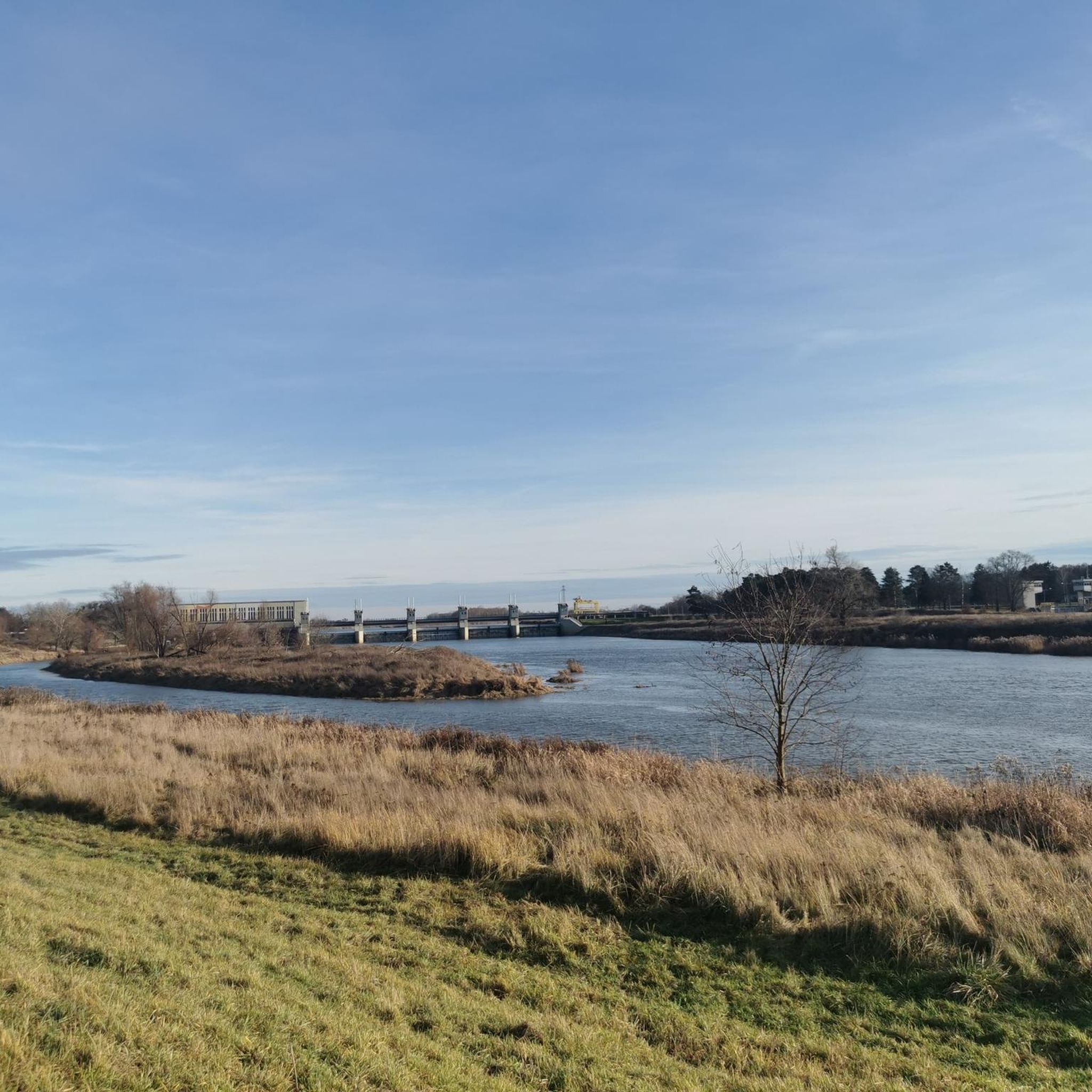
The yellow tourist trail leads to the bridge from the Brzeg Dolny side.
2
0
The T-34 tank was established in Ścinawa to commemorate the capture of the city by Soviet troops on January 31, 1945. Legend has it that it was this particular specimen that was the first to cross the Oder in 1945. For many years it stood on a pedestal in the market square. In its current place since 2019.
0
0
A Brief History of the Cistercian Abbey in Lubiąż The Cistercian Abbey in Lubiąż is one of the largest and most important monastic complexes in Central Europe. The beginnings of monastic settlement in Lubiąż date back to the 11th century, when the Benedictines probably had their establishment here. However, the real flourishing of the monastery began with the arrival of the Cistercians in 1163 from Pforta in Thuringia. They were brought by Duke Bolesław the Tall, who gave them lands in Lubiąż. The Cistercians, known for their diligence and management skills, quickly developed the monastery estates, establishing farms, fish ponds and mills. The abbey became an important economic, cultural and religious centre in Silesia. During the Middle Ages, Lubiąż was one of the richest and most influential Cistercian monasteries in Europe. Its abbots played a significant role in the political and ecclesiastical life of the region. Valuable manuscripts were created here, craftsmanship developed, and the monastery library gathered rich collections. The period of the Hussite Wars in the 15th century brought considerable destruction and the decline of the abbey. The monastery was burned down and plundered, and the number of monks decreased significantly. A revival took place in the second half of the 15th century and lasted through the 16th century, but on a smaller scale than during the period of glory. The real revival and Baroque reconstruction of the abbey took place in the 17th and 18th centuries. Monumental buildings were built at that time, such as an impressive church, library, refectory and abbots' palace. With the secularization of the monastic property in Prussia in 1810, the Lubiąż Abbey was dissolved. The monastery property was taken over by the Prussian state, and the buildings served various functions - from a psychiatric hospital, through warehouses, to barracks. Many valuable works of art and books were dispersed or destroyed. After World War II, Lubiąż found itself within the borders of Poland. The condition of the buildings was dramatic – the monastery was neglected, devastated and gradually fell into ruin. It was only in recent decades that intensive conservation and revitalization work was undertaken. Since 1989, the management of the abbey was taken over by the Lubiąż Foundation, which, together with the Ministry of Culture and National Heritage and EU funds, is conducting extensive renovation work. Thanks to this, it is gradually regaining its former glory and is being made available to visitors. Currently, the Cistercian abbey in Lubiąż is one of the greatest tourist attractions in Lower Silesia and a testament to the rich history of the region.
3
0
Frequently Asked Questions
What historical landmarks can I explore in and around Wołów?
Wołów and its surroundings are rich in history. You can visit the Cistercian Abbey in Lubiąż, one of Central Europe's largest monastic complexes, known for its monumental structures. In Wołów itself, explore the remnants of the Medieval Defensive Walls, the historic town center with its market square and town hall, and the Piast Castle. Don't miss the T-34 Tank Monument in Ścinawa, a historical site commemorating the city's capture in 1945.
Are there any family-friendly attractions in the Wołów area?
Yes, several attractions are suitable for families. The Cistercian Abbey in Lubiąż is listed as family-friendly, offering an educational and impressive visit. Cycling paths like the Lubiąż–Wołów Bike Path and the Ścinawa – Wielowieś Cycle Path are also great for family outings. The T-34 Tank Monument in Ścinawa is another family-friendly historical site with convenient parking.
What natural features and parks can I discover near Wołów?
The region boasts significant natural beauty. The Jezierzyca Valley Landscape Park is considered the 'green heart' of the area, featuring picturesque fields, meadows, and forests. You can also find numerous nature monuments, primarily ancient oak trees, and unique forest water reservoirs like Boraszyńskie Oczka, known for their diverse aquatic vegetation including water lilies.
What cycling opportunities are available around Wołów?
Wołów is excellent for cycling, offering a variety of trails. Popular options include the Brzeg Dolny Cycling Path, known for its smooth asphalt and scenic views, and the Lubiąż–Wołów Bike Path. There's also a smooth asphalt road through the forest, perfect for a peaceful ride. The region also features the 'Wołowskie Krajobrazy' yellow bicycle trail and connections to larger regional routes like the Odra Trail.
Are there any wheelchair-accessible attractions in the Wołów area?
Yes, the T-34 Tank Monument in Ścinawa is noted as wheelchair-accessible, offering a historical experience for all visitors. Additionally, the Brzeg Dolny Cycling Path and the Bike path along Most Wolności between Brzeg Dolny and Głoska are designed to be accessible.
Where can I find parking when visiting attractions in Wołów?
The T-34 Tank Monument in Ścinawa offers ample parking for visitors. For other attractions, it's advisable to check local signage or specific attraction websites for parking availability.
What are some unique cultural sites to visit in Wołów?
Beyond the major landmarks, Wołów offers interesting cultural sites. The Church of St. Charles Borromeo features a beautiful Baroque interior. The Church of St. Lawrence, formerly an evangelical church, is known for its Renaissance and Baroque epitaphs and hosts the 'Cantus Organi' International Organ Music Festival. You can also visit the ruins of the world's first sugar factory to produce beet sugar in Konary, located about 13 km northwest of Wołów.
What kind of outdoor activities can I do near Wołów?
The Wołów area is ideal for various outdoor activities, especially cycling and mountain biking. You can explore numerous trails, including those around the Cistercian Abbey in Lubiąż. For more detailed routes, consider exploring the MTB Trails around Wołów, Cycling around Wołów, and Road Cycling Routes around Wołów guides.
Are there any notable bridges or architectural structures to see?
Yes, the region features several interesting bridges. You can see the Old Railway Bridge over the Oder near Brzeg Dolny and the Railway Bridge over the Oder River. The Bridge over the Oder in Ścinawa, a steel truss structure built in the early 20th century, is also a significant architectural landmark.
What is the best time of year to visit Wołów for outdoor activities?
While the region offers beauty year-round, the warmer months, typically spring through early autumn, are ideal for enjoying outdoor activities like cycling and exploring the natural parks and trails. The weather is generally more favorable for extended periods outdoors during this time.
What are some of the less-known natural gems in the Wołów commune?
Beyond the main parks, the Wołów commune is home to a network of nature monuments, including ancient oak trees, ash, ginkgo, pine, and mulberry specimens. You can also find erratic boulders, remnants of ancient ice sheets. A notable example is a large maple-leaf plane tree in a small city park on Piłsudskiego Street in central Wołów, recognized for its impressive size.
Most popular routes around Wołów

Get inspired with the komoot mobile app


Didn’t find what you were looking for?
Are you keen on exploring more awesome places nearby? Browse our guides:
Explore more
Still not found the Highlight you’re looking for? See guides of the top attractions in other regions:
