Attractions and Places To See around Mogilno - Top 20
Attractions and places to see around Mogilno include a mix of historical landmarks, cultural sites, and natural features. This town in Poland offers a variety of destinations for visitors interested in history, architecture, and outdoor activities. The region is characterized by its lakes, parks, and historical buildings, providing diverse exploration opportunities. Visitors can find ancient strongholds, religious buildings, and scenic natural spots.
Best attractions and places to see around Mogilno
- The most popular attractions is Wiczyn Lake Beach, a…
Last updated: July 15, 2026
Wooden Church
Highlight • Religious Site
🪵 History and Construction
- The church was founded in 1749 by the village owner, Sebastian …
Translated by Google •
Tip by

Archaeological Open-Air Museum in Kownaty-Mrówki
Highlight • Historical Site
Translated by Google •
Tip by

Sign up now to discover places like this
Get recommendations on the best single tracks, peaks, & plenty of other exciting outdoor places.
Sign up for free
Wydartowo Ridge Observation Tower
Highlight • Viewpoint
Translated by Google •
Tip by

Wiczyn Lake Beach
Highlight • Beach
Translated by Google •
Tip by

Wooden Church of St. Tekla in Wilczyn
Highlight • Religious Site
- The first chapel on this site was built in 1460, as part of the church hospital. It was dedicated to the Holy Spirit and the …
Translated by Google •
Tip by
St. Ursula's Church in Wilczyn
Highlight • Religious Site
- The first mention of the parish in Wilczyn dates back to the 13th century, and St. Ursula's Church existed as early as 1348.
- The …
Translated by Google •
Tip by
Wydartowo Village Smithy
Highlight • Monument
Translated by Google •
Tip by

Park by Lake Mogileńskie
Highlight (Segment) • Lake
Tip by

Monument to Father Piotr Wawrzyniak
Highlight • Monument
Translated by Google •
Tip by
Ostrowskie Lake Beach
Highlight • Beach
Translated by Google •
Tip by

Sign up for free to discover even more attractions around Mogilno.
Sign up for free
Already have an account?
Start today with a free account
Your next adventure awaits.
Login or Signup

Tips from the Community

Nice church, worth visiting.
0
0
Nice, wooden church, very atmospheric.
0
0
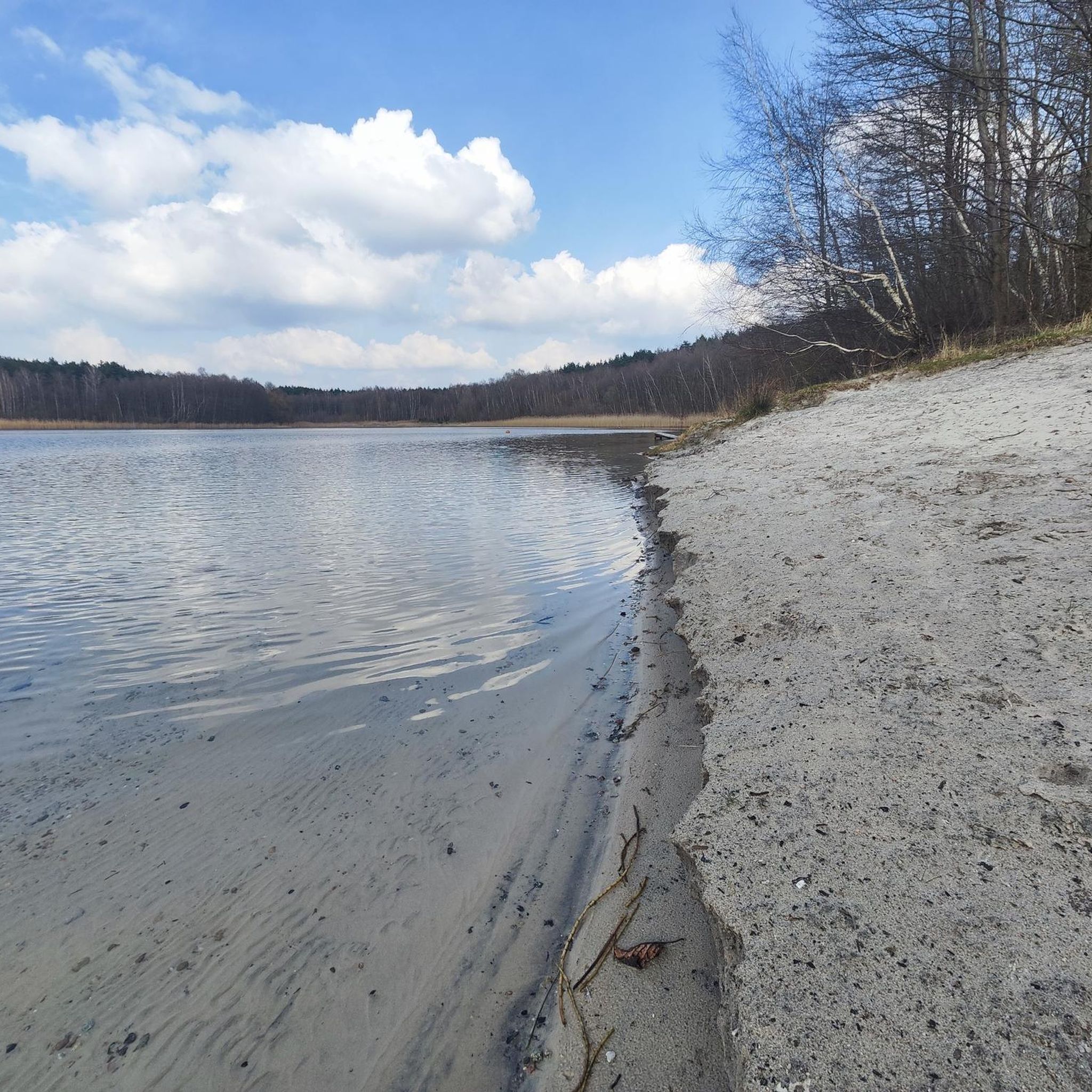
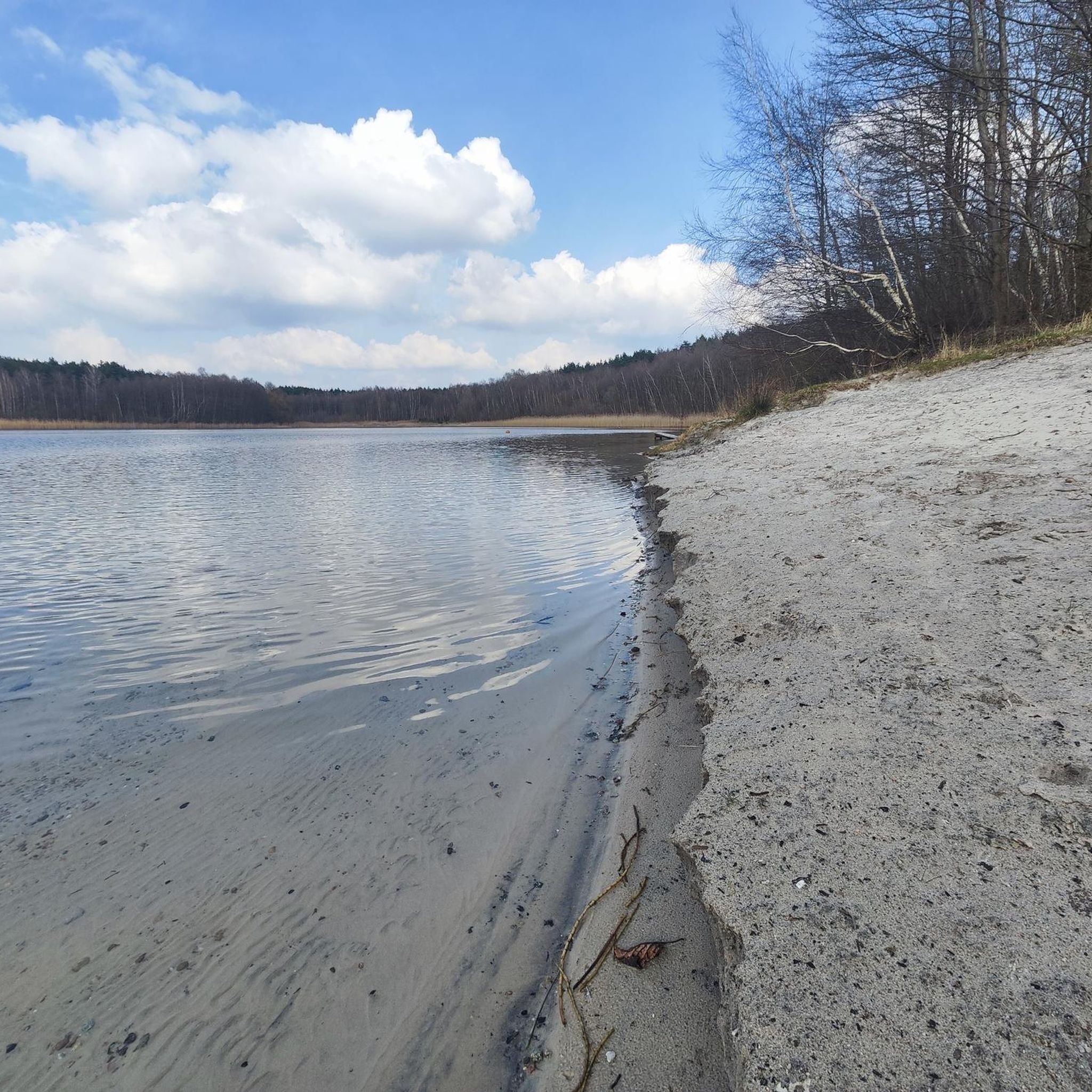
Nice, well-kept, large beach with catering facilities.
0
0

Since 1998, a monument commemorating Father Piotr Wawrzyniak has stood in Mogilno City Park – one of the most outstanding social and economic activists of the turn of the 20th century, sometimes called the "uncrowned king of Poland." 🧠 Who was Father Piotr Wawrzyniak? - Born in 1849, he died in 1910 in Poznań. - He was a clergyman, a member of the Prussian Parliament, and an organizer of cooperatives, people's banks, and educational institutions. - In Mogilno, he served as parish priest of St. James's Parish and became renowned as a tireless restorer of the monastery church and a local leader. 🏛️ Monument and Memorial - The monument is located in the central part of the City Park, near other memorials, such as the Monument to the Heroes of the Struggle for Polishness in the Mogilno Land and the plaque dedicated to John Paul II. - Wawrzyniak was buried in the Mogilno cemetery, where his tomb, designed by Stefan Cybichowski, is located, featuring a medallion by Władysław Marcinkowski.
0
0
🏛️ History and Architecture - The first mention of the parish in Wilczyn dates back to the 13th century, and St. Ursula's Church existed as early as 1348. - The current church was built of brick in the Gothic style in 1566 and consecrated in 1620. - The nave was extended in the 19th century, and a spacious porch was added on the western side at the end of the 20th century. - The church has a single nave, with a narrower and lower chancel enclosed by a polygonal arch. The chancel retains a reticulated vault, and the nave is covered by a ceiling. 🎨 Interior and Furnishings - The main altar is late Renaissance, with sculptures of St. Peter and Paul from the first half of the 17th century. - Two side altars are Baroque, from the 18th century. - Gothic sculpture of the Madonna and Child from 1420–1430, a work of the Czech-Silesian school. - Marble epitaph of Mikołaj Różycki, the church's founder. - Nine-stop organ from the 17th century, restored by J. Molina of Gotelp. - Stained glass windows from 1981, designed by Elżbieta and Andrzej Bednarski of Rypin. - Polychromes by Antoni Szulczyński, a renowned religious painter.
0
0
St. Martin's Church in Linówiec – a wooden branch church dedicated to St. Martin. 🪵 History and Construction - The church was founded in 1749 by the village owner, Sebastian Cząstkowski. - Built using log construction on a stone foundation, it is timbered and oriented – in keeping with tradition, the chancel faces east. - The church has a hall-like layout, without a separate chancel, and is enclosed on three sides. - The mansard roof, covered with sheet metal, is topped by an octagonal bell tower with an onion-shaped dome and a lantern. 🎨 Interior and Furnishings - The interior is covered with a flat ceiling with a coving, and the choir loft, supported by two columns, houses the organ case. - The main altar comes from the Reformed Friars Minor monastery in Pakość – Baroque, from the first quarter of the 18th century, with sculptures of adoring angels and a painting of the Marriage of the Blessed Virgin Mary to Joseph – a rare motif in church iconography. - At the top of the altar is an oval painting of St. Martin. - The side altar and pulpit represent the Baroque-folk style, from the turn of the 18th and 19th centuries. - Remnants of polychrome paintings have survived, as well as a granite stoup and a processional cross with the date "1756."
0
0
🪵 History and Foundation - The first chapel on this site was built in 1460, as part of the church hospital. It was dedicated to the Holy Spirit and the Holy Cross. - The current church was built in 1781 as a continuation of the sacred tradition of this place. - The name St. Thecla was likely given in honor of the wife of the church's founder. 🏛️ Architecture and Interior - The church is built using log construction, on a stone foundation typical of wooden rural churches. - It is a single-nave structure with a styleless, modest form, which adds to its authentic charm. - The interior is decorated in the late Baroque style, with three paintings in the main and side altars, dating from 1910. - A distinctive feature is the crucifix placed on the eastern wall of the chancel, covered by a gable roof.
0
0

The forge is impressive, it seems to be preserved in very good condition
0
0
Frequently Asked Questions
What are the best natural attractions to visit around Mogilno?
Mogilno is surrounded by beautiful natural features. You can enjoy the sandy shores of Wiczyn Lake Beach or Ostrowskie Lake Beach, both perfect for relaxation and water activities. The Park by Lake Mogileńskie offers a green oasis with walking paths and scenic views in the heart of the city. For panoramic vistas, consider visiting the Wydartowo Ridge Observation Tower.
What historical sites can I explore in and around Mogilno?
The region boasts a rich history. The Archaeological Open-Air Museum in Kownaty-Mrówki transports visitors to the Early Middle Ages with reconstructed strongholds and cottages. You can also visit the historic Benedictine Monastery, now housing the Order of Friars Minor Capuchin, known for its Romanesque crypts. The St. James the Greater Parish Church, a Gothic structure from 1511, and the Eclectic Town Hall, a 19th-century Neo-Gothic building, are also notable landmarks.
Are there family-friendly activities available in Mogilno?
Absolutely! Families can enjoy the sandy beaches at Wiczyn Lake Beach or Ostrowskie Lake Beach for swimming and relaxation. The Mogilno City Park provides modern playgrounds for children and a relaxing environment. The Archaeological Open-Air Museum in Kownaty-Mrówki offers an engaging look into history with its reconstructions of ancient settlements.
What kind of outdoor activities can I do near Mogilno's attractions?
Mogilno is great for outdoor enthusiasts. You can find numerous marked trails for hiking and cycling. For specific routes, explore the Easy hikes around Mogilno guide, which includes routes like the 'Bridge on the Gąsawka River – Lake Oćwieckie loop'. If you're into mountain biking, check out the MTB Trails around Mogilno for options like the 'Przybrodzin Beach loop'.
Where can I find unique cultural or religious sites?
The Wooden Church of St. Martin in Linówiec, founded in 1749, is a beautiful example of log construction with a Baroque main altar and remnants of polychrome paintings. It's also situated on the Way of St. James. Another significant religious site is the Benedictine Monastery, which features preserved Romanesque crypts, believed to be the oldest in Poland.
Are there any good spots for swimming or water sports?
Yes, the region is known for its lakes. Wiczyn Lake Beach and Ostrowskie Lake Beach are popular sandy beaches on Lake Wilczyńskie and Ostrowskie Lake, respectively, offering great spots for swimming and relaxation. Lake Mogileńskie also provides opportunities for water sports and hosts outdoor concerts in the summer.
What do visitors enjoy most about the attractions around Mogilno?
Visitors appreciate the diverse experiences Mogilno offers, from the historical depth of sites like the Archaeological Open-Air Museum to the natural beauty of its lakes and parks. The well-preserved historical buildings, such as the Wydartowo Village Smithy, and the serene atmosphere of the beaches are frequently highlighted.
Can I find easy hiking routes near Mogilno?
Yes, there are several easy hiking routes suitable for beginners. The Easy hikes around Mogilno guide lists options such as the 'Bridge on the Gąsawka River – Lake Oćwieckie loop' which is around 3.5 km, and the 'Jezioro Foluskie loop' at about 6 km, both offering accessible trails.
Are there any unique or lesser-known attractions in the area?
Beyond the main highlights, the region has interesting spots like the Wydartowo Village Smithy, a well-preserved 19th-century building with neo-Gothic features. The nearby village of Wylatowo gained fame for unexplained crop circles, attracting researchers of paranormal phenomena, offering a quirky point of interest.
What is the significance of the Monument to Father Piotr Wawrzyniak?
The Monument to Father Piotr Wawrzyniak, located in Mogilno City Park, commemorates a significant social and economic activist from the late 19th and early 20th centuries. His tomb in the Mogilno cemetery is considered one of the most beautiful in Wielkopolska, highlighting his lasting legacy in the region.
What kind of historical architecture can be seen in Mogilno?
Mogilno showcases a range of historical architecture. The Benedictine Monastery features Romanesque elements, particularly in its crypts. The St. James the Greater Parish Church is a Gothic structure from the 12th century, rebuilt in 1511. The Eclectic Town Hall is a notable 19th-century Neo-Gothic building, and the Wooden Church of St. Martin in Linówiec is a charming example of 18th-century log construction.
Are there any running trails around Mogilno?
Yes, if you enjoy running, there are several trails available. The Running Trails around Mogilno guide offers routes like the 'Running loop from Mogilno' which is about 8.5 km, and the 'Plaża GOSiR w Wilczynie loop' at around 7.8 km, providing options for different distances and difficulties.
Most popular routes around Mogilno

Get inspired with the komoot mobile app


Didn’t find what you were looking for?
Are you keen on exploring more awesome places nearby? Browse our guides:
Explore more
Still not found the Highlight you’re looking for? See guides of the top attractions in other regions:
