Attractions and Places To See around Kutno - Top 17
Best attractions and places to see around Kutno include a blend of historical sites, cultural institutions, and natural green spaces in central Poland. The city, situated on the Ochnia River, is known for its role as a railway junction and its annual Rose Festival. Visitors can explore well-preserved palaces, museums, and expansive parks, offering diverse experiences.
Best attractions and places to see around Kutno
- The most popular attractions is Sobota Market Square, a settlement that held city rights from 1393 to 1870. It is located in the Łódź Voivodeship.
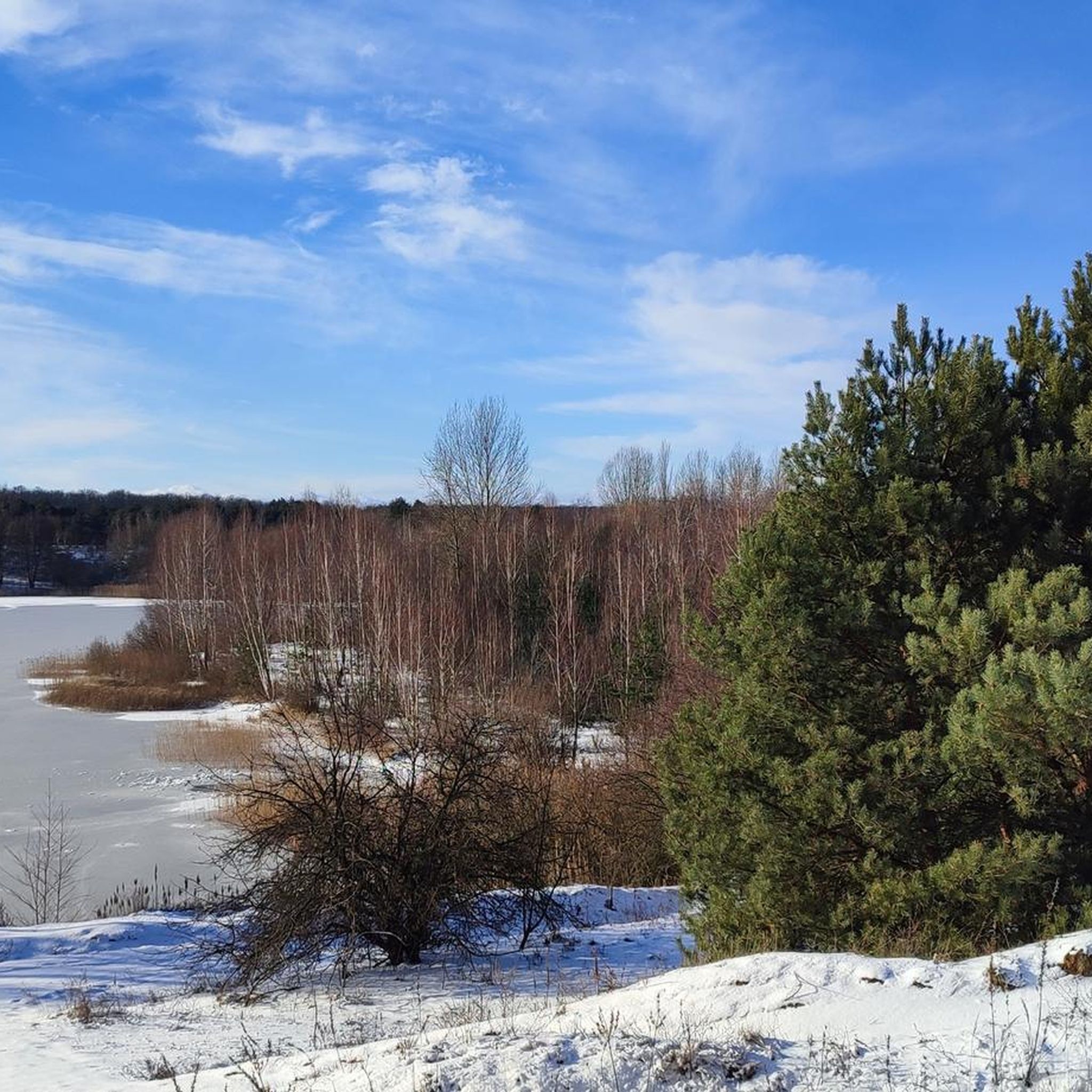
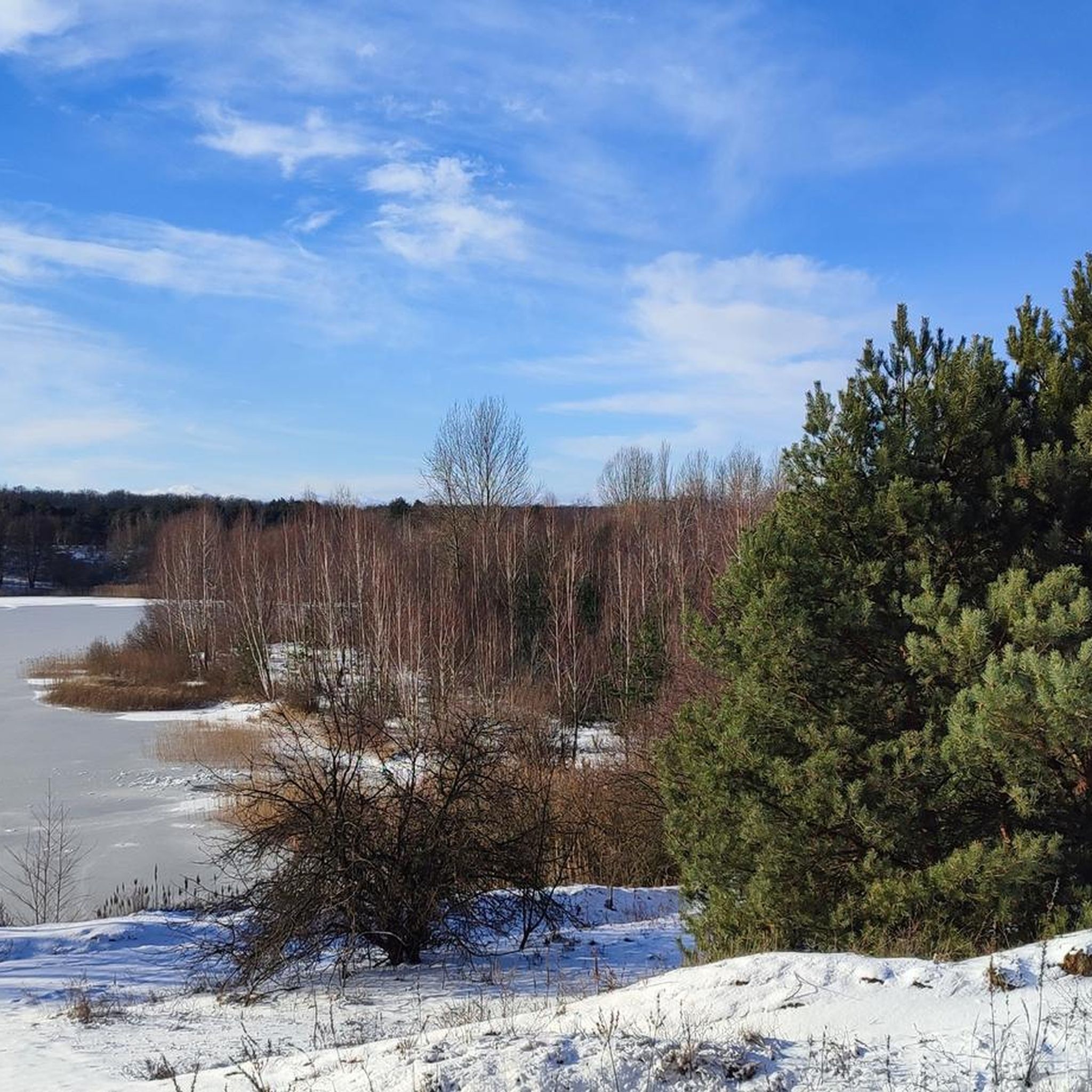
- Another must-see spot is Forester's lodge in the Perna Reserve, a facility located near a water reservoir. This peaceful spot in a forest setting provides benches and a designated area for bonfires.
- Visitors also love Saxon Palace Museum, a historical site that houses a museum. This restored palace was built in 1750 and once hosted Napoleon Bonaparte.
- Kutno is known for its historical sites, religious buildings, and natural parks. The region offers a variety of attractions to see and explore, from ancient churches to modern recreational facilities.
- The attractions around Kutno are appreciated by the komoot community, with 11 upvotes and 10 photos shared by visitors.
Last updated: July 15, 2026
St. Martin's Church and Pauline Monastery in Oporów
Highlight • Religious Site
Translated by Google •
Tip by

Church of Saints Peter and Paul in Sobota
Highlight • Religious Site
Translated by Google •
Tip by
Sign up now to discover places like this
Get recommendations on the best single tracks, peaks, & plenty of other exciting outdoor places.
Sign up for free
Sobota Market Square
Highlight • Settlement
Translated by Google •
Tip by

Saxon Palace Museum
Highlight • Historical Site
Translated by Google •
Tip by

Church of the Annunciation of the Blessed Virgin Mary and St. Barbara
Highlight • Religious Site
Translated by Google •
Tip by
Forester's lodge in the Perna Reserve
Highlight • Rest Area
Translated by Google •
Tip by

Kutno Train Station
Highlight • Rest Area
Translated by Google •
Tip by

Bust of Henry J. Hayes
Highlight • Monument
Translated by Google •
Tip by
Church of Our Lady of Grace
Highlight • Religious Site
Translated by Google •
Tip by
Orenice Manor House
Highlight • Historical Site
Translated by Google •
Tip by

Sign up for free to discover even more attractions around Kutno.
Sign up for free
Already have an account?
Start today with a free account
Your next adventure awaits.
Login or Signup

Tips from the Community

Bus stop with a cool mural.
0
0

getting out of the platforms a bit like in the Łowicz style
0
0

The station and the train station are first class. Access to the platforms is via a tunnel. Many elements are made of Corten steel. They really aren't "eye-popping" anymore!
1
0

Restored palace, which houses a museum. Built in 1750 on the orders of King Augustus III.
0
0

The parish in Sobota was established at the turn of the 13th and 14th centuries. After the fire of the first wooden church of the Holy Apostles Peter and Paul, in 1518 the castellan of Łęczyca Tomasz Sobocki founded the current one, dedicated to the Holy Apostles Peter and Paul, St. Anne and St. Isidore, which is reminded by the boulder in the external wall of the nave, above the window. The building fortunately survived the wars and has survived in an unchanged form to this day. From the source records it is known that in the 16th century in Sobota there was a hospital for the poor with its own church (hospital provostry), for which in 1544 the Archbishop Metropolitan of Gniezno and Bishop of Kraków Piotr Gamrat, Primate of Poland, donated the tithes of the archbishop's table in Żbików. This provostry still existed in the mid-18th century. The parish church is a defensive structure made of brick and stone. The buttresses-clad body includes a nave with a porch and a chancel with an annex, which houses the sacristy and the treasury. The building is decorated with wavy gables from the east and west. There is a modest portal in the western wall. The most characteristic element of the church, attesting to its defensive nature, is a small, round tower on the south, decorated with an arcade frieze and having gun slots. Inside, there are stairs leading to the attic. The interior of the church is interesting, with star vaults. The walls are decorated with polychromes from 1905-1907 by Apoloniusz Kędzierski and from 1936 by prof. Władysław Drapiewski, in which the sixteenth-century Renaissance sandstone tombstones of local owners were set: Tomasz and Jakub Sobocki, castellans of Łęczyca (two-story) and Tomasz Sobocki, chancellor of King Sigismund the Old, as well as epitaph tablets and the classicist tombstone of Cyprian Zawisza Czarny and his wife Maria (from the nineteenth century). The famous Artur Zawisza Czarny came from this family.
0
0
The manor house in Orenice was probably built at the turn of the 18th and 19th centuries. It is a building made of larch wood, boarded from the outside and reed from the inside. Its walls and ceiling are plastered. Once the manor house was covered with a shingle roof, currently with roofing felt. From the front, the manor house is decorated with a porch with two columns, topped with a gable. The building is surrounded by the remains of the manor park. The farm buildings of the farm have also been preserved. It currently belongs to a private person and has been renovated, and can be viewed from behind the fence.
0
0
The original parish church of St. Martin mentioned in 1399 was made of wood. The brick church in the Gothic style was built in the first half of the 15th century, and its construction was started before 1425 by Mikołaj Oporowski, the voivode of Łęczyca. The construction was completed by his sons Władysław Oporowski, after taking over the family estate in 1428, Władysław was the bishop of Włocławek from 1434, later the archbishop of Gniezno and primate of Poland, and Piotr Oporowski - the voivode of Łęczyca. The single-nave church with an unseparated presbytery and a burial crypt was built on the plan of an elongated rectangle, with a porch on the southern side. The interior was covered with a wooden ceiling. The modest decoration of the external elevations consisted of white plastered pointed arch panels, a brick frieze made of squared timber crowning the walls of the nave and rhombuses made of zendrówka bricks. The western elevation was most likely crowned with a decorative gable, as evidenced by two half-peaks preserved under the roof by the tower. In 1453, the Oporowskis - Władysław and Piotr donated the church to the Order of St. Paul the First Hermit, the rule of St. Augustine. The motive was the desire to honor the memory of Krystyna and Mikołaj Oporowski's parents, buried in the church's basement. The church building is connected to the monastery building.
0
0
It is a wooden larch church with a log structure, covered with a gable roof covered with shingles, with a cupola over the porch. On the roof there is a turret with a bell tower. The temple is oriented, single-nave, with a narrower and lower chancel, built on a rectangular plan. A brick sacristy adjoins the church. The main altar contains the oldest monument, a late Gothic sculpture of the Virgin Mary with Child, from the beginning of the 15th century, covered by a painting of St. Joseph from the second half of the 18th century. In the two side altars there are paintings from the turn of the 18th and 19th centuries, depicting: the Annunciation of the Blessed Virgin Mary and St. Barbara. Also noteworthy are the 18th-century baptismal font and stoup, the pulpit, Stations of the Cross from the end of the 19th century, a neo-Baroque cross from the 19th century, a neo-Gothic monstrance from the end of the 19th century and a neo-Baroque chalice from 1885. In front of the entrance to the church there is a four-sided wooden bell tower from the 18th century.
0
0
Frequently Asked Questions
What historical sites can I explore around Kutno?
Kutno and its surroundings offer a rich history. You can visit the well-preserved Gothic St. Martin's Church and Pauline Monastery in Oporów, or the Saxon Palace Museum, where Napoleon Bonaparte once stayed. Other notable sites include the Oporów Castle and Park, the Old Town Hall (housing the Regional Museum), and the Gierałty Palace Complex.
Are there any natural attractions or parks in Kutno?
Yes, Kutno boasts several green spaces. The Forester's lodge in the Perna Reserve offers a peaceful forest setting near a water reservoir, ideal for relaxation. Within the city, you can enjoy City Park Traugutt, known for its rose plantings, Park Wiosny Ludów (over 40 acres), and the modern City Park by the Ochnia River.
What cultural experiences does Kutno offer?
Kutno is home to the Kutno Cultural Centre (KDK), the city's largest cultural institution, which hosts various artistic events, exhibitions, and workshops. The Stefan Żeromski Municipal and District Public Library is another hub for literary and cultural activities. Additionally, the city hosts the annual Kutno Rose Festival, a vibrant event celebrating roses with displays, contests, and entertainment.
What outdoor activities can I do near Kutno?
The area around Kutno is great for outdoor activities. You can find various routes for cycling, gravel biking, and easy hikes. For example, there are easy cycling routes like the 'Oporów Castle – Oporów Castle and Park loop' and easy hikes such as the 'Zalew Kutno – Pałac Saski loop'. You can explore more options on the Cycling around Kutno, Gravel biking around Kutno, and Easy hikes around Kutno guide pages.
Are there any family-friendly attractions in the Kutno area?
Many attractions around Kutno are suitable for families. The Sobota Market Square, with its historical significance, and the Forester's lodge in the Perna Reserve, with its natural setting and bonfire area, are popular choices. Parks like City Park Traugutt also provide pleasant environments for family outings.
What is the significance of Kutno's railway station?
Kutno has been an important railway junction since the 19th century. The Kutno Train Station itself is considered a historical point of interest, reflecting the city's role in regional transportation.
Can I visit Oporów Castle and Park?
Oporów Castle and Park is a significant regional highlight. This well-preserved Gothic-style palace, built in the 15th century, features a moat and a park. It houses an interesting interior exhibition, making it a key historical destination near Kutno.
Are there any museums in Kutno?
Yes, Kutno has several museums. The Saxon Palace Museum, located in a restored 18th-century palace, showcases historical artifacts. The Old Town Hall also houses the Regional Museum, which preserves mementos and records from Kutno's past. Additionally, the Museum of the Bzura Battle focuses on a significant event from World War II.
What is the Kutno Rose Festival?
The Kutno Rose Festival is an annual event, typically held at the beginning of September. It celebrates the city's association with roses, featuring beautiful rose displays, a contest for the most beautiful rose, and various outdoor activities including music concerts and funfairs.
Are there any religious buildings of historical interest?
Absolutely. The St. Martin's Church and Pauline Monastery in Oporów is a beautiful 15th-century Gothic church. Other notable religious sites include St. Lawrence Church (Neo-Gothic, built 1886), St. Stanley Parish Church, and the Evangelical Church.
What is the Orenice Manor House?
The Orenice Manor House is a single-story larch manor, likely built at the turn of the 18th and 19th centuries. While it is private property and not open for tours, it has been renovated, and visitors can view it from behind the fence, appreciating its historical architecture.
Most popular routes around Kutno

Get inspired with the komoot mobile app


Didn’t find what you were looking for?
Are you keen on exploring more awesome places nearby? Browse our guides:
Explore more
Still not found the Highlight you’re looking for? See guides of the top attractions in other regions:
