Attractions and Places To See around Thulendorf - Top 20
Attractions and places to see around Thulendorf offer a tranquil escape with convenient access to the wider Rostock district and Mecklenburg-Vorpommern region. This small municipality is characterized by its peaceful environment and natural surroundings, providing opportunities for outdoor activities. Its location allows for exploration of numerous lakes, forests, and coastal areas. Visitors can discover a variety of natural and cultural sites, including historical cities and significant landmarks.
Best attractions and places to see around Thulendorf
- The most popular attractions is…
Last updated: August 30, 2026
Rostock City Harbor
Highlight • Settlement
Translated by Google •
Tip by

Main Building, University of Rostock
Highlight • Historical Site
Translated by Google •
Tip by

Sign up now to discover places like this
Get recommendations on the best single tracks, peaks, & plenty of other exciting outdoor places.
Sign up for free
New Market, Rostock
Highlight • Historical Site
Translated by Google •
Tip by

Rostock Town Hall
Highlight • Monument
Translated by Google •
Tip by

Rostock City Harbor
Highlight • Settlement
Translated by Google •
Tip by

Sign up for free to discover even more attractions around Thulendorf.
Sign up for free
Already have an account?
Start today with a free account
Your next adventure awaits.
Login or Signup

Tips from the Community

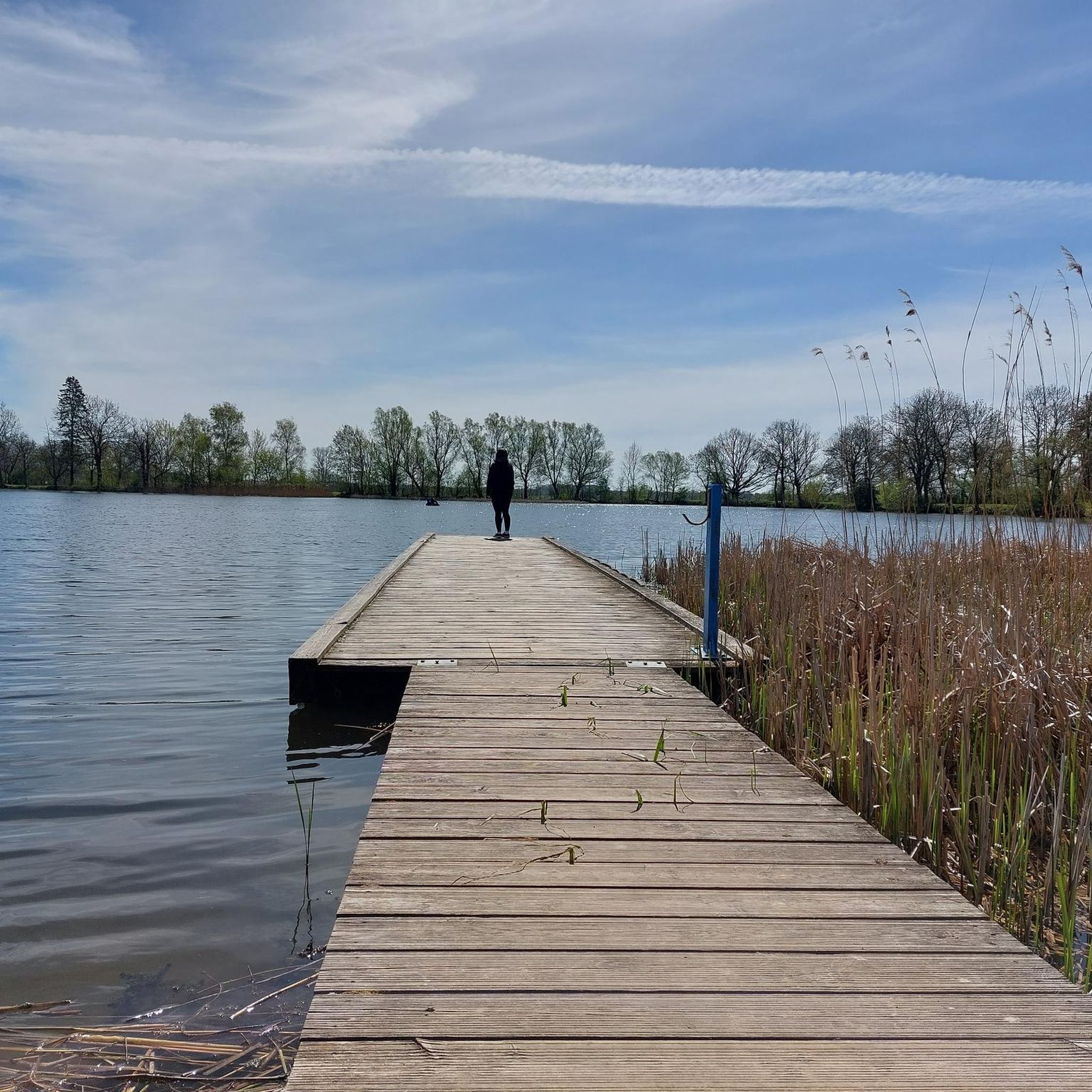
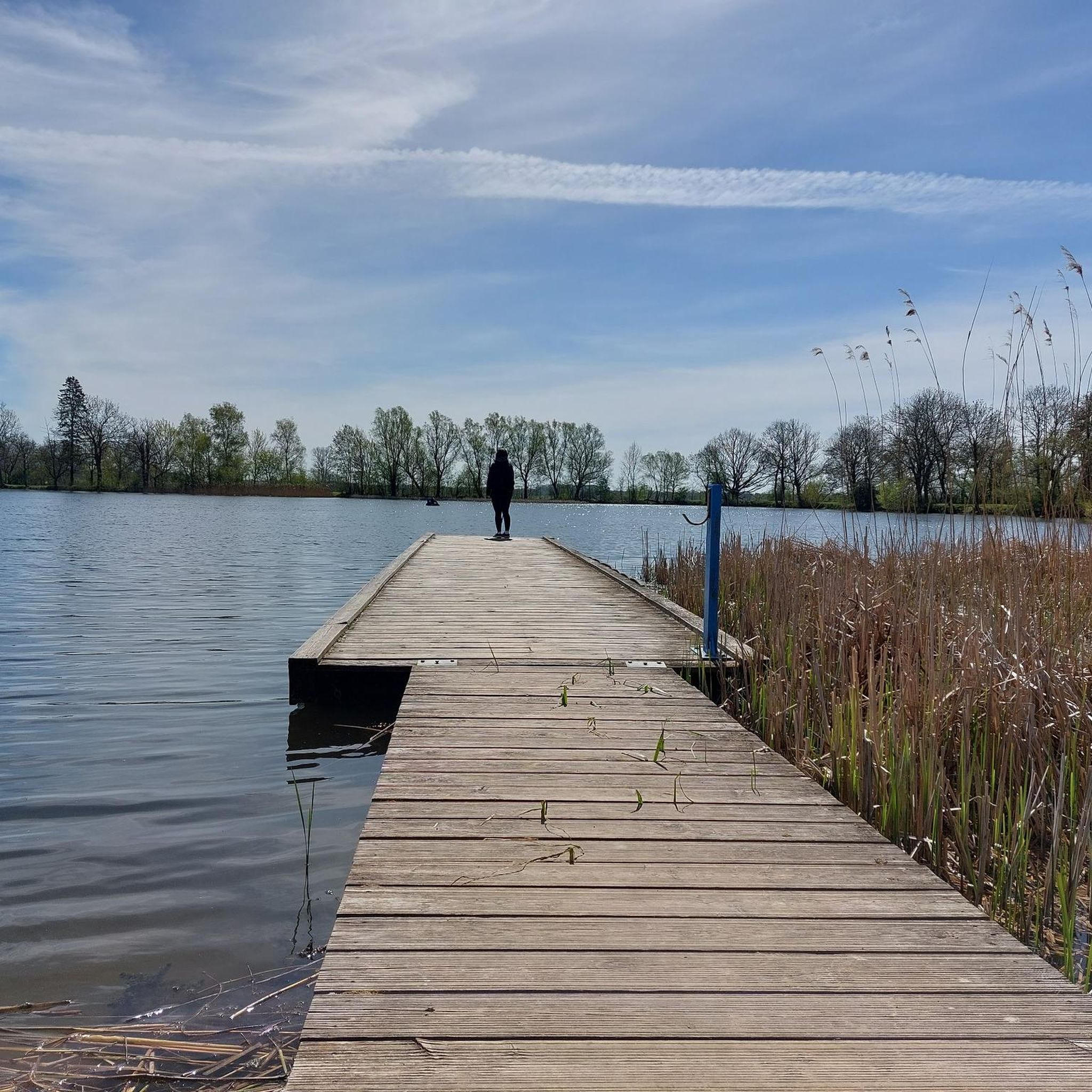
Very nice place for a little break. Great viewpoint
2
0

At over 700 years old, it is probably the oldest town hall in Germany built in the Gothic brick style. Between 1270 and 1290 there were already two connected gabled houses, to which a third was soon added. Later, these three houses were visually combined into one building by a high display wall with seven towers. A richly decorated Gothic porch with a portico soon followed. From the roof of this portico, the "Burspraken", the regulations issued by the council, were once read out to the Rostock residents gathered in the market, while court sessions took place below. The town hall also served as a trading center for the citizens. Both floors were used for commercial purposes. At the foot of the town hall, on the entrance column, lies a snake. The first records of it date from the early 19th century. Its meaning has not yet been clearly established. As a symbol of wisdom, it could have helped the councillors in difficult situations, been a measure of eel for the fish trade on the New Market, or it served journeymen as proof that they had also been to Rostock on their travels. The snake was damaged or stolen several times over the years. In 1998, the artist Erhard John created the mythical creature out of bronze: a snake with an eel's tail. The new snake was presented to the city on its 780th anniversary and was named "Johannes". Stroke the snake Johannes on the head - that is supposed to bring good luck! https://www.ostsee.de/rostock/rathaus.php
13
1

Beautiful town hall - there is a restaurant in the town hall cellar. If you stand in front of it and look down, you can see the glass windows in the cellar from the outside. The color scheme alone shows that people wanted to show off their wealth here.
9
1

There's a lot to look at here, so it's worth taking a break
2
0

Today's main building of the University of Rostock essentially consists of two parts. The southern wing, the New Museum, was built in 1844 as a "museum for the University of Rostock". On the site of the old university, the White College, the central building and the right wing were built between 1867 and 1870.
7
0
The transition in the street "Hinter dem Rathaus" connects the Stadthaus with the Rathaus. The Rostock griffin with the year 1907 is depicted on the façade.
8
0
Used as a car park for many years, since 2000 the Neuer Markt has been what it was for centuries: Rostock's central market square in front of the town hall. There is also a weekly market here - Tuesday to Friday 10 a.m. to 5 p.m. and Saturday 8 a.m. to 1 p.m.
10
0
The city harbor with its banks of the Warnow is a popular promenade with restaurants, shops and large warehouses. All goods handling was concentrated here until the seaport opened in 1960.
2
0
Frequently Asked Questions
Are there family-friendly attractions near Thulendorf?
Yes, several attractions in the vicinity of Thulendorf are suitable for families. The Rostock City Harbor offers a vibrant atmosphere with events like the Hanse Sail and is a great place for a stroll. The Main Building, University of Rostock, and Rostock Town Hall are historical sites that can be interesting for older children. Additionally, the Rostock Zoo is a popular family attraction in the nearby city of Rostock.
What historical and cultural sites can I explore near Thulendorf?
The region around Thulendorf is rich in history and culture. You can visit the Main Building, University of Rostock, one of Germany's oldest universities, or the Rostock Town Hall, a significant example of Brick Gothic architecture. The Kröpeliner Gate, part of Rostock's historic city fortifications, also offers a glimpse into the past. Further afield, UNESCO World Heritage cities like Wismar and Stralsund showcase medieval urban structures.
What natural attractions and outdoor activities are available around Thulendorf?
Thulendorf is surrounded by natural beauty, offering opportunities for outdoor activities. The broader Rostock district features numerous lakes, forests, and diverse landscapes ideal for nature enthusiasts. You can explore protected areas like Müritz National Park or Jasmund National Park, known for ancient beech forests and rich wildlife. For more information on the region's nature, you can visit visit-mv.com.
Are there good hiking opportunities around Thulendorf?
Yes, there are several hiking routes near Thulendorf. You can find easy to moderate trails, such as the "Forstamt Billenhagen – Schneckenweg Trailhead Parking loop from Rothbeck" (7.2 km, easy) or the "Großer Stein loop from Sanitz" (11.7 km, moderate). For more options, explore the Hiking around Thulendorf guide or the Easy hikes around Thulendorf guide.
Can I find cycling routes near Thulendorf?
Absolutely. The area around Thulendorf is suitable for road cycling. Routes vary in difficulty, such as the "Stadtkirche Tessin loop from Sanitz (b Rostock)" (25.6 km, easy) or the "Goldenitz Country School Museum – Miniland Göldenitz loop from Sanitz (b Rostock)" (52.3 km, moderate). Discover more options in the Road Cycling Routes around Thulendorf guide.
When is the best time to visit Thulendorf and its surrounding attractions?
The best time to visit Thulendorf and the surrounding Mecklenburg-Vorpommern region largely depends on your preferred activities. Summer (June to August) is ideal for outdoor activities, coastal visits, and events like the Hanse Sail in Rostock. Spring and autumn offer milder weather, perfect for hiking and cycling, with beautiful natural scenery. Winter provides a quiet, tranquil escape, though some attractions might have reduced hours.
What can I do in the nearby city of Rostock?
Rostock, a significant Hanseatic city, offers a wealth of activities. You can explore the vibrant Rostock City Harbor, visit the historic Rostock Town Hall, or admire the Kröpeliner Gate. St. Peter's Church provides panoramic city views, and the Rostock Zoo is a popular attraction. The charming seaside town of Warnemünde, with its promenade and lighthouse, is also easily accessible from Rostock.
Are there any coastal attractions or beaches accessible from Thulendorf?
While Thulendorf itself is inland, its location provides convenient access to the Baltic Sea coast. The charming seaside town of Warnemünde, near Rostock, is a popular destination featuring a vibrant promenade, a historic lighthouse, and sandy beaches. It's an excellent spot for enjoying the sea and coastal atmosphere.
What makes the Rostock City Harbor a popular attraction?
The Rostock City Harbor is a vibrant area with a rich history, serving as a popular promenade. It hosts the annual Hanse Sail, a major maritime event, and offers numerous dining options and cultural venues like the Theater im Stadthafen. Its historical significance as a trade hub and its lively atmosphere make it a favorite among visitors and locals alike.
What is the significance of the University of Rostock?
The Main Building, University of Rostock, represents one of Germany's oldest universities, founded in 1419. It is also the oldest university in the Baltic Sea region. Its historical importance and architectural presence on the Rostock University Square make it a notable landmark and a key part of the city's cultural heritage.
Are there any UNESCO World Heritage Sites near Thulendorf?
Yes, the region of Mecklenburg-Vorpommern, accessible from Thulendorf, is home to UNESCO World Heritage Sites. The historic Hanseatic cities of Wismar and Stralsund are recognized for their well-preserved medieval urban structures and distinctive Brick Gothic architecture. These cities offer a fascinating glimpse into the region's rich history and cultural heritage.
What kind of architecture can I expect to see in the area?
The region is renowned for its Brick Gothic architecture, particularly evident in the Hanseatic cities. You can see examples like the Rostock Town Hall and the Kröpeliner Gate. Beyond Rostock, cities like Wismar and Stralsund showcase extensive medieval brick structures, and the region also features over 2000 castles and manor houses, offering a diverse architectural landscape.
Most popular attractions around Thulendorf

Get inspired with the komoot mobile app


Explore more
Still not found the Highlight you’re looking for? See guides of the top attractions in other regions:
