Attractions and Places To See around Tuam - Top 9
Best attractions and places to see around Tuam include a mix of historical sites and natural landscapes. Located in County Galway, Tuam is known for its rich history, featuring ancient landmarks and significant ecclesiastical structures. The area offers diverse opportunities for exploration, from monastic settlements to scenic natural spaces. Visitors can discover a variety of historical and natural points of interest.
Best attractions and places to see around Tuam
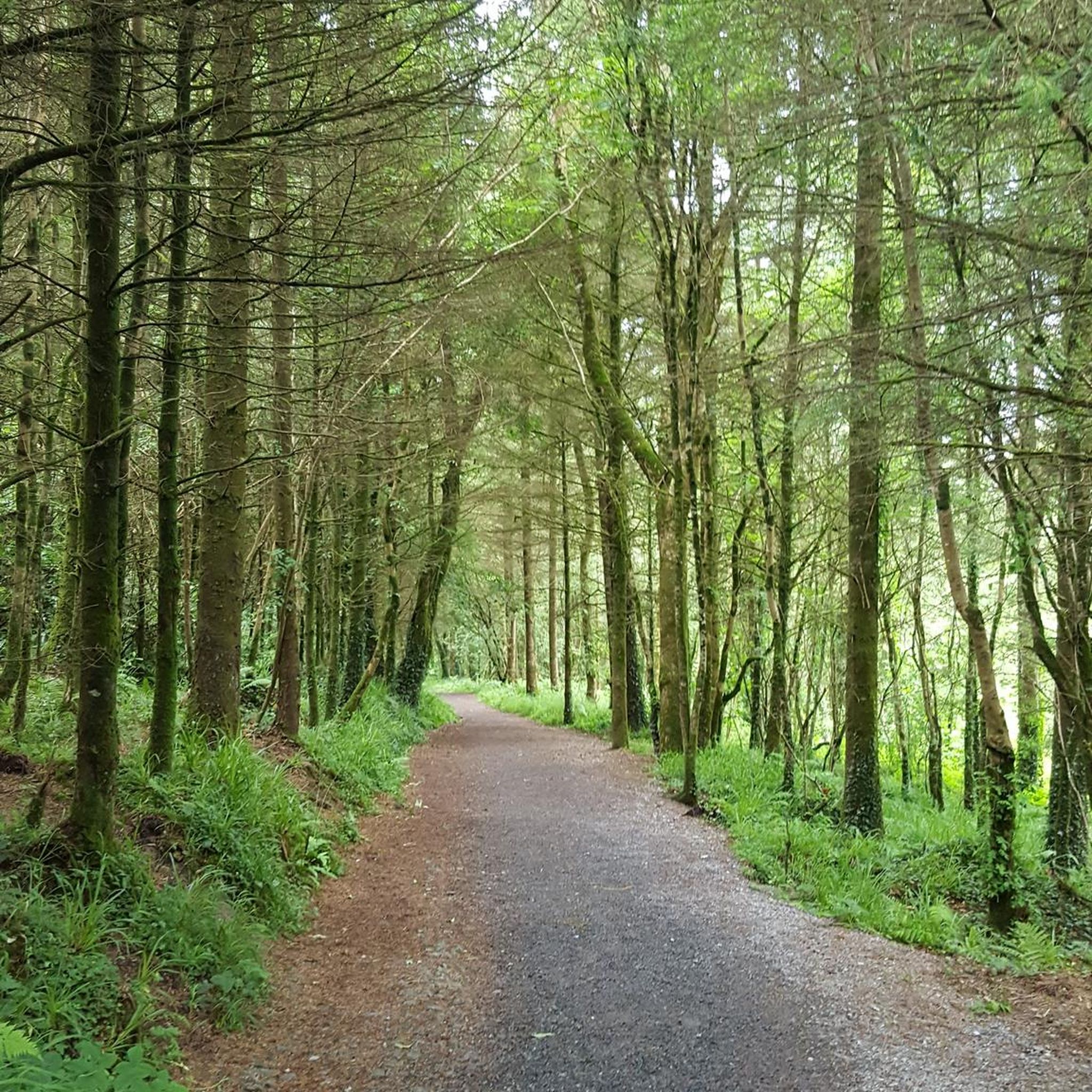
- The most popular attractions is Knockma Fairy Forest and Viewpoint, a forest that is said to be the home of the King of the Connacht fairies. The cairns at the top are thought to be Queen Maeve of Connacht's burial place.
- Another must-see spot is Shrule Castle, a castle located in the village of Shrule. This fine castle commands the bridge over the Black River and features walls nearly 9 feet thick at its base.
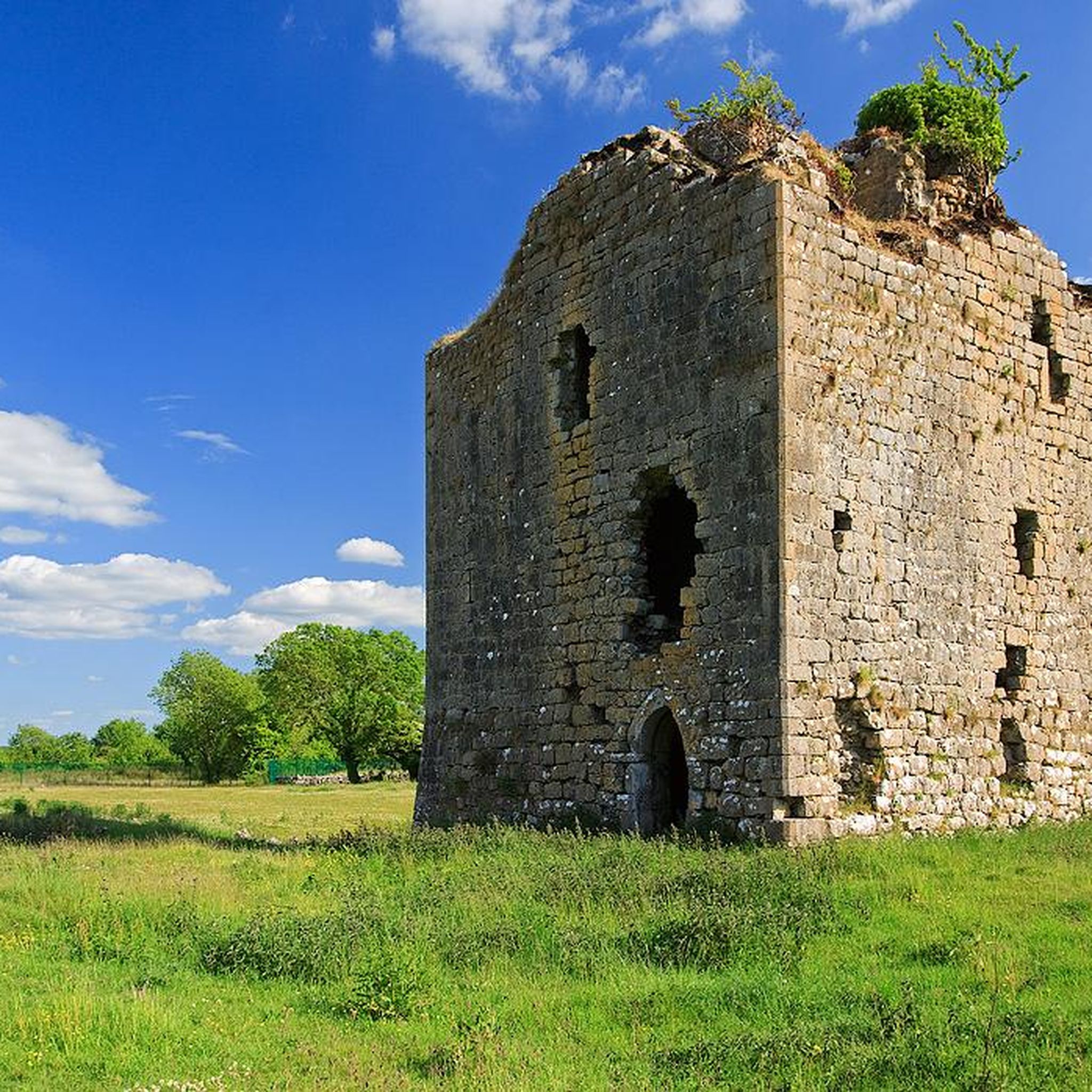
- Visitors also love Castle Hackett Ruins, a 13th-century castle that was developed into a four-story tower. It has been growing more derelict since 1703 when it was abandoned.
- Tuam is known for its historical sites, castles, and natural features. The region offers a variety of attractions to see and explore, including religious buildings and forests.
- The attractions around Tuam are appreciated by the komoot community, with 14 upvotes and 17 photos shared across 9 highlights.
Last updated: July 1, 2026
Knockma Fairy Forest and Viewpoint
Highlight • Forest
Tip by

Castle Hackett Ruins
Highlight • Castle
Tip by
Sign up now to discover places like this
Get recommendations on the best single tracks, peaks, & plenty of other exciting outdoor places.
Sign up for free
Shrule Castle
Highlight • Castle
It was owned by the Chief of the MacWilliam Burke lochtair family who relieved it from an attack by the Lord President of Connacht, and the Earl of Clanricarde in 1570.
The walls are nearly 9 feet thick at the damaged base giving it an impressively strong foundation and a strong resistance to incoming attack!
Tip by

Knockmoy Abbey
Highlight • Historical Site
Tip by
Fairy Walk
Highlight (Segment) • Trail
Translated by Google •
Tip by

Killursa Church Ruins
Highlight • Religious Site
Tip by

Cloghanower Tower
Highlight • Castle
Tip by
Tuam Cathedral
Highlight • Religious Site
Tip by
Dunmore Abbey
Highlight • Religious Site
Tip by
Start today with a free account
Your next adventure awaits.
Login or Signup

Tips from the Community

Many large and small figures are scattered along the path to the left and right, and not only children’s eyes light up
1
0

Well preserved (likely restored ) ruins of this 7th C church presumably of Saint Ursa. Please be mindful of local people paying respects at the beautifully kept cemetery which is the prime occupant of the site
0
0

Take the short detour into Knockma Woods to see Castle Hackett. It was built in the 13th century and developed in the 16th century to the four storey tower you can still see today. It has been growing more derelict since 1703 when it was abandoned by the Kirwan family in favour of the luxury of a nearby manor house.
1
0
Knockma is a true fairy forest. It is said that Finvarra, the King of the Connacht fairies calls it his home. The cairns at the top are also thought to be Queen Maeve of Connacht's burial place. It is also said that Noah's granddaughter Ceasair was buried underneath the central cairn. It bears the inscription of her name 'Carn Ceasra'. It is possible that the hill was an important location for ceremonies during Neolithic times.
1
0
Wonderfully reclaimed by nature, Castle Hackett was built in the 13th century and developed in the 16th century to the four storey tower you can still see today. It has been growing more derelict since 1703 when it was abandoned by the Kirwan family in favour of the luxury of a nearby manor house.
1
0

The Cathedral Church of Saint Mary is a stunning building. The first cathedral on this site dates to the 12th century when Turlough O'Conor was high King of Ireland. After this burnt down, there were two further versions of the cathedral built to accomadate the increasing anglican population.
2
0
The final remains of Cloghanower castle. All that is left is the south west wall of a tower with a bartizan on the south corner. An impressive structure with incredibly thick walls.
2
0
This fine castle sits right in the middle of the village of Schrule and commands the bridge over the Black River on the Mayo Border. It was owned by the Chief of the MacWilliam Burke lochtair family who relieved it from an attack by the Lord President of Connacht, and the Earl of Clanricarde in 1570. The walls are nearly 9 feet thick at the damaged base giving it an impressively strong foundation and a strong resistance to incoming attack!
1
0
Frequently Asked Questions
What historical sites can I explore in Tuam?
Tuam is rich in history. You can visit the impressive Knockmoy Abbey, a Cistercian monastery built in 1189. The town also features Tuam Cathedral, which incorporates a stunning 12th-century Romanesque chancel arch and houses the 12th-century High Cross of Tuam. Other significant sites include Temple Jarlath, marking the earliest monastic settlement, and the Chair of Tuam, a remnant of the O'Connor castle.
Are there any ancient castles near Tuam?
Yes, several ancient castles are located near Tuam. You can explore the wonderfully derelict Castle Hackett Ruins, a 13th-century tower house. Another notable site is Shrule Castle, which features walls nearly 9 feet thick at its base and commands the bridge over the Black River. Additionally, you can find Cloghanower Tower, another historical castle structure in the area.
Where can I learn about Tuam's industrial past?
To learn about Tuam's industrial past, visit The Mill Museum. It is the only preserved water-powered corn mill in the west of Ireland, with origins dating back to the 17th century. The museum features an operating water wheel, an audiovisual display, and the restored Miller's House, showcasing domestic life.
What natural attractions are there around Tuam?
For natural beauty, Knockma Fairy Forest and Viewpoint is a must-see, known for its mythical connections and scenic trails. The Palace Grounds offer a sprawling public park with beautiful walkways and ancient beech trees. You can also explore Monivea Woods, featuring ancient trees and local wildlife.
Are there good hiking or walking trails near Tuam?
Absolutely. The Knockma Fairy Forest and Viewpoint offers a 2.6-mile Forest Trail Loop. The Monivea Woods Loop provides an easy 3.5-mile hike through ancient trees. For a self-guided exploration of the town's history and nature, follow the Tuam Heritage and Nature Trail. You can find more hiking options on the Hiking around Tuam guide.
Are there family-friendly activities or places to visit in Tuam?
Yes, Tuam offers several family-friendly options. Knockma Fairy Forest and Viewpoint is considered family-friendly and is steeped in folklore, making it an enchanting visit for children. The Palace Grounds feature a playground and river walk. Additionally, the Fairy Walk is designed to delight with many figures scattered along the path.
What outdoor activities can I do near Tuam's attractions?
Beyond walking and hiking, you can enjoy cycling and mountain biking. Tuam Golf Club offers a premier parkland course for golf enthusiasts. For more structured routes, check out the Cycling around Tuam guide for various cycling tours, and the MTB Trails around Tuam guide for mountain biking adventures.
What is the Tuam Heritage and Nature Trail?
The Tuam Heritage and Nature Trail is a clearly signposted route throughout the town. It allows visitors to embark on a self-guided exploration, connecting Tuam's historical sites with its natural environment, offering insights into both its past and its green spaces.
Are there any unique local legends or folklore associated with Tuam's attractions?
Yes, Tuam is rich in folklore. Knockma Fairy Forest and Viewpoint is famously believed to be the home of Finvarra, the King of the Connacht fairies. The cairns at its summit are thought to be the burial place of Queen Maeve of Connacht. The Cathedral of the Assumption is also said to be built on the site where Saint Jarlath's chariot wheel broke, an event central to the town's founding.
What is the best time of year to visit Tuam for outdoor activities?
The best time to visit Tuam for outdoor activities is generally during the spring (April-May) and summer (June-August) months. During these periods, the weather is milder and drier, making it ideal for hiking, cycling, and exploring the natural and historical sites. Autumn can also be pleasant with vibrant foliage.
Are there dog-friendly walking options around Tuam?
Many natural areas around Tuam, such as the Palace Grounds and Monivea Woods, are generally dog-friendly, especially if dogs are kept on a leash. It's always advisable to check local signage or specific park rules for any restrictions before visiting with your pet.
Where can I find a peaceful park or green space in Tuam?
The Palace Grounds are considered the 'green lung' of Tuam. Once the private demesne of the Bishops of Tuam, this sprawling public park offers beautiful walkways, a playground, and a river walk, providing a serene escape within the town.
Most popular routes around Tuam

Get inspired with the komoot mobile app


Didn’t find what you were looking for?
Are you keen on exploring more awesome places nearby? Browse our guides:
Explore more
Still not found the Highlight you’re looking for? See guides of the top attractions in other regions:
