Attractions and Places To See around Vukovar - Top 14
Best attractions and places to see around Vukovar include a blend of historical sites, cultural landmarks, and natural features. Situated at the confluence of the Vuka and Danube rivers, the city offers insights into its past and showcases its natural beauty. Visitors can explore significant memorials, ancient archaeological sites, and scenic riverfront areas. The region provides a diverse range of attractions for those interested in history, culture, and outdoor exploration.
Best attractions and places to see around Vukovar
- The most popular attractions is Vukovar Water Tower, a man_made_monument that is a symbol of the city's suffering and resistance during the Homeland War. It now offers an observation deck with panoramic views.
- Another must-see spot is Vukovar Memorial Cross, a man_made_monument. It honors and remembers those who gave their lives for a free and independent Croatia.
- Visitors also love 3D mural on the pedestrian bridge over the Vuka River, a bridge featuring a 3D illusion. It is located over the Vuka River.
- Vukovar is known for its historical sites, cultural museums, and natural river landscapes. The area offers a variety of attractions to see and explore, from ancient archaeological finds to memorials and scenic river promenades.
- The attractions around Vukovar are appreciated by the komoot community, with 66 upvotes and 14 photos shared.
Last updated: July 15, 2026
Vukovar Water Tower
Highlight • Monument
Translated by Google •
Tip by

Vukovar Memorial Cross
Highlight • Monument
Translated by Google •
Tip by
Sign up now to discover places like this
Get recommendations on the best single tracks, peaks, & plenty of other exciting outdoor places.
Sign up for free
3D mural on the pedestrian bridge over the Vuka River
Highlight • Bridge
Tip by

Bust of Dr. Franjo Tuđman, Vukovar
Highlight • Monument
The siege of the city by the Yugoslav People's Army lasted 87 days and ended on November 18, 1991. When the soldiers marched into the now almost completely destroyed city that day, 15,000 people were still living there. Many of them had sought refuge in the Vukovar hospital during the bombardment.
Translated by Google •
Tip by

Vukovar Water Tower (Vukovarski Vodotoranj)
Highlight • Monument
Translated by Google •
Tip by

Franco Bisagni Bust
Highlight • Monument
Translated by Google •
Tip by
Memorial Home of Croatian Defenders on Trpinjska Road
Highlight • Monument
The building is made in the shape of a tightly clenched fist, which symbolizes the strength with which Vukovar defended itself against aggression. In the center of the House is a chasm with
with the dome of the destroyed tank of the former JNA, and around it are written the names of the fallen members of the 204th Vukovar Brigade. On 12 video screens in the walls
you can see war photos and videos of early events and hear authentic war reports.
In front of the Memorial House is a tank as a sign of the force that was broken by the brave defenders and a bust of Blaga Zadra, the hero of the city of Vukovar who fought and
led the defenders precisely in this part of Vukovar.
Translated by Google •
Tip by

Vučedol Culture Museum
Highlight • Historical Site
adults – € 6,00 per person (40 HRK)
Tip by

Memorial cemetery for war victims at Vukovar
Highlight • Historical Site
Translated by Google •
Tip by
Dudik Memorial Park
Highlight • Monument
The memorial is designed by Bogdan Bogdanovic
It’s located on a strange place in a “corner” of the city behind the football field.
I stumbled across it and was surprised by the looks of peaking cones above the rooftops of the neighborhood houses.
Tip by

Sign up for free to discover even more attractions around Vukovar.
Sign up for free
Already have an account?
Start today with a free account
Your next adventure awaits.
Login or Signup
Popular around Vukovar
Tips from the Community

Vučedol Culture Museum (Croatian: Muzej vučedolske kulture) is a museum of prehistoric culture in at Vučedol, near the city of Vukovar. The location was first inhabited around 6,000 B.C. and was inhabited intensively through the whole of prehistory. Municipality is busy with a new project including the reconstruction of archaeological settlement, planetarium and restaurant. It’s not sure how long this project will take
0
0

It's visible from afar. It commemorates the 1991 massacre.
0
0
This city cemetery is as well a memorial site for victims of civil war
0
0
One of former Yugoslav memorials, built in 1980. The monument is built to commemorate 455 persons executed on this site during 2nd World War. The memorial is designed by Bogdan Bogdanovic It’s located on a strange place in a “corner” of the city behind the football field. I stumbled across it and was surprised by the looks of peaking cones above the rooftops of the neighborhood houses.
0
0

The Vukovar Water Tower is a building in Vukovar, a symbol of the city's suffering and resistance during the Homeland War.
2
0

It was erected in honor and memory of all those who gave their lives for a free and independent Croatia. The author of the memorial cross is the Croatian sculptor Šime Vidulin from Pula. The cross was placed in October 1998. It is a gift from the Croatian Navy of the Pula assembly area.
0
0

During the three months of the Battle of Vukovar, up to 8,000 shells fell every day, a total of six million projectiles. The siege of the city by the Yugoslav People's Army lasted 87 days and ended on November 18, 1991. When the soldiers marched into the now almost completely destroyed city that day, 15,000 people were still living there. Many of them had sought refuge in the Vukovar hospital during the bombardment.
0
0

There is also a bridge nearby with interesting 3D painting
0
0
Frequently Asked Questions
What historical sites should I visit to understand Vukovar's past?
Vukovar is rich in history. You can visit the Vukovar Water Tower, a powerful symbol of the city's resistance during the Homeland War. The Vukovar Memorial Cross honors those who gave their lives for Croatia. Additionally, the Eltz Manor, which houses the Vukovar City Museum, offers extensive exhibitions covering the city's history from prehistoric times to the present. The Franciscan Monastery and Church of St. Philip and James is another significant historical and religious landmark.
Where can I learn about the Homeland War and its impact on Vukovar?
To understand the Homeland War, visit the Vukovar Water Tower, which now includes interactive exhibits and wartime relics. The Memorial Home of Croatian Defenders on Trpinjska Road provides insights with war photos and authentic reports. The Vukovar Hospital Memorial offers a poignant reflection on the siege, and the Vukovar Memorial Cemetery, the largest mass grave in Europe since WWII, is a solemn site with 938 white marble crosses. The Ovčara Memorial Center, just outside the city, commemorates the victims executed there.
Are there any archaeological sites or museums focusing on ancient history in Vukovar?
Yes, the Vučedol Culture Museum and Archaeological Site is a must-see. Located downstream from Vukovar on the Danube, it's one of the most important Eneolithic sites globally. The museum showcases the achievements and daily life of the ancient Vučedol culture, which flourished between 3000 and 2200 BC, and is where the famous Vučedol Dove was discovered.
What natural features or river-related attractions can I explore in Vukovar?
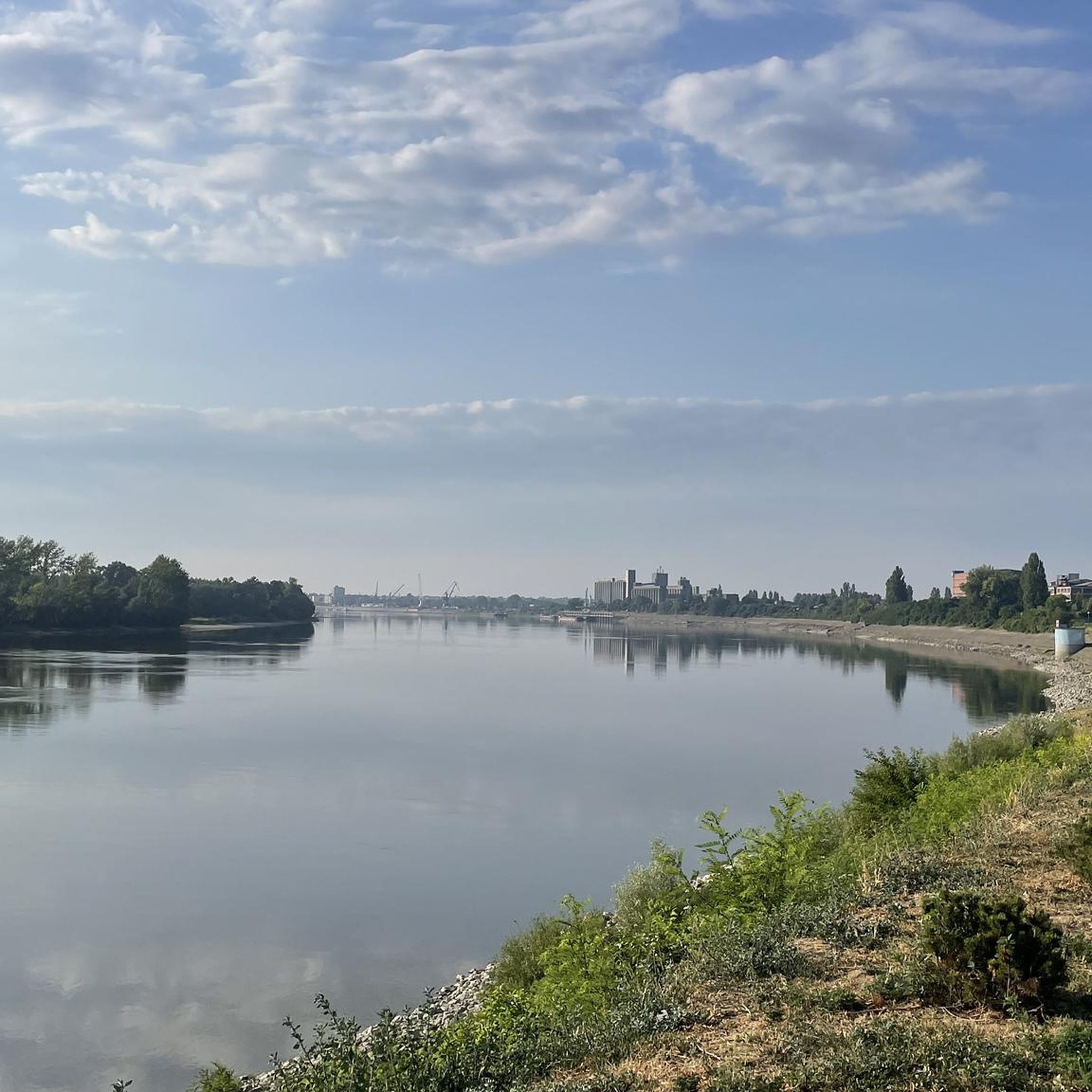
Vukovar is defined by its rivers. The Danube River and its scenic promenade offer tree-lined paths, parks, and cafes, perfect for strolling or cycling. You can also take boat rides on the Danube for a unique perspective. Ada Island (Vukovarska Ada) on the Danube is a popular summer spot with sandy beaches. The Vuka River, after which the city is named, flows through Vukovar and converges with the Danube. For a green oasis, explore Adica Forest Park along the Vuka River.
Are there cycling routes around Vukovar's attractions?
Yes, Vukovar offers several cycling opportunities. You can find routes like the 'Ovčara Memorial Site – Vučedol Culture Museum loop' or longer rides such as the 'Vukovar Water Tower – Vukovar Water Tower loop from Vinkovci'. For more detailed information and route options, check out the Cycling around Vukovar guide.
What walking or hiking opportunities are available near Vukovar?
There are various walking and hiking trails around Vukovar. Options range from easy walks like the 'Eltz Manor – Vuka River loop' to moderate routes such as the 'Radnički Dom – Vukovar Arcades loop'. These trails allow you to explore the city's landmarks and natural areas. For a comprehensive list of routes, refer to the Hiking around Vukovar guide.
Are there attractions suitable for families with children in Vukovar?
Many attractions in Vukovar are family-friendly. The Vukovar Memorial Cross and the Memorial cemetery for war victims at Vukovar are important sites for older children to learn about history. The Vučedol Culture Museum offers engaging exhibits on ancient civilizations. Additionally, the Danube Promenade and Adica Forest Park provide pleasant spaces for family walks and outdoor activities.
Where can I get panoramic views of Vukovar?
The Vukovar Water Tower, now restored, offers an observation deck with panoramic views of the Danube River and the surrounding plains. It's a unique way to see the city from above and appreciate its strategic location.
Are there any unique artistic or cultural sights in Vukovar?
Beyond its historical monuments, Vukovar features unique cultural elements. The 3D mural on the pedestrian bridge over the Vuka River is a distinctive artistic feature. The Baroque City Center itself, with its charming architecture, arcades, and buildings like the Workers' Hall and Syrmia County Palace, offers a cultural experience. The Eltz Manor, housing the City Museum, also showcases cultural artifacts.
Are any attractions in Vukovar wheelchair accessible?
Yes, several attractions in Vukovar are noted as wheelchair accessible. These include the Vukovar Water Tower, the 3D mural on the pedestrian bridge over the Vuka River, and the Bust of Dr. Franjo Tuđman. It's always advisable to check specific venue details for the most up-to-date accessibility information.
What is the best time to visit Vukovar for outdoor activities?
The warmer months, particularly late spring (May-June) and early autumn (September-October), are generally ideal for outdoor activities in Vukovar. During these periods, the weather is pleasant for cycling, hiking, and enjoying the Danube Promenade and Adica Forest Park. Summer (July-August) is also popular, especially for activities around Ada Island, though it can be quite warm.
What kind of natural reserves or unique forests are near Vukovar?
Within the broader Vukovar-Srijem County, you'll find the Spačva Forest, which is the largest autochthonous forest of Slavonian oak in Europe. This area is home to diverse flora and fauna. Within Spačva, Virovi (Whirlpools) is a protected landscape known for its rich watercourses and unique natural habitats, offering a distinct natural experience.
Can I find places for running or jogging around Vukovar?
Absolutely. Vukovar offers several routes suitable for running and jogging. You can find moderate routes like the 'Dvorac Eltz loop' or the 'Stara Vuka loop' which take you through scenic parts of the city. For longer and more challenging runs, there's the 'Vukovar Water Tower loop'. Explore the Running Trails around Vukovar guide for detailed options.
Most popular routes around Vukovar

Get inspired with the komoot mobile app


Explore more
Still not found the Highlight you’re looking for? See guides of the top attractions in other regions:
