Attractions and Places To See around Općina Štrigova - Top 9
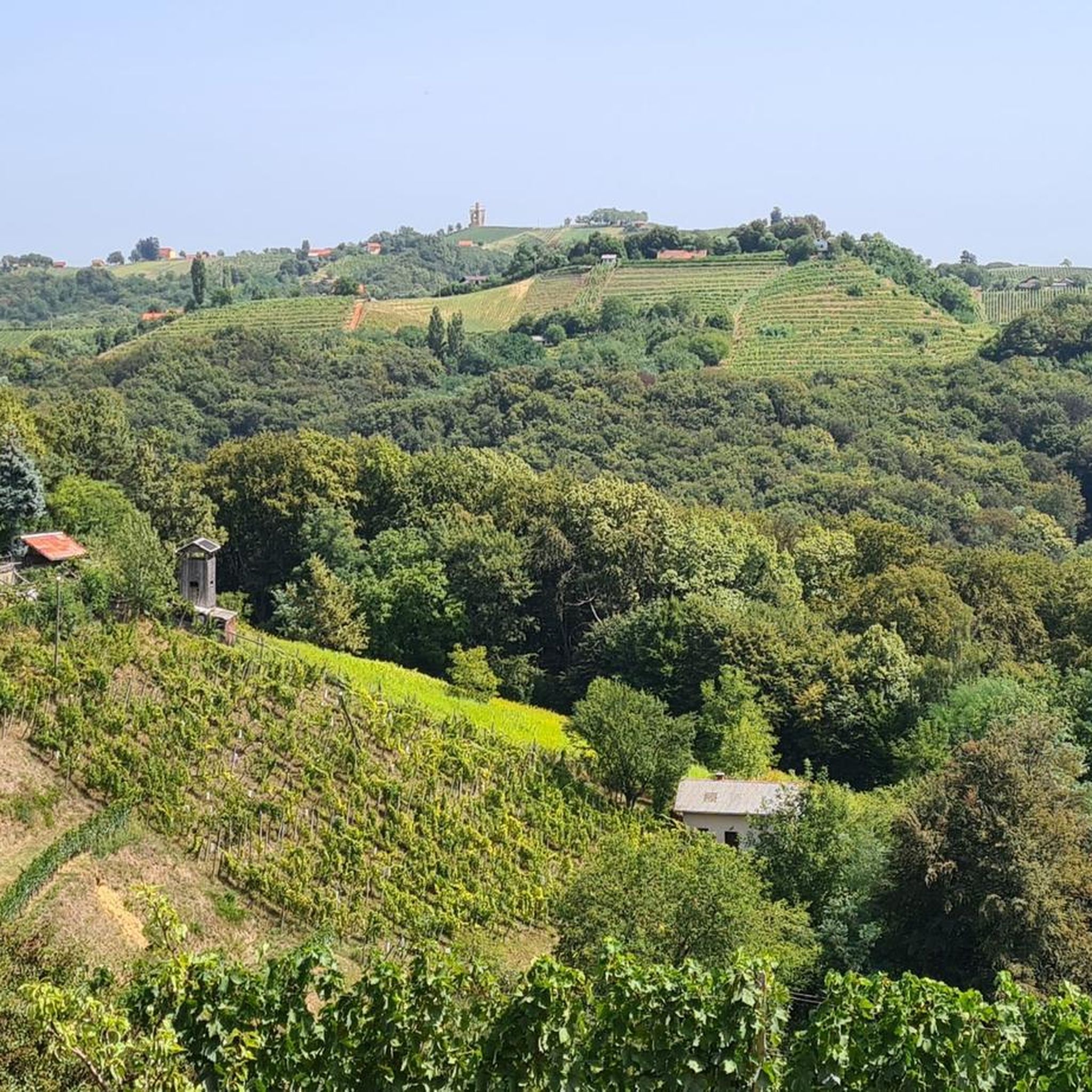
Best attractions and places to see around Općina Štrigova include a landscape characterized by rolling hills and extensive vineyards. This Croatian region is known for its wine production and historical landmarks. The area offers a blend of natural beauty and cultural sites, including several viewpoints and historical churches. Visitors can explore a variety of places, from observation towers to significant religious buildings.
Best attractions and places to see around Općina Štrigova
- The most popular attractions is Viewing tower - Vidikovac…
Last updated: July 15, 2026
Slovenia–Croatia Border Fence
Highlight • Structure
Translated by Google •
Tip by

Observation tower
Highlight • Viewpoint
Translated by Google •
Tip by

Sign up now to discover places like this
Get recommendations on the best single tracks, peaks, & plenty of other exciting outdoor places.
Sign up for free
Mađerkin Hill Viewpoint
Highlight • Viewpoint
Translated by Google •
Tip by
Church of the Holy Cross, Razkrižje
Highlight • Religious Site
Translated by Google •
Tip by

Razkrižje–Banfi Border Crossing
Highlight • Structure
Translated by Google •
Tip by

Viewing tower - Vidikovac
Highlight • Viewpoint
Tip by

Eco shop and rest area
Highlight • Rest Area
Translated by Google •
Tip by
Characteristic rolling landscape
Highlight • Natural
Translated by Google •
Tip by
Church of St. Jerome in Štrigova
Highlight • Religious Site
Translated by Google •
Tip by

Two-Country Viewpoint
Highlight • Viewpoint
Translated by Google •
Tip by

Start today with a free account
Your next adventure awaits.
Login or Signup
Tips from the Community


This proud church in the former Stridau (now Štrigova in Croatia) stands majestically above the town and is visible from afar.
0
0

There it turns southwest and runs through almost uninhabited territory a few kilometers east, past the Carniolan Sneznik (Slovene: Snežnik, Italian: Monte Nevoso). Between the Croatian Rupa and the Slovenian Jelšane, the Croatian A7 motorway, coming from Rijeka, leads to the border. It continues on the Slovenian side via the Glavna cesta 6 to Ljubljana; on the Croatian side it is part of the European route E65. The Pivka–Rijeka railway line also crosses the border here. Just a little further west, the Slovenian Glavna cesta 7, coming from Trieste, crosses the border, forming an extension of the E65; in Croatia it continues via the Državna cesta D8 to the A7 motorway. The border continues through the Karst along the northern edge of the Ćićarija (Chichen Bottom) and turns south at the Podgorski Kras. Between Rakitovec (Slovenia) and Buzet (Italian: Pinguente) in Croatia, the Divača–Pula railway line leading to the Istrian peninsula crosses the border. From there, the border runs generally westward, in the westernmost section along the Dragonja River, and merges into the (disputed) Croatian-Slovenian maritime border at the Gulf of Piran.
1
0
It follows the Sava River for about 2 km to the southeast, then leaves it to the southwest and follows the Bregana River. In the Sava valley, it crosses the former Bratstvo i jedinstvo highway (now Avtocesta A2 in Slovenia, Autocesta A3 in Croatia, and also European route E70). The border continues westward and then largely along the heights of the Uskok Mountains (Croatian: Žumberak, Slovene: Gorjanci), but leaves these north of the Novo mesto (German: Rudolfswerth) – Metlika road in Bela krajina, although the border line north of Metlika is extremely complicated (see map on the right). Via the Kamenica Stream, the border then reaches the Kupa River (Slovene: Kolpa), which it follows upstream for about 100 km and which forms the historical border between Carniola and Croatia (and thus part of the border of the Holy Roman Empire). Near Jurovski Brod, the Croatian Državna cesta D6, coming from Karlovac and continuing on the Slovenian side as Glavna cesta 105, crosses the Kupa and thus the border. At the latitude of Karlovac, its course abandons its predominantly north-south direction and follows the river in an east-west direction. The Karlovac–Ljubljana railway line also crosses this area. Near Vinica (in Slovenia), there is a small border crossing, not far from the Croatian A1 motorway. The next border crossing is to the west at the Slovenian Glavna cesta 106 between the Slovenian Kočevje, the center of the former German-speaking island of Gottschee, and the Croatian Delnice. The border follows the Kupa further upstream in a northwesterly direction to the confluence of the Čabranka, along which it continues to run northwest, and has a bulge to the northeast east of Babno Pole (with border crossing).
1
0
The border connects to the Croatian-Hungarian border in the area where the Ledava River joins the Mura River and then roughly follows the course of the Mura River to the Slovenian village of Šafarsko (Hungarian: Ligetfalva). However, the exact border line in this section is disputed (see Croatia-Hungary border). There, it separates from the Mura River and runs along the edge of the Mursko Polje. Southeast of Ljutomer (German: Luttenberg), it takes a south-southeast direction and reaches the Drava River near Središče ob Dravi (German: Polstrau). The railway line leading from Pragersko (German: Pragerhof) to the Croatian Čakovec (German: Czakathurn) (see Pragersko–Budapest railway line) and the Slovenian Glavna cesta 2 leading from Ptuj (German: Pettau) towards Čakovec cross here. It follows the course of the Drava roughly upwards via Ormož (German: Friedau) to the Croatian Dubrava Križovljanska, where there is a crossing of the Croatian Državna cesta D2, which continues in Slovenia as regional road 228 to Ptuj. Here, the border leaves the Drava River and follows the historic border line between Styria (Štajersko) and the former Kingdom of Croatia and Slavonia, a former tributary of the Kingdom of Hungary, where it reaches the Donji Macelj border crossing on the Croatian A4 motorway, which here merges with the Slovenian A4 motorway (both part of European route E59). To the west, the border runs over the Macelj mountain range (718 m) and then follows the Sotla River (Sattelbach), the historic eastern border of Styria, to its confluence with the Sava River (with minor deviations in the southernmost section), crossing the railway line from Krsko (German: Gurkfeld) to Zagreb (see Zidani Most–Novska railway line).
1
0
The border between Croatia and Slovenia separates the territory of Croatia from that of Slovenia. Its length is reported to be 670 km. Large stretches of the border correspond to the border that existed until the end of the First World War between the Cisleithanian and Transleithanian halves of the Austro-Hungarian Empire.
1
0

The end and starting point of the Štrigovo circular path
2
1

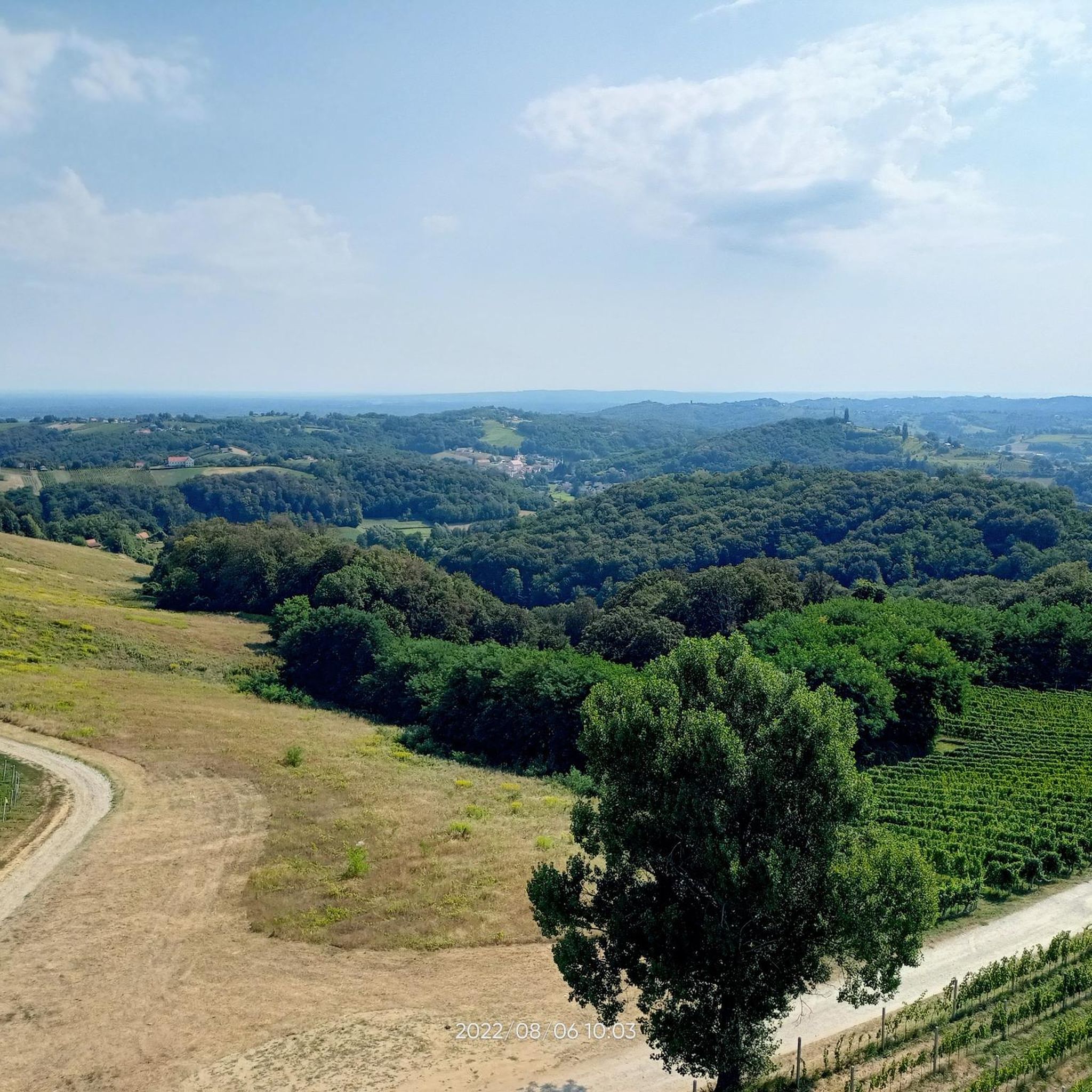
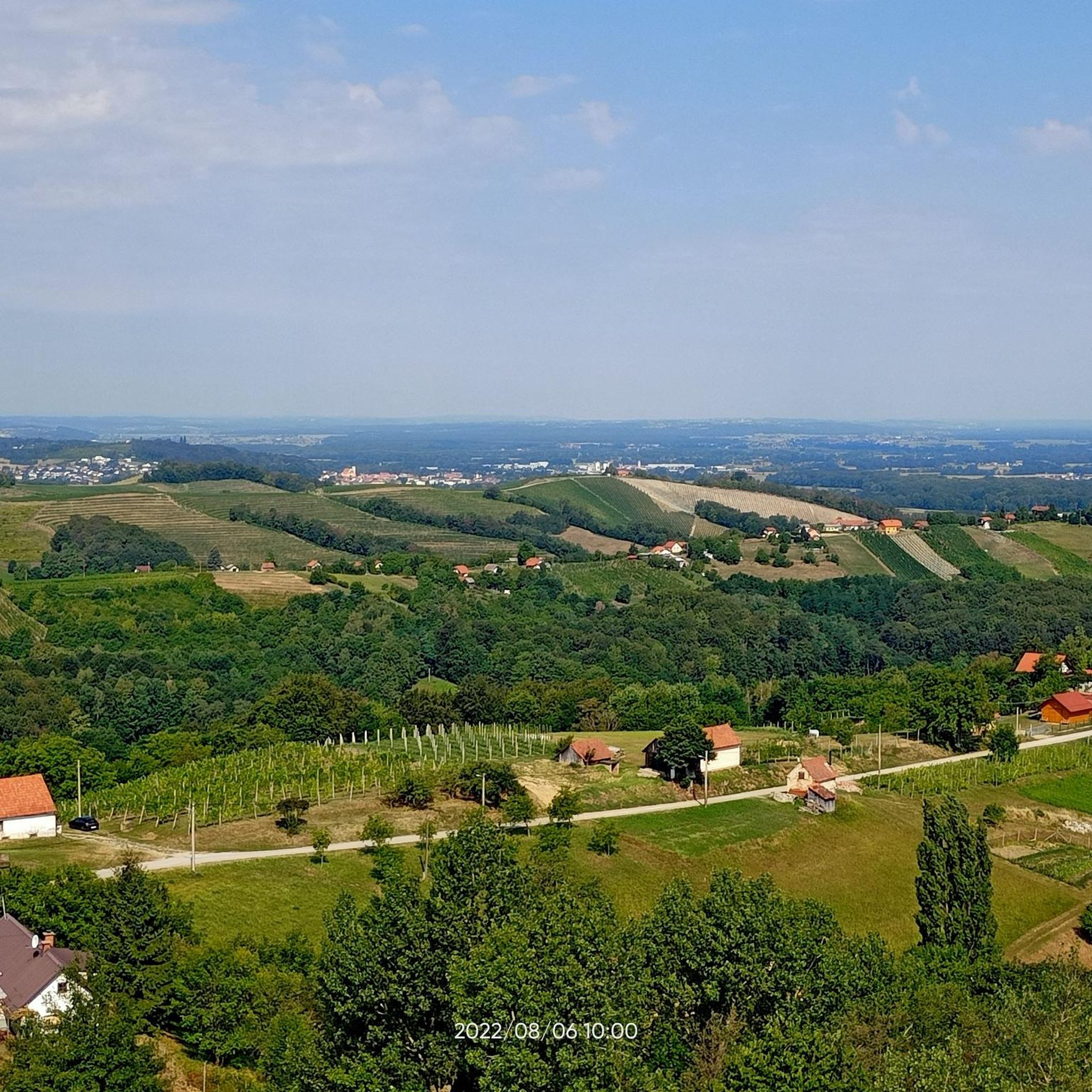
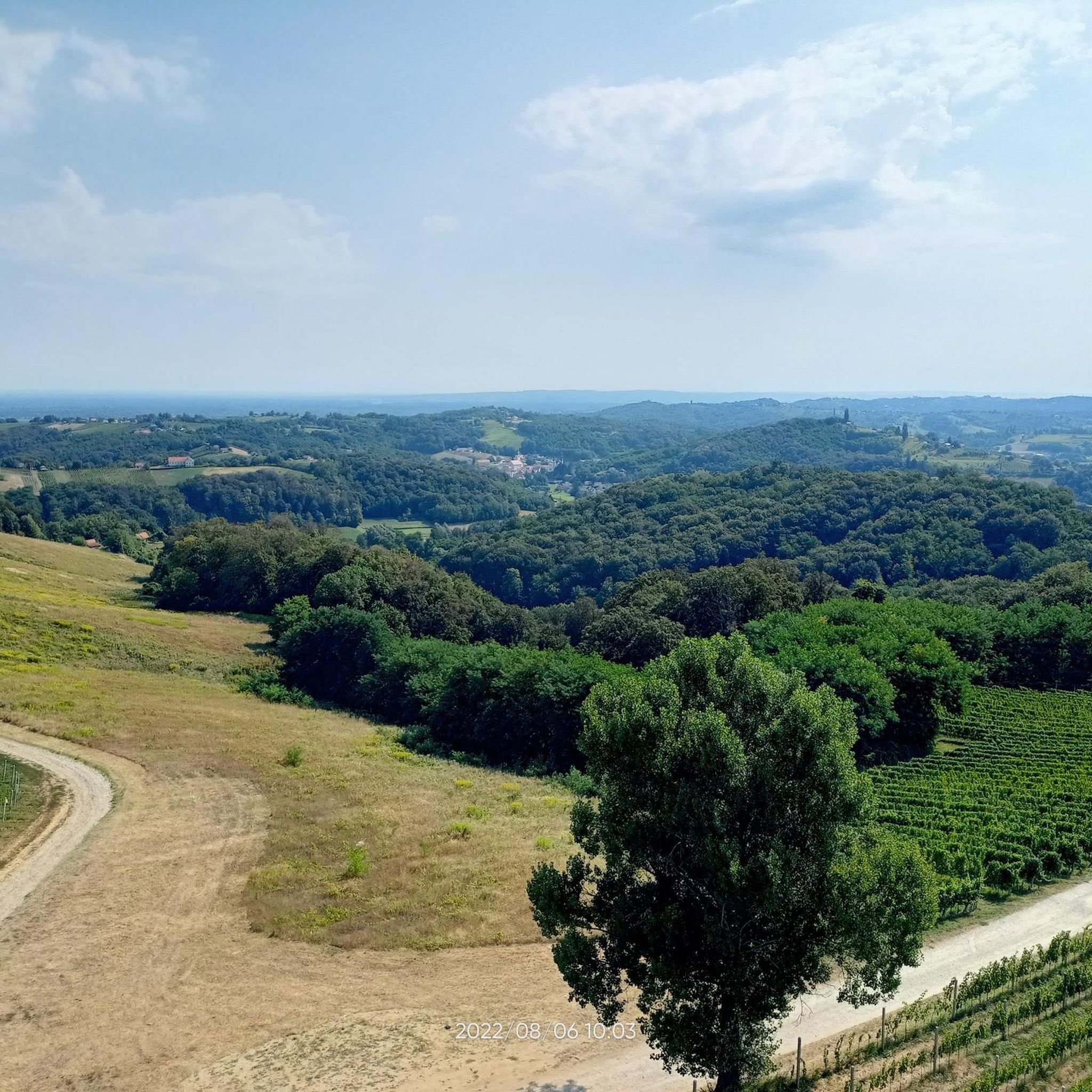
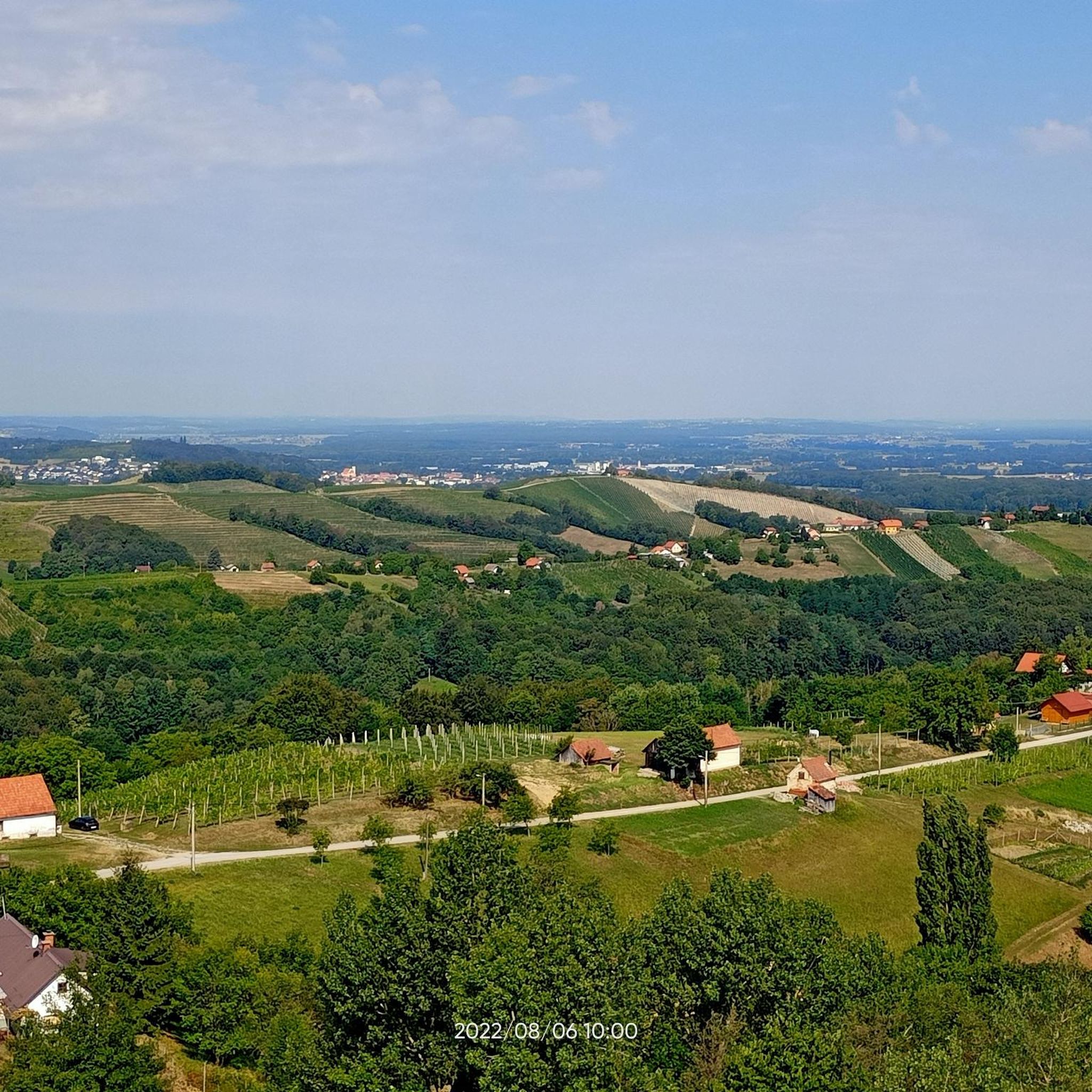
The landscape is characterized by hills, with car-free country roads, picturesque villages and friendly people. Cars slow down for cyclists.
19
0
Frequently Asked Questions
What are the most notable viewpoints in Općina Štrigova?
Općina Štrigova is renowned for its panoramic viewpoints. You can visit Mađerkin Hill Viewpoint, which offers stunning vistas of vineyards and the surrounding landscape. Another popular spot is the Observation tower, standing at 27 meters tall, from which you can see up to four countries. The Viewing tower - Vidikovac also provides extensive views and includes a small restaurant.
What historical and cultural sites can I explore in the region?
The region boasts a rich history. You can visit the significant Church of the Holy Cross, Razkrižje, known for its unique wooden cross. Beyond the guide, the area features the historic Church of St. Jerome, famous for its Baroque frescoes by Ivan Ranger, and the 17th-century Church of St. Mary Magdalene in Štrigova. Several historic castles and manors, such as Castle Banfi and Castle Tkalec, also dot the landscape.
Are there opportunities for wine tasting or exploring the local wine culture?
Absolutely. Općina Štrigova is at the heart of the Međimurje Wine Road, a significant cultural and economic feature. You can visit numerous vineyards, wineries, and tasting houses to sample excellent local wines, especially the indigenous Pušipel variety. The World Centre of Pušipel offers an immersive journey into the region's viticulture history and traditions.
What kind of natural landscapes can I expect to see?
The landscape is characterized by rolling, 'golden-green' hills adorned with extensive vineyards, often referred to as 'Eden's corner.' Beyond the vineyards, you'll find forests and hidden country roads. The Characteristic rolling landscape itself is a highlight, offering picturesque views and clean air.
What outdoor activities are available near the attractions?
The region is ideal for outdoor enthusiasts. You can enjoy hiking and cycling through the vineyards and forests. For specific routes, consider exploring the nearby hiking trails like the 'Jeruzalem Vineyards – Crucifix with Virgin Mary loop' or the 'View of the Vineyard – Picnic Table in the Vineyard loop.' You can find more details on these and other routes in the Hiking around Općina Štrigova guide or the Running Trails around Općina Štrigova guide.
Are there family-friendly attractions in Općina Štrigova?
Yes, several attractions are suitable for families. Viewpoints like Mađerkin Hill Viewpoint and the Observation tower are categorized as family-friendly. The Eco shop and rest area also provides a convenient stop for families. The gentle rolling landscape and numerous trails offer pleasant outdoor experiences for all ages.
When is the best time of year to visit Općina Štrigova?
The region is beautiful year-round, but the harvest season, particularly in August, is a special time to visit. During this period, grapes are still hand-picked, adding to the charm of the vineyards. The pleasant weather also makes it ideal for outdoor activities like hiking and cycling.
What facilities are available for visitors, such as rest areas or shops?
You can find convenient facilities like the Eco shop and rest area, which offers vending machines with local fruit and drinks, along with benches for resting. The Viewing tower - Vidikovac also has a small restaurant.
Are there any specific events or festivals held in Općina Štrigova?
Yes, Općina Štrigova hosts various events throughout the year. Notable events include the Festival keramike Štrigova (Ceramics Festival) and Vincekovo, a traditional celebration that marks the beginning of the new viticultural year. The Dom kulture Štrigova also serves as a hub for cultural performances and gatherings.
Is public transport available to reach the main attractions like Mađerkin Hill?
While specific public transport routes directly to all attractions might be limited, the region is best explored by car or bicycle. Some highlights, like the Observation tower, are part of cycling routes and offer bike rest points. It's advisable to check local transport options or consider driving for flexibility.
What makes the wine from Općina Štrigova special?
The wines from Općina Štrigova are special due to the region's unique terroir. The clay soil and southern climate contribute to the excellent quality of grapes, primarily used for white wine production. The indigenous Pušipel variety is particularly renowned, and the Međimurje Wine Road was recognized as the best original tourist product of continental Croatia in 2007.
Most popular routes around Općina Štrigova

Get inspired with the komoot mobile app


Explore more
Still not found the Highlight you’re looking for? See guides of the top attractions in other regions:
