Top 20 Castles around Asperg
Best castles around Asperg are situated in a region characterized by its historical significance and varied landscape. The area is dominated by the prominent Hohenasperg, a 90-meter-high hill featuring an ancient fortress. This site has a history dating back to 500 BC as a Celtic principality and later served as a Württemberg fortress and state prison. Its elevated position offers extensive panoramic views of the surrounding landscape.
Best castles around Asperg
- The most popular castles is Nippenburg Castle Ruins,…
Last updated: August 16, 2026
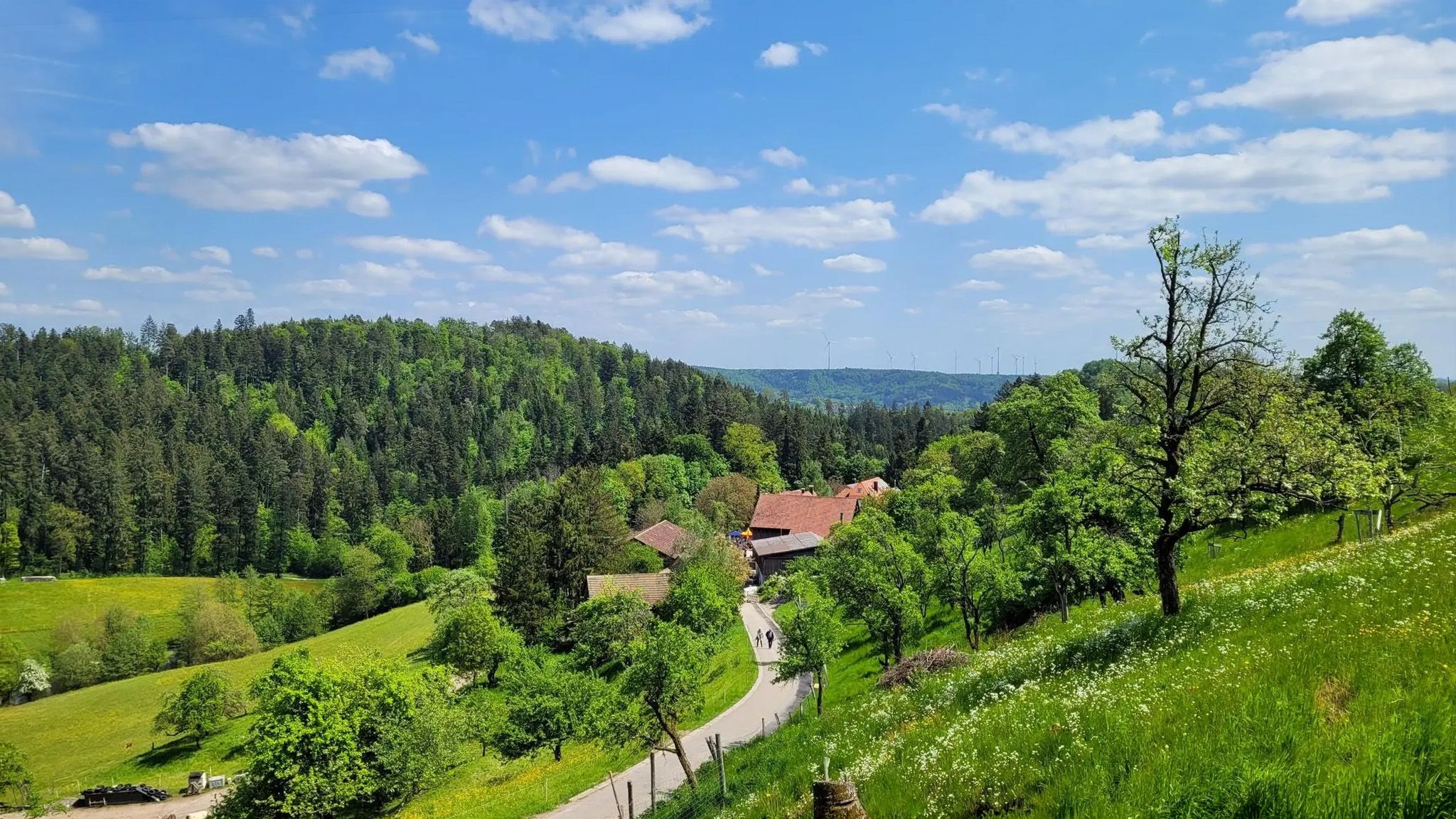
Nippenburg Castle Ruins
Highlight • Castle
Translated by Google •
Tip by

Ludwigsburg Residential Palace (Residenzschloss Ludwigsburg)
Highlight • Castle
Showing Translation
Tip by

Sign up now to discover places like this
Get recommendations on the best single tracks, peaks, & plenty of other exciting outdoor places.
Sign up for free
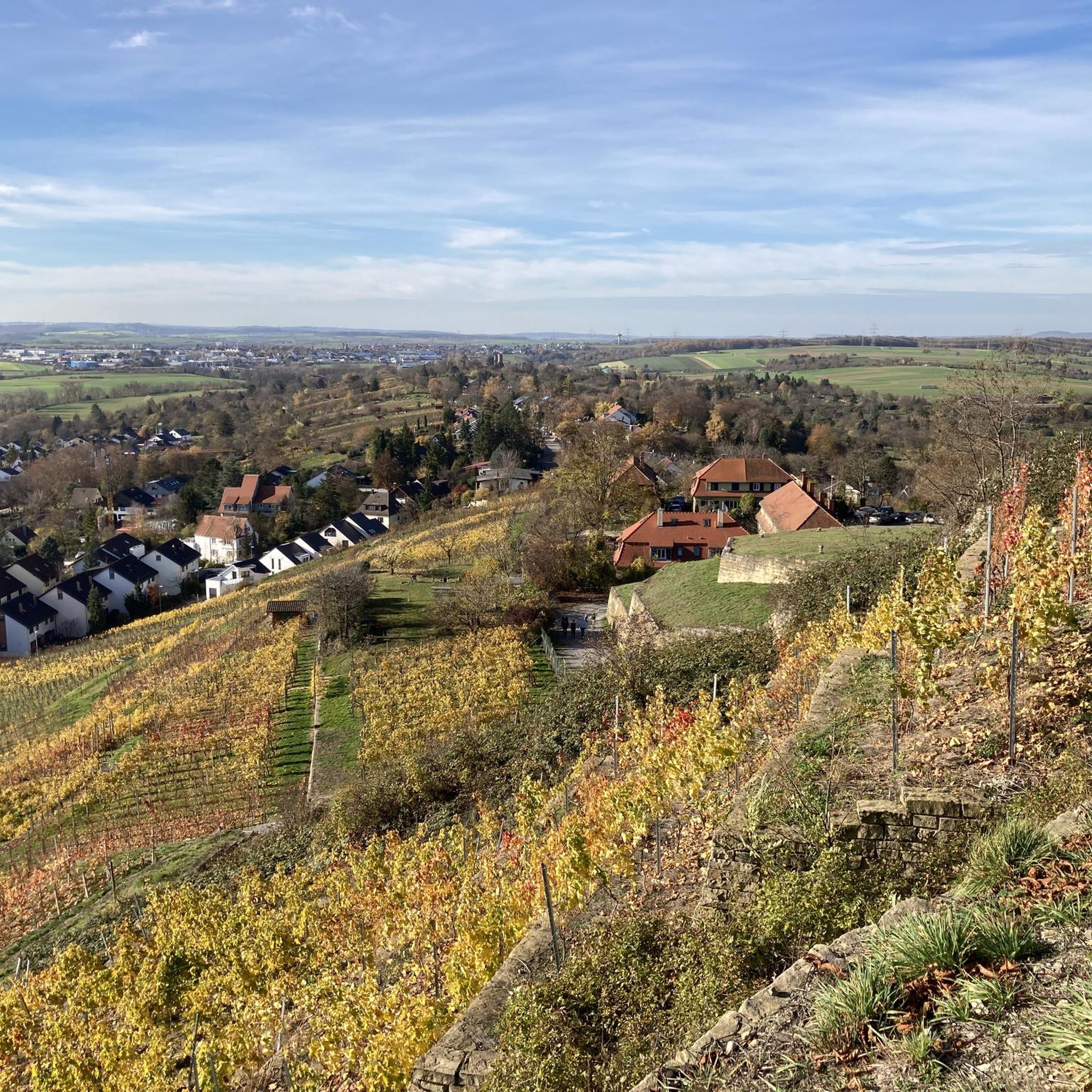
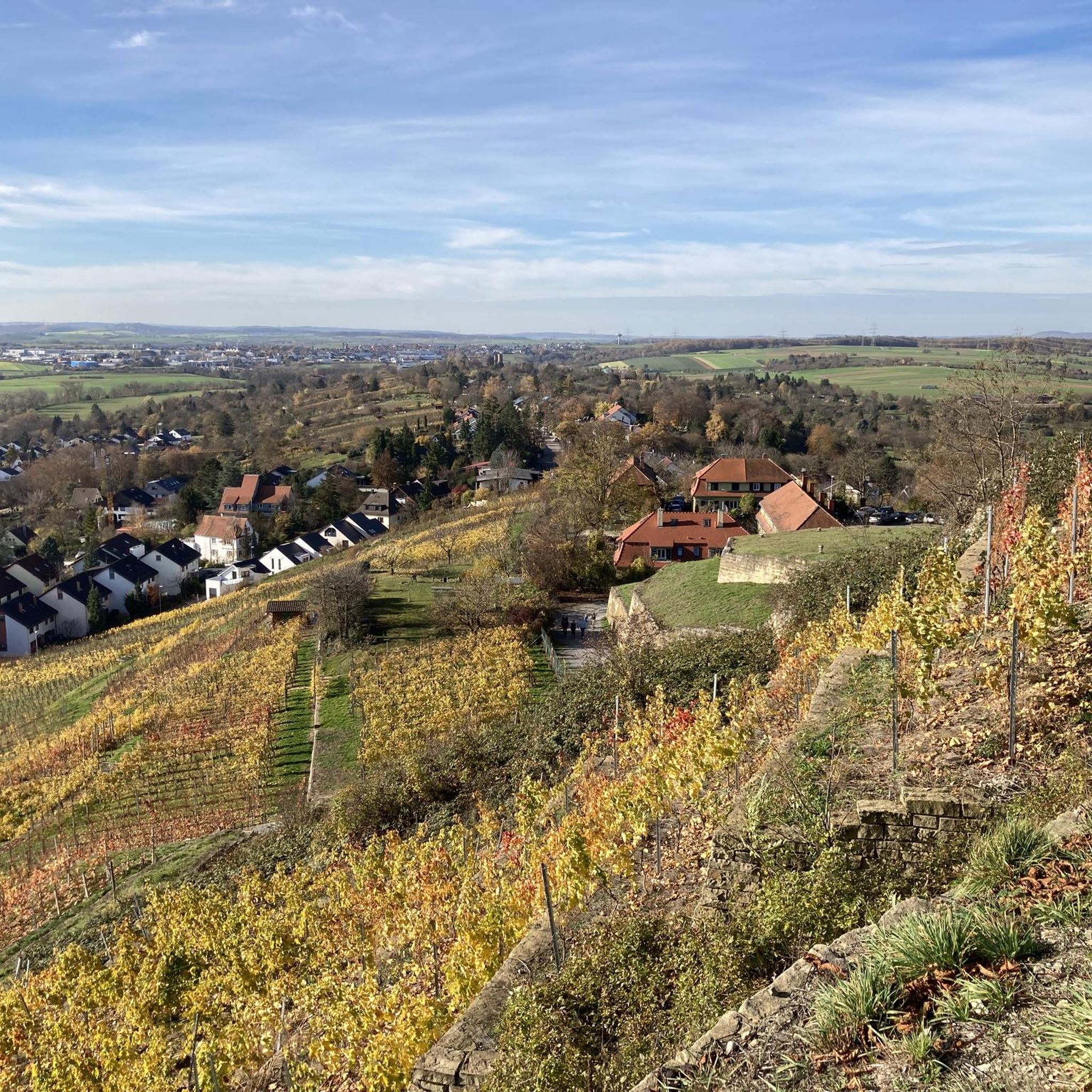
View of the Altsachsenheim castle ruins
Highlight • Castle
Translated by Google •
Tip by

Hohenasperg Fortress
Highlight • Castle
Translated by Google •
Tip by

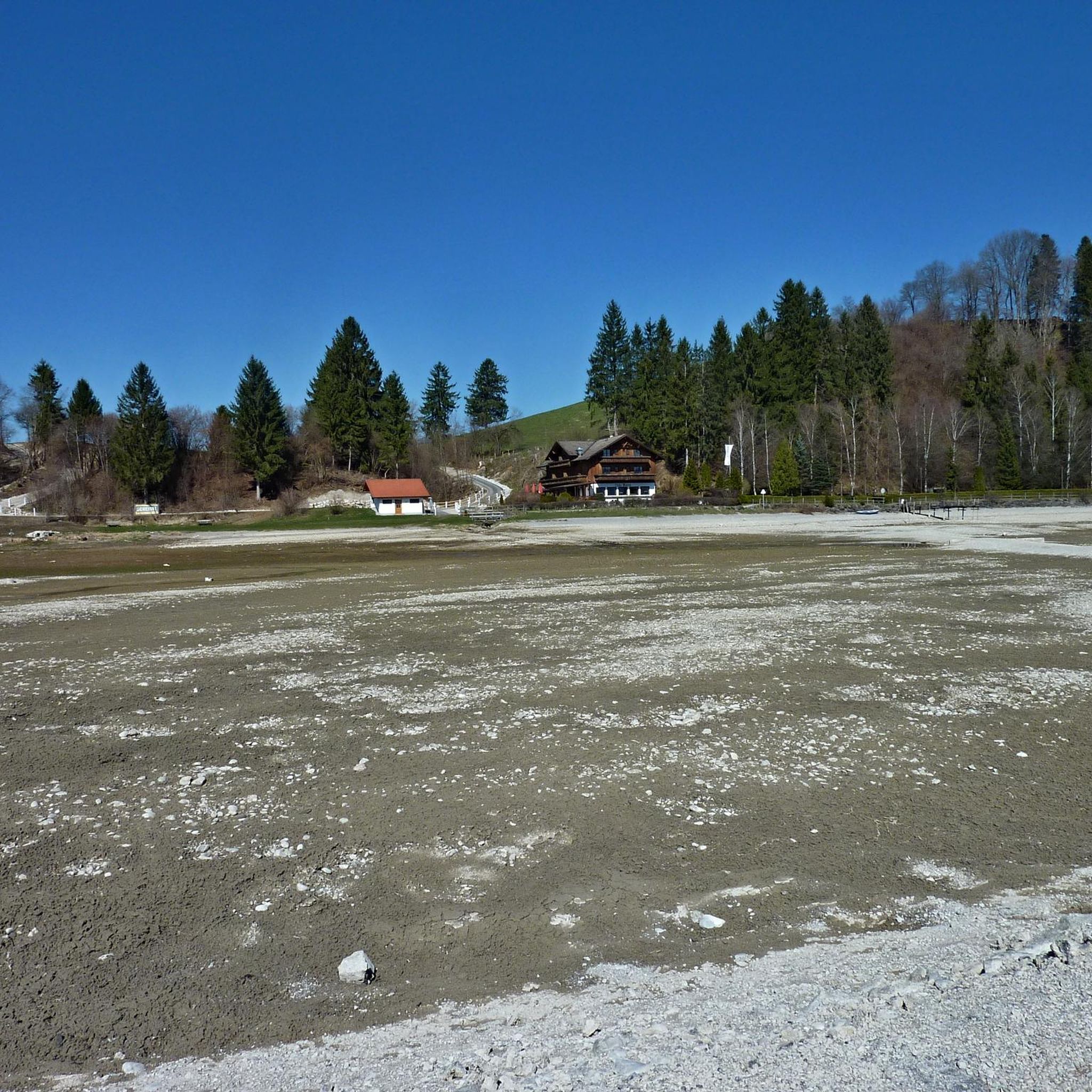
Weir on the Glems near Schwieberdingen
Highlight • Structure
Translated by Google •
Tip by
Sign up for free to discover even more castles around Asperg.
Sign up for free
Already have an account?
Start today with a free account
Your next adventure awaits.
Login or Signup
Other adventures around Asperg

Tips from the Community

View of the Altsachsenheim castle ruins from the pedestrian and cycle path along the Enz river.
5
0
Good view from the pedestrian and cycle path along the Enz river of the Altsachsenheim castle ruins perched above the Enz riverbank.
4
0
Very beautiful spot on the Glems just before the climb to the Nippenburg castle ruins. If you're a bit adventurous, you can also take a rustic path over the weir and along the Glems.
9
0
The name "Nippenburg" has always been associated with Schwieberdingen. The Nippenburg was probably built in the 9th century. The first mention in the Codex Hirsaugensis reads: "When in 1160 Berwart built a mill below the Nippenburg for the monastery." This refers to today's Hagmühle in the Hemmingen area. Located on a mountain spur, three sides of the castle were protected by a precipice and swamp, the fourth side with a mighty shield wall and moat in front of it was difficult to capture. There is no record of the Nippenburg being destroyed or burned down. For many centuries it provided its residents with safety and refuge until it was finally left to decay in the 17th and 18th centuries. The restoration of the Nippenburg began in 1979. The securing work on the ruin, which was in danger of collapsing and overgrown with ivy, was carried out with painstaking manual labor. Later, the work was continued with a tractor that served as a tractor, construction crane and wheelbarrow all in one. In September 1984, the work was largely completed. The Nippenburg is now once again one of the sights in the Ludwigsburg district and a popular local recreation destination in the region.
12
1

Ideal for taking a rest in the summer under the large shady lime tree.
9
0
A short walk around and you have seen the castle ruins.
7
0

The ridge itself is very slippery, with some water flowing over it after rain. A little further back there are stones that are better for crossing (the way to the water is quite muddy, stones wobble a bit)
5
0

Very nice footpath to the castle. The castle ruins themselves are a worthwhile destination due to their location and complex as well as many open spaces.
7
0
Frequently Asked Questions
What is the historical significance of Hohenasperg Fortress?
The Hohenasperg Fortress has a rich history spanning millennia. It began as a Celtic principality around 500 BC, later served as a Württemberg defense from 1535 to 1693, and since the early 18th century, has been primarily used as a prison. It housed many prominent political prisoners, earning it the nickname "House Mountain of Swabian Intelligence." Today, it functions as a penal hospital, but its historical significance is preserved through a museum.
Are there any museums or exhibitions at the castles around Asperg?
Yes, the Hohenasperg Fortress hosts a permanent exhibition titled "Hohenasperg – A German Prison" in its former arsenal building. This museum, established by the House of History Baden-Württemberg, details the fortress's history as a prison and shares the stories of its inmates. It is typically open from April to October, Thursday to Sunday.
Which castles offer panoramic views of the surrounding landscape?
Several castles in the area provide excellent views. The Hohenasperg Fortress, due to its elevated position on a 90-meter-high hill, offers extensive panoramic views. Nippenburg Castle Ruins also offers views over the Glemstal. Additionally, the Ludwigsburg Residential Palace and Favorite Palace Ludwigsburg are set within large parks that provide scenic vistas.
What kind of architecture can I expect to see at the castles near Asperg?
The region showcases a diverse range of architectural styles. Hohenasperg Fortress features a blend of ancient defensive structures, 19th-century military construction, and prison design, with some Neoclassical and Romantic elements. The Ludwigsburg Residential Palace is the largest preserved Baroque castle in Germany, while Favorite Palace Ludwigsburg is a magnificent Baroque pleasure and hunting palace with elegant Neoclassical furnishings.
Are there family-friendly castles to visit around Asperg?
Yes, several castles are suitable for families. Ludwigsburg Residential Palace and its surrounding 'Blooming Baroque' gardens are very popular with families. Favorite Palace Ludwigsburg, with its park, is also family-friendly. Even the Hohenasperg Fortress, with its historical museum and panoramic views, can be an educational outing for older children.
What outdoor activities can I do near these castles?
The area around Asperg offers various outdoor activities, especially hiking and cycling. You can find numerous routes, such as the 'Hohenasperg Fortress loop from Asperg' for road cycling or the 'Kleinaspergle Burial Mound – Schubart Memorial, Hohenasperg loop from Asperg' for hiking. For more options, explore the Hiking around Asperg or Cycling around Asperg guides.
Are there hiking trails that incorporate castles near Asperg?
Absolutely. Many hiking trails in the region pass by or lead to historical sites. For example, the '158 Steps to Hohenasperg – Hohenasperg Fortress loop' is an easy hike directly to the fortress. You can also find circular walks that include the Nippenburg Castle Ruins. Check the Hiking around Asperg guide for detailed routes.
How long should I plan for a visit to the castles?
The duration depends on the castle. A visit to the Hohenasperg Fortress, including its museum and a walk along the ramparts, could take 2-3 hours. Larger sites like Ludwigsburg Residential Palace, especially with its extensive gardens, can easily fill half a day or more. Smaller ruins like Nippenburg Castle Ruins might be a shorter stop, often combined with a hike.
Is there parking available at the castles?
Parking is generally available near the main attractions. For Hohenasperg Fortress, there is parking in Asperg at the base of the hill, with access via a narrow road. For Ludwigsburg Residential Palace and Favorite Palace Ludwigsburg, there are designated parking areas in Ludwigsburg, though fees may apply.
What is the best time of year to visit the castles around Asperg?
Spring and autumn are ideal for visiting, offering pleasant weather for exploring the outdoor areas and castle grounds. The 'Blooming Baroque' gardens at Ludwigsburg Residential Palace are particularly vibrant in spring and summer. While some palaces like Favorite Palace Ludwigsburg may have limited access or be closed in winter, the Hohenasperg Fortress remains accessible, and its museum is open from April to October.
Are there guided tours available for the castles?
Yes, guided tours are available for some of the castles. Ludwigsburg Residential Palace offers various tours of its interiors. Favorite Palace Ludwigsburg can often only be visited as part of group and special tours, especially outside peak season. For Hohenasperg Fortress, while general access is free, some guided tours may have a nominal fee.
What do visitors enjoy most about the castles around Asperg?
Visitors frequently appreciate the rich historical significance, especially at Hohenasperg Fortress, which offers a unique glimpse into millennia of history. The panoramic views from elevated sites are also a highlight. The architectural grandeur of palaces like Ludwigsburg Residential Palace and the opportunity for outdoor activities like hiking around the ruins are also highly valued.
Most popular routes around Asperg
Most popular attractions around Asperg

Get inspired with the komoot mobile app


Explore more
Looking for the best castles somewhere else? Discover other guides around Asperg:
