The best walks and hikes around Giubiasco
4.5
(1090)
7,686
hikers
18
hikes
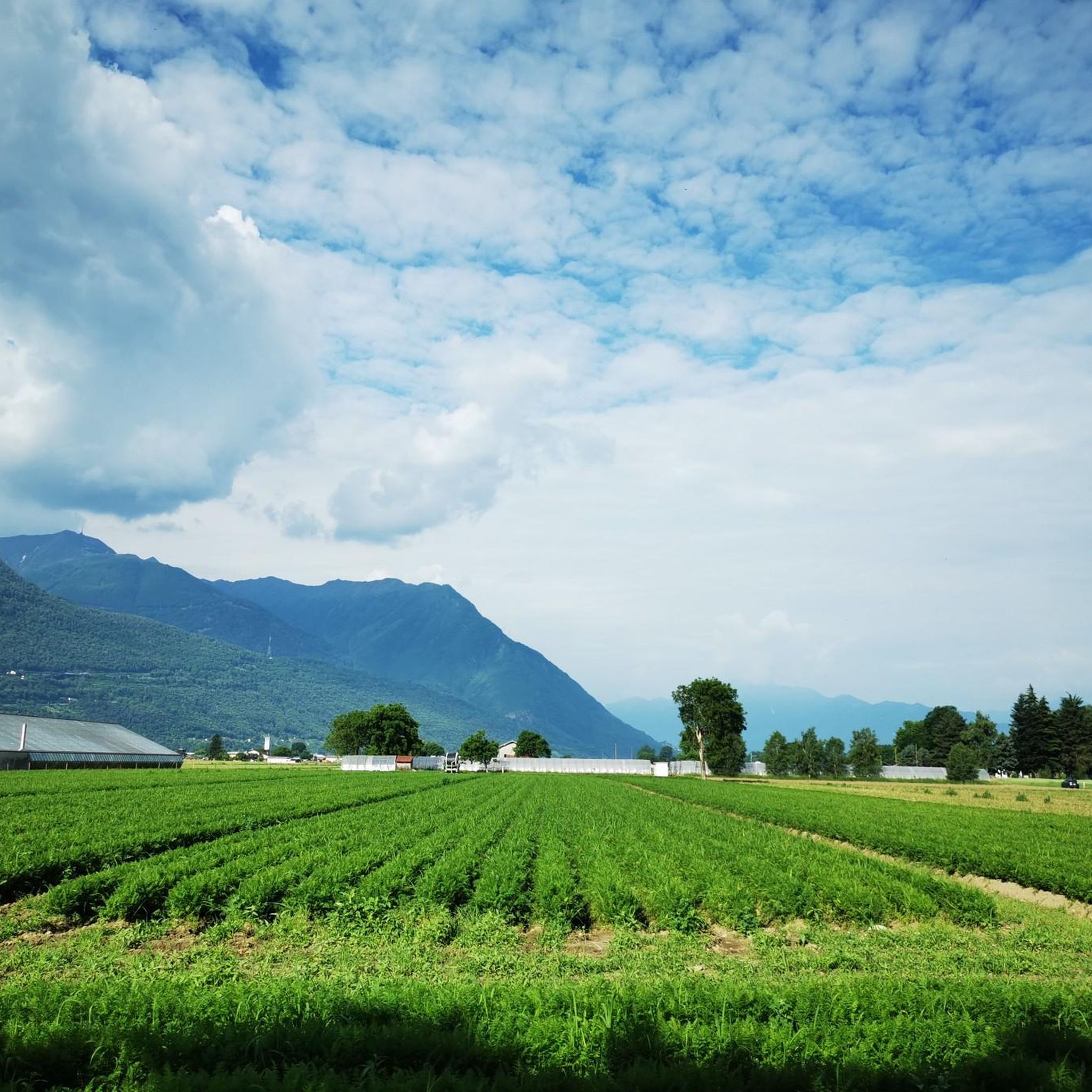
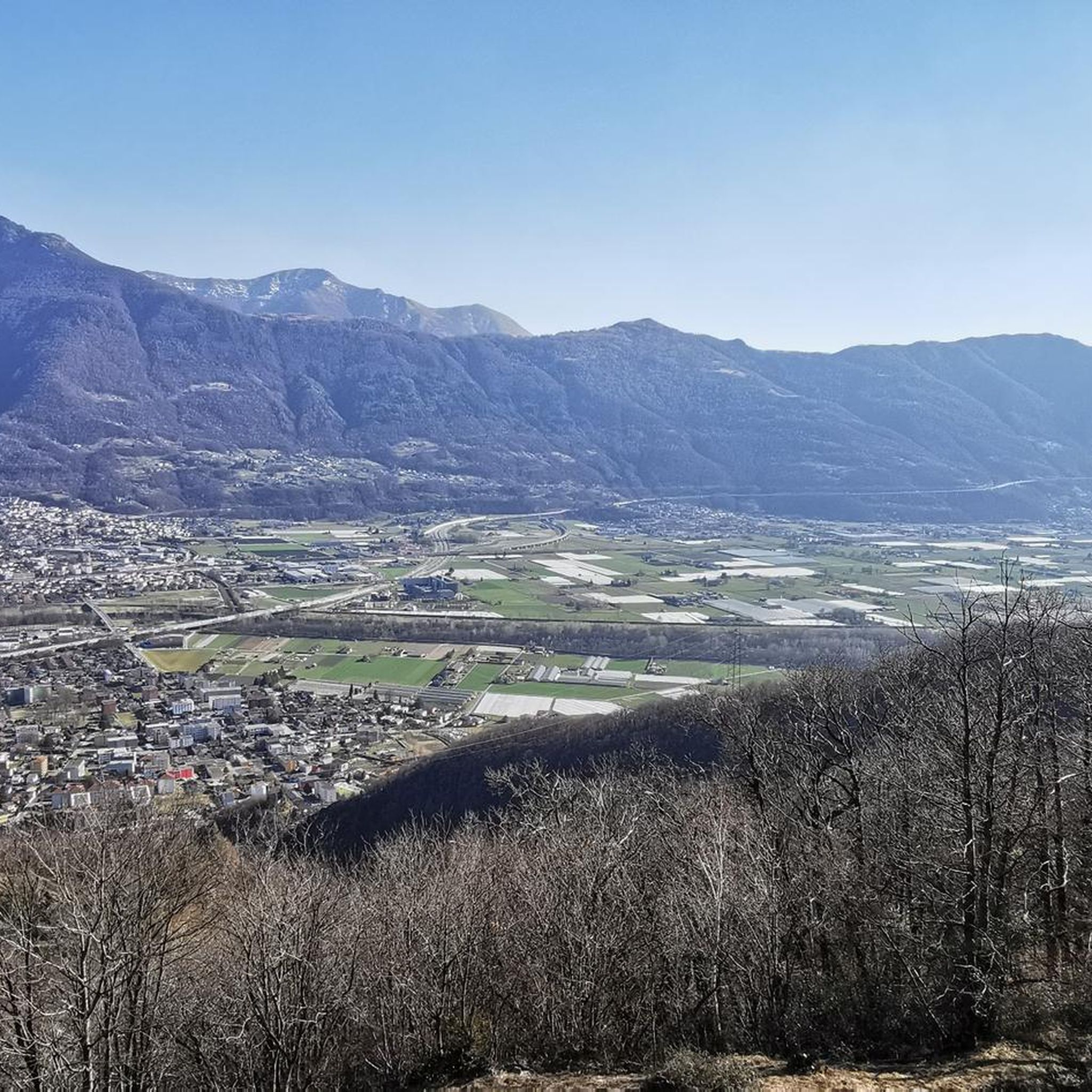
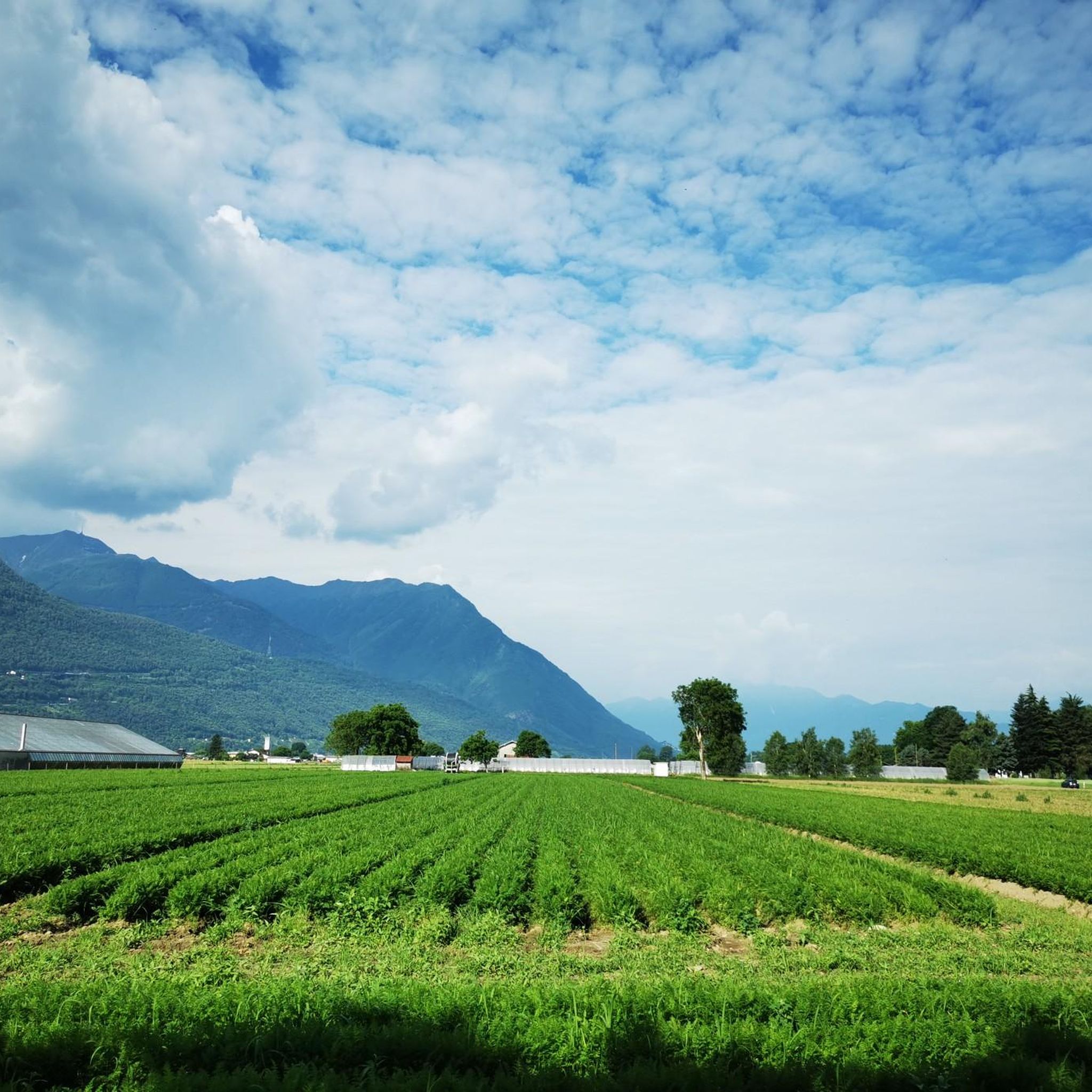
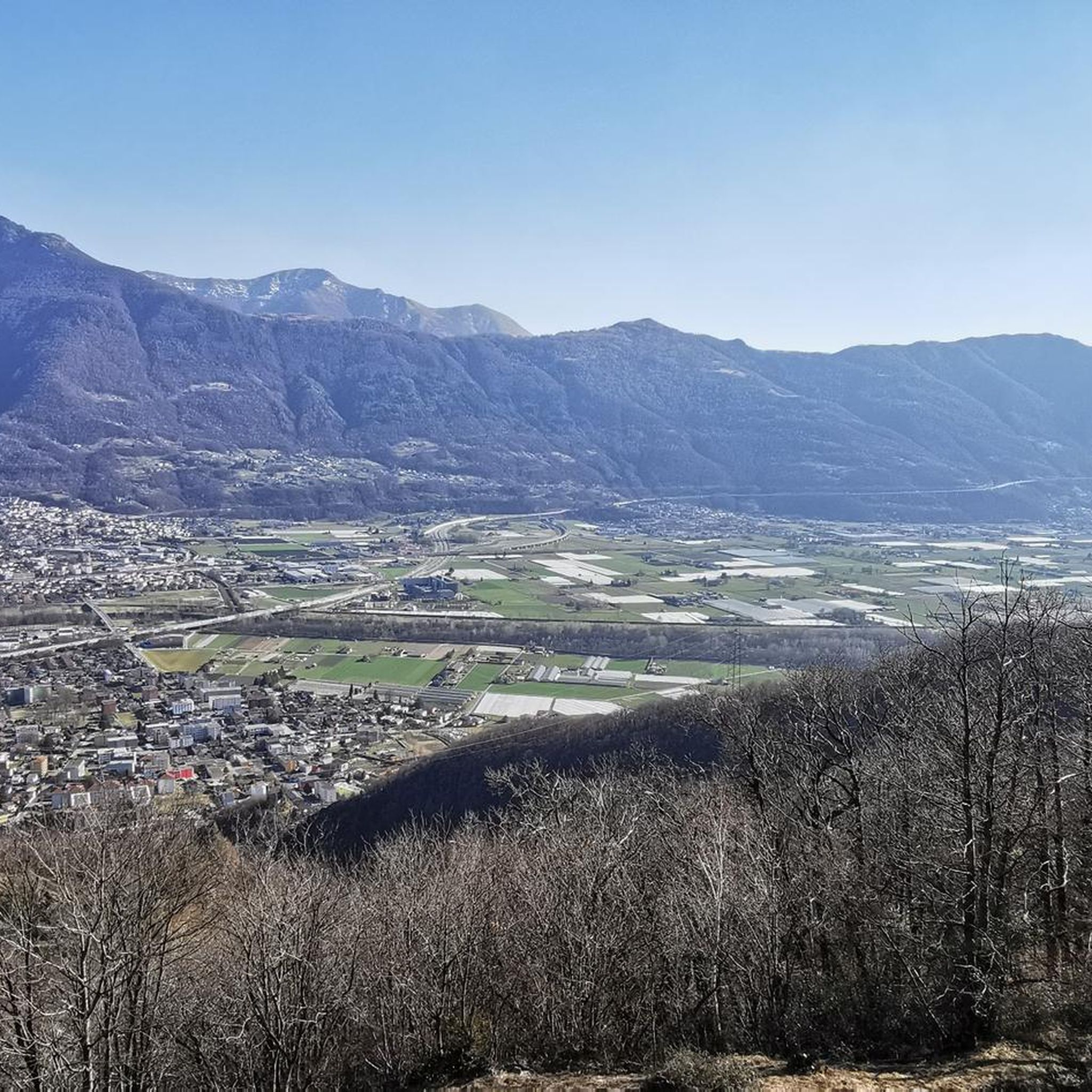
Hiking around Giubiasco offers diverse terrain, transitioning from gentle hills to mountainous areas within the Ticino valley. The region features lush chestnut forests, picturesque valleys, and prominent water features like streams and rivers. Hikers can experience varied elevation gains, with routes leading to panoramic viewpoints over the valley and distant peaks of the Swiss Alps. The landscape provides a mix of natural beauty and cultural landmarks.
Best hiking trails around Giubiasco
- The most popular hiking route is Giubiasco to Prada…
Last updated: October 10, 2026
4.5
(8)
24
hikers
8.64km
02:46
350m
360m
Hike the moderate 5.4-mile Giubiasco to Prada loop, exploring an abandoned village, chestnut forests, and panoramic views of Bellinzona's ca
4.5
(2)
16
hikers
15.5km
05:21
830m
830m
Hike the difficult 9.7-mile From Giubiasco to Lake Carmena loop, gaining 2717 feet in Ticino's scenic mountains.

4.8
(24)
133
hikers
13.7km
04:16
470m
470m
Moderate hike. Good fitness required. Mostly accessible paths. Sure-footedness required.
5.0
(2)
32
hikers
18.2km
06:49
1,120m
1,120m
Hard hike. Very good fitness required. Easily-accessible paths. Suitable for all skill levels.
3.7
(3)
18
hikers
8.32km
02:58
490m
490m
Moderate hike. Good fitness required. Easily-accessible paths. Suitable for all skill levels.
Get access to more routes and recommendations from other explorers.
Already have an account?
Our route recommendations are based on thousands of hikes, rides, and runs completed by other people on komoot.
Start today with a free account
Your next adventure awaits.
Tips from the Community

Description Features See also Opening hours 2025/2026 April 5, 2025 - November 9, 2025: 10:00 a.m. - 6:00 p.m. November 10, 2025 - March 27, 2026: 10:30 a.m. - 4:00 p.m. The first human settlement on San Michele Hill dates back to 5500/5000 BC (Neolithic period). The first archaeologically confirmed fortress was built in the 4th century AD. Various documents from the 6th century also mention the existence of a fortified complex. In the 14th century, the castle was first called Castrum Magnum, Castel Grande. This is its current name, although during Swiss rule it was called Uri Castle (1630) or Altdorf Castle, and in 1818, S. Michele Castle.
4
0

It's great that this cable car runs practically day and night. So you don't have to stress about catching the last descent while hiking. A little further down the road is the bus stop for the bus to Bellinzona Station.
0
0
It's great that this cable car runs practically day and night. So you don't have to stress about catching the last descent while hiking. A little further down the road is the bus stop for the bus to Bellinzona Station.
0
0

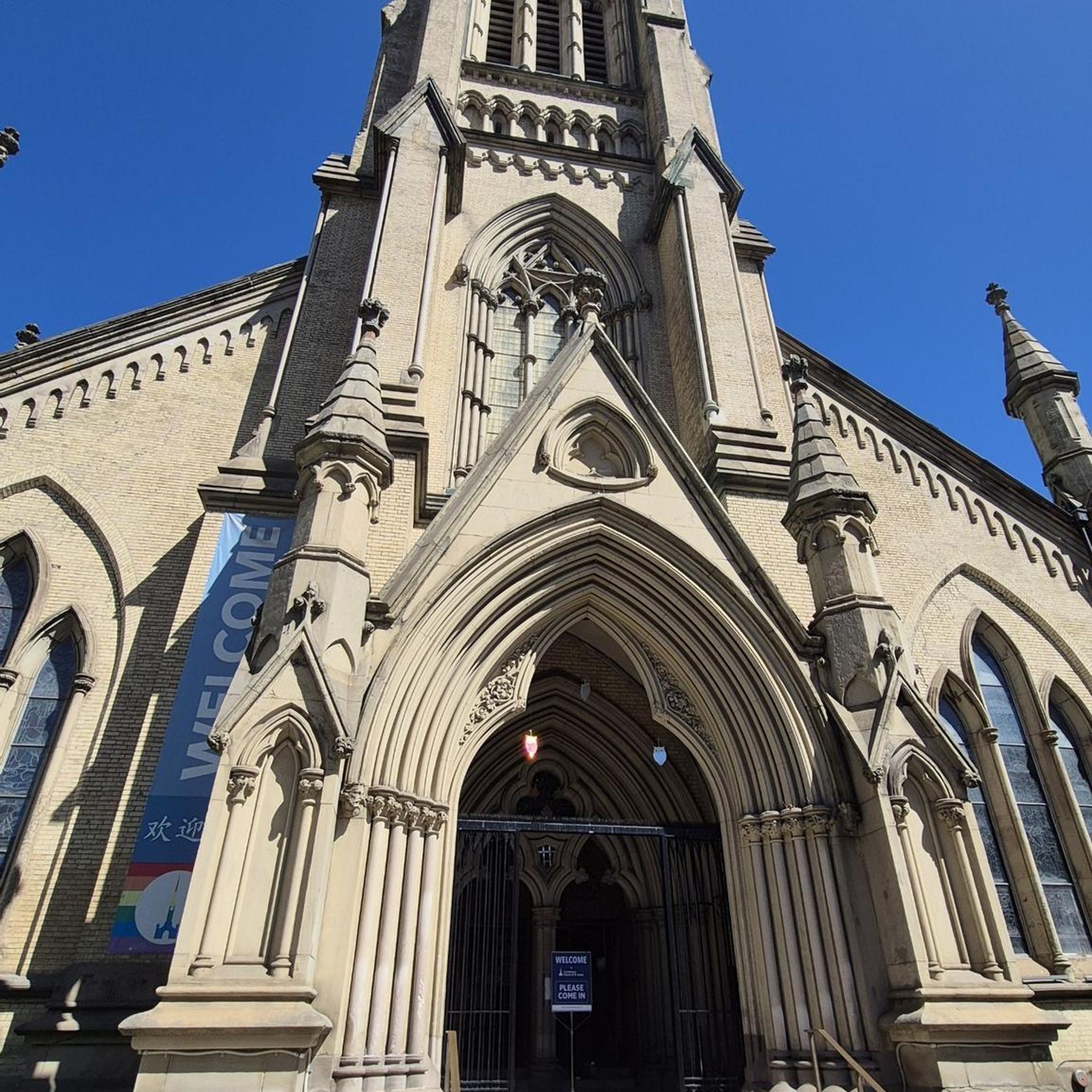
Collegiate Church of Saints Peter and Stephen, Bellinzona This Renaissance building was designed by a master, Tomaso Rodari from Maroggia (sculptor and architect of the Como Cathedral). The stately façade, constructed of dark Castione stone, dominates the high flight of steps and, between the small, early Renaissance-style side portals, encloses the magnificent main portal, decorated in the upper part with the city's coat of arms. Of particular interest is the large, twelve-pointed rose window (5 m in diameter), created in the late 15th or early 16th centuries. The single-nave interior dates from the 16th and 17th centuries. The church, dating from the 17th century, is rich in stucco work from the 17th century and features a double row of side chapels decorated with paintings from various centuries, predominantly from the 17th century, by famous artists such as Pier Francesco Mazzucchelli (known as Morazzone), Camillo Procaccini, and Bartolomeo Roverio (known as il Genovesino). Among the frescoes, the "Musical Angels" by Giuseppe Antonio Felice Orelli from Locarno, painted in 1770, is particularly noteworthy. The main altarpiece, a Crucifixion attributed to Simone Peterzano, is beautiful. Also worth seeing is the pulpit made of polished colored plaster (an imitation of precious marble), created in 1784, and the holy water font located at the entrance (to the left of the right side portal). This is also called the "fontana trivulziana" (Trivulziana Fountain) because in the 15th century it was a castle fountain owned by the Trivulzio family of Mesocco. A faithful replica of this gem of 15th-century Lombard sculpture stands in the Sforza Castle in Milan. The Collegiata, property of the city of Bellinzona, is the seat of the city center's Catholic parish. It is administered by a chapter of canons under an archpriest. The oratory of St. Martha leans against the northern side wall of the church. The interior consists of a rectangular hall, the walls of which were completely covered with frescoes by Varese painters in 1762. The vaulted ceiling is also painted and depicts the "Triumph of St. Martha," the saint whose 17th-century wooden statue sits enthroned on the marble altar consecrated in 1763. Text / Source: Agenzia turistica ticinese SA., Via C. Ghiringhelli 7, Bellinzona https://www.ticino.ch/de/commons/details/Stiftskirche-St-Pietro-e-Stefano/2841.html
15
0

An interesting medieval village on the hill—at least in its remnants. Currently under renovation... and surely picturesque afterward.
0
0
Beautiful (albeit small) pedestrian zone, very striking castles and fortifications across the valley
0
0

Old cable car (industrial railway) and remnants of pressure pipes. With information board.
1
0
The "Fortini della Fame" – Hunger Fortresses or Hunger Towers – are historical monuments closely linked to the turbulent history of the 19th century. These cylindrical structures are the remaining remnants of a fortification system consisting of 36 towers. Five towers still stand today above Camorino. This is tower no. 5: "Al Pian di Bur." The tower has been renovated and serves as an energy museum.
1
0
Frequently Asked Questions
What types of terrain and difficulty levels can I expect on hikes around Giubiasco?
Hiking around Giubiasco offers a diverse range of terrain, from gentle hills to more mountainous areas within the Ticino valley. You'll find trails suitable for various skill levels, including 6 easy routes for leisurely walks, 10 moderate paths, and 2 challenging difficult trails for experienced hikers seeking significant elevation gain. The landscape features lush chestnut forests, picturesque valleys, and prominent water features like streams and rivers.
Are there any family-friendly hiking options near Giubiasco?
Yes, Giubiasco offers several family-friendly hiking options. Many of the 6 easy routes are suitable for families. These trails often pass through traditional Ticinese villages or along rivers, providing engaging scenery without overly strenuous climbs. Look for routes with lower elevation gains and shorter distances for a pleasant family outing.
Can I bring my dog on the hiking trails in Giubiasco?
Giubiasco is generally dog-friendly, with many trails welcoming well-behaved dogs on a leash. The region's diverse landscapes, including forests and river walks, provide excellent opportunities for you and your canine companion. Always ensure your dog is under control and respect local regulations regarding pets in natural areas.
What natural features or viewpoints can I discover while hiking in Giubiasco?
Hikers in Giubiasco are treated to sweeping panoramic views of the Ticino valley and, on clear days, distant peaks of the Swiss Alps. You can explore lush chestnut forests, picturesque valleys like the Valle di Blenio, and prominent water features such as waterfalls and crystal-clear streams. For specific viewpoints, consider routes that lead to Motto della Croce viewpoint or offer vistas of Lake Lugano.
Are there any circular hiking routes available in Giubiasco?
Yes, Giubiasco features several excellent circular hiking routes. A popular choice is the Giubiasco to Prada Abandoned Village Loop, which is a moderate 8.6 km trail. Another challenging option is the Via dell'Acqua Loop from Giubiasco, a difficult 15.5 km path that showcases natural water features.
What historical landmarks or attractions can I visit along the hiking trails?
Many hiking routes around Giubiasco integrate cultural and historical attractions. You can explore trails leading to the impressive UNESCO World Heritage castles of Bellinzona – Castel Grande, Castello di Montebello, and Castello di Sasso Corbaro. The Castelgrande Bellinzona – Bellinzona Historic Centre loop from Giubiasco is a great option for this. Additionally, some trails pass through traditional Ticinese villages, offering a glimpse into the region's unique culture, such as the abandoned village of Prada.
What is the best time of year to go hiking in Giubiasco?
The best time to hike in Giubiasco is typically from spring through autumn. During these seasons, the weather is generally mild and pleasant, making for ideal hiking conditions. Spring brings blooming flora, while autumn offers stunning foliage, especially in the chestnut forests. Some lower-elevation trails may be accessible in winter, but higher routes can be affected by snow and ice.
How accessible are the hiking trails by public transport in Giubiasco?
Giubiasco is well-connected by public transport, making many trailheads easily accessible. The region's extensive network of paths often starts near train stations or bus stops, allowing you to reach various hiking areas without a car. It's advisable to check local bus and train schedules for specific routes you plan to undertake.
Are there opportunities for wild swimming near hiking trails in Giubiasco?
The Giubiasco region, being rich in water features, offers opportunities for wild swimming, particularly along rivers and streams. Trails along the Morobbia and Ticino rivers can lead to spots suitable for a refreshing dip. Always exercise caution, check local regulations, and be aware of water currents and conditions before entering any natural water body.
What do other hikers enjoy most about hiking in Giubiasco?
The hiking experiences in Giubiasco are highly rated by the komoot community, with an average score of 4.6 stars from over 900 reviews. Hikers often praise the diverse terrain, from gentle valley walks to challenging mountain ascents, and the stunning panoramic views of the Ticino valley. The integration of natural beauty with historical landmarks, such as the Bellinzona castles, is also a frequently highlighted aspect.
Are there any themed or educational trails in the Giubiasco area?
Yes, the Bellinzona and Valleys region, which includes Giubiasco, offers various themed and educational trails. These are designed to provide insights into local history, culture, and nature. An example is the "Way of Water," which is featured in the challenging Via dell'Acqua Loop from Giubiasco. Another is the Chestnut Forest Trail, Ticino – San Bernardo loop from Giubiasco, which highlights specific natural features.
Where can I find parking for hiking trails in Giubiasco?
Parking is generally available at or near many trailheads in Giubiasco and the surrounding areas. Depending on the specific starting point, you may find designated parking lots in villages or smaller informal spots. For popular routes, it's advisable to arrive early, especially during peak season, to secure a parking space. Always check local signage for any parking restrictions or fees.
Most popular routes around Giubiasco
Most popular attractions around Giubiasco

Get inspired with the komoot mobile app


Explore more
Browse the best Hikes in other regions.
