Top 20 Castles around Geisenheim
Castles around Geisenheim are situated in the Rheingau region of Germany, known for its vineyards and the Rhine Valley. This area features a blend of historical sites, including ancient ruins and significant winemaking estates. The landscape offers diverse settings for exploring historical architecture and cultural heritage.
Best castles around Geisenheim
- The most popular castles is Rheinstein Castle, a castle that was rebuilt from a dilapidated ruin into a romanticized residential castle in the 19th century. It now houses a museum and offers picturesque views of the Rhine Valley.
- Another must-see spot is Rossel Ruins, a castle ruin built in 1774. It is a popular tourist destination due to its view of the Nahe estuary and the Binger Loch.
- Visitors also love View of Rheinstein Castle and the Rhine from the Kleine Bastei, a viewpoint offering a perspective of Rheinstein Castle and the Rhine. This spot provides a classic postcard motif of the castle.
- Geisenheim is known for historic palaces, medieval ruins, and romantic 19th-century constructions. The region offers a variety of castles to see and explore, from ancient fortifications to grand estates.
- The castles around Geisenheim are appreciated by the komoot community, with more than 2200 upvotes and over 1400 photos shared.
Last updated: May 9, 2026
Rossel Ruins
Highlight • Castle
Translated by Google •
Tip by

View of Burg Reichenstein
Highlight • Castle
Translated by Google •
Tip by

Sign up now to discover places like this
Get recommendations on the best single tracks, peaks, & plenty of other exciting outdoor places.
Sign up for free
Pfalzgrafenstein Castle
Highlight • Castle
Translated by Google •
Tip by
Rheinstein Castle
Highlight • Castle
This form is preserved to this day and can be visited. The castle now houses a museum and an adjoining restaurant. In addition, the view from the wall and from the towers down to the Rhine Valley is simply picturesque. If you can not get enough of the castle, then you should also look at the accommodation offers.
You can find all information about opening times and entrance fees at burg-rheinstein.de.
Translated by Google •
Tip by

View of Rheinstein Castle and the Rhine from the Kleine Bastei
Highlight • Viewpoint
Translated by Google •
Tip by

Sign up for free to discover even more castles around Geisenheim.
Sign up for free
Already have an account?
Start today with a free account
Your next adventure awaits.
Login or Signup
Popular around Geisenheim
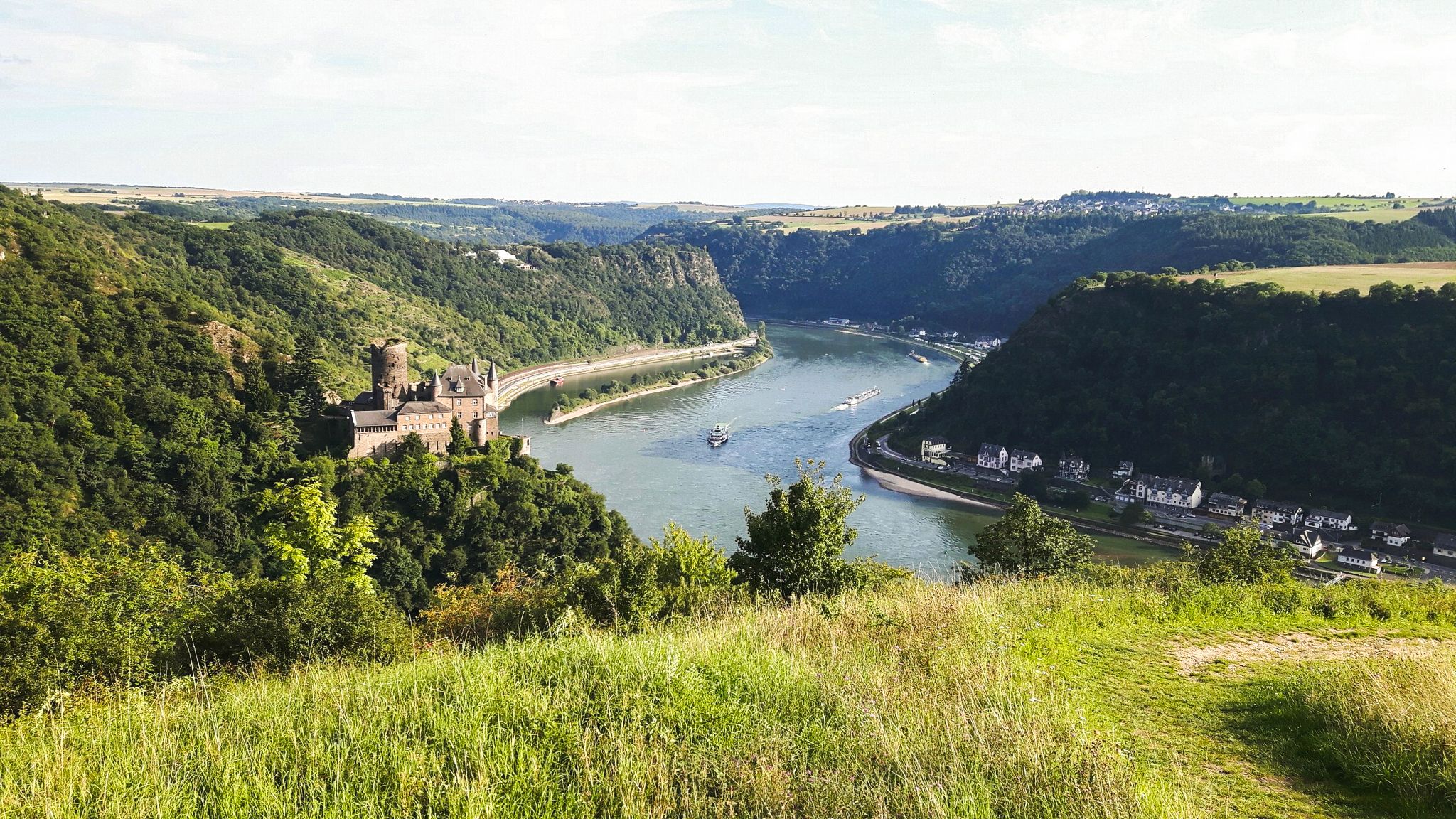
Rheinsteig Trail – The 21 stages along the Rhine
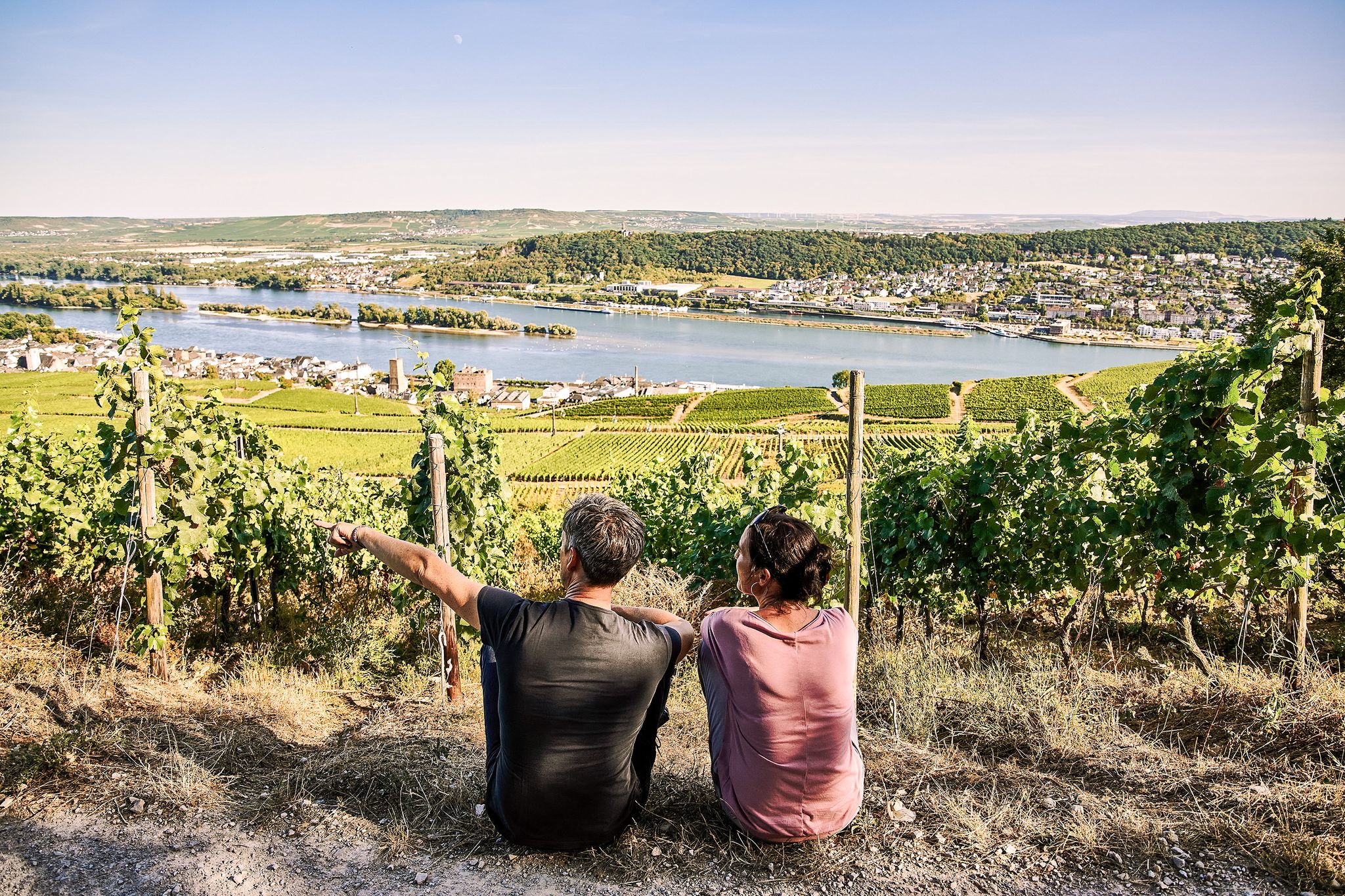
Riesling Loops – 14 routes rich in wine and history
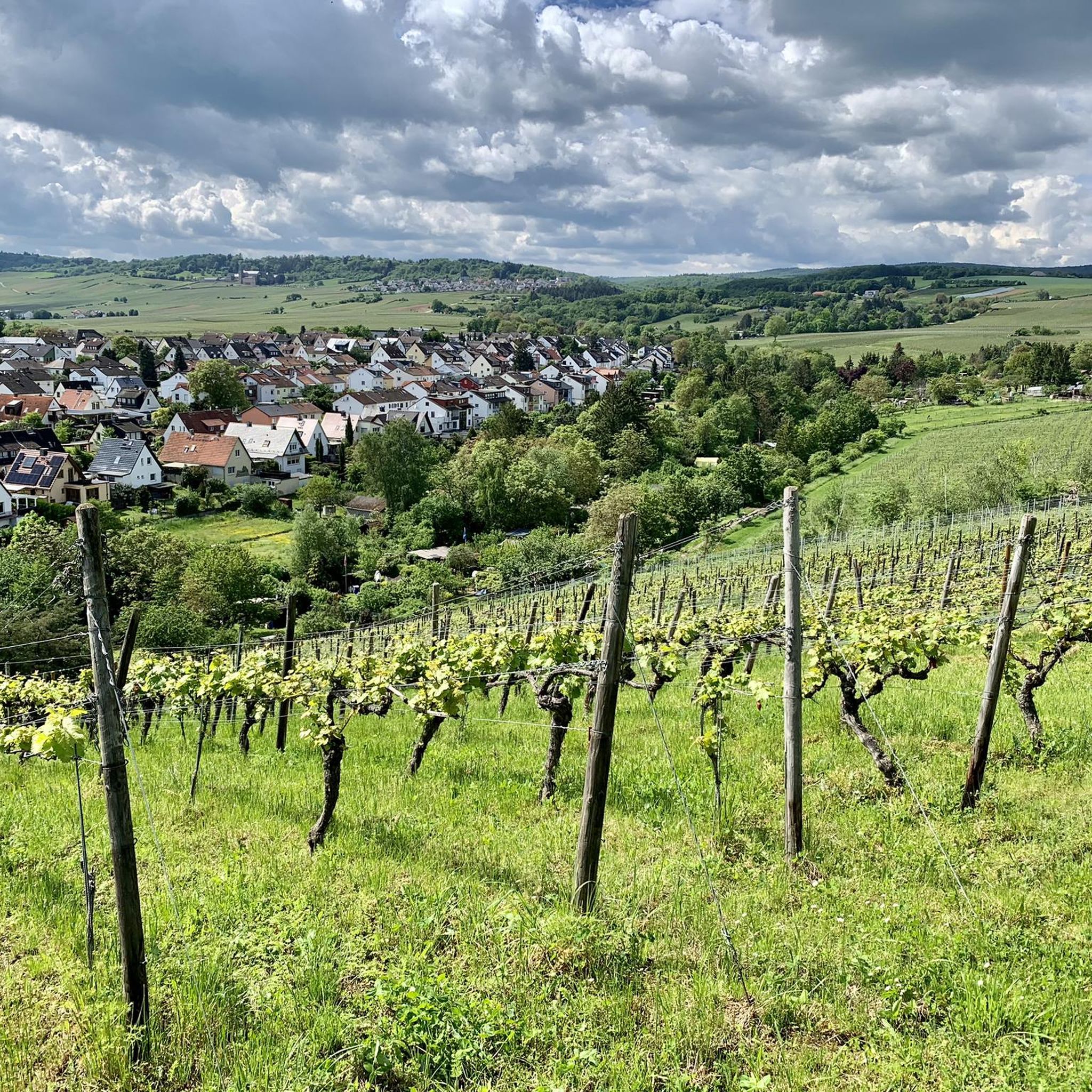
Hiking around Geisenheim
Cycling around Geisenheim
MTB Trails around Geisenheim
Road Cycling Routes around Geisenheim
Running Trails around Geisenheim
Gravel biking around Geisenheim
Mountain Hikes around Geisenheim


Tips from the Community

The first documented mention of the hilltop castle dates back to 1213, when the Imperial Abbey of Kornelimünster near Aachen appointed Philipp III von Bolanden as "castellanus" and governor. Experts partly doubt or reject the first conquest in 1253. What is certain is the siege, conquest and destruction by King Rudolph of Habsburg in 1282. The castle was banned from being rebuilt. From 1290 onwards, the ruins were owned by the Counts Palatine, who gave them up in favour of the Electorate of Mainz in 1344. A new building was then quickly constructed. A double ring wall enclosed a rectangular residential tower and an inner courtyard of the main castle. A forecourt was located to the north. In 1397, after the Pope had appointed John II of Nassau Archbishop of Mainz, ignoring the election of the Mainz Cathedral Chapter the previous year, Archbishop Gottfried von Leiningen, elected in 1396, barricaded himself in the castle. Only after tough negotiations did he give up the bishop's seat and was instead given the office of provost of Mainz Cathedral. His concession prevented another attack on the castle and possible further destruction. The castle had been left to decay since the 16th century. The remains were blown up in 1689 during the War of the Palatinate Succession. In 1834 Franz Wilhelm von Barfus bought the ruins and converted a tower into his residence. His heirs sold the castle to Baron von Rehfuß in 1877 and he sold it to Consul Chosodowsky in 1889. The castle was given its current appearance by Baron Nikolaus von Kirsch-Puricelli, a wealthy industrialist and owner of the Rheinböllerhütte. From 1899 to 1902, Kirsch-Puricelli had the castle rebuilt into a neo-Gothic residential castle in the Tudor style according to plans by the Regensburg architect Strebel. Additional residential buildings and an observation tower were built on the site of the outer castle. Reichenstein was the last castle in the Upper Middle Rhine Valley to be rebuilt in the spirit of Rhine Romanticism. After the castle was sold by the family in the 1990s, media entrepreneur Lambert Lensing-Wolff, a descendant of the Kirsch-Puricelli family, acquired Reichenstein Castle in 2014 as a weekend residence and also runs a museum and a hotel with a restaurant here.
5
0

Beautiful view from the bike path up to the castle
7
1

Great view of the castle which is still well preserved.
4
0

The castle has its origins in the early 14th century. With its towers and battlements, it really looks like you would imagine a medieval castle to be - a fairytale view directly over the Rhine.
9
0

A very impressive castle complex. Reichenstein Castle, also known as Falkenburg, is a castle in the UNESCO World Heritage Upper Middle Rhine Valley. It stands on a ledge on the eastern slope of the Binger Forest above the Rhineland-Palatinate municipality of Trechtingshausen.
8
0

from the castle battlements you always have a great view of the Rhine
15
0
the small bastion is reached via a narrow path, where the world heritage trail and tree spirit tour also goes along
15
1
The view from the small bastion is just great
13
0
Frequently Asked Questions
What are some notable castles to visit around Geisenheim?
The region around Geisenheim offers a variety of castles, from historic ruins to grand estates. Notable sites include Rheinstein Castle, a romanticized residential castle with a museum and stunning views of the Rhine Valley. You can also explore the Rossel Ruins, which offer a wonderful view of the Nahe estuary and the Binger Loch. Another unique site is Pfalzgrafenstein Castle, a Zollburg (customs castle) located on a Rhine island.
Are there family-friendly castles to visit near Geisenheim?
Yes, several castles around Geisenheim are suitable for families. Rossel Ruins, Pfalzgrafenstein Castle, and Rheinstein Castle are all categorized as family-friendly. They offer historical exploration, scenic views, and often have amenities or easy access that make them enjoyable for all ages.
What kind of historical significance do the castles in Geisenheim hold?
The castles around Geisenheim showcase diverse historical significance. Schloss Johannisberg is renowned as the world's first vineyard exclusively dedicated to Riesling and the birthplace of late-harvest wines. Rheinstein Castle, originally from the early 14th century, was rebuilt in the 19th century as a romantic residential castle. Burg Schwarzenstein, while not medieval, is a prime example of 19th-century romantic historicism in castle architecture. These sites reflect centuries of regional history, from medieval fortifications to viticultural innovation and romantic revivals.
Can I find viewpoints offering scenic views of the castles and the Rhine?
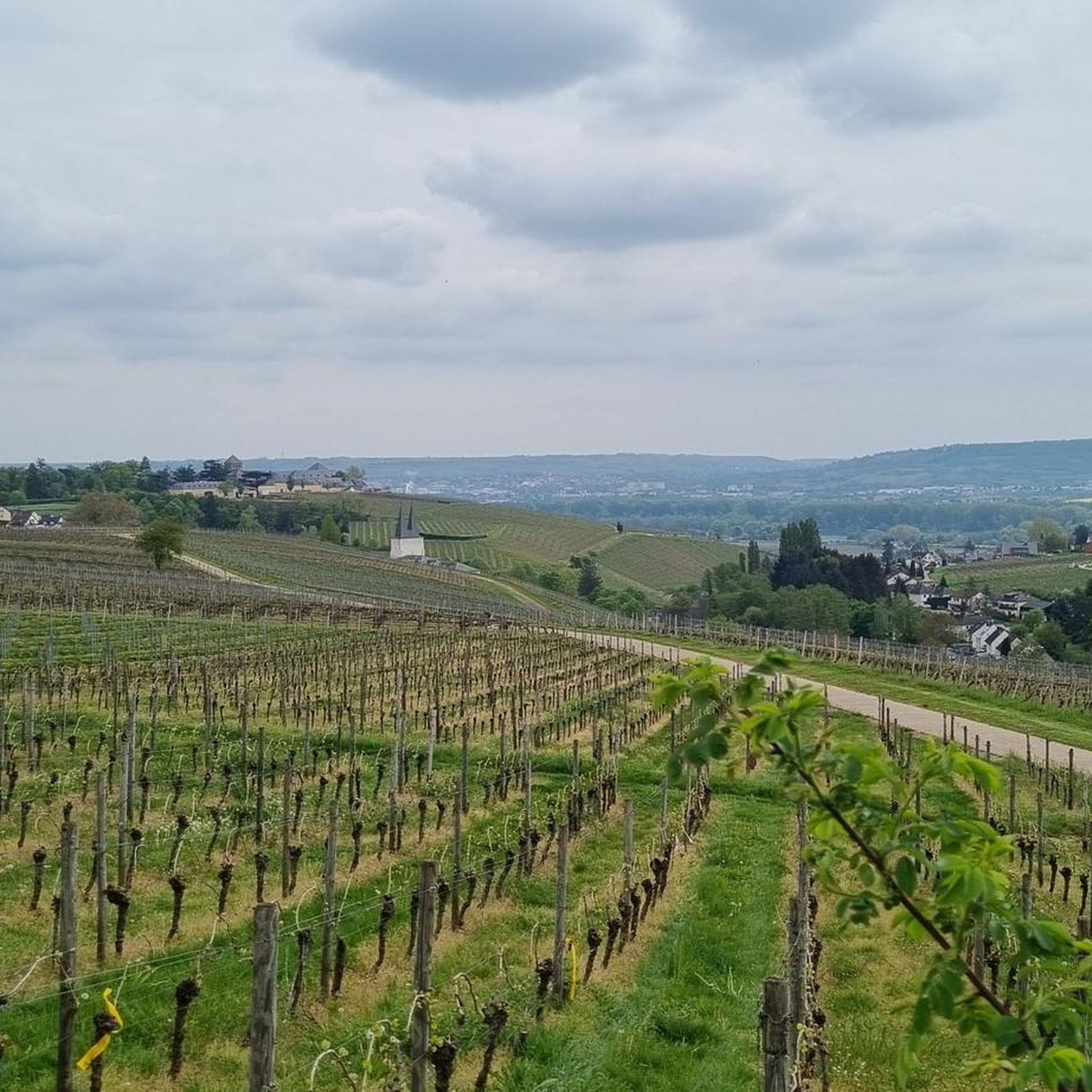
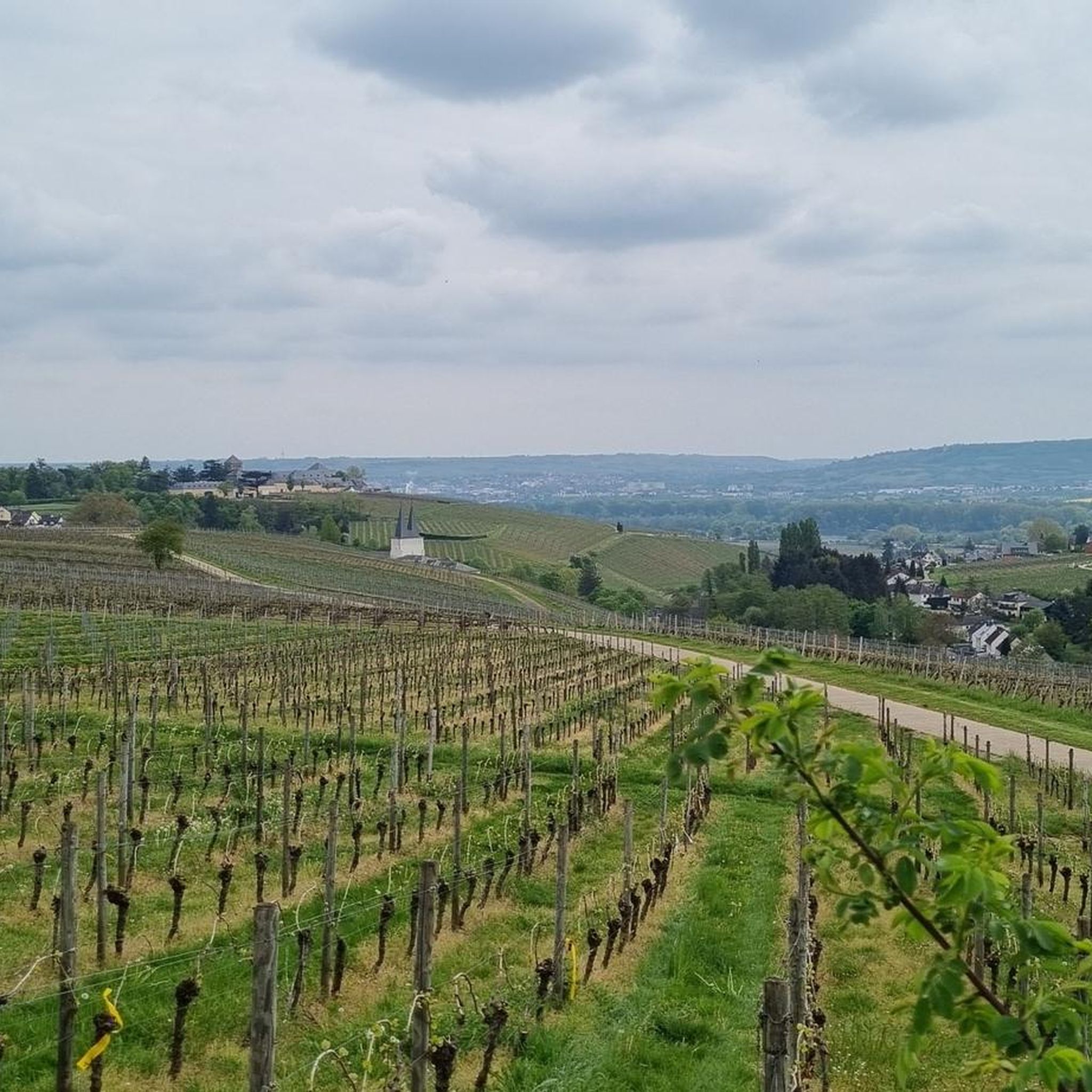
Absolutely. The region is famous for its panoramic views. The Rossel Ruins offer a beautiful vista of the Nahe estuary and the Binger Loch. For a classic postcard motif of Rheinstein Castle and the Rhine, visit the View of Rheinstein Castle and the Rhine from the Kleine Bastei. Burg Schwarzenstein also provides sweeping views over the Rhine Valley and surrounding vineyards.
Are there hiking opportunities near the castles around Geisenheim?
Yes, the area around Geisenheim offers excellent hiking opportunities that often include castle views. For mountain hikes, you can explore routes like the 'Rheinstein Castle – View of Reichenstein Castle loop' which is a moderate 11.6 km trail. For running, consider the 'St. Hildegard Abbey, Eibingen – Niederwald monument loop' which is a challenging 22.2 km route. You can find more details on these and other trails in the Mountain Hikes around Geisenheim and Running Trails around Geisenheim guides.
What is the best time of year to visit the castles in Geisenheim?
The Rheingau region, including Geisenheim, is beautiful year-round, but each season offers a different experience. Spring and autumn are particularly popular for hiking and enjoying the vineyards, with autumn providing vibrant fall foliage. Summer is ideal for boat trips on the Rhine and outdoor events. Some castles, like Rheinstein Castle, have specific opening hours that vary by season, so it's advisable to check their websites before visiting.
Are there options for dining or refreshments near the castles?
Yes, several castles and their vicinities offer dining options. Rheinstein Castle has an adjoining restaurant. Schloss Johannisberg features a tasting booth for its famous Riesling and a tavern with vineyard views. Burg Schwarzenstein operates as a luxury hotel with an elegant Burgrestaurant and a modern brasserie, both offering culinary excellence and views.
How can I reach the castles around Geisenheim using public transport?
Public transport options are available, though access might vary by castle. For Pfalzgrafenstein Castle, you can take a passenger ferry from Kaub to the island. For other castles, regional trains and buses connect to towns like Geisenheim, from where you might need to walk or take a short taxi ride. It's recommended to check local transport schedules for specific routes to your chosen castle.
Is parking available at the castles near Geisenheim?
Parking availability varies by castle. Larger estates like Schloss Johannisberg and Burg Schwarzenstein typically offer dedicated parking for visitors and guests. For castles like Rheinstein Castle, there might be parking areas nearby, often requiring a short walk. It's advisable to check the specific castle's website for detailed parking information before your visit.
Are the castles around Geisenheim dog-friendly?
While the outdoor areas and grounds of some castles or ruins, like the Rossel Ruins, might be accessible for dogs on a leash, indoor areas, museums, and restaurants typically have restrictions. It's best to verify the specific dog policy with each castle directly before planning your visit with a pet.
What unique features does Schloss Johannisberg offer?
Schloss Johannisberg is unique for its pioneering role in viticulture. It's the world's first vineyard exclusively dedicated to Riesling since 1720 and the birthplace of late-harvest wines (Spätlese) in 1775. It houses the 'Bibliotheca Subterranea,' a wine cellar with approximately 25,000 bottles, some dating back to 1748. Beyond its winemaking, the neoclassical palace serves as a cultural venue, hosting events like the Rheingau Musik Festival.
What makes Burg Schwarzenstein a distinctive castle experience?
Burg Schwarzenstein offers a distinctive experience as a prime example of 19th-century romantic historicism. Built between 1874 and 1876, it was designed to evoke medieval grandeur with decorative features like faux ruins and battlements. Today, it operates as a luxury hotel and features an elegant Burgrestaurant and brasserie, providing a blend of historical ambiance, comfort, and culinary delights with breathtaking panoramic views of the Rheingau landscape.
Most popular routes around Geisenheim
Most popular attractions around Geisenheim

Get inspired with the komoot mobile app


Explore more
Looking for the best castles somewhere else? Discover other guides around Geisenheim:
