The 9 Most Amazing Peaks around Kriftel
Mountain peaks around Kriftel are primarily found in the nearby Taunus mountain range, as Kriftel itself is a municipality with lower elevations, ranging from 90 to 271 meters. This area is known for its agricultural land, particularly fruit orchards. However, the broader Main-Taunus-Kreis district offers elevated areas and hills suitable for hiking. These natural features provide opportunities for outdoor exploration in the region surrounding Kriftel.
Best mountain peaks around Kriftel
- The most popular mountain peaks is Großer Mannstein (Staufenschwur Lookout)…
Last updated: July 7, 2026
Großer Mannstein (Staufenschwur Lookout)
Highlight • Viewpoint
Translated by Google •
Tip by

Rossert summit
Highlight • Summit
Translated by Google •
Tip by

Sign up now to discover places like this
Get recommendations on the best single tracks, peaks, & plenty of other exciting outdoor places.
Sign up for free
Judenkopf Summit
Highlight • Summit
Translated by Google •
Tip by

Hahnenkopf Summit
Highlight • Summit
Translated by Google •
Tip by

Neolithic Burial Mound Kapellenberg
Highlight • Historical Site
Translated by Google •
Tip by

Sign up for free to discover even more peaks around Kriftel.
Sign up for free
Already have an account?
Start today with a free account
Your next adventure awaits.
Login or Signup
Tips from the Community

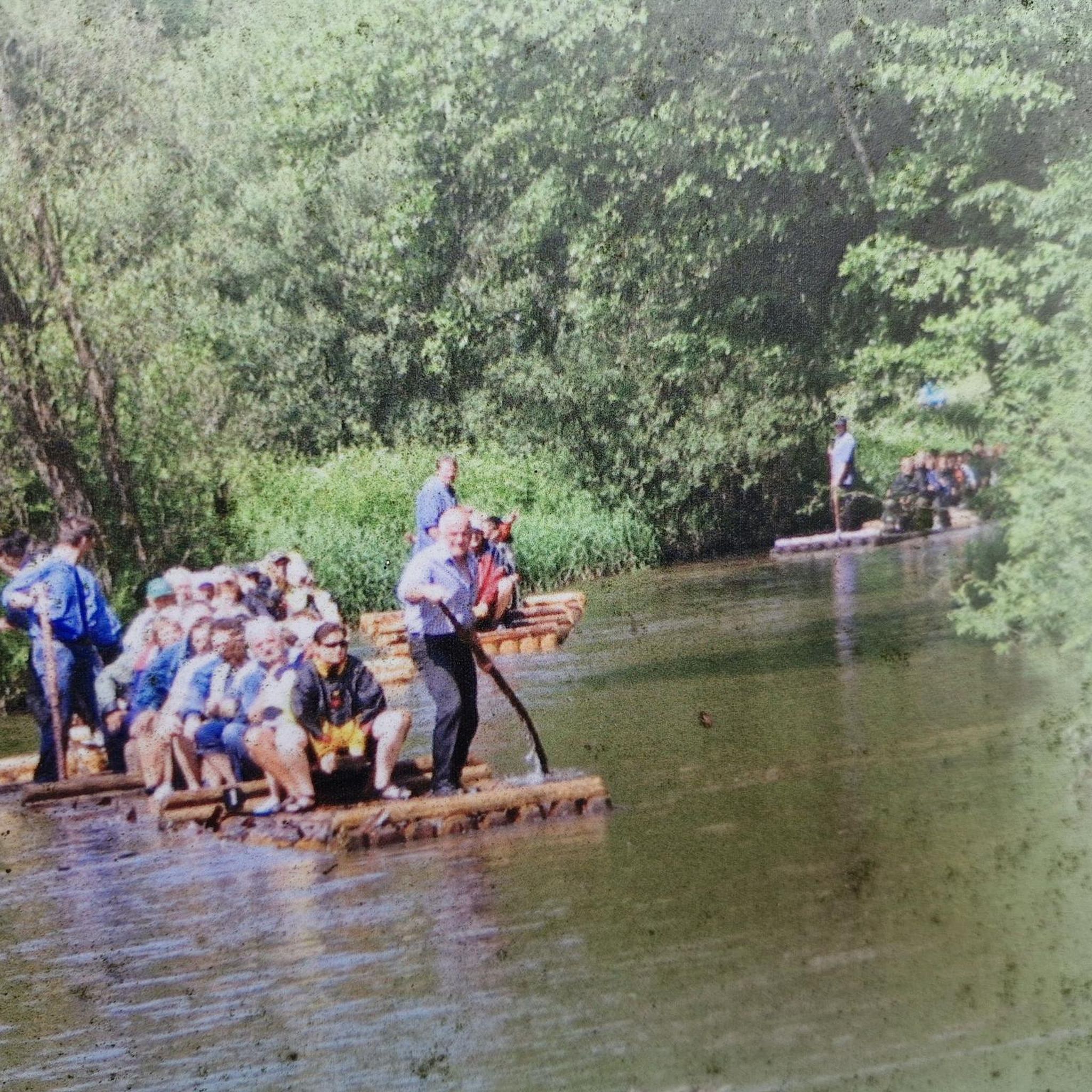
Six thousand years ago, Hofheim was a center of the Michelsberg culture. And in a way, Hofheim is still a center today: The most important researchers in this field from all over Europe are currently gathered here. The symposium "The Hofheim Experiment: Lifeworlds and Dynamics of the Michelsberg Culture" addresses various aspects – from climate to archaeogenetics, from settlement structures to economic systems.
10
0

The Kapellenberg in Hofheim am Taunus is one of the most important Neolithic archaeological sites in Germany. Here, archaeologists discovered the remains of a roughly 6,000-year-old hilltop settlement of the Michelsberg culture, featuring impressive ramparts, house plans, and a monumental burial mound. Around 900 people once lived on the plateau, protected by palisades and earthworks. Finds such as a jade axe from the Western Alps provide evidence of extensive trade relations and early social organization. Today, a 4.2-kilometer-long archaeological trail leads through the site, offering fascinating insights into Stone Age life with information panels and viewpoints. Those who walk attentively will still recognize remnants of the ramparts in the area. A detour to the Hofheim City Museum, where original finds are on display, is particularly worthwhile. The Kapellenberg impressively combines nature, history, and research – a tranquil place with an ancient past high above the Main-Taunus region.
0
0
Up here from the big Mannstein you have a wonderful view
16
0
Michelsberg Culture - Traces of Settlement around 4000 BC on the Kapellenberg The first traces of the Michelsberg Culture in Hofheim can be dated to before 4000 BC. There is evidence of a settlement on the Kapellenberg, although it was not permanently inhabited. Today, the circular wall is the best preserved of its kind because the area remained unused for many thousands of years. It is therefore invaluable for understanding this Neolithic culture. The original boundary consisted of a palisade (between 4200 and 4100 BC), which was used tactically in the surrounding area. After this burned down, a rampart was built (between 3900 and 3800 BC). After another fire, the wall was considerably raised, and another palisade was built on top. The wall (with a circumference of over 3 km) encloses an area of 46 hectares. Since In 2008, the Romano-Germanic Central Museum in Mainz, under the direction of Prof. Gronenborn, in collaboration with the Hesse State Office for Monument Preservation (hessenARCHÄOLOGIE), conducted excavations to learn more about the lives of the original inhabitants on the Kapellenberg. One thing is certain: the settlement dissolved around 3650 BC due to internal disputes. The remaining settlers left. The oldest burial mound in Central Europe, "unique" according to Prof. Gronenborn, and the aforementioned rampart have been preserved. Since 2020, visitors have been able to explore the background of Hofheim's local mountain on a signposted 4-kilometer "Archaeological Trail."
4
0
The summit of the Kapellenberg, here is also the excavation site for the old settlement
0
0

A nice little extra summit, but without a view and without a summit cross
0
0

It's a mountain without a "summit", at least I couldn't really make out the highest point.
1
0
Frequently Asked Questions
Where can I find prominent mountain peaks or elevated areas near Kriftel?
While Kriftel itself has lower elevations, ranging from 90 to 271 meters, prominent mountain peaks and elevated areas are found in the nearby Taunus mountain range, particularly within the broader Main-Taunus-Kreis district. These areas offer hills and higher points suitable for hiking and outdoor exploration.
What are some of the most popular elevated spots or viewpoints around Kriftel?
One of the most popular spots is Großer Mannstein (Staufenschwur Lookout), which offers expansive views of the Frankfurt skyline, the Feldberg, and even the Odenwald on clear days. Another highly regarded spot is Rossert summit, known for its great views and scenic, alpine-like path.
Are there any specific summits in the Taunus Nature Park near Kriftel?
Yes, the Judenkopf Summit is a notable wooded summit located within the Taunus Nature Park. It is the highest point in the Hessian district town of Hofheim am Taunus, though its dense forest means it doesn't offer wide views.
What kind of hiking trails can I find near the mountain peaks around Kriftel?
The region offers a variety of hiking trails, from easy to challenging. For instance, you can find routes like the Flowtrail Langenhain or more moderate options such as the Gimbacher Hof – Emperor's Temple, Eppstein loop. Many of these trails are part of larger guides like Mountain Hikes around Kriftel.
Are there any historical sites or unique natural monuments among the elevated areas?
Yes, you can explore the Neolithic Burial Mound Kapellenberg. This historical site, built between 4500 and 3900 BC, offers a glimpse into ancient history, though it might require an information board to fully appreciate its significance.
What is the best time of year to hike the mountain peaks near Kriftel?
The Taunus mountains are generally enjoyable for hiking throughout the year. Spring and autumn offer pleasant temperatures and beautiful scenery with blooming flowers or colorful foliage. Summer is also good, but it's advisable to start early to avoid the midday heat. Winter hikes are possible, but require appropriate gear for potentially snowy or icy conditions.
Are there family-friendly hiking options near Kriftel's elevated areas?
Yes, many trails in the Taunus region are suitable for families. While specific 'family-friendly' categories aren't always explicit for every peak, routes like the Flowtrail Langenhain are often considered easier. Look for trails with shorter distances and less elevation gain for a more relaxed family outing.
Can I bring my dog on the hiking trails around Kriftel?
Many hiking trails in the Taunus region are dog-friendly. However, it's always recommended to keep your dog on a leash, especially in nature reserves or areas with wildlife, and to check for any specific local regulations or signage along the trails.
What other outdoor activities can I do near the mountain peaks around Kriftel?
Besides mountain hikes, the area around Kriftel offers various outdoor activities. You can find numerous running trails, such as those detailed in Running Trails around Kriftel, or explore cycling routes, including longer tours like the Meisterturm, Hofheim loop, found in guides like Cycling around Kriftel.
Are there any lesser-known summits or viewpoints worth exploring?
The Hahnenkopf Summit is an example of a lesser-known elevation in the Taunus. While it might not have a traditional summit cross or clear highest point, it offers a quiet forest experience and even some seating for a break.
What should I wear for mountain hiking in the Taunus region?
For hiking in the Taunus, it's best to wear comfortable, layered clothing suitable for varying weather conditions. Sturdy hiking shoes with good grip are essential, especially on uneven or potentially muddy trails. Depending on the season, consider bringing rain gear, a hat, and sun protection.
Most popular routes around Kriftel
Most popular attractions around Kriftel

Get inspired with the komoot mobile app


Explore more
See even more amazing summits around Kriftel with these guides:
