Attractions and Places To See around Großhartmannsdorf - Top 20
Attractions and places to see around Großhartmannsdorf, a municipality nestled at the foot of the Ore Mountains, highlight its history, natural beauty, and cultural heritage. Situated near the Saidenbach drinking water dam, the area offers a diverse landscape. Visitors can explore historical sites, natural features, and cultural points of interest within this region.
Best attractions and places to see around Großhartmannsdorf
- The most popular attractions is Blockhausen Wood Sculpture Park, a wood sculpture park that features impressive wood sculptures.…
Last updated: May 11, 2026
Blockhausen Wood Sculpture Park
Highlight • Structure
Translated by Google •
Tip by

Blockhausen playground
Highlight • Rest Area
Translated by Google •
Tip by
Sign up now to discover places like this
Get recommendations on the best single tracks, peaks, & plenty of other exciting outdoor places.
Sign up for free
Neunzehnhain II Dam
Highlight • Lake
Translated by Google •
Tip by

Saidenbach Reservoir
Highlight • Lake
Update 2024: the path over the top of the wall is open again.
Translated by Google •
Tip by

Blockhausen Chainsaw Sculpture Park
Highlight • Structure
Translated by Google •
Tip by
Sign up for free to discover even more attractions around Großhartmannsdorf.
Sign up for free
Already have an account?
Start today with a free account
Your next adventure awaits.
Login or Signup
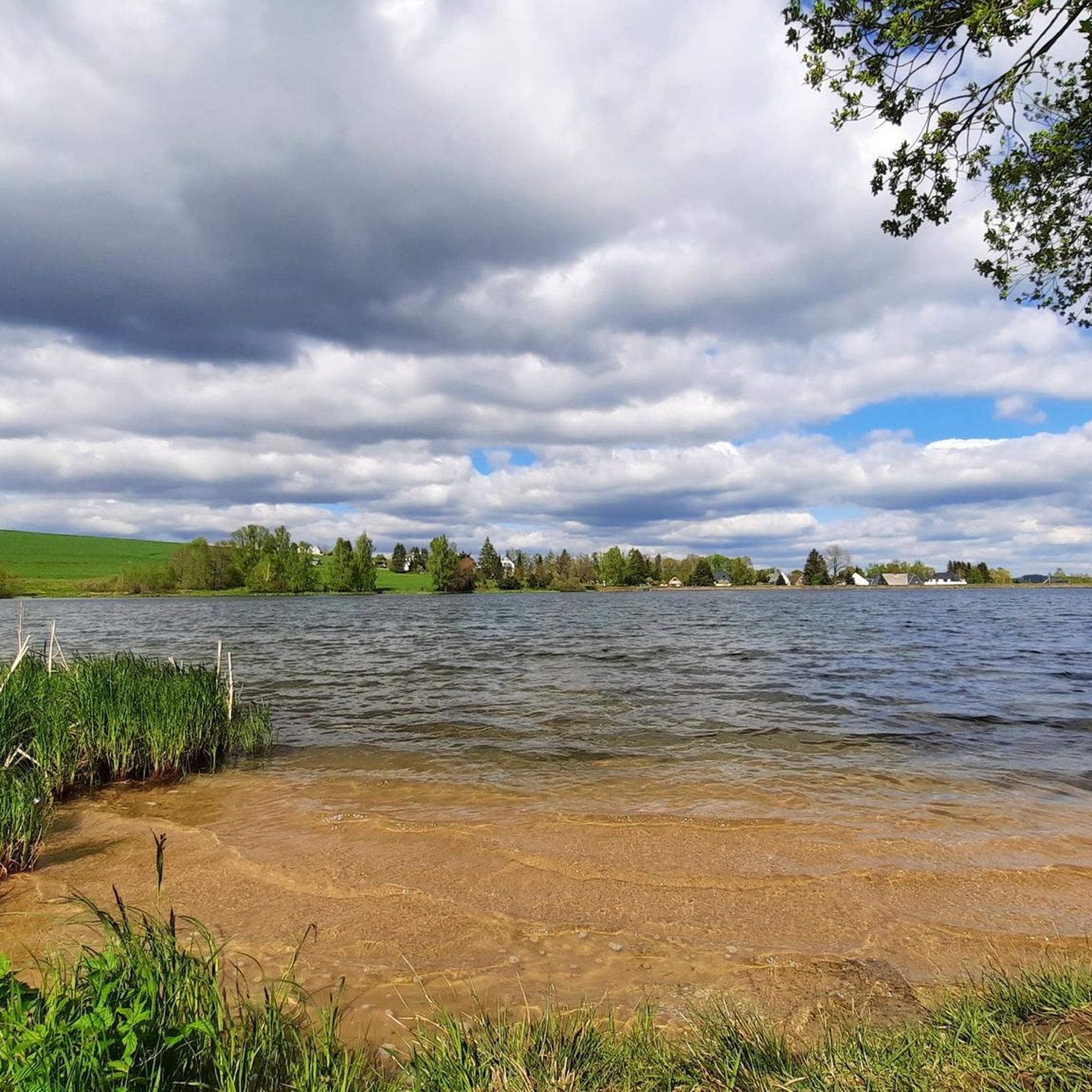
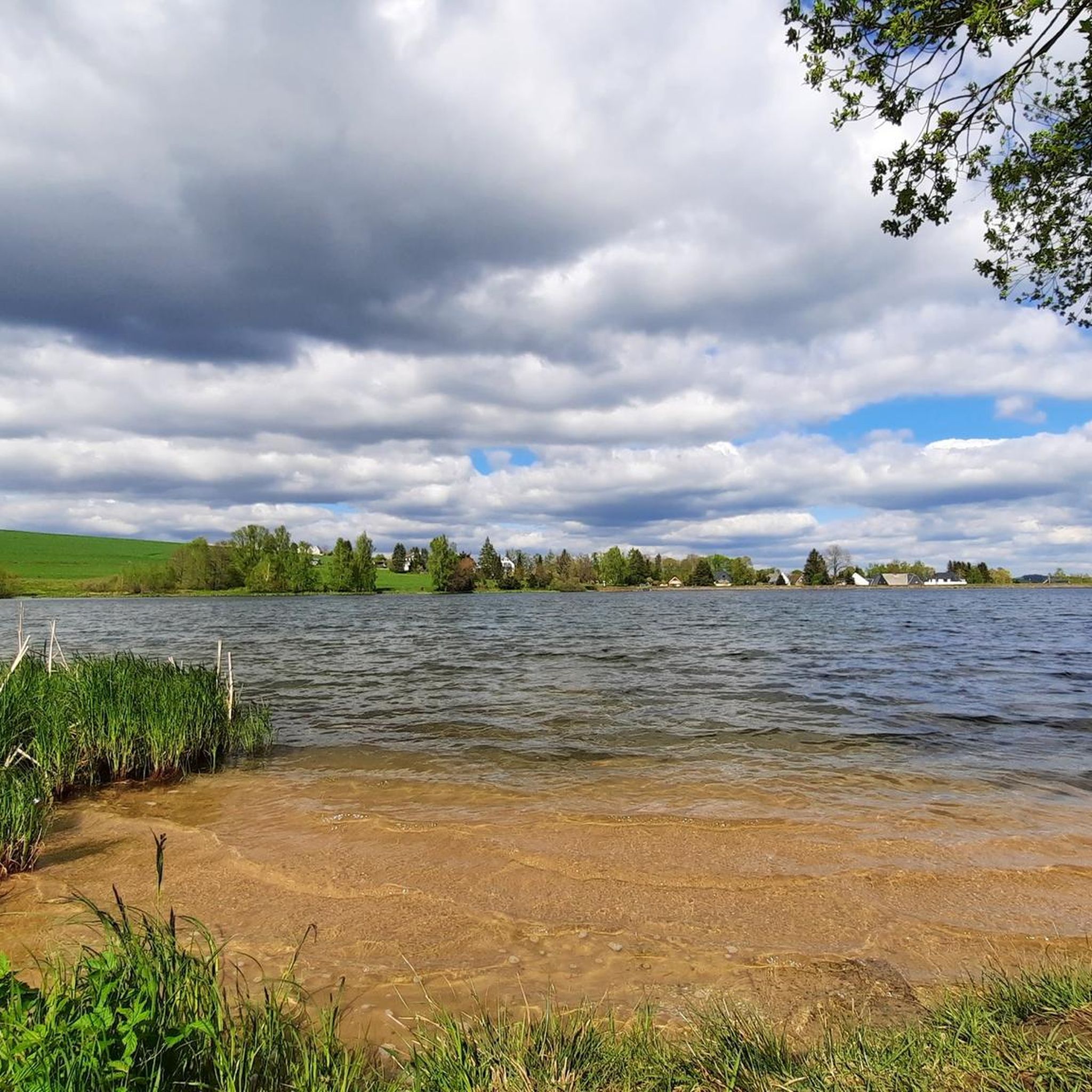
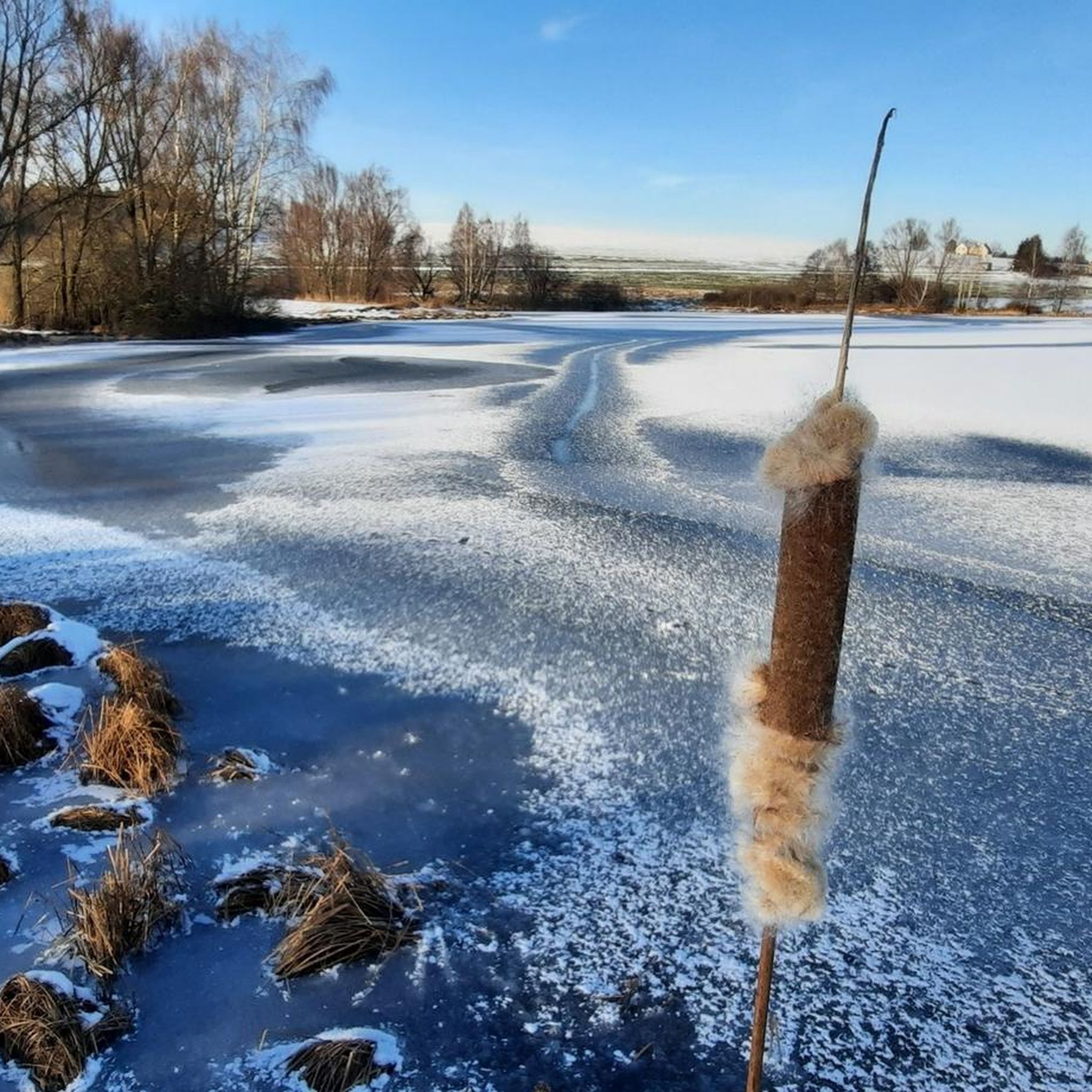
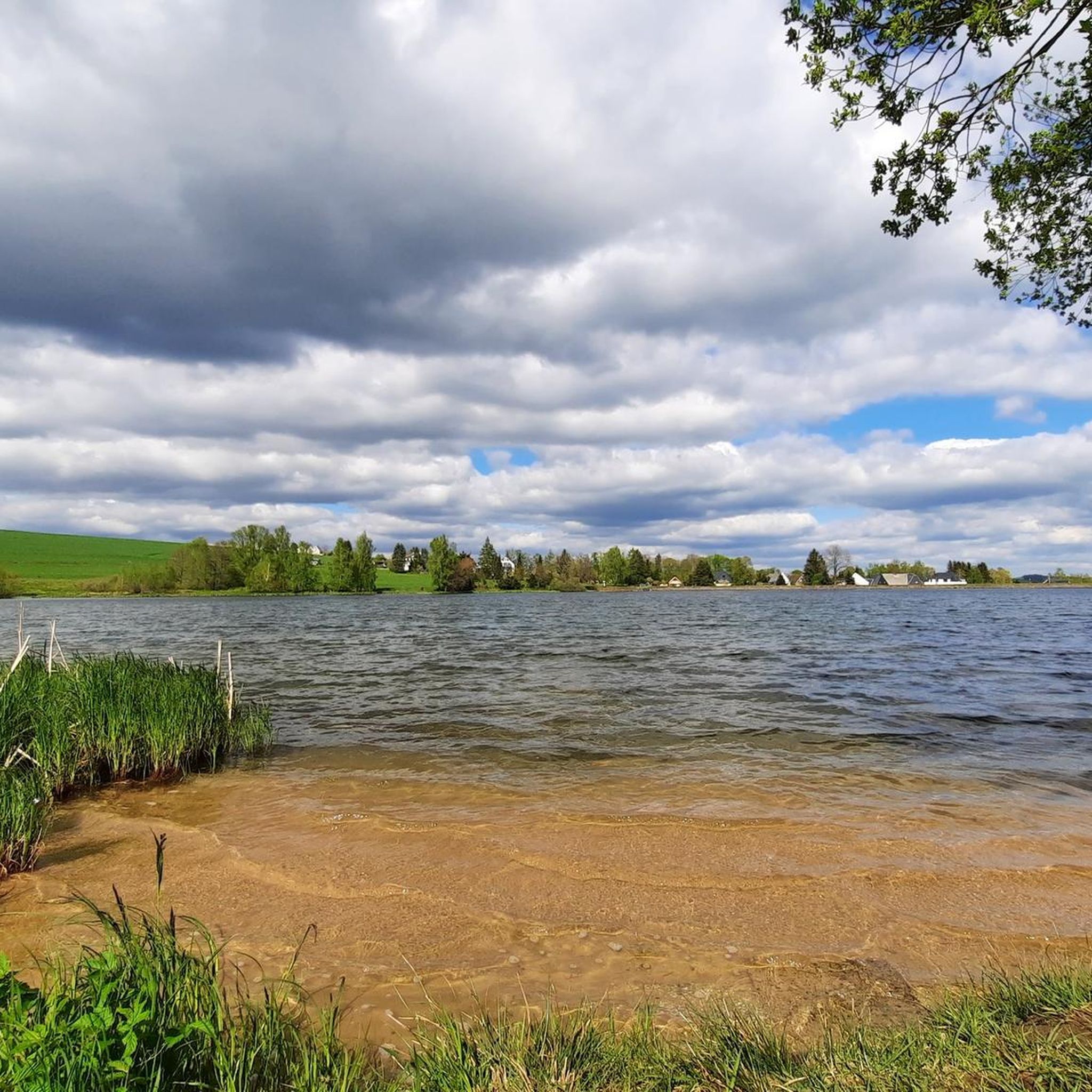

Tips from the Community

The dam is connected to the Neunzehnhain I and II dams and the Einsiedel dam via canals, pipelines, tunnels, and streams. A charming landscape conservation area of approximately 4,500 hectares extends around the Saidenbach Dam.
4
0
The Saidenbach drinking water reservoir was built between 1929 and 1933 northeast of Pockau-Lengefeld. It dams a total of six tributaries: the Forchheimer Dorfbach, Gründelbach, Haselbach, Hölzelbergbach, Lippersdorfer Bach, and Saidenbach. With over 146 hectares of water surface (22.4 million m³ of water), the reservoir is the largest reservoir in the Central Ore Mountains and also the largest drinking water reservoir in the "Central Ore Mountains" integrated water system. Together with the Einsiedel, Neunzehnhain 1, and Neunzehnhain 2 reservoirs, it provides raw water for the Einsiedel waterworks, which supplies Chemnitz and southern Saxony with drinking water. https://www.wasserwirtschaft.sachsen.de/TS_Saidenbach.html
4
0

Free and built with lots of love using natural wood.
1
0
Worthwhile hike to the two dams Neunzehnhain 1 and 2
2
0

The Neunzehnhain Dam was built between 1911 and 1914 in the Bornwald near Pockau-Lengefeld in the Ore Mountains. It was put into operation shortly before the outbreak of the First World War. Due to the rapid industrialization of the Chemnitz area at the end of the 19th century and the enormous population growth of that time, water consumption rose rapidly. The Neunzehnhain Dam, which was only inaugurated in 1908, could no longer meet the water demand just three years later - and was therefore given a larger sister to accompany it.
3
0

A very nice and large playground for young and old
1
0

Here the children can let off steam
3
0

Always worth seeing. Outside of sunny public holidays and the Chainsaw Carving World Championships, you can usually admire the works of art in peace.
4
0
Frequently Asked Questions
What natural attractions can I explore around Großhartmannsdorf?
The region offers several beautiful natural features. You can visit the Saidenbach Reservoir, which is surrounded by a 4,500-hectare landscape protection area. The path over the dam wall has reopened for visitors. Another notable spot is the Neunzehnhain II Dam, known for its quiet and romantic setting. The Konstantinteich, an artificial pond in Zug, is also part of an old mining area with heaps and mine shafts. Additionally, the Saidenberg offers elevated views, and there are extensive forests and a nature reserve to discover.
Are there family-friendly activities and attractions in Großhartmannsdorf?
Yes, Großhartmannsdorf provides several family-friendly options. The Blockhausen playground is a varied playground that entertains children of various ages. Families can also enjoy the impressive wood sculptures at Blockhausen Wood Sculpture Park. The Neunzehnhain II Dam and Saidenbach Reservoir are also suitable for family outings, offering scenic walks and a peaceful environment.
What historical and cultural sites can I visit in the area?
Großhartmannsdorf is rich in history and culture. You can explore the Baroque Church, which houses a rare Silbermann Organ, or the Mittelsaida Church, one of the few surviving fortified churches in the Ore Mountains with a recognizable defensive walkway. The Mayoratsgut (Manor House) now functions as a museum, offering insights into the region's history, including mining, peat extraction, and weaving, along with historical paintings. The Technical Monument "Obermühle" is another significant historical building. Don't miss the Artisanal Ditch and Pond System, a medieval technical masterpiece that powered the Freiberg silver mines.
What kind of hiking trails are available around Großhartmannsdorf?
The area around Großhartmannsdorf offers a variety of hiking trails. You can explore the municipality on the marked "Rund um die Lichte" Hiking Trail, which provides beautiful views of the Ore Mountains. For more specific routes, you can find options like the 'Großhartmannsdorf Church – Timmelteich loop' or the 'View of the Frozen Lake loop', both considered easy. For a comprehensive list of trails, including moderate and easy options, check out our guide to Hiking around Großhartmannsdorf.
Are there cycling routes near the attractions?
Yes, there are several cycling routes available. You can find routes like the 'Brandsteig Pathway – Erzengler Pond loop' or the 'Großhartmannsdorfer Großteich – Brettmühle Mulda loop'. These routes vary in difficulty from moderate to difficult, offering diverse experiences for cyclists. For detailed information and more options, refer to our guide on Cycling around Großhartmannsdorf.
What do visitors enjoy most about the attractions in Großhartmannsdorf?
Visitors particularly appreciate the unique artistry at Blockhausen Wood Sculpture Park, noting how impressive the wood carvings are. The Neunzehnhain II Dam is often described as wonderfully quiet and romantic, offering a beautiful sight. Families enjoy the varied play opportunities at Blockhausen playground, where children of all ages can have fun.
Can I visit the Saidenbach Reservoir, and is the dam wall accessible?
Yes, the Saidenbach Reservoir is open to visitors. While there were past closures, the path over the dam wall has since reopened, allowing access to this scenic area. It's part of a charming 4,500-hectare landscape protection area.
Are there any hidden gems or less-known spots worth discovering?
Beyond the main attractions, consider exploring the historic farms with their beautiful half-timbering found throughout the villages of Großhartmannsdorf, Obersaida, Mittelsaida, and Niedersaida. The Artisanal Ditch and Pond System, a remarkable technical masterpiece from the Middle Ages, is also a fascinating and less-known site that is still functional today.
What is the best time of year to visit Großhartmannsdorf for outdoor activities?
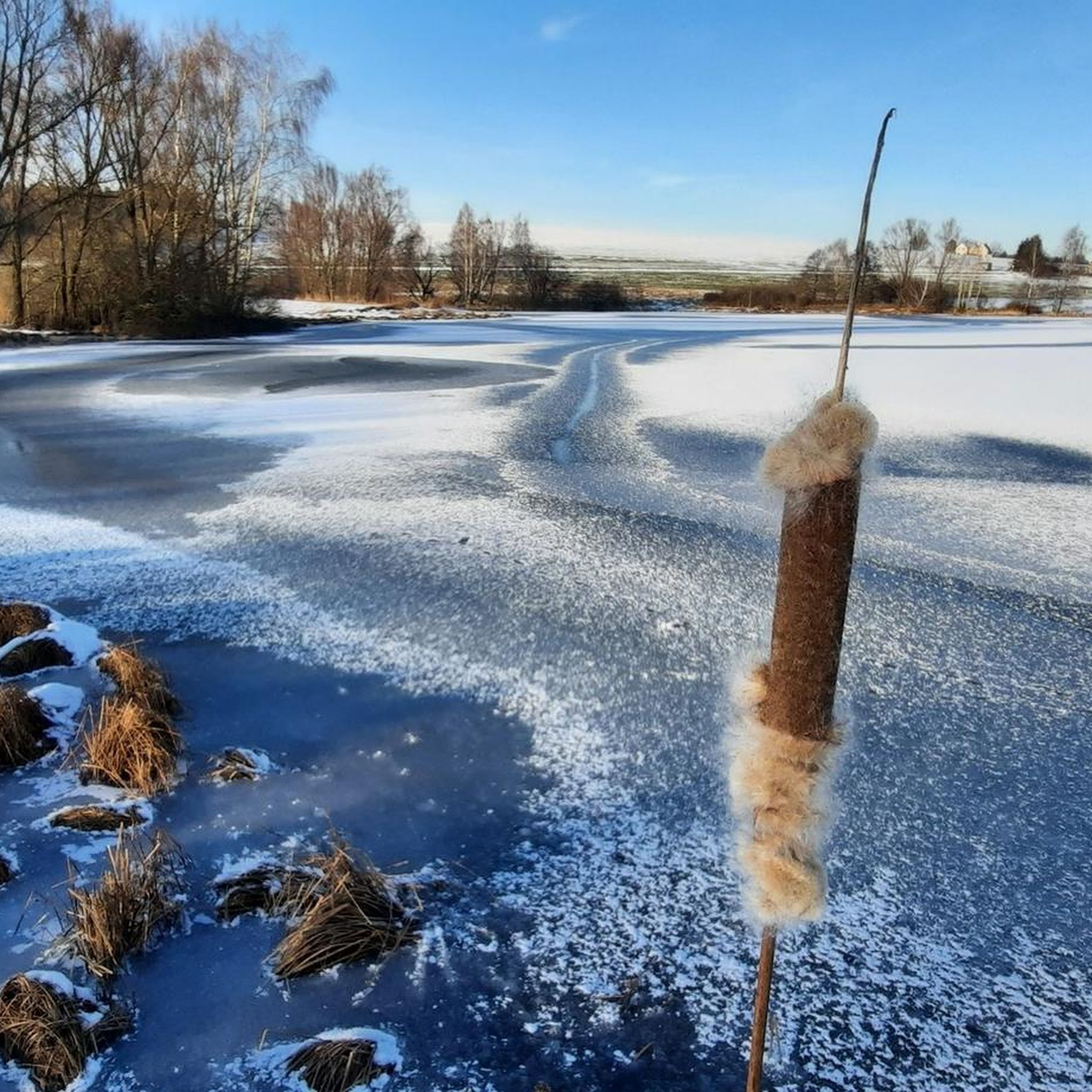
The region is beautiful year-round. Spring and summer are ideal for hiking and cycling, with lush greenery and pleasant temperatures. Autumn offers stunning foliage in the forests. Even in winter, the landscape can be picturesque, and some attractions like the Blockhausen Wood Sculpture Park can be enjoyed in a quiet, snowy atmosphere.
Are there any specific viewpoints in the Großhartmannsdorf area?
The Saidenberg, reaching 701 meters above sea level, is one of the prominent elevations in the municipal area and offers potential viewpoints. Additionally, many of the hiking trails, such as the "Rund um die Lichte" trail, provide beautiful views of the picturesque Ore Mountains landscape.
What is the significance of the Konstantinteich?
The Konstantinteich is an artificial pond in Zug that is part of the Freiberg Mining Water Management System. It was historically used as a reservoir and compensation storage for underground power plants in the Konstantin and Drei-Brüder-Schacht. Today, it serves for raw water distribution for process water supply and the fishing industry, and it is situated in an old mining area with heaps and shafts, highlighting the region's mining heritage.
Most popular routes around Großhartmannsdorf
Most popular attractions around Großhartmannsdorf

Get inspired with the komoot mobile app


Explore more
Still not found the Highlight you’re looking for? See guides of the top attractions in other regions:
