Top 20 Lakes around Großhartmannsdorf
Best lakes around Großhartmannsdorf are situated in the Ore Mountains, a region known for its historical mining heritage and natural landscapes. The area features various man-made reservoirs and ponds, often integrated into the local water management systems. These bodies of water provide opportunities for outdoor activities within a setting shaped by both nature and human industry. The region offers a blend of historical significance and natural beauty, making it a destination for erholung erzgebirge großhartmannsdorf.
Best lakes around Großhartmannsdorf
- The…
Last updated: July 21, 2026
Neunzehnhain II Dam
Highlight • Lake
Translated by Google •
Tip by

Saidenbach Reservoir
Highlight • Lake
Update 2024: the path over the top of the wall is open again.
Translated by Google •
Tip by

Sign up now to discover places like this
Get recommendations on the best single tracks, peaks, & plenty of other exciting outdoor places.
Sign up for free
Konstantinteich
Highlight • Lake
Translated by Google •
Tip by

Neunzehnhain I Reservoir
Highlight • Lake
Translated by Google •
Tip by
Sluice ponds
Highlight • Lake
Translated by Google •
Tip by

Sign up for free to discover even more lakes around Großhartmannsdorf.
Sign up for free
Already have an account?
Start today with a free account
Your next adventure awaits.
Login or Signup
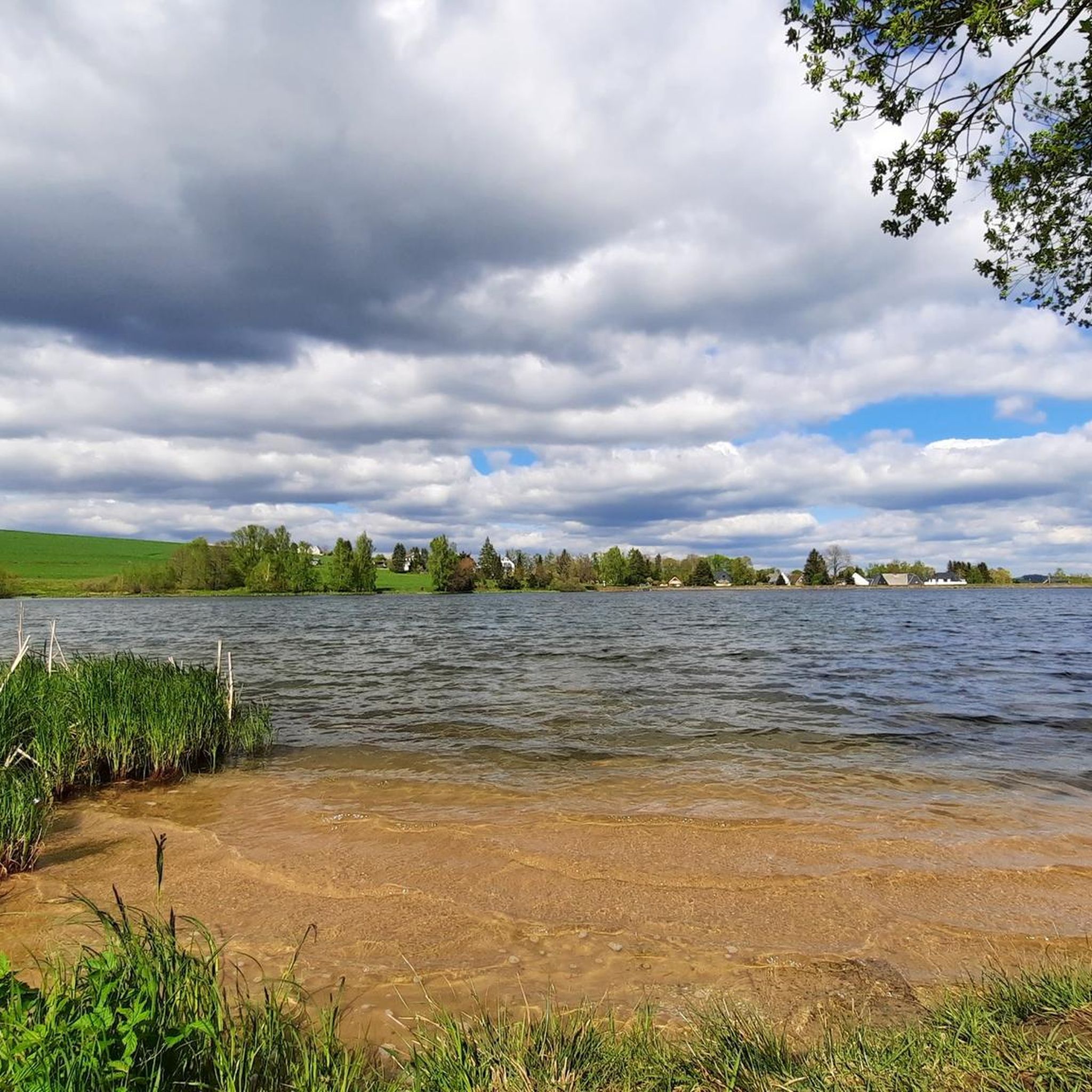
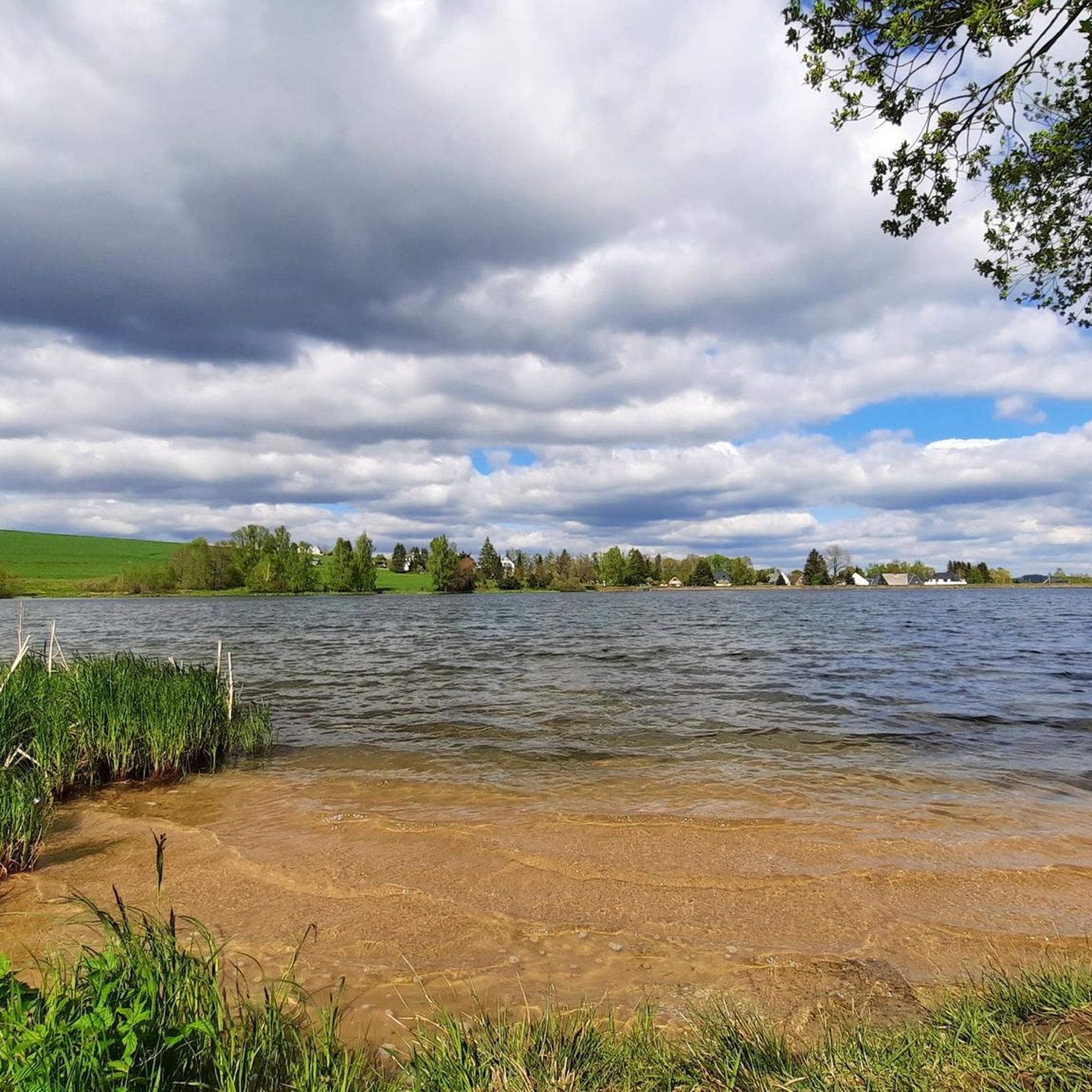
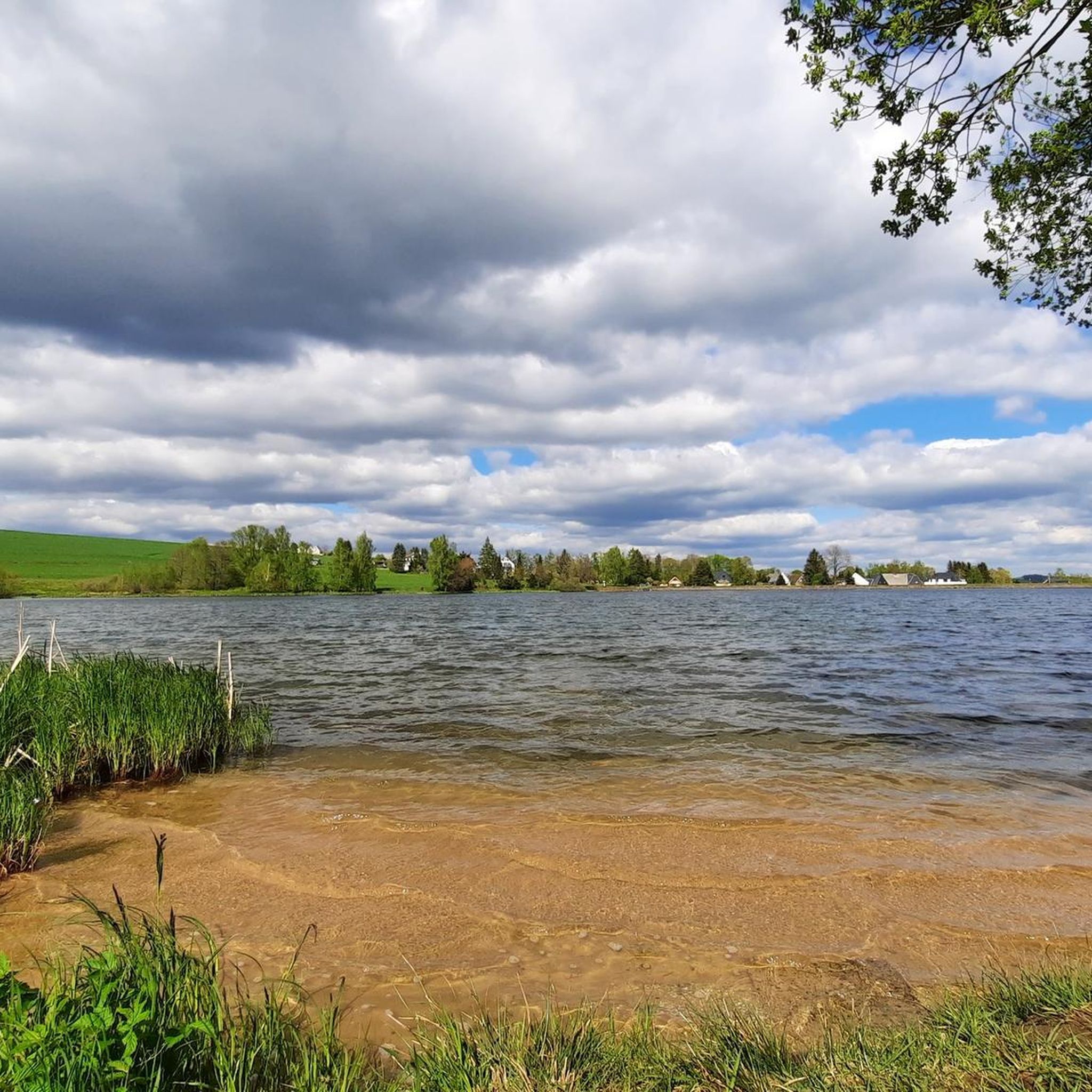
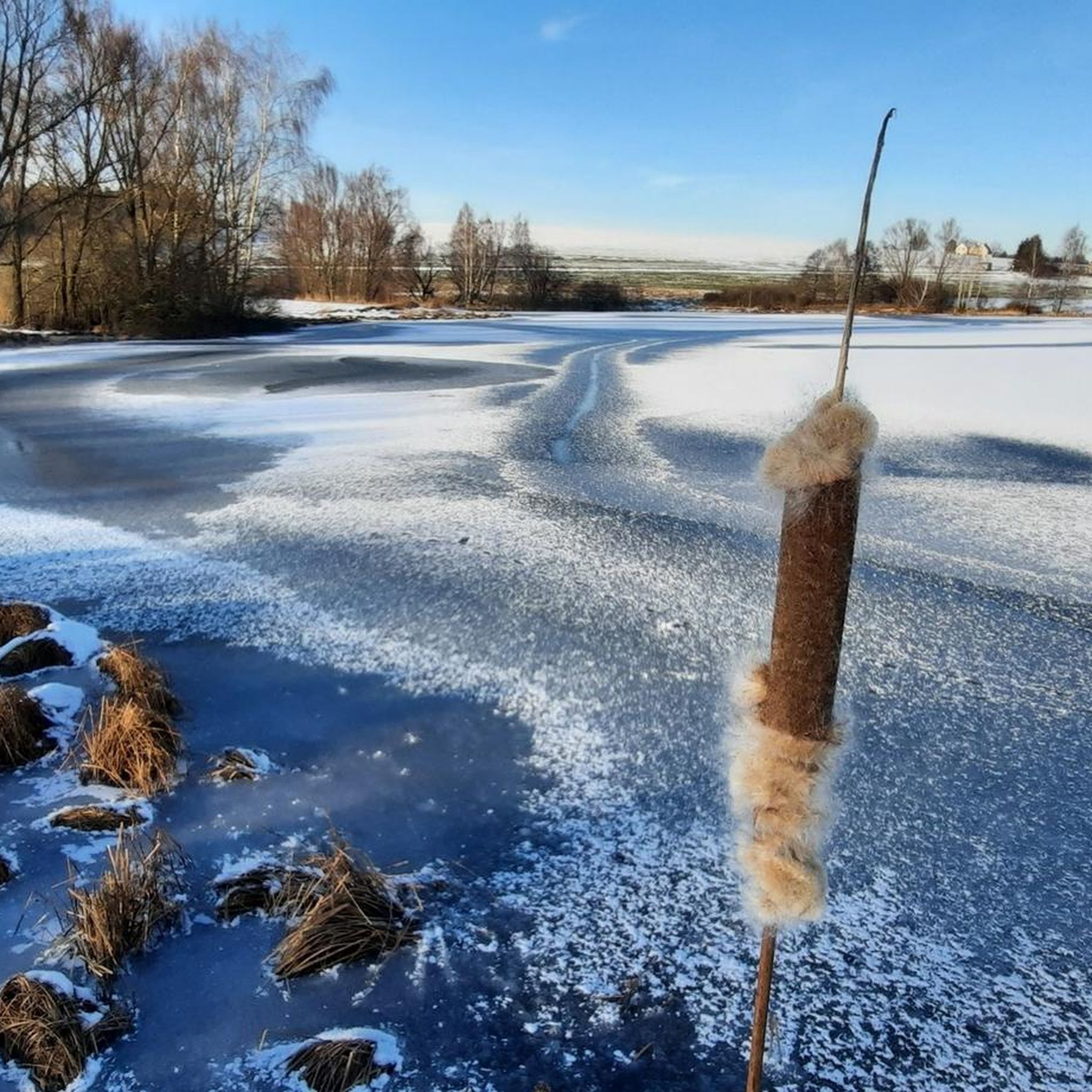

Tips from the Community

The dam was built according to the Intze principle as a curved gravity dam made of rubble masonry.
12
0


The dam is connected to the Neunzehnhain I and II dams and the Einsiedel dam via canals, pipelines, tunnels, and streams. A charming landscape conservation area of approximately 4,500 hectares extends around the Saidenbach Dam.
4
0
The Saidenbach drinking water reservoir was built between 1929 and 1933 northeast of Pockau-Lengefeld. It dams a total of six tributaries: the Forchheimer Dorfbach, Gründelbach, Haselbach, Hölzelbergbach, Lippersdorfer Bach, and Saidenbach. With over 146 hectares of water surface (22.4 million m³ of water), the reservoir is the largest reservoir in the Central Ore Mountains and also the largest drinking water reservoir in the "Central Ore Mountains" integrated water system. Together with the Einsiedel, Neunzehnhain 1, and Neunzehnhain 2 reservoirs, it provides raw water for the Einsiedel waterworks, which supplies Chemnitz and southern Saxony with drinking water. https://www.wasserwirtschaft.sachsen.de/TS_Saidenbach.html
4
0
Worthwhile hike to the two dams Neunzehnhain 1 and 2
2
0

The Neunzehnhain Dam was built between 1911 and 1914 in the Bornwald near Pockau-Lengefeld in the Ore Mountains. It was put into operation shortly before the outbreak of the First World War. Due to the rapid industrialization of the Chemnitz area at the end of the 19th century and the enormous population growth of that time, water consumption rose rapidly. The Neunzehnhain Dam, which was only inaugurated in 1908, could no longer meet the water demand just three years later - and was therefore given a larger sister to accompany it.
3
0
The stream that has been dammed to form the alluvial ponds flows into the Mortelgrund at the Mortelmühle. Overall, the area with its bodies of water, riverbanks, mountain meadows and wet meadows represents a very valuable habitat.
4
1
Frequently Asked Questions
Which lakes around Großhartmannsdorf are suitable for families?
Several lakes in the area are family-friendly. The Saidenbach Reservoir is ideal for activities like hiking and cycling with the whole family. Both Neunzehnhain II Dam and Neunzehnhain I Reservoir are also noted as family-friendly spots, offering beautiful natural surroundings for leisurely walks or bike rides.
Are there easy walking trails around the lakes near Großhartmannsdorf?
Yes, there are several easy walking trails. The Neunzehnhain I Reservoir is quickly circumnavigated on foot, offering beautiful nature. You can find more easy hikes, including circular trails around the Saidenbach Reservoir and other local ponds, in the guide for Easy hikes around Großhartmannsdorf.
What kind of outdoor activities can I do near the lakes?
The lakes around Großhartmannsdorf offer various outdoor activities, primarily hiking and cycling. The Saidenbach Reservoir is particularly suitable for both. You can explore dedicated routes for hiking, gravel biking, and road cycling in the guides for the Großhartmannsdorf area.
Are there any historical sites or interesting structures near the lakes?
Yes, the region has a rich mining heritage. The Neunzehnhain II Dam, built between 1911 and 1914, is a notable sight in the Bornwald. The Konstantinteich is an artificial pond that was part of the Freiberg Revierwasserlaufanstalt, used for mining operations and power plants in 1925, and is located amidst old mining heaps and shafts.
What is the best time to visit the lakes around Großhartmannsdorf?
The lakes are generally enjoyable throughout the warmer months for hiking and cycling. Spring and autumn offer pleasant temperatures and beautiful scenery, while summer is ideal for longer outdoor activities. Even in winter, the Ore Mountains can offer picturesque landscapes for winter hiking, though specific lake access might vary.
Can I find quiet and romantic spots among the lakes?
Absolutely. The Neunzehnhain II Dam is specifically described as a wonderfully quiet and romantic lake, perfect for those seeking a tranquil experience in nature.
Are dogs allowed on trails around the lakes?
While specific regulations for each lake vary, generally, dogs are welcome on trails in the Ore Mountains region, provided they are kept on a leash and owners clean up after them. It's always recommended to check local signage at each specific lake for any restrictions.
Are there any lakes suitable for wild swimming?
The lakes around Großhartmannsdorf are primarily reservoirs and artificial ponds, often part of water management systems. While some may have designated bathing areas, wild swimming might be restricted due to water quality regulations or safety concerns. It's best to look for official bathing spots or inquire locally about permitted swimming areas.
What makes the lakes around Großhartmannsdorf unique?
The lakes in this region are unique due to their blend of natural beauty and historical significance. Many are man-made reservoirs and ponds, integrated into the local water management systems and often linked to the area's rich mining heritage. This offers a distinct landscape shaped by both nature and human industry, providing a unique backdrop for outdoor activities.
Are there any circular walks around the lakes?
Yes, circular walks are popular in the area. For example, the Neunzehnhain I Reservoir is easily circumnavigated. You can find several circular routes, such as the 'Saidenbach Reservoir Circular Trail' or the 'Großhartmannsdorf Church – Timmelteich loop', in the guide for Easy hikes around Großhartmannsdorf.
What are the accessibility options for visitors with limited mobility?
While many trails around the lakes involve natural terrain, some sections, particularly around the dam walls or paved paths, may offer easier access. For specific accessibility information, it's advisable to check individual highlight details or local tourist information, as conditions can vary. The main dam wall of the Saidenbach Reservoir, for instance, is open again for passage.
Are there cafes or refreshment options near the lakes?
While the guide doesn't specify cafes directly at every lake, the Neunzehnhain II Dam is listed as having 'facilities' and a 'hut', which may include refreshment options. For other lakes, it's recommended to check nearby towns or villages like Großhartmannsdorf for dining and cafe choices before or after your visit.
Most popular routes around Großhartmannsdorf
Most popular attractions around Großhartmannsdorf

Get inspired with the komoot mobile app


Explore more
Still not found your perfect lake around Großhartmannsdorf? Check out the guides of these regions to see even more beautiful places.
