Attractions and Places To See around Hartmannsdorf bei Kirchberg - Top 20
Attractions and places to see around Hartmannsdorf bei Kirchberg are located in the Zwickau district of Germany, bordering the Ore Mountains. This region features a combination of historical landmarks, cultural sites, and natural landscapes. Visitors can explore the area's mining heritage and diverse environments, including forests and reservoirs. The town serves as a starting point for outdoor activities and cultural discovery.
Best attractions and places to see around Hartmannsdorf bei Kirchberg
- The most popular attractions is Blauenthal Waterfall, a…
Last updated: July 21, 2026
Old Bockau railroad tunnel
Highlight (Segment) • Structure
Translated by Google •
Tip by

Blauenthal Waterfall
Highlight • Waterfall
"After the First World War, the owner of the Toellische paper factory had a new …
Translated by Google •
Tip by

Sign up now to discover places like this
Get recommendations on the best single tracks, peaks, & plenty of other exciting outdoor places.
Sign up for free
Mulde Cycle Path from Blauenthal to Aue
Highlight • Cycleway
Translated by Google •
Tip by

Sosa Reservoir
Highlight • Lake
Translated by Google •
Tip by

Stein Castle, Hartenstein
Highlight • Castle
Translated by Google •
Tip by
Sign up for free to discover even more attractions around Hartmannsdorf bei Kirchberg.
Sign up for free
Already have an account?
Start today with a free account
Your next adventure awaits.
Login or Signup
Popular around Hartmannsdorf bei Kirchberg
Tips from the Community

One of the most beautiful waterfalls I know 😍. If you continue the hike to the right, you can see the waterfall from above 😊.
14
2

The largest waterfall in Saxony and one of the highest German waterfalls outside the Alps is located in the immediate vicinity of Blauenthal. This former site of a flour and board mill was bought by Andreas Blau around 1530 and converted into a hammer mill. After the First World War, the owner of the paper factory had a new ditch dug above a steep rock face in order to use the water to drive his turbines. On Sundays and public holidays, the machines stood still and the water rushed down into the valley.
10
1

The museum provides information about the history of Hartenstein Castle and County. Exciting exhibits tell of the Saxon prince robbery. In addition to an extensive weapons collection, you can discover knightly armor, legal antiquities, hunting trophies, and exhibits on life and everyday life in the region.
9
0
Hartstein family, a pompous castle with a museum.
10
0
Former railway tunnel, very wide and somehow great.
9
0

The dam was built between 1948 and 1951. After the founding of the GDR, the dam was called the “Dam of Peace”. It was the first so-called "central youth facility" of the newly founded state on October 7, 1949. Source: http://www.sosa-online.de/geschichte.html
3
0

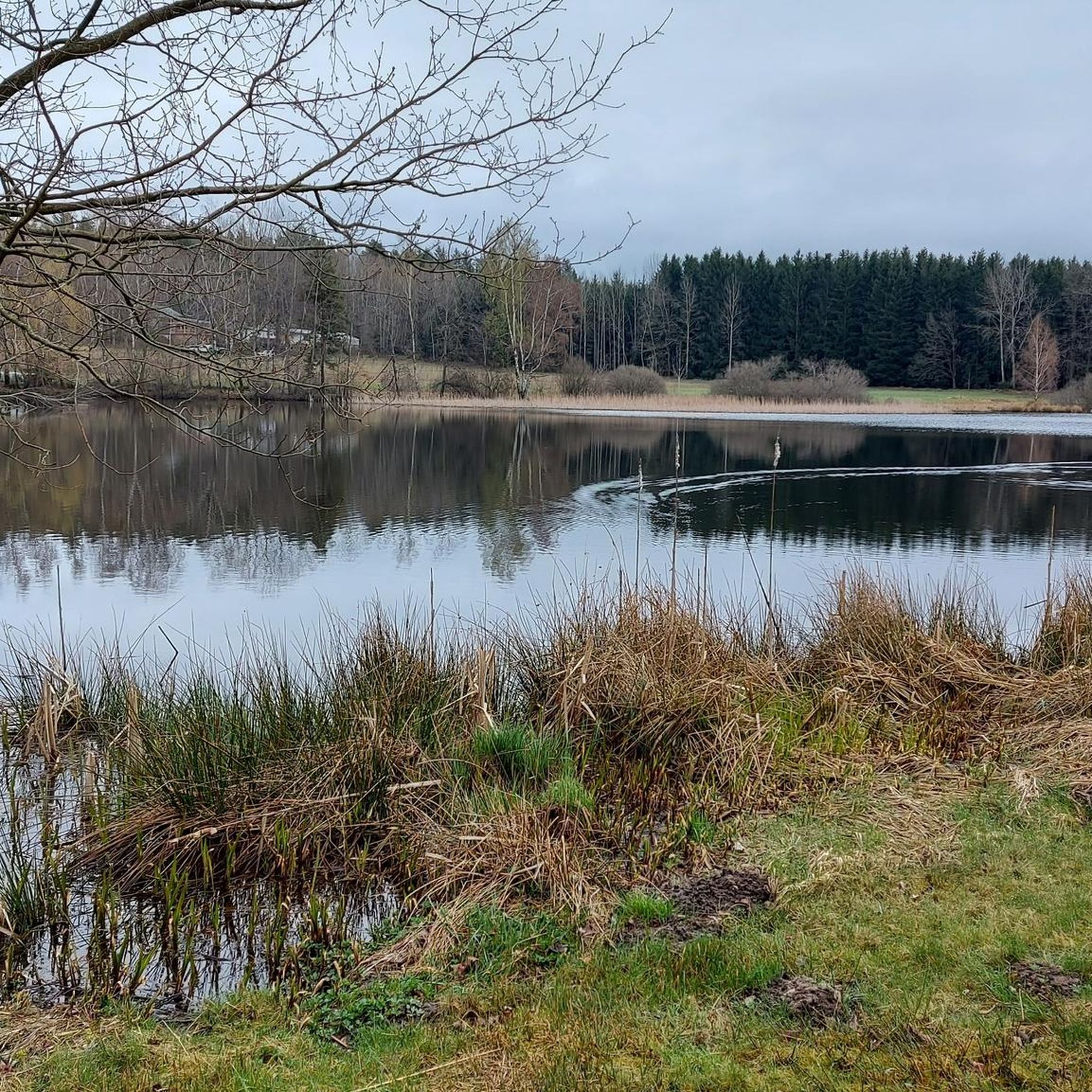
The panoramic view from the dam wall over the forests is simply picturesque. Great place for hikes around the dam.
5
1

A great bike path. Slightly rising from Aue to Sosa. The first climb to Sosa Can only be done with e-bikes, but pushing is also possible (only about 700 m). Afterwards you will be rewarded with a wonderful view. The Cafe Richter in Sosa is highly recommended. (Open Wed. - Sun 1:00 p.m. - 5:00 p.m.
3
2
Frequently Asked Questions
What natural attractions can I explore around Hartmannsdorf bei Kirchberg?
The region offers diverse natural beauty. You can visit the Blauenthal Waterfall, considered the highest in Saxony, or enjoy the panoramic views from the dam wall of the Sosa Reservoir. The Hartmannsdorfer Forst is a popular destination for hikers, and the Filzteich, partly within Hartmannsdorf's territory, is a notable excursion spot. Don't miss the protected Jahnsgrüner Hochmoor, a high moor that feeds the Filzteich.
Are there historical sites or cultural landmarks to visit in the region?
Yes, Hartmannsdorf bei Kirchberg and its surroundings are rich in history and culture. You can explore the 18th-century Hartmannsdorf Castle, the 13th-century St. Aegidien Church, and the traditional Dorfpyramide Hartmannsdorf. The Old Bockau railroad tunnel is also a unique historical site.
What cycling opportunities are available near Hartmannsdorf bei Kirchberg?
Cyclists can enjoy the Mulde Cycle Path from Blauenthal to Aue, an approximately 11-kilometer route along the Mulde river on a former railway line, offering a shaded and pleasant ride. For more cycling adventures, explore the gravel biking routes or road cycling routes available in the wider area.
Where can I go hiking around Hartmannsdorf bei Kirchberg?
The Hartmannsdorfer Forst is an excellent area for hiking, featuring numerous well-developed trails. The 'Hohe Forst', a UNESCO World Heritage site, offers insights into the region's mining history through its trails. You can also find various running and hiking trails around the Filzteich and the Sosa Reservoir, providing scenic walks through forests and along water.
Are there family-friendly activities or attractions in the area?
Many natural sites like the Blauenthal Waterfall and the Sosa Reservoir are suitable for family outings. The Mulde Cycle Path, built on a former railway line, offers a gentle gradient perfect for family bike rides. The Hartmannsdorfer Forst also provides easy walking paths for all ages.
What is the significance of the 'Hohe Forst'?
The 'Hohe Forst' is one of the oldest and best-preserved mining landscapes in the Ore Mountains. It is part of the UNESCO World Heritage Montanregion Erzgebirge/Krušnohoří, offering a unique glimpse into the region's rich mining history through its heaps and sinkholes. It's a significant site for both nature and history enthusiasts.
Can I visit a traditional Ore Mountain craft workshop?
Yes, in the district of Giegengrün, you can find a Holzdrechslerei, a woodturning workshop specializing in traditional Ore Mountain folk art. This offers a chance to see local craftsmanship firsthand.
What is the best time of year to visit Hartmannsdorf bei Kirchberg?
The region is beautiful year-round, but for outdoor activities like hiking and cycling, spring through autumn (April to October) offers the most pleasant weather. The forests are particularly vibrant in spring and autumn. Winter can be charming for snowy landscapes, especially in the nearby Ore Mountains.
Are there any unique architectural marvels in the broader region?
Beyond the local historical buildings, the broader region is home to the Göltzschtal Bridge, which holds the distinction of being the largest brick bridge in the world. It's an impressive architectural sight worth visiting.
What do visitors particularly enjoy about the attractions around Hartmannsdorf bei Kirchberg?
Visitors frequently praise the picturesque views, especially from the Sosa Reservoir dam wall, and the unique experience of the Blauenthal Waterfall. The shaded and well-developed Mulde Cycle Path is also a community favorite for its enjoyable ride along the river.
Is there an automotive museum nearby?
Yes, for those interested in automotive history, the August Horch Museum is located nearby in Zwickau. It's a must-visit for enthusiasts of classic cars and the history of German automobile manufacturing.
Are there any accessible trails or paths for visitors with mobility needs?
While specific wheelchair-accessible trails are not detailed, many of the paths along the Mulde Cycle Path and around the Filzteich are relatively flat and well-maintained, making them potentially suitable for a wider range of visitors. It's always recommended to check specific trail conditions beforehand.
What is the Töllescher Graben?
The Töllescher Graben is a historically interesting ditch that serves as the tributary to the Blauenthal Waterfall. It's a pleasant and historically significant path to walk, connecting to the waterfall.
Most popular routes around Hartmannsdorf bei Kirchberg
Most popular attractions around Hartmannsdorf bei Kirchberg

Get inspired with the komoot mobile app


Explore more
Still not found the Highlight you’re looking for? See guides of the top attractions in other regions:
