Top 10 Castles around Seifhennersdorf
Best castles around Seifhennersdorf are located in the surrounding Upper Lusatia region, a landscape known for its historical architecture. While Seifhennersdorf is recognized for its traditional Umgebindehäuser, the broader area features several significant castle sites. These structures offer a glimpse into the region's past, ranging from medieval fortifications to later aristocratic residences. The varied terrain around Seifhennersdorf provides a setting for exploring these historical landmarks.
Best castles around Seifhennersdorf
- The most popular castles is Tolštejn Castle Ruins, a castle…
Last updated: May 4, 2026
Tolštejn Castle Ruins
Highlight • Castle
The castle has been abandoned since 1607.
Translated by Google •
Tip by

Schlosshotel Althörnitz
Highlight • Castle
Translated by Google •
Tip by

Sign up now to discover places like this
Get recommendations on the best single tracks, peaks, & plenty of other exciting outdoor places.
Sign up for free
Hainewalde Water Castle Gatehouse
Highlight • Castle
Translated by Google •
Tip by

Althörnitz Castle
Highlight • Castle
Translated by Google •
Tip by

Ruppersdorf Moated Castle
Highlight • Castle
Translated by Google •
Tip by

Sign up for free to discover even more castles around Seifhennersdorf.
Sign up for free
Already have an account?
Start today with a free account
Your next adventure awaits.
Login or Signup
Other adventures around Seifhennersdorf

Tips from the Community

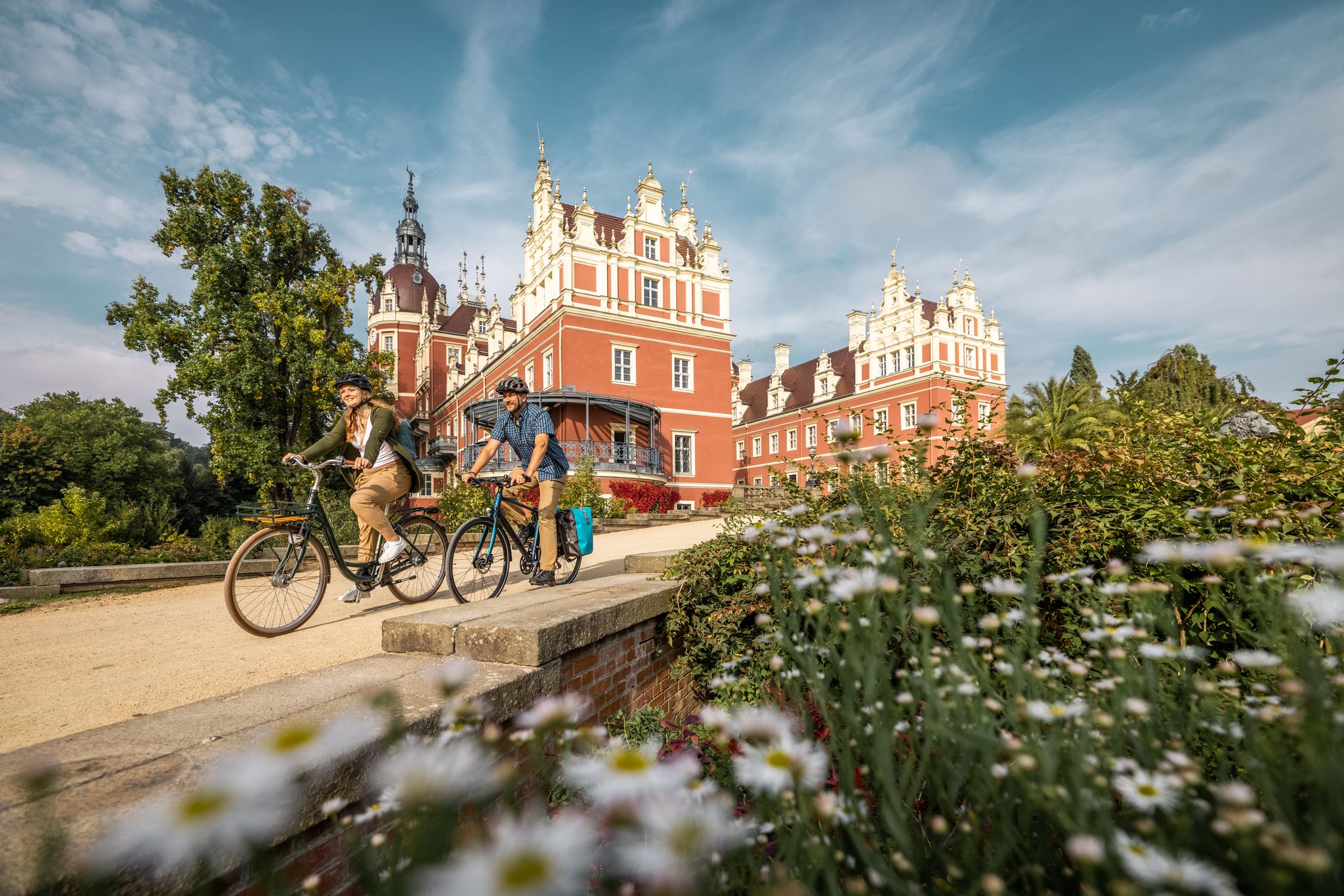
Niederruppersdorf Castle is an 18th-century moated castle built on the ruins of a medieval moated castle that had burned down. In the same year, the present castle was erected on the site by Johann Heinrich Gottlob von Nostitz, canon and senior member of the Prince-Bishopric of Meissen, according to plans by Johann Andreas Hünigen. Architecturally, it is a massive, simple structure built on high, square foundations with buttresses supporting the cellar. The two residential floors are crowned by a three-story mansard roof. The portal on the south side is reached via a double-arched bridge over the former moat and is decorated with the coats of arms of the Nostitz and Minckwitz families. Inside, the ceilings of the upstairs hall and the fireplaces are adorned with Rococo ornaments.
1
0

Due to the use of the Christian Mission Society, the building cannot be visited and the grounds can only be crossed on the main path.
0
0

beautifully maintained Schlosshotel AltHörnitz
0
0

An information board is located to the right of the entrance.
0
0
On the corner plot of Kleine Seite/Weinberg, right below the Baroque palace complex, there was originally a knight's residence (documents from Hainewalde), surrounded by a protective moat. The old moated castle was replaced in 1564 by Hans Ulrich von Nostitz with a Renaissance palace, the so-called Old Palace. It was a four-winged complex enclosing an inner courtyard. The facade was richly decorated with illusionistic sgraffito. The Old Palace was demolished in 1780. Only the gatehouse wing survived and was used as a courthouse and prison until 1857. It is now privately owned (not open to the public). Above the portal: the Nostitz coat of arms.
0
0
In the corner plot of Kleine Seite/Weinberg, to the right below the baroque castle complex, there was originally a knight's seat (Hainewalde documents), which was surrounded by a protective moat. The old moated castle was replaced in 1564 by Hans Ulrich von Nostitz with a Renaissance castle, the so-called Old Castle. This was a four-winged complex that enclosed an inner courtyard. The facade was richly decorated with illusionistic decorations (sgraffito technique). Demolition of the Old Castle: 1780, only the wing of the gatehouse remained and was used as a courthouse and prison until 1857. It is now privately owned (not open to the public). Above the portal: the coat of arms of Nostitz.
1
0

The castle was built between 1651 and 1654. In 1881 the Saxon chamberlain Hans Rudolf von Sandersleben acquired the castle. In 1996, after renovations, hotel operations began.
3
0
Hörnitz Castle, beautiful building that was built between 1651 and 1654. Today it is used as a hotel complex.
3
0
Frequently Asked Questions
What types of castles can I explore near Seifhennersdorf?
The region around Seifhennersdorf offers a variety of historical structures, including impressive castle ruins like Tolštejn Castle Ruins, moated castles such as Ruppersdorf Moated Castle, and renovated castles like Friedersdorf Castle, which now serves as a care facility. You can also find castles that have been converted into hotels, like Schlosshotel Althörnitz.
Are there any castle ruins to visit in the area?
Yes, the most prominent castle ruin is Tolštejn Castle Ruins. First mentioned in 1337, this castle was built to protect the Zittau region and is located in the Lusatian Mountains. It offers a romantic setting and even has options for overnight stays and dining.
Can I visit a moated castle near Seifhennersdorf?
Absolutely. Ruppersdorf Moated Castle is an 18th-century structure built on the foundations of an older medieval castle. Its portal is notably decorated with the coats of arms of the Nostitz and Minckwitz families, and it features Rococo ornaments inside.
What is the historical significance of castles in the Seifhennersdorf region?
While Seifhennersdorf itself is known for its unique Umgebindehäuser, the broader region has a rich castle history. Historically, the area was associated with Bohemian dominion, with castles like Burg Tollenstein (around 1250) and Burg Schönbuch (13th century) playing key roles in protecting the region and marking territorial boundaries. These structures offer a glimpse into the medieval past and aristocratic life of Upper Lusatia.
Are there family-friendly castles to visit around Seifhennersdorf?
Yes, Schlosshotel Althörnitz and Althörnitz Castle are both considered family-friendly. These locations often provide more accessible grounds and facilities suitable for visitors of all ages.
What outdoor activities can I combine with a castle visit near Seifhennersdorf?
The area around Seifhennersdorf is excellent for outdoor activities. You can find numerous road cycling, running, and mountain biking routes. For example, you could explore the Road Cycling Routes around Seifhennersdorf, or try one of the Running Trails around Seifhennersdorf, many of which pass through scenic landscapes near historical sites.
Are there hiking trails near the castles around Seifhennersdorf?
Yes, many castles are situated in areas with excellent hiking opportunities. For instance, Tolštejn Castle Ruins are located in the Lusatian Mountains, offering scenic trails. You can find various options, including moderate running trails like the 'View of Burgsberg loop' or more challenging MTB routes like the 'Kirnitzsch Border Crossing – Tolštejn Castle Ruins loop' within the MTB Trails around Seifhennersdorf guide.
What is the best time of year to visit the castles near Seifhennersdorf?
The castles and surrounding region are beautiful year-round. Spring and autumn offer pleasant temperatures for exploring and hiking, with vibrant foliage. Summer is ideal for combining castle visits with other outdoor activities. Even winter can be magical, especially if you enjoy crisp air and potentially snowy landscapes, though some facilities might have reduced hours.
What unique architectural features can I find in the Seifhennersdorf region besides castles?
Beyond castles, Seifhennersdorf is particularly renowned for its **Umgebindehäuser** (timber-frame houses). These unique structures blend blockhouse and half-timbered construction, showcasing a fascinating architectural heritage. One example from 1613 is considered the third oldest dated Umgebindehaus in Upper Lusatia.
Are there any castles near Seifhennersdorf that are now used for other purposes?
Yes, Friedersdorf Castle, a former neo-baroque manor, is now utilized as a care facility. Additionally, Schlosshotel Althörnitz, built between 1651 and 1654, operates as a hotel complex, offering accommodation and dining.
Are there viewpoints near the castles around Seifhennersdorf?
Yes, Tolštejn Castle Ruins is categorized as a viewpoint, offering scenic vistas of the surrounding Lusatian Mountains. Exploring the trails around these historical sites often leads to picturesque spots.
What do visitors enjoy most about the castles near Seifhennersdorf?
The komoot community appreciates the variety of historical structures, from romantic ruins to well-preserved moated castles. Visitors often highlight the historical context, the beautiful natural settings, and the opportunity to combine cultural exploration with outdoor activities. The castles have garnered over 370 upvotes and more than 630 photos shared by visitors.
Most popular routes around Seifhennersdorf
Most popular attractions around Seifhennersdorf

Get inspired with the komoot mobile app


Explore more
Looking for the best castles somewhere else? Discover other guides around Seifhennersdorf:
