The best walks and hikes in Vedyxaskogen
4.6
(263)
1,326
hikers
141
hikes
Hiking in Vedyxaskogen offers a network of trails through varied woodland and wetland environments. The region is characterized by its dense forests and gentle terrain, with routes often following natural water features. Hikers can expect well-maintained paths suitable for various skill levels.
Best hiking trails in Vedyxaskogen
- The most popular hiking route is Viltvattnet Wetland loop from Skölsta, a 3.6 miles (5.8 km) trail that takes 1 hour 30 minutes to complete. This easy route explores the Viltvattnet Wetland area.
- Another top favourite among local hikers is Viltvattnet Wetland loop from Årsta, a moderate 5.7 miles (9.2 km) path. This trail also traverses the wetland, offering views of the natural landscape.
- Local hikers also love the Royal Mounds at Gamla Uppsala – Thing Mound loop from Uppsala, a 6.6 miles (10.7 km) trail leading through historical sites and natural areas, often completed in about 2 hours 44 minutes.
- Hiking in Vedyxaskogen is defined by dense woodlands, wetland areas, and gentle elevation changes. The network offers options for different ability levels, from easy strolls to moderate hikes.
- The routes in Vedyxaskogen are highly rated by the komoot community with an average score of 4.6 stars from more than 250 reviews. More than 1300 hikers have used komoot to explore Vedyxaskogen's varied terrain.
Last updated: July 2, 2026
5.0
(1)
3
hikers
5.77km
01:30
40m
30m
Easy hike. Great for any fitness level. Easily-accessible paths. Suitable for all skill levels.
5
hikers
9.43km
02:26
50m
50m
Moderate hike. Good fitness required. Easily-accessible paths. Suitable for all skill levels.

Sign up for free
5.0
(3)
13
hikers
Moderate hike. Good fitness required. Easily-accessible paths. Suitable for all skill levels.
41
hikers
5.83km
01:29
10m
10m
Easy hike. Great for any fitness level. Easily-accessible paths. Suitable for all skill levels.
38
hikers
6.33km
01:37
20m
20m
Easy hike. Great for any fitness level. Easily-accessible paths. Suitable for all skill levels.
Get access to more routes and recommendations from other explorers.
Sign up for free
Already have an account?
Our route recommendations are based on thousands of hikes, rides, and runs completed by other people on komoot.
Start today with a free account
Your next adventure awaits.
Login or Signup
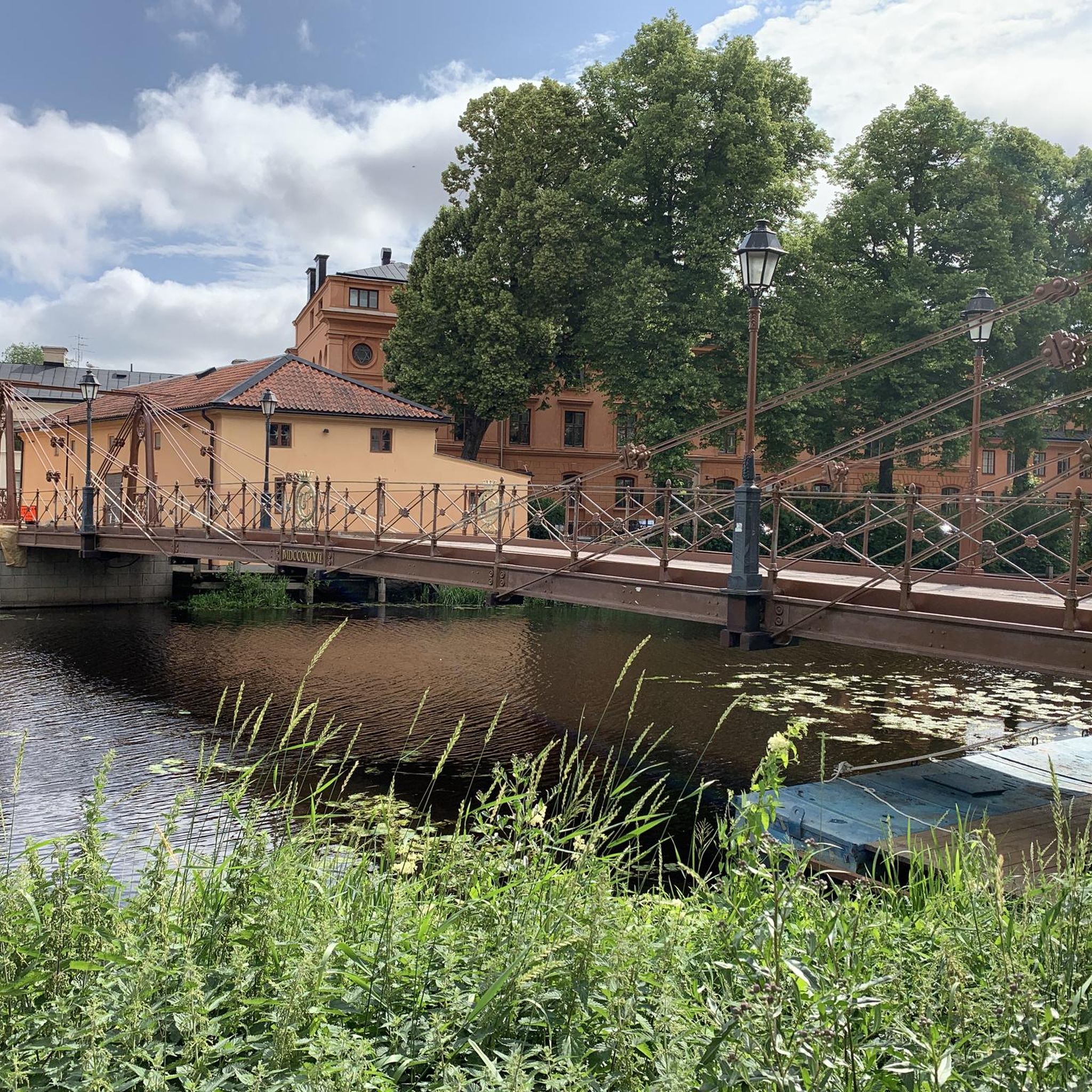
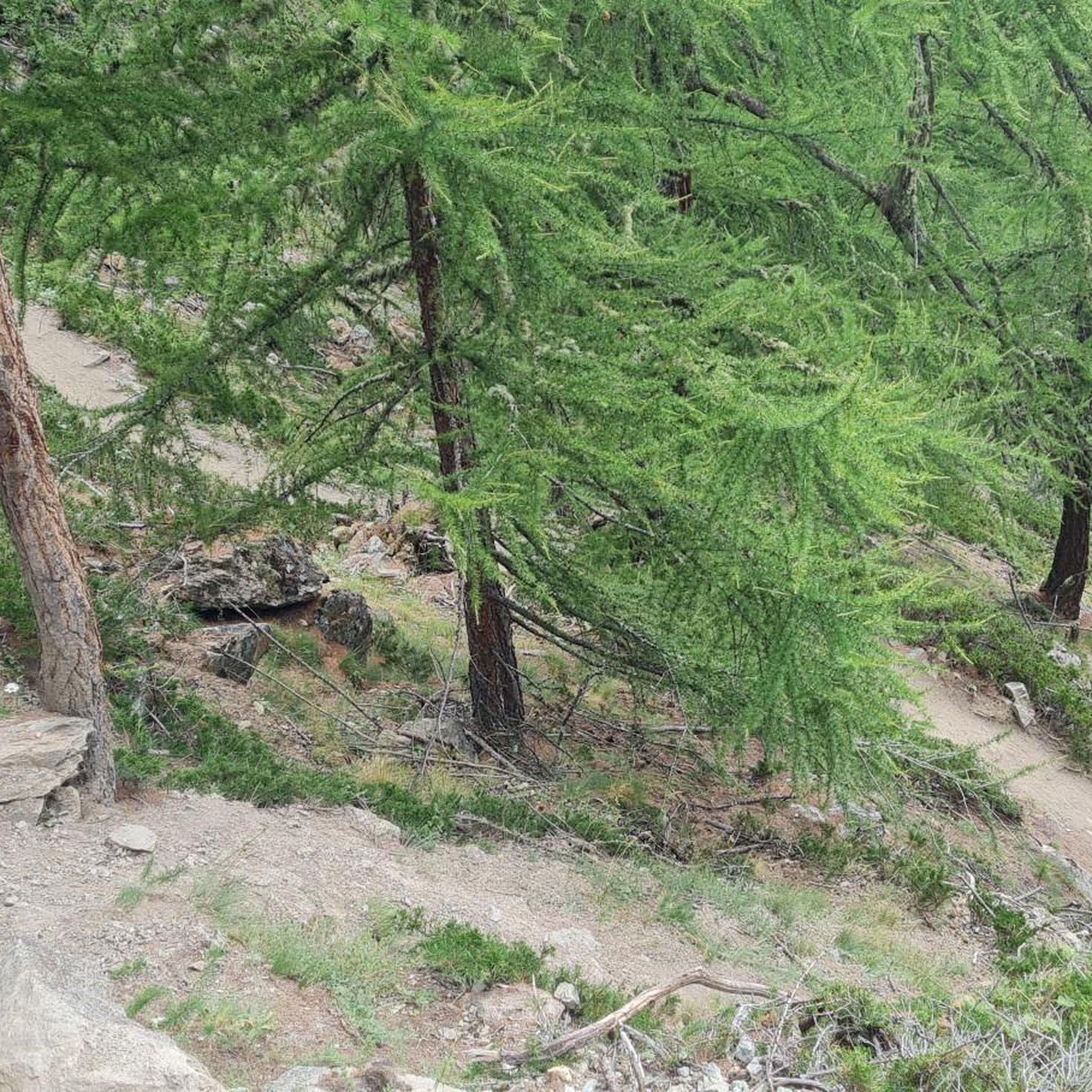
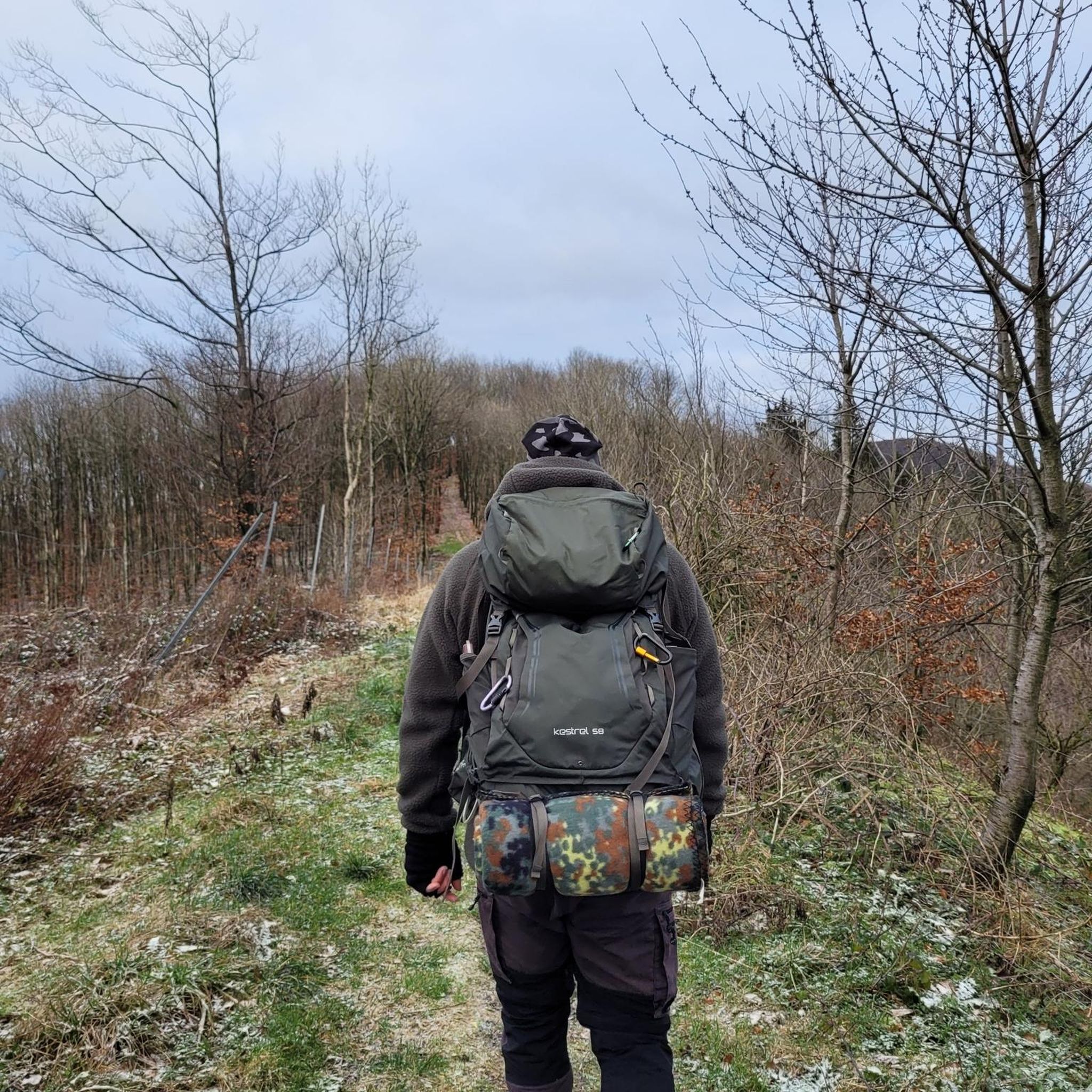
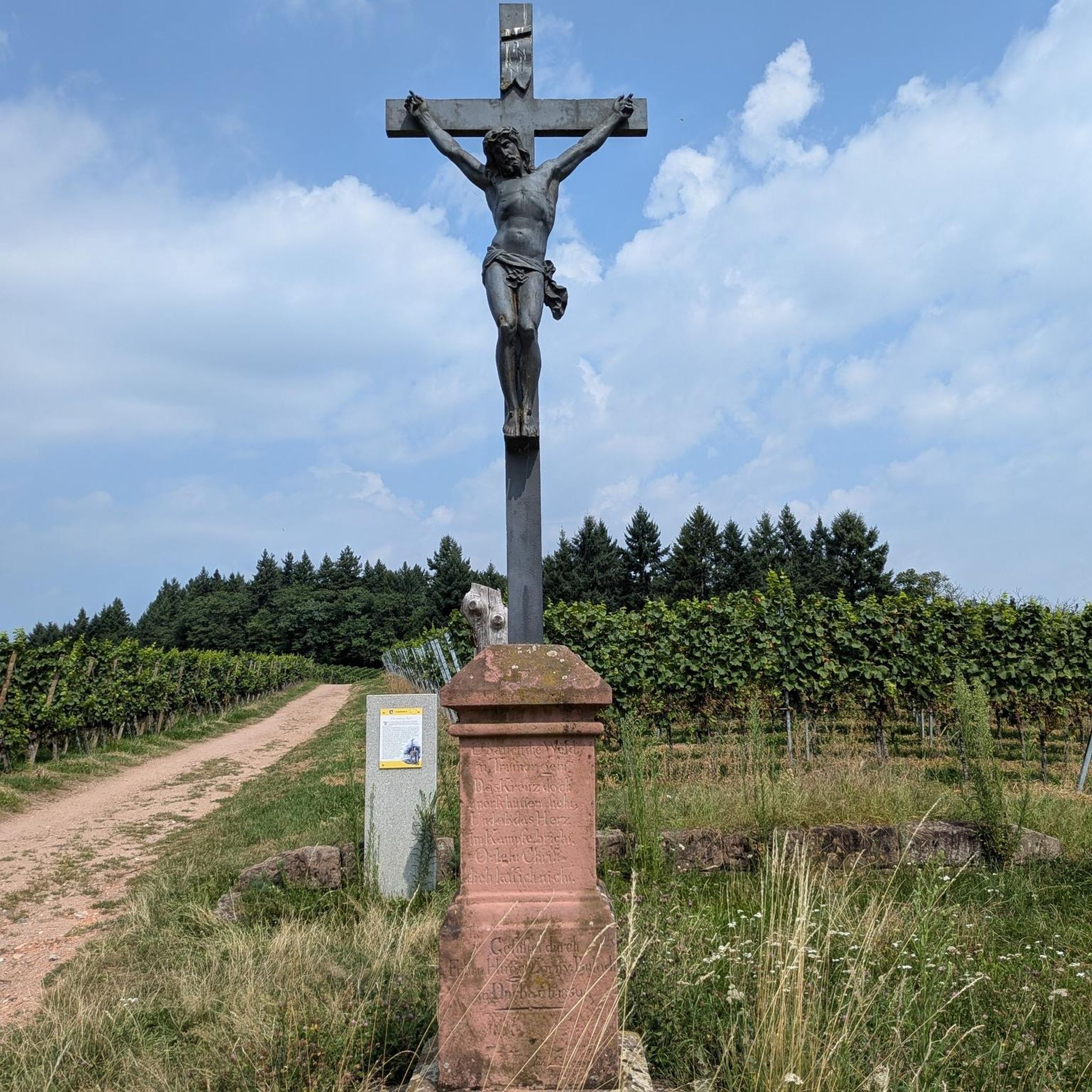

Tips from the Community

Very nice picnic area
0
0

A figure of a cat, unfortunately my Swedish is too bad, but as far as I understand, the cat comes from a children's book
1
0

From the observation tower you also have a very good overview of the swamp area
0
0
Here you will find the Lunsentorpet, there are 8 beds (but you should bring your own sleeping bag), a stove, a table with several chairs and many other useful things. It is definitely a good place to rest for a night!
0
0
The fountain always provides fresh drinking water and works perfectly :)
0
0
Here is one of several options for spending the night. A fire pit, benches, and a fresh water tank from a pumped drinking fountain are also available.
0
0
Signposted trail to Uppsala/Knivsta. However, I would recommend not taking the left trail to Knivsta, as after a while it is almost impossible to follow the trail as it becomes very swampy!
0
0
Here you will find a signpost to Sävja Södra, Bergsbrunna and Flottsund and a small information board
0
0
Frequently Asked Questions
How many hiking trails are there in Vedyxaskogen?
Vedyxaskogen offers a comprehensive network of over 140 hiking routes, catering to various preferences and skill levels. These trails explore the region's dense woodlands and wetland environments.
Are there easy or beginner-friendly hikes in Vedyxaskogen?
Yes, Vedyxaskogen is very welcoming for beginners and those seeking easy walks. More than 100 of the available routes are classified as easy. An excellent option is the Viltvattnet Wetland loop from Skölsta, an easy 3.6-mile (5.8 km) trail that takes about 1 hour 30 minutes to complete.
Are there any circular hiking routes in Vedyxaskogen?
Many of the trails in Vedyxaskogen are designed as loops, allowing you to start and end at the same point. Popular circular routes include the Viltvattnet Wetland loop from Årsta, a moderate 5.7-mile (9.2 km) path, and the Royal Mounds at Gamla Uppsala – Thing Mound loop from Uppsala, which is 6.6 miles (10.7 km).
What kind of terrain can I expect on Vedyxaskogen's hiking trails?
The terrain in Vedyxaskogen is characterized by dense woodlands, wetland areas, and generally gentle elevation changes. You'll find well-maintained paths that often follow natural water features, providing a diverse and engaging hiking experience.
What do other hikers enjoy most about Vedyxaskogen?
The area is highly rated by the komoot community, with an average score of 4.6 stars from over 250 reviews. Hikers frequently praise the region's tranquil natural beauty, the well-maintained paths, and the variety of routes suitable for different abilities, especially the peaceful wetland environments.
Are there any historical or cultural landmarks to see while hiking?
Yes, some routes in the broader Vedyxaskogen area incorporate historical sites. For example, the Royal Mounds at Gamla Uppsala – Thing Mound loop from Uppsala leads through significant historical areas, offering a blend of nature and cultural exploration.
Are Vedyxaskogen's trails suitable for families with children?
Given the abundance of easy routes and gentle terrain, many trails in Vedyxaskogen are well-suited for families. The well-maintained paths and natural settings provide a safe and enjoyable environment for children to explore. Consider shorter, easy loops like the Viltvattnet Wetland loop from Skölsta.
Can I bring my dog on the hiking trails in Vedyxaskogen?
Vedyxaskogen's natural environment is generally welcoming for dogs. Most trails are suitable for well-behaved dogs on a leash, allowing them to enjoy the woodlands and open spaces alongside you. Always ensure to follow local regulations regarding pets in natural areas.
Are there any viewpoints or scenic spots in Vedyxaskogen?
While Vedyxaskogen is primarily known for its dense woodlands and wetland landscapes, routes often offer picturesque views of natural water features and serene forest clearings. The View of the Fyris River loop from Kungsängen provides specific opportunities to enjoy riverine scenery.
Is there parking available near the trailheads in Vedyxaskogen?
Parking availability varies by trailhead. Many popular starting points for trails, especially those leading into the Vedyxaskogen nature reserve, typically have designated parking areas. It's advisable to check specific route details on komoot for information on parking facilities at your chosen trailhead.
What is the best time of year to hike in Vedyxaskogen?
Vedyxaskogen offers enjoyable hiking experiences throughout the year. Spring brings lush greenery and blooming flora, while autumn showcases vibrant fall colors. Summer is ideal for longer days and warmer weather, and winter can offer serene, snow-covered landscapes, though some paths might be icy. The gentle terrain makes it accessible in most seasons.
Are there opportunities for wild swimming in Vedyxaskogen?
While Vedyxaskogen features numerous natural water features and wetlands, designated or recommended spots for wild swimming are not explicitly highlighted within the hiking guide data. It's always important to exercise caution and check local regulations regarding swimming in natural bodies of water.
Most popular routes in Vedyxaskogen

Get inspired with the komoot mobile app


Explore more
Browse the best Hikes in other regions.
