The best cycling routes in Lanklaarderbos
4.3
(4115)
31,940
riders
556
rides
Touring cycling in Lanklaarderbos offers routes through varied landscapes, primarily characterized by dense woodlands and expansive heathlands, forming part of the Hoge Kempen National Park. The terrain generally features gentle undulations, with some routes incorporating minor hills and viewpoints. This region provides a mix of natural beauty, including forest paths and open areas, suitable for exploring by bike.
Best touring cycling routes in Lanklaarderbos
- The most popular touring cycling route is Hoge Kempen National Park Loop, a 31.8 miles…
Last updated: October 11, 2026
4.7
(84)
468
riders
51.2km
02:56
160m
170m
Moderate bike ride. Good fitness required. Mostly paved surfaces. Suitable for all skill levels.
4.6
(162)
915
riders
52.9km
03:03
210m
210m
Moderate bike ride. Good fitness required. Mostly paved surfaces. Suitable for all skill levels.

4.6
(71)
392
riders
Moderate bike ride. Good fitness required. Mostly paved surfaces. Suitable for all skill levels.
3.8
(11)
418
riders
38.5km
02:58
180m
180m
Hard bike ride. Good fitness required. You may need to push your bike for some segments of this route.
88
riders
98.4km
07:02
400m
400m
Hard bike ride. Very good fitness required. You may need to push your bike for some segments of this route.
Get access to more routes and recommendations from other explorers.
Already have an account?
Our route recommendations are based on thousands of hikes, rides, and runs completed by other people on komoot.
Start today with a free account
Your next adventure awaits.
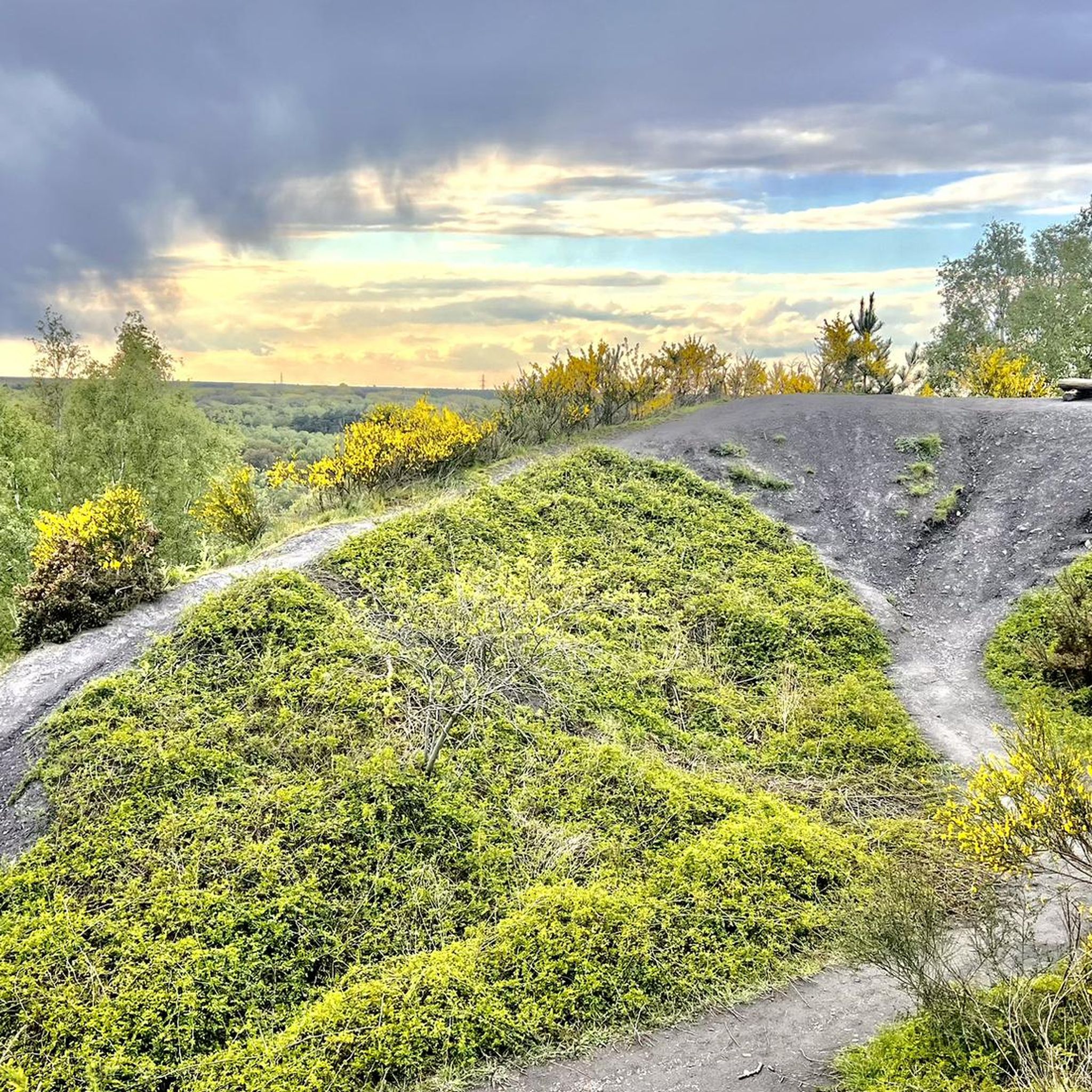
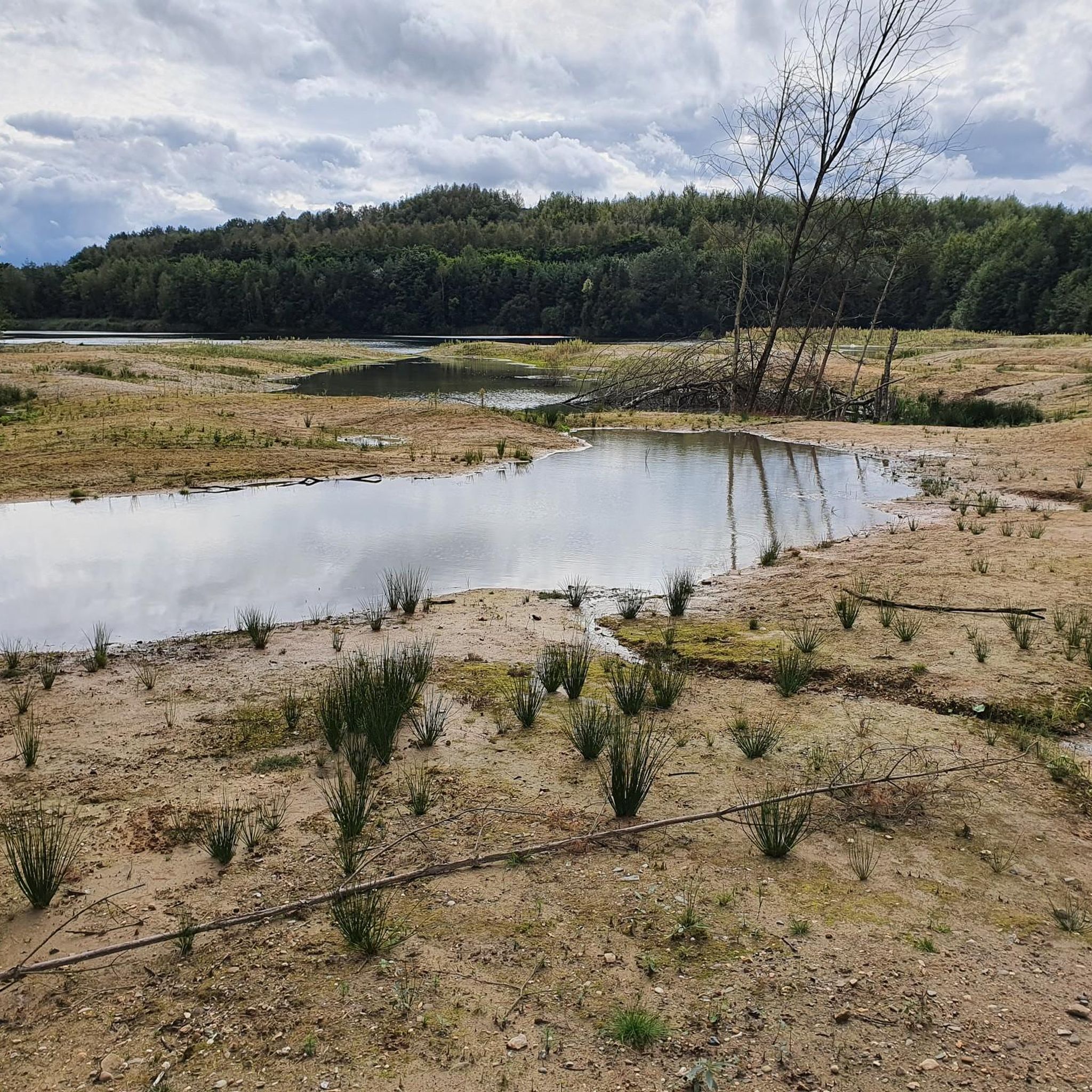

Tips from the Community

In 1909, geologist André Dumont discovered the first coal deposits of the Campine Basin in Waterschei.
4
0

Crossing over the main road...
3
0

Great asphalt route through the forest
1
0
A great experience to be here during the heather bloom
1
0
The floating bridge is an absolute highlight in the Hoge Kempen National Park
1
0
The route guidance and the ground are great 👍
1
0

Super great idea and a real highlight of the region. Whoever looks closely will see at which points the bridge is movable and can slightly change its shape.
11
0

After the great heat and drought, the water level is now rising again
4
0
Frequently Asked Questions
How many touring cycling routes are available in Lanklaarderbos?
Lanklaarderbos offers a wide selection of touring cycling routes, with over 490 options available on komoot. These routes cater to various preferences, from easy forest paths to more challenging trails through the heathlands.
What are the typical difficulty levels for touring cycling in Lanklaarderbos?
The routes in Lanklaarderbos range from easy to difficult. You'll find approximately 330 easy routes, 109 moderate routes, and 57 difficult routes, ensuring there's something for every skill level. The terrain generally features gentle undulations, with some routes incorporating minor hills.
Are there family-friendly touring cycling routes in Lanklaarderbos?
Yes, Lanklaarderbos has many easy routes suitable for families. These often follow well-maintained paths through the woodlands and heathlands, providing a pleasant experience for all ages. Look for routes marked as 'easy' on komoot for the most family-friendly options.
Can I bring my dog on touring cycling routes in Lanklaarderbos?
Many routes in Lanklaarderbos, particularly those through the extensive forest trails and open heathlands, are suitable for cycling with dogs, provided they are kept on a leash. As part of the Hoge Kempen National Park, it's important to respect local regulations regarding pets in nature reserves. Always check specific route details and local signage.
What kind of wildlife can I expect to see while cycling in Lanklaarderbos?
Lanklaarderbos, being part of the Hoge Kempen National Park, is rich in biodiversity. While cycling, you might spot various bird species, small mammals like squirrels and rabbits, and if you're lucky, even deer. The heathlands are home to unique insects and reptiles, especially during warmer months.
Are there circular touring cycling routes in Lanklaarderbos?
Yes, many touring cycling routes in Lanklaarderbos are designed as circular loops, allowing you to start and end at the same point. For example, the Heiderbos Nature Reserve – Cycling through the Mechelse Heide loop from Grote Plas and the Cycling through the Mechelse Heide – Mechelse Heide loop from Panorama terril are popular circular options.
What are some notable viewpoints along the touring cycling routes?
Lanklaarderbos offers several scenic viewpoints. You can enjoy panoramic views from locations like the View of the Terrils from the Lake or the View from Tweelingterril. These spots provide excellent opportunities to appreciate the expansive landscapes of the Hoge Kempen National Park.
Are there places to eat or drink along the touring cycling routes in Lanklaarderbos?
While Lanklaarderbos is primarily a natural area, you can find cafes and restaurants in nearby towns and villages, often at the start or end points of popular routes. Some routes might also pass by designated picnic areas or rest stops. It's always a good idea to pack some snacks and water, especially for longer rides.
What is the best season for touring cycling in Lanklaarderbos?
The best seasons for touring cycling in Lanklaarderbos are generally spring (April to June) and autumn (September to October). During these periods, the weather is usually mild, and the natural scenery is particularly beautiful, with blooming wildflowers in spring and vibrant foliage in autumn. Summer can also be pleasant, but routes might be busier, and winter can be cold and wet.
How can I reach Lanklaarderbos cycling routes by public transport?
Lanklaarderbos is accessible by public transport, though direct access to all trailheads might require some planning. Local bus services connect surrounding towns and villages, which can serve as starting points for your cycling adventures. Check the local public transport websites for up-to-date schedules and connections to the Hoge Kempen National Park area.
Are there challenging touring cycling routes for experienced cyclists?
Yes, experienced cyclists looking for a challenge can find more difficult routes in Lanklaarderbos. For instance, the Cycling through the Mechelse Heide – Asbroek Lookout loop from Eisden is a longer, more demanding route that covers a significant distance and elevation, offering a rewarding experience for advanced riders.
What do other touring cyclists enjoy the most about touring cycling in Lanklaarderbos?
The area is highly rated by the komoot community, with an average score of 4.4 stars from over 2,900 reviews. Reviewers often praise the diverse landscapes, including the extensive forest trails and open heathlands, as well as the well-maintained paths and the peaceful atmosphere of the Hoge Kempen National Park.
Most popular routes in Lanklaarderbos
Most popular attractions in Lanklaarderbos

Get inspired with the komoot mobile app


Explore more
Browse the best Cycling routes in other regions.
