The best running trails in Stadtwald Hofheim
4.2
(43)
397
runners
11
runs
Jogging in Stadtwald Hofheim offers a diverse natural environment characterized by extensive forest and a network of well-maintained trails. The terrain includes varied paths, some predominantly paved, with occasional uneven sections. The area provides a scenic backdrop for running, featuring natural landscapes and points of interest.
Best jogging routes in Stadtwald Hofheim
- The most popular jogging route is Panoramic View from Sonnenweg – Waldgasthof Gundelhard loop from Kelkheim (Taunus), a 6.3 miles (10.2 km) trail that takes 1 hour 9 minutes to complete. This route offers panoramic vistas and moderate elevation gain.
- Another top favourite among local runners is Meisterturm Observation Tower – Meisterturm, Hofheim loop from Kelkheim (Taunus), a moderate 6.2 miles (10.0 km) path. This running route incorporates the Meisterturm observation tower, providing elevated views of the surroundings.
- Local runners also love the Zur Viehweide Inn – Waldgasthof Gundelhard loop from Kelkheim (Taunus), a 5.6 miles (8.9 km) trail leading through the forest, often completed in about 59 minutes.
- Jogging in Stadtwald Hofheim is defined by extensive forest, scenic viewpoints, and varied terrain. The network offers options for different ability levels, including moderate and difficult running routes.
- The routes in Stadtwald Hofheim are highly rated by the komoot community with an average score of 4.3 stars from over 30 reviews. More than 370 runners have used komoot to explore Stadtwald Hofheim's varied terrain.
Last updated: October 5, 2026
3.7
(7)
115
runners
10.0km
01:09
230m
230m
Moderate run. Good fitness required. Mostly paved surfaces. Suitable for all skill levels.
5.0
(22)
98
runners
10.0km
01:07
200m
200m
Moderate run. Good fitness required. Mostly paved surfaces. Suitable for all skill levels.

47
runners
9.02km
01:00
160m
160m
Moderate run. Good fitness required. Mostly paved surfaces. Suitable for all skill levels.
5.0
(3)
28
runners
Hard run. Good fitness required. Sure-footedness, sturdy shoes and alpine experience required.
5.0
(2)
24
runners
11.5km
01:18
290m
290m
Moderate run. Good fitness required. Mostly paved surfaces. Suitable for all skill levels.
Get access to more routes and recommendations from other explorers.
Already have an account?
Our route recommendations are based on thousands of hikes, rides, and runs completed by other people on komoot.
Start today with a free account
Your next adventure awaits.
Popular around Stadtwald Hofheim
#GoFurther – discover the views of Germany!
Experience nature and culture — hiking in Germany’s Taunus region
Hiking in Stadtwald Hofheim
Cycling in Stadtwald Hofheim
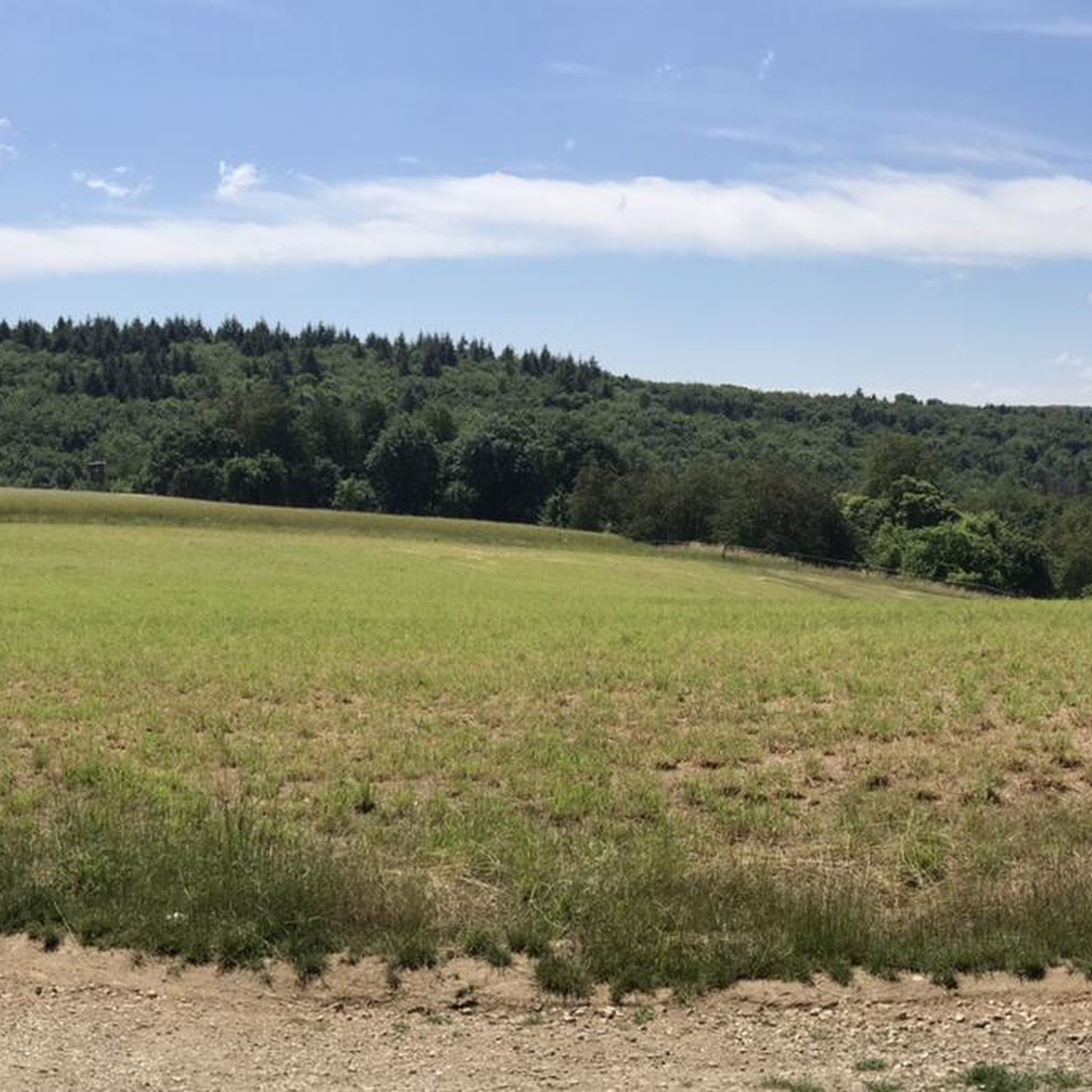
Road Cycling Routes in Stadtwald Hofheim
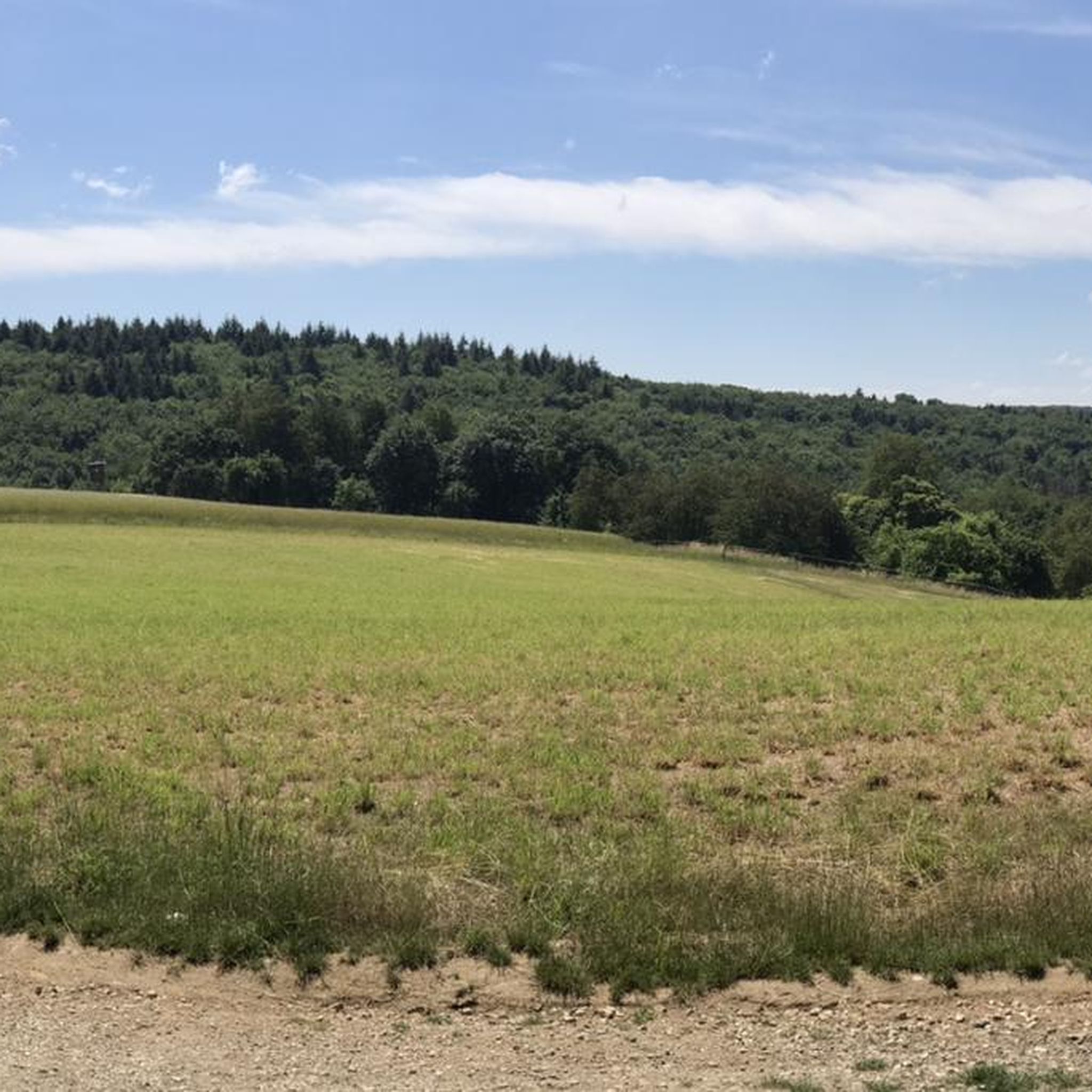
MTB Trails in Stadtwald Hofheim
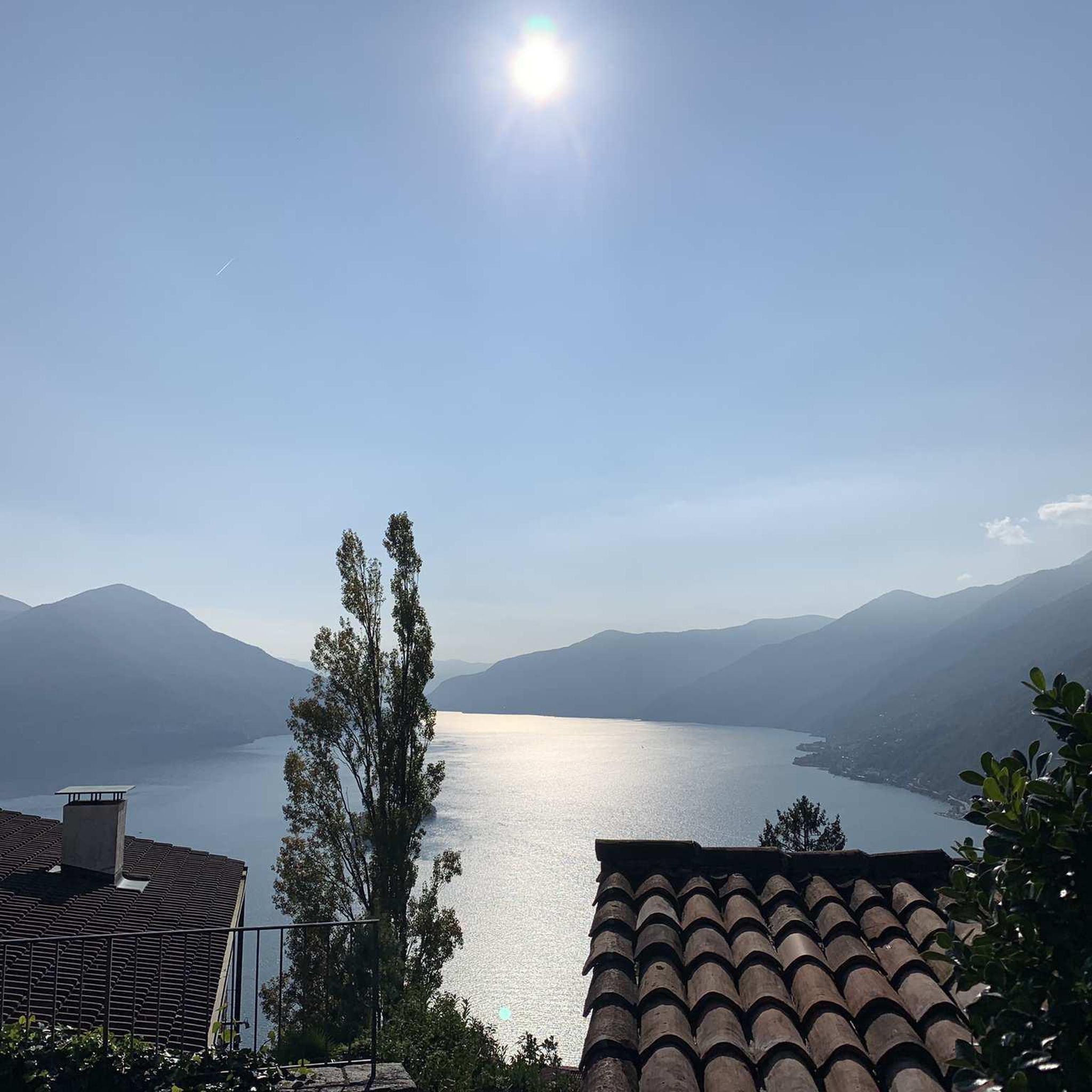
Gravel biking in Stadtwald Hofheim
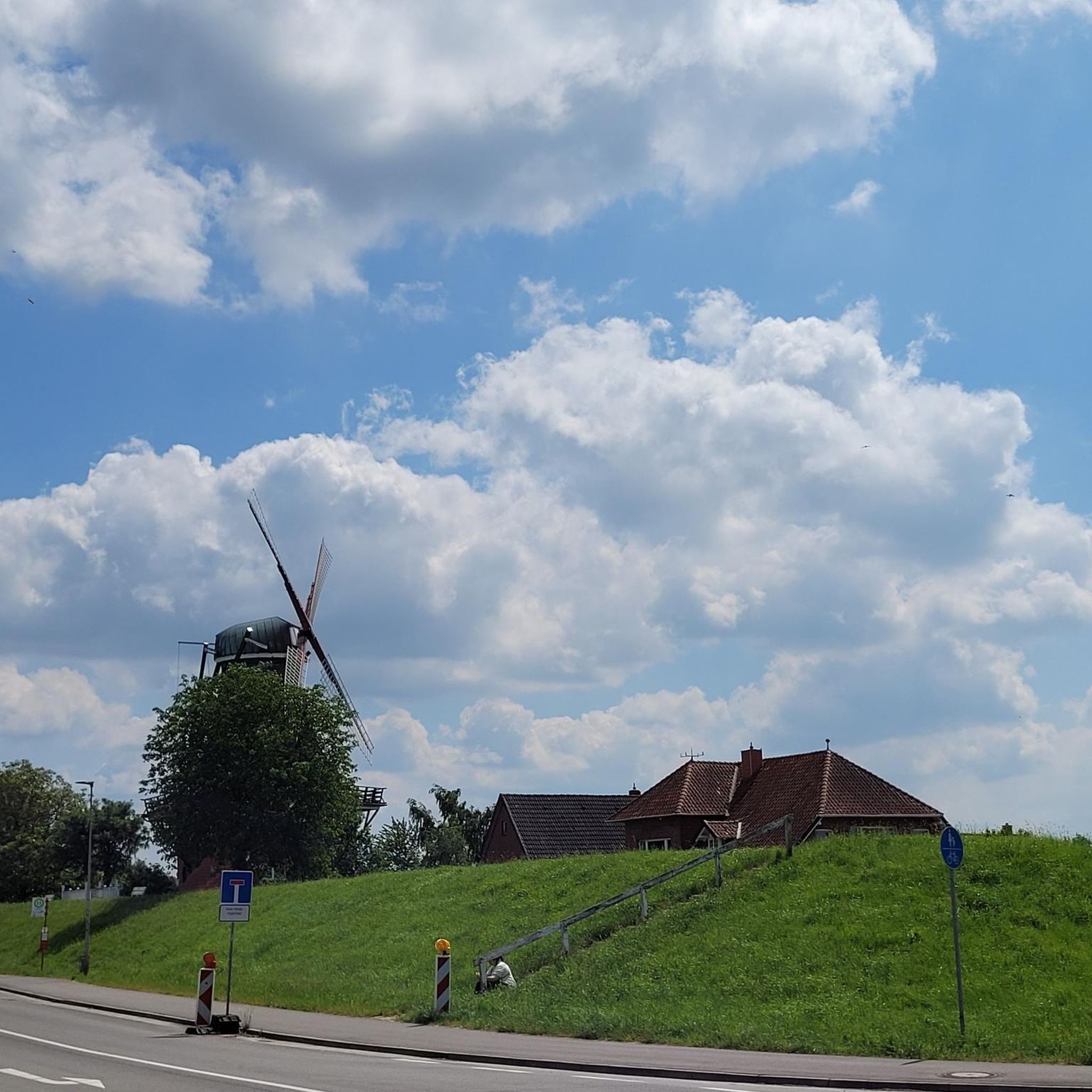
Mountain Hikes in Stadtwald Hofheim


Tips from the Community

Here you will find a permanently installed hunting blind.
14
0
On June 24, 2022, the new St. John's Chapel at the Gimbach farm was consecrated. As an introduction and reminder: The first stone evidence of a sacred site dates back to the sixth century. For centuries, various buildings stood here, including a chapel, which was only demolished at the beginning of the 19th century. Processions and pilgrimages to this site have been documented since around 1650 and are still carried out today. Drawings, paintings, and map entries of the structures have also existed for centuries. (A brief note regarding various images and depictions from that time: For artistic reasons, the background, e.g., the 451-meter-high Staufen mountain, was moved to a different location to fit the overall picture.) Around 1912, the Pfeffer family, and subsequently the Schiela family, considered rebuilding the demolished chapel. They even collected existing building materials. But it wasn't until about 100 years later, around 2010, that the idea of building a pilgrimage site or shrine was revived, albeit somewhat circuitously: Mrs. Schiela's husband was visiting a doctor in Flörsheim when he spoke with a relative. One topic of conversation was a prayer room in Gimbach. Through the doctors, Dr. Betina Kilb-Fessler and Dr. Joachim Fessler, I, Helmut Mohr, was approached as a friend and architect, as I had been involved with church construction and renovations in the Main-Taunus district since 1983. Contact with Mrs. Schiela and her sister then led to the coordination and work that culminated in the project, the results of which can be seen here.
4
0
From the Meisterturm tower, you have a magnificent panoramic view of the entire Rhine-Main region, the Taunus mountains, and the surrounding area. Truly beautiful! 🤩
13
2
11
1
The listed chapel, a landmark of Hofheim, is visible from afar (e.g., from the A66 motorway). Its impressive history was commemorated in 2016 with an exhibition and a book at the Hofheim City Museum, marking the 350th anniversary of the vow made there. The quotations in this text are taken from that book. Following the horrors of the Thirty Years' War (1618-1648), another catastrophe claimed victims among the population: the plague. In 1665, it was brought up the Rhine from Cologne to Mainz and spread – primarily via market ships – to Frankfurt and, from 1666 onward, to Flörsheim. Soon, other towns in the Main Valley were also affected. Hofheim was an exception. After the threat became tangible, particularly due to plague deaths in Zeilsheim and Flörsheim, Pastor Johannes Gleidner led the people of Hofheim in a procession to the "Rabberg" hill on June 3, 1666 (Ascension Day). As one of his later successors, Antonius Hilf, described in 1864, the procession, accompanied by penitential hymns, proceeded "up the vine-covered slope." Young men carried banners, the cross, and the canopy, beneath which four virgins carried an image of Mary. At the top, Gleidner asked if they would like to name the mountain "Carmelberg" (Carmel Mountain), build a chapel there, and vow to "make several pilgrimages there each year." Afterward, the people "fell to their knees, deeply moved," and made the vow—at which point, at that very moment, the bells of the parish church below began to ring. When further plague victims appeared in Wicker, Weilbach, Eppstein, Fischbach, Hochheim, Flörsheim, Eddersheim, Castel, Mainz, Frankfurt, and Zeilsheim, Gleidner led the communities of Hofheim and Marxheim up the mountain again on July 2, 1666 (the Feast of the Visitation). Pilgrims from surrounding villages joined the pilgrimage, and Gleidner renewed "the vow, made known to him by everyone, that if God would avert the afflictions of the plague, he would build a chapel on this site to His glory and to the praise of the Blessed Virgin Mary." Hofheim was spared from the plague, and in May 1667, work began on preparing the timber for the half-timbered structure. The chapel was consecrated on September 29th. One hundred years later, the church had become too small, and a new, larger one had to be built. By this time, a "pilgrimage tourism" had developed around the chapel, which was also a "thorn in the side" of the local priest. The new stone building was more than twice the size of the old chapel: 27.90 meters long, 12.60 meters wide, and 13.20 meters high. A gallery provided additional seating capacity. From 1774 onwards, silent prayer services were permitted, as the chapel was not consecrated until ten years later (1784). ```
12
1
Frequently Asked Questions
How many running routes are available in Stadtwald Hofheim?
Stadtwald Hofheim offers a network of 11 dedicated running routes. These trails cater to various fitness levels, with options ranging from moderate to difficult.
What kind of terrain can I expect on the jogging trails in Stadtwald Hofheim?
The terrain in Stadtwald Hofheim is diverse, characterized by extensive forest. You'll find a mix of well-maintained paths, some predominantly paved, while others may have uneven or muddy sections, especially after rain. The area provides a scenic backdrop with natural landscapes.
Are there running routes suitable for beginners in Stadtwald Hofheim?
While most routes are classified as moderate, the extensive trail network includes options that are more accessible. For instance, the region research mentions a 6 km loop with no significant elevation gain, making it suitable for a wide range of users, including beginners. Look for routes with shorter distances and minimal elevation changes.
What do other runners say about the trails in Stadtwald Hofheim?
The running routes in Stadtwald Hofheim are highly rated by the komoot community, with an average score of 4.3 stars from over 30 reviews. More than 370 runners have used komoot to explore the varied terrain, often praising the scenic views and well-maintained paths.
Are there any circular running routes in Stadtwald Hofheim?
Yes, many of the running routes in Stadtwald Hofheim are designed as loops, offering convenient circular paths. For example, the Panoramic View from Sonnenweg – Waldgasthof Gundelhard loop from Kelkheim (Taunus) is a popular circular option, as is the Meisterturm Observation Tower – Meisterturm, Hofheim loop from Kelkheim (Taunus).
Can I bring my dog on the running trails in Stadtwald Hofheim?
Stadtwald Hofheim is generally dog-friendly, offering a natural environment for you and your pet to enjoy. However, it's always recommended to keep your dog on a leash, especially in areas with wildlife or other visitors, and to check for any specific local regulations or signage on individual trails.
Are there any viewpoints or scenic spots along the running paths?
Absolutely! Stadtwald Hofheim is known for its scenic landscapes. The Panoramic View from Sonnenweg – Waldgasthof Gundelhard loop from Kelkheim (Taunus) offers panoramic vistas. Additionally, the Meisterturm Observation Tower – Meisterturm, Hofheim loop from Kelkheim (Taunus) incorporates the Meisterturm, Hofheim, providing elevated views of the surroundings.
Are there any family-friendly running options in Stadtwald Hofheim?
While specific 'easy' routes aren't explicitly listed, the diverse trail network includes paths suitable for families. Look for shorter, less challenging loops with minimal elevation gain, such as the 6 km trail mentioned in the region research, which is noted for its accessibility. The natural setting is ideal for outdoor activities with children.
What points of interest can I explore near the running routes?
Beyond the trails, Stadtwald Hofheim offers several points of interest. You can visit the Meisterturm, Hofheim observation tower for elevated views, or explore historical sites like the Kapellenberg Ring Wall (Hofheim) and the Neolithic Burial Mound Kapellenberg. The Hofheim Wildlife Park is also a nearby attraction.
Are there any longer, more challenging running trails for experienced runners?
Yes, Stadtwald Hofheim provides more challenging options. For instance, the Staufen Summit Cairn – Hof Gimbach loop from Kelkheim (Taunus) is a longer route at 11.5 km with significant elevation gain, classified as moderate difficulty. The Waldgasthof Gundelhard – Panoramic View from Sonnenweg loop from Kelkheim (Taunus) is another challenging option, rated as difficult.
Is there parking available near the running trails?
While specific parking locations aren't detailed, the popularity of Stadtwald Hofheim as a local recreation area suggests that parking facilities are generally available. It's advisable to check local maps or specific route starting points for designated parking areas before your visit.
Most popular routes in Stadtwald Hofheim
Most popular attractions in Stadtwald Hofheim

Get inspired with the komoot mobile app


Explore more
Browse the best Running Trails & Routes in other regions.
