The best road cycling routes in Frankfurter Stadtwald
4.3
(5906)
89,247
riders
887
rides
Road cycling in Frankfurter Stadtwald offers an expansive network of well-maintained paths within Germany's largest inner-city forest. This green lung for Frankfurt am Main features diverse landscapes, including dense woodlands, open meadows, and proximity to the Main River. The terrain is generally well-paved, making it ideal for road bikes, with routes varying in length and elevation gain. Cyclists can explore a 450-kilometer network of paths, providing options for various fitness levels.
Best road cycling routes in Frankfurter Stadtwald
- The most…
Last updated: November 24, 2026
25
riders
Easy road ride. Mostly well-paved surfaces and easy to ride.
28
riders
Moderate road ride. Some segments of this route may be unpaved and difficult to ride.

4.7
(83)
1,629
riders
62.6km
02:55
130m
130m
Moderate road ride. Good fitness required. Some segments of this route may be unpaved and difficult to ride.
4.8
(28)
320
riders
80.4km
03:13
350m
350m
Moderate road ride. Good fitness required. Some segments of this route may be unpaved and difficult to ride.
4.5
(4)
233
riders
Moderate road ride. Good fitness required. Mostly well-paved surfaces and easy to ride.
Get access to more routes and recommendations from other explorers.
Already have an account?
Our route recommendations are based on thousands of hikes, rides, and runs completed by other people on komoot.
Start today with a free account
Your next adventure awaits.
Popular around Frankfurter Stadtwald
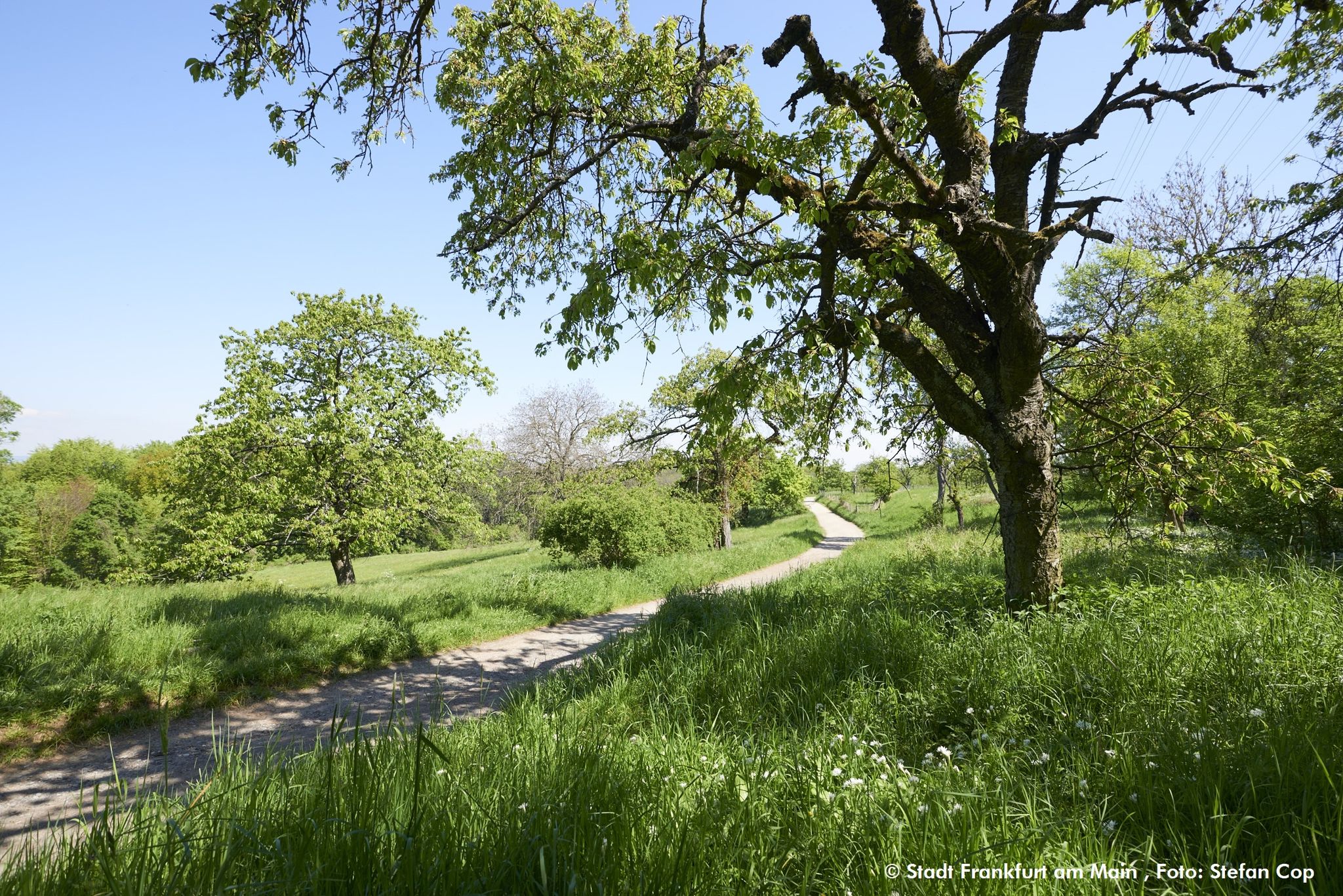
The GrünGürtel circular HIKING trail Frankfurt am Main
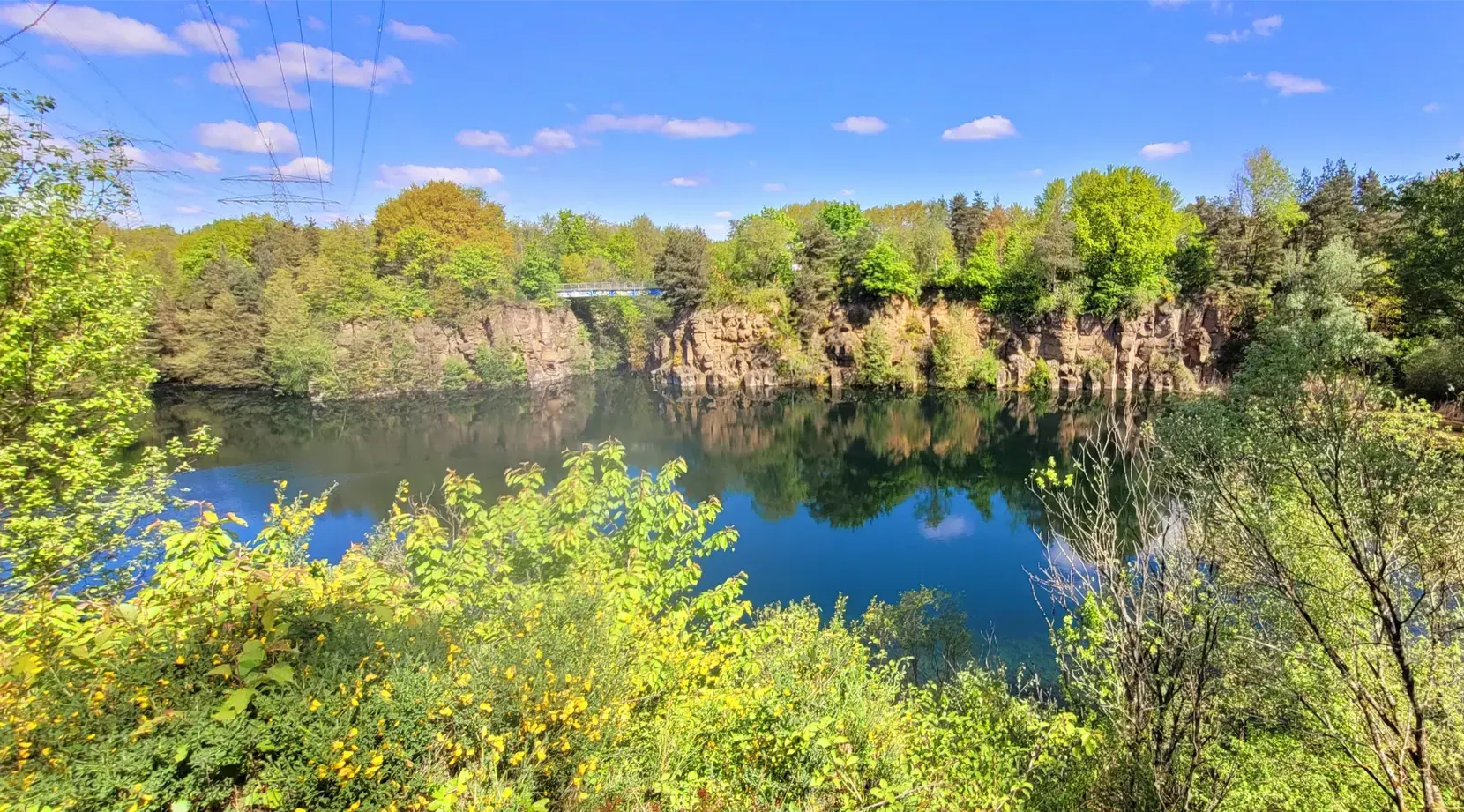
Stadt aus, Natur an im Rhein-Main-Gebiet – Mit Magnesium-Diasporal®
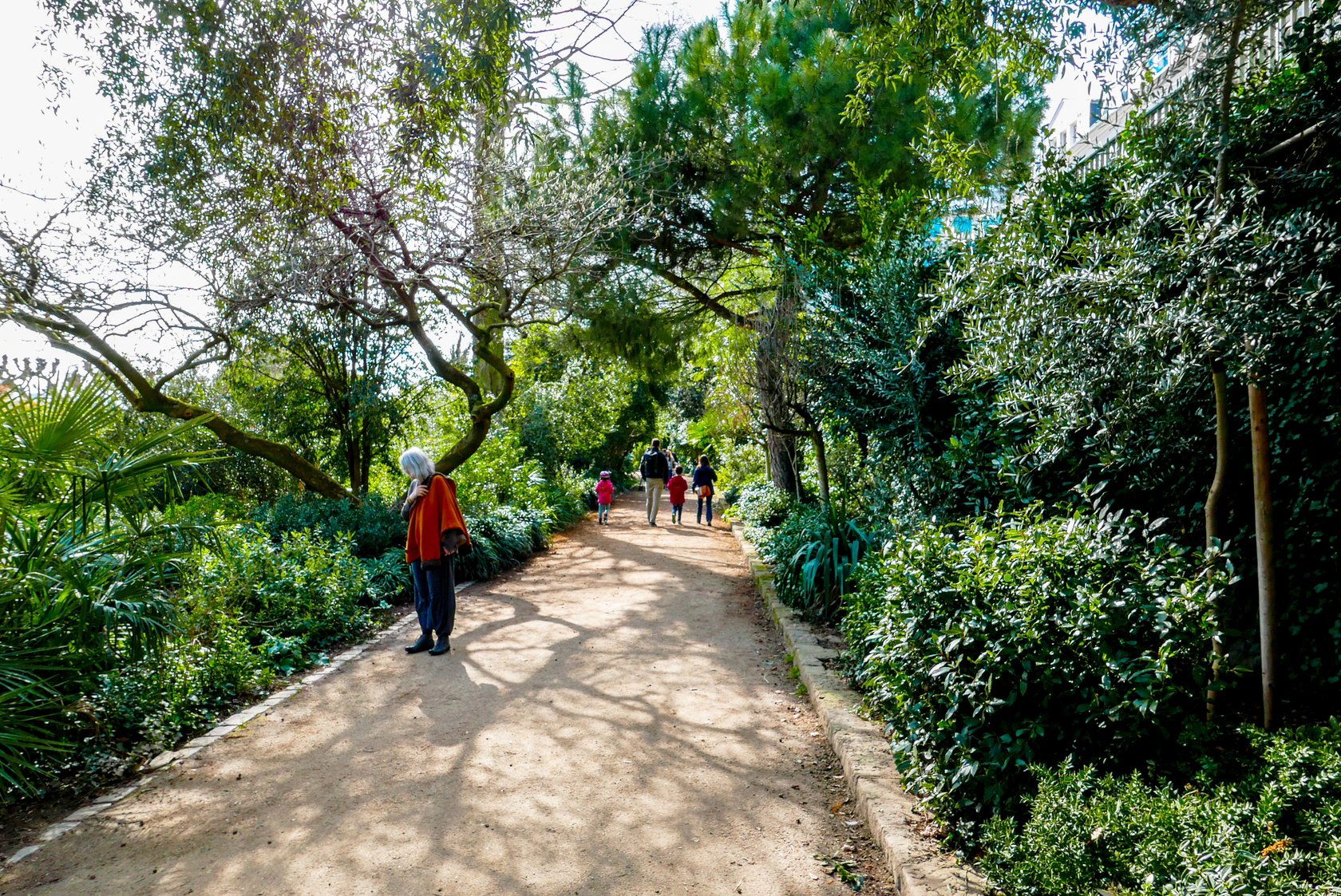
BARMER Schritte-Challenge: Frankfurt
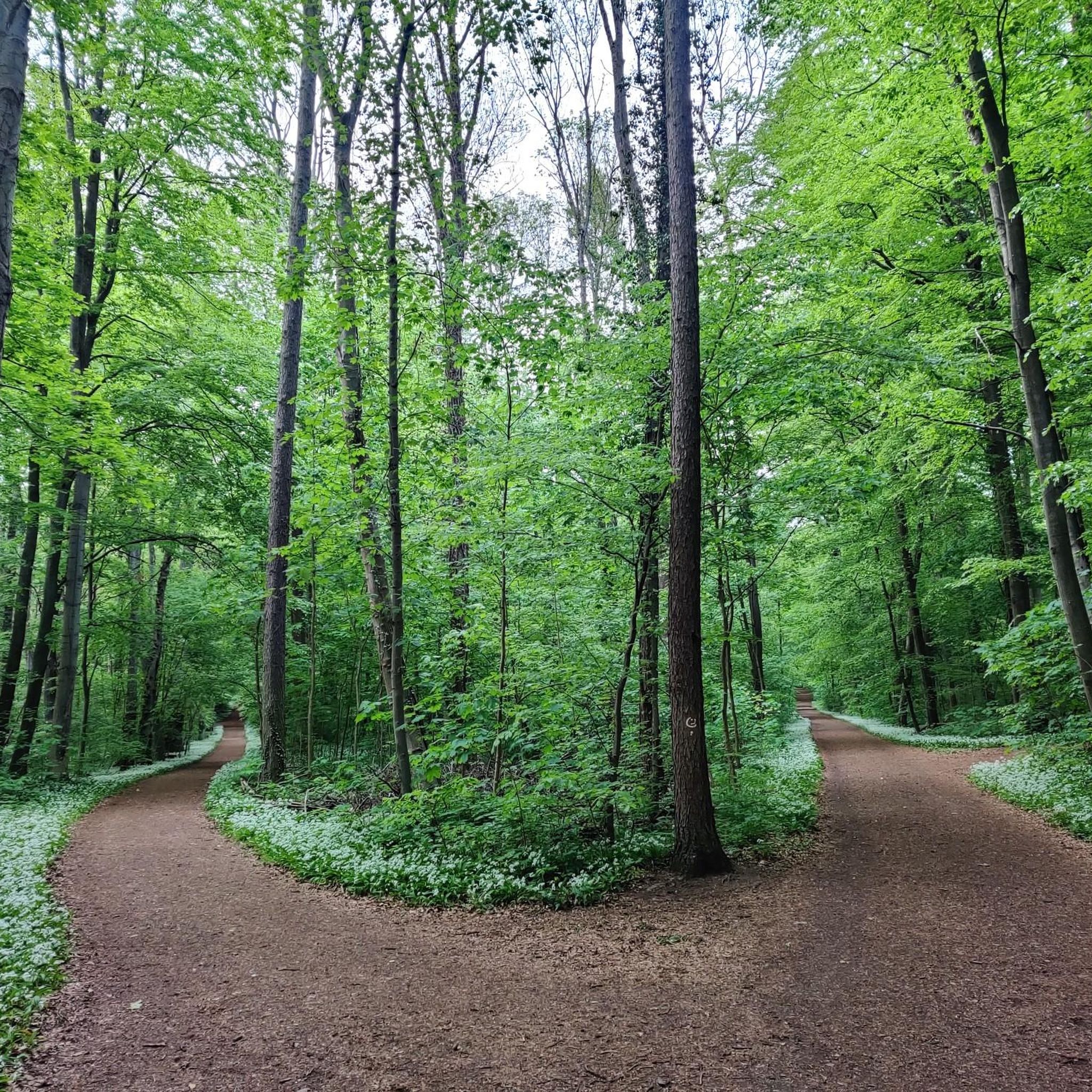
Hiking in Frankfurter Stadtwald
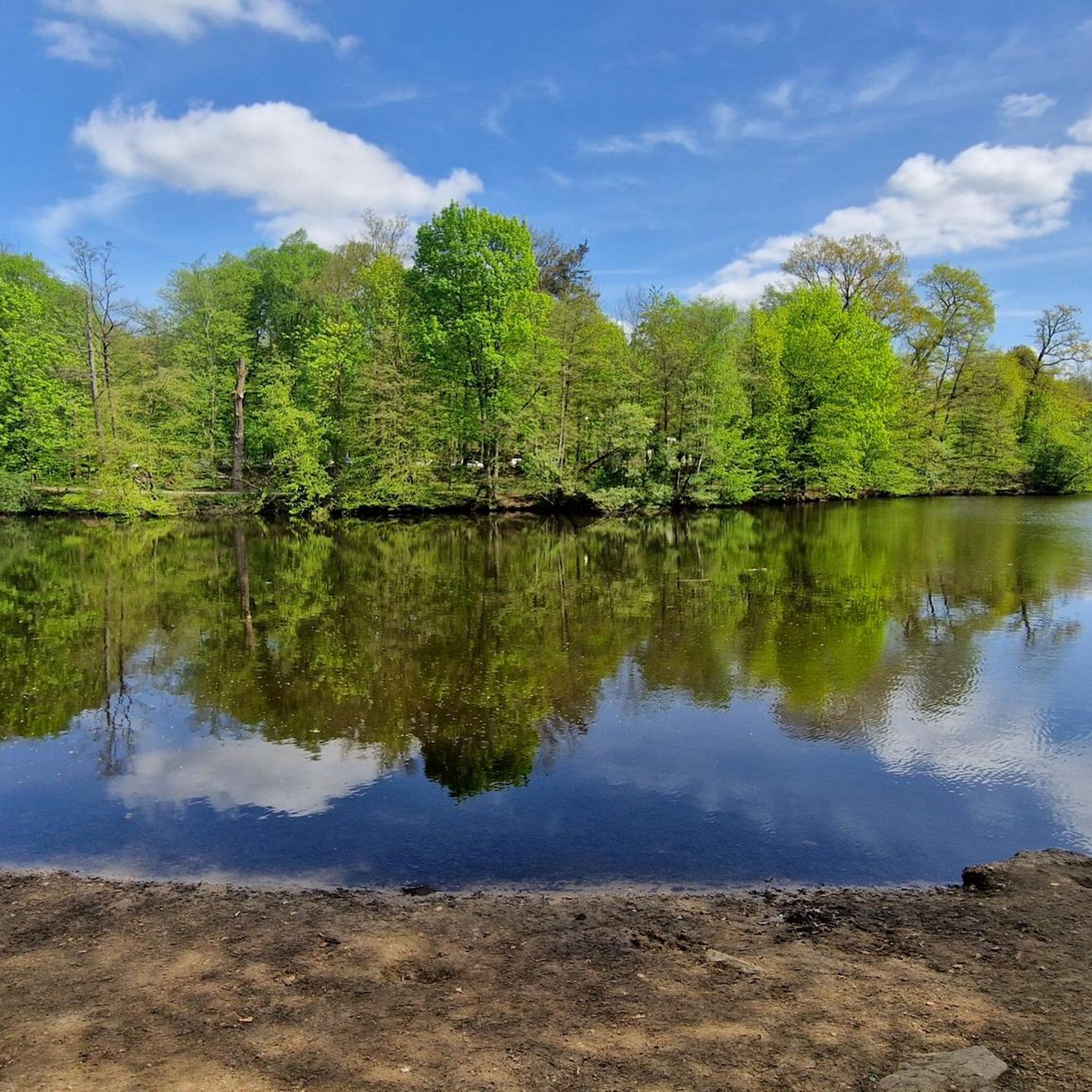
Cycling in Frankfurter Stadtwald
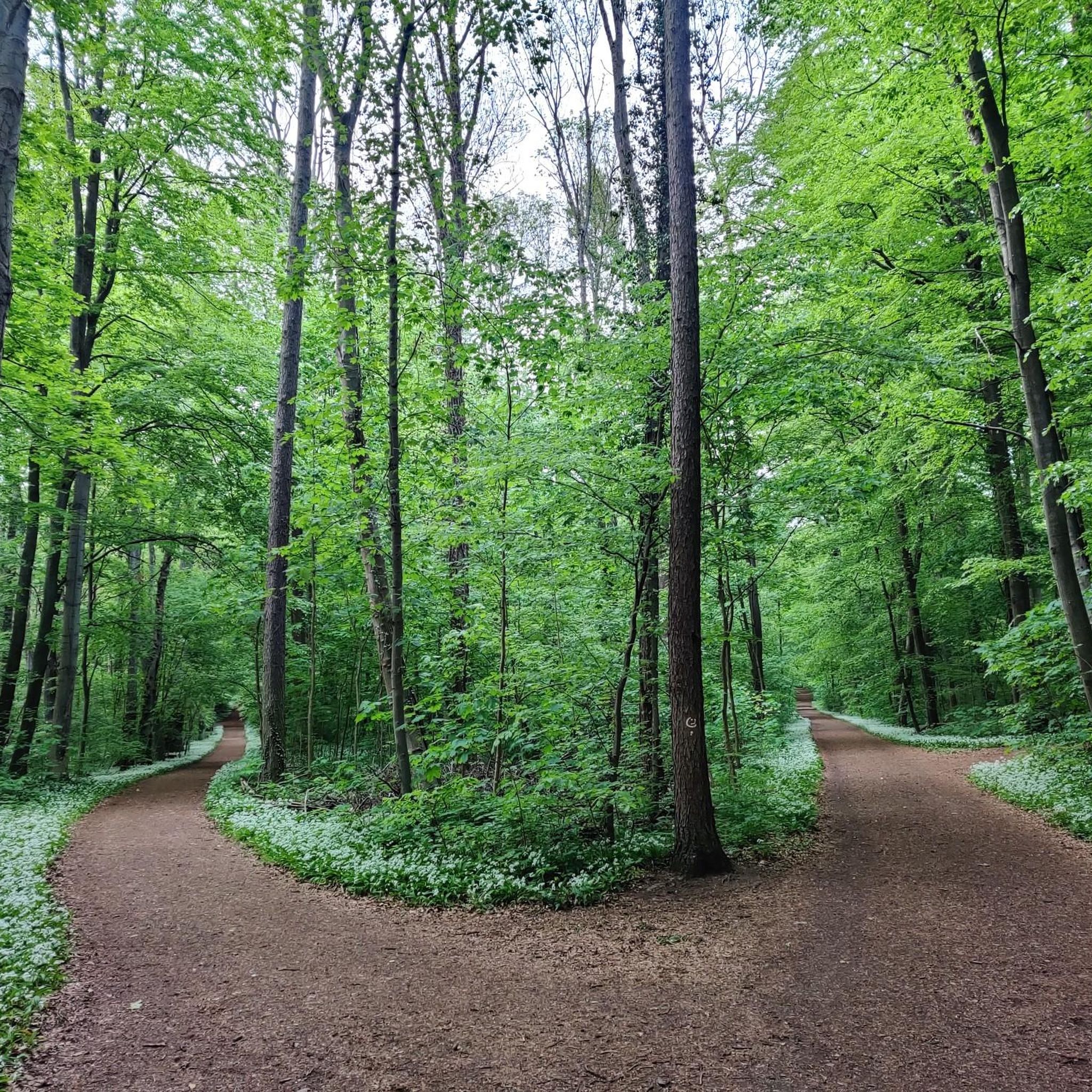
MTB Trails in Frankfurter Stadtwald
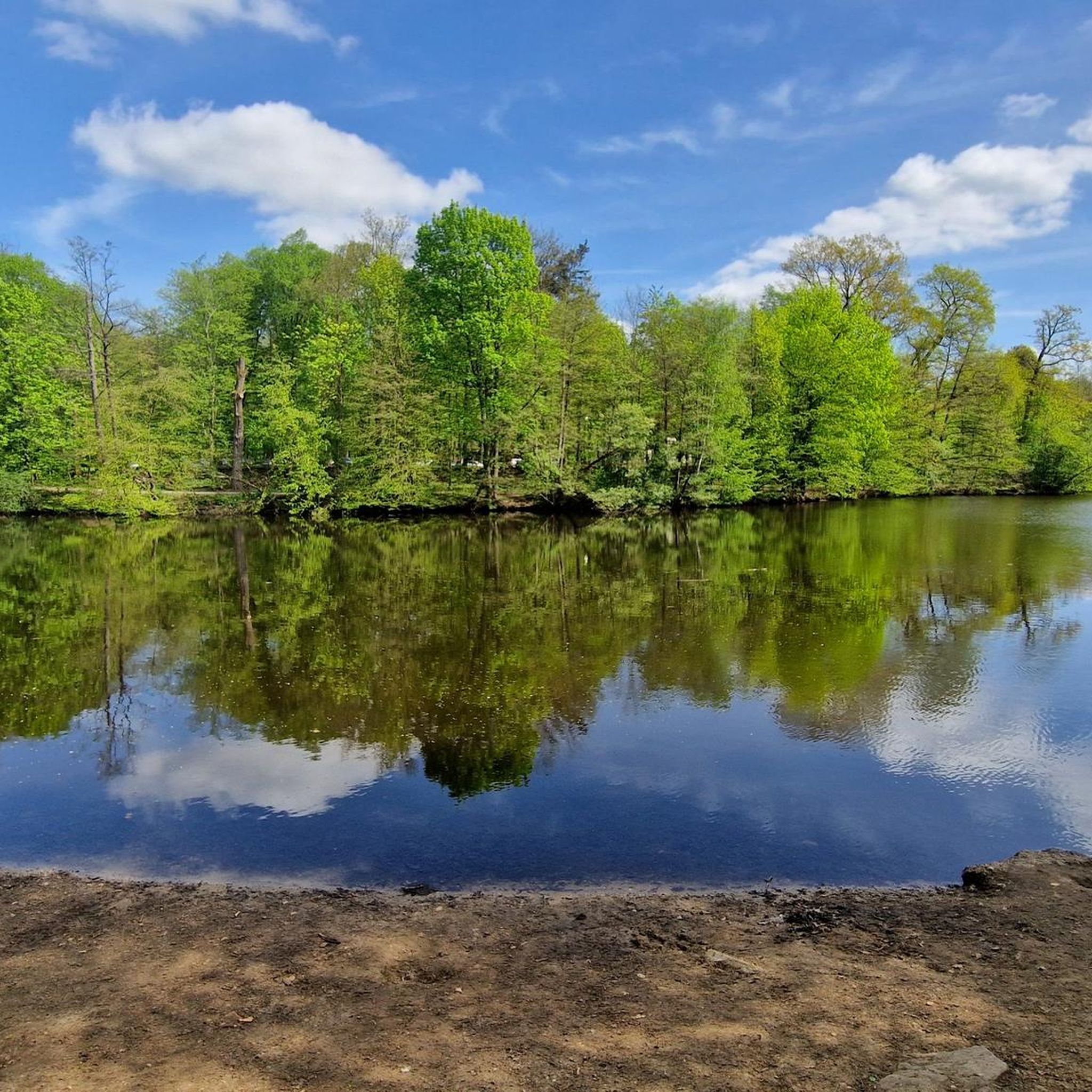
Running Trails in Frankfurter Stadtwald

Gravel biking in Frankfurter Stadtwald
Other adventures in Frankfurter Stadtwald


Tips from the Community

A year ago, the tenant of the "organic farm" at Hofgut Patershausen changed here.
1
0
You can really “step on the gas” here.
1
0
Here, the cycle path is separated from the road by a green strip.
1
0

From the Main riverbank, there is a beautiful view of Frankfurt's distinctive skyline. The imposing skyscrapers tower over the city and, together with the Main river, the bridges, and the riverside promenade, form an impressive backdrop.
5
0

The high-rise revolution eats its own children“ Not everything that made up Frankfurt's skyline is still there When you think of Frankfurt, you inevitably think of the skyline. It's no coincidence that the city has the nickname Mainhattan, sometimes used with recognition, sometimes rather dismissively. But how did it all start with the high-rises and how did it happen? Anyone looking for answers to this question will find that a part of the once distinctive buildings no longer exists. Furthermore, it should be clarified, what actually is a high-rise? Aerial view of the Zürich-Haus and the Old Opera House from 1965, Photo: Kurt Weiner Aerial view of the Zürich-Haus and the Old Opera House from 1965 © Institut für Stadtgeschichte, Photo: Kurt Weiner The Hessian Building Code specifies a minimum height of 22 meters. That doesn't help, because the candidates are all above it. So, for some, the Mouson Tower, completed in 1926 and 33 meters high, is the city's first high-rise. For many, it doesn't count, as it owes its height solely to the staircase. Or is it rather the IG Farben-Haus, used today by the university, with construction starting in 1928, at least 35 meters high? For many, it's not that either, because it doesn't rise high enough. "It's rather not a classic high-rise with its disc-shaped design," says Martin Hunscher, head of the Urban Planning Office. For him, it's more like the Gewerkschaftshaus on Wilhelm-Leuschner-Straße, built in 1931 according to plans by Berlin architects Max Taut and Frank Hoffmann. It stands rather inconspicuously with its 31 meters between the bank towers. But after completion, it clearly rose above the Wilhelminian-era villas. Officially, the matter should be clear: in 1998, the city nominated the building for the Hessian Monument Protection Prize, justifying it by stating that it was the "first real office high-rise in Frankfurt". It is clearly evident from the steel-frame construction that it was built in the style of New Objectivity: clear straight lines, with steel, glass, and concrete dominating the materials. It was the era of New Frankfurt and the city building director Ernst May, during which Römerstadt, Höhenblick, or "Zickzackhausen" emerged as settlements in the style of classical modernism. AEG-Hochhaus with Theodor-Stern-Kai1960, Photo: Kurt Roehrig AEG-Hochhaus with Theodor-Stern-Kai 1960 © Institut für Stadtgeschichte, Photo: Kurt Roehrig What these three buildings have in common is that they still belong to the cityscape today. The situation is different with buildings that were constructed during the economic miracle of the 1950s and later. Built during the so-called post-war modern period, many have disappeared. For example, the AEG-Hochhaus. The first office high-rise after World War II was completed by 1951, stood 43 meters high, and housed the headquarters of the electrical group. When the company was dissolved after 1996, Allianz acquired the site, had the buildings demolished, and built a new office center on the property at Theodor-Stern-Kai in Sachsenhausen.
2
0

Very nice bridge
0
0

During the week, it's usually quite pleasant to be out and about here.
1
0
Frequently Asked Questions
What kind of terrain can I expect for road cycling in Frankfurter Stadtwald?
The Frankfurter Stadtwald offers an expansive network of well-maintained paths, predominantly with well-paved surfaces ideal for road bikes. You'll find a mix of dense woodlands and open meadows, with some routes featuring scenic sections along the Main River.
How many road cycling routes are available in Frankfurter Stadtwald?
There are over 900 road cycling routes available in Frankfurter Stadtwald on komoot, catering to various fitness levels. The forest boasts a 450-kilometer network of paths suitable for cyclists.
Are there routes suitable for beginners or those looking for an easy ride?
Yes, Frankfurter Stadtwald has routes suitable for beginners. For example, the Rowing Dock on the Main River – Untermain Bridge - FFM 🚴♂️ loop from Gutleutviertel is an easy 9.7 km (6.0 miles) trail with minimal elevation gain, often completed in about 25 minutes.
What are the options for more challenging road cycling routes with greater elevation?
For those seeking more challenging rides, routes like the Climb to Gut Neuhof – Hofgut Neuhof loop from Neu Isenburg offer greater elevation gain, with 345 meters (1132 feet) over 80 km (49.7 miles). There are 144 difficult routes available in the region.
What attractions or landmarks can I see along the road cycling routes?
While cycling, you can explore various natural and historical attractions. Notable spots include the Goethe Tower, offering panoramic views, and the tranquil Jacobi Pond, the largest of the forest's nine ponds. You might also encounter the King's Spring, known for its mineral-rich water.
Is Frankfurter Stadtwald easily accessible by public transport?
Yes, Frankfurter Stadtwald is conveniently located south of Frankfurt's city center and is easily accessible by public transport. Its proximity to areas like Schwanheim, Niederrad, Sachsenhausen, and Oberrad makes it simple to reach without a car.
Are there places to eat or drink near the cycling routes?
Yes, the region offers options for refreshments. The well-known Oberschweinstiege restaurant is located near the Jacobi Pond, providing a convenient stop for cyclists.
What do other road cyclists say about their experience in Frankfurter Stadtwald?
The road cycling routes in Frankfurter Stadtwald are highly rated by the komoot community, with an average score of 4.4 stars from over 4,700 reviews. Cyclists often praise the well-maintained asphalt paths, the diverse landscapes, and the scenic sections along the Main River.
Are there any circular road cycling routes in Frankfurter Stadtwald?
Yes, many routes in Frankfurter Stadtwald are designed as loops, offering convenient circular rides. Examples include the Binding Brewery – Sachsenhäuser Warte loop from Lerchesberg and the Climb to Gut Neuhof – Hofgut Neuhof loop from Frankfurt-Louisa.
Can I bring my family for a road cycling trip in Frankfurter Stadtwald?
Yes, Frankfurter Stadtwald offers family-friendly cycling options. The extensive network of paths includes easier, shorter routes with minimal elevation, making them suitable for families. The diverse scenery also provides an enjoyable experience for all ages.
Is cycling permitted throughout the Frankfurter Stadtwald?
Cycling is explicitly permitted within the Frankfurter Stadtwald. The forest features a 450-kilometer network of paths available for both cyclists and hikers, including the major GrünGürtelradweg which traverses the area.
What is the best season for road cycling in Frankfurter Stadtwald?
Frankfurter Stadtwald is enjoyable for road cycling throughout much of the year. Spring and autumn offer pleasant temperatures and beautiful foliage, while summer provides longer daylight hours. Even in winter, some routes may be accessible depending on weather conditions, though checking forecasts is always advisable.
Most popular routes in Frankfurter Stadtwald
Most popular attractions in Frankfurter Stadtwald

Get inspired with the komoot mobile app


Explore more
Browse the best Road cycling routes in other regions.
