Attractions and Places To See in Staatsforst Völklingen - Top 19
Best attractions and places to see in Staatsforst Völklingen include a diverse range of sites, from significant industrial heritage to expansive natural landscapes. The region is characterized by vast forests, offering over 200 km of marked hiking trails and opportunities for outdoor activities. Visitors can explore historical landmarks, enjoy natural features like forest ponds, and observe wildlife in designated parks. With 19 attractions, Staatsforst Völklingen provides varied experiences for those interested in history, culture, and nature.
Best attractions and places…
Last updated: May 4, 2026
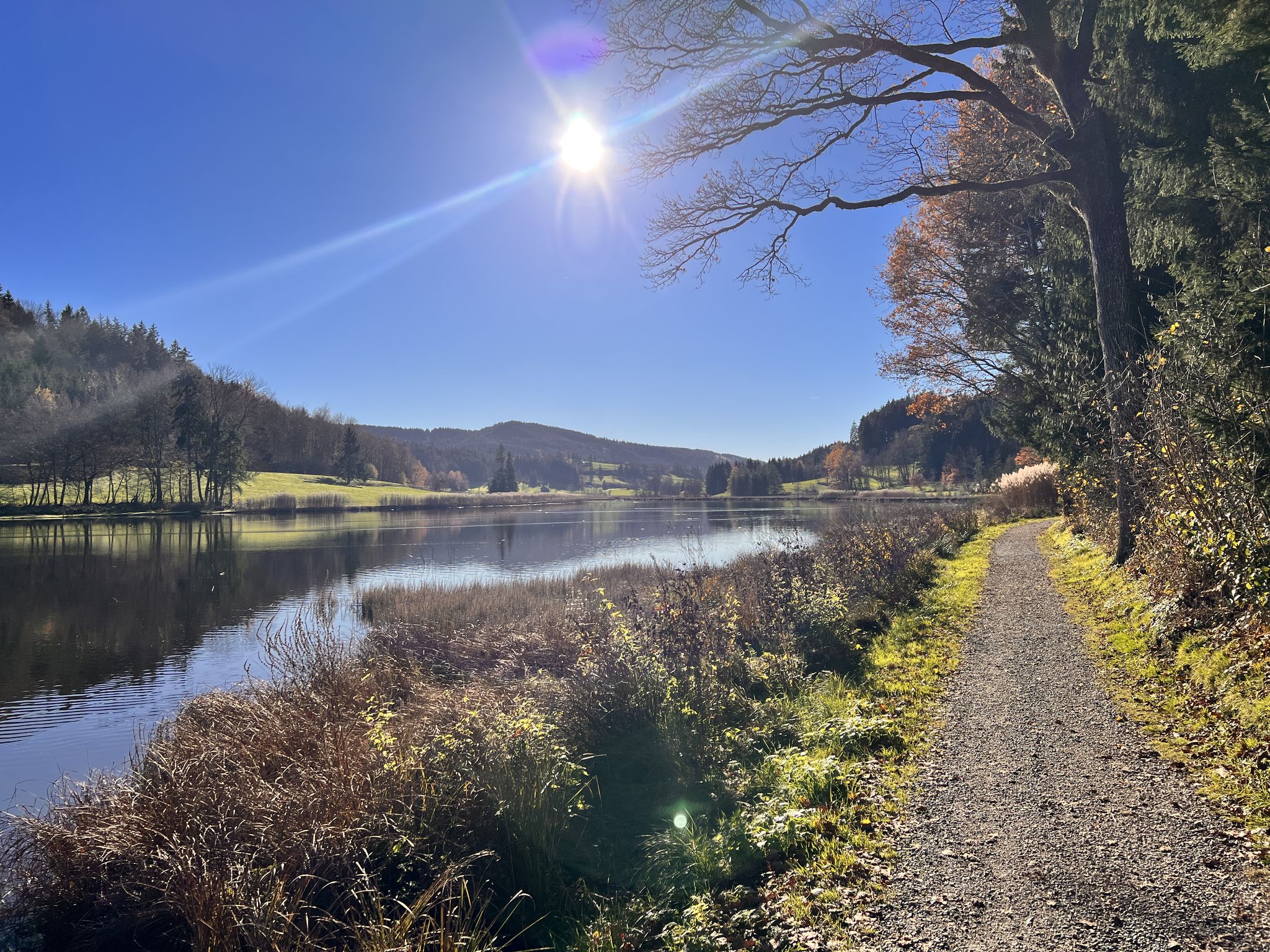
Burbach Forest Pond
Highlight • Lake
Translated by Google •
Tip by

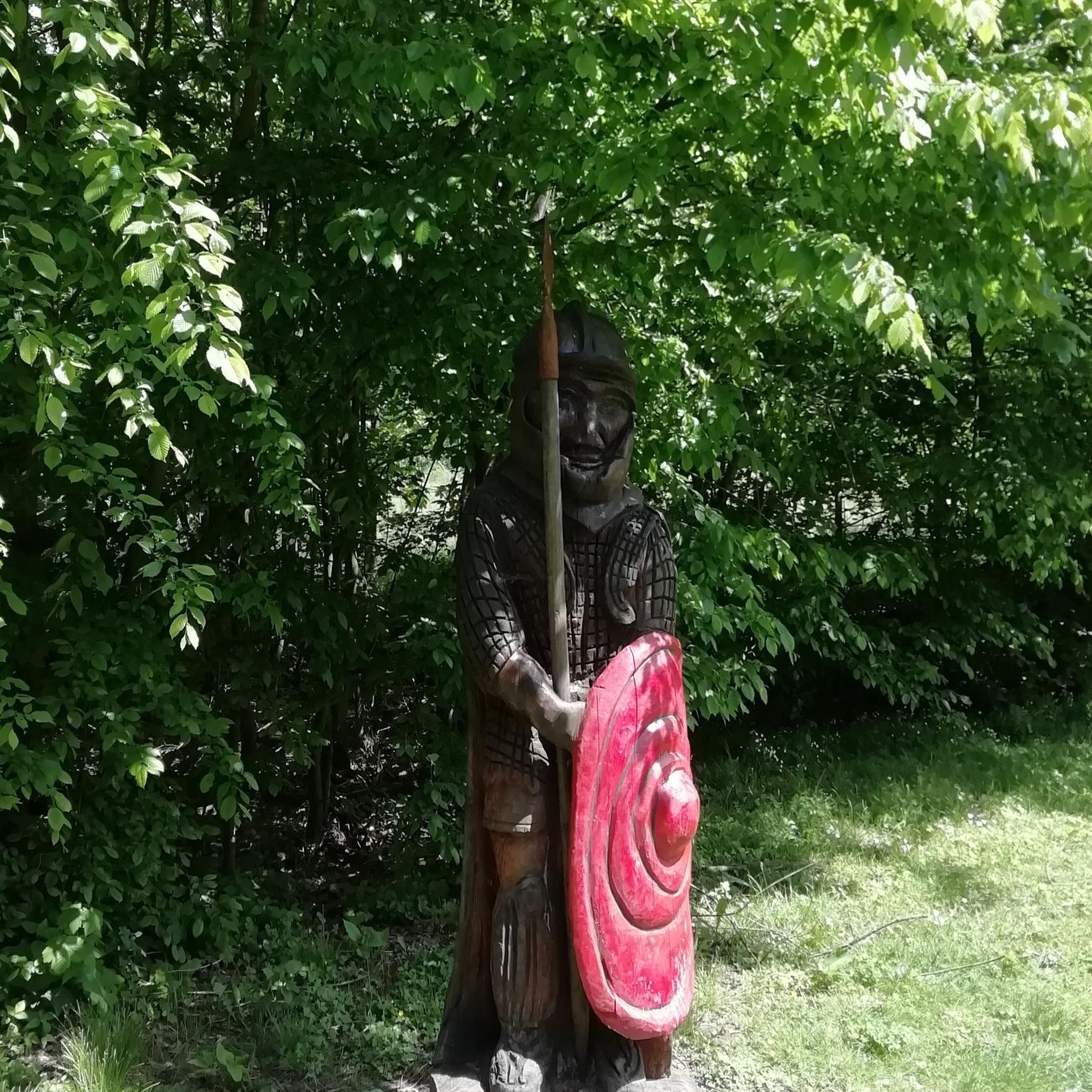
Hüttenstein at the Burbach Forest Pond
Highlight • Monument
Restaurant with relatively dark decor, a bit dated seating etc.
But the food seems to taste …
Translated by Google •
Tip by

Sign up now to discover places like this
Get recommendations on the best single tracks, peaks, & plenty of other exciting outdoor places.
Sign up for free
Former Beer Cellar at Grube Von der Heydt
Highlight • Historical Site
Translated by Google •
Tip by

Von der Heydt Miners' Settlement
Highlight • Settlement
Translated by Google •
Tip by

Burbach Pond
Highlight • Lake
Translated by Google •
Tip by

Sign up for free to discover even more attractions in Staatsforst Völklingen.
Sign up for free
Already have an account?
Start today with a free account
Your next adventure awaits.
Login or Signup
Popular around Staatsforst Völklingen
Other adventures in Staatsforst Völklingen

Tips from the Community


The Von der Heydt mine was built in 1850 as a railway mine. Coal mining had been going on here since 1770, but it was not until the middle of the 19th century that the 1.3-kilometer-long Von Heydt tunnel was opened. Between 1855 and 1862, the approximately 2.3-kilometer-long Burbach tunnel was opened in the opposite direction. In the years 1884 to 1886, the underground mining began with the sinking of the Amelung shaft. At first, many of the miners, who often came from far away, had to endure long walks. From 1875 onwards, they were able to spend the night in dormitories during the week. Between 1870 and 1905, a civil servants' settlement and a director's villa were built. In 1906, a bathing establishment was built. Source: Wiki
0
0

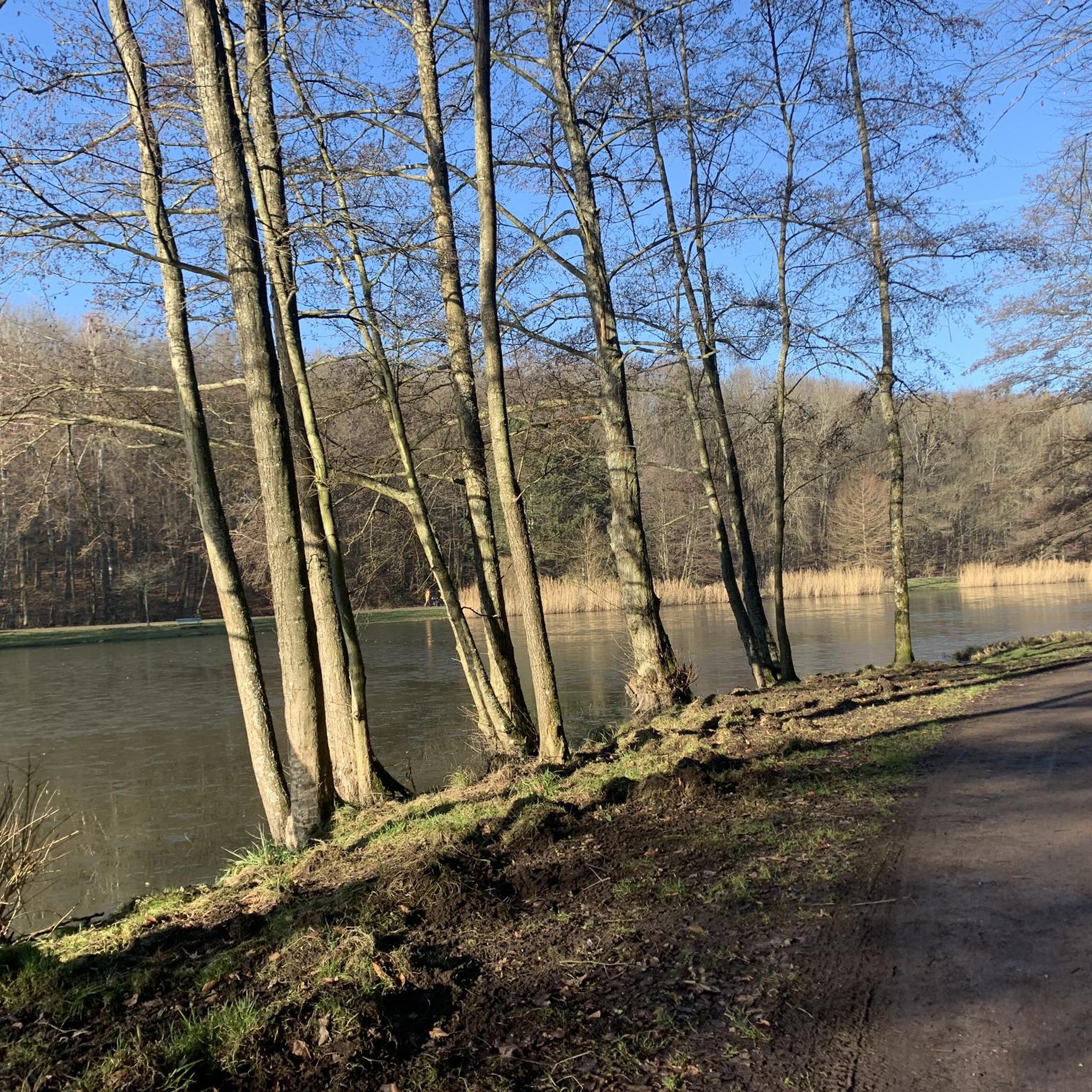
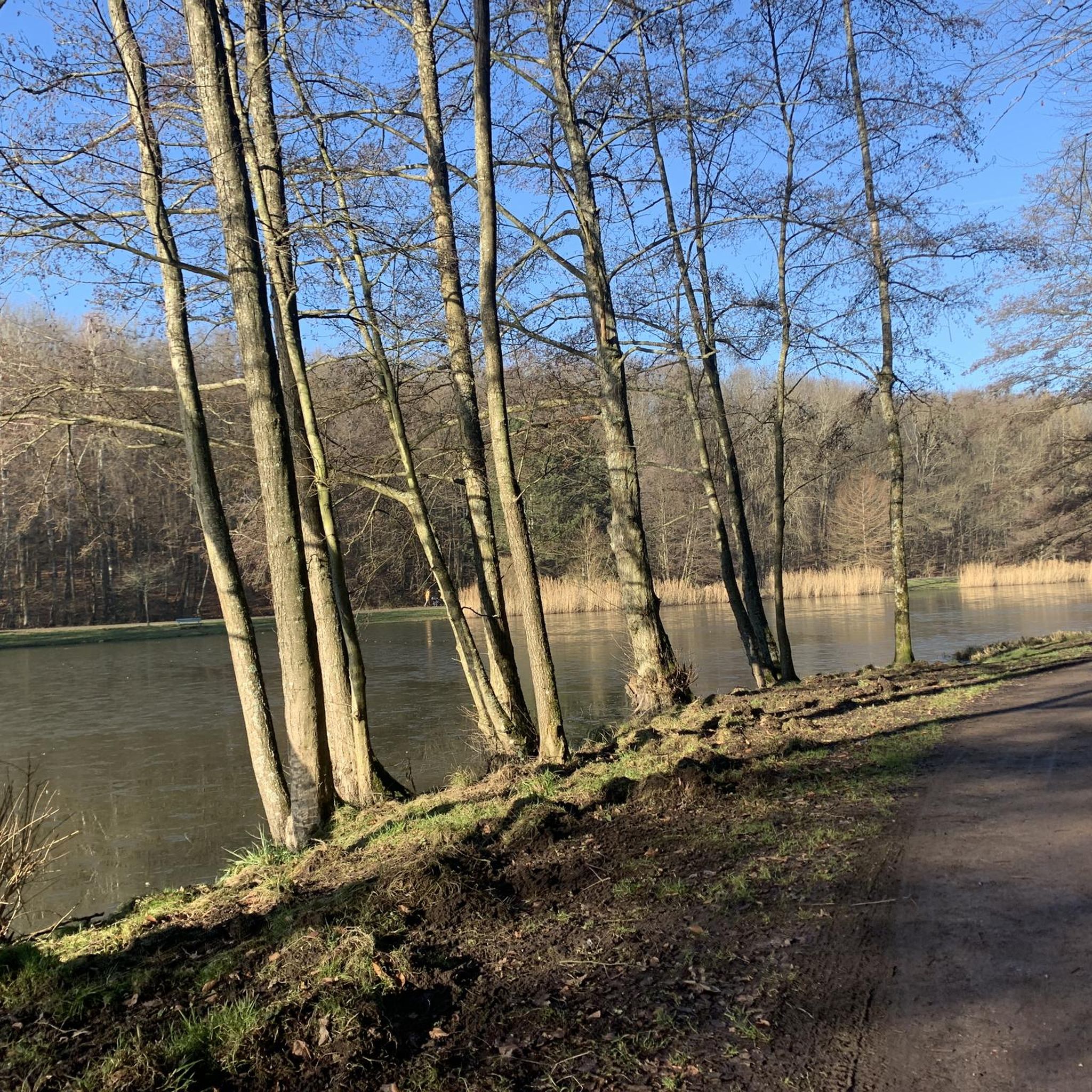
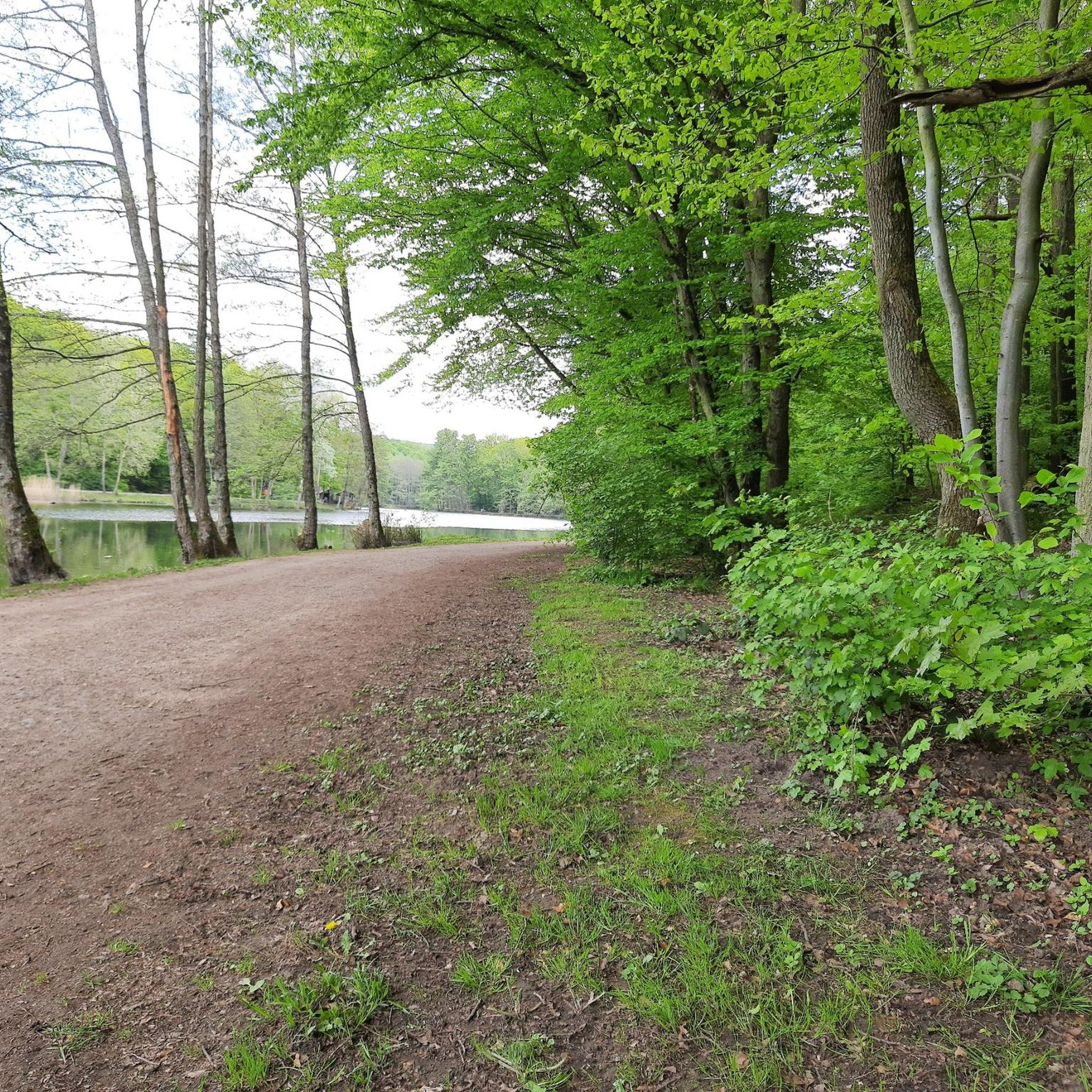
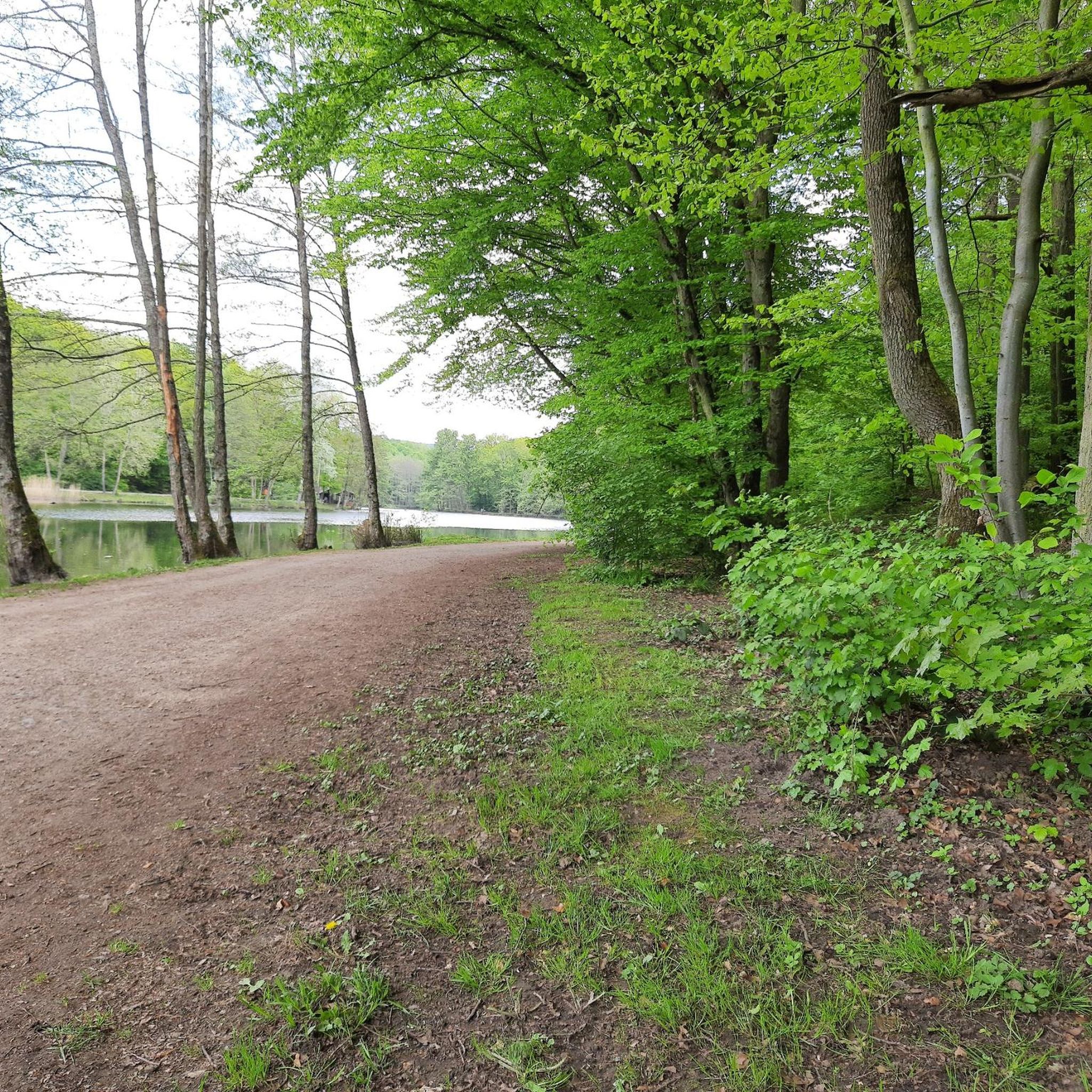
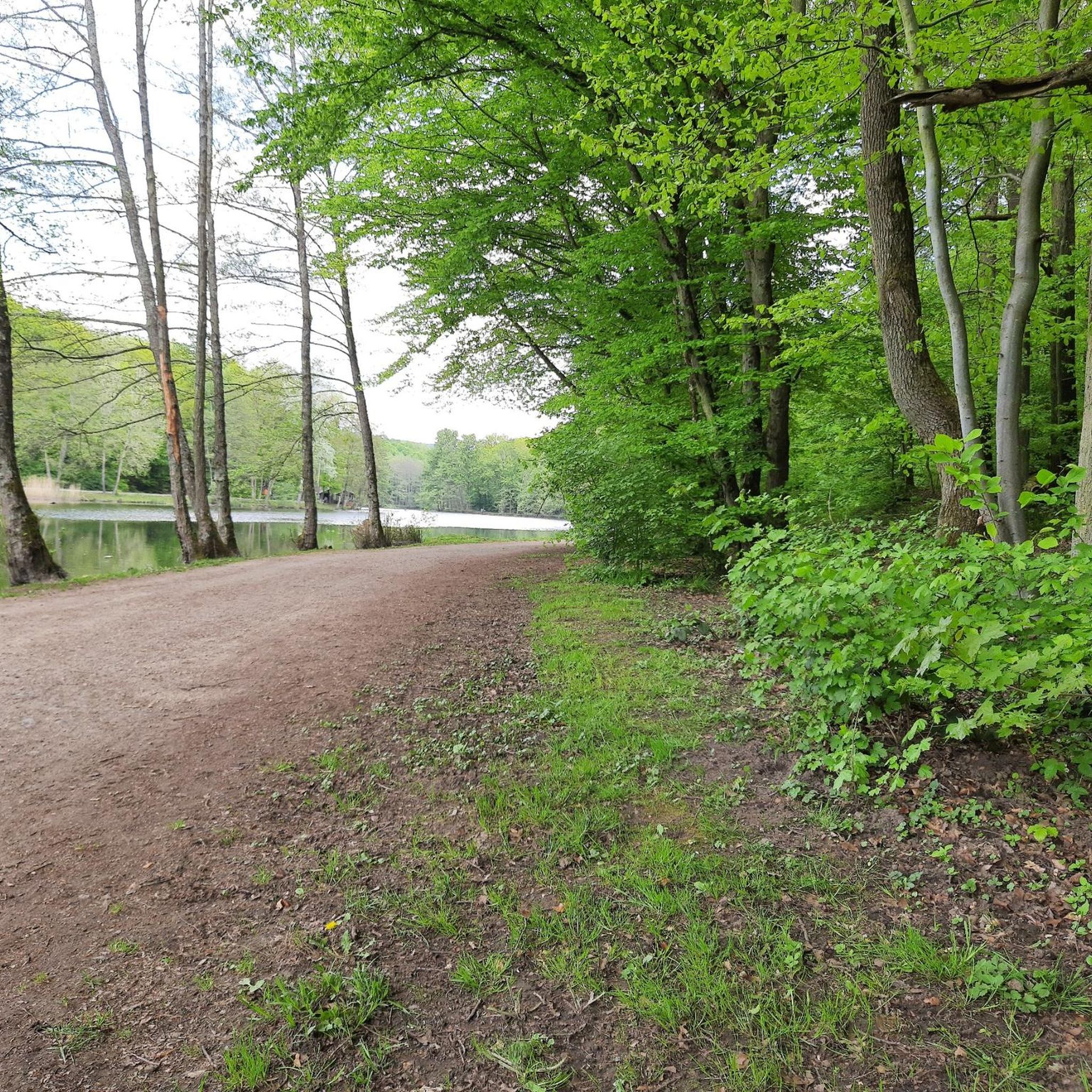
A beautiful local recreation area that is worth a visit at any time of the year. An unpaved, wide and level road allows you to walk around the pond with a stroller and, for seniors, with a walker. Bringing binoculars with you makes wildlife viewing easier. In addition to the gray heron (also called heron), mallards and coots, many other water birds can be observed, such as the non-native Egyptian geese.
1
0

With the closure of the Amelung and Steinbach shafts in 1932 during the global economic crisis, Von der Heydt's time as an independent mine ended. In 1951 the Amelung shafts were swamped and used as extending weather shafts for the Viktoria mine in Püttlingen until 1963. During the construction of the Ludwigsstollen, the composite tunnel between the Luisenthal and Jägerfreude mines, the Amelung shafts were used in 1963 for ventilation, cable transport and material transport.[1] After the mine was finally closed in 1965, the daytime facilities were largely demolished. The mining machine house at the Amelung I shaft, a magazine building from 1885/1886 and the colliery house at the Amelung II shaft, which was built as an administration building and building in the early 1950s when the mine was reactivated, have been preserved.[2] The station building, which was built around 1870, has also been preserved. The station was used for passenger traffic until October 1959; until the end of the 1990s the one in Von der
1
0
it established the connection to the Steinbachtal in the east. The Kirchheckschächte and the Steinbachschächte were built at the Burbach tunnel.[1] Between 1865 and 1869, rope conveying was also used in the Burbach tunnel; between 1873 and 1917 the coal was transported using a chain railway.[2] In 1885 the mine employed 2,777 miners; Over 700,000 tons of coal were mined.[3] Between 1884 and 1886, the Amelung I shaft (named after the mining captain Karl Gustav Amelung, 1818–1866) was sunk; This means that the Von der Heydt mine transitioned from tunnel construction to civil engineering very late.[4] A second production shaft followed in 1899, the Amelung II shaft. In the east of the mine field, the Neuhaus I weather shaft was built in 1901. From 1920, as a result of the Treaty of Versailles, the mine was under French administration. In the district of Rastpfuhl, another weather shaft, the Pasteur or South Shaft, was sunk in 1922.
1
0
The pit - named after the banker and Prussian trade and finance minister August Freiherr von der Heydt (1801-1874) - was built in 1850 and is classified as one of the so-called railway pits that the Prussian mining treasury built when the Saar region was opened up by the Saarbrücken Railway. In 1852 the mine received a railway connection to St. Johann-Saarbrücken. In the upper Burbachtal, the location of the mine, coal mining had been carried out since at least 1770. In 1850, the approximately 1.3 kilometer long Von Heydt tunnel leading to the northwest was struck. In this tunnel, horizontal cable conveyance was used for the first time in Europe in 1862; previously it had been supported with horses. The Lampennest tunnel, which was started in 1853, served to promote the Lampennest mine, located north of the Burbachtal near Güchenbach (today Riegelsberg). Between 1855 and 1862, the approximately 2.3 kilometer long Burbach tunnel was excavated in the opposite direction.
1
0

A walk around the pond during your lunch break gives you enough time to think about problems and find solutions. I found the necessary relaxation in several laps around the pond to achieve results in projects.
1
0

Idillic pond that invites you to linger.
1
0
Frequently Asked Questions
What historical and cultural sites can I explore in Staatsforst Völklingen?
The region is rich in industrial heritage and historical landmarks. A must-visit is the Völklinger Hütte, a UNESCO World Heritage Site and the world's only fully preserved ironworks from the industrial era. You can also visit the Forsthaus Pfaffenkopf, a historical forester's house dating back to 1727, and the Von der Heydt Miners' Settlement, an idyllic collection of historic buildings from the golden age of Saarland mining. Don't miss the Former Beer Cellar at Grube Von der Heydt, which offers a glimpse into the region's mining past.
What natural attractions are there in Staatsforst Völklingen?
Staatsforst Völklingen boasts extensive woodlands and natural beauty. You can enjoy the tranquility of the Burbach Forest Pond, a popular spot for relaxation and walks. The area is also home to the unique Saarbrücken Primeval Forest (Urwald vor den Toren der Stadt), offering a natural escape with numerous paths. Additionally, you can find wild parks where you might spot fallow deer, sika deer, red deer, and wild boars in their natural habitats.
Are there family-friendly activities or attractions in Staatsforst Völklingen?
Yes, Staatsforst Völklingen offers several family-friendly options. The Burbach Forest Pond is ideal for family walks, featuring refreshment stops and a playground. Many of the extensive hiking trails, especially within the Saarbrücken Primeval Forest, are suitable for families. The wild parks in the area also provide an exciting opportunity for children to observe local wildlife.
What kind of hiking opportunities are available in Staatsforst Völklingen?
The Staatsforst Völklingen area is characterized by vast forests with over 200 km of marked hiking trails. You can find diverse routes, from easy loops around the Burbach Forest Pond to more challenging trails like the Trail Along the Burbach. For a comprehensive overview of routes, including easy and difficult options, explore the Hiking in Staatsforst Völklingen guide.
Can I go cycling in Staatsforst Völklingen?
Absolutely. The region offers excellent cycling opportunities, including the well-developed Saar Cycle Route, which provides scenic views along the Saar river. You can find various routes, from moderate to difficult, that take you through forests and past local landmarks. Discover more cycling adventures in the Cycling in Staatsforst Völklingen guide.
Are there mountain biking trails in the Staatsforst Völklingen area?
Yes, mountain biking enthusiasts will find a range of trails in Staatsforst Völklingen. The area features moderate trails that wind through the forest, offering diverse terrain and scenic views. For detailed information on routes, including distances and difficulty levels, refer to the MTB Trails in Staatsforst Völklingen guide.
What is the best time of year to visit Staatsforst Völklingen?
Staatsforst Völklingen can be enjoyed year-round, with each season offering a unique experience. Spring brings lush greenery and blooming flora, while summer is perfect for long hikes and outdoor activities. Autumn transforms the forests with vibrant colors, and even in winter, the serene landscapes offer a peaceful retreat, especially for those who enjoy crisp forest walks.
What do visitors particularly enjoy about the attractions in Staatsforst Völklingen?
Visitors frequently praise the peaceful atmosphere and natural beauty, especially around the Burbach Forest Pond, where many enjoy sitting close to the water. The Trail Along the Burbach is appreciated for its natural, meandering path through the forest. The historical sites, like the Von der Heydt Miners' Settlement, are noted for their idyllic settings and historical charm.
Are there any unique or 'hidden gem' spots in Staatsforst Völklingen?
Beyond the main attractions, the region holds some charming spots. The Hüttenstein am Burbacher Waldweiher is a beautiful local recreation area, particularly noted for its accessibility for walks around the pond and opportunities for wildlife viewing. Within the extensive woodlands, you might also discover a fun and somewhat hidden wooden bridge on a forest trail, offering a unique photo opportunity.
Where can I observe wildlife in Staatsforst Völklingen?
Staatsforst Völklingen features several wild parks where you can observe various animals in their natural habitats. These parks are home to fallow deer, sika deer, red deer, and wild boars. Specific locations include a park on Püttlinger Landstraße and another in the Ludweiler district, offering great opportunities for wildlife spotting.
What is the Völklinger Hütte and why is it significant?
The Völklinger Hütte is a UNESCO World Heritage Site and a globally recognized industrial landmark. It is the world's only fully preserved ironworks from the heyday of industrialization. Visitors can explore 600,000 square meters of the former facility, including six massive blast furnaces, a 40-meter high viewing platform, and the unique 'Paradise' area where nature has reclaimed parts of the industrial site. It also hosts various cultural events and exhibitions. You can find more information about this significant site on visitsaarland.co.uk.
Most popular routes in Staatsforst Völklingen

Get inspired with the komoot mobile app


Explore more
Still not found the Highlight you’re looking for? See guides of the top attractions in other regions:
