The best MTB trails in Varnikų Miškas
4.5
(8)
36
riders
7
rides
Mountain biking in Varnikų Miškas offers diverse landscapes within Trakai Historical National Park. The area features ancient forests, including 200-year-old oak groves, and naturally formed mixed forests with century-old spruces and pines. The terrain includes rolling hills, dense woodlands, and swampy areas with small lakes, providing varied routes. This varied topography makes it suitable for mountain biking across different difficulty levels.
Best mountain bike trails in Varnikų Miškas
- The most popular mountain bike trail is Karaimų Street (Karaimų Gatvė) –…
Last updated: July 10, 2026
4.0
(3)
16
riders
24.0km
01:32
160m
160m
Moderate mountain bike ride. Great for any fitness level. Advanced riding skills necessary.
5.0
(3)
4
riders
69.4km
05:09
630m
630m
Hard mountain bike ride. Very good fitness required. Advanced riding skills necessary.

Sign up for free
1
riders
Moderate mountain bike ride. Good fitness required. Advanced riding skills necessary.
29.5km
02:03
280m
280m
Moderate mountain bike ride. Good fitness required. Advanced riding skills necessary.
1
riders
23.5km
01:35
220m
220m
Moderate mountain bike ride. Great for any fitness level. Advanced riding skills necessary.
Get access to more routes and recommendations from other explorers.
Sign up for free
Already have an account?
Our route recommendations are based on thousands of hikes, rides, and runs completed by other people on komoot.
Start today with a free account
Your next adventure awaits.
Login or Signup
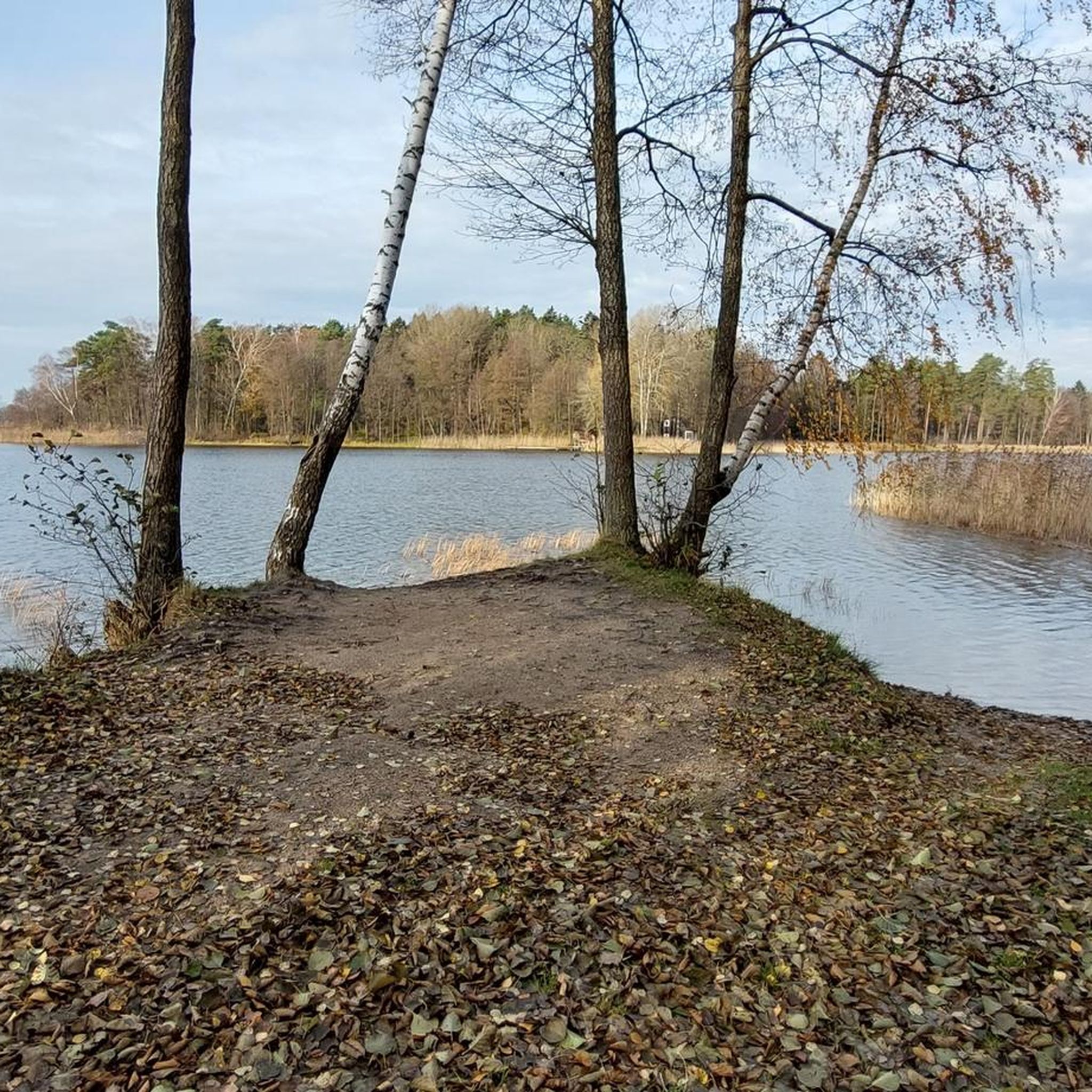
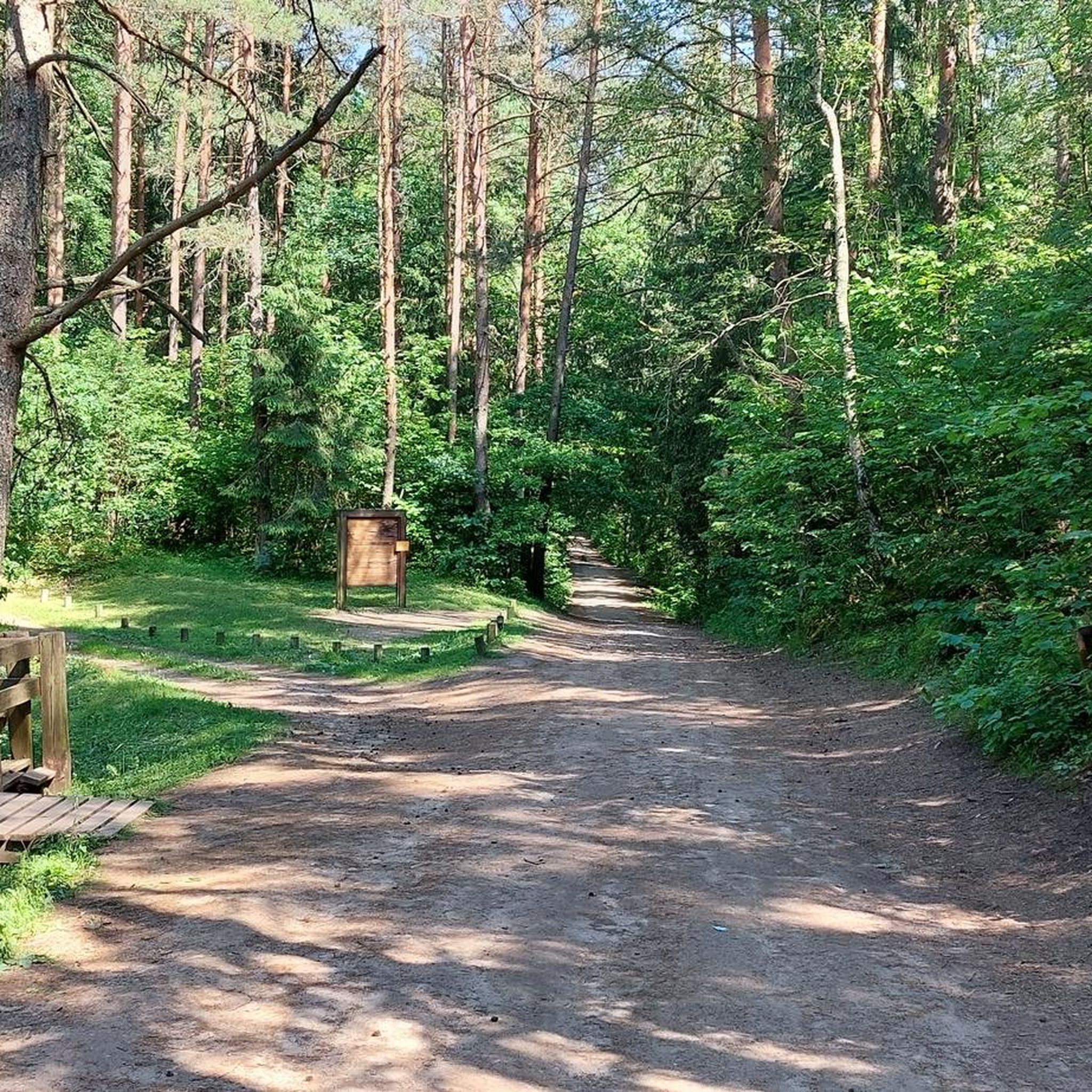
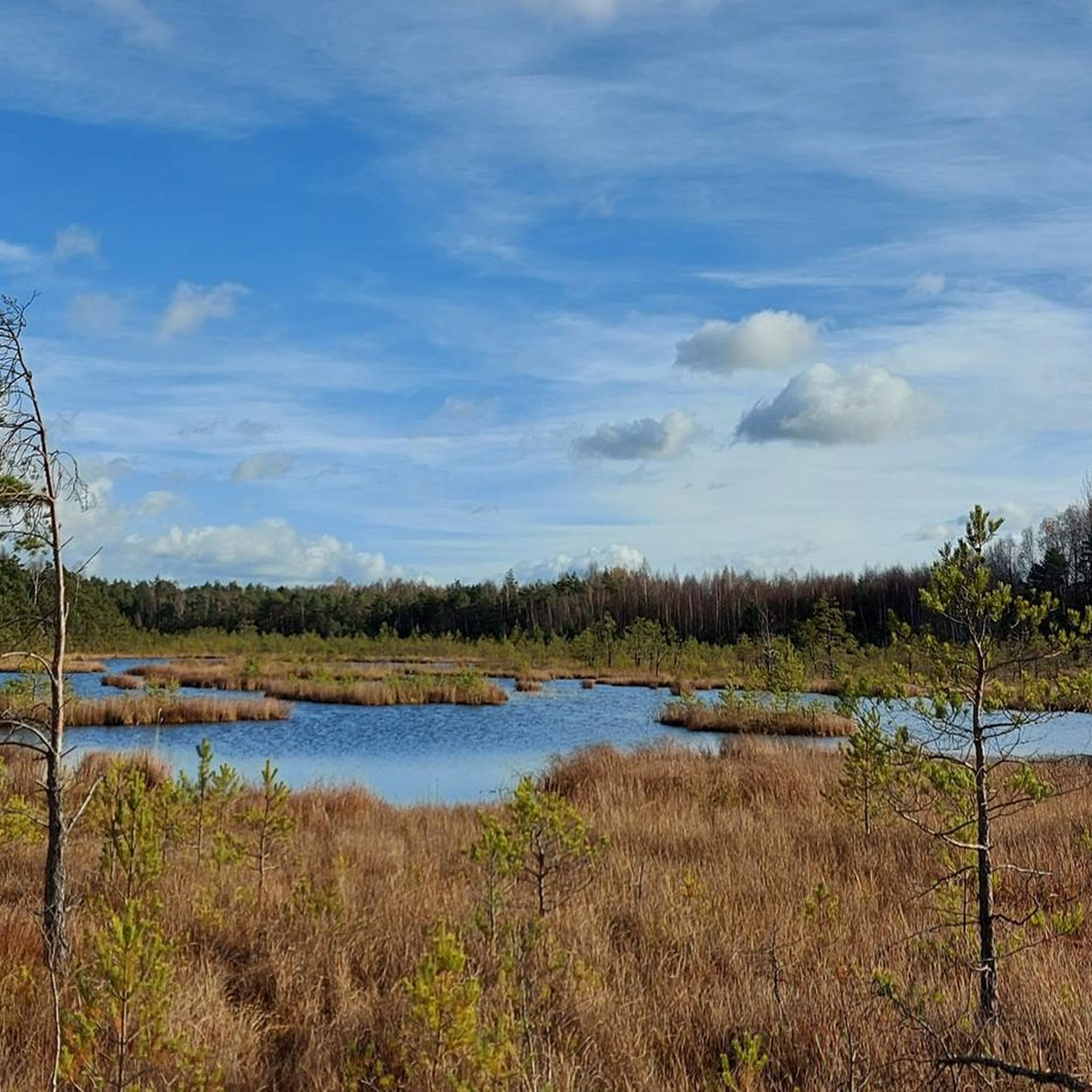
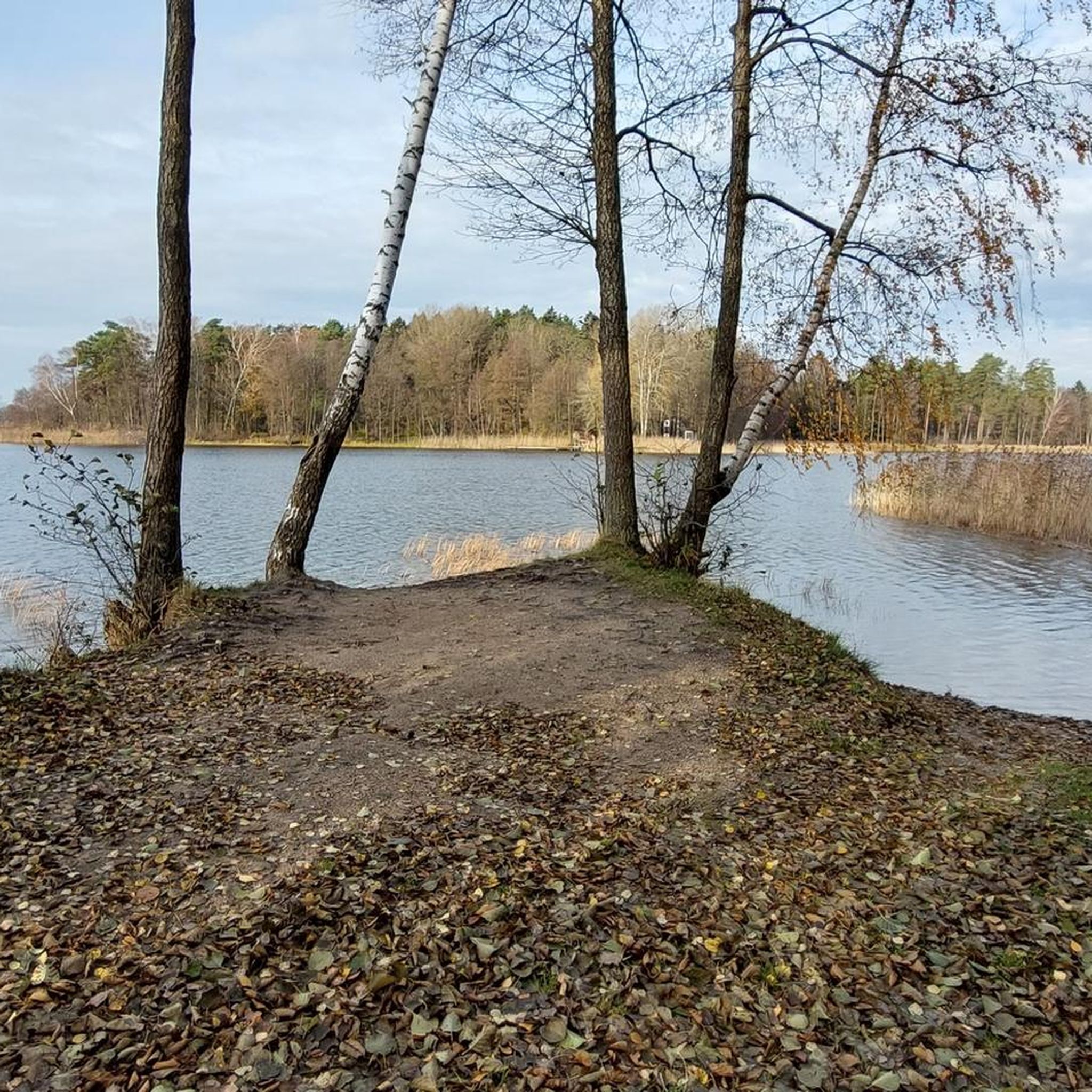
Tips from the Community

Karaims. Trakai was settled by Karaims in the second half of the 15th century. The official date of settlement is between 1397 and 1398. The language of the Karaims belongs to the Turkic language family. The ethnic name originates from the Karaite faith. Their religion shows features of Islam, they adhere to the Pentateuch of the Old Testament. The prayer house of the Karaims, the Karaite Kenesa (from Karaite "Temple"), has survived. In 1894 the new wooden Kenesa was built, after the renovation from 1903 to 1904 it received its new appearance. It is beautiful to hear about the history and religion of this small people from an old Karaite in this church. The houses of the Karaims are located in a residential area. For a long time, this district was called "Little Town". Since 1441, the Karaite community enjoyed the privilege of self-government. Karaite houses are easy to distinguish, as they stand with their gable facing the street and have three windows. The Karaite national dish Kibinai and other dishes, as well as the drink Krupnik, can be tasted today in Karaite restaurants. The ethnographic exhibition of the Karaims, Karaimy g. 22. This unique exhibition tells about the history and life of the national minority of the Karaims in Lithuania and in the city
2
0

The old Vilnius-Kaunas tract. That's all that's left of it.
0
0

It is well preserved, but abandoned and not suitable for visiting. However, the village of Paneriai itself is in a very beautiful place at the bend of the Neris River.
0
0

Driving through the streets of Trakai, I noticed the distinctive wooden houses of the Karaim. These houses are not only architecturally interesting, but also an important testimony to the history and culture of the Karaim. The legends surrounding the windows of these houses are particularly fascinating. It is said that the Karaim allocated one window for themselves, the second for Vytautas the Great, whom they called “Vatai By” (Crushing the Enemies), and the third for God. However, these windows were also a sign of prosperity in the Middle Ages. The Karaim, who paid tribute to the Duke, could “buy” windows. The less well-off had one or two windows facing the street, while richer families had houses with three or even four windows. This tradition is reflected in the arrangement of the windows on the carefully aligned wooden houses. Another interesting detail is the historical significance of the Karaim in Trakai. In 1397, Prince Vytautas settled Karaimų as bodyguards alongside Tatars. Their presence in Trakai is a direct result of this historic decision, making the Karaimų Mediniai Namai a living history book. Cycling through the streets of Trakai, past these historic wooden houses, was like traveling back in time. Each house told its own story, and the peaceful atmosphere in the streets provided a perfect opportunity to feel the deep connection between history, culture and architecture.
0
0
The Vokė, a picturesque left tributary of the Neris, flows quietly under the rickety bridge. Despite its narrowness and noticeable instability when crossing, the bridge offered a unique and exciting experience. The bridge's location in an unexpected place, embedded in the natural beauty of the Lithuanian landscape, makes it a special highlight. For me, the bridge's narrowness and wobbling were part of its charm. As I drove across the river, I felt the movement of the bridge beneath me, which got my adrenaline pumping. It was a balancing act that I was happy to master.
0
0
Each house here tells its own story, evident in the carefully preserved old wooden houses, which showcase rare architecture. The color palette of these buildings, from soft yellows to bolder colors, gives the street a vibrant atmosphere. The Karaite Quarter, a Jewish religious community with about 70 members who live exclusively in these characteristic yellow wooden houses, was particularly fascinating. As I wandered through the alleys, I felt the spirit of this community, which keeps its traditions and culture alive. A highlight of my walk was a visit to Trakai Water Castle. Although much of the castle is no longer in its original condition, I was impressed by its imaginative reconstruction, both inside and out. The entrance fee of €7.00 was worth it to immerse myself in the story told by the castle walls. The colorful wooden houses along Karaimų gatvė, some with lovingly tended gardens and interesting details, contributed to a homey feeling. Each house seems to have its own personality, making the street a living museum. Another significant structure is the Kenessa, the Karaite prayer house, which offers deep insight into the community's cultural identity and beliefs.
5
0

A traffic calming system for this road is currently being built. This will significantly enhance this beautiful ensemble!!!
4
0

Frequently Asked Questions
What kind of terrain can I expect when mountain biking in Varnikų Miškas?
Varnikų Miškas offers a diverse landscape for mountain biking, characterized by ancient forests, including 200-year-old oak groves, and mixed forests with century-old spruces and pines. You'll encounter rolling hills, dense woodlands, and swampy areas with small lakes. The terrain includes sections of dirt forest trail and even a nearly 1.5 km long wooden boardwalk through the Ilgelis Swamp, providing a varied and engaging experience.
Are there mountain bike routes suitable for beginners in Varnikų Miškas?
Yes, Varnikų Miškas offers routes for various skill levels. While many trails are moderate to difficult, there is at least one easy route available. The overall network provides options for different ability levels, allowing beginners to find suitable paths.
What are some notable natural features or landmarks to look out for on the trails?
Varnikų Miškas is rich in natural beauty and interesting landmarks. You can explore the tranquil Piliškių Lake within the Ilgelis Swamp, or visit the Observation Deck on the Varnikai Educational Trail, which overlooks a 15-meter deep glacial hollow. The area also features the Varnikų Nature Trail, which winds through swamps, meadows, and forests.
Are there any long-distance or challenging mountain bike routes for experienced riders?
Yes, experienced riders will find challenging options. For instance, the Panošiškiai Spring loop from Trakai is a difficult 42.9 miles (69.2 km) path that traverses varied forest and wetland terrain. Another demanding route is the Paneriai Manor loop from Lentvaris, covering 42.4 miles (68.2 km) through ancient forests and rolling hills.
What do other mountain bikers say about the trails in Varnikų Miškas?
The routes in Varnikų Miškas are highly rated by the komoot community, with an average score of 4.5 stars from over 5 reviews. Mountain bikers often praise the varied terrain, from ancient forests to swampy areas, and the options available for different ability levels.
Can I find circular mountain bike routes in the area?
Yes, many of the mountain bike routes in Varnikų Miškas are designed as loops, allowing you to start and end at the same point. Examples include the Karaimų Street (Karaimų Gatvė) – View of Trakai Castle loop from Trakai and the Kiemeliškių Hill loop from Valai.
Is Varnikų Miškas suitable for family mountain biking trips?
Varnikų Miškas offers diverse trails, including some easier sections that could be suitable for families. The varied landscape with forests, small lakes, and the unique boardwalk through Ilgelis Swamp can make for an engaging outdoor experience. It's advisable to check the difficulty ratings of specific routes to ensure they match your family's skill level.
How accessible is Varnikų Miškas by public transport or car, and is parking available?
Varnikų Miškas is easily accessible by car, foot, or bicycle. While specific parking details for mountain biking aren't provided, the area is generally well-equipped for visitors, with clear signs guiding to the Varnikų educational trail. For more detailed information on public transport or specific parking areas, you might find local tourist information helpful.
What is the best time of year to go mountain biking in Varnikų Miškas?
The diverse terrain of Varnikų Miškas, with its forests and wetlands, makes it enjoyable across different seasons. Spring and autumn offer pleasant temperatures and vibrant scenery, while summer provides longer daylight hours. Winter conditions might present challenges, especially in swampy areas or with snow cover, so checking local conditions is recommended.
Are there any facilities or amenities along the mountain bike trails?
The Trakai Forest Enterprise has installed gazebos with benches, three observation decks, and ten rest stops along the trails, enhancing the visitor experience. These facilities provide convenient spots for breaks and enjoying the natural surroundings.
Where can I find more information about the Varnikų educational trail?
The Varnikų educational trail is a significant feature of the reserve. You can find more detailed information about it, including its route and points of interest, on the Trakai tourism website: trakai-visit.lt.
Most popular attractions in Varnikų Miškas

Get inspired with the komoot mobile app


Explore more
Browse the best MTB trails in other regions.
