The best walks and hikes in Sausinės Miškas
4.7
(73)
1,461
hikers
70
hikes
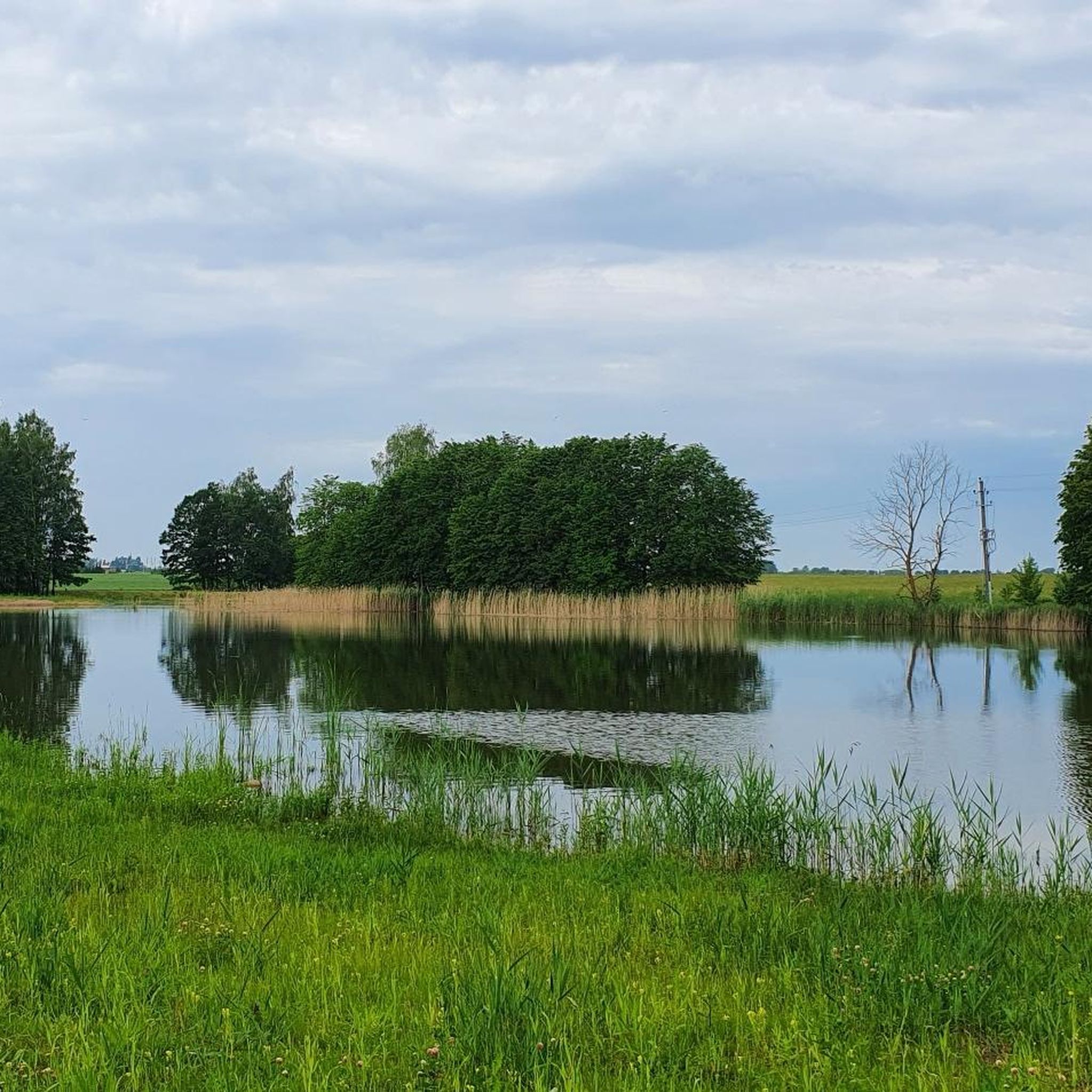
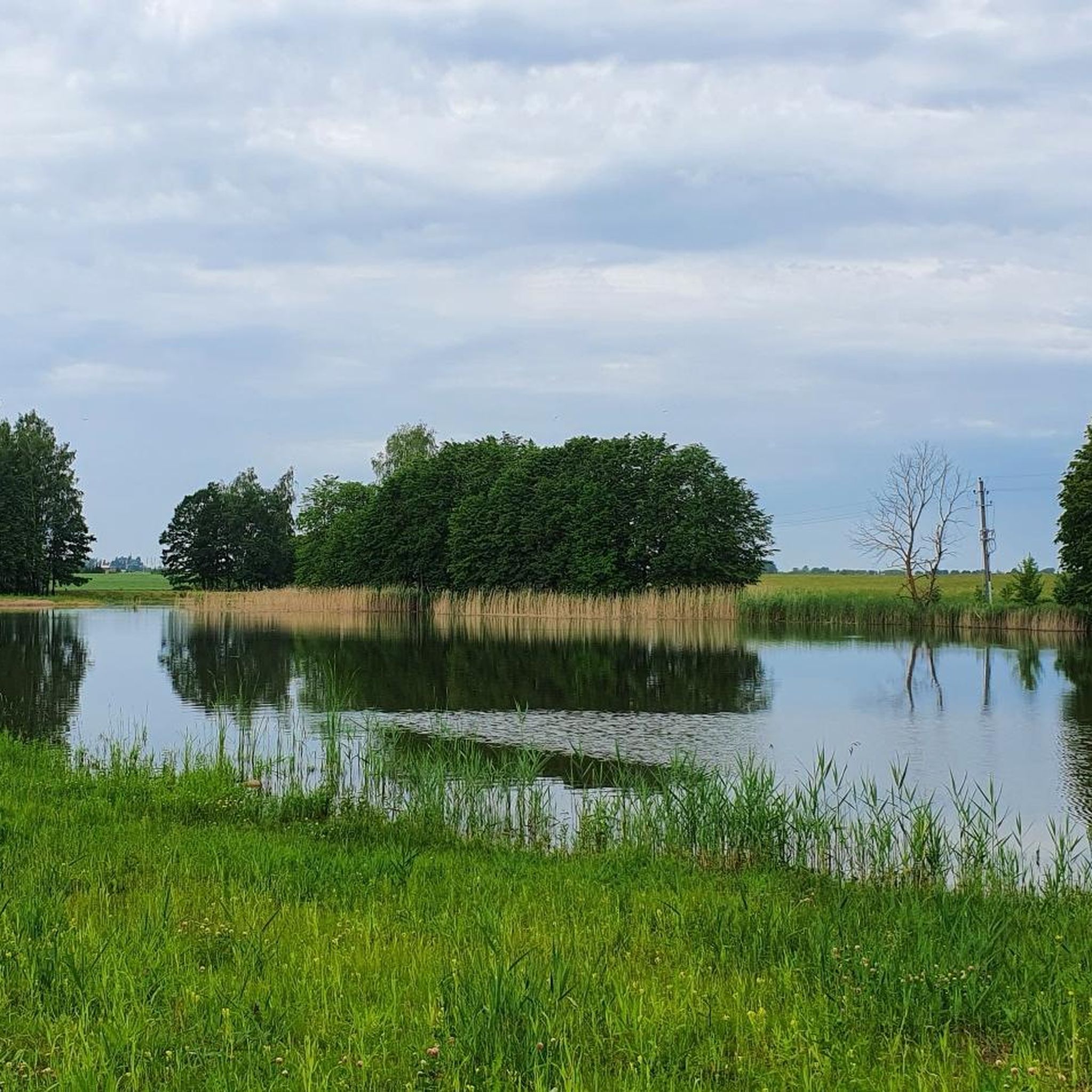
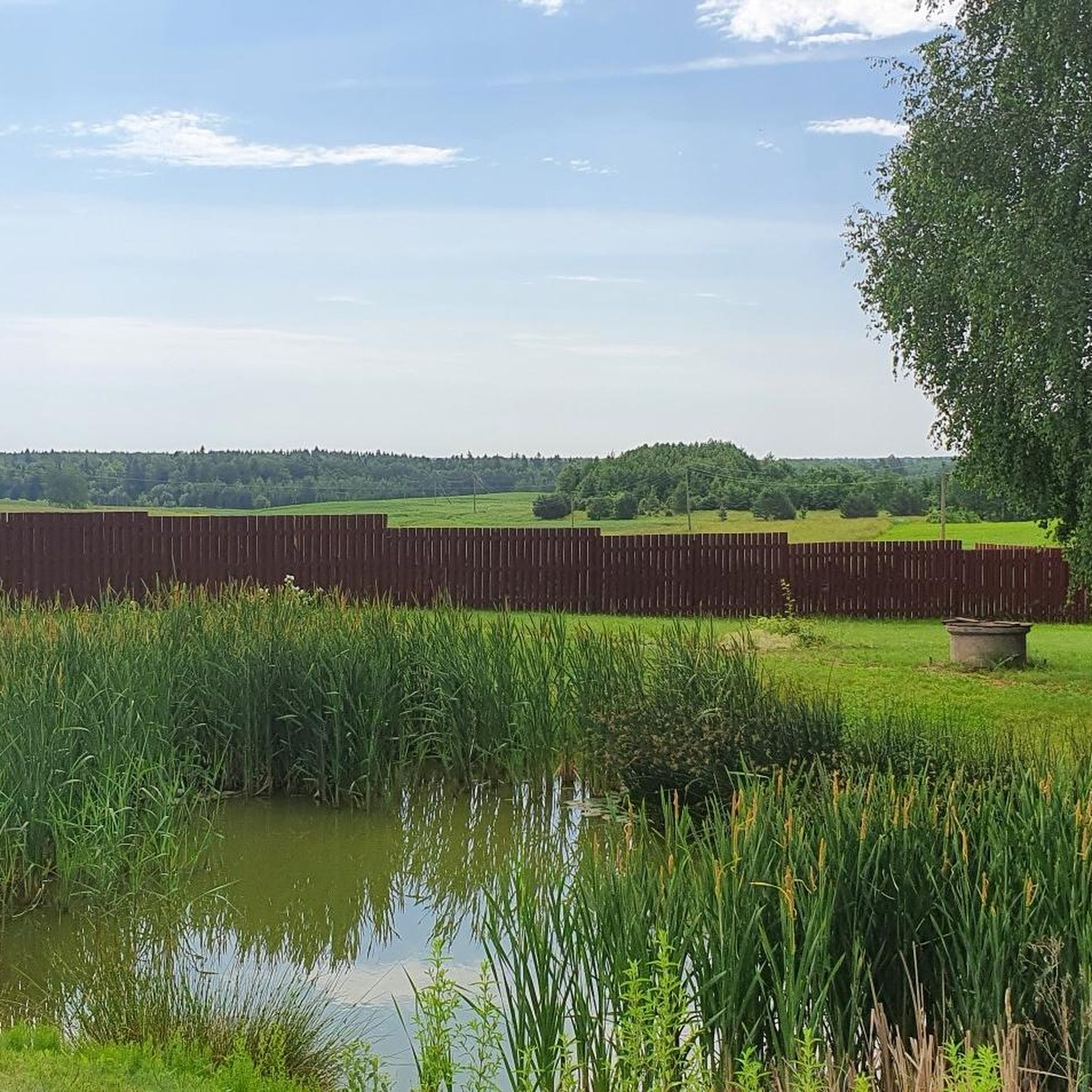
Hiking trails in Sausinės Miškas traverse a region characterized by diverse landscapes, including old-growth forests and significant oak groves within the Romainių ąžuolyno botanical-zoological reserve. The topography features steep slopes of the Nemunas valley, marked by numerous narrow ravines, offering varied elevation changes. Several rivers and reservoirs are also present, enhancing the natural environment for hikers.
Best hiking trails in Sausinės Miškas
- The most popular hiking route is Eagle-Shaped Wooden Bench – Kleboniškis Forest Park loop from Vytėnai, a…
Last updated: July 12, 2026
5.0
(1)
19
hikers
Moderate hike. Good fitness required. Easily-accessible paths. Suitable for all skill levels.
3
hikers
3.91km
01:00
10m
10m
Easy hike. Great for any fitness level. Easily-accessible paths. Suitable for all skill levels.

Sign up for free
2
hikers
Easy hike. Great for any fitness level. Easily-accessible paths. Suitable for all skill levels.
2
hikers
10.7km
02:45
50m
50m
Moderate hike. Good fitness required. Easily-accessible paths. Suitable for all skill levels.
2
hikers
5.38km
01:23
20m
20m
Easy hike. Great for any fitness level. Easily-accessible paths. Suitable for all skill levels.
Get access to more routes and recommendations from other explorers.
Sign up for free
Already have an account?
Our route recommendations are based on thousands of hikes, rides, and runs completed by other people on komoot.
Start today with a free account
Your next adventure awaits.
Login or Signup
Tips from the Community

Another highlight is the Kaunas Cathedral of St. Peter and St. Paul. It is the largest building in the Old Town and has been the basilica of the Cardinal of Lithuania since 1921. The church was built in the Gothic architectural style and features a Baroque high altar depicting the crucifixion scene of Jesus. Worth seeing is the sacristy with its cross vault or the 17th-century Neo-Gothic wood-carved chapel.
2
0

Also remarkable are the memorial plaques at the edge of the graveyard from the German cities of Munich, Frankfurt (Main) and Berlin, which in November 1941 brought about 1000 of their fellow citizens, including women, here to be murdered by the Nazi murderer gangs.
0
0
The shapes of the memorial museum building (currentiy, the Exposition of Occupations) designed by architects Gediminas Baravykas and Vytautas Vielius symbolize a land that cracked because of the pain of tens of thousands killed people. It seems that the sloping blind walls (roofs) have difficulty breaking free of the cracked ground.
0
0
(UN) FILLED VOID Or lune 14, 1941, at night, a mass forceful deportation of Lithuanian citizens to the most severe USSR areas started. Deportations aimed at changing social and national composition of citizens and suppress resistance to the occupation regime. In the echelon formation places, at train stations, families were divided into two groups: 'Group A' consisted of "heads of family', and 'Group B' - of 'family members", mothers, children, and grandparents. People from 'Group A' were carried by convoy to forced labour camps and prisoner-of-war camps, and people from 'Group B' - to places of exile. In total, more than 17,000 people were deported from Lithuania during the four-day deportations. The exhibition "(Un)filled Void" conveys the drama of separation experienced by families after the repressions that occurred in June 1941. The members of the most socially vulnerable group of society (women, children, grandparents) that are captured in photographs from exile, metaphoricall discover a connection with the breadwinner (husband, father, son) in daily life alongside the accompanying silhouettes of memory. The poems framed in the silhouette of a young man are symbolically presented as an expression of the emotional response. Their author, Lithuanian officer Alfonsas Kazlauskas, was arrested and separated from his wife, two daughters and mother on June 14, 1941. The most sensitive experiences of a man with a robust spirit in loneliness are strongly felt in the verses: longing for family and love, preserving hope and determination, discovering the meaning of existence, feeling the support of the loved ones, giving the new meanings to the sense of nature. The apple orchard becomes an idyllic, cosy and a safe allusion to the homeland that was not available at the time. The branches make an impression of a patronizing veil wrapping the images of people marked by a brutal regime and thoughts frozen in ink. They came back, they won, they stayed alive in our memory .. Alfonsas Kazlauskas (1904-1984) Head of the family, Lithuanian officer, political prisoner. In 1926, he graduated from the Military School and was awarded the rank of lieutenant in artillery. In 1932, he graduated from the course of Vytautas Magnus Officers' Artillery Department. He became a captain in 1934. In early 1940's he was promoted and became a major. Upon the liquidation of the Lithuanian Armed Forces on October 3, 1940, he was appointed Chief of Staff of the Separate Zenith Artillery Division of the 29th Rifle Territorial Corps of the Red Army. On June 14, 1941, he was arrested and deported to the Norisk forced labour camp (Krasnoyarsk Krai). On 5th of September, 1942, he was sentenced by the USSR NKVD Special Meeting to eight years. He was released from the forced labour camp in 1947 and returned to Lithuania to his family. The exhibition uses material from the collections of Kaunas Ninth Fort Museum.
0
0


The castle was originally built in 1367.
1
0
Impressive equestrian statue right next to Kaunas Castle.
1
0

Frequently Asked Questions
How many hiking trails are available in Sausinės Miškas?
Sausinės Miškas offers a wide selection of hiking routes, with over 70 trails available. These range from easy strolls to more challenging treks, catering to various fitness levels.
What kind of landscapes can I expect to see while hiking in Sausinės Miškas?
Hikers in Sausinės Miškas will experience diverse landscapes, including ancient oak groves and old-growth forests, particularly within the Romainių ąžuolyno botanical-zoological reserve. The terrain also features the steep slopes of the Nemunas valley, characterized by numerous narrow ravines, and is dotted with several rivers and reservoirs, adding to the scenic beauty.
Are there any easy hiking routes suitable for beginners or families?
Yes, Sausinės Miškas has plenty of easy routes. For a shorter, family-friendly option, consider the Ninth Fort Museum – Ninth Fort Memorial loop from Sargėnai, which is 2.6 km long and takes about 40 minutes. Another easy choice is the Ninth Fort Memorial loop from Giraitė, a 1.9 km trail.
Can I bring my dog on the hiking trails in Sausinės Miškas?
Generally, dogs are welcome on trails in Sausinės Miškas, but it's always best to keep them on a leash, especially given the rich biodiversity and protected areas like the Romainių ąžuolyno botanical-zoological reserve. This helps protect local wildlife and ensures a pleasant experience for all hikers.
What is the best time of year to go hiking in Sausinės Miškas?
Sausinės Miškas offers unique beauty throughout the year. Spring brings lush greenery and blooming flora, while autumn showcases vibrant fall colors in the deciduous forests. Summer is ideal for longer hikes, and even winter can be magical with snow-covered landscapes, though appropriate gear is essential.
Are there any circular hiking routes in Sausinės Miškas?
Many routes in Sausinės Miškas are designed as loops, allowing you to start and end at the same point. An example is the challenging Eagle-Shaped Wooden Bench – Kleboniškis Forest Park loop from Vytėnai, a 22.9 km trail that offers a comprehensive experience of the forest park.
What kind of wildlife might I encounter in Sausinės Miškas?
Sausinės Miškas, particularly near the Romainių Oak Grove Botanical-Zoological Reserve, is rich in biodiversity. You might spot various bird species, and the area is known for protecting rare beetle species like the Hermit beetle. The nearby Romainių 2nd Theriological Reserve also protects bat hibernation sites, indicating a healthy ecosystem.
What do other hikers say about their experience in Sausinės Miškas?
The komoot community highly rates hiking in Sausinės Miškas, with an average score of 4.7 stars from over 60 reviews. Hikers often praise the area's natural beauty, the varied terrain, and the opportunity to explore ancient woodlands and historical sites.
Are there any longer, more challenging hikes available?
For experienced hikers seeking a challenge, the Eagle-Shaped Wooden Bench – Kleboniškis Forest Park loop from Vytėnai is a difficult 22.9 km route with significant elevation gain, typically taking nearly 6 hours to complete. Another option is the moderate #Kaunas Sign at Kaunas Castle – Kaunas Town Hall loop from Ninth Fort, which is 15.0 km long.
Are there any historical landmarks or points of interest along the trails?
Yes, some trails in Sausinės Miškas incorporate historical sites. For instance, the Ninth Fort Museum – Ninth Fort Memorial loop from Sargėnai leads through significant historical areas, offering a blend of nature and heritage.
What should I wear for hiking in Sausinės Miškas during winter?
For winter hiking in Sausinės Miškas, it's crucial to dress in layers to stay warm and dry. Waterproof and insulated outer layers are recommended, along with warm base layers. Sturdy, waterproof hiking boots with good grip are essential for potentially icy or snowy conditions. Consider bringing gaiters to keep snow out of your boots.
Are there any trails that offer views of the Nemunas valley?
Many trails in Sausinės Miškas traverse the region's varied topography, which includes the steep slopes of the Nemunas valley. While specific viewpoints are not highlighted, routes that follow these slopes will offer glimpses and scenic perspectives of the valley and its natural formations.
Most popular routes in Sausinės Miškas

Get inspired with the komoot mobile app


Explore more
Browse the best Hikes in other regions.
