Attractions and Places To See in Sierra De Atapuerca - Top 5
Best attractions and places to see in Sierra De Atapuerca, a UNESCO World Heritage site, offers a journey into human evolution and natural beauty. This region is renowned for its exceptional archaeological significance, with findings dating back over 900,000 years. Beyond its prehistoric treasures, visitors can explore rolling hills, lush forests, and historical monuments. The area provides a unique record of human occupation due to its special ecosystems and geographical location.
Best attractions and places to see in Sierra De…
Last updated: July 15, 2026
Matagrande Cross
Highlight • Monument
Translated by Google •
Tip by

Viewpoint of Matagrande Pilgrimage Quote
Highlight • Viewpoint
Translated by Google •
Tip by

Sign up now to discover places like this
Get recommendations on the best single tracks, peaks, & plenty of other exciting outdoor places.
Sign up for free
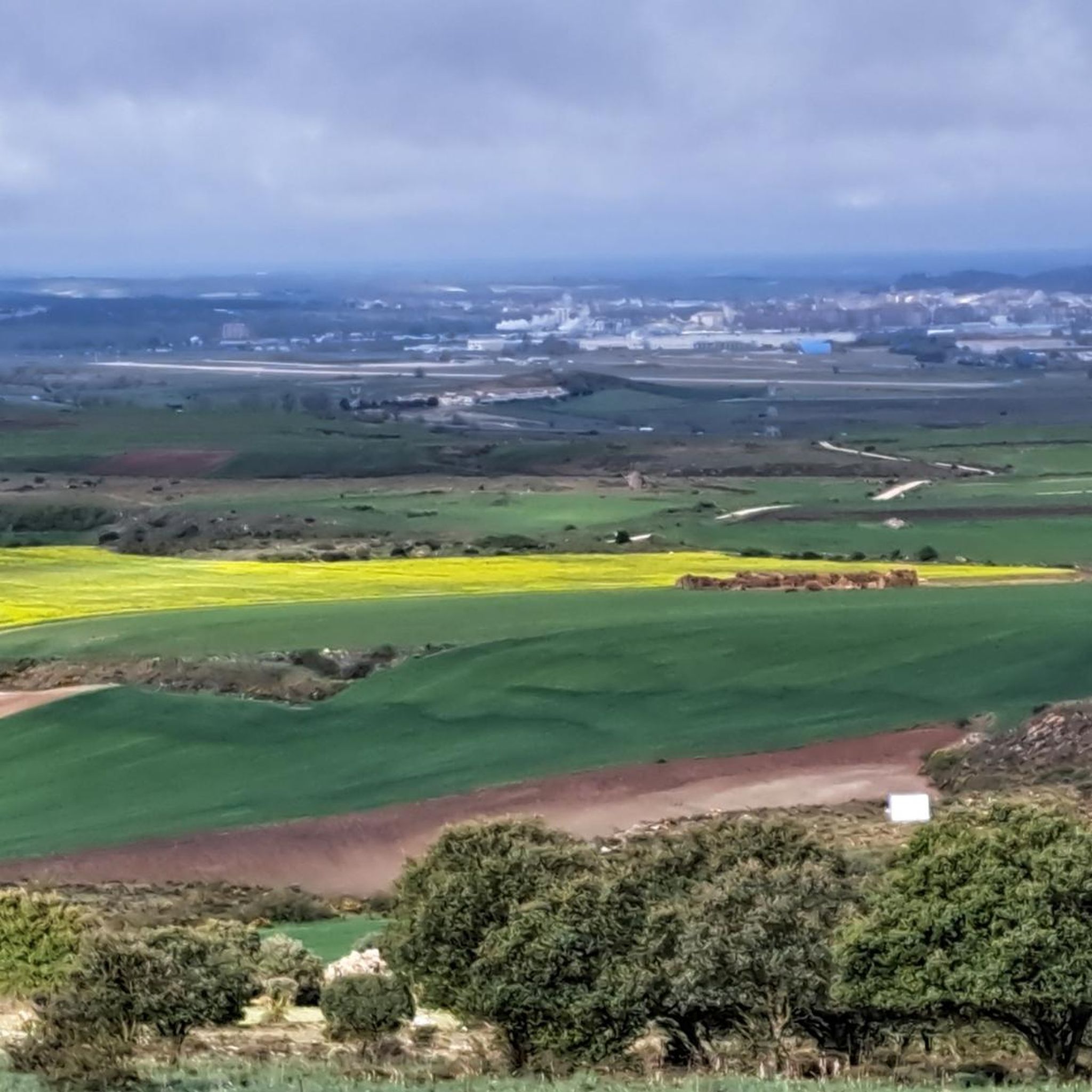
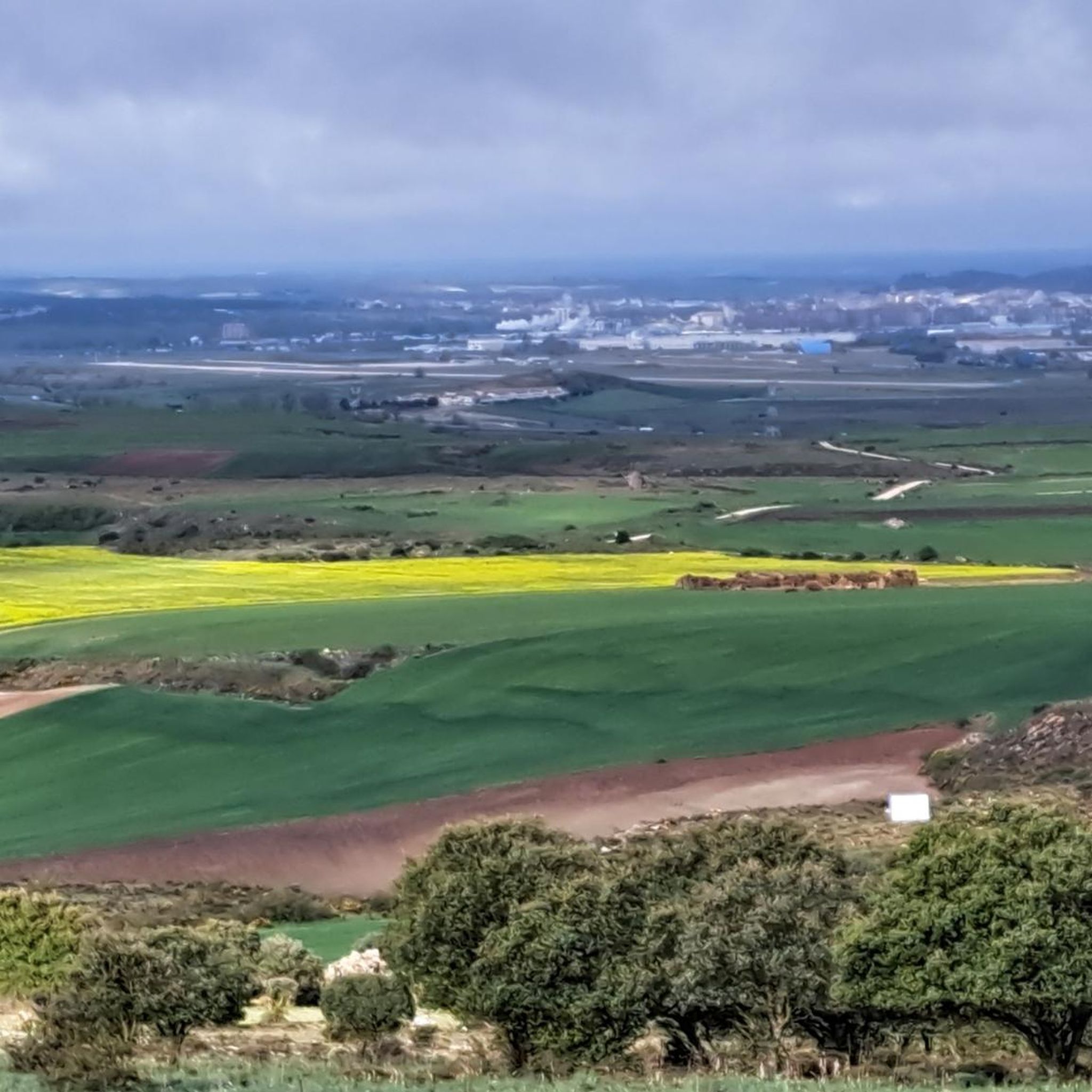
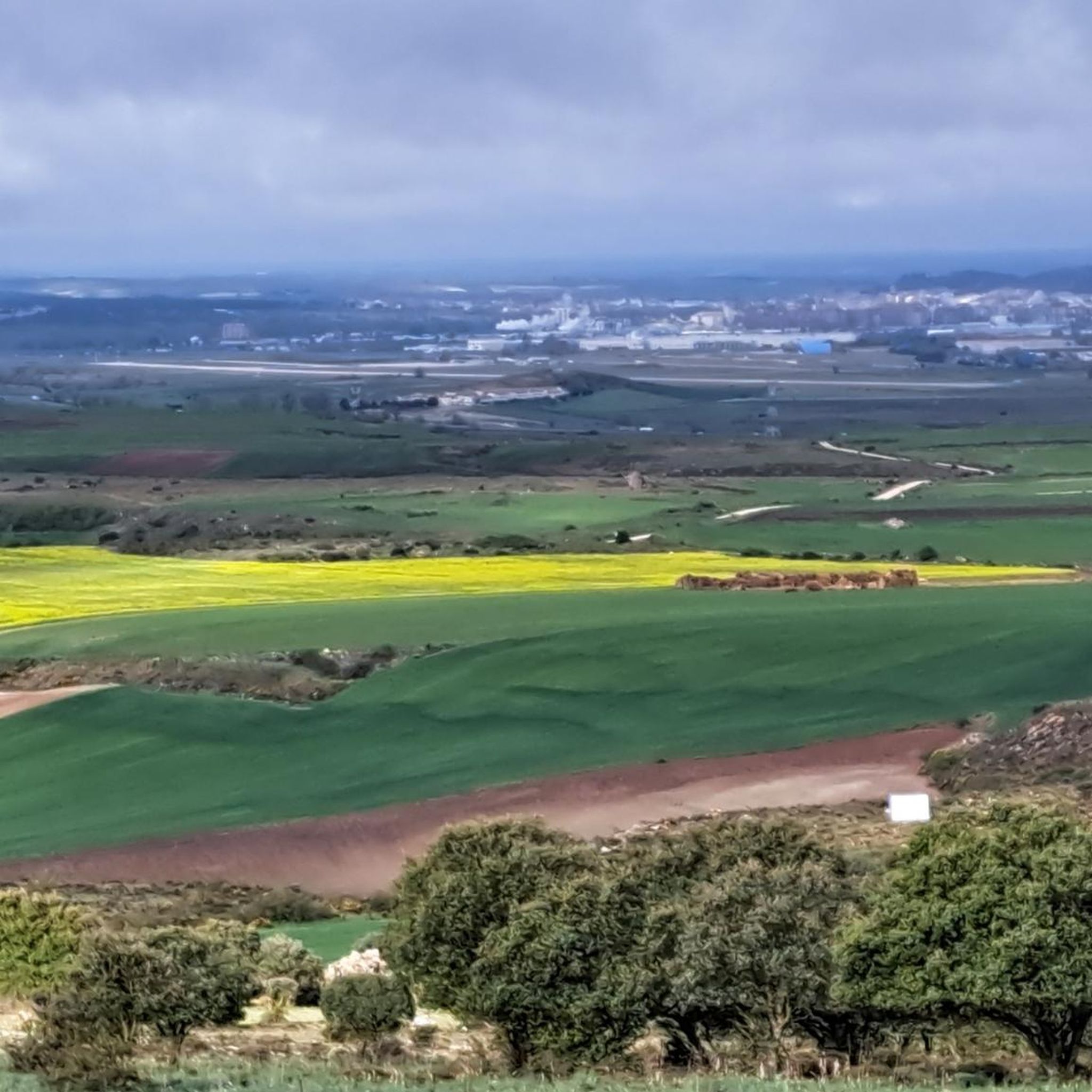
View of Burgos from Alto de Mostelares
Highlight • Viewpoint
Translated by Google •
Tip by

Start today with a free account
Your next adventure awaits.
Login or Signup

Tips from the Community

Even though this small sacred monument isn't located on the classic route of the Way of St. James through northern Spain, in view of the summit cross standing here, some thoughts by Hape Kerkeling might be helpful as inspiration. The entertainer, who is particularly famous in Germany, walked the Camino Frances in 2001 and kept a diary, which was published under the title "Ich bin dann mal weg" (I'm off then). In it, he describes his personal encounter with God along the way as follows: "Yesterday, something inside me struck a huge gong. And the sound will reverberate. Sooner or later, this path shakes everyone to their very foundations. I know the sound will slowly fade, but if I listen carefully, I'll be able to hear this reverberation for a very long time to come."
0
0

Cross located on the rock of Matagrande, at 1082 metres above sea level, right on the Camino de Santiago. During the Christmas season, they put up a nativity scene.
1
0
The stones piled up here at the base of the wayside cross are reminiscent of the “CRUZ de FERRO” (iron cross) – very well known among pilgrims – on the MONTE IRAGO on the “Camino Frances” (in Astorga, province of Leon). Many pilgrims who set out on the Way of St. James take a stone with them and place it there (or even here). Such a stone symbolizes the burdens and needs of the pilgrims (or their family members and friends at home), who symbolically cast off their worries at this point with the stone and can thus move on free of them. The CRUZ DE FERRO is available on komoot as a cycling highlight at the following link + https://www.komoot.com/de-de/highlight/716062
3
0

A simple wooden cross, which is used for prayer and reflection. Stones are placed here, similar to the Cruz de Ferro
2
0

matagrande, you find it after leaving Atapuerca.
3
0

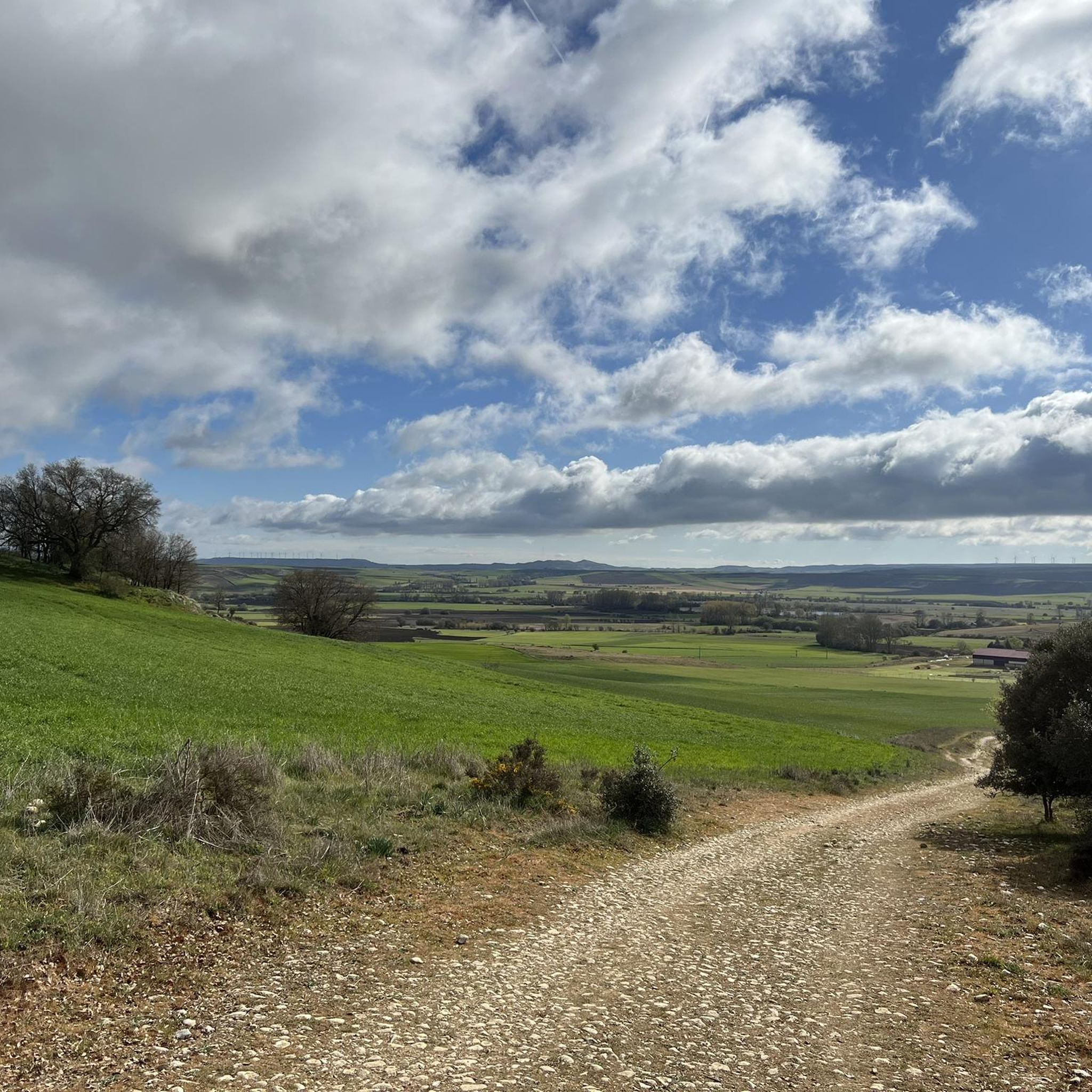
First view of Burgos in the distance as you crest the hill
1
0

Nice monument near the top of Matagrande with a text fragment from the book "Las peregrinaciones jacobeas" by Luciano Huidobro Serna. The book, divided into three volumes, explores the history and cultural significance of the pilgrimage to Santiago de Compostela. The work delves into the origins of the Camino de Santiago, its religious and social importance, and its evolution over time.
3
0
Frequently Asked Questions
What is the significance of the Sierra de Atapuerca archaeological sites?
The Sierra de Atapuerca is a UNESCO World Heritage site renowned for its exceptional archaeological significance. It offers a profound journey into human evolution, with findings dating back over 900,000 years. Key sites like Gran Dolina and Sima de los Huesos have yielded a wealth of human fossils, including Homo heidelbergensis, providing crucial insights into early human life in Europe and reshaping our understanding of human evolution. You can learn more about its global importance on the UNESCO website.
Can I visit the actual excavation sites at Atapuerca?
Yes, the primary archaeological site, including areas like Gran Dolina, Sima de los Huesos, Galería Elefante, and Sima del Elefante, is open to visitors. Guided tours are essential to explore these excavation areas and understand their significance. The Atapuerca Archaeological Site Cave Entrance is a key entry point to this world heritage site.
Where can I learn more about the human evolution discoveries from Atapuerca?
To delve deeper into the discoveries, visit the Museum of Human Evolution (Museo de la Evolución Humana) located in the nearby city of Burgos, approximately 15 km away. This museum is considered an integral part of the Atapuerca experience, offering a comprehensive 'walk' through human evolution and showcasing over 200 original pieces found in the Sierra de Atapuerca.
Are there any ancient cave paintings to see in the Sierra de Atapuerca?
Yes, the Sierra de Atapuerca is home to various caves, some containing ancient cave paintings. Notably, the Galería del Sílex (Flint Gallery) features significant cave paintings from the Bronze Age, which are over 4,000 years old.
What kind of outdoor activities can I do in the Sierra de Atapuerca region?
Beyond the archaeological sites, the region offers stunning natural beauty with rolling hills and lush forests, making it ideal for outdoor activities. You can enjoy hiking, cycling, and birdwatching. There are also guided tours along botanical trails to explore local flora and fauna. For specific routes, check out guides like Easy hikes in Sierra De Atapuerca or Gravel biking in Sierra De Atapuerca.
Are there easy hiking trails available in Sierra de Atapuerca?
Yes, the Sierra de Atapuerca offers several easy hiking options. For example, you can find routes like the 'Hiking loop from Atapuerca' (3.8 km) or the 'Ibeas de Juarros loop from Ibeas de Juarros' (5.8 km). These trails allow you to explore the natural landscapes surrounding the historical sites. More options are available in the Easy hikes in Sierra De Atapuerca guide.
Is the Sierra de Atapuerca area suitable for families with children?
Yes, the Sierra de Atapuerca can be family-friendly. The Museum of Human Evolution in Burgos offers interactive exhibits that can engage children. Additionally, the Experimental Archaeology Centre (CAREX) provides further insight through hands-on experiences. The natural trails and the charming village of Atapuerca also offer pleasant, less strenuous activities for families.
How can I get to the Sierra de Atapuerca archaeological site?
The Sierra de Atapuerca archaeological site is located near the village of Atapuerca. If traveling by car, parking is available. For those relying on public transport, there are bus connections from the nearby city of Burgos to Atapuerca village, from where you can access the sites.
What is the best time of year to visit Sierra de Atapuerca?
The Sierra de Atapuerca can be visited year-round, but spring (April-June) and autumn (September-October) generally offer the most pleasant weather for exploring both the outdoor archaeological sites and the natural trails. Summers can be hot, and winters can be cold, so dress accordingly if visiting during those seasons.
What is the <a href="https://www.komoot.com/highlight/5817712" target="_blank" rel="noopener">Matagrande Cross</a> and why is it significant?
The Matagrande Cross is a man-made monument that serves as a significant marker on the Camino de Santiago. Pilgrims often leave a stone here, sometimes with a message, after a rough path up the hill. It's a place of reflection and tradition for those walking the ancient pilgrimage route.
Are there any viewpoints offering scenic vistas in the area?
Yes, the region offers several viewpoints to appreciate its natural beauty. A notable spot is the View of Burgos from Alto de Mostelares, which provides expansive vistas and offers the first distant view of Burgos as you crest the hill. Another is the Viewpoint of Matagrande Pilgrimage Quote, offering both views and cultural significance.
Can I find places to eat or stay near the Atapuerca sites?
The charming village of Atapuerca, through which the Camino de Santiago passes, offers some amenities. You can find local cafes and potentially small guesthouses or rural accommodations in the village itself or in nearby towns. The larger city of Burgos, just 15 km away, provides a wider range of dining and accommodation options.
How much time should I allocate for visiting the Sierra de Atapuerca sites?
To fully appreciate the archaeological sites, including a guided tour of the excavations and a visit to the Museum of Human Evolution in Burgos, you should plan for at least a full day, or even two days if you wish to explore the natural trails and the village of Atapuerca at a relaxed pace.
Most popular routes in Sierra De Atapuerca

Get inspired with the komoot mobile app


Explore more
Still not found the Highlight you’re looking for? See guides of the top attractions in other regions:
