The best MTB trails in Serra De Midões E De Pias
4.4
(69)
623
riders
69
rides
Mountain biking in Serra De Midões E De Pias offers diverse landscapes within the Porto metropolitan area, characterized by a mountainous terrain with varied elevations. The region features a small plateau at the summit of Serra de Pias and slopes where waters flow into the Ferreira and Sousa Rivers. These dynamic geomorphological features, alongside historical mining areas and native flora, create engaging mountain bike trails.
Best mountain bike trails in Serra De Midões E De Pias
- The most popular mountain…
Last updated: July 13, 2026
3
riders
51.9km
04:40
1,000m
1,000m
Hard mountain bike ride. Very good fitness required. Suitable for all skill levels.
4.0
(1)
5
riders
Moderate mountain bike ride. Good fitness required. Suitable for all skill levels.

Sign up for free
4.8
(4)
9
riders
Moderate mountain bike ride. Good fitness required. Suitable for all skill levels.
4.6
(5)
38
riders
34.3km
03:08
710m
710m
Moderate mountain bike ride. Good fitness required. Suitable for all skill levels.
4.8
(12)
41
riders
17.3km
01:33
360m
360m
Moderate mountain bike ride. Good fitness required. Suitable for all skill levels.
Get access to more routes and recommendations from other explorers.
Sign up for free
Already have an account?
Our route recommendations are based on thousands of hikes, rides, and runs completed by other people on komoot.
Start today with a free account
Your next adventure awaits.
Login or Signup

Tips from the Community

You can enjoy some good ham sandwiches accompanied by a nice cold beer.
1
0
Religious architecture, dating from the 17th, 19th, and 20th centuries. Rectangular parish church composed of a nave and chancel, with sacristy and bell tower, having two transept arms added at the end of the 20th century. It has interior wooden roofs, gabled and with beams in the nave and coffered ceilings in the chancel, sparsely illuminated by windows in the right side facade of the chancel body. It has a 20th-century bell tower, with three registers and round-arched windows. Main facade with a gable, with three axes of openings, composed of a portal and two large windows, all rectilinear. Facades with pilastered quoins and concrete frieze finishes. Interior with a high choir resting on stone corbels, accessed from the annex, with side chapels and facing pulpits. A triumphal arch with a perfect vault, resting on Tuscan piastras, flanked by Mannerist carved altarpieces. Chancel with a central stepped platform, where the main altarpiece stands, reusing elements of Mannerist carving. A church of 17th-century foundation, of which the original structure and some openings in the sash form are maintained, profoundly remodeled in the 20th century, with the construction of the annexes, the transept, and the creation of the bell tower, this one quite tall, with three registers. The main façade and the bell tower are covered with patterned tiles. Inside, the side altarpieces, of erudite Mannerist structure, stand out, profoundly altered with the 20th-century restoration, with the reform of the finialço and the execution of new altar tables. The Epistle side altarpiece, dedicated to Our Lady of Fatima, stands out for its high-quality carving. It retains its preparatory layer and, through its structure and decorative grammar, reveals a transitional style, datable to the late 18th and early 19th centuries. It features profuse phytomorphic decoration, a scalloped back panel, but also includes urns at the top of the Corinthian columns, adorned with festoons, revealing Neoclassical elements. The main altarpiece, recently gilded, showcases the use of twisted columns, a late 17th-century style, with archivolts in a national Baroque style altarpiece structure. Also noteworthy is the Crucified altarpiece, a Neo-Baroque revivalist piece with a concave structure, possessing several Neoclassical influences, notably the urns at the top and the faux marble effect on the columns.
0
0
It is the abundant and varied landscape that most impresses in Couce, a village in Valongo bathed by the Ferreira River and located between two mountain ranges, Santa Justa and Pias. In this part of the Porto district, the houses beg to be photographed with their ancient stone walls, showcasing the most typical and traditional aspects of the genuine Portuguese rural architectural tradition, and the cobbled paths invite slow walks, allowing one to identify, here and there, the marks of the past left in constructions with quartzite blocks from the local mining and schist exploitation. The irregular walls and fences of the village fascinate the visitor with this particular configuration, resulting from the use of materials that were applied in the constructions as they were collected directly from nature, without prior treatment. In this analysis of the genuineness of Couce's architecture, however, there are other works that deserve attention, the oldest of which is the Roman bridge that persists in the village, almost intact, since the territory was occupied by explorers of the Italian empire. From a much more recent period is the village chapel, as well as its haystacks, which have served as support for the community's agricultural activities, and its threshing floors, which function as a space for socializing among the population, who threshed corn there and shared news from the land. These habits and customs encourage discovering more of the surrounding landscape, motivating walks along the green and cool banks of the Ferreira River, where it is still possible to imagine how the nooks and crannies of Couce led the Romans and their slaves to settle in the area. From those times, moreover, remains the housing layout that is still identified in this Village of Portugal, with the houses very close to each other, so that, in the context of the geographical isolation of the village, the residents could better defend themselves in case of external threats.
0
0
Abandoned and forgotten, they were easy prey for the relentless and merciless action of natural elements, accelerated by the plundering to which they were subjected. Their architecture became disfigured, and some collapsed.
0
0

The Ponte dos Arcos is a 19th-century historic structure in Valongo, Portugal. Built to irrigate the fertile lands of Campo, it also served as a pedestrian crossing. Recently restored, it is now an icon of local heritage.
1
0

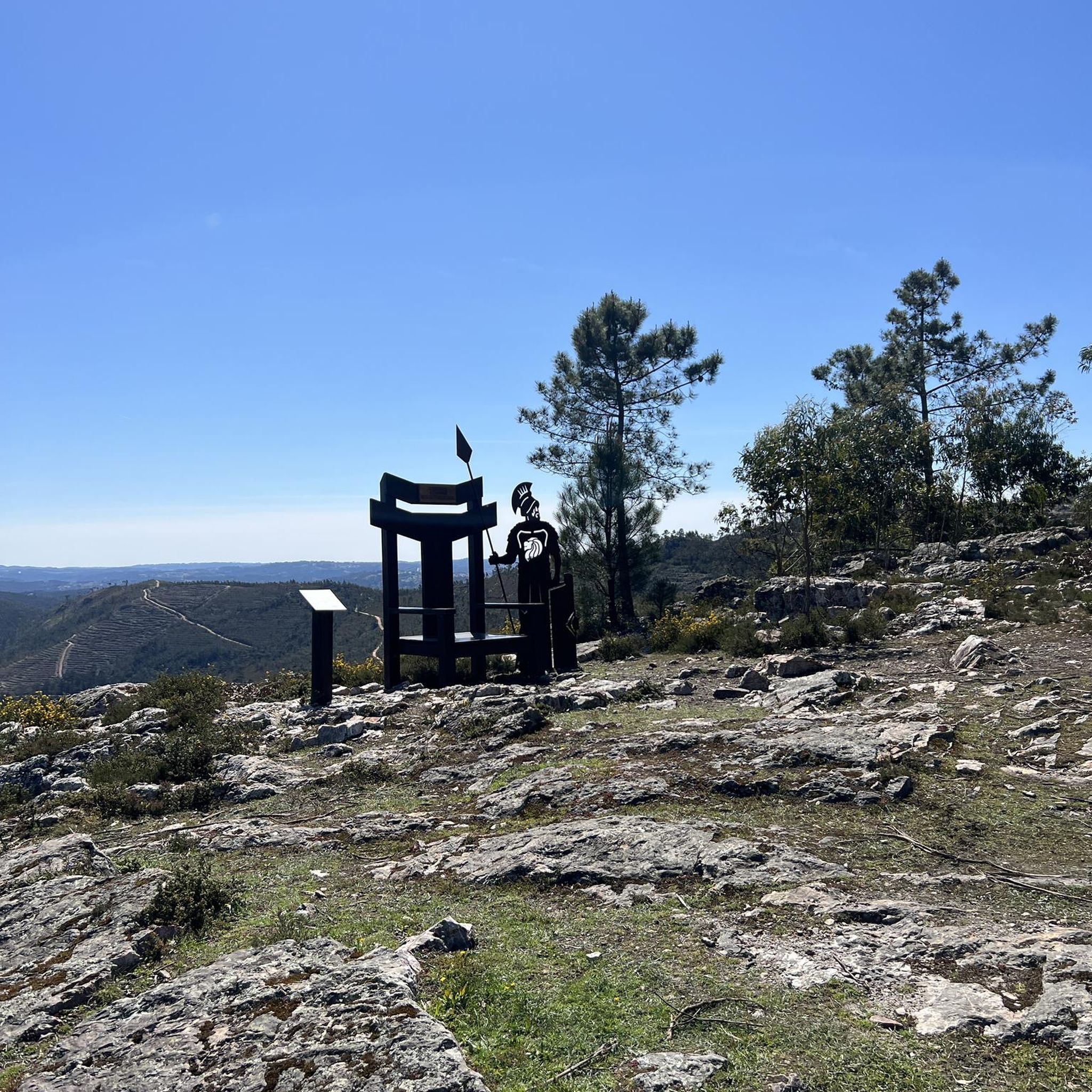
At the top of Mount Santa Justa, the highest point of the Serra de Santa Justa and the Valongo Massif, there is a beautiful view.
0
0
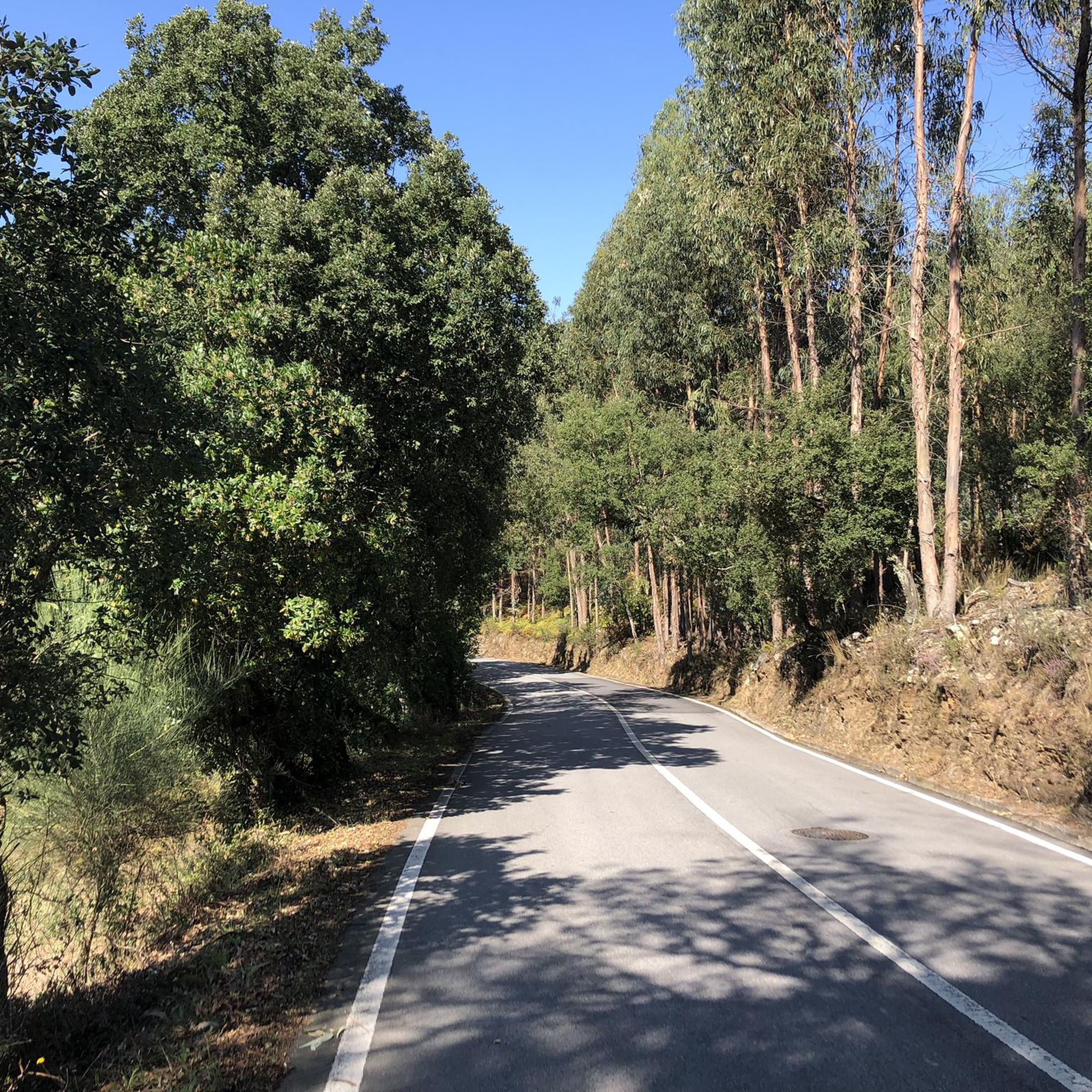
The Ferreira River is a tributary of the Tâmega River in northern Portugal. Its course runs through valleys and rural landscapes, also powering some small hydroelectric power plants. Here you can cycle in complete tranquility immersed in nature.
0
0

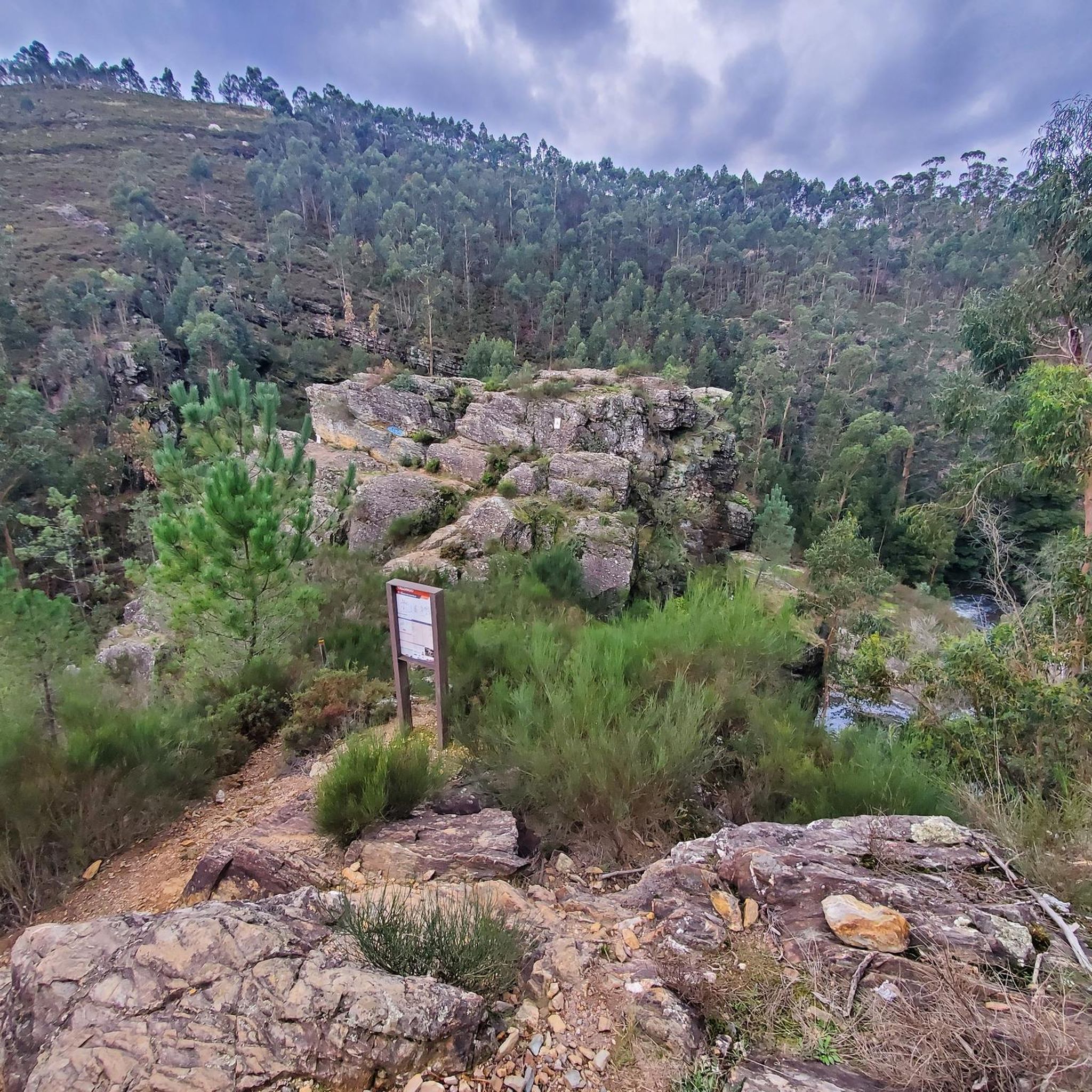
At this point, the landscape reveals two distinct worlds: on one side, the view extends over the Greater Porto and the coastline that stretches out on the horizon; on the other, the peaceful valley of the River Ferreira, where the village of Couce preserves its rural charm. A fascinating contrast that accompanies the trail.
2
0
Frequently Asked Questions
How many mountain bike trails are available in Serra De Midões E De Pias?
Serra De Midões E De Pias offers a wide selection of mountain bike trails, with over 70 routes available. These trails cater to various skill levels, from easy paths to challenging routes with significant climbs.
What kind of terrain can I expect on mountain bike trails in Serra De Midões E De Pias?
The terrain in Serra De Midões E De Pias is diverse and rugged, characterized by mountainous landscapes, river valleys, and historical mining areas. You'll encounter varied elevations, from small plateaus to slopes leading to the Ferreira and Sousa Rivers, providing dynamic and engaging riding experiences.
Are there mountain bike trails suitable for beginners or families in Serra De Midões E De Pias?
Yes, there are trails suitable for different ability levels. While many routes are moderate to difficult, the region does offer some easier paths. For example, the area has 2 easy trails, which can be a good starting point for beginners or families looking for a less strenuous ride.
What are some challenging mountain bike routes for experienced riders?
Experienced riders looking for a challenge will find several difficult routes. One notable option is the Moinhos de Jancido – Moinhos de Jancido loop from Ferreirinha, a 32.6-mile (52.4 km) trail with over 1,000 meters of elevation gain, typically taking around 4 hours and 44 minutes to complete.
Are there any notable natural features or landmarks to see along the trails?
Yes, the region boasts unique natural features and historical sites. You can explore the Ferreira River in the Couce Valley, visit the Senhora do Salto Waterfall, or enjoy views from the View of Fragas do Castelo. The area is also part of the Valongo Paleozoic Park, indicating interesting geological history.
Can I find circular mountain bike routes in Serra De Midões E De Pias?
Yes, many of the mountain bike routes in Serra De Midões E De Pias are designed as loops. For instance, the Ferreira River – Alvre Village Trail loop from São Martinho do Campo is a popular moderate circular route exploring river valleys and villages.
What is the best time of year to go mountain biking in Serra De Midões E De Pias?
While specific seasonal recommendations aren't provided, the region's diverse landscapes and natural features suggest that spring and autumn would likely offer pleasant temperatures and vibrant scenery, ideal for mountain biking. Summers can be warm, and winters might bring cooler, wetter conditions.
Where can I park my car when mountain biking in Serra De Midões E De Pias?
Specific parking locations are often associated with trailheads or starting points of routes. For example, routes like the Ferreira River in the Couce Valley – Ponte dos Arcos de Campo loop start from São Martinho do Campo, where you would typically find local parking options.
What do other mountain bikers say about the trails in Serra De Midões E De Pias?
The mountain bike trails in Serra De Midões E De Pias are highly regarded by the komoot community, with an average rating of 4.4 stars from over 60 reviews. More than 600 mountain bikers have explored the varied terrain, often praising the diverse landscapes and engaging routes.
Are there any cafes or places to eat near the mountain bike trails?
The region includes villages and is within the Porto metropolitan area, so you can expect to find local cafes and eateries in towns and villages near the trailheads. These spots offer opportunities to refuel and relax after your ride.
Is Serra De Midões E De Pias a dog-friendly destination for mountain biking?
While the region is known for its natural beauty and outdoor activities, specific regulations regarding dogs on mountain bike trails are not detailed. It's always advisable to check local signage and respect wildlife, keeping dogs on a leash where necessary.
Are there any permits required for mountain biking in Serra De Midões E De Pias?
There is no indication that special permits are generally required for mountain biking on the trails in Serra De Midões E De Pias. However, it's always good practice to be aware of any local regulations or protected areas that might have specific rules.
How can I reach Serra De Midões E De Pias using public transport for mountain biking?
Serra De Midões E De Pias is located within the Porto metropolitan area, which generally has public transport links. Depending on your specific starting point, you may be able to reach nearby towns or villages by bus or train, and then cycle to the trailheads. It's recommended to check local public transport schedules for the most accurate information.
Most popular routes in Serra De Midões E De Pias
Most popular attractions in Serra De Midões E De Pias

Get inspired with the komoot mobile app


Explore more
Browse the best MTB trails in other regions.
