The best road cycling routes around Halfway Forest
5.0
(13)
559
riders
27
rides
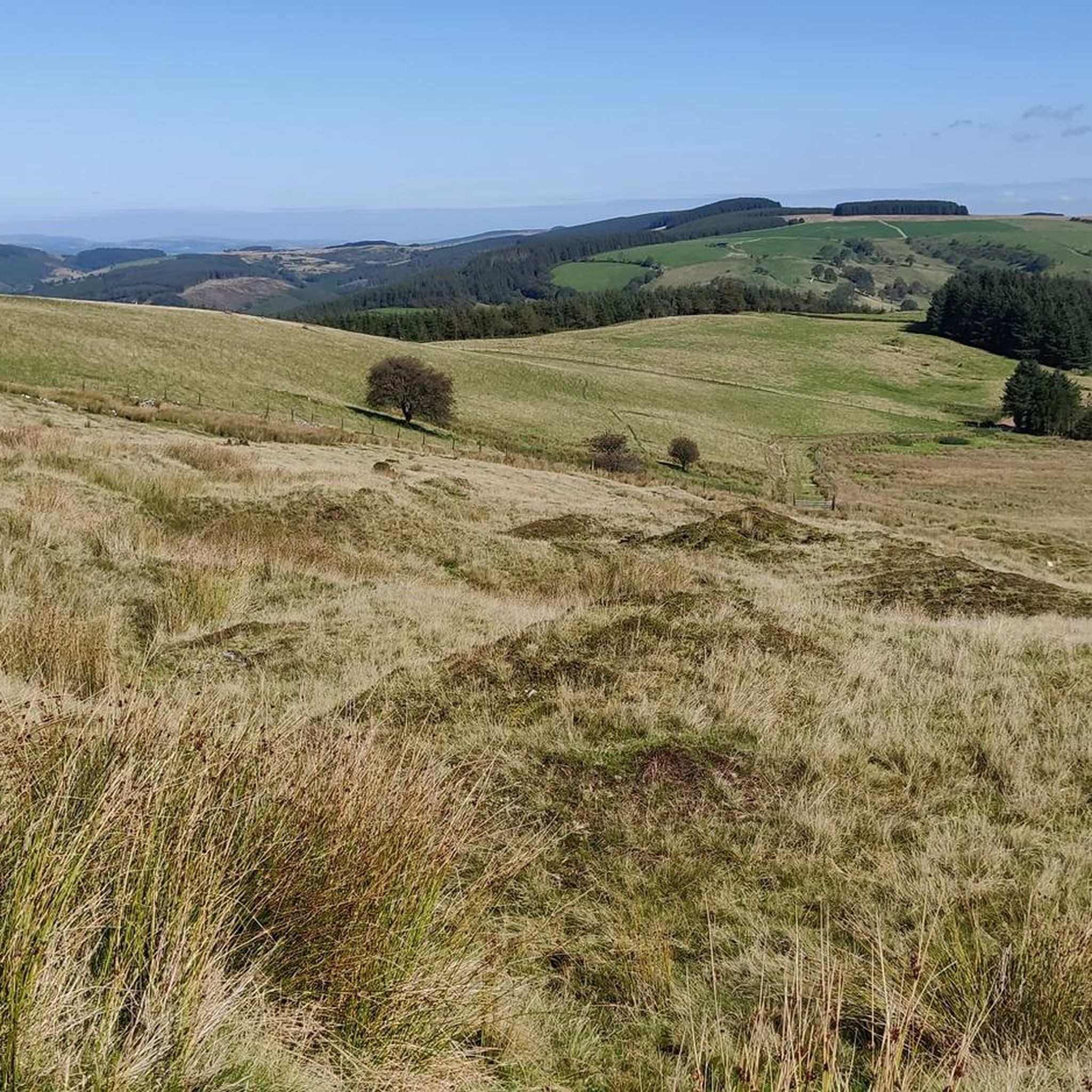
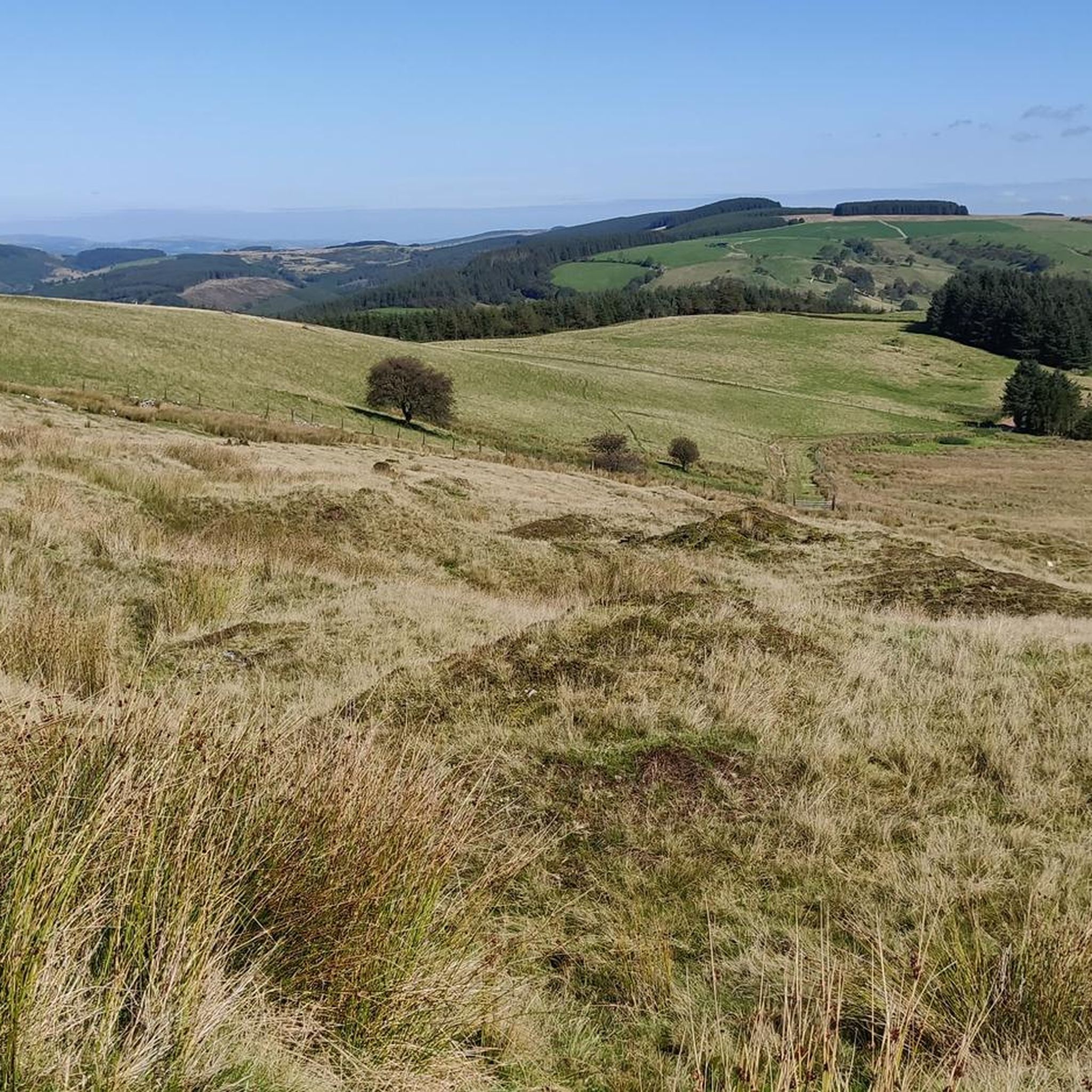
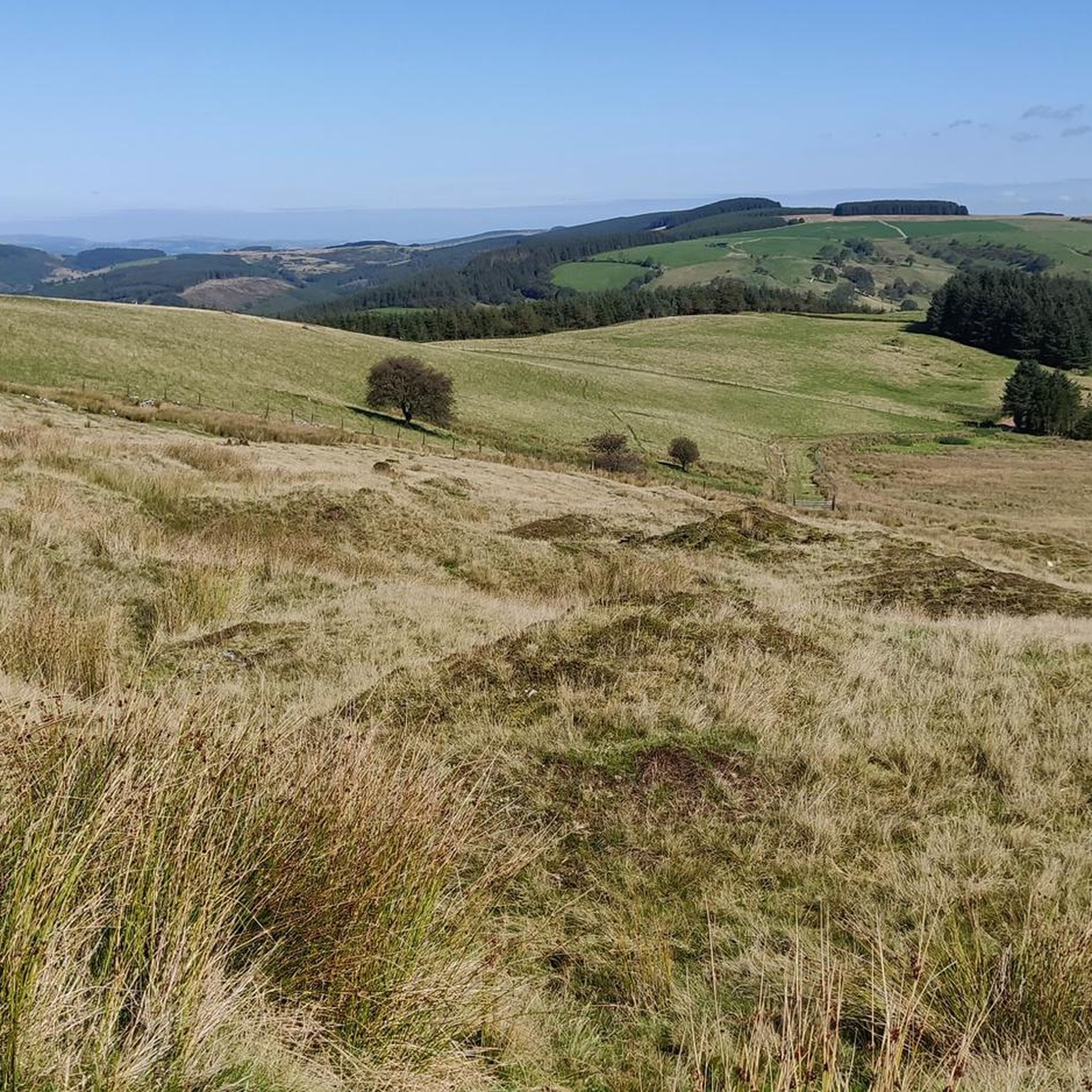
Road cycling around Halfway Forest, situated between the Brecon Beacons and the Cambrian Mountains, provides a diverse landscape for cyclists. The area features miles of quiet routes through woodlands, with varying gradients and lengths catering to different fitness levels. Many routes utilize paved forest roads, offering a pleasant environment for riding, and some connect to the Epynt Way. The terrain includes tranquil grassy gorges, old drover's routes, and diverse tree species, all set against the backdrop of the Mid Wales…
Last updated: May 9, 2026
5.0
(2)
17
riders
30.9km
01:40
520m
520m
Moderate road ride. Good fitness required. Some segments of this route may be unpaved and difficult to ride.
4
riders
64.6km
03:17
870m
870m
Moderate road ride. Good fitness required. Mostly well-paved surfaces and easy to ride.

Sign up for free
62
riders
67.7km
04:26
910m
910m
Hard road ride. Very good fitness required. Mostly well-paved surfaces and easy to ride.
7
riders
26.9km
01:08
120m
120m
Easy road ride. Great for any fitness level. Mostly well-paved surfaces and easy to ride.
6
riders
45.6km
02:56
800m
800m
Moderate road ride. Good fitness required. Mostly well-paved surfaces and easy to ride.
Get access to more routes and recommendations from other explorers.
Sign up for free
Already have an account?
Our route recommendations are based on thousands of hikes, rides, and runs completed by other people on komoot.
Start today with a free account
Your next adventure awaits.
Login or Signup

Tips from the Community

Some steep climbing but the scenery is sublime.
0
0

A great stretch of isolated road with good views out towards the Brecon Beacons. Some stiff climbs getting to here, but the isolation and views are well worth it.
0
0

Brecon Castle, located in the town of Brecon in Wales, is a historic site with a rich heritage that dates back to the 11th century. Originally built as a wooden fort by the Normans after their invasion of Wales, it was later rebuilt in stone. Here are some key points about Brecon Castle: Historical Significance: Norman Foundation: The castle was originally constructed around 1093 by Bernard de Neufmarché as part of the Norman conquest of Wales. It served as a strategic military stronghold. Fortifications: Over the centuries, the castle underwent various modifications and expansions, with the addition of stone walls and towers to enhance its defensive capabilities. Role in Conflicts: Brecon Castle played a significant role in various conflicts, including the Welsh Wars and later during the English Civil War, when it was captured and fortified by Royalist forces. Ownership: The castle was granted to different noble families over the years and was used for both military and administrative purposes. Architectural Features: Stone Structure**: The castle features impressive stone walls, towers, and a gatehouse, reflecting medieval military architecture. Ruins**: While parts of the castle are in ruins today, the remaining structures give visitors a glimpse into its historical significance and architectural style. Modern Usage: Tourism**: Brecon Castle is a popular tourist attraction, drawing visitors interested in history and architecture. The site offers guided tours and information about its storied past. Hotel**: The castle has also been repurposed as a hotel, allowing guests to experience staying in a historic setting. Location: Brecon Castle is situated near the Brecon Beacons National Park, making it a convenient stop for visitors exploring the natural beauty of the area. Brecon Castle serves as a reminder of Wales' turbulent history and is an important heritage site that continues to attract interest for its historical and architectural value.
0
0

This lock was the first on the Monmouthshire & Brecon Canal to be restored after the canal fell into dereliction. The lock was created when the canal was built c.1800. The section of canal which crosses the river Usk on the nearby Brynich aqueduct is lower than the final stretch of water into Brecon. The bridge over the canal here is joined to the lock walls. The road continues across the river Usk on a five-arch stone bridge constructed in the late 18th century.
0
0

Best ridden with other cyclists (should you get a mechanical),roads are quiet and you may not see anyone on the Tirabad military road section of the ride.Good road surface for road bikes.
0
0

Good selection of cakes, coffee & snacks. Great stop off after a bike ride or hike.
1
0

Bring plenty of water on this trip as shops are few and far between!
0
0
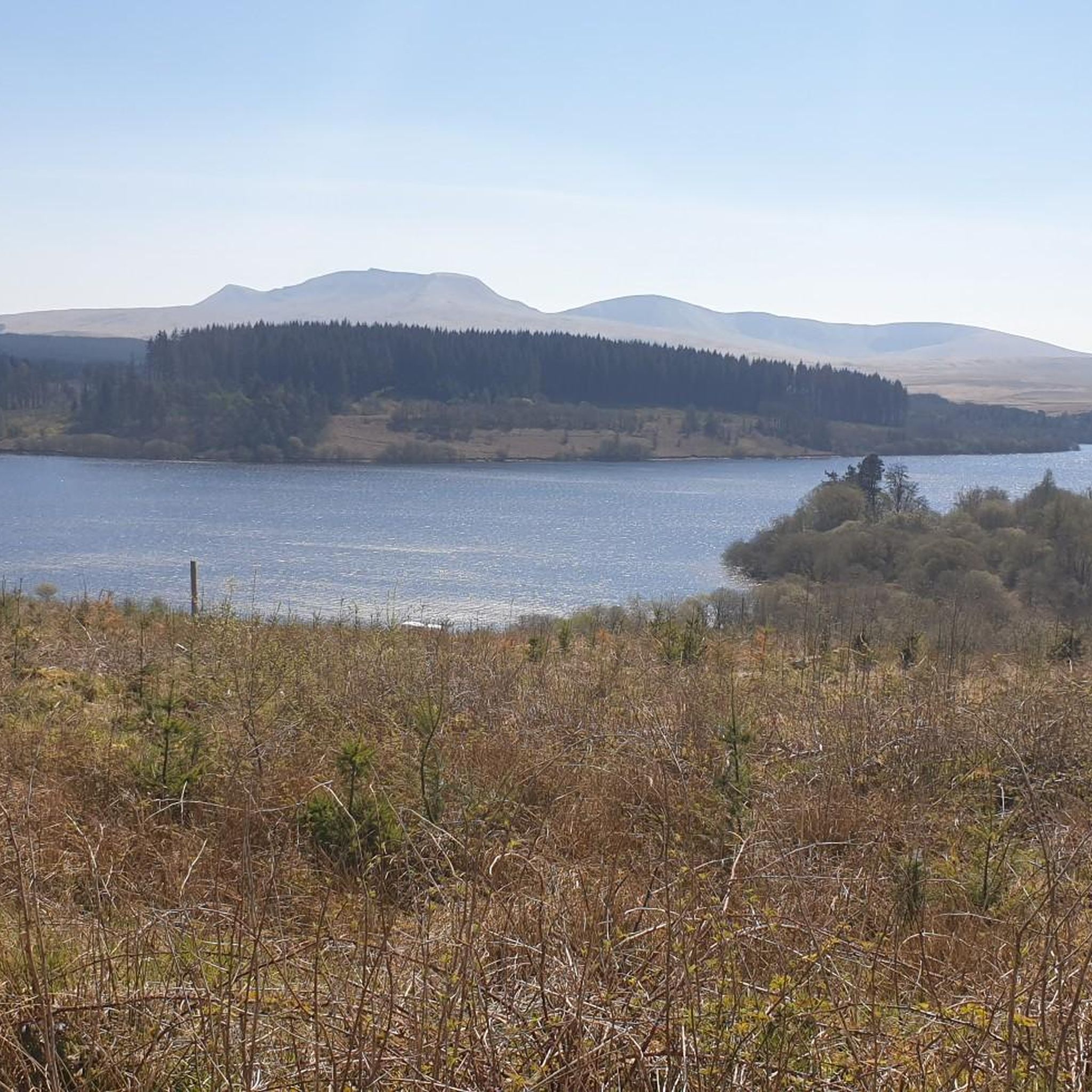
Great views of the Black Mountain
0
0
Frequently Asked Questions
How many road cycling routes are available in Halfway Forest?
Halfway Forest offers a wide selection of road cycling routes, with over 30 different tours available. These routes vary in length and difficulty, catering to different fitness levels.
Are there road cycling routes suitable for beginners or families in Halfway Forest?
Yes, Halfway Forest has several options for less experienced riders or families. There are 5 easy road cycling routes, such as The Red Lion Hotel – Llangadog Village loop from Llandovery, which offers a less strenuous experience on mostly paved surfaces. Many forest roads are quieter and safer than main roads, providing a pleasant environment for all.
What kind of terrain can I expect on road cycling routes in Halfway Forest?
Road cycling in Halfway Forest primarily utilizes paved forest roads, offering a smooth and quiet riding experience. You'll encounter varied gradients, from tranquil grassy gorges to routes with significant elevation gain. The landscape features diverse woodlands, old drover's routes, and breathtaking views of the surrounding Mid Wales mountains.
Are there challenging road cycling routes for experienced riders in Halfway Forest?
Absolutely. For experienced cyclists seeking a challenge, Halfway Forest offers 9 difficult routes. An example is the Trecastle Motte – Tirabad Military Road loop from Tirabad, a 67.8 km trail with substantial climbs, often taking over 4 hours to complete. These routes often feature significant elevation gain and diverse terrain.
What are some scenic viewpoints or natural attractions along the road cycling routes?
While cycling, you can enjoy breathtaking views of the Mid Wales mountains and tranquil grassy gorges. The forest itself is visually appealing with diverse tree species, from native oak to conifers, offering seasonal beauty. You might also spot cascading waterfalls and follow the serene waters of the Nant y Dresglen stream. Keep an eye out for wildlife like red kites and roe deer.
Are there any historical landmarks or points of interest to explore near the cycling routes?
Yes, Halfway Forest has a rich history. As the forest was planted on former farmland, you can discover remnants of old 19th-century farmhouses and other ruined dwellings. Slightly outside the immediate forest area, the impressive Victorian-era Cynghordy Railway Viaduct, with its eighteen arches, makes for an unexpected and scenic attraction that can be incorporated into longer rides.
What do other road cyclists enjoy most about road cycling in Halfway Forest?
The komoot community highly rates road cycling in Halfway Forest, with an average score of 4.9 stars from over 10 reviews. Cyclists often praise the quiet forest roads, the diverse and scenic woodlands, and the variety of routes that cater to different ability levels. Over 600 road cyclists have used komoot to explore the area, highlighting its popularity.
Are there circular road cycling routes available in Halfway Forest?
Many of the road cycling routes in Halfway Forest are designed as loops, allowing you to start and finish at the same point. Examples include the Bwlch Cerrig Duon Pass – Bwlch Bryn-Rhudd loop from Trecastle and the Mynydd Illtud Common – Glanusk Services loop from Trecastle, providing convenient options for your ride.
When is the best time of year to go road cycling in Halfway Forest?
Halfway Forest offers beautiful cycling experiences throughout the year. Spring brings bluebells and fresh greenery, while autumn transforms the landscape with golden hues. The quiet forest roads are generally pleasant in most seasons. However, checking local weather conditions is always advisable, especially during winter, as some routes might be more challenging.
Is there parking available for road cyclists in Halfway Forest?
Yes, Halfway Forest provides facilities for visitors, including dedicated parking areas. These are typically located at trailheads or key access points within the Crychan Forest complex, making it convenient to start your road cycling adventure.
Can I combine road cycling with other outdoor activities in Halfway Forest?
Absolutely. Halfway Forest is part of the larger Crychan Forest complex, which is a hub for various outdoor activities. Besides road cycling, you can also enjoy walking and horse riding on dedicated trails. The area also features picnic areas, making it a great destination for a full day out in nature.
Most popular routes around Halfway Forest

Get inspired with the komoot mobile app


Explore more
Browse the best Road cycling routes in other regions.
