The best walks and hikes in Laughton Forest
4.4
(99)
802
hikers
96
hikes
Hiking in Laughton Forest explores a landscape of mixed pine and deciduous woodland combined with areas of open heathland. The region, situated on a low ridge above the Trent valley, is characterized by its network of generally flat paths, making it accessible for many ability levels. The terrain includes remnants of historical sand dunes and some boggy wetlands, offering a varied hiking experience. These diverse natural features contribute to the area's appeal for outdoor activities.
Best hiking trails in Laughton Forest
- The most popular hiking route is Laughton Forest loop from East Ferry CP, a 3.1 miles (5.0 km) trail that takes about 1 hour 16 minutes to complete. This easy route follows well-defined forest paths.
- Another top favourite among local hikers is Laughton Forest – Laughton Forest loop from East Ferry CP, an easy 4.4 miles (7.0 km) path. This route leads through the heart of the forest, offering varied woodland scenery.
- Local hikers also love the Laughton Forest – Laughton Forest loop from East Ferry CP, a 5.9 miles (9.5 km) trail leading through dense woodlands, often completed in about 2 hours 26 minutes.
- Hiking in Laughton Forest is defined by its mix of dense woodlands, open heath, and sandy tracks. The extensive network of paths offers both short, easy walks and longer, more moderate routes.
- The routes in Laughton Forest are highly rated by the komoot community with an average score of 4.4 stars from over 60 reviews. More than 700 hikers have used komoot to explore Laughton Forest's varied terrain.
Last updated: September 1, 2026
5.0
(3)
13
hikers
4.95km
01:16
20m
20m
Easy hike. Great for any fitness level. Easily-accessible paths. Suitable for all skill levels.
4.5
(2)
10
hikers
7.02km
01:49
40m
40m
Easy hike. Great for any fitness level. Easily-accessible paths. Suitable for all skill levels.

Sign up for free
10
hikers
Easy hike. Great for any fitness level. Easily-accessible paths. Suitable for all skill levels.
4
hikers
8.13km
02:05
30m
30m
Moderate hike. Good fitness required. Easily-accessible paths. Suitable for all skill levels.
5
hikers
14.3km
03:42
80m
80m
Moderate hike. Good fitness required. Easily-accessible paths. Suitable for all skill levels.
Get access to more routes and recommendations from other explorers.
Sign up for free
Already have an account?
Our route recommendations are based on thousands of hikes, rides, and runs completed by other people on komoot.
Start today with a free account
Your next adventure awaits.
Login or Signup



Tips from the Community

Wide tyres recommended for this stretch in parts. If on a road bike study your map and follow the road through Laughton and pick up the route out to the Trent bank.
0
0
MTB, gravel or cross bike minimum 700x35 tyres recommended. Some broken up sections, hence the above, mostly comfortable off-road surfaces.
0
0

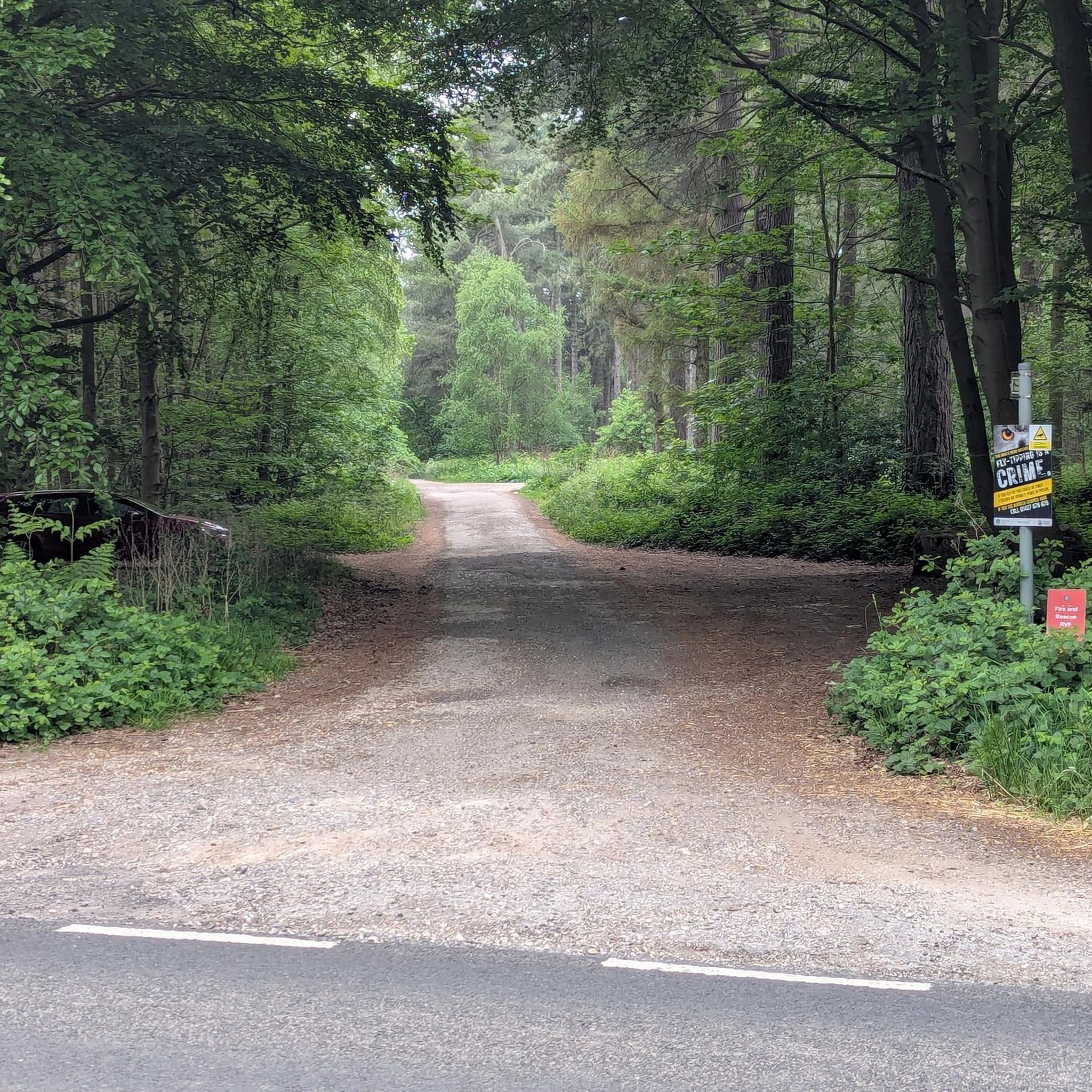
Laughton Forest is a site which was created to meet the demand to restock a depleted timber supply after the First World War. It was planted in the late 1920s, and continues to be managed by the Forestry Commission today. Before this time, the area was mainly open heathland with ponds, small woodlands and shifting sand dunes.The forest still supports a wide range of these habitats, which include many locally and nationally rare plants, animals and birds, including nightjars. The only area where access is permitted is in Tuetoes Wood.
1
0
Frequently Asked Questions
Where is the best place to park for Laughton Forest?
The main public access to the forest is through Tuetoes Wood, which has a free car park. This is a convenient starting point for many of the trails that explore the area.
Is Laughton Forest good for dog walking?
Yes, Laughton Forest is an excellent choice for dog walking. The area features an extensive network of paths through woodland and heath, offering plenty of space for dogs to explore. The generally flat terrain is suitable for dogs of all energy levels.
Are there any easy, family-friendly walks in the forest?
Absolutely. The forest is known for its accessible trails. A great option for a family outing is the Laughton Forest loop from Laughton. It's a relatively short and flat walk that provides a wonderful introduction to the woodland scenery.
What is the terrain like in Laughton Forest?
The terrain is quite varied but generally flat, making it accessible for most fitness levels. You'll encounter a mix of well-defined forest paths through pine and deciduous woodland, sandy tracks over ancient dunes, and some open heathland. Some areas, particularly the wetlands, can be boggy.
Are there any longer hikes available, around 10 miles?
Yes, you can find longer routes that extend into the surrounding countryside. For a more substantial hike, consider the Dallison Plantation loop from Scotter. This moderate trail is just over 6 miles (9.7 km) and explores the wider woodland landscape.
How many hiking trails are there in Laughton Forest?
There are over 100 different routes to explore in and around Laughton Forest. The network ranges from short, easy strolls within the woods to more moderate, longer hikes that connect to nearby areas, offering options for every type of walker.
Can I combine a walk in Laughton Forest with a visit to Scotton Common?
Yes, it's possible to create a longer hike that incorporates both Laughton Forest and the nearby Scotton Common Nature Reserve. This allows you to experience the contrast between the dense woodland and the open, wildlife-rich heathland of the common.
What kind of wildlife might I see on a hike?
The diverse habitats support a variety of wildlife. Keep an eye out for woodland birds, including the elusive nightjar and herons near the wetter areas. The heathlands are home to different types of heather, butterflies, and even reptiles like adders and common lizards.
What do other hikers think of the trails in Laughton Forest?
The area is highly regarded by the komoot community, with an average rating of 4.5 stars. Hikers often praise the peaceful atmosphere of the woodlands, the well-maintained paths, and the variety of scenery from dense forest to open heath.
Are the trails well-marked?
The main paths within the Forestry Commission area of Tuetoes Wood are generally clear and easy to follow. However, the forest has a vast network of smaller tracks. Using a navigation app like komoot is recommended to explore more widely and ensure you stay on your chosen route.
What is the history of Laughton Forest?
Before its afforestation began in 1927, the area was a landscape of open heathland, ponds, and shifting sand dunes. Today's forest is a mix of pine and deciduous trees, but you can still see remnants of its past in the sandy soil and patches of heath.
Most popular routes in Laughton Forest

Get inspired with the komoot mobile app


Explore more
Browse the best Hikes in other regions.
