Top 20 Castles around Eilenburg
Best castles around Eilenburg are found in a region historically significant as the "cradle of Saxony," with the Eilenburg Castle complex overlooking the Mulde River. The area features a blend of medieval fortresses and later administrative buildings, reflecting centuries of architectural evolution. Visitors can explore sites ranging from ancient Slavic fortifications to baroque structures. The landscape offers diverse settings for historical exploration.
Best castles around Eilenburg
- The most popular castles is Machern Castle, a castle that now serves as an event location. Its well-maintained grounds and castle park with monuments are notable.
- Another must-see spot is Ritterburg Ruin Machern, a castle ruin located within the Machern landscape garden. This 26-meter high ruin was built in the 18th century to decorate the park and features an artificial rock wall entrance.
- Visitors also love Püchau Castle, a privately owned castle that is open on certain days. It is described as a "real girl castle" with much to discover.
- Eilenburg is known for medieval fortresses, castle ruins, and renovated historical sites. The variety of castles offers insights into different architectural periods and historical uses.
- The castles around Eilenburg are appreciated by the komoot community, with more than 590 upvotes and over 290 photos shared across the highlights.
Last updated: May 9, 2026
Machern Castle
Highlight • Castle
Translated by Google •
Tip by

Ritterburg Ruin Machern
Highlight • Castle
Translated by Google •
Tip by

Sign up now to discover places like this
Get recommendations on the best single tracks, peaks, & plenty of other exciting outdoor places.
Sign up for free
Püchau Castle
Highlight • Castle
Translated by Google •
Tip by
Thallwitz Castle
Highlight • Castle
construction time
mid 16th century, 19th century,
around 1580, 1880 to 1882
architectural style
Renaissance, historicism
builder
Canitz family
Builder/Architect
Friedrich August Krubsacius,
Arwed Rossbach (1880)
Status
The castle in Thallwitz is in good condition.
Todays use
vacancy
Access
The grounds of Thallwitz Castle and the park are open to the public. The castle cannot be visited.
Source: architektur-blicklicht.de/schloesser-herrenhaeuser/schloss-thallwitz-leipzig
the video of the tour: cnoops.de/aiovg_videos/von-lossa-ueber-thallwitz-nach-eilenburg-25-oktober-2021
Translated by Google •
Tip by

Nischwitz Castle
Highlight • Castle
In 1743 Heinrich Graf von Brühl bought the manor and had the manor house expanded into a representative palace complex by 1750. The previously existing manor house was included in the system. During the Thirty Years' War, Nischwitz Castle was plundered and badly damaged in 1758. This was apparently due to personal differences between the Prussian King Frederick II and the Count of Brühl. Reconstruction work that had started was stopped in 1763 with the death of the count.
In 1777 it was sold to Dr. Philipp Heinrich Lastrop, who had Nischwitz Castle restored. The von Ritzenberg family acquired the castle complex in 1817. During this time, the castle was renovated and a temple was built as a family crypt in the castle park. Curt Zimmermann acquired the property in 1889 and took over the farm. In 1901 he was knighted by Kaiser Wilhelm I.
After 1945
Hans von Zimmermann was expropriated after the end of the Second World War. As state property of the GDR, the castle served as a retirement and nursing home and was only poorly maintained.
post-reunification time
At the beginning of the 1990s, the municipality sold the complex to a private investor, who renovated the castle step by step.
Todays use
Today the castle is used for representation purposes such as the annual summer costume party. The side wings are used for residential purposes. The manor is in need of renovation.
Source: sachsens-schloesser.de/thallwitz-schloss-nischwitz
Translated by Google •
Tip by
Sign up for free to discover even more castles around Eilenburg.
Sign up for free
Already have an account?
Start today with a free account
Your next adventure awaits.
Login or Signup
Popular around Eilenburg
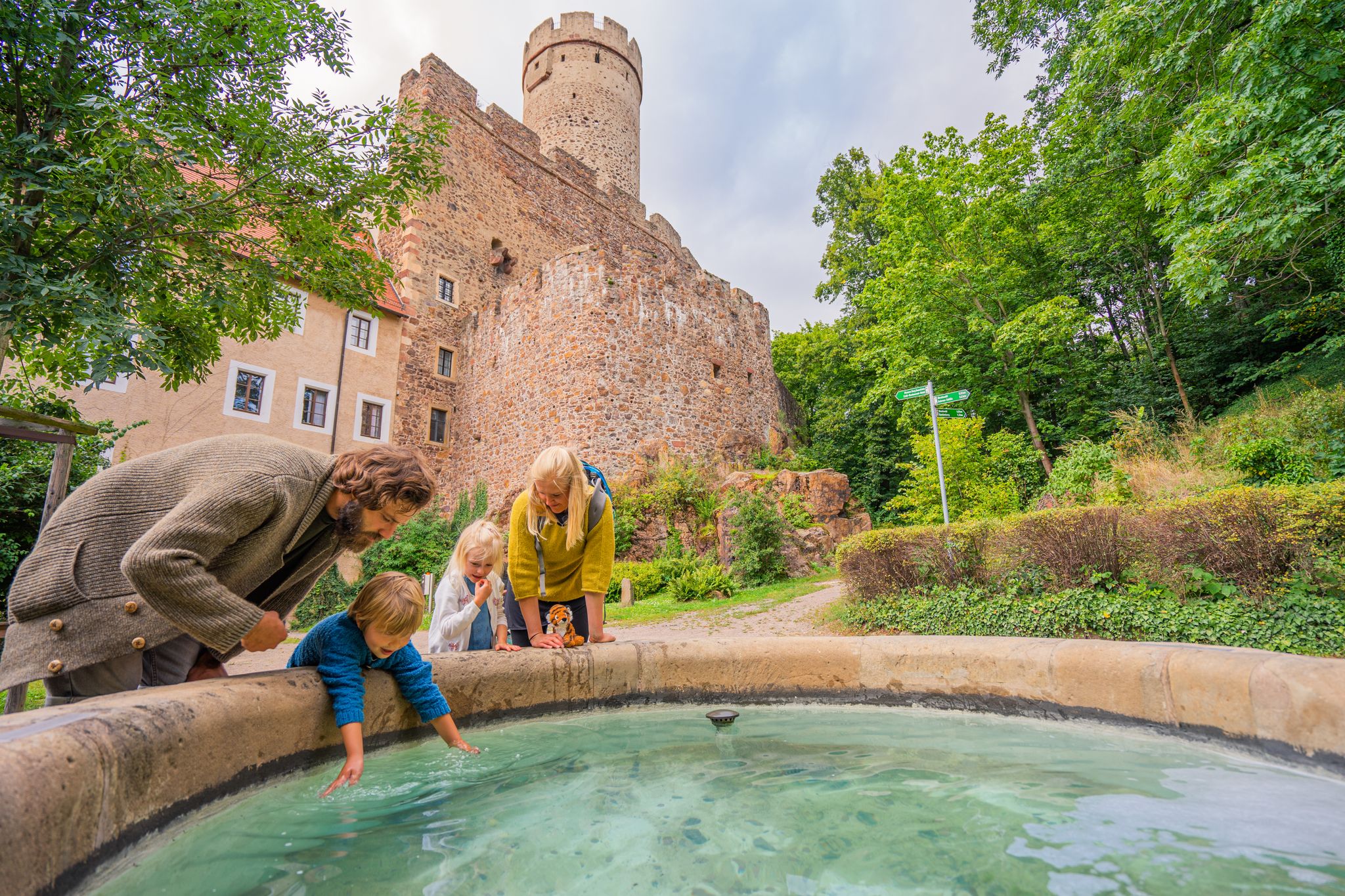
Time for little adventures – family hikes in the Leipzig region
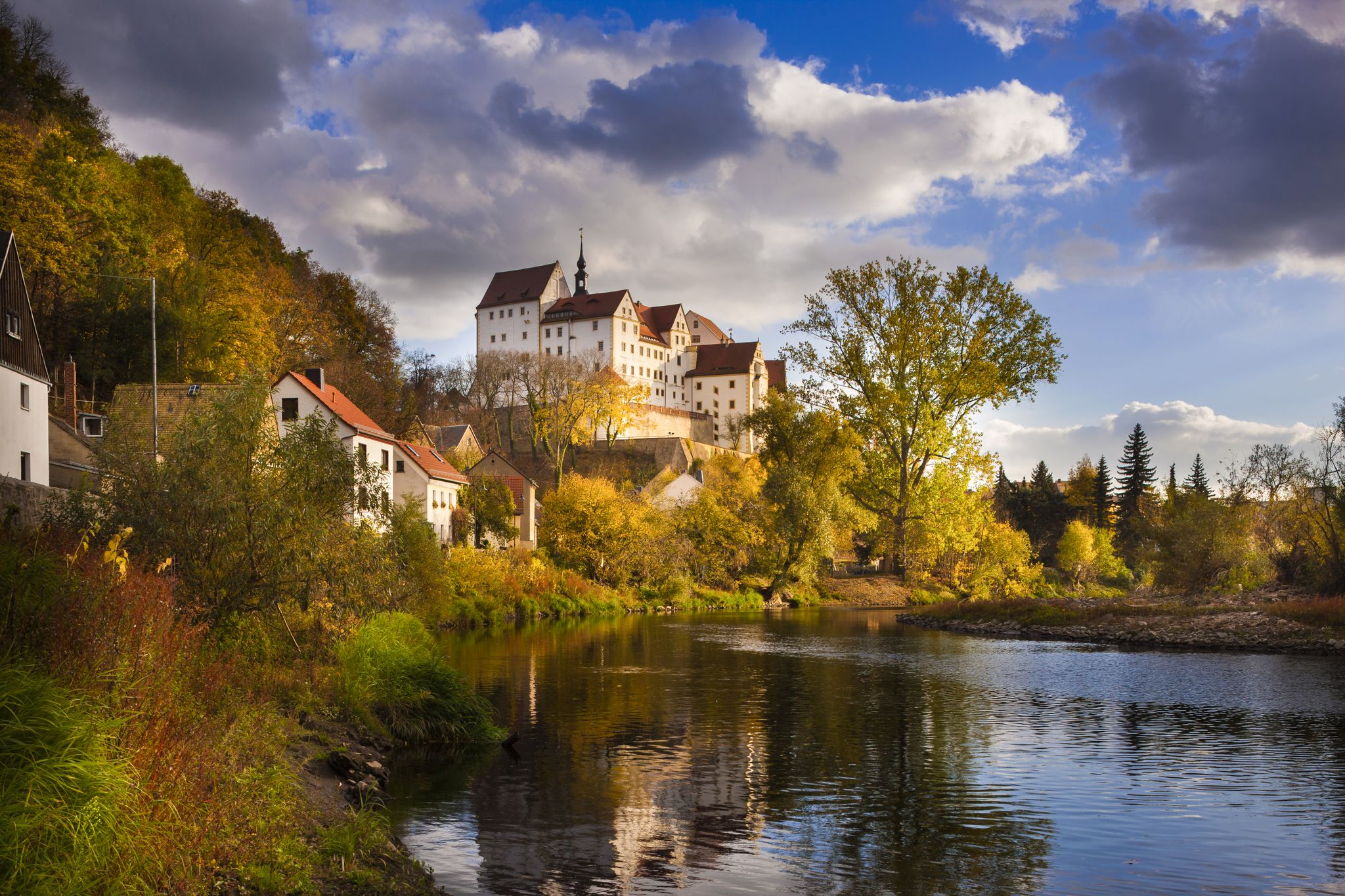
Experience art, culture and handicrafts – Germany’s Mulde Cycle Path

Wild horses, bears & falcons — meet wild animals by bus and train
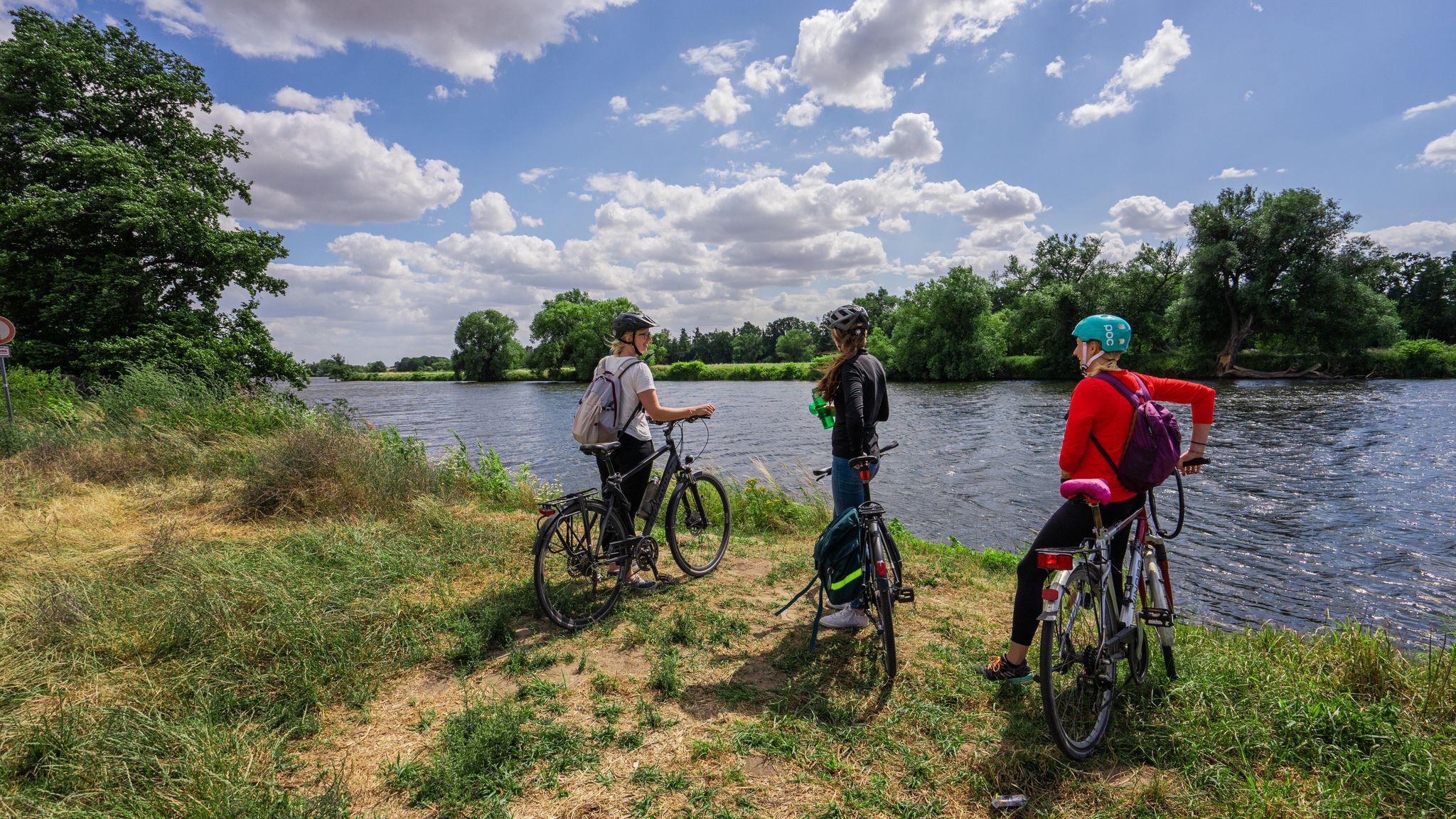
The Mulde Cycling Path
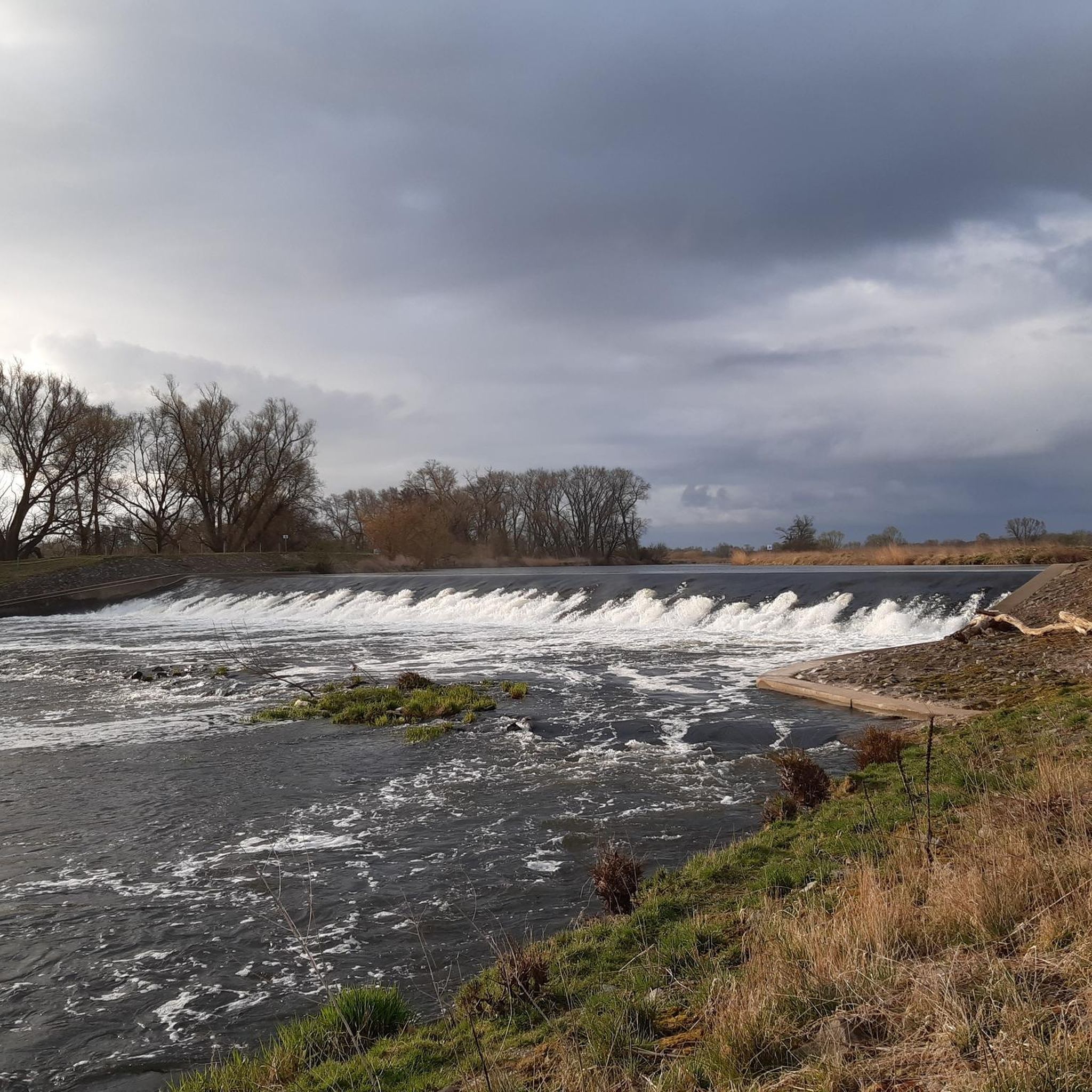
Cycling around Eilenburg
Hiking around Eilenburg
Road Cycling Routes around Eilenburg
Running Trails around Eilenburg
MTB Trails around Eilenburg
Gravel biking around Eilenburg
Other adventures around Eilenburg


Tips from the Community

Information at https://www.thallwitz.de/thallwitz_schloss.htm
4
0
In 1968, the nave received a new roof. Gutters and lightning protection were also replaced, and a new cross was attached to the roof. Renovation of the nave began in 1971, during which a new altar was built and fitted with a new cross. This was followed in the spring of 1972 by the reinstallation of the organ and the replastering of the exterior of the nave. The ceremonial rededication of the technically overhauled organ took place in August 1992. In September 1998, the church tower was renovated, and the crowning of the tower was completed on January 23, 1999. Since the fall of 2000, visitors have been able to climb to the tower's observation deck and enjoy the panoramic view. Source: https://de.wikipedia.org/wiki/Kirche_Thallwitz
3
0
The church was built in the 15th century, and the foundations and substructure of the church tower date from this period. Bishop Johann VI of Saalhausen commissioned the expansion of the choir and the elevation of the church tower. The latter's cap above the octagonal upper section was created in the 17th century. The inscription on the weather vane indicates the 1626 rebuilding of the nave, which likely incorporated older masonry. The ceiling received a shallow barrel vault. In 1896, extensive reconstruction took place according to plans by the architect Oswald Haenel from Dresden. The exterior of the church and church tower were completely replastered, and the church and tower roofs were re-roofed, repaired, and secured with lightning rods. Inside, the second gallery was removed in 1896, and the remaining gallery was replaced with double tiers of seating. The organ platform was widened. The windows were fitted with stained-glass cathedrals, and new vestments made of green, red, and black cloth with gold embroidery were purchased. Following the restoration, the rededication was celebrated after the Feast of the Dead, the old church consecration festival of Thallwitz, with the participation of the patron saint, the church inspectorate, and numerous pastors from the region. Source: https://de.wikipedia.org/wiki/Kirche_Thallwitz
3
0
As state property of the GDR, the palace, which had survived the war largely undamaged, served as a retirement and nursing home until reunification. During this time, the complex began to deteriorate progressively, which was only barely halted. Thanks to the work of a group of Polish restorers since the early 1980s, the palace's garden facade was largely restored to its original condition. In the early 1990s, the municipality sold the palace complex to a private investor named Grimm. It later became a holding company, which is gradually restoring the late Baroque palace complex. To date, the facade of the courtyard, the adjacent orangery and administration buildings, as well as the teahouse in the park, have been restored. Extensive restoration work has taken place inside, including the ceiling and wall paintings, as well as the late neoclassical staircase. Source: https://de.wikipedia.org/wiki/Schloss_Nischwitz
5
0
After further changes of ownership, extensive renovations were carried out on the ground floor in the mid-19th century under the direction of Gustav Adolf Boenisch. During this time, the Baroque staircase was replaced by a prestigious late-classical staircase and adorned with large wall and ceiling paintings. At this time, the Rococo park, designed by Friedrich August Krubsacius, was also transformed into an English landscape garden with tea pavilions, stone statues, and vases. In 1848, the von Ritzenberg family had a family crypt built in the form of a Doric temple in this park. Towards the end of the century, in 1888, Kurt von Zimmermann[3] purchased the Nischwitz Palace and Estate. In the final days of World War II, the von Zimmermann family fled from advancing Soviet troops and was expropriated during the Soviet occupation of 1945–1949. Later efforts by the family to regain their property after German reunification were unsuccessful, except for the return of some furniture. Source: https://de.wikipedia.org/wiki/Schloss_Nischwitz
4
0
The history of the castle dates back to the late Middle Ages.[2] The village, along with the associated manor, was acquired by the von Nischwitz family in 1450, and received its name from them. In 1714, after the old manor had fallen into disrepair, the then owner, Baron von Rackwitz, Chamberlain of the Electorate of Saxony, commissioned the construction of a new castle with appropriate outbuildings and a park. Matthäus Daniel Pöppelmann was the architect. After its completion in 1721, the property changed hands several times over the years. Finally, Count Heinrich von Brühl acquired the property in 1743. Around 1750, he had the property converted into his summer residence in the Rococo style under the direction of the chief architect, Johann Christoph Knöffel. The extensive extensions and renovations created an ensemble that has survived to this day, with its spacious courtyard, orangery, administrative buildings, and the palace park adjacent to the garden. However, much of the original, precious interior furnishings has been lost. The late Baroque wall and ceiling paintings in the garden and ballroom, attributed to the Italian painter Stefano Torelli, are worth seeing. They depict hunting scenes and mythological scenes. During the Seven Years' War, Prussian troops marched into Saxony in 1758. They occupied and plundered the palace. After the death of Heinrich von Brühl, his heirs sold the property to the Leipzig lawyer Philipp Heinrich Lastrop. Source: https://de.wikipedia.org/wiki/Schloss_Nischwitz
5
0
Püchau Castle rises on the eastern edge of the town on a mountain spur that towers several meters above the Mulde floodplain. The castle itself stands at the eastern end of the approximately 100 by 60 meter area. The square in front of it is lined with outbuildings, a few trees, and has a historic fountain at its center. The castle is an irregular three-wing complex grouped around an approximately 200 m² courtyard. The north side is enclosed by a one-story, crenellated battlement. In the southeast corner of the courtyard, a stair tower, also crenellated, rises above the three-story buildings. The entrance to the complex, designed as a bridge and flanked by two columns with eagles, leads to an arched gateway in the west wing. This is decorated with balconies and attached turrets on the front side. The outer southeast corner is also tower-like and features a two-story cast-iron balcony. Of the numerous rooms of the castle, the small dining room with its richly carved ceiling, the Marble Hall with its magnificent star-shaped ceiling[1], and the Armory are particularly magnificent. Below the castle hill, the 12.4-hectare English-style castle park with two ponds extends to the north and east. Source: https://de.wikipedia.org/wiki/Schloss_P%C3%BCchau
4
0

Nischwitz Castle with a great park, especially in spring and summer. There is also an interesting church right next to it. If you want to discover both on a hike, take a look at the tour on my profile. 16km round trip from Canitz to just before Wurzen with a restaurant.
4
0
Frequently Asked Questions
What is the most historically significant castle in the Eilenburg region?
The most historically significant site is the Eilenburg Castle complex itself. It's considered the "cradle of Saxony," marking the birthplace of the Wettin territorial state in 1089. This medieval fortress, with Slavic origins from the 9th century, features the preserved 10th-century Sorbenturm (Sorbs Tower) and offers a deep dive into centuries of history.
Are there family-friendly castles to visit around Eilenburg?
Yes, several castles around Eilenburg are suitable for families. Machern Castle, for example, has well-maintained grounds and a castle park. The Ritterburg Ruin Machern, located within the Machern landscape garden, is also a highlight where "young and old will be delighted" according to visitors. Püchau Castle is described as a "real girl castle" with much to discover on its open days.
What kind of historical features can I expect to see at Eilenburg Castle?
Eilenburg Castle offers a rich array of historical features. You can explore its Slavic origins, the 10th-century Sorbenturm (Sorbs Tower) with its historical exhibition, 13th-century brick residential towers, and parts of the original ring wall. A Baroque administrative building also showcases the site's evolving use over time. Beneath the castle hill, extensive mountain cellars, historically used for storing Eilenburg beer, can also be found.
Are there any castle ruins or unique architectural sites near Eilenburg?
Yes, the Ritterburg Ruin Machern is a notable example. This 26-meter high castle ruin was intentionally built in the late 18th century to decorate the Machern landscape garden, featuring an artificial rock wall entrance. It's a unique blend of historical aesthetic and landscape design.
Can I visit the grounds of Thallwitz Castle?
The grounds and park of Thallwitz Castle are open to the public. While the castle building itself cannot be visited as it is currently vacant, the park is particularly beautiful in early April when early bloomers transform it into a colorful sea of flowers.
What outdoor activities can I do near the castles around Eilenburg?
The Eilenburg area offers various outdoor activities. You can find numerous hiking trails, such as the Eilenburg Planet Trail or the Mulde Weir Kollau loop. For cycling, there are paths like the Eilenburger Schleife cycle circuit, which even crosses the castle grounds. Mountain biking routes are also available, including longer tours like the Muldenaue near Eilenburg. You can explore more options on the hiking, running, and MTB guides around Eilenburg.
Is there a castle that hosts events or has been repurposed?
Machern Castle now serves as a popular event location, maintaining its top condition. Additionally, parts of Nischwitz Castle are used for representation purposes, such as an annual summer costume party, and its side wings are used for residential purposes. The former prison building on the Eilenburg Castle grounds has even been repurposed as lodging for cyclists and pilgrims.
What is the best way to access Eilenburg Castle?
The Eilenburg Castle grounds are accessible on foot. You can reach them from the town center via the "Hundertstüfchen" (Hundred Steps), which lead up to the circular path of the castle grounds. These steps also cross the Saxon Lutherweg and the Eilenburger Schleife cycle circuit.
Are there any castles around Eilenburg that are privately owned but occasionally open to the public?
Püchau Castle is privately owned but opens its doors on certain days, offering visitors a chance to explore its unique character. It's advisable to check their specific opening times before planning a visit.
What is the best season to visit the castles around Eilenburg?
The castles around Eilenburg can be enjoyed throughout the year. Spring offers vibrant blooms in castle parks, such as at Thallwitz Castle. Summer is ideal for exploring grounds and attending events. Autumn provides picturesque scenery, and even winter walks around the castles can be charming, especially with the historical structures standing out against the landscape.
What do visitors appreciate most about the castles in the Eilenburg region?
Visitors frequently appreciate the blend of medieval fortresses, castle ruins, and renovated historical sites. The variety offers insights into different architectural periods and historical uses. The well-maintained grounds, like those at Machern Castle, and the unique historical context of sites like Eilenburg Castle as the "cradle of Saxony" are also highly valued.
Most popular routes around Eilenburg
Most popular attractions around Eilenburg

Get inspired with the komoot mobile app


Explore more
Looking for the best castles somewhere else? Discover other guides around Eilenburg:
