Top 11 Castles around Bad Düben
Best castles around Bad Düben, a spa town in Germany, offer insights into the region's history and natural landscape. The area is home to historic sites like Burg Düben and the picturesque Reinharz Moated Castle. These locations provide a blend of cultural significance and scenic surroundings within the Düben Heath. Visitors can explore ancient structures and well-preserved historical complexes.
Best castles around Bad Düben
- The most popular castles is Reinharz Moated Castle, a castle built between 1690 and 1701.…
Last updated: August 30, 2026
Reinharz Moated Castle
Highlight • Castle
Heinrich von Löser, Electorate of Saxony's hereditary marshal, had a representative moated castle with a baroque park, castle pond and brewery pond built between 1690 …
Translated by Google •
Tip by

Schnaditz Castle
Highlight • Castle
Construction period
13th century, mid-14th century, late 15th century,
early 17th century, 19th century,
around 1227 (keep), 1655, 1833 to 1835, around 1880
Architectural style
Gothic, Renaissance, Historicism …
Showing Translation
Tip by

Sign up now to discover places like this
Get recommendations on the best single tracks, peaks, & plenty of other exciting outdoor places.
Sign up for free
Wölkau Castle
Highlight • Castle
Gde. Schönwölkau, district of North Saxony
construction time
17th century, 18th century, 19th century (farm buildings)
1695 to 1703, 1711
Architectural style
Baroque, historicism
Client
Christian Vitzthum …
Translated by Google •
Tip by
Hohenprießnitz Castle
Highlight • Castle
17th century, 18th century
1699 to 1702
Architectural style
Baroque
Client
Baron Anton Albrecht von Imhoff
Builder / Architect
probably Hermann Korb
Status
Hohenprießnitz Castle has been renovated. …
Translated by Google •
Tip by
Wendenturm
Highlight • Monument
Translated by Google •
Tip by
Sign up for free to discover even more castles around Bad Düben.
Sign up for free
Already have an account?
Start today with a free account
Your next adventure awaits.
Login or Signup
Popular around Bad Düben
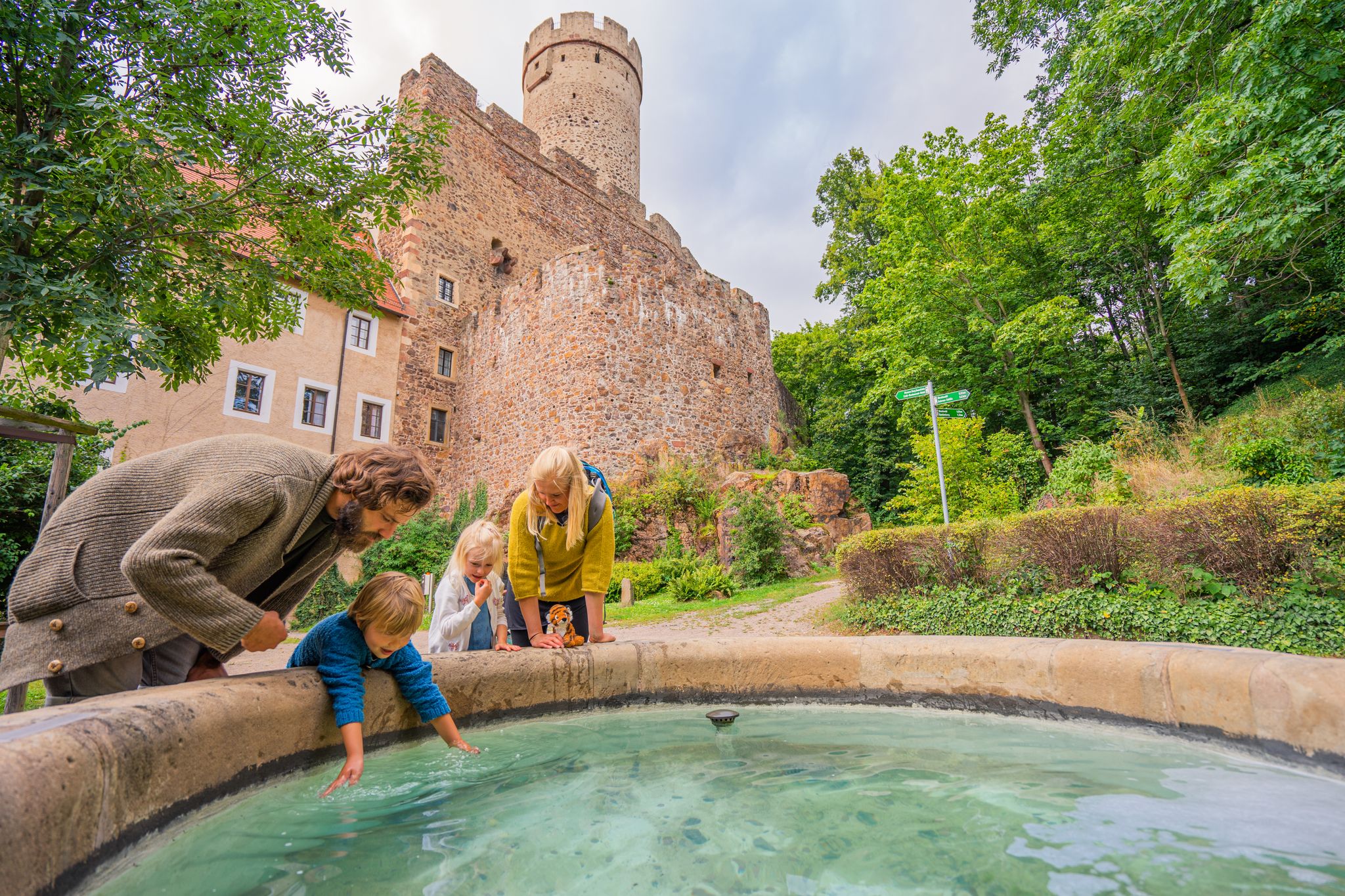
Time for little adventures – family hikes in the Leipzig region
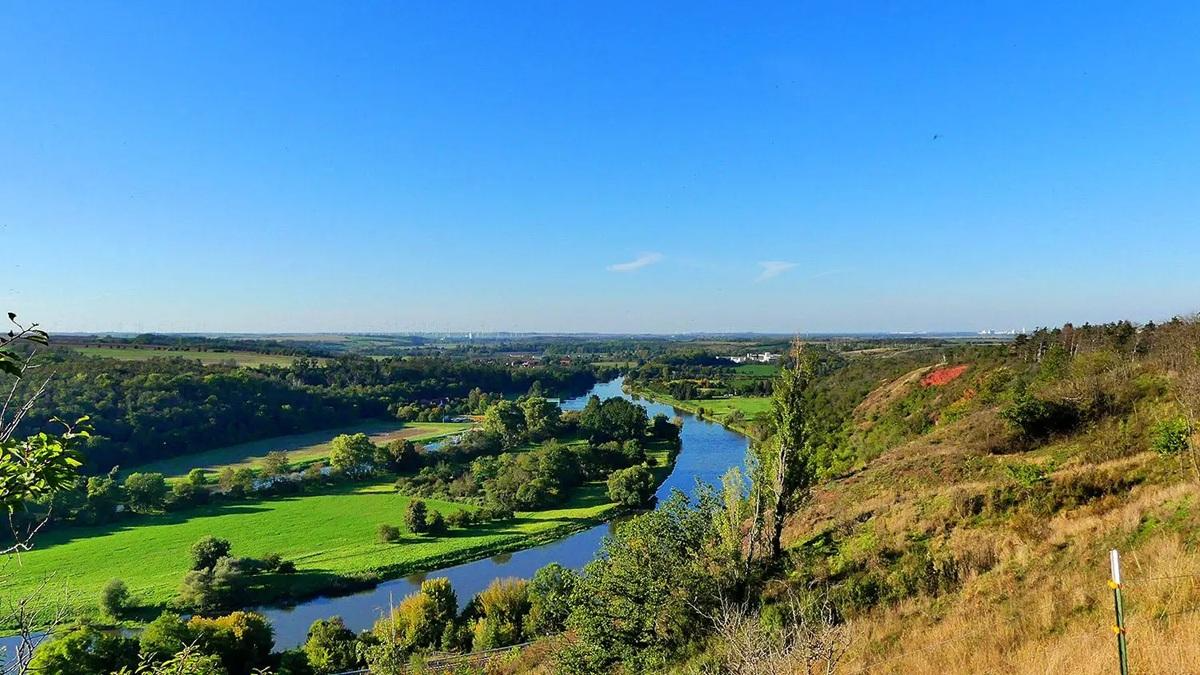
The National Natural Landscapes in Saxony-Anhalt
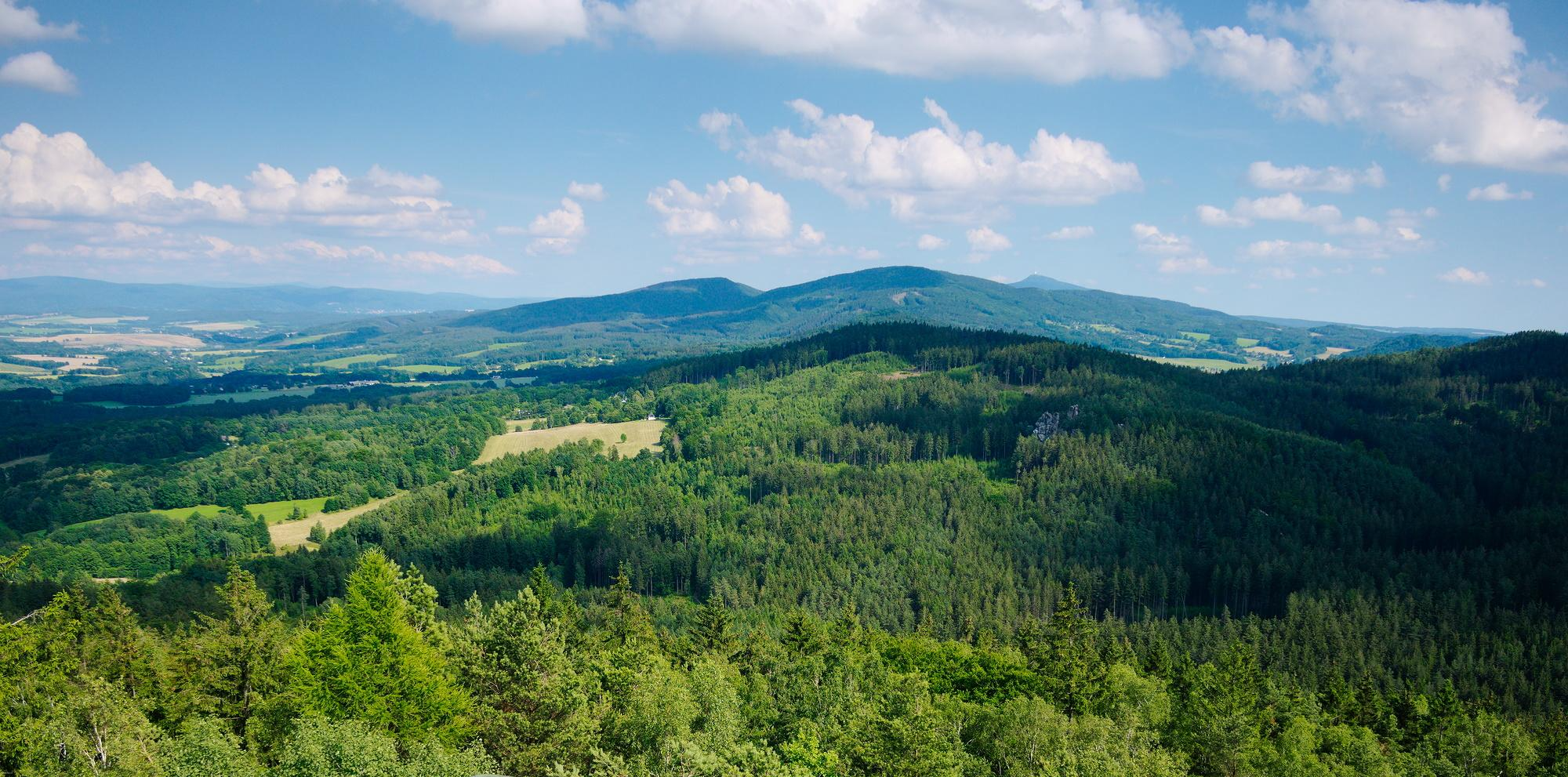
The National Natural Landscapes in Saxony
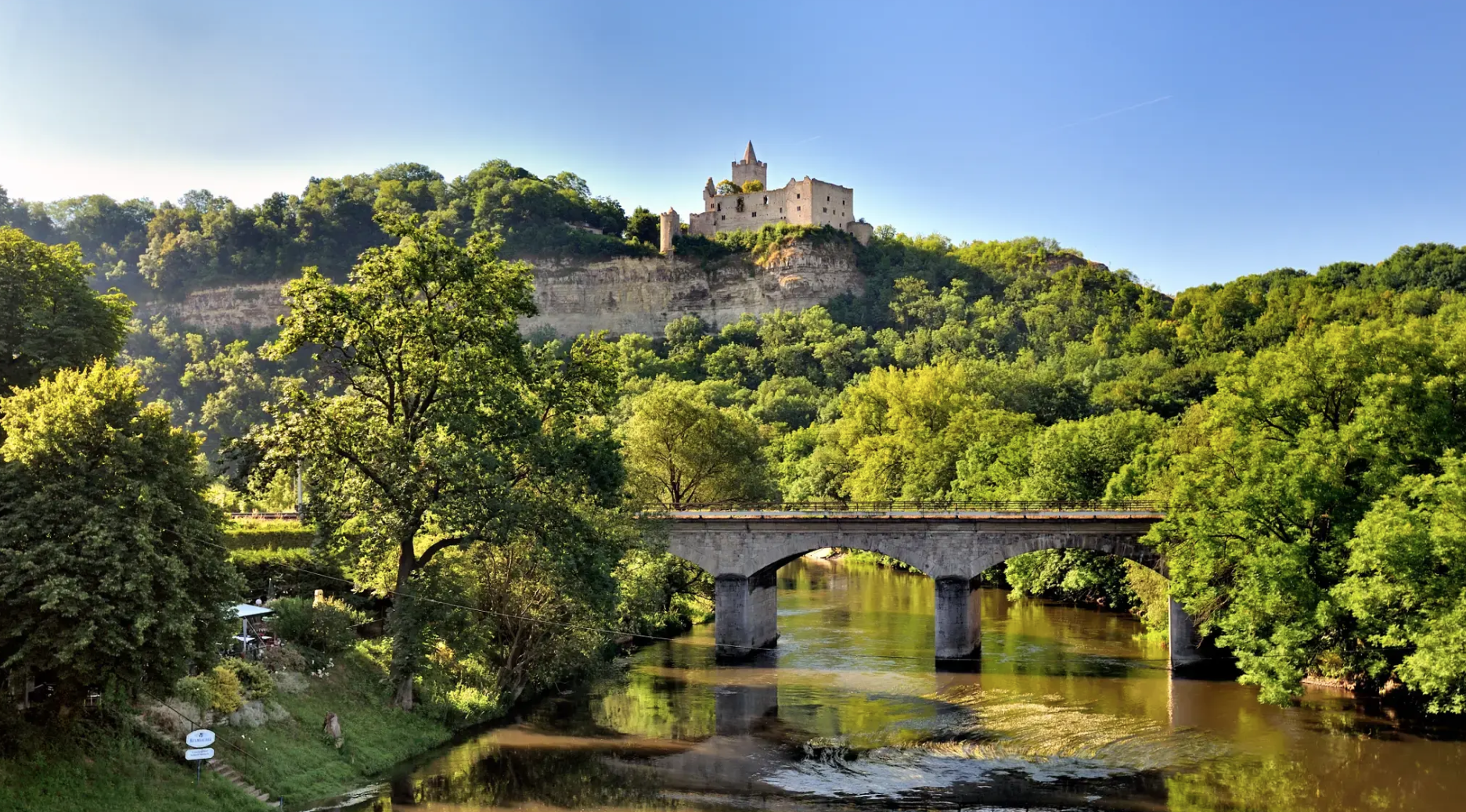
Walking and Wellness – spa towns in the Leipzig area

Pure road and gravel riding joy through Saxony
Natural wonders of Saxony – hiking with the wow factor
With the PlusBus to wonderful hikes near Leipzig
Cycling into the countryside – urban escapism around Leipzig
Hiking between big city and nature – urban escapism Leipzig
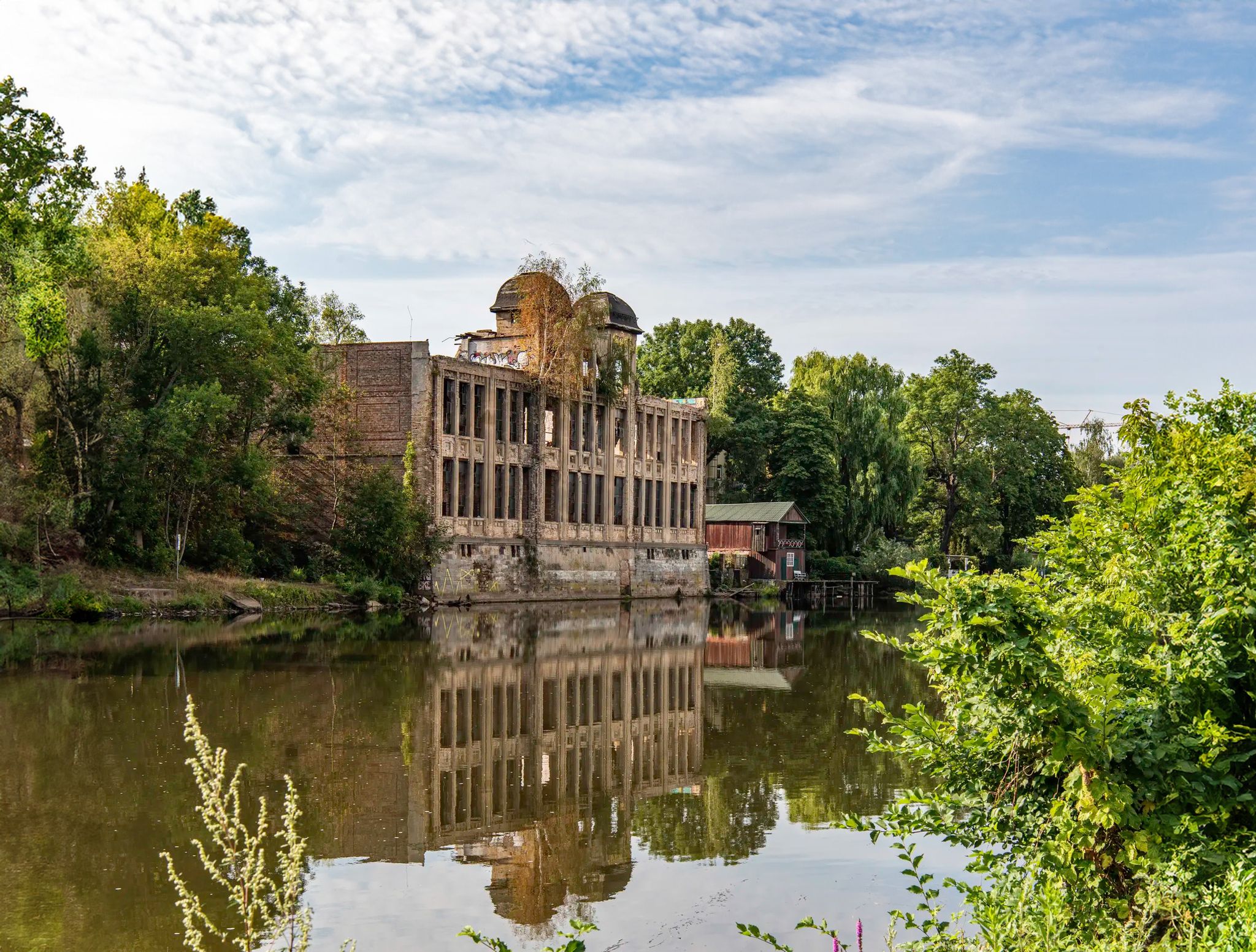
Abandoned and forgotten — mysterious lost places around Leipzig
Other adventures around Bad Düben


Tips from the Community


Unfortunately, the castle and its outbuildings are in a dilapidated state and cordoned off with construction fences. The castle park is also largely left to its own devices. A shame! But the area can still be explored well by bike, and even better with an MTB.
0
0
Hohenprießnitz Castle is a Baroque castle complex located in the Hohenprießnitz district of Zschepplin in the Nordsachsen district of Saxony. It was used by the Saxon Academy for Teacher Training and was sold to a private owner in 2011.[1] It is rented out for exclusive celebrations and events.[2] Source: https://de.wikipedia.org/wiki/Schloss_Hohenprie%C3%9Fnitz
1
0
More information about the history can be found at https://de.wikipedia.org/wiki/Schloss_Schnaditz
4
0
First mentions (1115–1237) Wiprecht von Groitzsch (1115) There is no evidence of a legendary mention from the year 1115, in which Count Wiprecht von Groitzsch is said to have attempted to conquer the moated castle Castrum Sneuditz.[1] Source https://de.wikipedia.org/wiki/Schloss_Schnaditz
5
0
Schloss Schnaditz is located in the Schnaditz district of the town of Bad Düben. The castle has a 29-meter-high defensive tower. Source https://de.wikipedia.org/wiki/Schloss_Schnaditz
6
0
Reinharz Moated Castle, nestled in forests, resembles a legendary fairytale castle. The castle park and surrounding water features, with their rare trees, invite you to linger. Heinrich von Löser, Electoral Marshal of Saxony, had this impressive moated castle built between 1690 and 1701, featuring a baroque park, a castle pond, and a brewery pond, to provide appropriate accommodation for the nobility during their hunts in the Düben Heath. Source: https://www.anhalt-dessau-wittenberg.de/staedte-sehenswuerdigkeiten-landschaften/wasserschloss-reinharz
3
0

Frequently Asked Questions
What makes Burg Düben a significant historical site to visit?
Burg Düben, located directly in Bad Düben, dates back to 981 and has witnessed significant historical events, including hosting Napoleon Bonaparte. Today, it houses the Landscape Museum of the Düben Heath, offering insights into regional history and nature. Don't miss the 'Lug ins Land' observation tower, the oldest preserved part of the castle from 1206, which offers panoramic views and a glimpse into its dark past, including a dungeon. The unique Bergschiffmühle (ship mill) is also on the grounds.
What are the main attractions at Reinharz Moated Castle?
Reinharz Moated Castle is renowned for its stunning baroque architecture, built between 1690 and 1701. It features 365 windows, 52 doors, and 12 halls. The castle is set within a beautiful historic park with water features and rare trees, making it ideal for leisurely strolls and photography. Its 68-meter-high tower was once an observatory, and some of its scientific instruments are now displayed in Dresden.
Are there family-friendly castles to visit near Bad Düben?
Yes, several castles in the area offer family-friendly aspects. While specific activities vary, the grounds of Reinharz Moated Castle and the Landscape Museum at Burg Düben provide engaging experiences for all ages. The Wendenturm, a remnant of a medieval moated castle, is also listed as family-friendly.
What kind of outdoor activities can I do near these castles?
The region around Bad Düben offers various outdoor activities. You can find numerous hiking and running trails. For example, near Schnaditz Castle, there's a 'Schnaditz Castle – Church in Schnaditz loop' hiking route. You can explore more options like the 'With Billi Bockert on the Heide-Biber route' or 'Red Cliff – Bad Düben Post Mill loop' by checking the hiking guide or running trails guide for Bad Düben.
Can I visit the interior of all castles in the Bad Düben area?
Access varies by castle. While Burg Düben houses a museum that is open to visitors, other castles like Schnaditz Castle and Wölkau Castle are privately owned and often cannot be visited inside, though their grounds or parks may be accessible. Hohenprießnitz Castle's manor park is accessible, but the castle itself is not open for visits, though rooms can be rented for events.
What is the best time of year to visit castles around Bad Düben?
The best time to visit is generally during the spring, summer, and early autumn months (April to October) when the weather is pleasant for exploring castle grounds and parks. The historic parks, like the one at Reinharz Moated Castle, are particularly beautiful when the foliage is lush or changing colors. Some castles may also host special events or Christmas markets in winter, offering a unique experience.
Is there parking available near Burg Düben?
Yes, Burg Düben is located directly within the town of Bad Düben, and parking facilities are generally available in the vicinity of the town center. It's advisable to check local signage for specific parking areas and any associated fees.
What are the historical highlights of <a href="https://www.komoot.com/highlight/5466690" target="_blank" rel="noopener">Schnaditz Castle</a>?
Schnaditz Castle has origins dating back to the 13th century, with significant construction periods in the 14th, 15th, and 17th centuries. It features a 29-meter-high defensive tower and is an irregular three-wing system that was once a moated castle. While the castle itself is in a damaged condition and not open for visits, its grounds are accessible, allowing visitors to appreciate its Gothic, Renaissance, and Historicist architectural styles.
What can I expect to see at <a href="https://www.komoot.com/highlight/153980" target="_blank" rel="noopener">Wölkau Castle</a>?
Wölkau Castle is a baroque castle with a square floor plan, built between 1695 and 1703. While the castle building itself is currently vacant and not open to the public, its extensive grounds and park are accessible. Visitors can explore the large, rectangular complex and appreciate its historical grandeur and architectural details, including a strongly structured plastered facade and a richly decorated garden facade.
What is the significance of <a href="https://www.komoot.com/highlight/1142726" target="_blank" rel="noopener">Hohenprießnitz Castle</a>?
Hohenprießnitz Castle is a renovated baroque complex with a wide corps de logis, built around 1702–1704. It features a three-winged structure based on French models. While the castle itself is not open for general visits, its beautiful 30-hectare manor park is accessible and crossed by small rivers, offering a scenic environment for strolls. The castle is sometimes used for celebrations and conferences, and its Christmas market is open to visitors.
Are there any viewpoints near the castles in the Bad Düben area?
Yes, the 'Lug ins Land' observation tower at Burg Düben is the oldest preserved part of the castle and offers panoramic views of the surrounding area. Additionally, the 68-meter-high tower of Reinharz Moated Castle is a striking feature visible from afar, and while not an observation tower for public access, it contributes significantly to the picturesque landscape.
Most popular routes around Bad Düben
Most popular attractions around Bad Düben

Get inspired with the komoot mobile app


Explore more
Looking for the best castles somewhere else? Discover other guides around Bad Düben:
