The best road cycling routes in Whitemud Creek Ravine
4.4
(28)
944
riders
63
rides
Road cycling in Whitemud Creek Ravine, located in Edmonton, Alberta, features a long, winding valley characterized by dense aspen, spruce, and poplar forests. While natural reserve footpaths are generally restricted for road cycling, the broader area offers designated paved multi-use paths. These routes connect to the Edmonton river valley system, providing varied terrain for road cyclists. The area includes routes with gentle gradients and some with more significant elevation gains.
Best road cycling routes in Whitemud Creek Ravine
- The most…
Last updated: May 11, 2026
5.0
(3)
84
riders
34.5km
01:46
310m
310m
Moderate road ride. Good fitness required. Some segments of this route may be unpaved and difficult to ride.
4.0
(1)
10
riders
38.3km
01:53
290m
290m
Easy road ride. Great for any fitness level. Mostly well-paved surfaces and easy to ride.

Sign up for free
4
riders
31.3km
01:41
250m
250m
Moderate road ride. Great for any fitness level. Some segments of this route may be unpaved and difficult to ride.
51
riders
37.1km
01:44
210m
210m
Easy road ride. Great for any fitness level. Mostly well-paved surfaces and easy to ride.
19
riders
77.1km
03:26
440m
440m
Moderate road ride. Good fitness required. Some segments of this route may be unpaved and difficult to ride.
Get access to more routes and recommendations from other explorers.
Sign up for free
Already have an account?
Our route recommendations are based on thousands of hikes, rides, and runs completed by other people on komoot.
Start today with a free account
Your next adventure awaits.
Login or Signup
Tips from the Community

Henrietta Muir Edwards Park is a beautiful river valley park set along the North Saskatchewan River, with a mix of open green space and mature forest. Paved and unpaved trails connect to the wider valley network, with viewpoints overlooking the river and access to nearby footbridges. The park also features a historic home linked to Henrietta Muir Edwards, adding cultural significance to its natural setting.
0
0
Groat Bridge spans the North Saskatchewan River, carrying traffic and pedestrians between the river valley communities of Glenora and Mayfair. Opened in 1955, the twin-span structure offers fantastic elevated views of the surrounding parkland. Recent upgrades have widened its shared-use path, making it a key crossing for both commuters and recreational users.
0
0

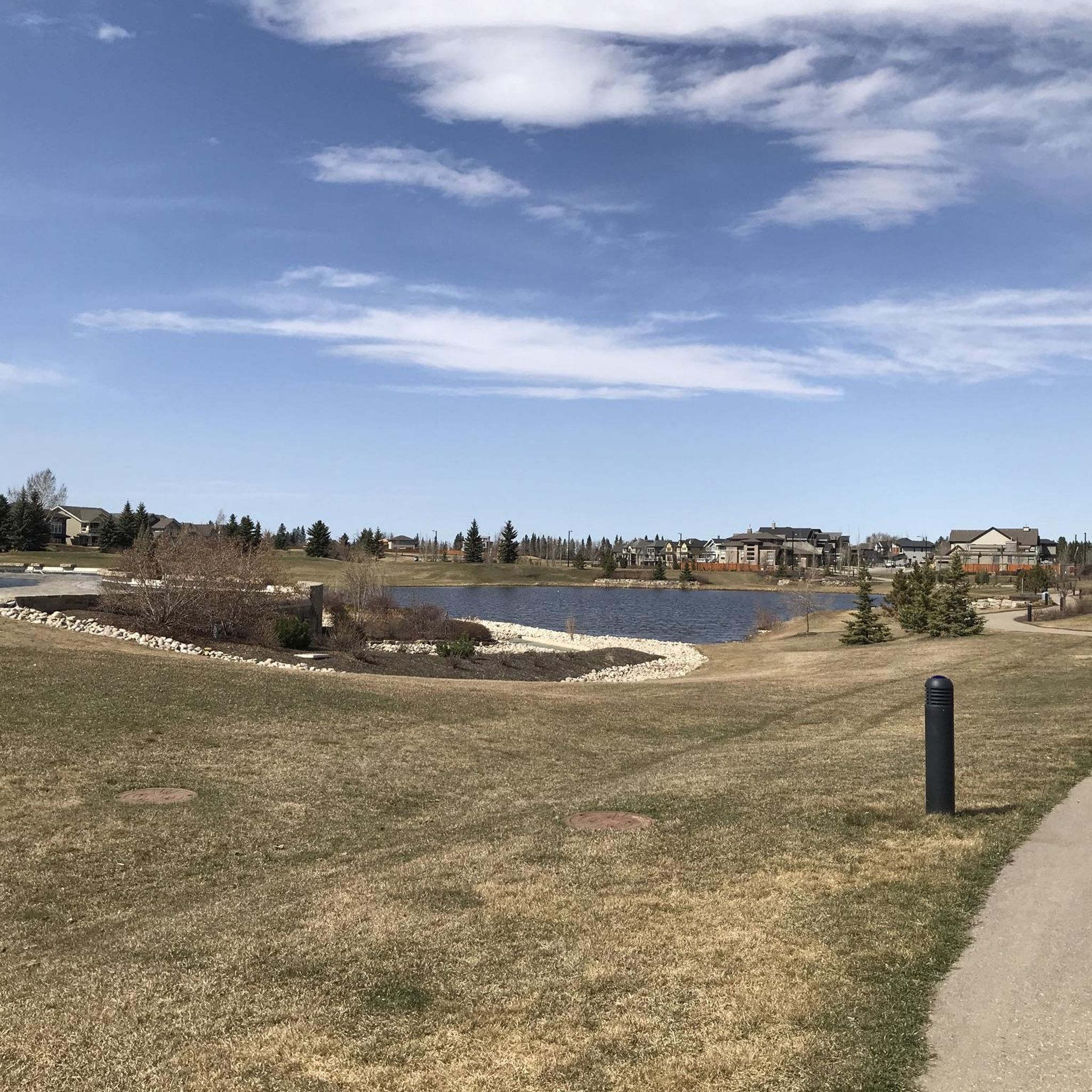
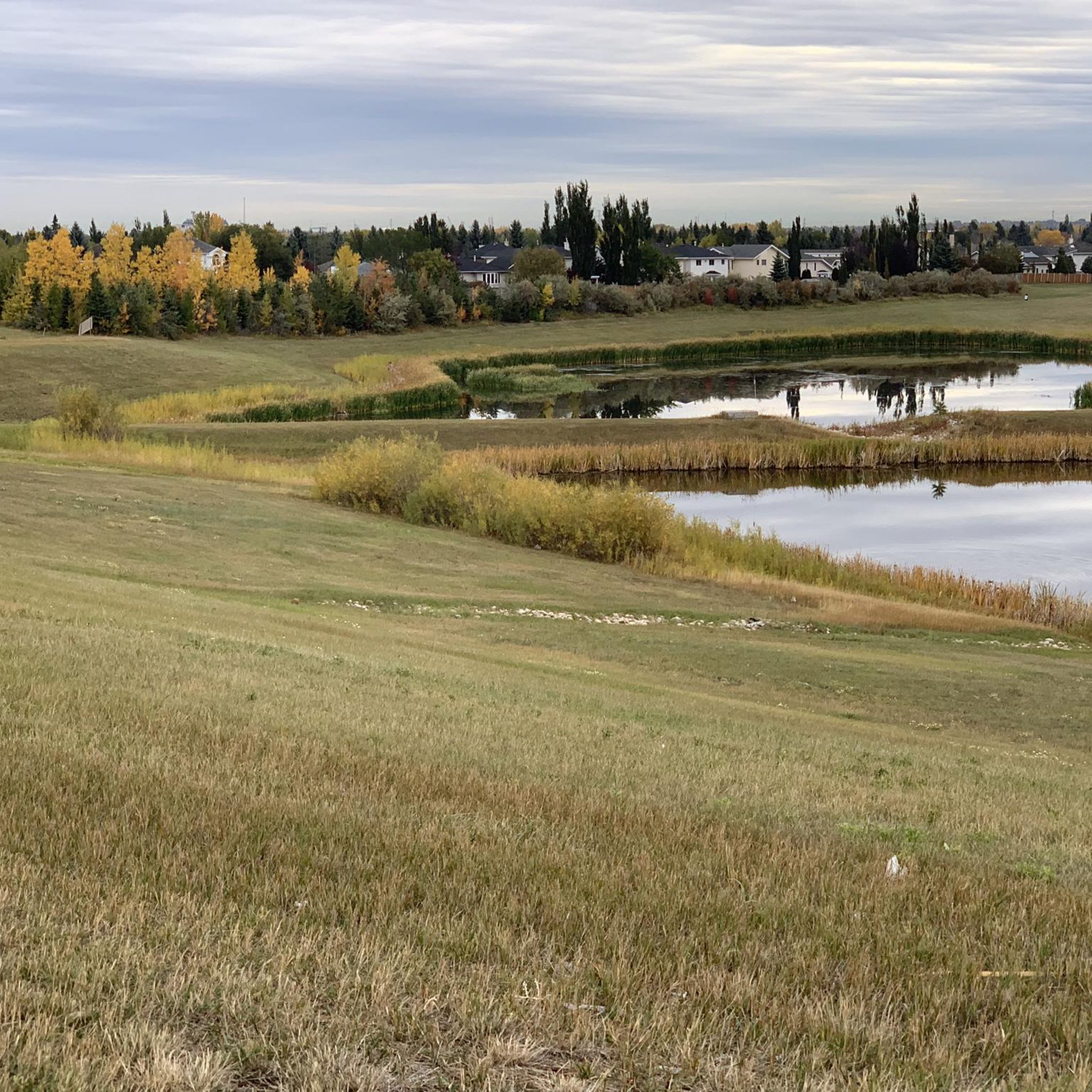
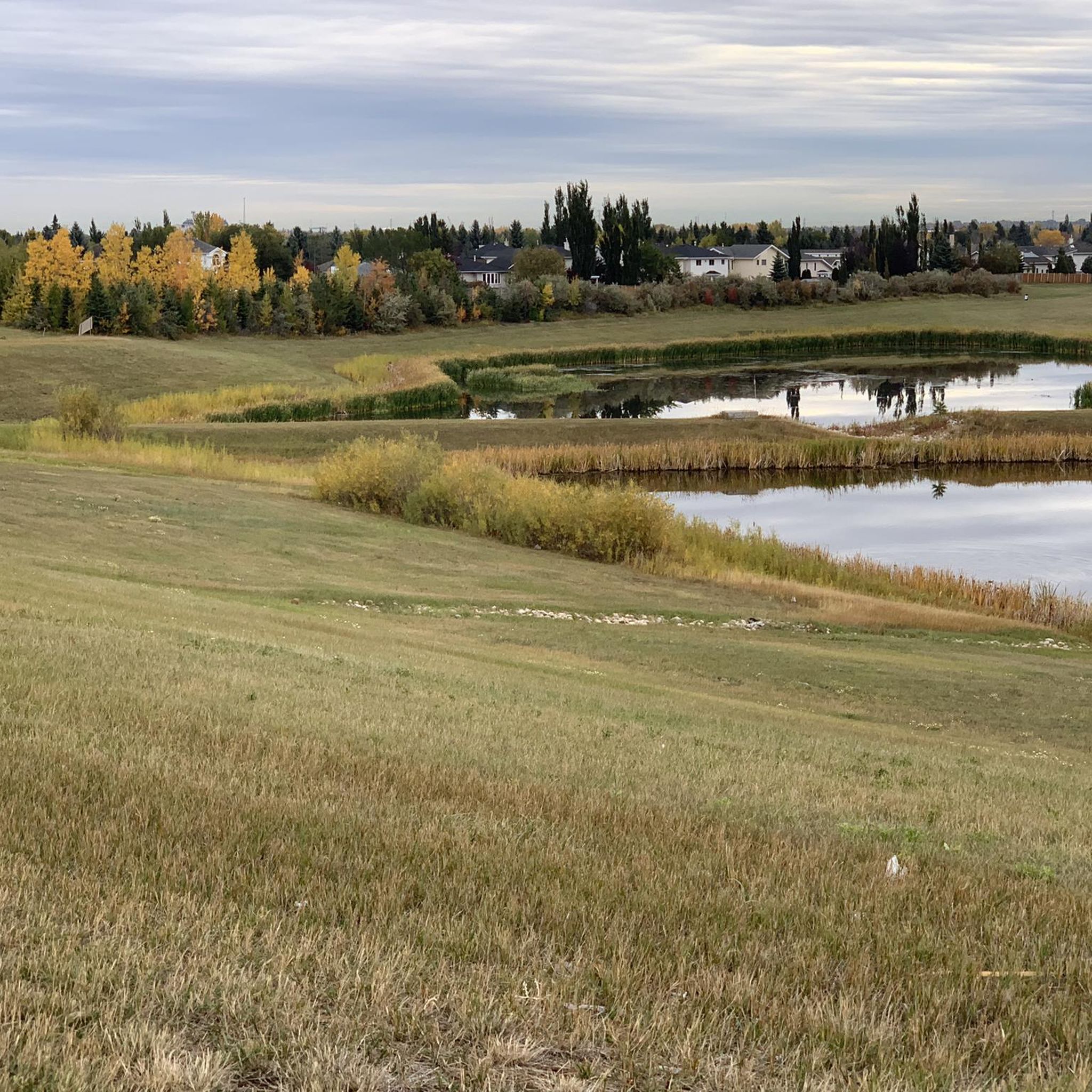
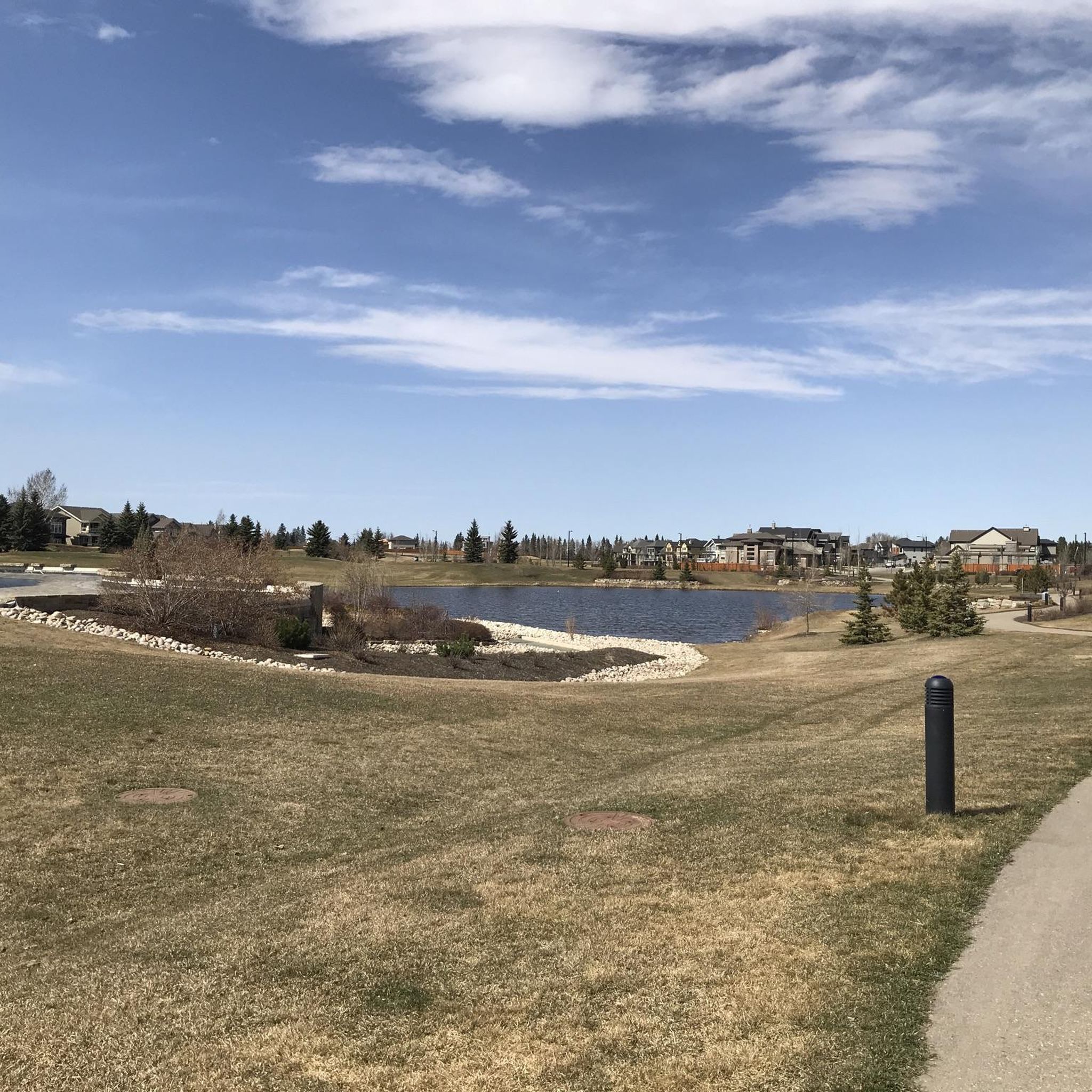
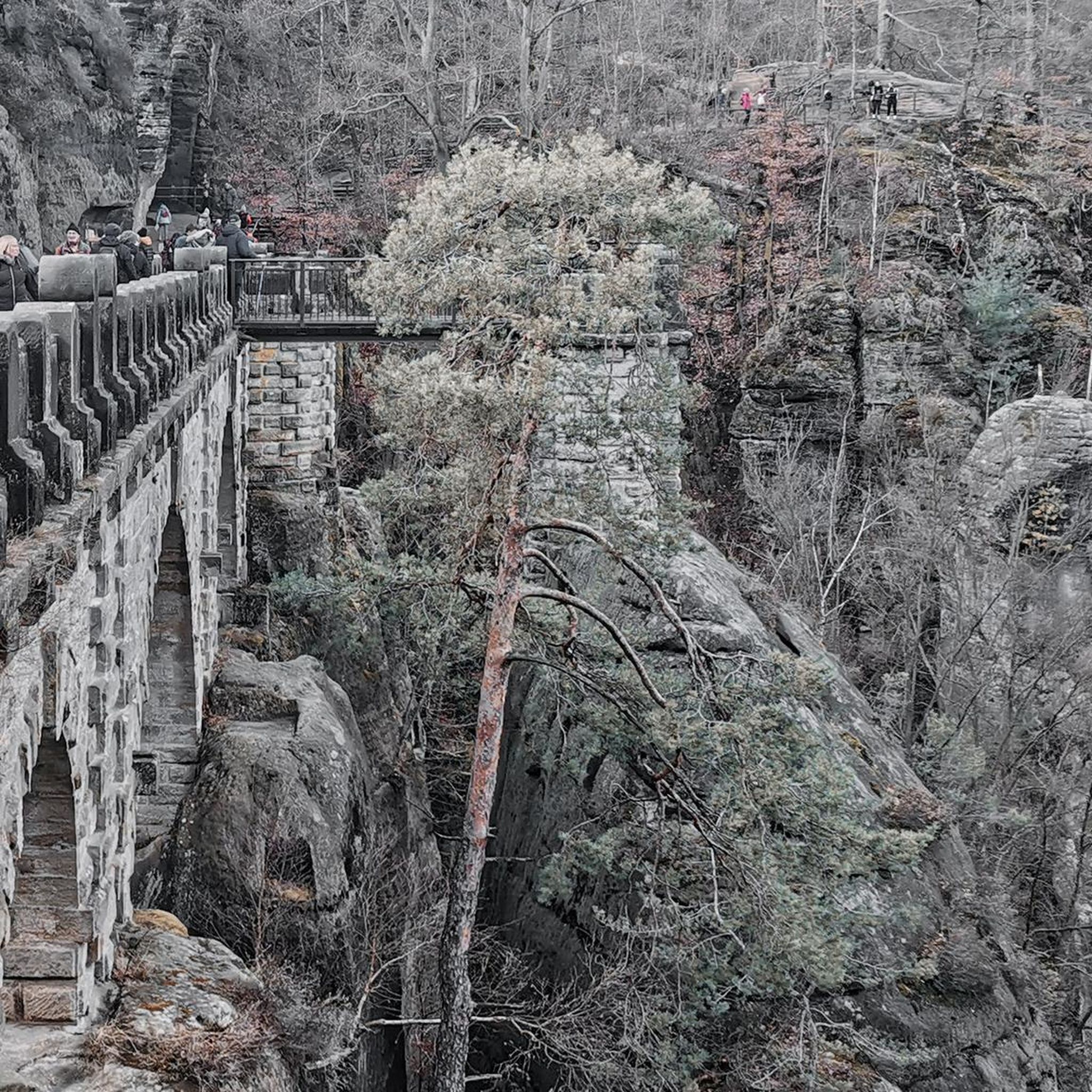
Stretching for kilometres through southwest Edmonton, Whitemud Creek Ravine is one of the city’s most natural corridors — a long, winding valley where dense aspen, spruce, and poplar forest shelter a quiet, tea-coloured creek below. The ravine’s steep clay banks, narrow benches, and occasional white sandstone outcrops give it a rugged, almost backcountry atmosphere despite its urban surroundings. Wildlife is common—songbirds, deer, and even the odd coyote—and the mix of shaded forest, open meadow pockets, and creekside views makes it a favourite escape for walkers looking for real nature without leaving the city.
0
0
Louise McKinney Park sits along the North Saskatchewan River just southeast of downtown Edmonton, offering wide river views and easy access to the city’s river valley trail network. Its paved pathways, grassy terraces, public art, and picnic areas make it a popular starting point for walks or bike rides toward Riverside, Rossdale, or Cloverdale. The park is also home to the Chinese Garden, adding a cultural landmark to this scenic stretch of riverfront.
0
0
Spanning the North Saskatchewan River near downtown Edmonton, the James MacDonald Bridge is a key link between the city’s north and south sides. Pedestrian and cycling paths run alongside traffic lanes, providing sweeping views of the river valley and skyline. It’s part of Edmonton’s river valley trail network, often used as a crossing between parks like Nellie McClung and Louise McKinney.
0
0

Henrietta Louise Edwards (née Muir), women’s rights activist, reformer, artist (born 18 December 1849 in Montreal, Canada East; died 9 November 1931 in Fort Macleod, AB). Henrietta Edwards fought from a young age for women’s rights and education, as well as women’s work and health. She helped establish many movements, societies and organizations aimed at improving the lives of women, and was instrumental in passing Alberta’s Dower Act in 1917. She was also one of the Famous Five behind the Persons Case, the successful campaign to have women declared persons in the eyes of British law. However, her views on immigration and eugenics have been criticized as racist and elitist. She was named a Person of National Historic Significance in 1962 and an honorary senator in 2009.
0
0

June is Bike Month in Edmonton ...info kiosks and activities at the Tawatina Bridge
0
0
From the City of Edmonton website: "A gateway to the heart of Edmonton’s River Valley, the John Janzen Nature Centre takes visitors for a walk on the wild side with programs, events and interactive exhibits designed to promote awareness and engagement with nature in an urban setting."
0
0
Frequently Asked Questions
How many road cycling routes are available in the Whitemud Creek Ravine area?
The Whitemud Creek Ravine area offers over 60 road cycling routes. These routes are part of the broader Edmonton river valley system, providing a variety of options for cyclists.
What kind of terrain can I expect on road cycling routes in Whitemud Creek Ravine?
Road cycling in the Whitemud Creek Ravine area primarily utilizes designated paved multi-use paths. While the natural reserve footpaths within the ravine are generally restricted for road cycling, the surrounding area connects to the extensive Edmonton river valley system, offering routes with both gentle gradients and some more significant elevation gains.
Are there road cycling routes suitable for beginners or families?
Yes, the Whitemud Creek Ravine area includes many routes suitable for beginners and families. Out of the over 60 routes, 28 are rated as easy, offering accessible options for those looking for a more relaxed ride. An example of an easy route is the Walterdale Bridge – Tawatina Bridge loop from Riverbend, which follows paved multi-use paths.
What are the difficulty levels of road cycling routes in the Whitemud Creek Ravine area?
The routes in the Whitemud Creek Ravine area cater to various skill levels. There are 28 easy routes, 36 moderate routes, and 1 difficult route, ensuring options for casual riders, intermediate cyclists, and those seeking a greater challenge.
What is the best time of year for road biking in Whitemud Creek Ravine?
The best time for road cycling in Whitemud Creek Ravine is typically from spring through fall, when paths are clear of snow and ice. During these seasons, you can fully enjoy the dense aspen, spruce, and poplar forests and the natural beauty of the area.
Are there any regulations for road cycling within the Whitemud Creek Ravine area?
Yes, it's important to note that road cycling directly on the footpaths within the natural reserve sections of Whitemud Creek Ravine is generally not permitted or recommended. These areas are preserved for wildlife and natural environments. Cyclists should stick to designated paved multi-use paths in the broader Whitemud Creek area and the connected river valley system.
What do other road cyclists enjoy most about the routes here?
The Whitemud Creek Ravine area is highly rated by the komoot community, with an average score of 4.3 stars from over 30 reviews. Cyclists often praise the well-maintained paved multi-use paths, the scenic views along the river valley, and the feeling of being immersed in nature while still close to the city.
Are there any longer road cycling routes for experienced cyclists?
For experienced cyclists looking for a longer ride, the area offers routes like the John Janzen Nature Centre – Whitemud Creek Ravine loop from Century Park. This moderate route spans over 77 kilometers (48 miles) and includes significant elevation gain, providing a substantial challenge.
What natural features or landmarks can I see along the road cycling routes?
While cycling the paved paths in the Whitemud Creek Ravine area, you can experience dense aspen, spruce, and poplar forests, and catch glimpses of the winding Whitemud Creek. Notable highlights in the broader area include the Whitemud Creek Bridge and the natural beauty of the Whitemud Creek Ravine itself. You might also pass by the Terwillegar Powerline Trail and the tranquil MacTaggart Sanctuary Path.
Are there loop road cycling routes in the Whitemud Creek Ravine area?
Yes, many road cycling routes in the area are designed as loops, offering convenient starting and ending points. Popular loop options include the RiverSide 100 loop from Riverbend and the Wedgewood Ravine – Lakeside Park loop from Riverbend, allowing you to return to your starting point without retracing your path.
Can I expect to see wildlife while road cycling in Whitemud Creek Ravine?
The Whitemud Creek Ravine area is known for its abundant wildlife. While cycling on the paved paths, you may spot various bird species, including chickadees and nuthatches, especially near feeding spots like the Chickadee and Nuthatch Feeding Spot. Deer, moose, coyotes, and beavers are also common sightings in the broader ravine system, offering a chance to connect with nature.
Is there parking available near the road cycling trailheads?
Yes, Whitemud Park, located at the start of some trails, offers facilities and is a common access point. Additionally, many routes start from areas like Riverbend or Century Park, which typically have parking available, making it convenient to access the paved multi-use paths.
Are there any cafes or amenities near the cycling access points?
While the ravine itself is a natural escape, the Whitemud Creek area is within Edmonton, meaning amenities like cafes, pubs, and restaurants are accessible in nearby neighborhoods. You'll find options for refreshments and meals a short distance from the main cycling access points.
Most popular routes in Whitemud Creek Ravine
Most popular attractions in Whitemud Creek Ravine

Get inspired with the komoot mobile app


Explore more
Browse the best Road cycling routes in other regions.
