The best walks and hikes in Floresta Da Tijuca
4.7
(207)
2,466
hikers
18
hikes
Hiking in Floresta Da Tijuca offers diverse trails within one of the world's largest urban rainforests, part of the Atlantic Forest Biosphere Preserve. The region features mountainous terrain with prominent peaks, dense Atlantic rainforest, and numerous waterfalls. Hikers can explore a network of paths leading through lush vegetation, past creeks, and to various viewpoints. The landscape is characterized by its rich biodiversity and significant elevation changes.
Best hiking trails in Floresta Da Tijuca
- The most popular hiking route is Pedra da Gávea Trail, a 3.2 miles (5.1 km) trail that takes 3 hours 50 minutes to complete. This challenging route leads to one of the largest seaside monoliths, offering expansive views.
- Another top favourite among local hikers is Pico da Tijuca Trail, a moderate 7.2 miles (11.5 km) path. This trail ascends to the highest point in the park, providing 360-degree panoramic views of the city.
- Local hikers also love the Pedra Bonita Circular Trail, a 1.8 miles (2.9 km) trail leading through the forest to a viewpoint, often completed in about 1 hour 15 minutes.
- Hiking in Floresta Da Tijuca is defined by dense rainforest, mountainous peaks, and numerous waterfalls. The network offers options for various ability levels, from easy walks to challenging ascents.
- The routes in Floresta Da Tijuca are highly rated by the komoot community with an average score of 4.8 stars from around 200 reviews. More than 1,800 hikers have used komoot to explore Floresta Da Tijuca's varied terrain.
Last updated: July 7, 2026
4.9
(19)
217
hikers
5.15km
03:51
700m
700m
Hike the difficult Pedra da Gávea Trail for 3.2 miles (5.1 km) through Tijuca National Park, featuring a technical climb and panoramic views
4.6
(32)
125
hikers
11.5km
04:20
600m
600m
Hike the Pico da Tijuca Trail, a moderate 7.2-mile route in Tijuca National Park, for panoramic views of Rio de Janeiro.

Sign up for free
4.8
(9)
169
hikers
2.91km
01:16
260m
260m
Hike the easy 1.8-mile Pedra Bonita Circular Trail in Tijuca National Park for panoramic views of Rio de Janeiro and Pedra da Gávea.
4.9
(11)
62
hikers
7.26km
02:13
240m
240m
Hike the moderate 4.5-mile Cachoeira das Almas circular trail in Tijuca National Park to a charming waterfall where you can swim.
4.6
(11)
36
hikers
10.8km
04:21
590m
590m
Moderate hike. Good fitness required. Mostly accessible paths. Sure-footedness required.
Get access to more routes and recommendations from other explorers.
Sign up for free
Already have an account?
Our route recommendations are based on thousands of hikes, rides, and runs completed by other people on komoot.
Start today with a free account
Your next adventure awaits.
Login or Signup

Tips from the Community

The Pedra Bonita Trail is an easy 1.5-kilometer trail in Tijuca National Park, between São Conrado and the paragliding launch ramp. It starts off Estrada das Canoas and involves a 30- to 60-minute climb through the Atlantic Forest and reforestation areas.
0
0
Pedra Bonita is a 696-meter-high granite and gneiss monolith in Tijuca National Park, between São Conrado and Barra da Tijuca. The easy 1.5-kilometer trail starts from Estrada das Canoas, with a 40-60 minute climb through the Atlantic Forest. It offers panoramic views of Pedra da Gávea, the beaches of the South and West Zones, Morro Dois Irmãos, and a paragliding launch ramp.
0
0

The entrance to Tijuca National Park is the starting point for exploring one of the world's largest urban forests, with trails leading to viewpoints, waterfalls, and iconic Rio peaks. From here, it's easy to find your way around thanks to the good signage and organized access points.
1
0

The waterfall cascades into a hidden corner nestled among the vegetation. It's an ideal spot to pause and let yourself be carried away by the sound of the water.
0
0
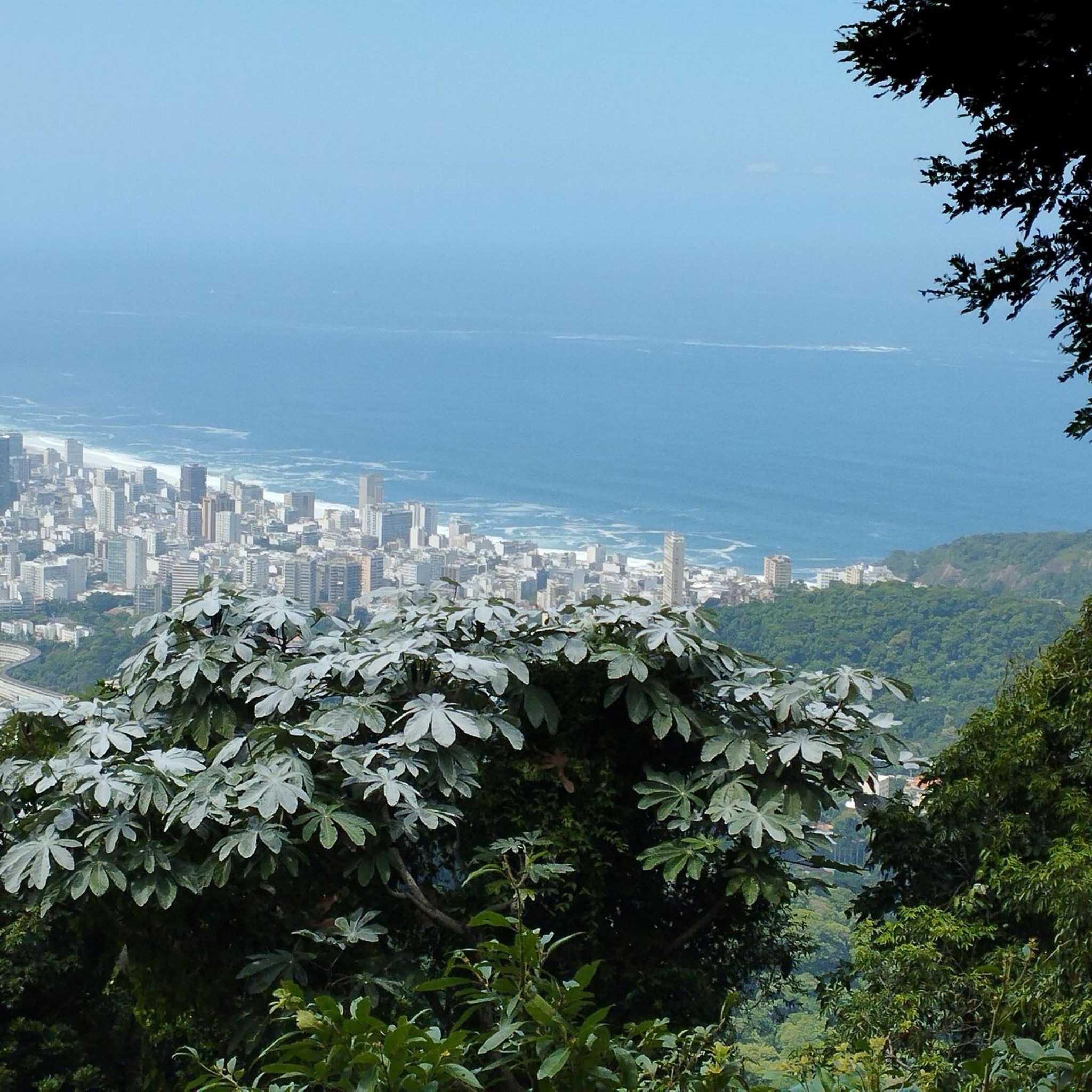
Once you reach the top, take a seat and enjoy the views of the sea and the mountains stretching out below. Simply spectacular.
0
0
It's a small waterfall that cascades into a pool of crystal-clear water, surrounded by lush green vegetation that adds a refreshing touch. It can be the perfect place to stop and take a break along the way.
1
0
Morro da Bandeira is a summit covered in Atlantic Forest within Tijuca National Park, and from this point on the trail you get a close-up view of its craggy peak. It's a good place to pause and get your bearings before continuing along the steeper sections.
1
0
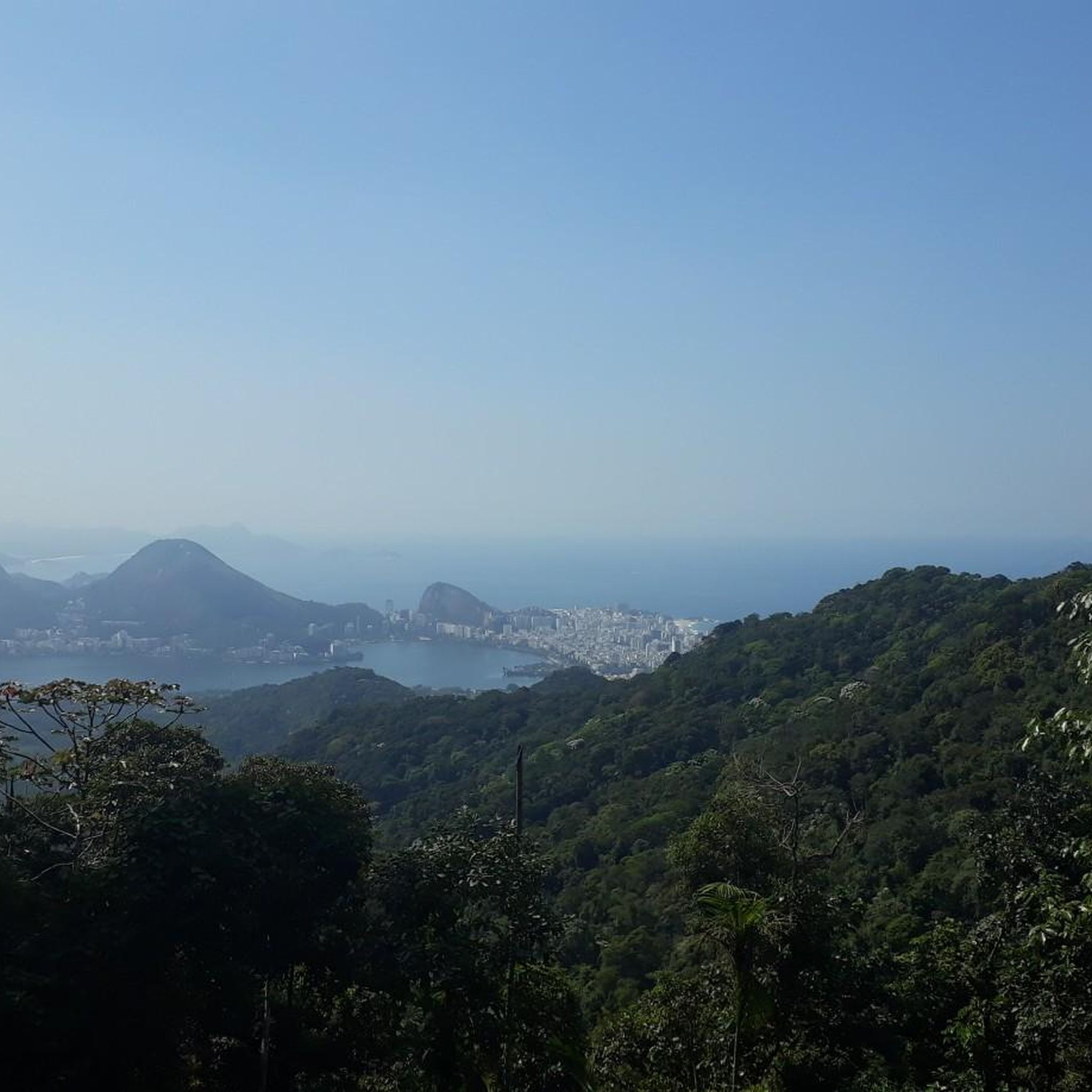
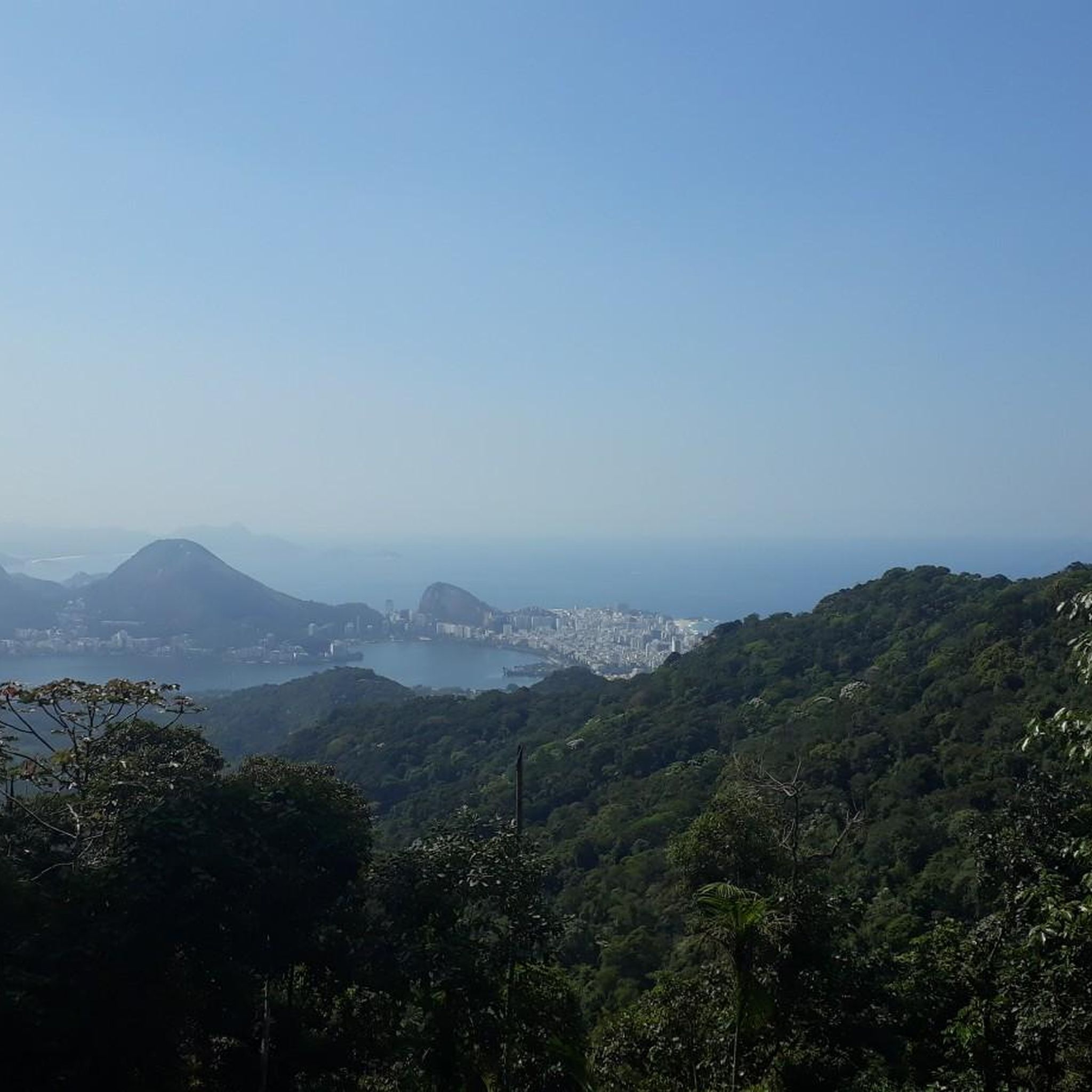
The view towards Barra da Tijuca offers a wide panorama of its long stretch of beaches and the lagoon that separates this area from the green massifs of Tijuca.
0
0
Frequently Asked Questions
What is the general difficulty level of hiking trails in Floresta da Tijuca?
Floresta da Tijuca offers a wide range of trails suitable for various fitness levels. You'll find everything from easy strolls to challenging ascents. Out of the over 20 routes available, 2 are considered easy, 17 are moderate, and 3 are difficult, including the demanding Pedra da Gávea Trail.
Are there any family-friendly hiking options in Floresta da Tijuca?
Yes, Floresta da Tijuca has trails suitable for families. The park offers many well-maintained paths that are less strenuous, and some are even accessible for seniors and wheelchair users. For an easier option, consider the Pedra Bonita Circular Trail, which is relatively short and leads to a rewarding viewpoint.
Can I bring my dog on the hiking trails in Floresta da Tijuca?
While the region is a natural park, specific regulations regarding dogs on trails can vary. It's generally advisable to check the latest park rules before bringing pets. Many trails within the urban rainforest are popular and may have restrictions to protect local wildlife.
Are there any circular hiking routes in Floresta da Tijuca?
Yes, there are several circular routes available. A popular choice is the Pedra Bonita Circular Trail, which offers a scenic loop through the forest to a viewpoint. These types of trails are great for experiencing diverse landscapes without retracing your steps.
What kind of wildlife can I expect to see while hiking in Floresta da Tijuca?
Floresta da Tijuca is a biodiversity hotspot. Hikers often encounter a variety of animals, including monkeys (such as capuchin monkeys), sloths, raccoons, coatis, and agoutis. The park is also home to numerous bird species like toucans, parrots, hawks, and owls, making it a great spot for birdwatching.
What are the best viewpoints or landmarks to visit in Floresta da Tijuca?
The park is rich with stunning viewpoints and historical landmarks. Iconic spots include the Chinese Viewpoint, offering breathtaking panoramic vistas of the city and Guanabara Bay. You can also find historical sites like the 19th-century Capela Mayrink and the giant granite table known as Mesa do Imperador. Of course, the Christ the Redeemer statue is also located within the park's boundaries.
Are there any waterfalls in Floresta da Tijuca that I can visit?
Yes, Floresta da Tijuca is known for its numerous waterfalls. You can find stunning cascades such as Cascatinha Taunay, which is the tallest in the park, Cachoeira dos Primatas, and Cachoeira das Almas. Many of these offer refreshing spots, and the Almas Waterfall Trail is a great way to experience one.
How can I get to Floresta da Tijuca using public transport?
Floresta da Tijuca is an urban rainforest, making it relatively accessible by public transport from various parts of Rio de Janeiro. Several bus lines serve the areas surrounding the park's entrances. It's recommended to check local bus routes and schedules for the most convenient access point depending on your starting location and intended trail.
Is there parking available for hikers at Floresta da Tijuca?
Yes, there are designated parking areas at various access points and attractions within Floresta da Tijuca. However, during peak times, these can fill up quickly. It's advisable to arrive early, especially on weekends, or consider using public transport or ride-sharing services.
What is the best time of year to hike in Floresta da Tijuca?
The best time to hike in Floresta da Tijuca is generally during the drier, cooler months, which in Rio de Janeiro are typically from May to September. During this period, the weather is more pleasant for outdoor activities, and there's less chance of heavy rain, which can make trails slippery. However, the forest's dense canopy provides shade, making it enjoyable year-round.
What do other hikers enjoy most about hiking in Floresta da Tijuca?
The area is highly rated by the komoot community, with an average score of 4.8 stars from nearly 200 reviews. Reviewers often praise the stunning panoramic views from the peaks, the lush and vibrant Atlantic rainforest, and the refreshing waterfalls. The diverse trail network, offering options for all skill levels, is also frequently highlighted as a major draw.
Are there any cafes or restaurants near the hiking trails in Floresta da Tijuca?
While the park itself is primarily natural, there are often small kiosks or vendors near popular entrances and attractions where you can purchase snacks and drinks. For more substantial meals or cafes, you would typically find options in the neighborhoods bordering the park, such as Alto da Boa Vista or Jardim Botânico.
Most popular routes in Floresta Da Tijuca
Most popular attractions in Floresta Da Tijuca

Get inspired with the komoot mobile app


Explore more
Browse the best Hikes in other regions.
