The best walks and hikes around Knockentiber
4.2
(70)
1,345
hikers
107
hikes
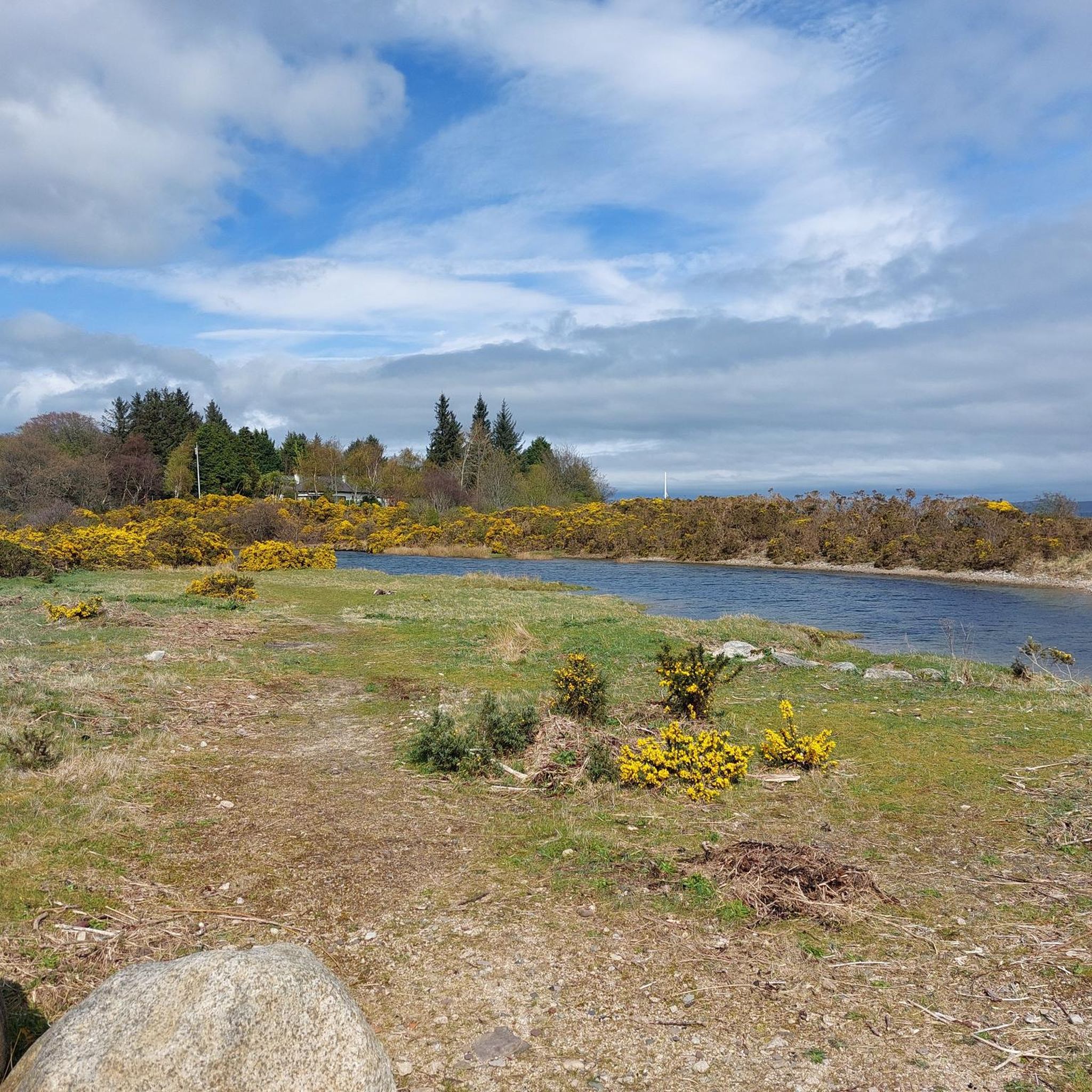
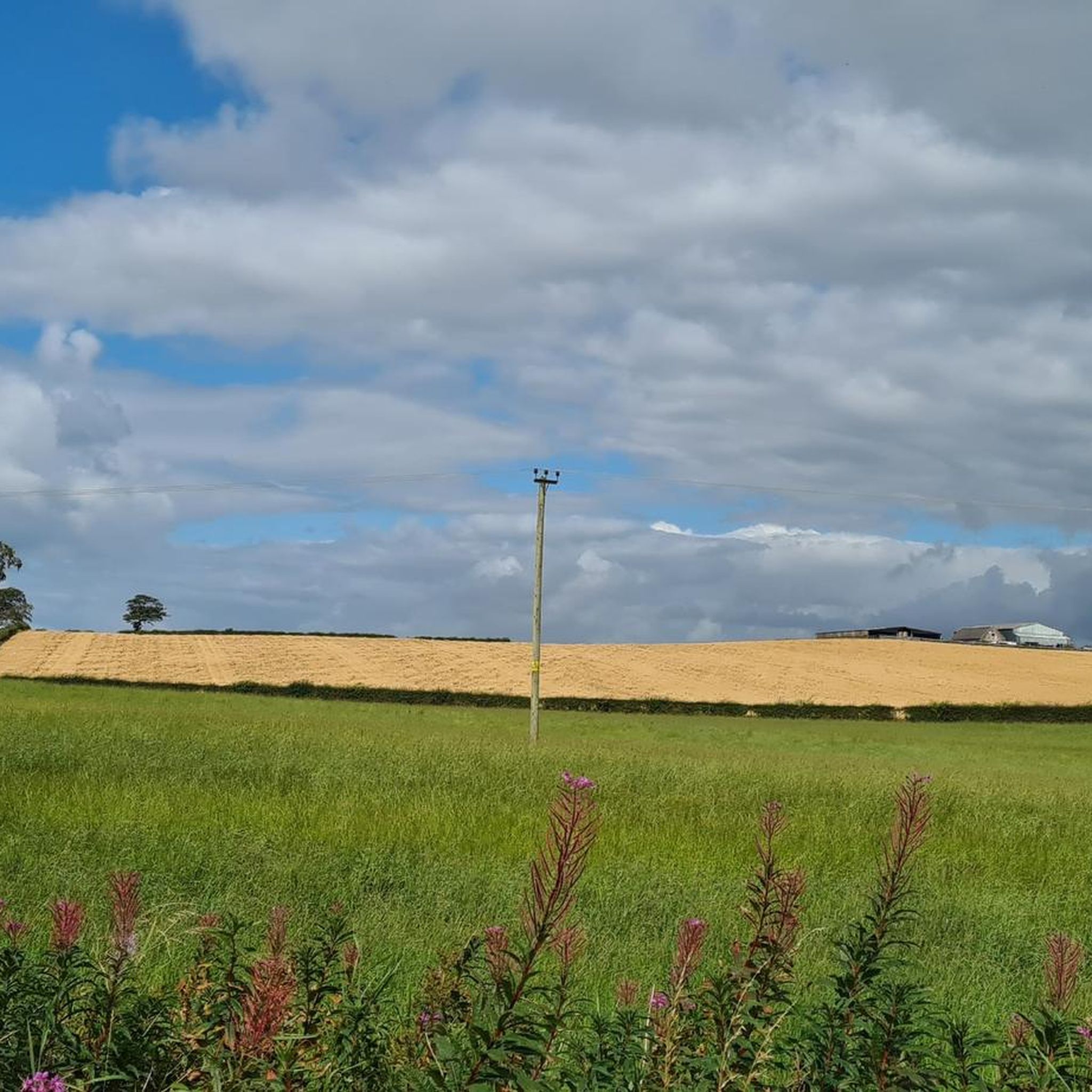
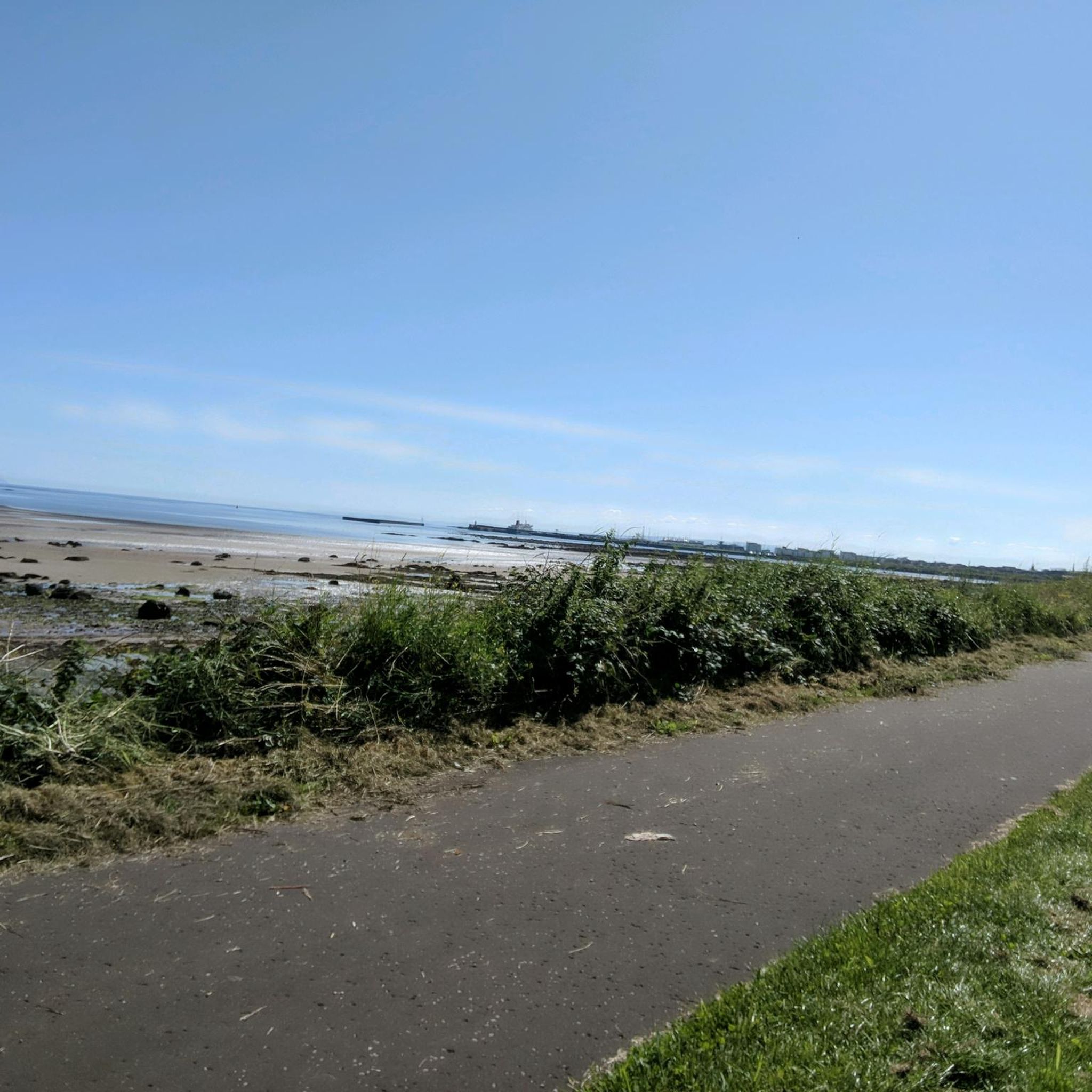
Hiking around Knockentiber offers a variety of trails, primarily characterized by gentle terrain and proximity to historical estates and water features. The landscape includes parklands, riverbanks, and areas surrounding local castles, providing accessible routes for different activity levels. Elevation gains are generally modest, making many paths suitable for leisurely walks.
Best hiking trails around Knockentiber
- The most popular hiking route is Caprington Castle loop from Rugby Park, a 5.2 miles (8.4 km) trail that takes 2 hours 10 minutes…
Last updated: October 11, 2026
9
hikers
7.95km
02:03
40m
40m
Moderate hike. Good fitness required. Easily-accessible paths. Suitable for all skill levels.
4.0
(6)
9
hikers
9.99km
02:38
90m
90m
Moderate hike. Good fitness required. Easily-accessible paths. Suitable for all skill levels.

10
hikers
8.73km
02:19
90m
90m
Moderate hike. Good fitness required. Easily-accessible paths. Suitable for all skill levels.
10
hikers
4.28km
01:06
20m
20m
Easy hike. Great for any fitness level. Easily-accessible paths. Suitable for all skill levels.
9
hikers
10.0km
02:39
90m
90m
Moderate hike. Good fitness required. Easily-accessible paths. Suitable for all skill levels.
Get access to more routes and recommendations from other explorers.
Already have an account?
Our route recommendations are based on thousands of hikes, rides, and runs completed by other people on komoot.
Start today with a free account
Your next adventure awaits.

Tips from the Community

New Laigh Kirk, situated in the centre of Kilmarnock is a vibrant and large congregation of the Church of Scotland. It was the first Church in Kilmarnock following the reformation in 1560 although the present building dates from 1802 following the tragic events which took place on the afternoon of Sunday 18 October 1801. The Church was packed for worship when some plaster fell from the ceiling and panic ensued. Thirty people died in the rush to get out. The Church was demolished and rebuilt in 1802 with wide staircases to the gallery and many exits. Laigh Kirk is mentioned by Robert Burns in his poems and he is believed to have visited the Church. Covenanters gravestones are in the Churchyard. For many visitors the highlight is the magnificent stained glass windows which have recently been cleaned and restored.
0
0
Commemorated Kilmarnock Equitable Societies jubilee in 1910
0
0
John Walker (1805–1857) was a grocer in Kilmarnock who originated what would become one of the world's most famous whisky brands in the world. When his father Alexander died in 1820, John was left £417 in trust. In 1820 the trustees invested in an Italian warehouse, grocery, and wine and spirits shop on King Street in Kilmarnock. An 1852 flood destroyed virtually all of the stock Walker held, but the business recovered within a couple of years. His own whisky brand, then known as "Walker's Kilmarnock Whisky" was popular locally. In 1833 John married Elizabeth Purves. Their son Alexander had apprenticed with a tea merchant in Glasgow, and there learned the art of blending tea. When he returned to take over the business from his ailing father, he used those skills to create Old Highland Whisky, (eventually renamed Johnnie Walker Black Label) the first of Walker's blends which became popular far beyond Ayrshire. Although he gave his name to the whisky, John Walker was a far less important figure to the brand than his son, Alexander, as it was he who persuaded his father to abandon the narrow realm of the grocery trade and to go into wholesale trading. At the beginning, the firm offered a range of spirits: Campbeltown whisky from the Kintyre Peninsula; whisky from the Inner Hebridean Island of Islay, with its pungent smokey flavour; patent still, or grain, whisky; and "Glenlivet", Speyside whisky. Even so, whisky sales under John Walker represented just 8 percent of the firm's income; by the time Alexander was ready to pass on the company to his own sons, that figure had increased to between 90 and 95 percent. The magnificent Johnnie Walker Bond building still stands in the town centre and has a statue of John which does not take the form of the famous 'Striding Man' image created in the first half on the 20th Century and which is recognised the world over - along with the 'Born 1820 Still Going Strong' motto. Sadly, the closure of the huge Johnnie Walker bottling plant in 2012, (once the world's largest) and the associate blending and bond operations in and around the town severed all links with Kilmarnock.
0
0
The Burns Monument in Kay Park, Kilmarnock, Scotland, commemorates the poet Robert Burns (1759–1796). It is located at an elevated position within Kay Park, to the east of Kilmarnock Town Centre. The monument was opened in 1879, and is a category B listed building. In 2004, following years of neglect by the local council, fire destroyed most of the building. What was left of the monument was incorporated into the new Burns Monument Centre which opened in 2009. In 2010 the centre was shortlisted for the Carbuncle Cup award run by Building Design. The Burns Monument Centre provides registration services and here you can carry out local and family history research in its family history centre and local history library. It also still contains part of the McKie Collection of Bursiana that the centre was originally purchased by the council to house after it purchased James McKie's collection.
0
0

Take in the beautiful Fenwick Water river as you run through vibrant green woodland.
0
0
Wonderful 14th-century castle located on the beautiful grounds of Dean Castle Country Garden.
1
0
The Rural Life Centre has a number of amazing birds and animals to discover. This is an especially fun section for kids and there is a cafe and public toilets here too.
1
1
Magnificent 14th-century castle located in the heart of Kilmarnock.
1
0
Frequently Asked Questions
How many hiking trails are available around Knockentiber?
Knockentiber offers a wide selection of hiking opportunities, with over 120 routes available. These range from easy strolls to more moderate paths, catering to various preferences and fitness levels.
Are there many easy hiking trails in the Knockentiber area?
Yes, the Knockentiber area is well-suited for easy hikes. There are over 60 easy routes, characterized by gentle terrain and modest elevation gains, making them ideal for leisurely walks and families.
What kind of scenery can I expect on hikes around Knockentiber?
Hiking around Knockentiber is defined by its diverse landscape, including parkland paths, historical castle estates, and scenic riverside trails. You'll encounter features like the historic Caprington Castle estate and the grounds surrounding Dean Castle.
Are there any circular walks near Knockentiber?
Yes, many of the trails around Knockentiber are circular, offering convenient loop options. Examples include the Caprington Castle loop from Rugby Park and the Dean Castle – Fenwick Water loop from Kilmarnock.
What are some notable landmarks or attractions to see while hiking?
The area around Knockentiber is rich in historical landmarks. You can explore sites like Dean Castle, Eglinton Castle Tower, and Dundonald Castle Ruins. Many routes also follow the River Garnock.
Are the hiking trails around Knockentiber suitable for families?
Absolutely. The region offers many family-friendly walks, often featuring gentle terrain and interesting historical points like castles. The modest elevation gains make them accessible for various ages and abilities.
What do other hikers say about the trails in Knockentiber?
The trails in Knockentiber are highly regarded by the komoot community, holding an average rating of 4.3 stars from over 50 reviews. Hikers often praise the well-maintained paths, the historical scenery, and the accessibility of the routes.
Can I bring my dog on the hikes around Knockentiber?
Most trails in the Knockentiber area are generally dog-friendly, especially those through parklands and along rivers. However, it's always advisable to keep dogs on a lead, particularly near livestock or in nature reserves, and to check for any specific local signage.
Are there any long-distance hiking options near Knockentiber?
While many routes are shorter loops, you can combine trails or explore longer options like the Robert Burns mural, Kilmarnock – Dean Castle loop from Kilmarnock, which covers over 10 kilometers, offering a more extended experience through varied landscapes.
What is the best time of year to go hiking in Knockentiber?
The best time to hike in Knockentiber is typically from spring through autumn (April to October) when the weather is milder and the days are longer. However, many trails are accessible year-round, offering different scenic beauty in each season, though winter walks may require appropriate gear for potentially wet or icy conditions.
Are there any viewpoints along the hiking routes?
While the terrain is generally gentle, some routes offer pleasant vistas. For specific viewpoints, you might find interesting perspectives of the landscape and historical sites, such as the View of Craigie Castle.
Where can I find parking for hiking trails in Knockentiber?
Parking is generally available in nearby towns like Kilmarnock, which serves as a common starting point for many routes. Specific trailheads often have designated parking areas, but it's recommended to check the route details on komoot for precise parking information for your chosen hike.
Most popular attractions around Knockentiber

Get inspired with the komoot mobile app


Explore more
Browse the best Hikes in other regions.
