The best road cycling routes around Gräfenhainichen
4.7
(631)
5,604
riders
22
rides
Road cycling around Gräfenhainichen features a landscape shaped by former open-cast mining, now transformed into a region of numerous lakes and diverse terrain. The area offers a mix of quiet roads, tracks, and paths, with many routes predominantly paved. Cyclists can explore both natural areas like the Dübener Heide and industrial heritage sites such as Ferropolis. The region provides varied elevation profiles, from flat lakeside paths to routes with moderate climbs.
Best road cycling routes around Gräfenhainichen
- The most popular…
Last updated: July 4, 2026
4.5
(4)
95
riders
Easy road ride. Great for any fitness level. Mostly well-paved surfaces and easy to ride.
20
riders
46.6km
01:52
90m
90m
Moderate road ride. Great for any fitness level. Some segments of this route may be unpaved and difficult to ride.

Sign up for free
3.5
(2)
23
riders
Easy road ride. Great for any fitness level. Mostly well-paved surfaces and easy to ride.
14
riders
Moderate road ride. Good fitness required. Mostly well-paved surfaces and easy to ride.
5.0
(1)
8
riders
Moderate road ride. Good fitness required. Some segments of this route may be unpaved and difficult to ride.
Get access to more routes and recommendations from other explorers.
Sign up for free
Already have an account?
Our route recommendations are based on thousands of hikes, rides, and runs completed by other people on komoot.
Start today with a free account
Your next adventure awaits.
Login or Signup
Popular around Gräfenhainichen
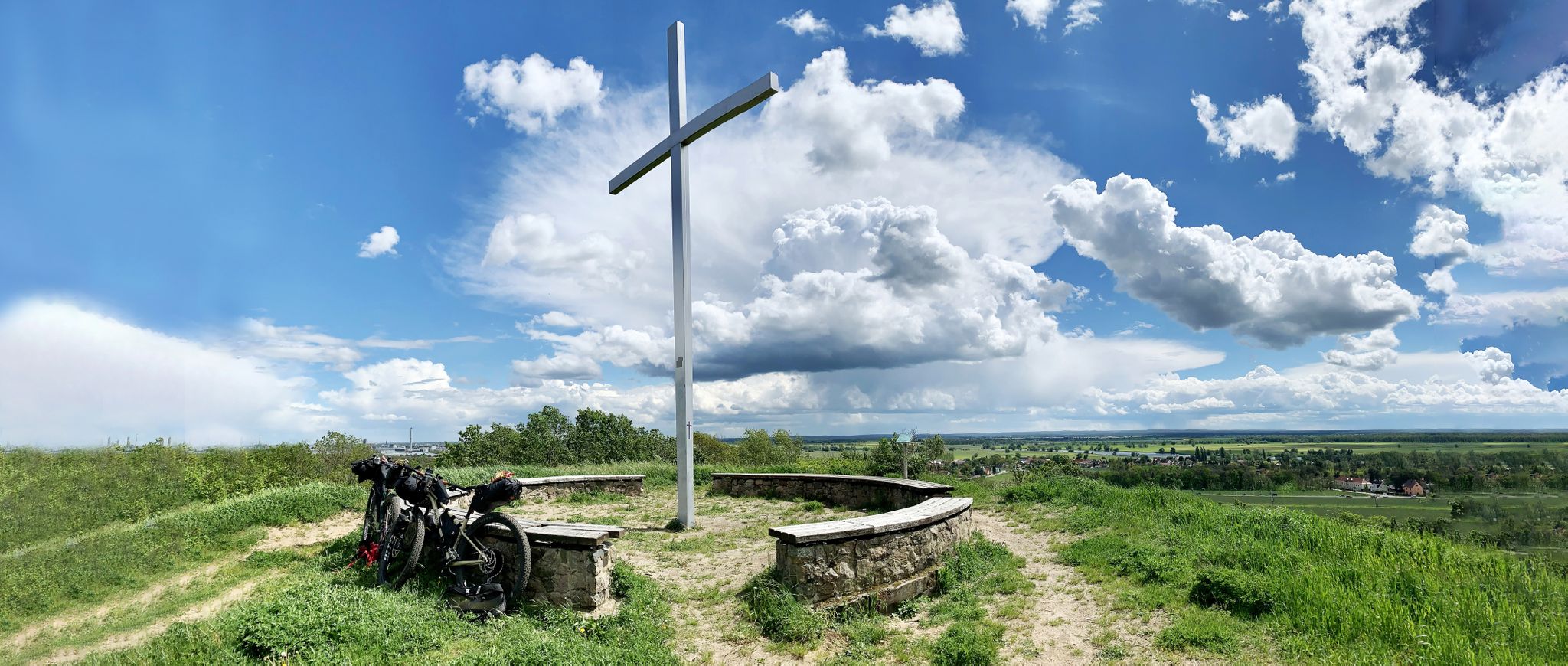
Romanticism on the Elbe River — cycling around the MDV north network
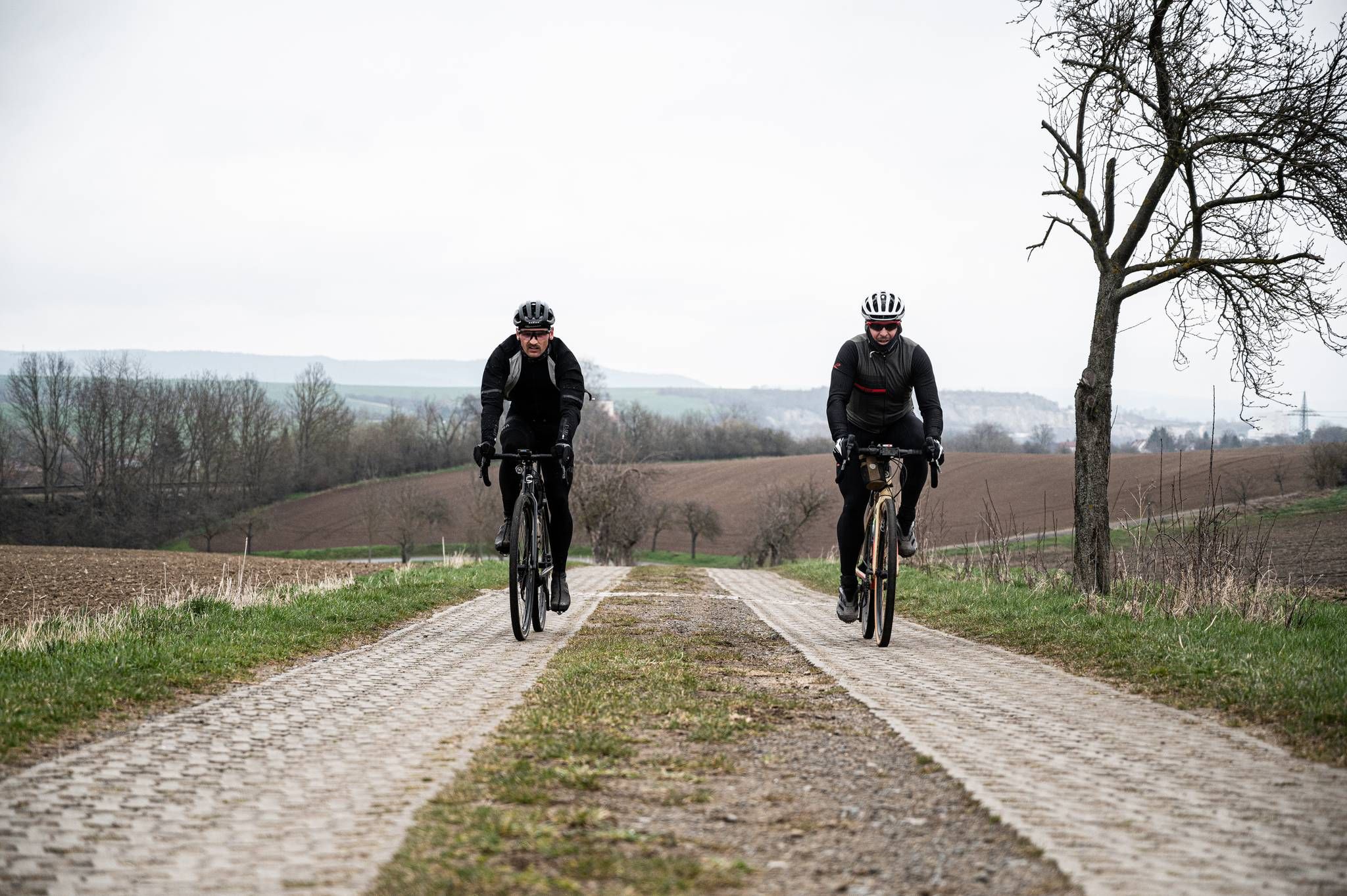
Cycling across Germany – my journey to the southernmost point of Germany
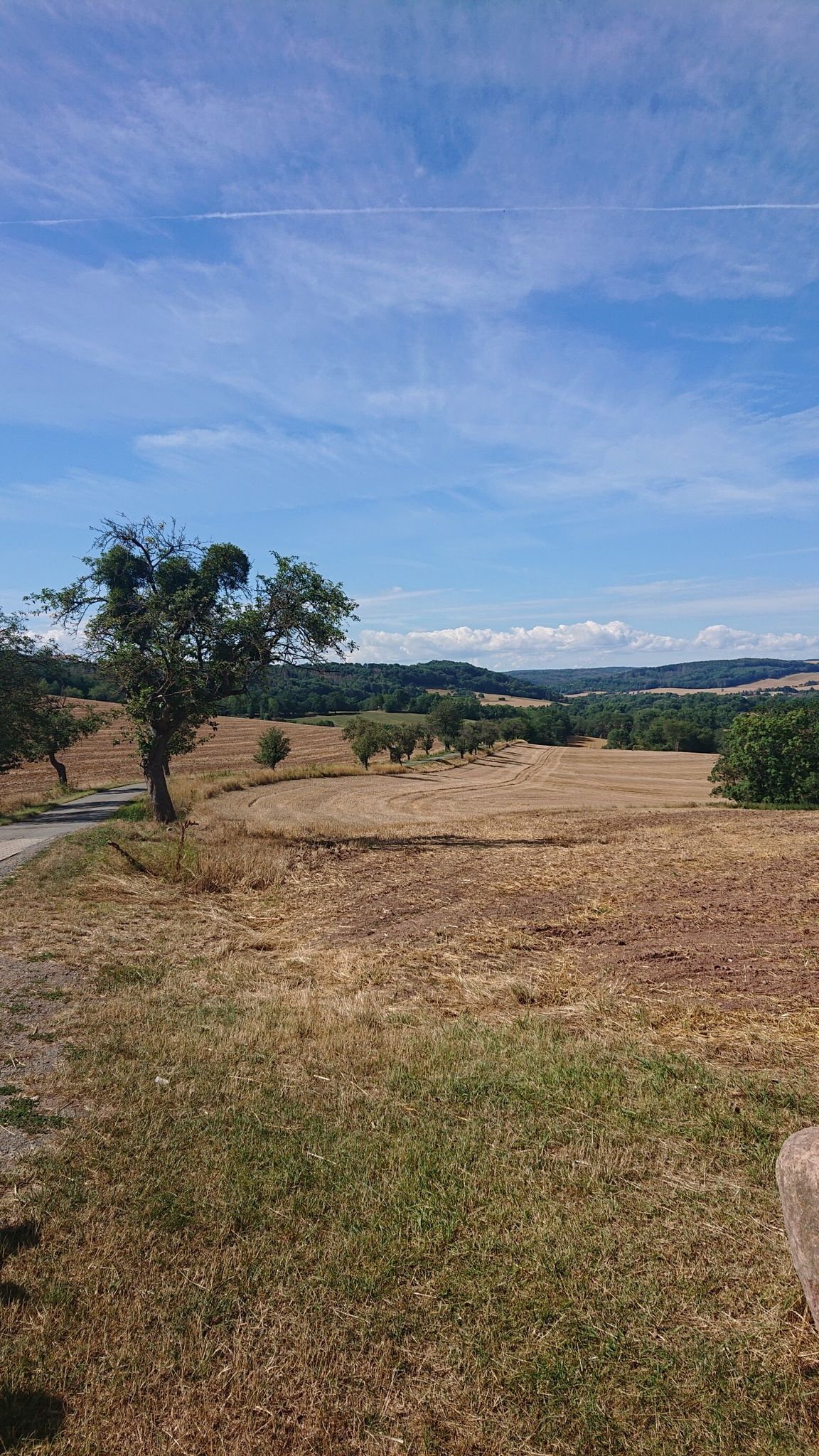
From A(ugsburg) to B(rodowin) – Cycling across Germany
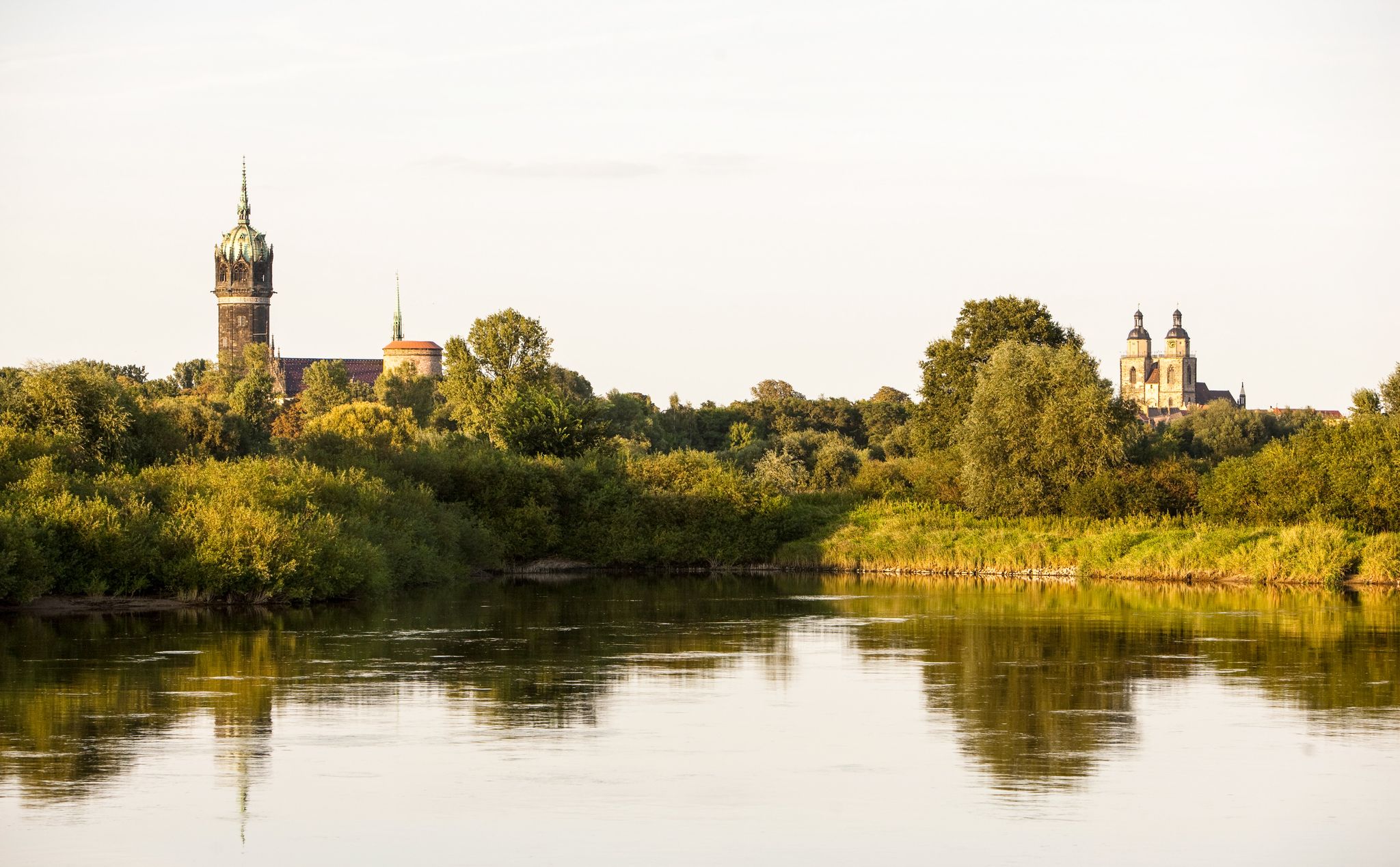
Holiday in Germany – Discover Saxony-Anhalt by bike
Hiking around Gräfenhainichen
Cycling around Gräfenhainichen
Running Trails around Gräfenhainichen
MTB Trails around Gräfenhainichen
Gravel biking around Gräfenhainichen
Other adventures around Gräfenhainichen


Tips from the Community

The small carved altar, in whose shrine a Madonna on the crescent moon in a radiant halo can be seen, dates from the end of the 15th century. The altar has narrow wings. In the right wing, James the Greater is depicted above a Saint, and on the left, John the Baptist. Below John, Saint Dorothea was originally located, but she was stolen. On the outer sides of the wings, remnants of the former painting with four saint figures can still be recognized. In the church, there is also a wooden, rather crudely formed wooden baptismal font, whose creation is suspected to date from the 17th century. Source https://de.wikipedia.org/wiki/Dorfkirche_Altje%C3%9Fnitz
2
0
The church originated in the Romanesque period as a fieldstone building. It is assumed that it was part of a Franciscan monastery. The short nave has a recessed choir and is completed by a semicircular apse. The Romanesque round arch windows from the construction period are still present. Philipp Melanchthon is said to have carried out a church visitation at the church in 1533, after the introduction of the Reformation. In 1872, an octagonal, wooden bell tower was placed above the west gable. Its spire is covered with slate. The church suffered damage in the Second World War. Repairs were carried out in 1952/53. The church interior is spanned by a flat ceiling. There is a triumphal arch between the nave and the choir. In the dome of the apse, there is a wall painting that originated around the year 1200. It had been painted over in the course of time and was rediscovered in 1946. It depicts Christ enthroned. A second seated figure is likely to be Mary. John the Baptist and a bishop are depicted alongside the four symbols of the Evangelists. Source https://de.wikipedia.org/wiki/Dorfkirche_Altje%C3%9Fnitz
2
0
The village church of Altjeßnitz is the today Protestant church of the village of Altjeßnitz in Saxony-Anhalt, which belongs to the town of Raguhn-Jeßnitz. Since 2017 it has belonged to the Romanesque Road.[1] Source https://de.wikipedia.org/wiki/Dorfkirche_Altje%C3%9Fnitz
2
0
Very nice to look at
2
0
Beautiful section for cycling
2
0
Beneath the stairs, we discover two oval windows that may play a special role in the church's interior design in the future, as the Leipzig artist Robin Zöffzig has created designs for these two windows, some of which have already been implemented for exhibition purposes. Under the title "non est hic" ("He is not here!"), the Easter story is depicted. In one window, the angel is shown with these Latin words. The other window shows the three women who came to the tomb on Easter morning to mourn and anoint Jesus' body. Should these windows ever be installed, everyone entering this church would immediately be immersed in the events of Easter morning. Questions and inquiries, certainties and sources of strength arise in all their ambivalence: On the one hand: Why am I here? What am I seeking and expecting? What does resurrection mean to me? He is not here—not even here in the church? Where is he then? On the other hand: Jesus, the crucified one, has risen! Faith is not bound to "holy places," but is "freely available" in the faith-based dialogue between me and God. He is not in his tomb (non est hic), but he is in the world—alive among us—even here in the church! Source: https://www.ekmd.de/kirche/kirchenkreise/wittenberg/krina/schlaitz/marienkirche-schlaitz/
2
0
Frequently Asked Questions
How many road cycling routes are available around Gräfenhainichen?
There are over 20 road cycling routes around Gräfenhainichen, offering a diverse range of experiences. You'll find options for various skill levels, from easy lakeside loops to more challenging routes with greater elevation.
What kind of terrain and elevation can I expect on road cycling routes in Gräfenhainichen?
The region around Gräfenhainichen features a varied landscape, shaped by former open-cast mining. You can expect a mix of quiet, predominantly paved roads and tracks. While many routes offer relatively flat sections, especially around the lakes, some routes include moderate climbs, particularly those venturing into the Dübener Heide. The area is generally known for its accessible and enjoyable cycling terrain.
Are there easy road cycling routes suitable for beginners in Gräfenhainichen?
Yes, Gräfenhainichen offers 7 easy road cycling routes perfect for beginners or those looking for a relaxed ride. These routes often feature gentle terrain and scenic views, making them ideal for a leisurely exploration of the area's natural beauty.
What are some scenic highlights or attractions along the road cycling routes?
Many routes offer stunning views of the unique post-mining landscapes and numerous lakes. A prominent attraction is Ferropolis, the 'City of Iron,' with its gigantic industrial machines. You can experience this on routes like the Ferropolis – City of Iron – Entrance Gate - Ferropolis loop from Gräfenhainichen. Other routes lead through the tranquil Dübener Heide, offering views of idyllic spots like Lake Gurke. The region's lakes, such as the Great Goitzsche Lake, also provide picturesque backdrops for your rides.
Are there any circular road cycling routes in the Gräfenhainichen area?
Yes, many of the road cycling routes around Gräfenhainichen are designed as circular loops, allowing you to start and end your ride in the same location. For example, the Ferropolis – City of Iron – Entrance Gate - Ferropolis loop from Gräfenhainichen is a popular circular route that takes you around Gremminer See.
What do other road cyclists enjoy most about road cycling in Gräfenhainichen?
The road cycling routes in Gräfenhainichen are highly rated by the komoot community, with an average score of 4.9 stars from over 30 reviews. Cyclists often praise the unique blend of natural landscapes, like the Dübener Heide and numerous lakes, with the striking industrial heritage of sites like Ferropolis. The well-maintained, mostly paved paths and varied terrain also contribute to a highly enjoyable cycling experience.
When is the best time of year for road cycling in Gräfenhainichen?
The best time for road cycling in Gräfenhainichen is typically from May to September. During these months, the weather is generally mild and pleasant, making for ideal conditions to explore the region's lakes, forests, and industrial monuments.
Are there longer road cycling routes for advanced cyclists?
While many routes are moderate, the region offers options for longer rides. For instance, the View of Lake Goitzsche – Ferropolis Entrance loop from Gräfenhainichen Ferropolis covers over 87 km, providing a more extensive challenge. The area is also integrated into major long-distance routes like the Europaradweg R1 and the Berlin-Leipzig Cycle Path, offering opportunities for extended tours.
Are there routes that explore the Dübener Heide Nature Park?
Absolutely. The Dübener Heide Nature Park is a significant natural feature of the region. Routes like the Heidestraße – Forest Road in Dübener Heide loop from Gräfenhainichen take you directly through this vast mixed forest and heathland, offering a tranquil setting and beautiful natural scenery.
Can I find routes that pass by the Great Goitzsche Lake?
Yes, the Great Goitzsche Lake is a prominent feature in the region. You can cycle along its shores and enjoy impressive views on routes such as the View of Lake Goitzsche – Ferropolis Entrance loop from Gräfenhainichen Ferropolis, which explores the broader Goitzsche Lake area.
Are there any routes that include historical or cultural sites?
Beyond natural and industrial sites, the area offers charming historical elements. The Jüdenberg Church – Furthmühlenbach Stream loop from Gräfenhainichen, for example, passes through Jüdenberg, offering a glimpse into local villages. The broader region is also connected to the Lutherweg, combining cultural exploration with natural beauty.
Most popular routes around Gräfenhainichen
Most popular attractions around Gräfenhainichen

Get inspired with the komoot mobile app


Explore more
Browse the best Road cycling routes in other regions.
