Attractions and Places To See around Oatlands - Top 20
Best attractions and places to see around Oatlands include a rich collection of historic sites and natural features. This Tasmanian town is known for its remarkably preserved Georgian architecture, featuring Australia's largest collection of colonial sandstone buildings. Visitors can explore notable landmarks and enjoy the natural beauty of Lake Dulverton, a significant wetland for birdwatching and leisurely strolls. The area offers a unique glimpse into Tasmania's past, blending heritage with scenic landscapes.
Best attractions and places to see around Oatlands
…Last updated: August 26, 2026
George Square
Highlight • Monument
Tip by

Forth and Clyde Canal Towpath
Highlight • Cycleway
Tip by

Sign up now to discover places like this
Get recommendations on the best single tracks, peaks, & plenty of other exciting outdoor places.
Sign up for free
Duke of Wellington Statue, Glasgow
Highlight • Historical Site
Translated by Google •
Tip by

Glasgow Cathedral
Highlight • Historical Site
At this spot, Saint Mungo built a …
Translated by Google •
Tip by

Glasgow Necropolis
Highlight • Viewpoint
Das Gelände auf einem Hügel östlich der St Mungo’s Cathedral, ein Teil des ehemaligen Wester Craigs Estate, wurde 1650 von der …
Tip by

Sign up for free to discover even more attractions around Oatlands.
Sign up for free
Already have an account?
Start today with a free account
Your next adventure awaits.
Login or Signup
Tips from the Community

Impressive church building with a very beautiful wooden ceiling!
0
0

A Church of Scotland church consecrated in 1197 with post-war stained glass windows.
1
0
Victorian cemetery with the graves and mausoleums of prominent Glasgow residents of the period.
2
0

The building is impressive and certainly the highlight of Glasgow. What is a little annoying is that it looks more like an exhibition hall than a church. Most of the windows are no longer original and the newer versions are only partially well done.
4
0
Historic cemetery on the hill - the atmosphere here alone (especially in the evening) is worth the trip. There is also a view over Glasgow. Walking between the gravestones you get a good impression of the times in which the people were buried here and typical regional family names.
3
0

Glasgow Art Museum, which was added to the highest category of the Scottish heritage list in 1966.
3
0

Beautiful cathedral, but as of May 2024 there is scaffolding which doesn't look very nice.
0
0

The cathedral is visited by many tourists, it is quiet in the lower church
1
0
Frequently Asked Questions
What historical attractions can I explore in Oatlands?
Oatlands is renowned for its remarkably preserved Georgian architecture. You can explore Australia's largest collection of colonial sandstone buildings, including the 1829 Supreme Courthouse, the 1836 Gaoler's Residence, and the 1827 Commissariat. Don't miss Callington Mill, an 1837 Lincolnshire tower mill that is the only one of its kind still operating in the Southern Hemisphere, which also houses a distillery.
Are there any unique ways to experience Oatlands' history?
Yes, the 'Oatlands Key' initiative allows visitors to access and explore several of the town's significant historic buildings, such as the Supreme Courthouse, Gaoler's Residence, and Commissariat, offering a unique self-guided experience.
What natural features can I enjoy around Oatlands?
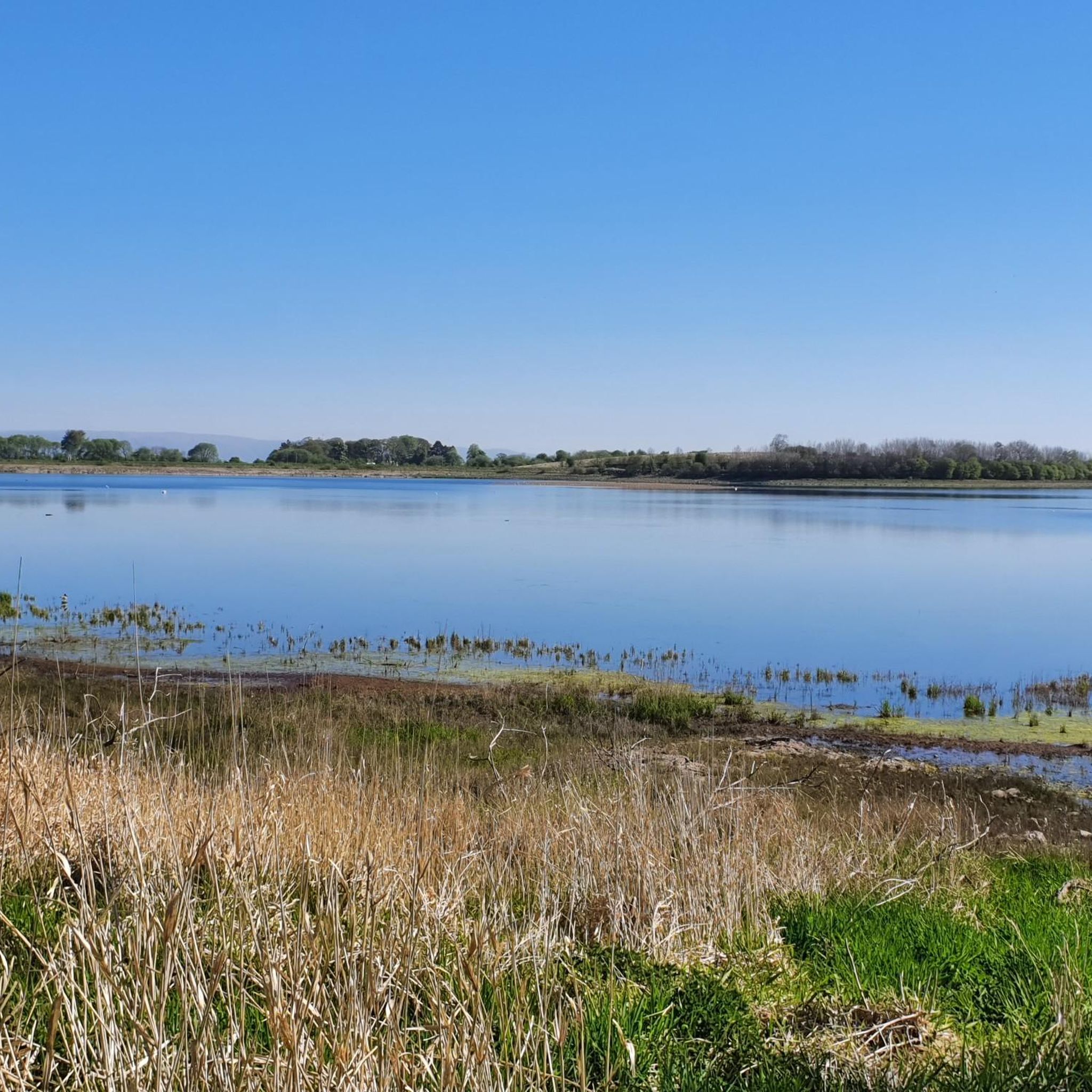
Adjacent to Oatlands' High Street, Lake Dulverton is a beautiful sanctuary for waterbirds and an important wetland. It's perfect for leisurely strolls, birdwatching, picnics, and barbecues. A 7km walking trail also follows its shores to the village of Parattah.
What kind of cultural experiences does Oatlands offer?
Oatlands' historic Georgian buildings have been repurposed to house cozy cafes, antique stores, galleries, and boutique accommodations. You can visit places like Oatlands Antiques and An Artistic Affair, or delve into the town's colonial and convict past at the Oatlands History Centre.
Are there dining options available in Oatlands?
Yes, Oatlands offers various dining options. You can find cafes like Bunch Oatlands and Vintage on High, The Pancake and Crepe Shop for sweet treats, and cellar door dining at the Callington Mill Distillery. The Kentish Tasmania also serves classic pub meals with a Tasmanian twist.
Is Oatlands suitable for family activities?
Families can enjoy leisurely strolls and picnics around Lake Dulverton, which also features unique grazing cattle sculptures. Exploring the historic buildings with the 'Oatlands Key' can also be an engaging activity for older children interested in history.
What is the significance of Callington Mill?
The Callington Mill is a significant landmark, built in 1837. It is the only working Lincolnshire tower mill in the Southern Hemisphere and has been restored. It now also houses the Callington Mill Distillery, offering tours and tastings.
Can I learn about the convict history of Oatlands?
Yes, Oatlands has a rich convict past. The walls and archway of the large Oatlands Gaol, where eighteen convicts were executed, are still standing. The Oatlands History Centre also provides interactive displays and local archives to explore this aspect of the town's history.
Are there any notable architectural sites besides the Georgian buildings?
Beyond the numerous Georgian sandstone buildings, St Paul's Catholic Church is another significant architectural landmark. It was designed by Augustus Welby Pugin, a key figure in the Gothic Revival architecture movement.
What kind of walking opportunities are there in Oatlands?
You can enjoy leisurely walks around Lake Dulverton, which is a beautiful spot for birdwatching. There's also a 7km walking trail that follows the lake's shores, leading to the nearby village of Parattah.
What makes Oatlands unique compared to other Tasmanian towns?
Oatlands stands out for having Australia's largest collection of colonial sandstone buildings, many constructed by convict labor in the early 1800s. This, combined with its operational 1837 Callington Mill and the 'Oatlands Key' initiative, offers a unique and immersive historical experience.
Most popular routes around Oatlands
Most popular attractions around Oatlands

Get inspired with the komoot mobile app


Explore more
Still not found the Highlight you’re looking for? See guides of the top attractions in other regions:
