Top 20 Castles around Rosbach vor der Höhe
Best castles around Rosbach vor der Höhe offer a historical journey through various periods, from Roman fortifications to medieval structures. The region is situated along the Upper Germanic-Rhaetian Limes, a UNESCO World Heritage Site, featuring well-preserved Roman military installations. Visitors can explore archaeological parks and reconstructed forts that provide insights into Roman frontier life. The area also presents a mix of moated castles and defensive towers, showcasing the diverse historical architecture of the Wetterau and Taunus regions.
Best castles around Rosbach vor der Höhe
- The most popular castles is Kapersburg Roman Fort, a historical site that represents Rome's military fortifications along the Limes. It is a cultural monument within the UNESCO World Heritage "Borders of the Roman Empire".
- Another must-see spot is Saalburg Roman fort, a historical site and museum. This fort was rebuilt around 1900 and offers a comprehensive view of a Roman fort, including reconstructed fortifications, buildings, and archaeological finds.
- Visitors also love Vilbel Castle with moat, a castle dating back to the 11th or 12th century. This stone building is located directly on the Nidda River and hosts cultural events.
- Rosbach vor der Höhe is known for Roman forts, moated castles, and defensive towers. The region offers a variety of historical sites to explore, reflecting different eras of fortification and settlement.
- The castles around Rosbach vor der Höhe are appreciated by the komoot community, with more than 3000 upvotes and over 1600 photos shared.
Last updated: September 26, 2026
Saalburg Roman fort
Highlight • Historical Site
saalburgmuseum.de
Translated by Google •
Tip by

Vilbel Castle
Highlight • Castle
Since 1987 the Castle Festival Bad Vilbel has been held at the historic Wasserburg from the beginning of June until the beginning of September.
In addition to four of their own theatrical productions, the open-air stage includes numerous guest performances, theater plays for children and matinees (cabaret and solo programs by well-known artists).
de.wikipedia.org/wiki/Burgfestspiele_Bad_Vilbel
Translated by Google •
Tip by

Sign up now to discover places like this
Get recommendations on the best single tracks, peaks, & plenty of other exciting outdoor places.
Kapersburg Roman Fort
Highlight • Historical Site
Translated by Google •
Tip by

Friedberg Castle
Highlight • Castle
Translated by Google •
Tip by

Kransberg Castle
Highlight • Castle
Translated by Google •
Tip by

Sign up for free to discover even more castles around Rosbach vor der Höhe.
Already have an account?
Start today with a free account
Your next adventure awaits.
Popular around Rosbach vor der Höhe

Discover the wintry Rhine-Main region
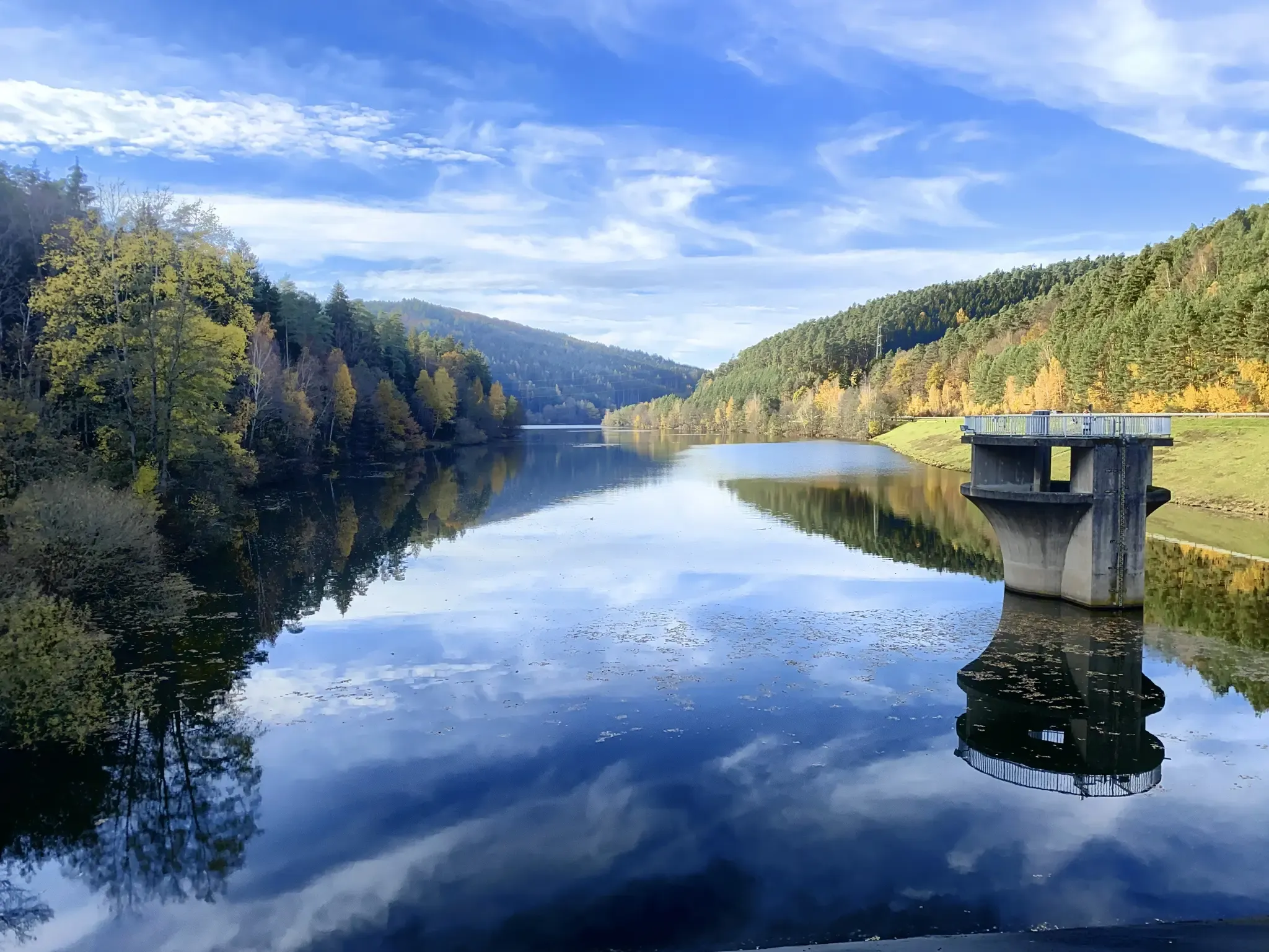
Mit Rosbacher auf Tour im Rhein-Main-Gebiet
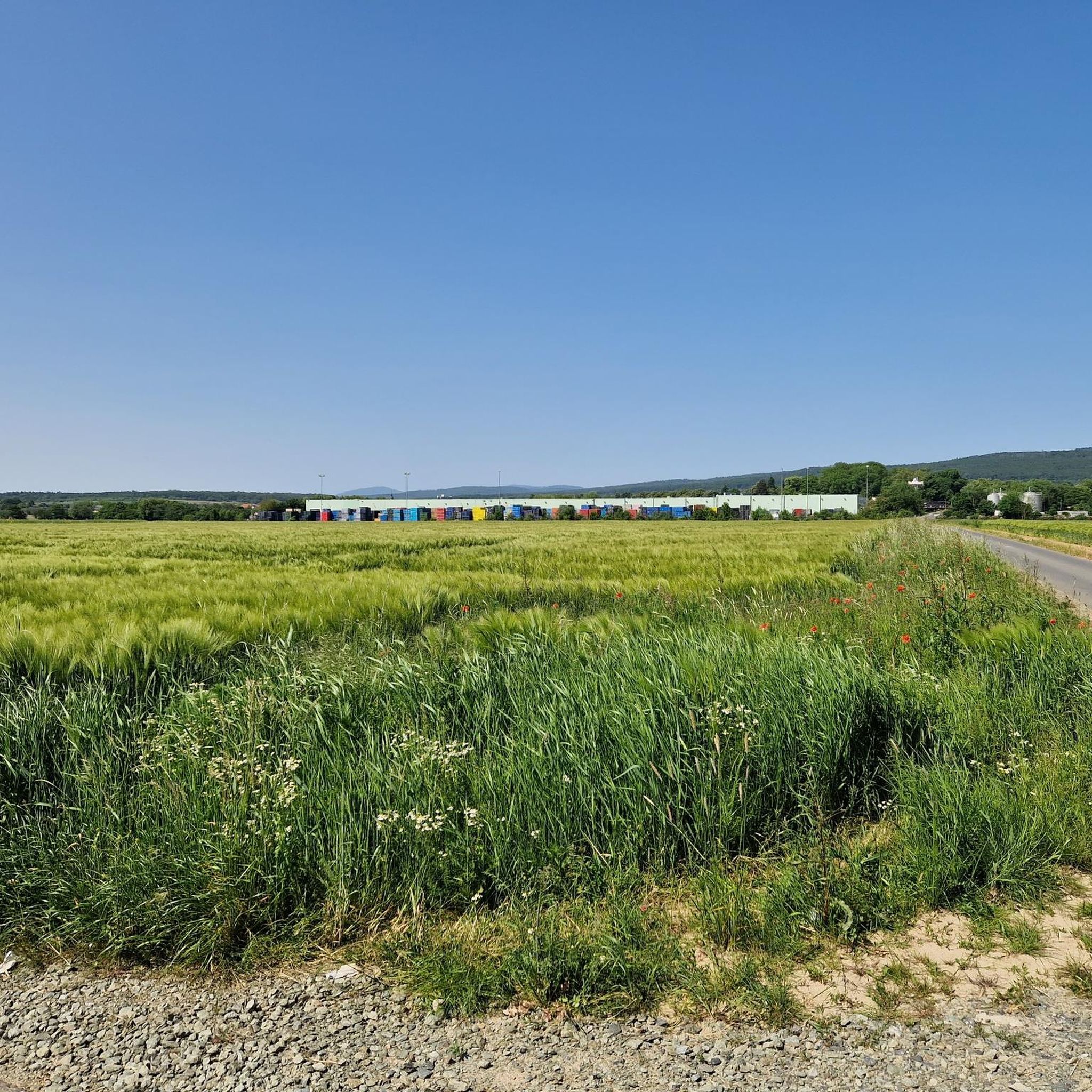
Hiking around Rosbach vor der Höhe
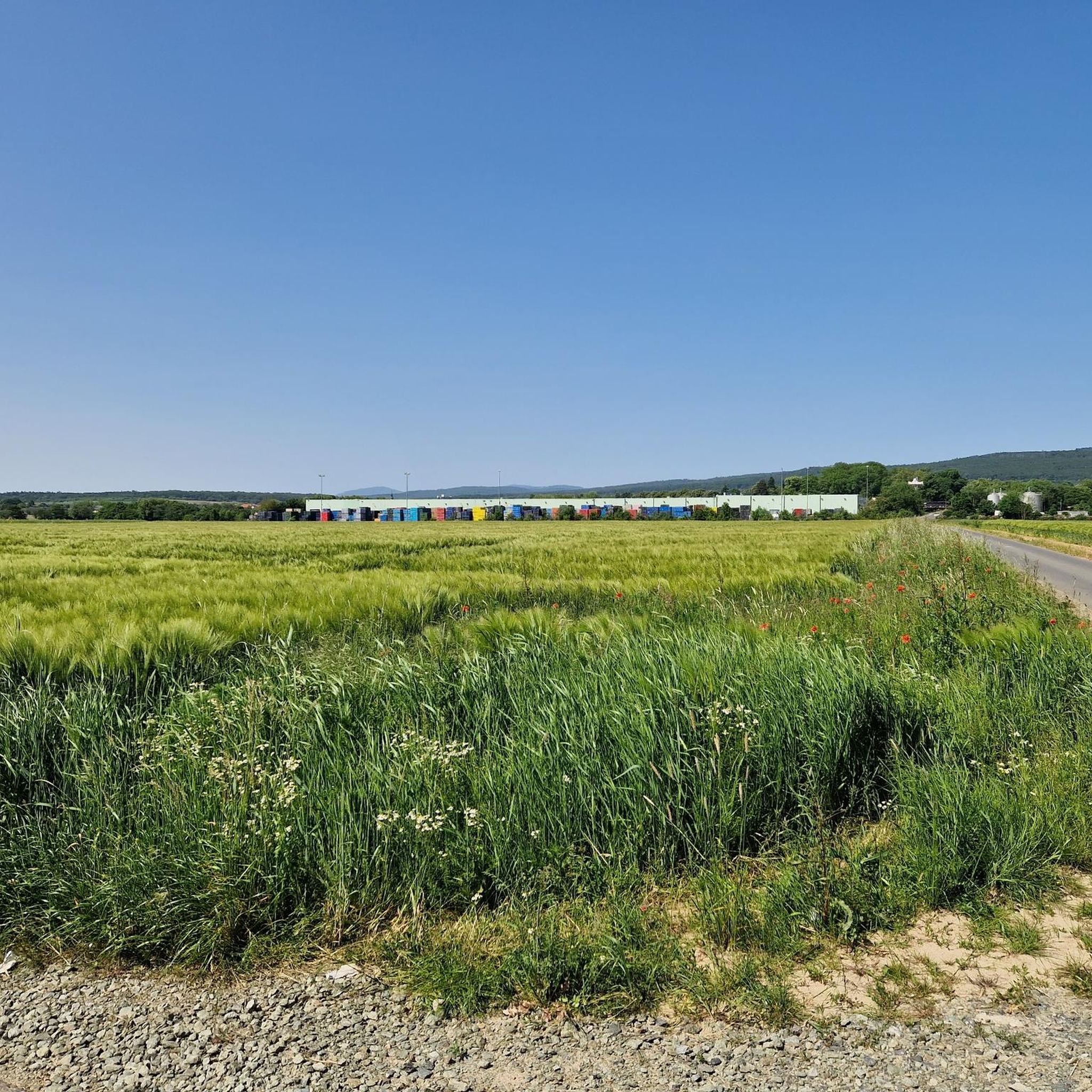
Cycling around Rosbach vor der Höhe
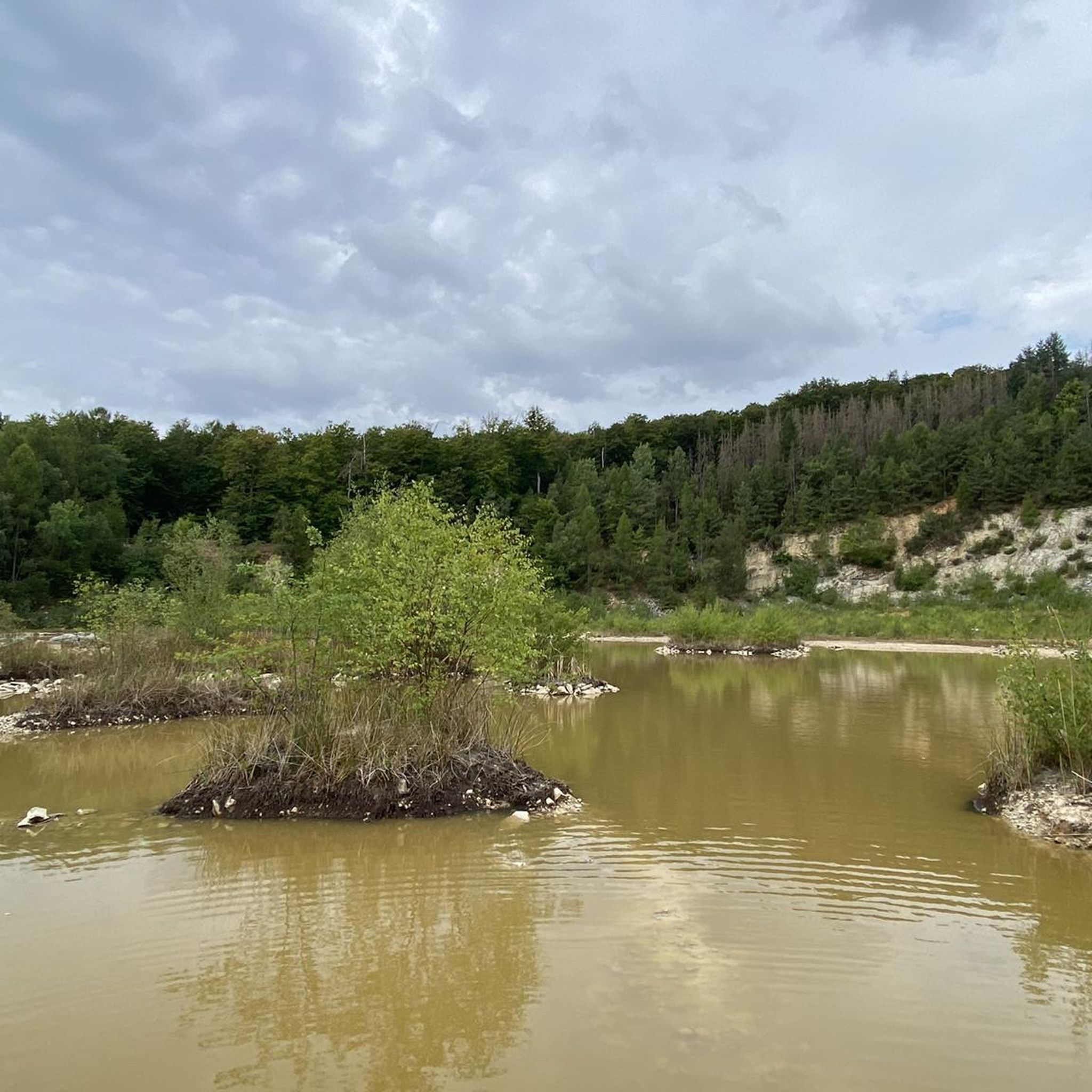
MTB Trails around Rosbach vor der Höhe
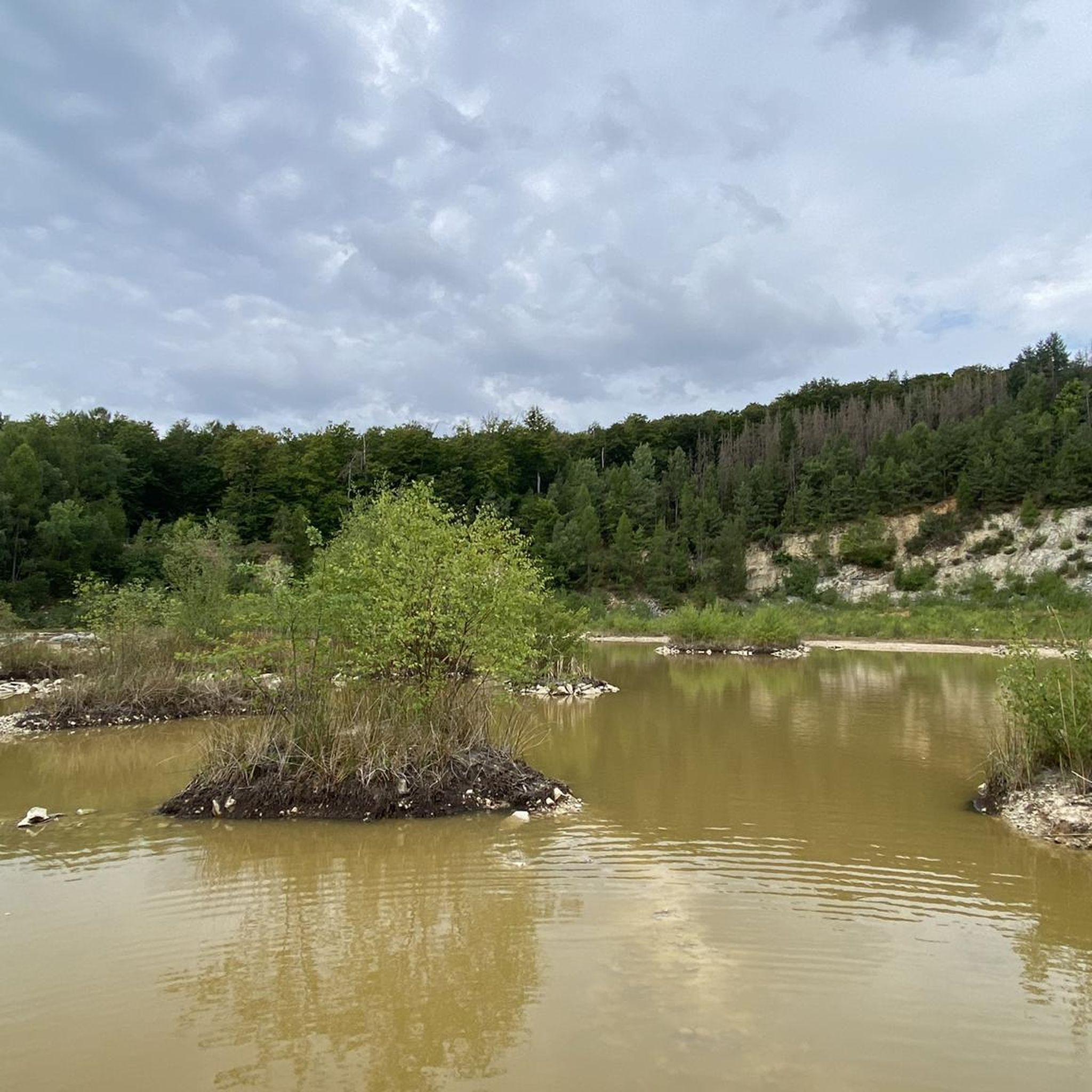
Running Trails around Rosbach vor der Höhe
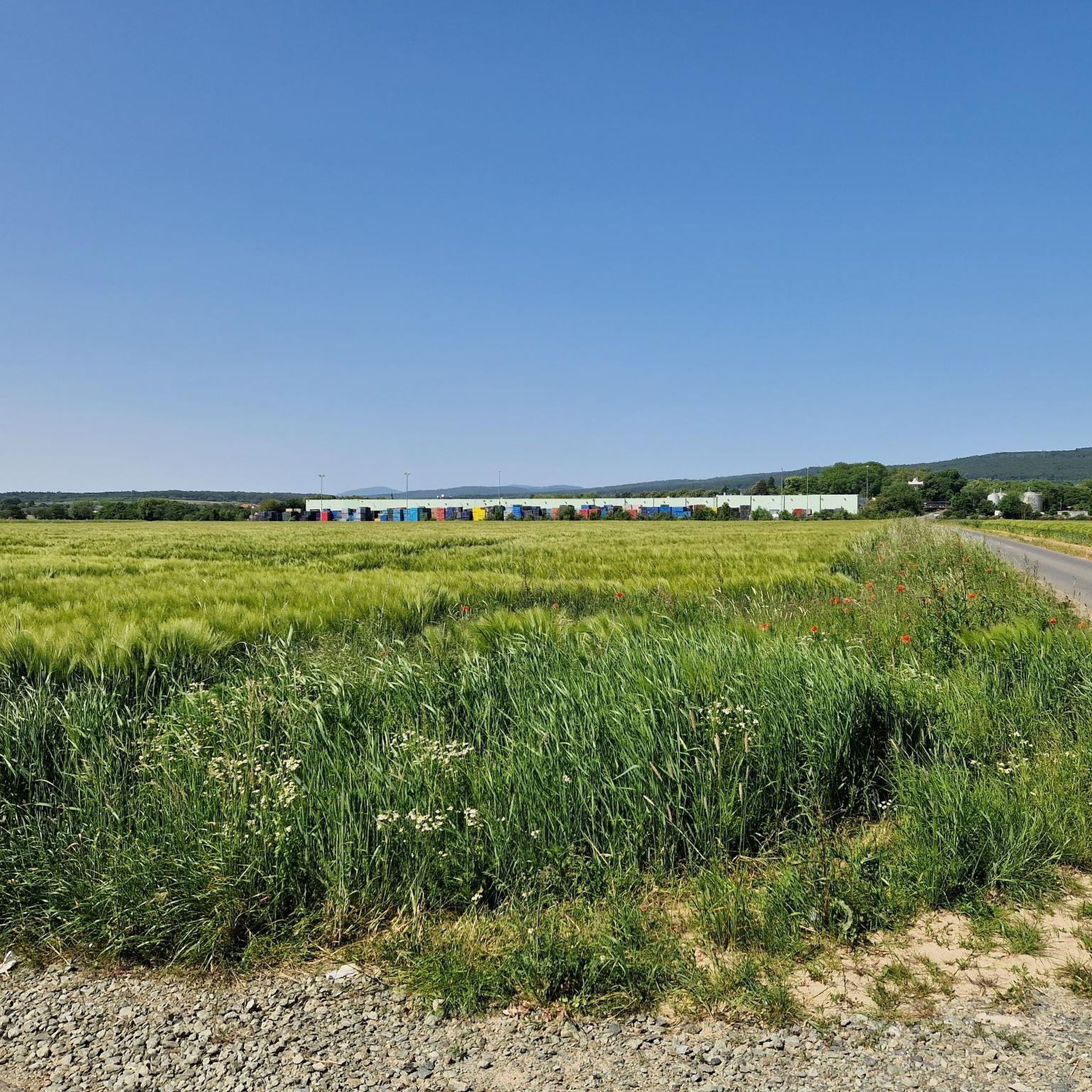
Road Cycling Routes around Rosbach vor der Höhe
Gravel biking around Rosbach vor der Höhe
Other adventures around Rosbach vor der Höhe


Tips from the Community

The castle in Friedberg is a large complex from the Middle Ages. There is a church and also a school within the castle.
5
0

In 1170, Kransberg was built as one of the first stone castles by the Staufers as part of a defensive chain Friedberg-Kransberg-Königstein-Kronberg to defend against the Limburg bishops. The keep is the only and oldest element of the entire complex that has been preserved from this period. The first separate written mention of the castle dates back to 1220. In 1310 the male line of the von Cransperk family died out and the castle went to the Lords of Falkenstein. 123 years later, in 1433, the castle fell to the Lords of Eppstein and the intermediate building was added. From 1522 to 1533 the castle briefly belonged to the Lords of Königstein and then became the property of the Counts of Stolberg. As a result of the peace in 1590, the complex came into the possession of the Archbishop of Mainz. The residential extension to the main building was built. In 1854, Count Hugo Waldbott sold the property to the Duchy of Nassau. This became Prussian after the lost war against Prussia in 1866. In 1875 the von Biegeleben family bought the property and completely renovated it. The castle now became known as Cransberg Castle. In 1920, Mrs. von Scheitlein bought the property. In 1939 the castle was confiscated by the Nazi regime and again fundamentally expanded and renovated as part of the Adlerhorst complex. The underground bunker, the knight's hall and the garages were built during this time until Kransberg Castle was captured by the American armed forces in 1945. From 1945 onwards, the British armed forces used the complex and operated the Camp Dustbin interrogation center there, where, compared to Camp Ashcan, the top scientific, technical and armaments organizations of the Nazi regime, Albert Speer, Wernher von Braun, Hermann Oberth, Karl-Otto Saur, Hans Kehrl, Fritz Thyssen, Hermann Röchling and others were arrested and questioned. In the summer of 1946, the first conference in world history on biological weapons took place here. As a result, there were changing occupancies, always by military users. The Gehlen organization, the forerunner of the Federal Intelligence Service, also worked here from 1947 to 1961, primarily in the field of telecommunications intelligence. Units of the Bundeswehr and the American armed forces also used the facility.
2
0

A historical gem with remarkable uniqueness in the medieval system of states: the Burgmannen and their elected lord of the castle of Friedberg Castle. The castle walls, towers, the castle and the garden make a very closed impression and are definitely worth a visit!
6
0

From 1604 to 1610 the main building was built in the High Renaissance style. Initially, it served as the official residence of the Burgrave - hence the name Burggrafiat. After the castle was transferred to Hesse, the Hessian grand dukes used the castle as a "summer residence". From August 30th to October 24th, 1910, Friedberg Castle was the home of the families of the Tsar and the Grand Duke. While Tsarina Alexandra was curing her ailing health in Bad Nauheim, Tsar Nicholas II and Grand Duke Ernst Ludwig met for tennis. Excursions, festivals and visits to relatives marked the visit of the Tsar's family, which attracted unprecedented media attention throughout Europe. In 1990 a major fire destroyed Friedberg Castle; only the outer walls were preserved. Today, however, the Renaissance building, also known as the Kronberger Hof, has returned to its former glory and houses the employees of the tax authorities - the new lords of the castle.
4
0
Friedberg Castle is one of the largest castle complexes in Germany. Today it houses u.a. various public facilities, such as large parts of the tax office, the Burggymnasium and a church, within the historic walls.
4
0

Beautiful and historically important tour destination and a great place for the break.
8
0

The construction history of the former castle and today's palace began in the 12th century. Today's appearance is strongly influenced by the modifications from 1875 onwards. However, the castle only gained national importance during and after the Second World War. During the Nazi era it became part of the bunkers of the so-called Führer Headquarters Adlerhorst. After World War II, various British, American and German military institutions were based here until 1990. The subsequent civilian change of ownership through restitution, sale, foreclosure, renewed sales have so far not brought any sustainable use and meanwhile the building fabric is increasingly decaying.
4
0
Nice destination for a bike ride to Bad Vilbel.
8
0
Frequently Asked Questions
What types of historical fortifications can I explore around Rosbach vor der Höhe?
The region offers a diverse range of historical fortifications. You can visit well-preserved Roman military installations like the Kapersburg Roman Fort and Saalburg Roman fort, which are part of the UNESCO World Heritage Site "Frontiers of the Roman Empire." Additionally, there are medieval structures such as the Wasserburg (moated castle) in Nieder-Rosbach and the Wehrturm (defensive tower) in Ober-Rosbach.
Are there family-friendly castles or historical sites in the area?
Yes, several sites are suitable for families. The Saalburg Roman fort is particularly family-friendly, offering a living museum experience with reconstructed buildings and exhibits that bring Roman life to life. The Kapersburg Roman Fort also provides an engaging historical experience for all ages. Vilbel Castle with moat is another great option, often hosting cultural events.
What outdoor activities can I do near these castles?
The area around Rosbach vor der Höhe is excellent for outdoor activities. You can find numerous hiking and cycling trails that often incorporate historical sites. For example, the MTB Trails around Rosbach vor der Höhe include routes like the 'Winterstein tower – Kapersburg Roman Fort loop'. There are also Road Cycling Routes and Mountain Hikes that allow you to explore the natural beauty of the Taunus region while visiting historical landmarks.
Can I visit a fully reconstructed Roman fort?
Absolutely. The Saalburg Roman fort, located near Bad Homburg, is Germany's most completely reconstructed Roman frontier fort. It was rebuilt around 1900 and offers a comprehensive view of a Roman fort, including gates, walls, barracks, and a museum with archaeological finds.
Are there any medieval castles that host cultural events?
Yes, Vilbel Castle with moat, dating back to the 11th or 12th century, is known for hosting cultural events. The Castle Festival Bad Vilbel is held there annually from early June to early September, featuring theatrical productions and guest performances.
What is the best time of year to visit the castles and forts?
The spring and autumn months generally offer pleasant weather for exploring the outdoor sites like the Roman forts and for enjoying hiking or cycling. While some indoor museums at the sites may have winter opening hours, outdoor exploration is most comfortable during milder seasons. It's always advisable to check specific opening hours for individual sites, especially during winter.
Are there any local history museums within the fortifications?
Yes, the Wehrturm (defensive tower) in Ober-Rosbach houses the municipal archive and a museum. It features exhibition objects from the Stone Age to models of historical village centers, providing insights into Rosbach's local history.
What makes the Roman Fort Kapersburg significant?
The Kapersburg Roman Fort is one of the best-preserved Roman military installations along the Upper Germanic-Rhaetian Limes. It is a UNESCO World Heritage Site, and its restored archaeological park gives a clear idea of the Limes in late antiquity, showcasing visible traces and reconstructed building relics.
Can I find moated castles in the Rosbach vor der Höhe area?
Yes, the Wasserburg (moated castle) in Nieder-Rosbach is a historical structure with origins tracing back to the 13th century. It underwent a complete renovation in 2011 and is a noteworthy local landmark, often available for booking festivities.
Are there opportunities for circular walks around the castles?
Many of the historical sites, especially the Roman forts like Kapersburg, are integrated into extensive cycling and hiking trails, including Limes adventure paths. These often allow for circular routes, combining historical exploration with scenic walks through the surrounding nature.
What do visitors enjoy most about the castles around Rosbach vor der Höhe?
Visitors appreciate the immersive historical experience, particularly at the Roman forts which vividly bring to life the architecture and daily routines of Roman soldiers. The combination of historical exploration with opportunities for hiking and cycling in the beautiful Taunus region is also highly valued. Many highlights are noted for being family-friendly and offering educational insights into the past.
How can I get to the castles using public transport?
While specific public transport details for each individual castle vary, Rosbach vor der Höhe itself is connected to regional transport networks. For sites like the Saalburg Roman Fort, there are often bus connections from nearby towns like Bad Homburg. It is recommended to check local public transport schedules for the most up-to-date information when planning your visit.
Most popular routes around Rosbach vor der Höhe
Most popular attractions around Rosbach vor der Höhe

Get inspired with the komoot mobile app


Explore more
Looking for the best castles somewhere else? Discover other guides around Rosbach vor der Höhe:
