Attractions and Places To See around Mossend - Top 20
Best attractions and places to see around Mossend, a village in North Lanarkshire, Scotland, include local points of interest and serve as a base for exploring significant regional attractions. Historically, the village developed around the steel industry, with its name hinting at its original natural landscape. The area offers a mix of historical sites, natural features, and cultural attractions within a short distance.
Best attractions and places to see around Mossend
- The most popular attractions is Strathclyde Loch, a…
Last updated: August 25, 2026
Strathclyde Loch
Highlight • Trail
Tip by

Duke's Monument
Highlight • Monument
Tip by

Sign up now to discover places like this
Get recommendations on the best single tracks, peaks, & plenty of other exciting outdoor places.
Sign up for free
Blantyreferme World War II Anti-Aircraft Battery
Highlight • Monument
Tip by

Bothwell Castle
Highlight • Historical Site
Tip by

David Livingstone Birthplace
Highlight • Monument
Tip by
Sign up for free to discover even more attractions around Mossend.
Sign up for free
Already have an account?
Start today with a free account
Your next adventure awaits.
Login or Signup



Tips from the Community

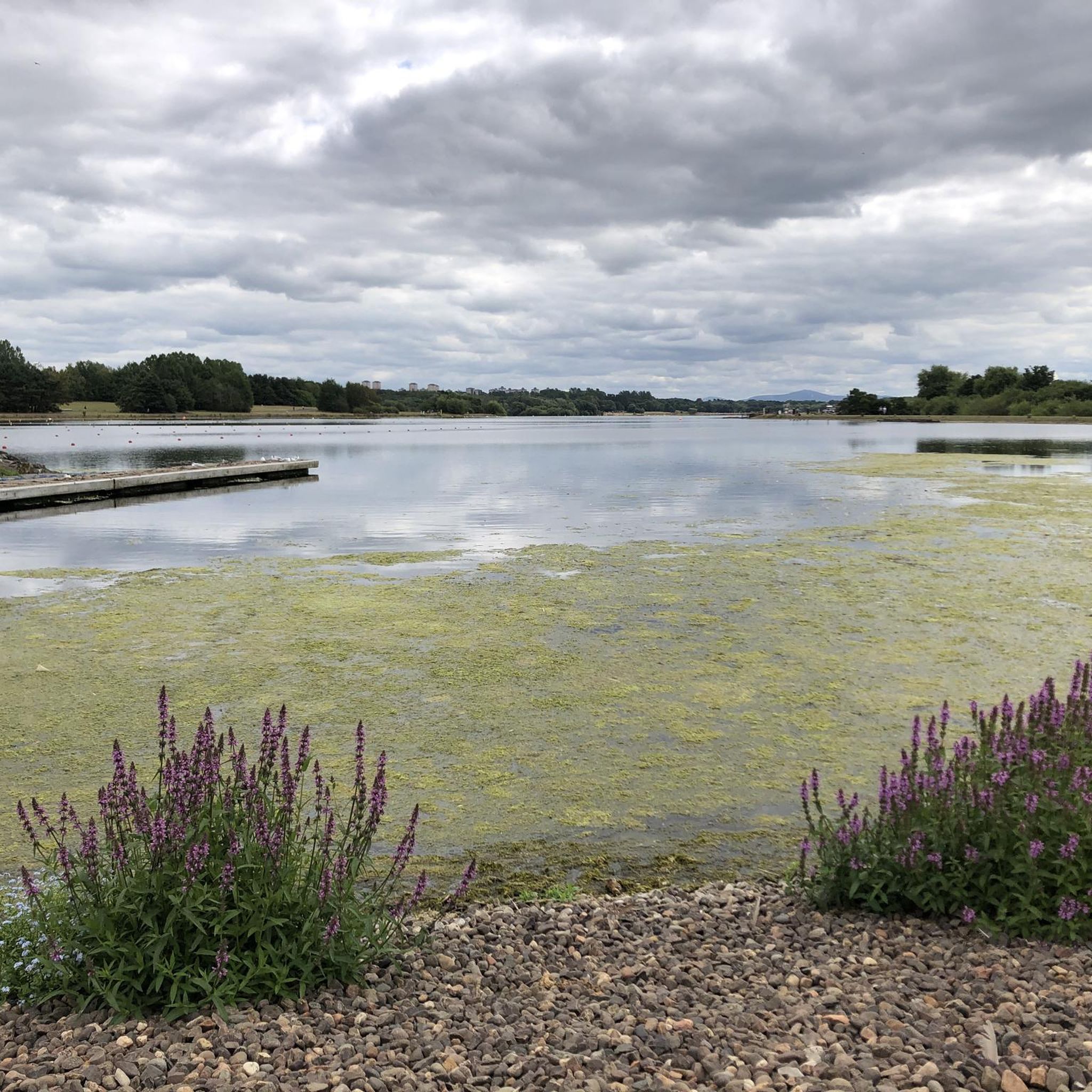
“Strathclyde Loch is more than just water: beneath its surface, Bothwellhaugh, a mining village swept away in the 1970s, vanished. Today, only a cairn remains as a reminder of the houses, schools, and shops. There's also a Roman fort and an ancient road (yes, Watling Street is still here). Final warning: In 2012, a norovirus outbreak left 57 swimmers unconscious. Water caution.
0
0

The Duke's Monument was erected in 1863 as a tribute to the Duke of Hamilton. Originally there was a bronze bust of the duke but that has been moved to the visitor centre nearby.
1
0

A World War II anti-aircraft battery was sited at Blantyreferme, near Blantyre to the southeast of Glasgow, west side of Blantyre Farm Road. Site number GSG1 (early), S1 (later). Part of the Clyde AA Defences, the site was also known as Blantyre Ferme, Blantyre, or Uddingston. The battery is described as having four emplacements armed with 4.5-inch guns (1942-43 then re-equipped with 3.7-inch guns (1945), command post, magazine, gun store, and other support buildings, with an accommodation camp located to the east. Records indicate the later addition of two further emplacements. A GL Radar mat lay to the northwest of the site, reported to operate Mk II radar in 1942-43. No significant remains survive of the accommodation camp, and while much of the battery and its buildings can be found, the emplacements have been vandalised, some heavily, while others appear to have been lost in the undergrowth. Numerous small details remain scattered about the site, such as small shelters made of corrugated iron sheeting, and ground features which may be related to sewage handling, such as manhole covers. Although a third magazine was known to have been reported on the site, possibly under a spoil heap, this was not confirmed until 2009, when it was found buried beneath the spoil during the winter, when the vegetation had died back, and photographs could be taken of the roof, entrance, and storage bays within. source: https://www.secretscotland.org.uk/index.php/Secrets/AABatteryBlantyreferme
0
0

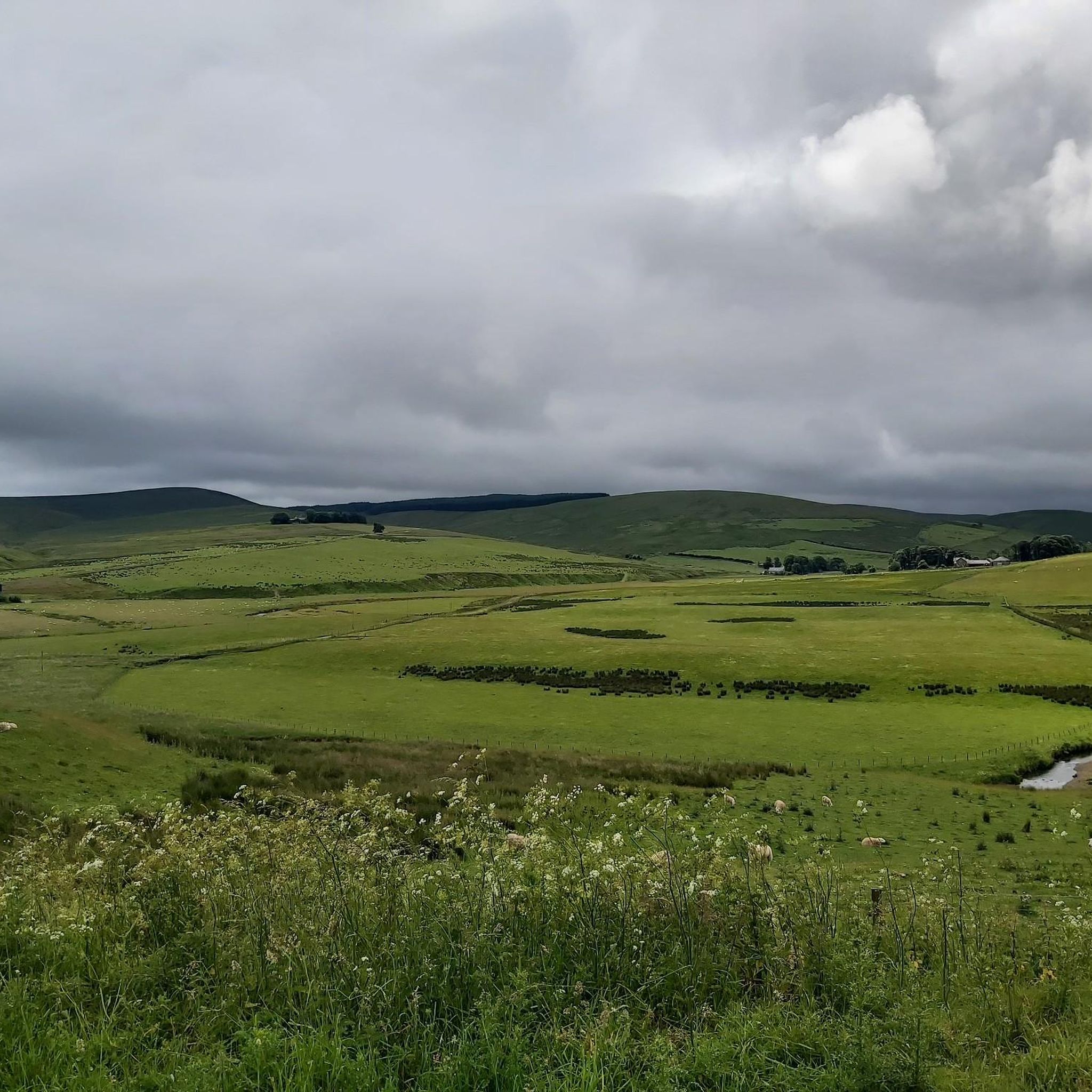
Nice, moderate hike. Not a demanding one but wear warm clothes during winter obviously. The terrain means that often the path would not be covered by sunlight so it can get cooler than expected or forecasted. Some dog walkers not in control of their pups in my opinion.
0
0
Erected by the people of Hamilton in memory of William 11th Duke of Hamilton in 1863, the year he died. The bronze bust of the Duke which used to sit on the centre plinth in the monument is now on display at the visitor’s centre at Chatelherault. There are nine steps leading up to the entrance of the monument and it is mainly constructed from red sandstone. On the left of the steps at the bottom is a carved coat of arms for the Hamilton Clan. And, on the right is the Chatelherault Crest. There are also nine pillars made from polished granite that support the roof. The inside underneath part of the roof is constructed from oak which has been stained. It is a paneled design with a centre rose. Behind the monument is a very sharp drop leading down to the Avon Water. During the same year of 1863 before the Duke died, he commissioned the construction of the “Dukes Bridge” located behind Chatelherault Hunting Lodge (now Visitor’s Centre). The bridge crosses the River Avon and allows access to the Cadzow Castle Ruins, Cadzow Oaks and the Dukes Monument, which is located on the edge of the Barncluith Estate, On the road leading to the entrance to the High Parks Farm. There are some fantastic woodland walks around these areas and you truly experience a real feel of the history around you. The Cadzow Oaks and Earthworks area is enchanting! Written by Hamilton Historian Terence (Terry) Murphy Ref. SLC Website https://www.google.com/amp/s/hamiltonhistorian.wordpress.com/2016/05/12/dukes-monument/amp/
0
0


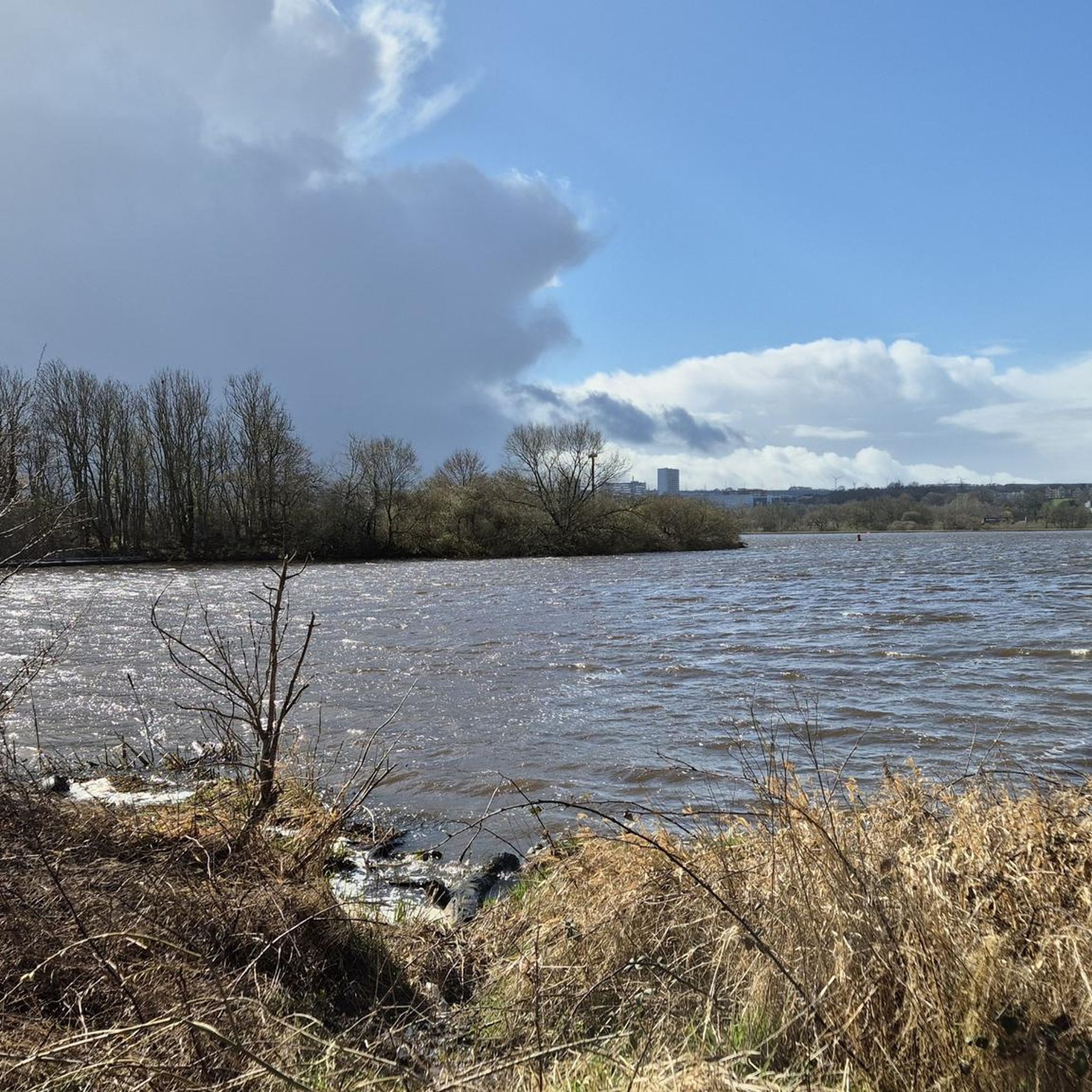
Great place to go for a run or a slow cycle. There's a trail all around the lake but too many people to expect to fai any major stores on a bike.
0
0
Frequently Asked Questions
What natural features or parks can I explore near Mossend?
You can visit Strathclyde Loch, a large lake within Strathclyde Country Park, offering scenic walking and cycling paths and water sports. The park also features wetland and native woodland habitats. Locally, Mossend Park provides a green space for peaceful outings.
What historical sites can I visit near Mossend?
The area boasts several historical sites. Explore the medieval Bothwell Castle, a strategic stronghold during the Scottish Wars of Independence. You can also visit the David Livingstone Birthplace museum, dedicated to the famous explorer. For a glimpse into wartime history, see the remains of the Blantyreferme World War II Anti-Aircraft Battery. The Duke's Monument, erected in 1863, is another notable landmark.
Are there any museums or cultural attractions in the area?
Yes, the David Livingstone Birthplace is a museum housed in a former textile mill where Livingstone was born, featuring a 3,000-piece collection. Further afield, the Summerlee - Museum of Scottish Industrial Life in Coatbridge offers insights into Lanarkshire's industrial past, including a heritage tram ride and a recreated mine.
Are there family-friendly attractions around Mossend?
Absolutely. Strathclyde Loch and its surrounding Country Park are ideal for families, with paths for walking and cycling. The David Livingstone Birthplace museum is also family-friendly, set within estate parkland. Summerlee - Museum of Scottish Industrial Life provides interactive experiences like tram rides and mine tours that children often enjoy.
What outdoor activities can I do near these attractions?
The area around Mossend offers various outdoor activities, particularly around Strathclyde Loch. You can find numerous routes for hiking, running, and cycling. For easy walks, explore options like "A loop of Strathclyde Loch & Country Park" or "Strathclyde Loch North Path loop from Motherwell." Cyclists can enjoy routes such as "Strathclyde Loch loop from Bellshill." You can find more details on these activities in the easy hikes, running trails, and cycling guides for the area.
Are there any wheelchair-accessible attractions near Mossend?
Yes, the David Livingstone Birthplace museum is noted as being wheelchair accessible, offering facilities and a cafe within its estate parkland.
What local points of interest are within Mossend village itself?
Within Mossend, you can see the striking Holy Family Roman Catholic Church, designed by Pugin and Pugin, which dates back to 1884. The Mossend Cross is another local point of interest. Historically, the village was significant for the Mossend Iron Works, which opened in 1839.
What is the best time of year to visit Mossend for outdoor activities?
While Mossend offers outdoor activities year-round, spring and summer generally provide the most pleasant weather for exploring the lochs, parks, and historical sites. Autumn also offers beautiful scenery, especially in wooded areas. Winter walks are possible, but be prepared for colder, potentially wetter conditions.
What is the historical significance of Mossend?
Mossend played a significant role in Scotland's industrial history. It developed around the steel industry, notably with the Mossend Iron Works opening in 1839, becoming one of Scotland's largest producers of malleable iron. The village's name itself, "Mossend," hints at its original natural landscape at the "end of Moss land."
Are there any UNESCO World Heritage Sites nearby?
Yes, New Lanark, an 18th-century cotton mill village, is a UNESCO World Heritage Site located a short distance from Mossend. Visitors there can also enjoy walks through the Falls of Clyde Scottish Wildlife Trust reserve, featuring impressive waterfalls.
What do visitors enjoy most about the attractions around Mossend?
Visitors particularly appreciate the scenic beauty and historical depth of the area. For instance, Strathclyde Loch is loved for its easy riding and peaceful atmosphere, with many enjoying the trails around the lake. David Livingstone Birthplace is praised for its lovely museum, coffee, and food, while Bothwell Castle offers an interesting ruin to explore with nice gravel paths.
Can I find Roman history near Mossend?
Yes, within Strathclyde Country Park, near Strathclyde Loch, you can find the remains of a Roman fort and a section of Watling Street, offering a glimpse into the area's ancient past.
Most popular attractions around Mossend

Get inspired with the komoot mobile app


Explore more
Still not found the Highlight you’re looking for? See guides of the top attractions in other regions:
