Attractions and Places To See around Yell - Top 20
Best attractions and places to see around Yell include a diverse range of historical sites, natural features, and cultural points of interest. Yell, the second-largest island in Shetland, features a long and varied coastline, alongside stretches of uninhabited moorland. The island is known for its abundant wildlife, including otters and various seabirds, and offers numerous sandy beaches. It serves as a base for exploring the surrounding Shetland Isles.
Best attractions and places to see around Yell
- The most popular attractions is Muness Castle, a castle that is a splendid example of tower house architecture. It provides insight into how a family, servants, and visitors would have used the internal space of the castle.
- Another must-see spot is Toft–Ulsta Ferry, a facilities highlight. The ferry operates several times a day, all year round, with a crossing time of about 20 minutes.
- Visitors also love Burravoe Pier and Marina, a facilities highlight. It makes a great starting point for hikes, offering parking, toilet facilities, and a unique shop with a roof made from a lifeboat.
- Yell is known for its historical sites, sandy beaches, and abundant wildlife. The island offers a variety of attractions to see and explore, from ancient ruins to coastal walks and cultural centers.
- The attractions around Yell are appreciated by the komoot community, with 7 upvotes and 4 photos shared by visitors.
Last updated: July 3, 2026
Toft–Ulsta Ferry
Highlight • Rest Area
Translated by Google •
Tip by

Ferry Between Gutcher and Belmont
Highlight • Rest Area
Translated by Google •
Tip by
Sign up now to discover places like this
Get recommendations on the best single tracks, peaks, & plenty of other exciting outdoor places.
Sign up for free
Muness Castle
Highlight • Castle
It was built for Laurence Bruce of Cultmalindie – a prominent figure during a turbulent time in Shetland. Accused of oppression of the Shetland people, Bruce is also portrayed as heroic in some legends.
Tip by

Burravoe Pier and Marina
Highlight • Rest Area
Tip by

Outsta Ness
Highlight • Viewpoint
Pause here to enjoy views of the west side of Unst and the north coast of Yell, before retracing your steps.
Tip by
Sign up for free to discover even more attractions around Yell.
Sign up for free
Already have an account?
Start today with a free account
Your next adventure awaits.
Login or Signup
Popular around Yell
Tips from the Community

Muness Castle is a splendid example of tower house architecture, and it’s full of delightful touches. Here it’s easy to appreciate how the family, servants and visitors would have used the internal space of the castle. It was built for Laurence Bruce of Cultmalindie – a prominent figure during a turbulent time in Shetland. Accused of oppression of the Shetland people, Bruce is also portrayed as heroic in some legends.
2
0

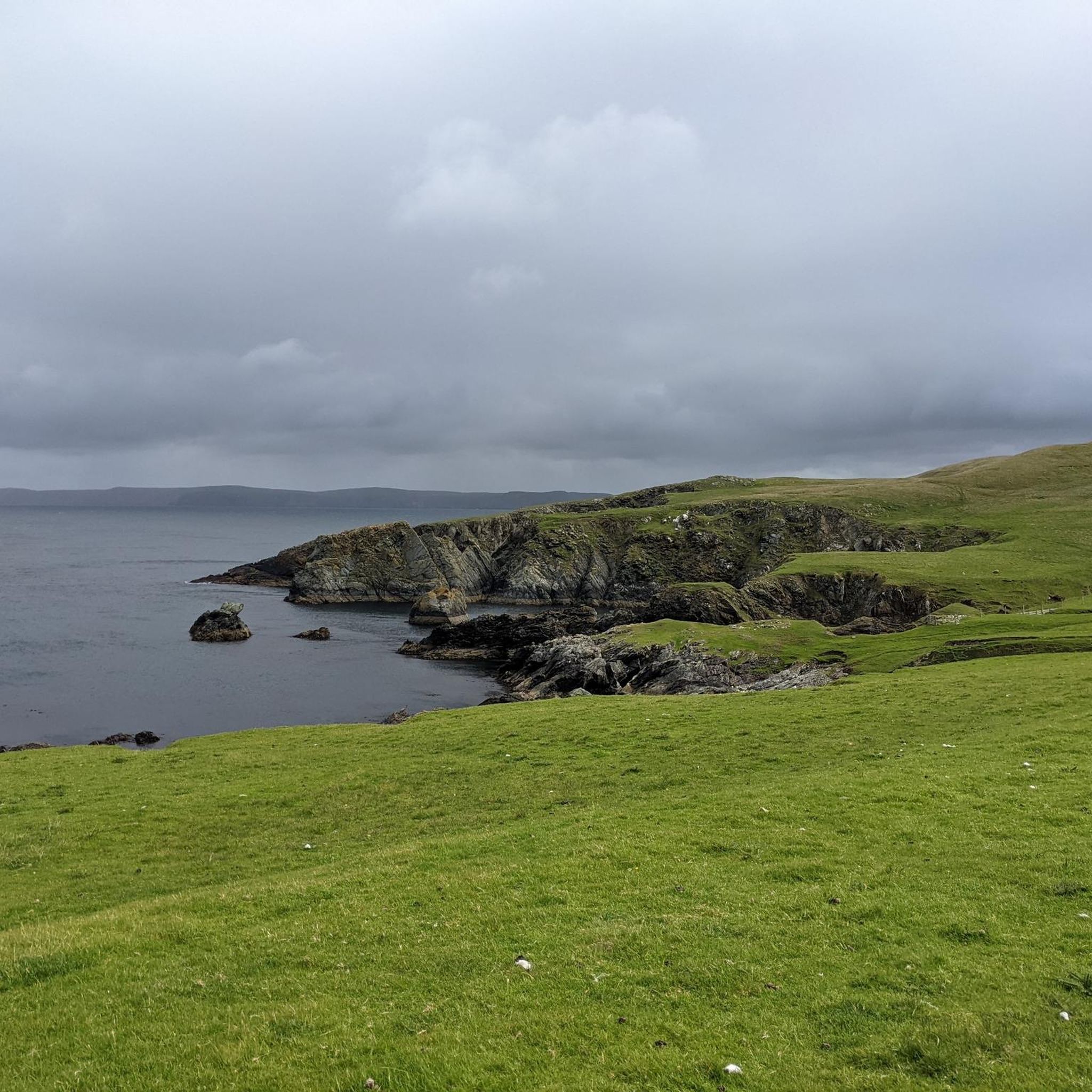
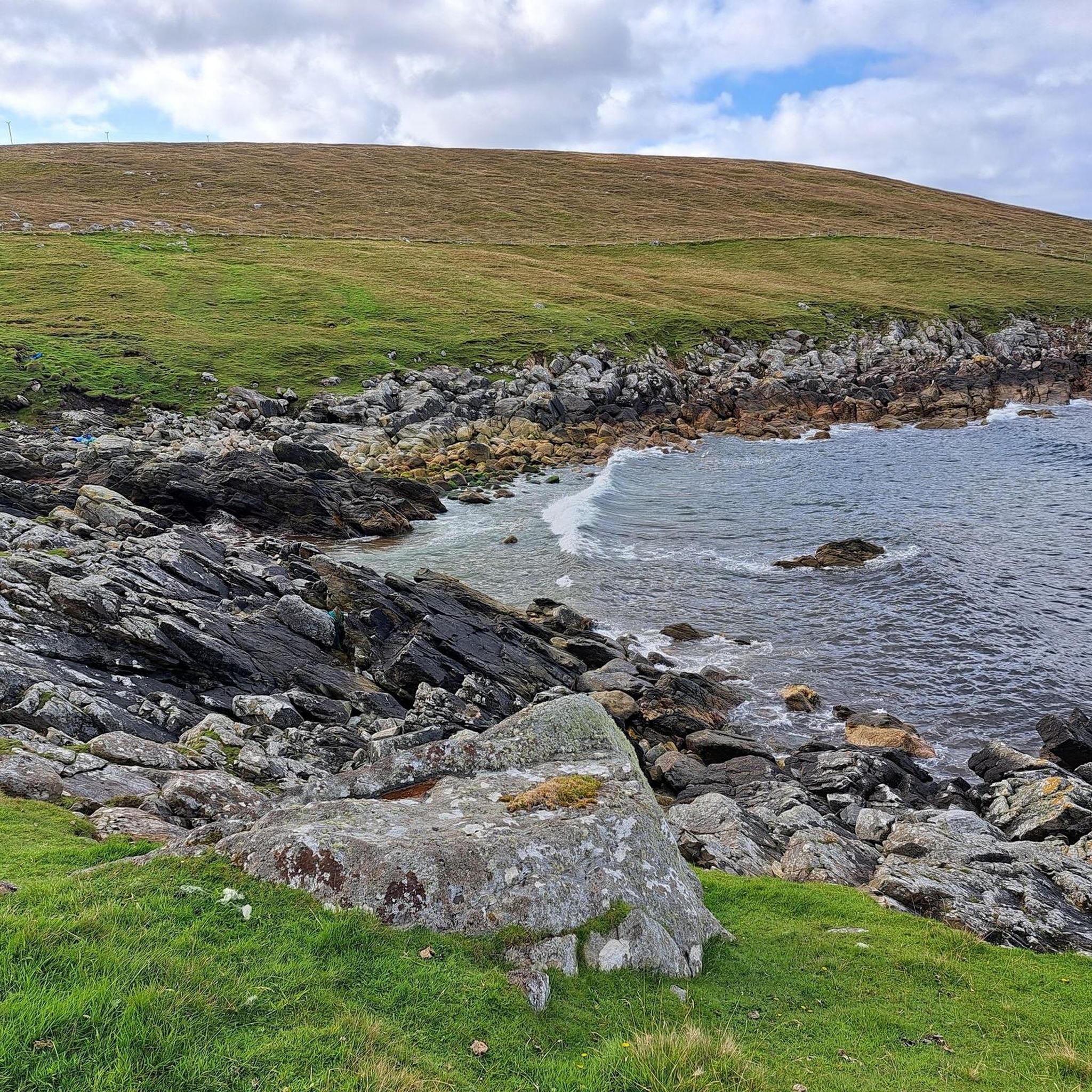
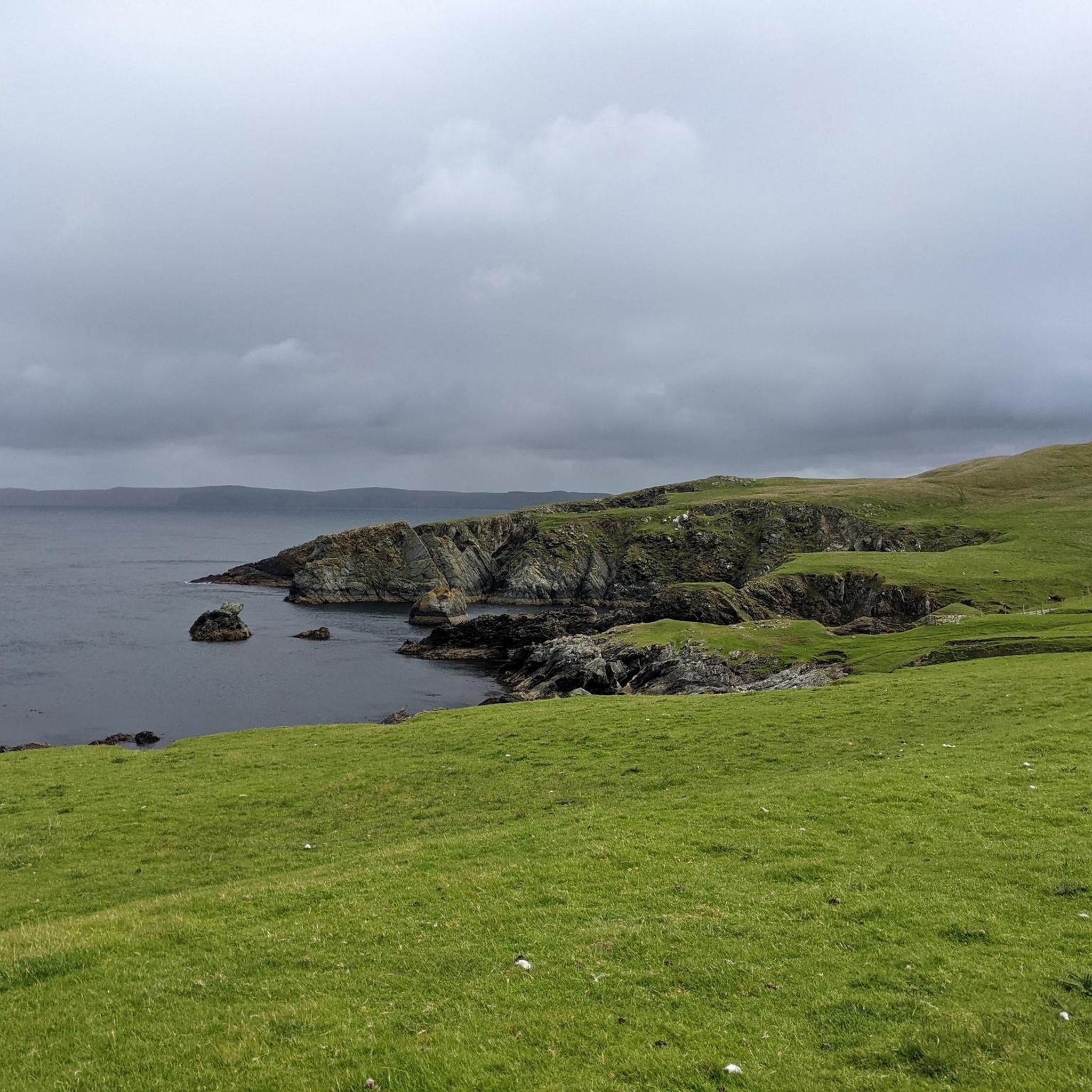
The headland of Ness of Houlland ends at the ragged rocks of Outsta Ness, home to seabirds of many kinds. Pause here to enjoy views of the west side of Unst and the north coast of Yell, before retracing your steps.
1
0
Burra Voe Pier and Marina makes a great starting point for a hike around the local area. Offering parking, toilet facilities and at the caravan and camping site a very cool shop, the roof of which is made from one of the lifeboats from the SS Canberra.
1
0

You only pay from toft to ulsta! No need to get your wallet out for the return trip
1
0

From Gutcher on the island of Yell, the ferry takes you to Belmont on the island of Unst. It operates several times a day throughout the year. The crossing takes only about ten minutes. The timetable and all booking information can be found here: https://www.shetland.gov.uk/ferries/Timetable.asp
1
0
The ferry between Toft and Ulsta on Yell Island operates several times a day, all year round. The crossing takes about 20 minutes. The exact timetable can be found on the website. There you can also book tickets directly: https://www.shetland.gov.uk/ferries/timetable.asp
1
0
Frequently Asked Questions
What historical sites can I visit on Yell?
Yell offers several intriguing historical sites. You can explore the splendid tower house architecture of Muness Castle, which provides insight into 16th-century life. Other notable sites include the ruined 2,000-year-old Iron Age Burraness Broch, the 18th-century Windhouse (reputed to be Shetland's most haunted), and the Old Haa Museum in Burravoe, which showcases local history and art.
Where can I find beautiful beaches on Yell?
Yell is home to several beautiful sandy beaches. Lund Beach is a tranquil, sand-dune backed beach overlooked by an old kirk and graveyard. Other award-winning options include West Sandwick Beach and the Sands of Breckon, both perfect for a relaxing stroll.
What kind of wildlife can I spot on Yell?
Yell is renowned for its abundant wildlife. Otters are relatively easy to spot, especially along the low-lying, peaty shoreline. During summer, the moorlands and sea cliffs are alive with breeding seabirds like whimbrel, red-throated divers, bonxies, and kittiwakes. With luck, you might also spot marine life such as harbour porpoises, dolphins, and even orcas in Bluemull Sound and Yell Sound.
Are there family-friendly attractions on Yell?
Yes, Yell offers family-friendly options. Burravoe Pier and Marina is a great starting point for local hikes, offering parking and toilet facilities. The Old Haa Museum in Burravoe is also family-friendly, with engaging displays, gardens, and a tearoom.
What outdoor activities can I do near Yell's attractions?
Yell is excellent for outdoor activities. You can find numerous hiking trails, including moderate routes like the Sandvoe to Uyea loop or the Ness of Queyon circular. For cyclists, there are various road cycling and touring bicycle routes, such as the Yell & Unst loop. You can find more details and routes in the Hiking around Yell, Road Cycling Routes around Yell, and Cycling around Yell guides.
Where can I find unique cultural points of interest?
For cultural insights, visit the Old Haa Museum in Burravoe, which provides a glimpse into local history and art. The Shetland Gallery in Sellafirth, the UK's most northerly gallery, showcases works from talented Shetland artists.
Are there any memorials or poignant sites to visit?
Yes, Yell has several poignant sites. The White Wife of Queydon at Otterswick is a figurehead memorial to three young men lost in a 1924 shipwreck. The Gloup Memorial commemorates 58 fishermen who perished in an 1881 storm. You can also hike to the World War II Catalina Crash Site in Arisdale.
What is the best way to get to Yell and explore the island?
Access to Yell is via the Toft–Ulsta Ferry, which operates several times a day year-round with a crossing time of about 20 minutes. For exploring the island, having a car is recommended, but there are also cycling and hiking routes available.
Where can I start a hike or find facilities on Yell?
The Burravoe Pier and Marina is an excellent starting point for hikes, offering parking, toilet facilities, and even a unique shop. It's a convenient spot to begin exploring the local area.
Can I find any unique historical structures related to fishing?
Yes, you can visit the Roer Mill Beach and Haaf Fishing Böd. This historical site features the ruined remains of a böd, which was a crucial landing place for open fishing boats to bring and dry their catch.
Are there any viewpoints or scenic coastal areas on Yell?
Yell's long and varied coastline offers many scenic spots. The walk to Burraness Broch provides commanding sea views. The Herra in West Yell offers beautiful coastal walks and the opportunity to hike to the imposing Stacks of Stuis. You can also enjoy the tranquility of beaches like Lund Beach.
What is the best time to visit Yell for outdoor activities and wildlife spotting?
The summer months are generally the best time to visit Yell, especially for outdoor activities like hiking and cycling, and for spotting breeding seabirds. The weather is typically milder, and daylight hours are long, enhancing opportunities for wildlife observation and exploration.
Most popular routes around Yell

Get inspired with the komoot mobile app


Explore more
Still not found the Highlight you’re looking for? See guides of the top attractions in other regions:
